November 16 – December 31
One of our goals for dining this time around in Fort Bragg was to enjoy good seafood. Ultimately, we’d not fulfill this desire but still ate well none the less. We checked out options on Trip Advisor that night, but many of our first choices were closed that evening and so, we headed out to a place that looked good, only to find it closed as well. By now, driving around, we located La Palapa, a well-reviewed Mexican joint not far from the main drag and made our way there.
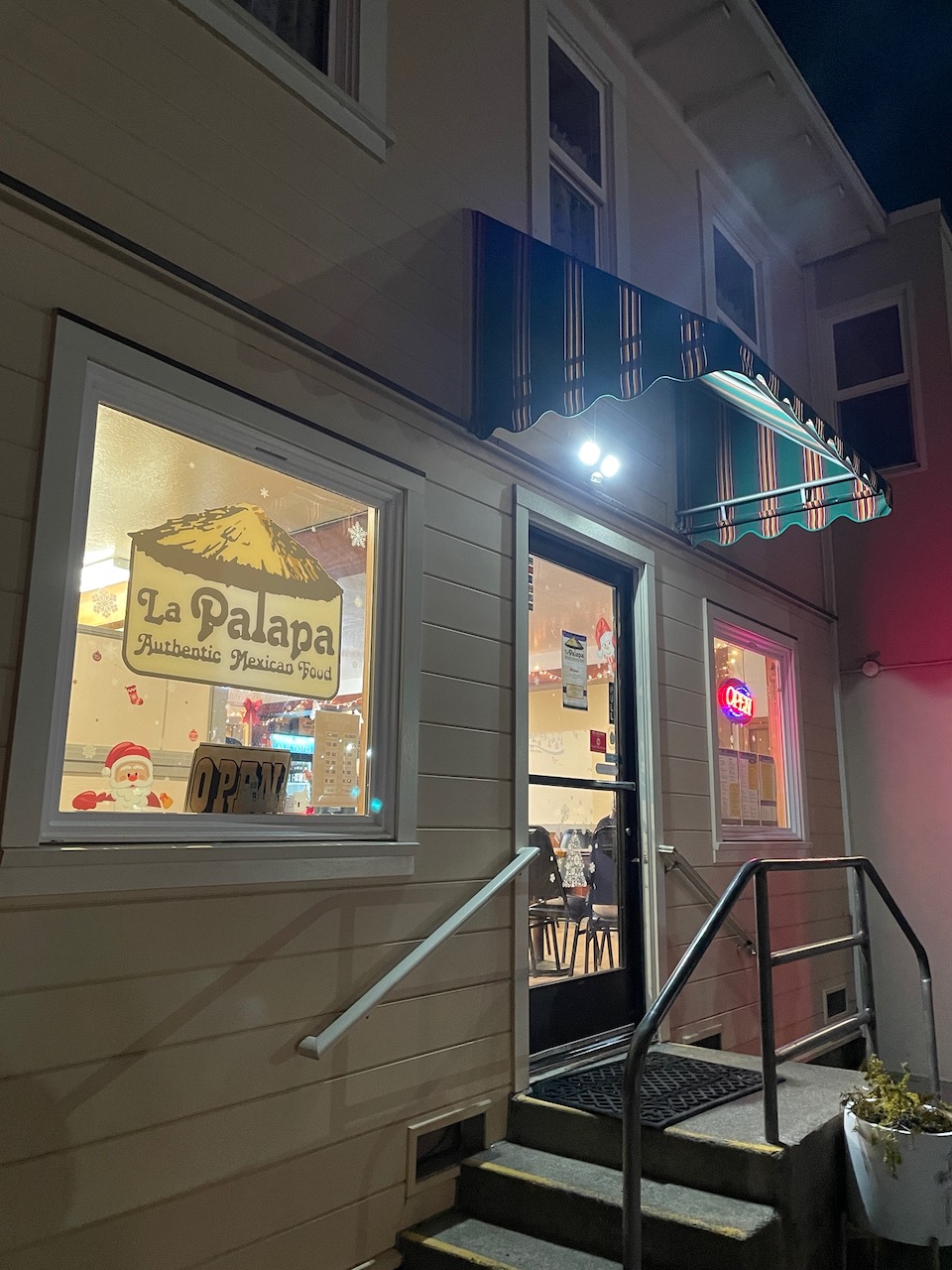

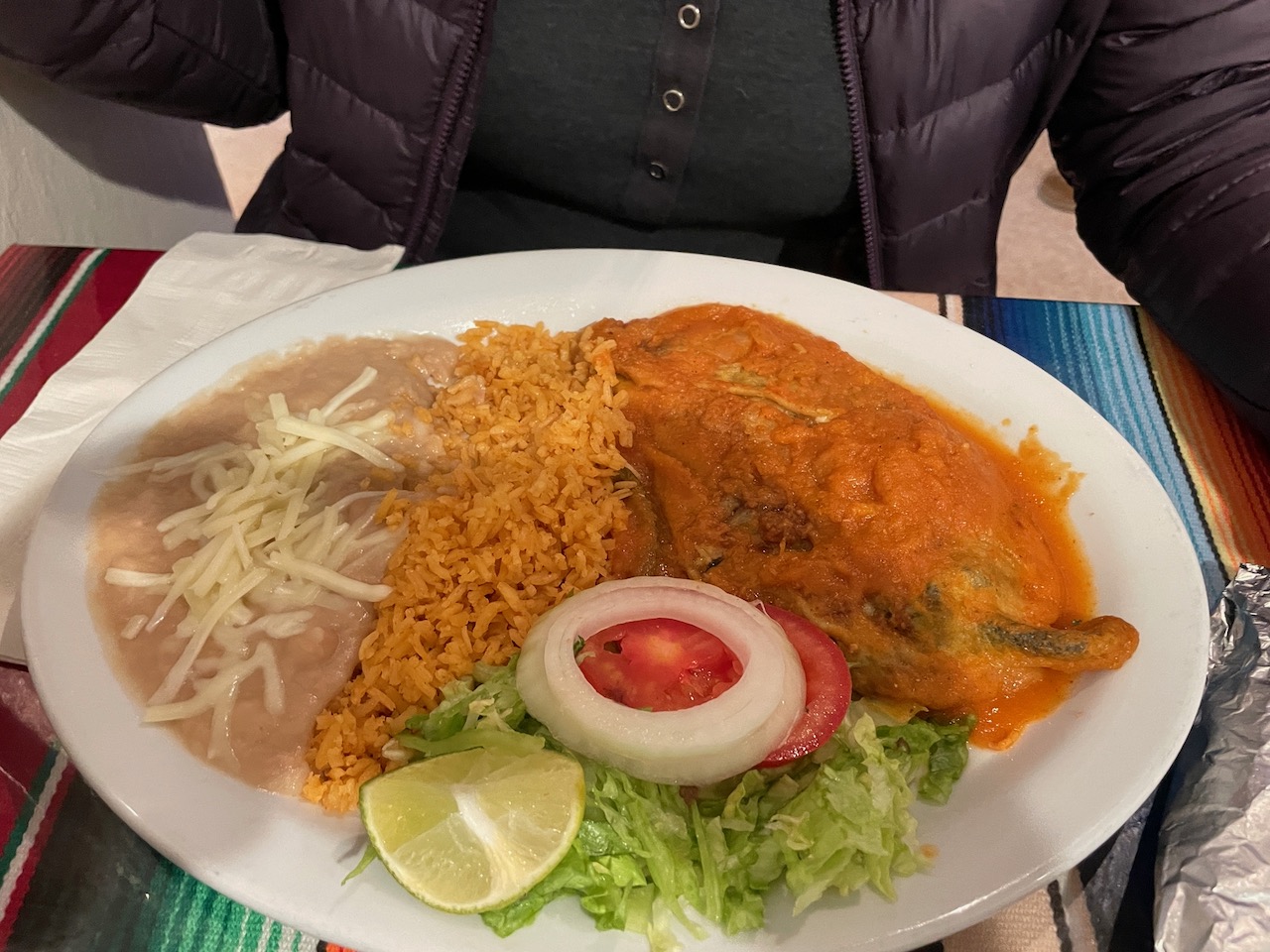
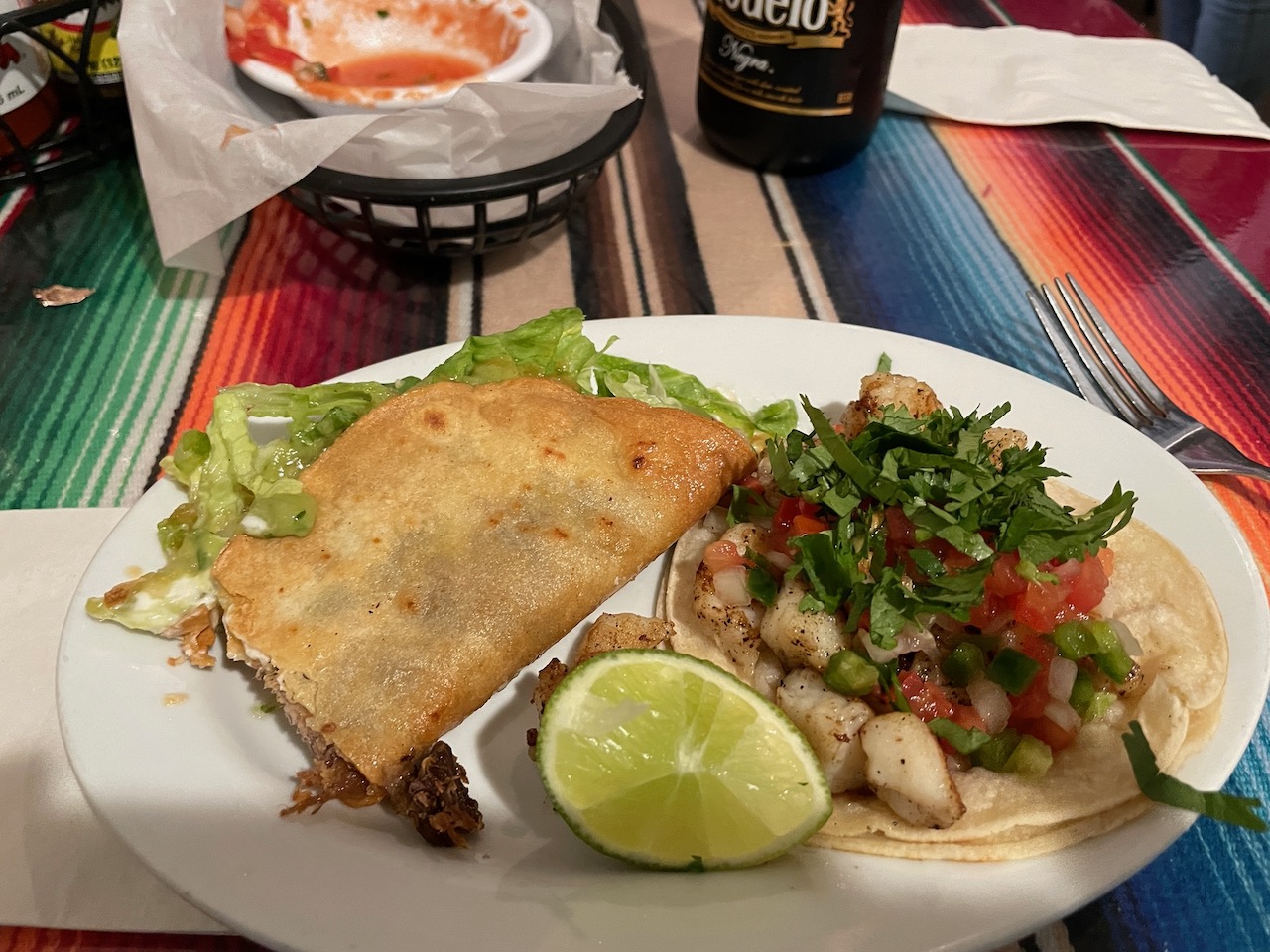
It’s a small unassuming place with limited seating, relying as we would soon find out on a high volume of take-out orders. And once we’d ordered, the Chili Relleno plate for Joanna and two tacos, one fried beef and one fish, for me and a beer apiece for us, we found out why. The food was fresh, the beans tasty (these and a relleno are how I rank restaurants of this ilk) and moderately priced to boot. We settled our tab at $40 including the tip and left as satisfied as one could be when stumbling upon a good dining choice.
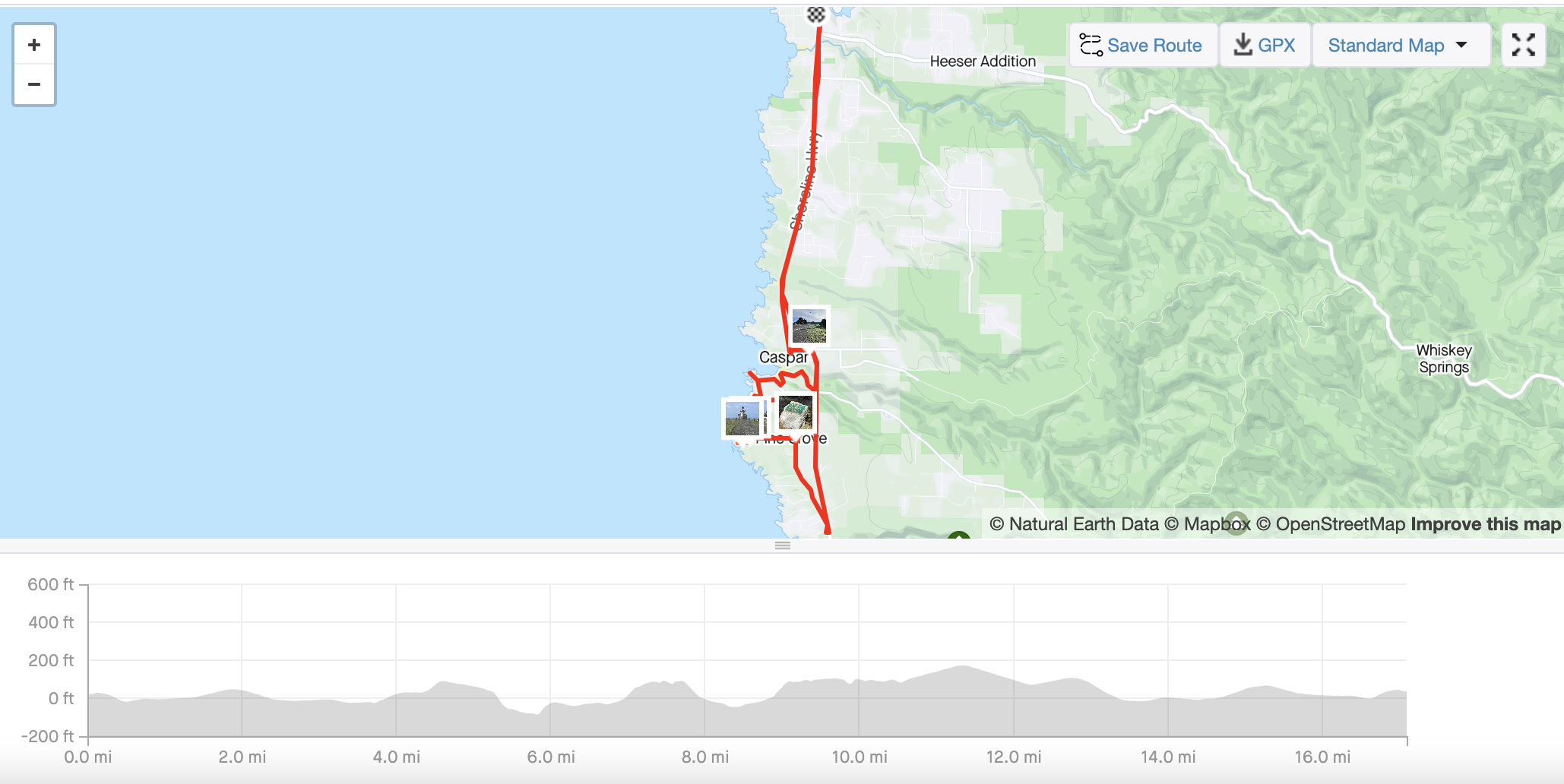
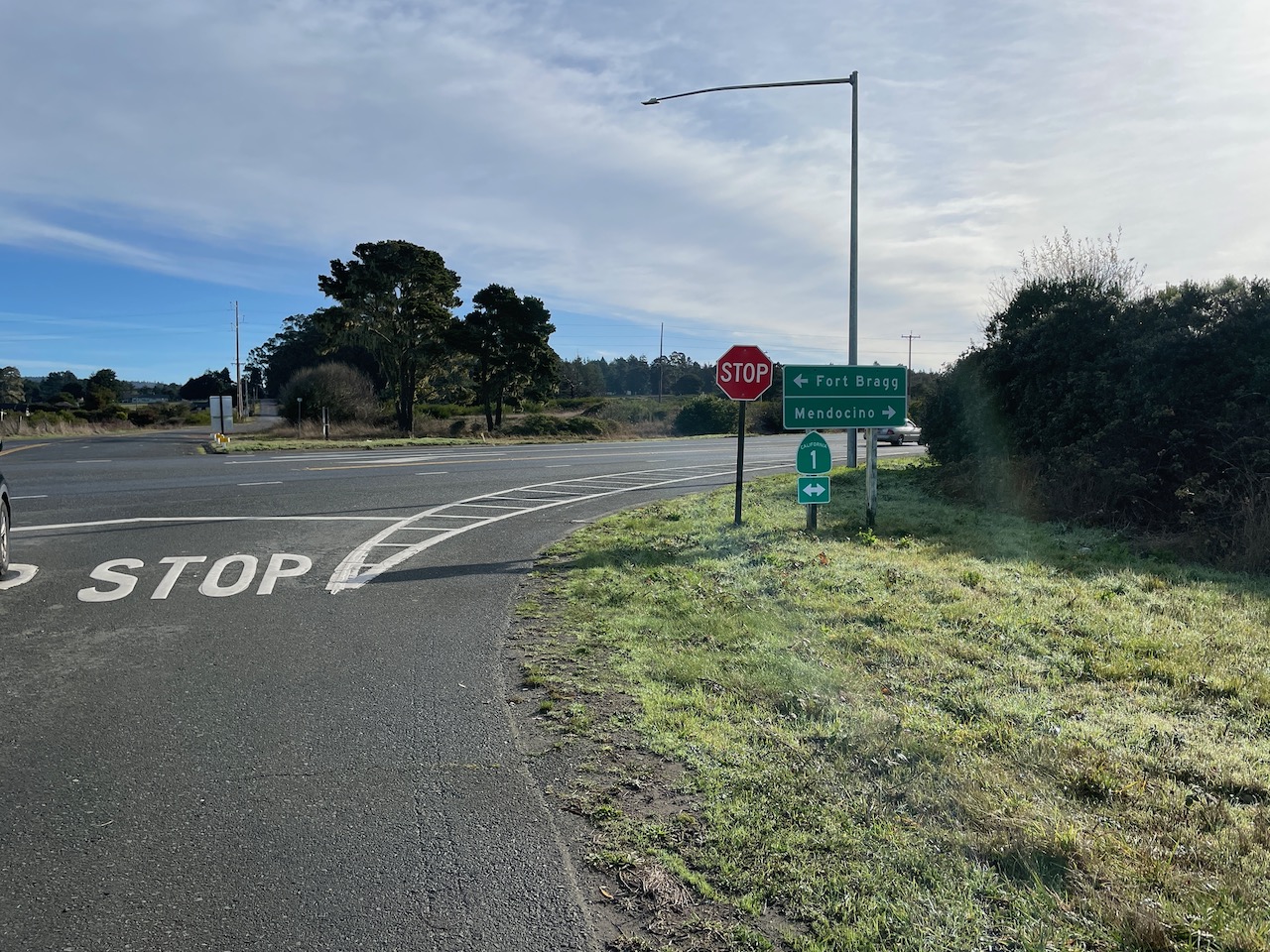
The next day we engaged in our favorite activities in Fort Bragg, for Joanna this meant a long horseback ride out of Ricochet Ridge Ranch while I would head south on my bike aiming for Mendocino. The day was pleasant as I set out on an occasionally busy Highway 1, but the shoulder is mostly wide enough to allay fears. Just south of the small community of Caspar, I took a turn off the highway to stop at the Point Cabrillo Light Station State Historic Park.
In 1873, Point Cabrillo was surveyed as a potential site for a lighthouse; however, no lighthouse was built at that time. By 1904, several shipwrecks later, the U.S. Lighthouse Service recommended that a lighthouse be placed at the point. The bill to fund its construction, Senate Bill 6648, passed in June 1906, and the government bought 30 acres of land on Point Cabrillo from rancher David Gordon for $3,195. The lighthouse was constructed by the Lindgren Company beginning in 1908 and began operation in 1909.
The United States Coast Guard took over the Lighthouse Service in 1939. Later during the Cold War, it was used to simulate a Soviet radar base in training exercises. The Coast Guard manned the station until 1973, when the lens was covered, and a modern rotating beacon was mounted on a metal stand on the roof west of the lantern room.
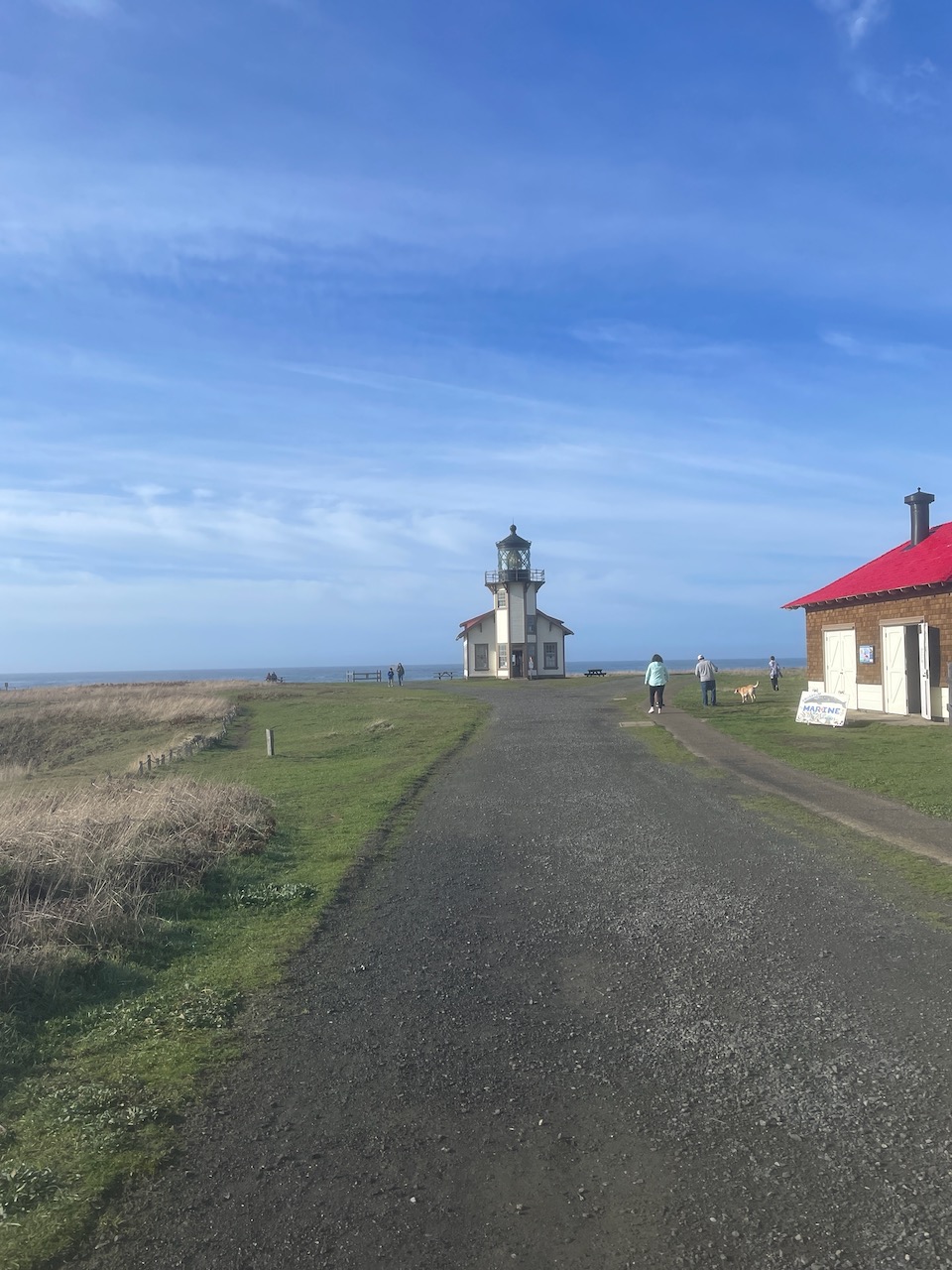
In 1999, the original third-order Fresnel lens was reinstalled after being upgraded to meet more modern standards. The restored lighthouse was opened to the public in August 2001 and in 2002, California State Parks purchased the light station for four million dollars. The Point Cabrillo Light Keeper Association continues to run the station for the state park system and the light itself is recognized by the U.S. Coast Guard as an official Aid to Navigation on current USCG navigation charts.
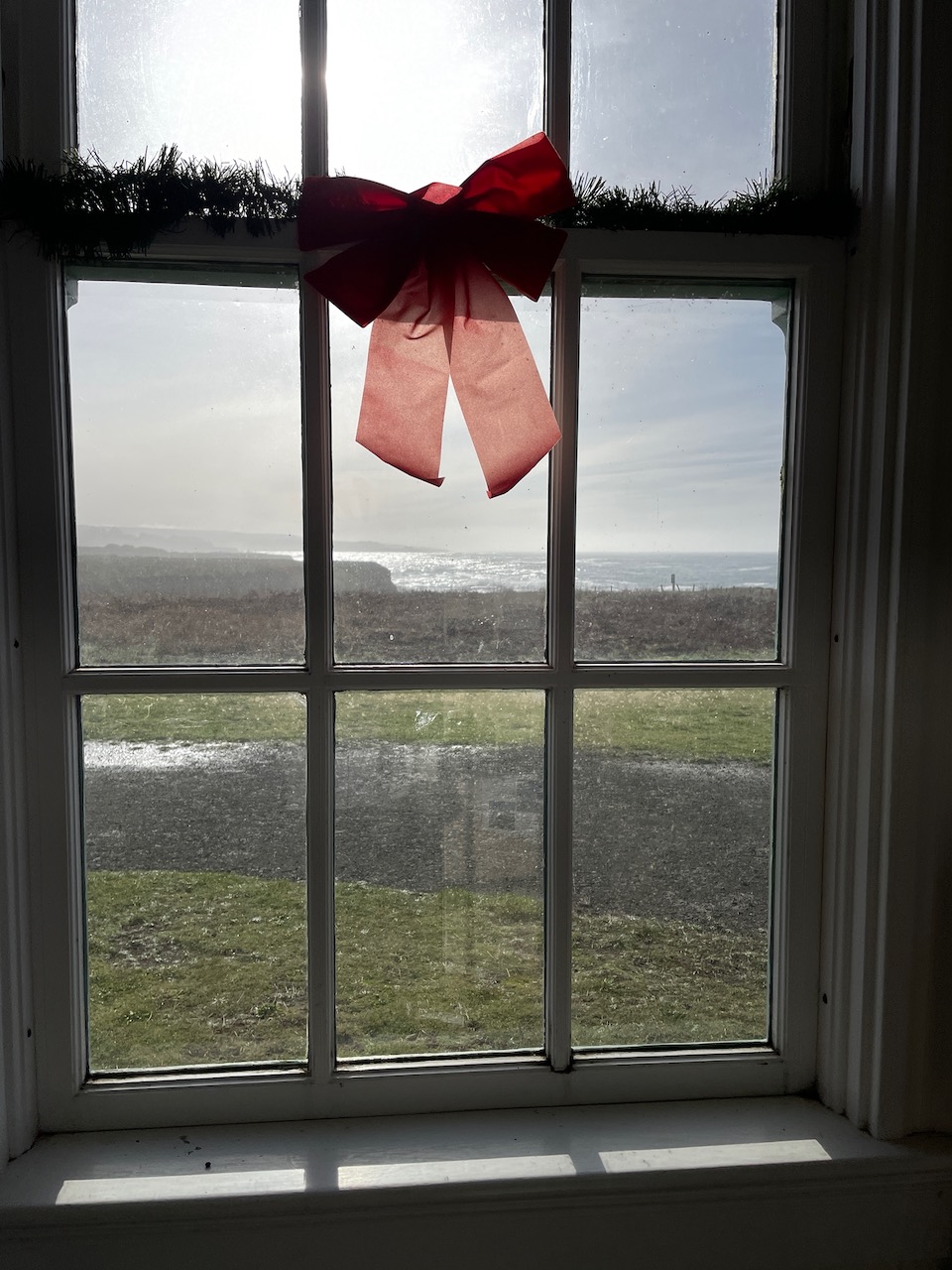
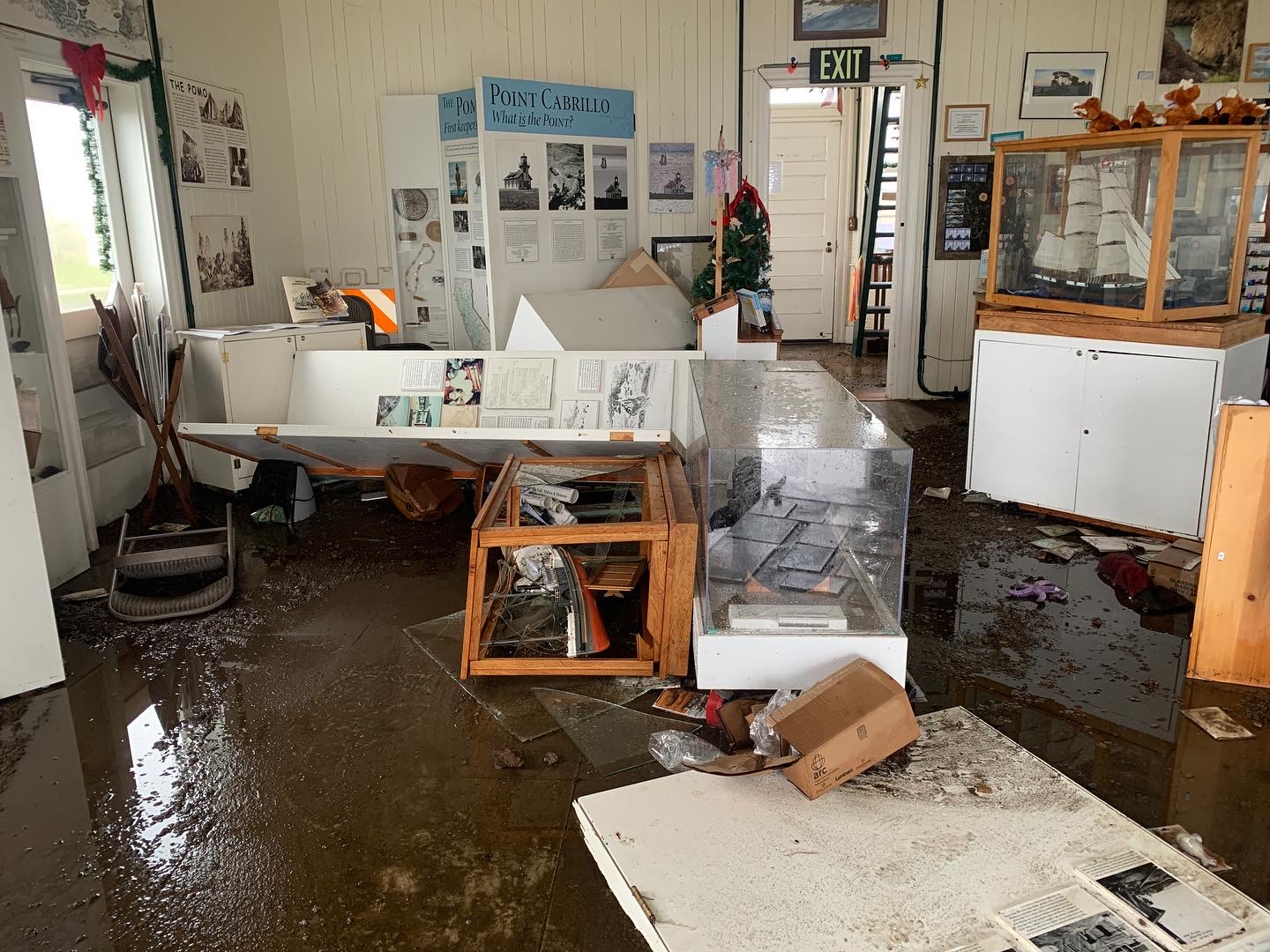
I spent some time inside the museum (which would be damaged soon thereafter by high waves that would leave two feet of water inside) and set off for Mendocino. I was riding on a road parallel to Highway 1 that ended at the entrance to Russian Gulch State Park, where we have camped many times, and I decided to cross the highway and return to Fort Bragg from there. The ride was going splendidly until I got about two miles south of town and felt that ominous squishiness coming from the rear tire and soon realized I had a flat. A pain to be sure but fixable and doing so, I got back to the Emerald Dolphin not long before Joanna returned from her horse-riding session.
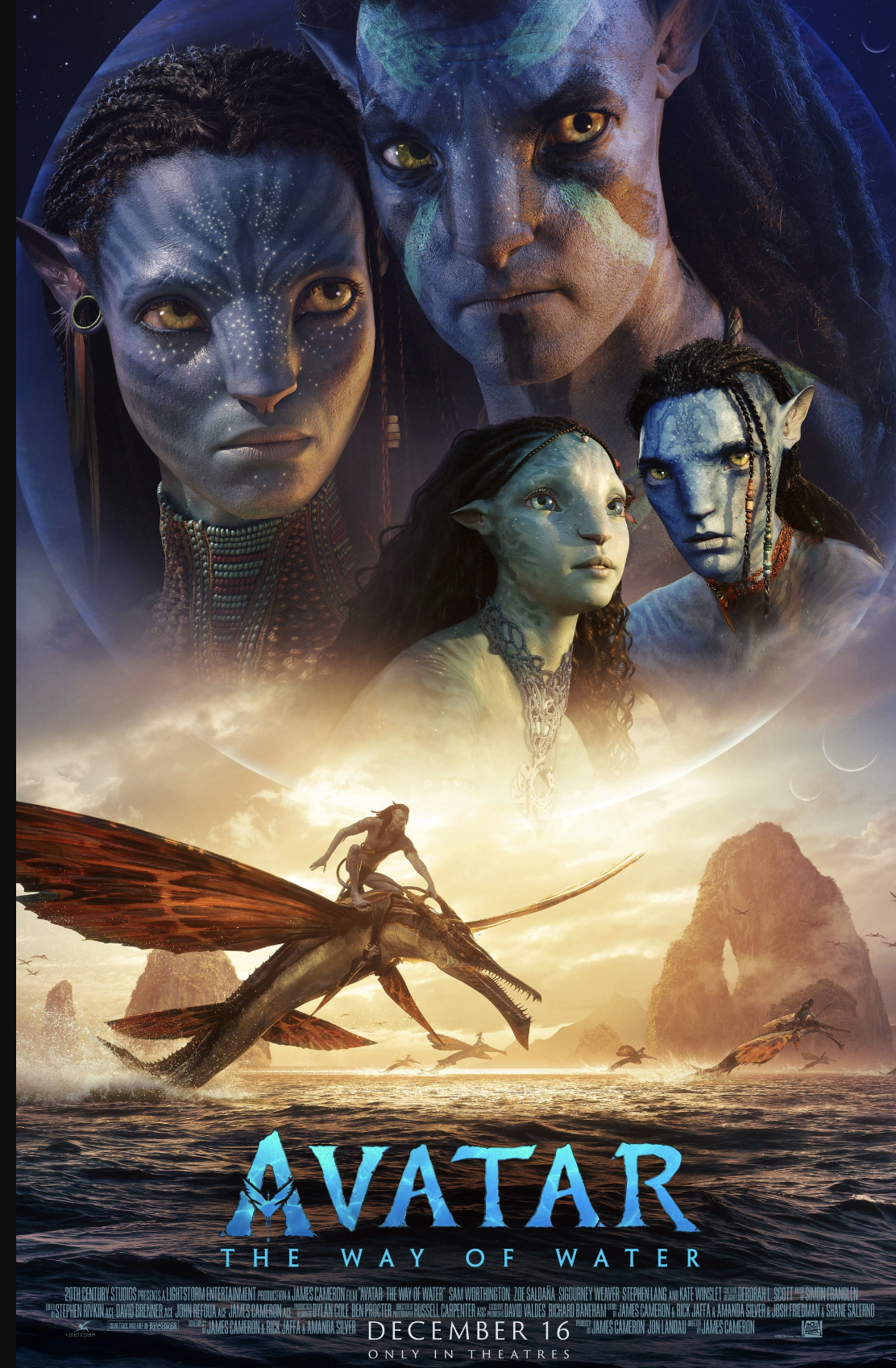
With some time to kill we decided to take in a movie and before doing so, filled up on some fast food which provided us with the proper base layer for popcorn and a soda while watching the movie, the then recent release of Avatar The Way of Water. We opted for the 3-D version and generally enjoyed its three-hour length, observing that some parts could have been cut out without damaging the overall impact of the story, but it was very entertaining.
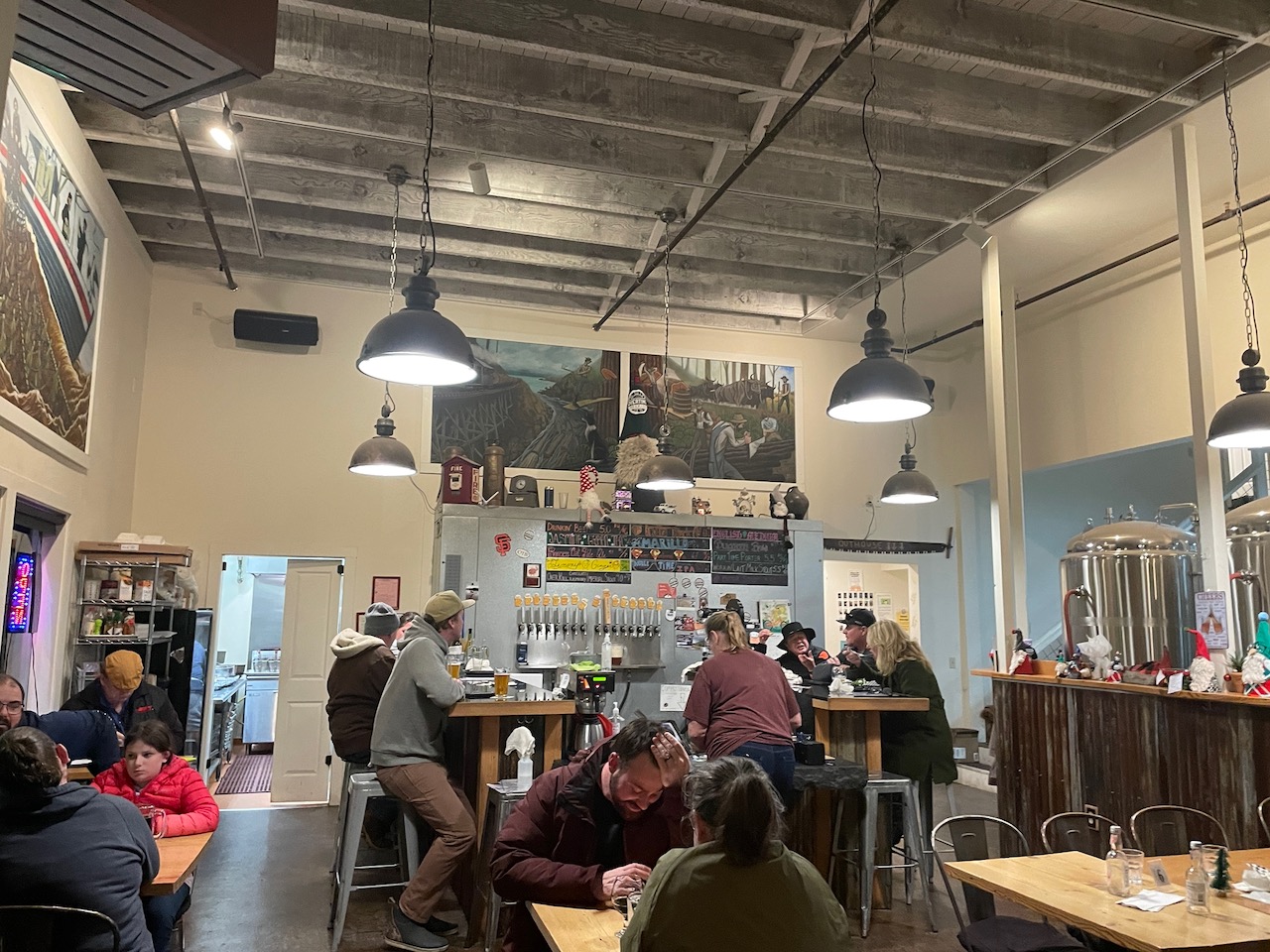
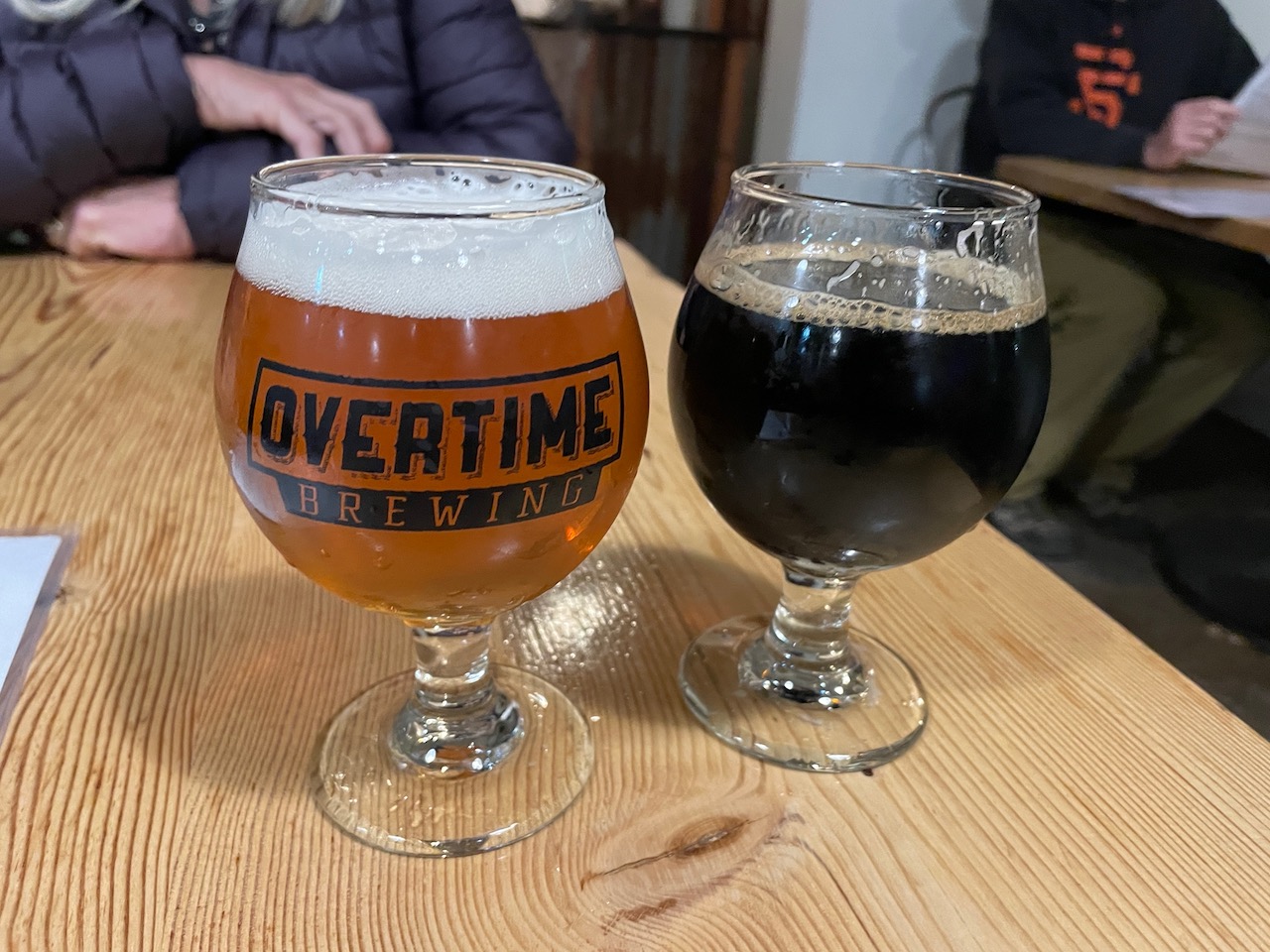
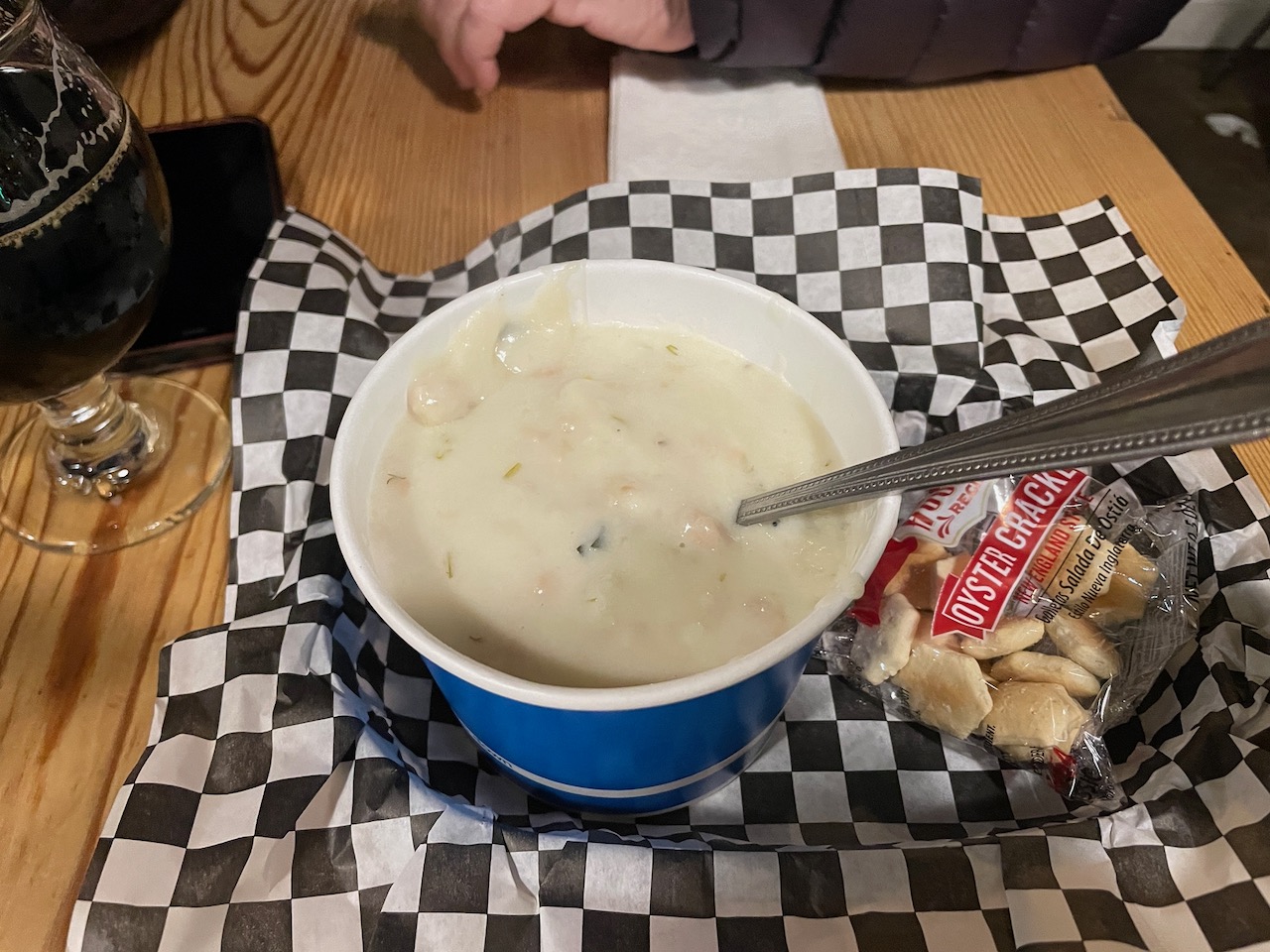
Finished with the movie and looking for a light snack, we dropped in at Overtime Brewing for a couple of beers and yes, you guessed it, a bowl of their clam chowder. Joanna enjoyed the Overkill Stout while I savored the Double Time Imperial IPA, both excellent compliments to the chowder, which we liked but found to be potato heavy and somewhat lacking in clams. Not a bad chowder, just not great.

The next morning, to prepare for our planned fun event, that is riding on the famous Skunk Railroad where we would meet up with longtime friends Mary and Norm, we walked across the street from the Emerald Dolphin to enjoy a hearty breakfast at David’s. It’s locally owned and was busy when we arrived, always a good sign. Joanna opted for a half order of the Roundman’s Corned Beef Hash while I got my usual seasonal veggie omelet. I selected the seasoned red potatoes to accompany it and the whole meal was excellent, particularly at the very reasonable prices they charge, less than ten apiece for each of our entrees.
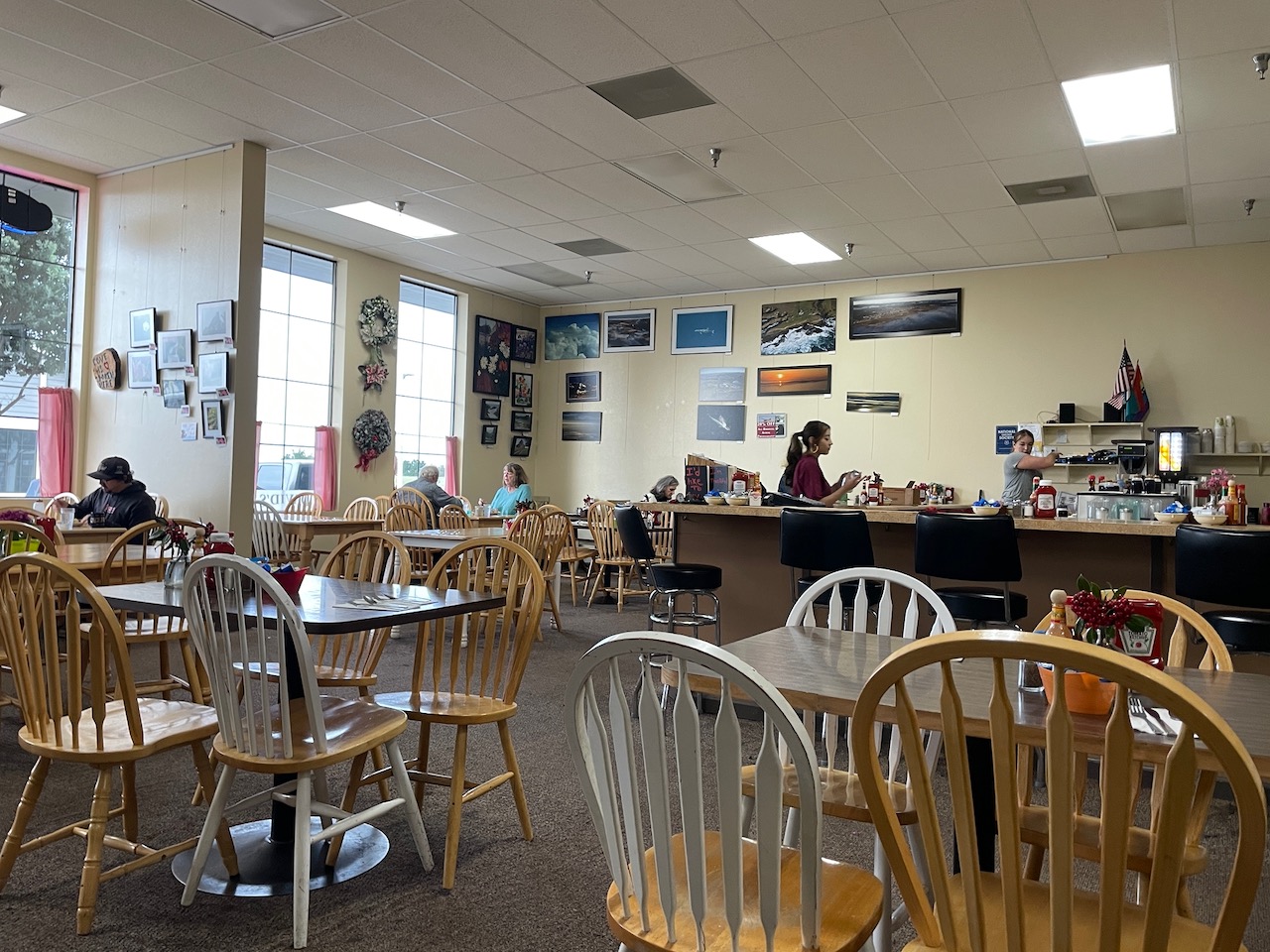
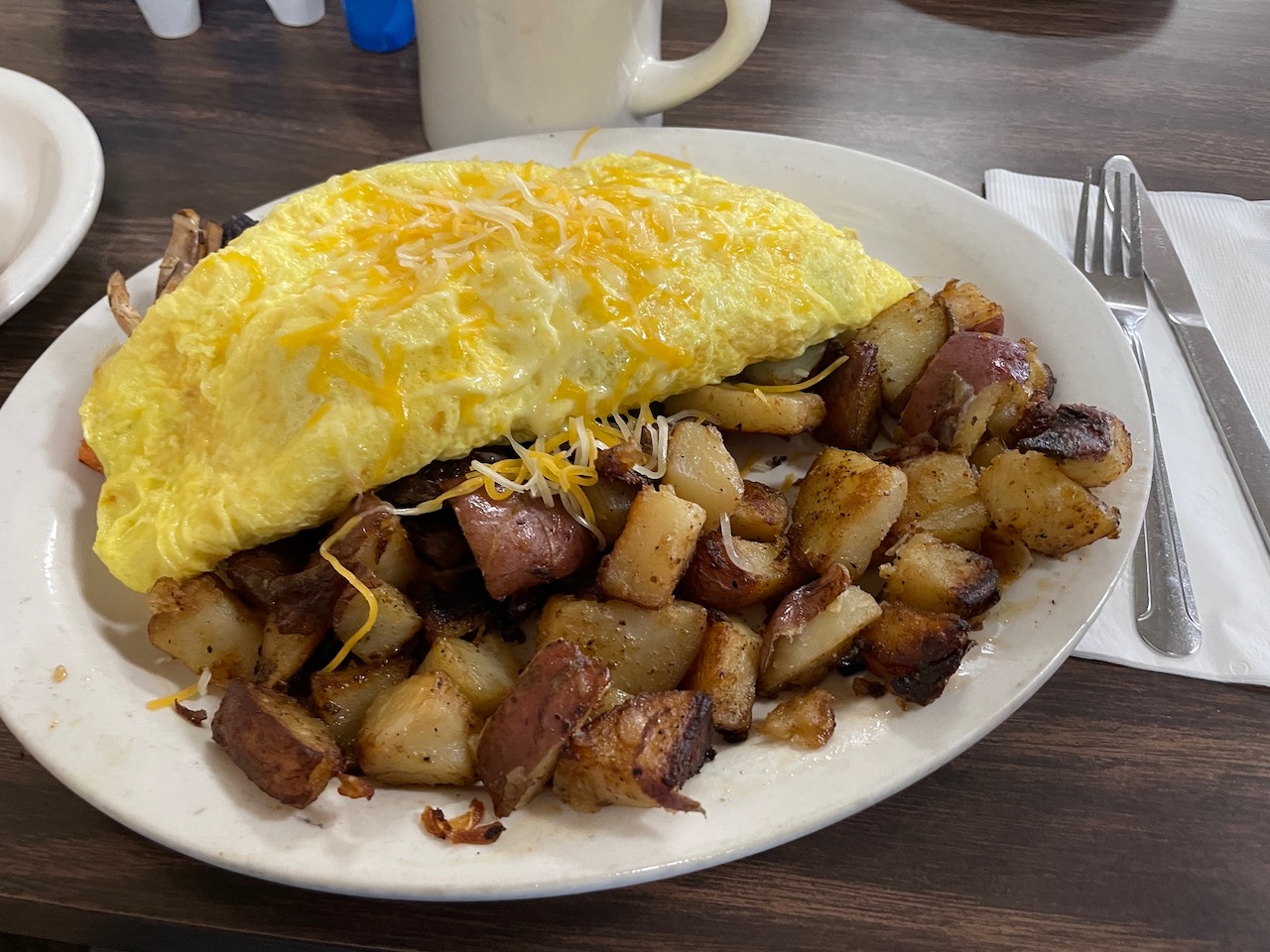
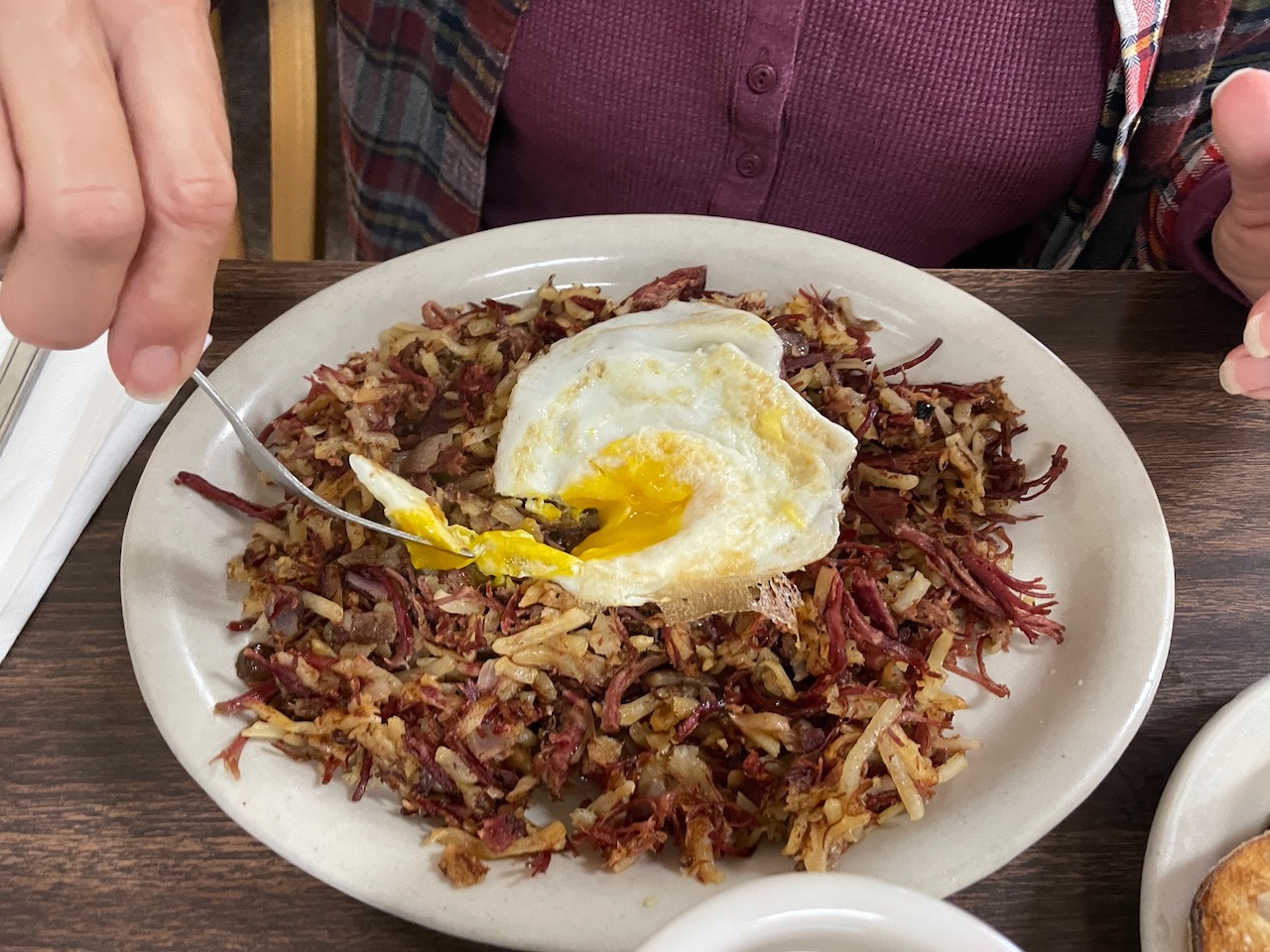
Done with breakfast and with some free time before meeting up with Mary and Norm in the afternoon, we drove down to Mendocino to walk around and see the sights, something we’ve done many times in the past.
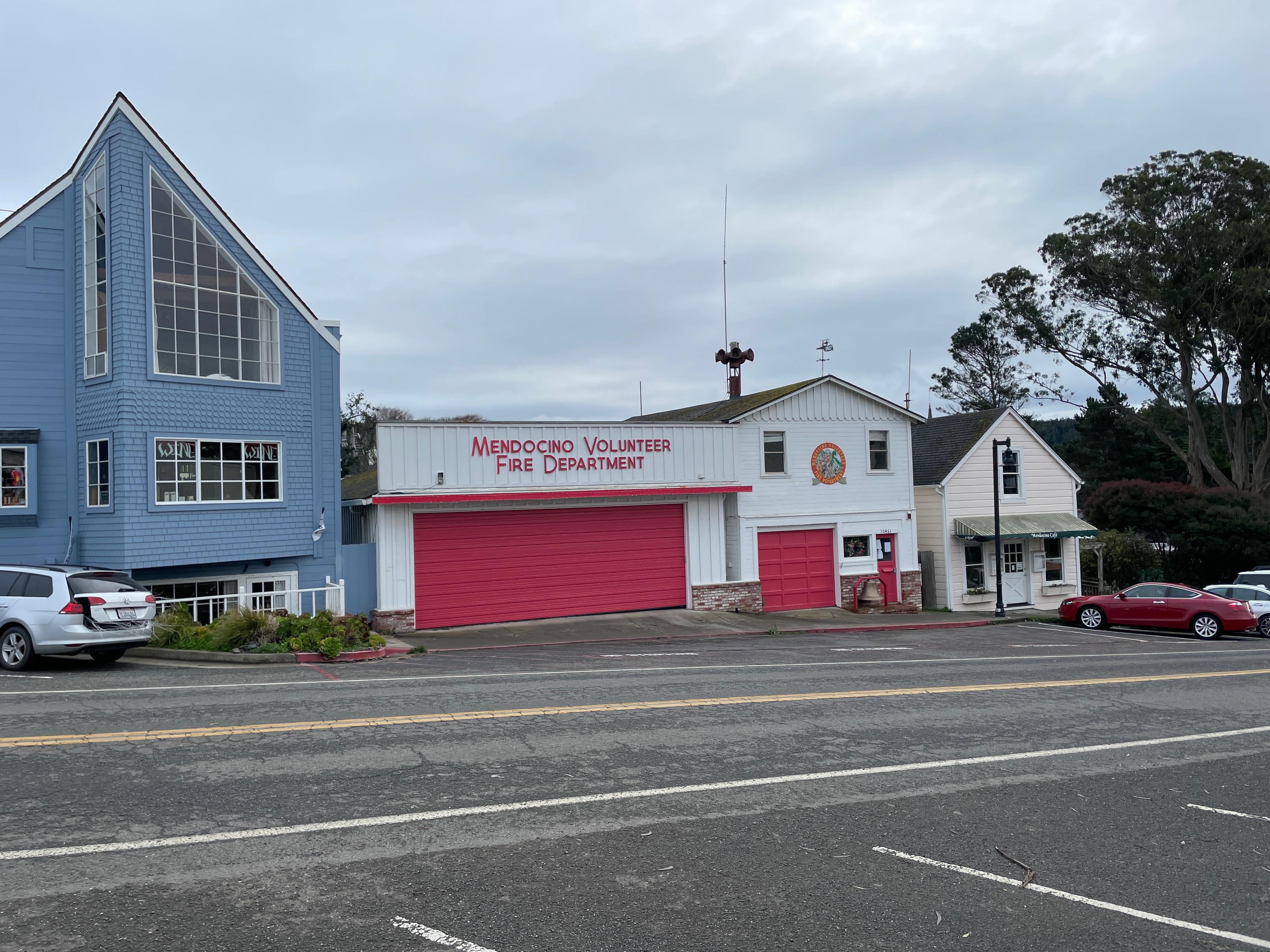
After parking on a side street, we walked down to Main Street at the southern end of town, which sits at the edge of the cliff side overlooking Mendocino Bay. There, we noticed the Kelley House Museum and decided to check it out.
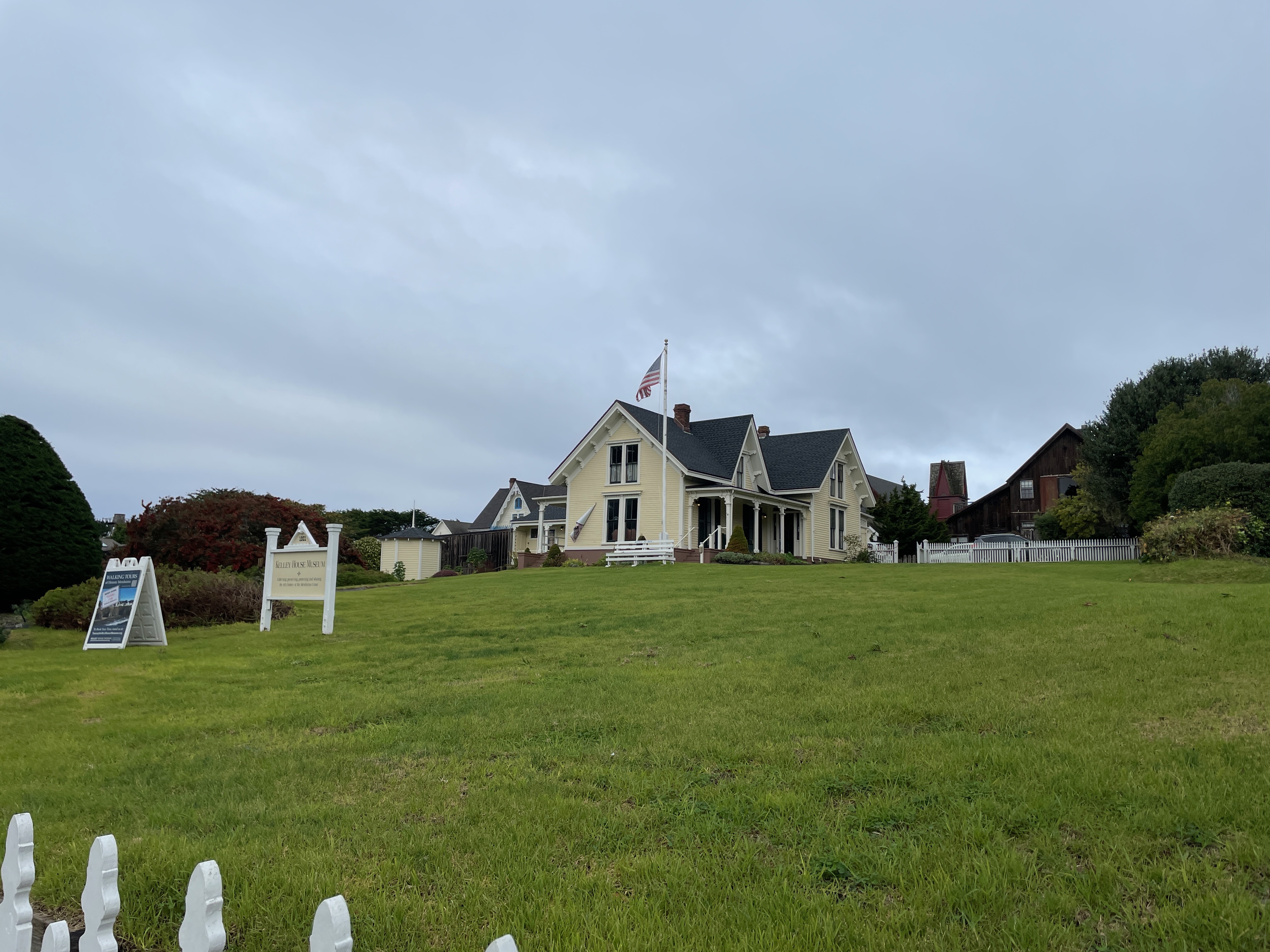
Built in 1861 it was the home for William Kelley and his family, who owned it for 114 years until it was sold and converted to a research center and museum. At the age of 14, William began working as a ship’s carpenter left his home in Canada in 1850, set out with his brother James for the California gold country via Panama. On that trip he lost James and nearly himself to cholera.
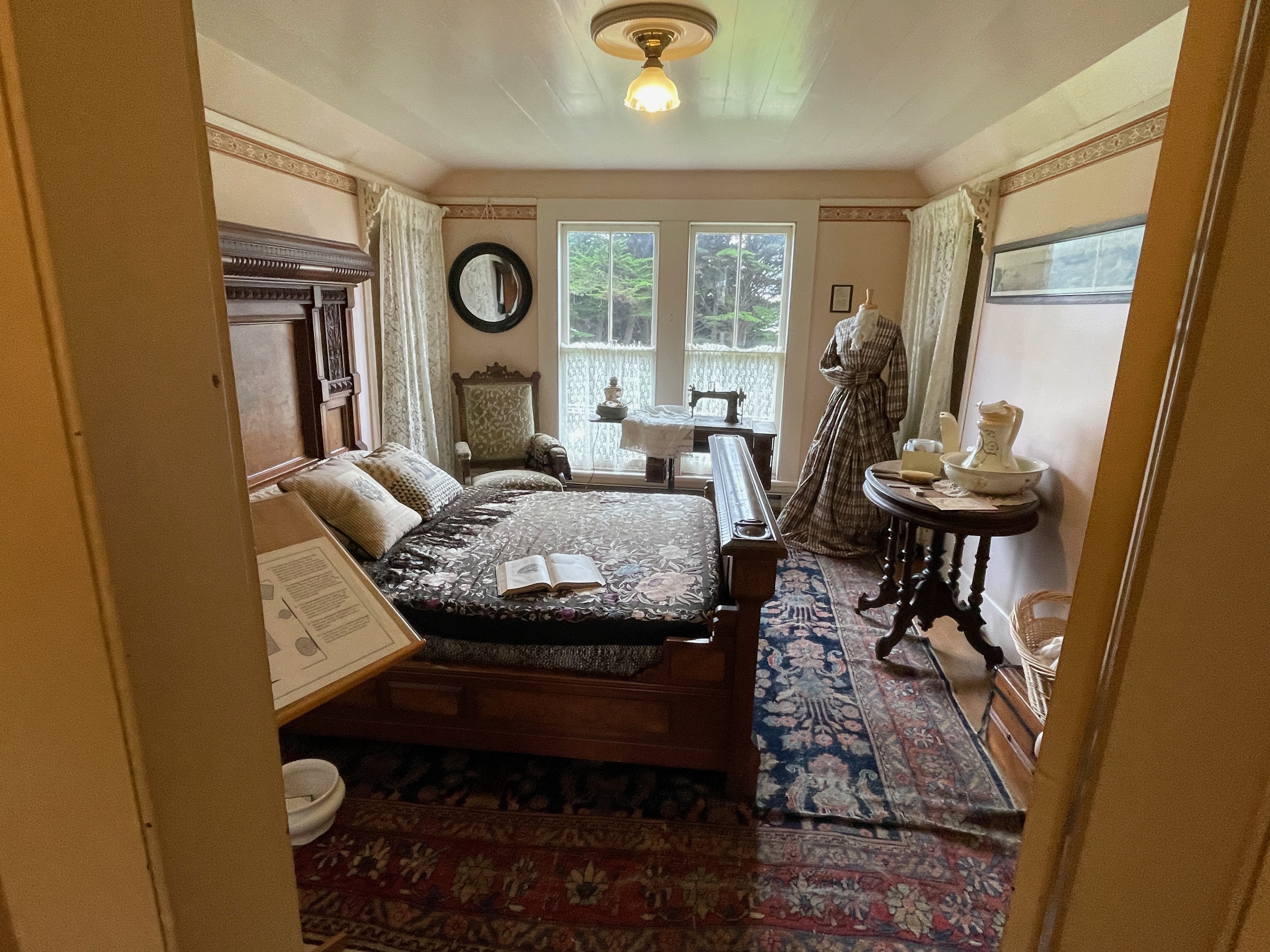
He arrived in Mendocino in 1852 at the age of 32 and eventually became wealthy as a merchant, investor in a nearby sawmill and through real estate development. At one time he owned almost all the land that would become Mendocino. The museum has numerous exhibits about the history and culture of the town, as well as a extensive display of information and memorabilia for the Agatha Christie inspired TV program Murder She Wrote, which starred Angela Landsbury.
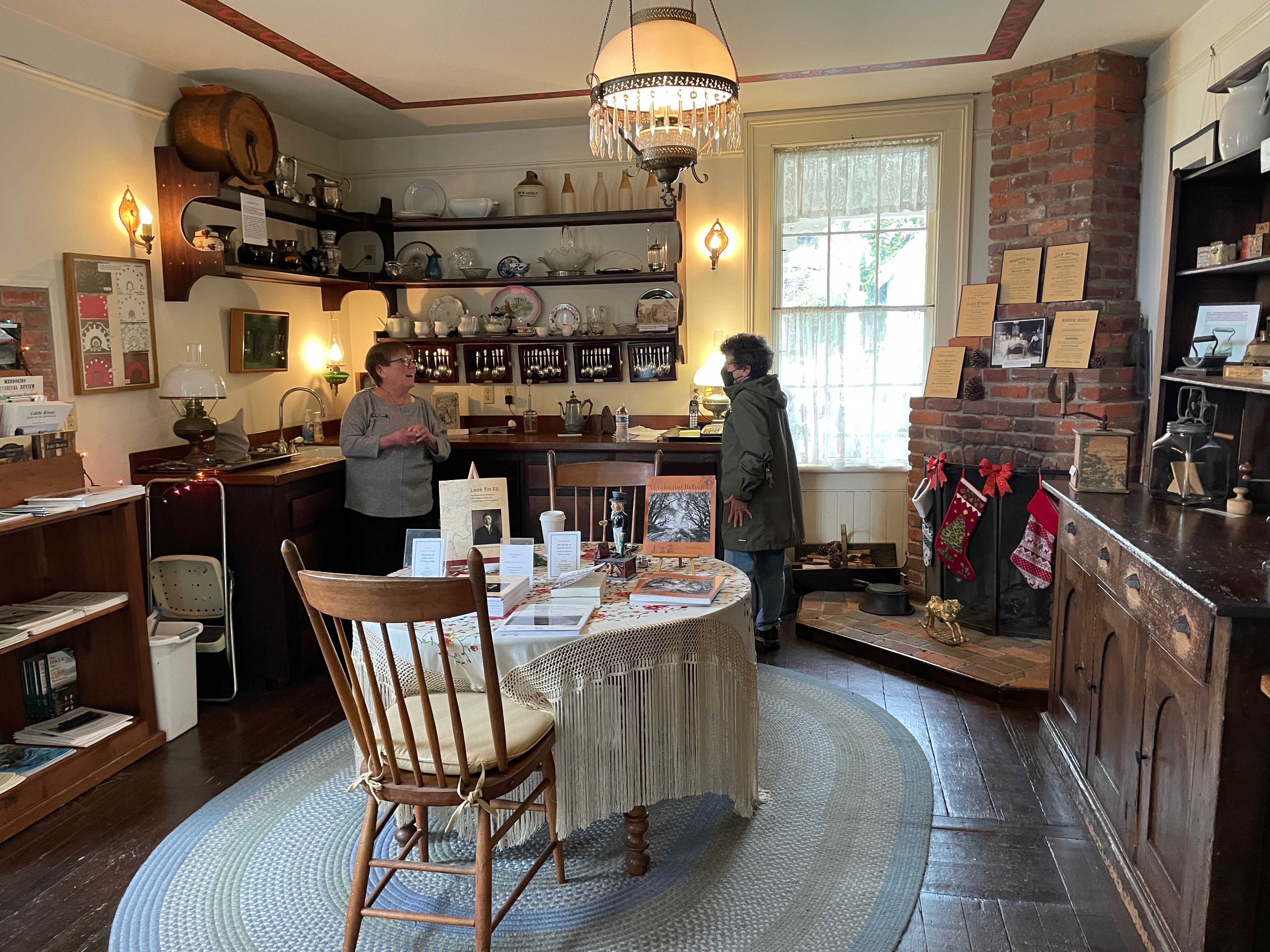
Set in the fictional town of Cabot’s Cove in Maine, Mendocino was chosen for its distinctly New England style architecture. It was used primarily for exterior and aerial shots, with most episodes filmed on studio sets. Of the 264 total episodes filmed during the run of the program, only 9 were entirely filmed and set in Mendocino. Once we were done at the museum, we walked about a bit more contemplating a coffee and snack, but still full of breakfast, decided to instead head back to Fort Bragg to kill some time there before meeting up with Mary and Norm for our Skunk Railroad adventure. We’ll cover that in the next post.

Links
La Palapa: https://www.yelp.com/biz/la-palapa-fort-bragg
Ricochet Ridge Ranch: https://horse-vacation.com/
Point Cabrillo Light Station: https://pointcabrillo.org/
Overtime Brewing: https://www.overtimebrewing.com/
David’s: https://fortbraggrestaurants.com/david’s-restaurant
Kelley House Museum: https://www.kelleyhousemuseum.org/
Discover more from 3jmann
Subscribe to get the latest posts sent to your email.


 3jmann