May 19 – 27
The next day would be a full one and we started it off right with a visit to The Buttery, a bakery and café about a half mile up Soquel in the other direction from last night, and we so enjoyed the food there we would return the next morning for more. The place was crowded when we arrived, always a good sign and we’d soon discover why.

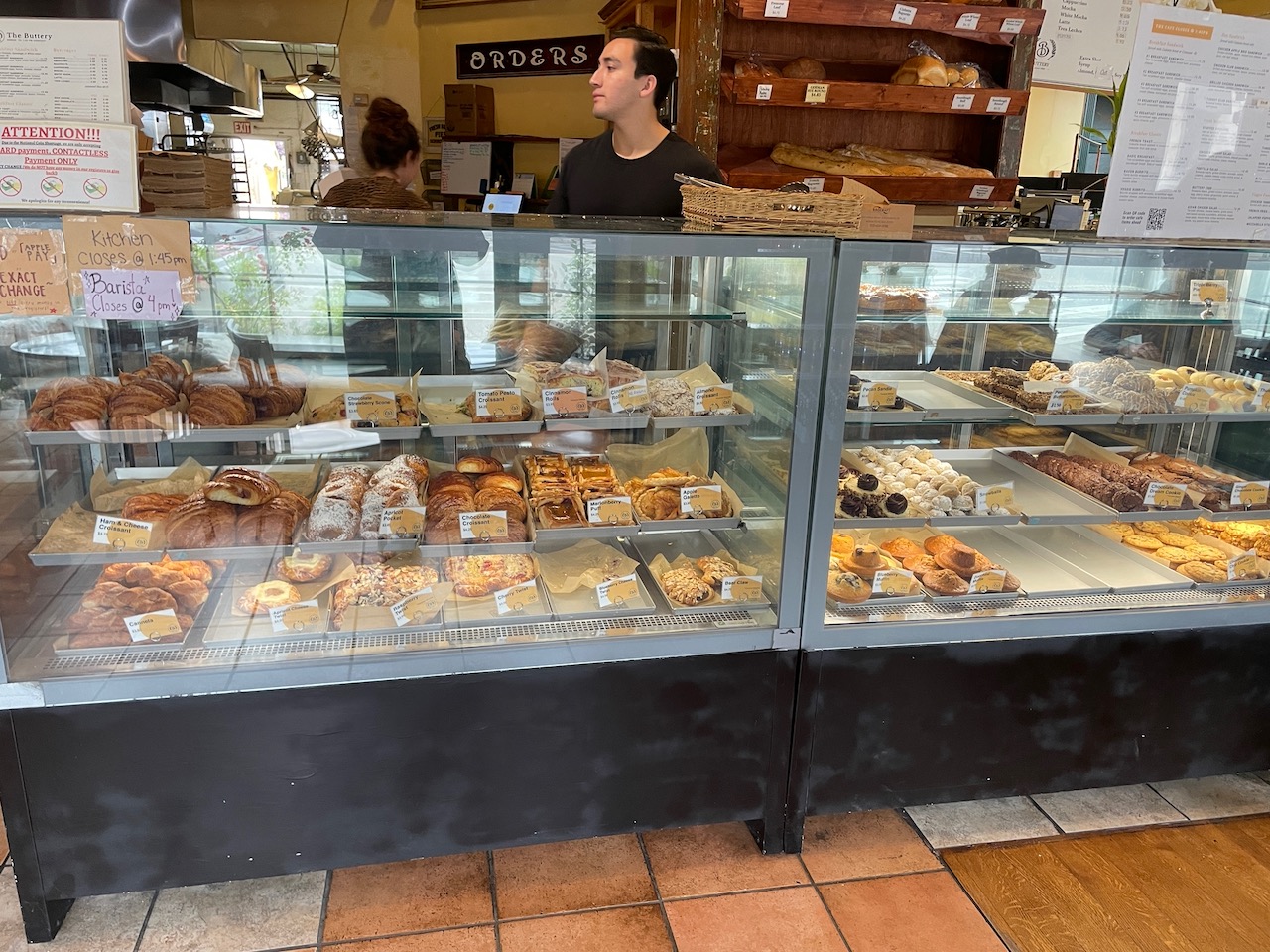
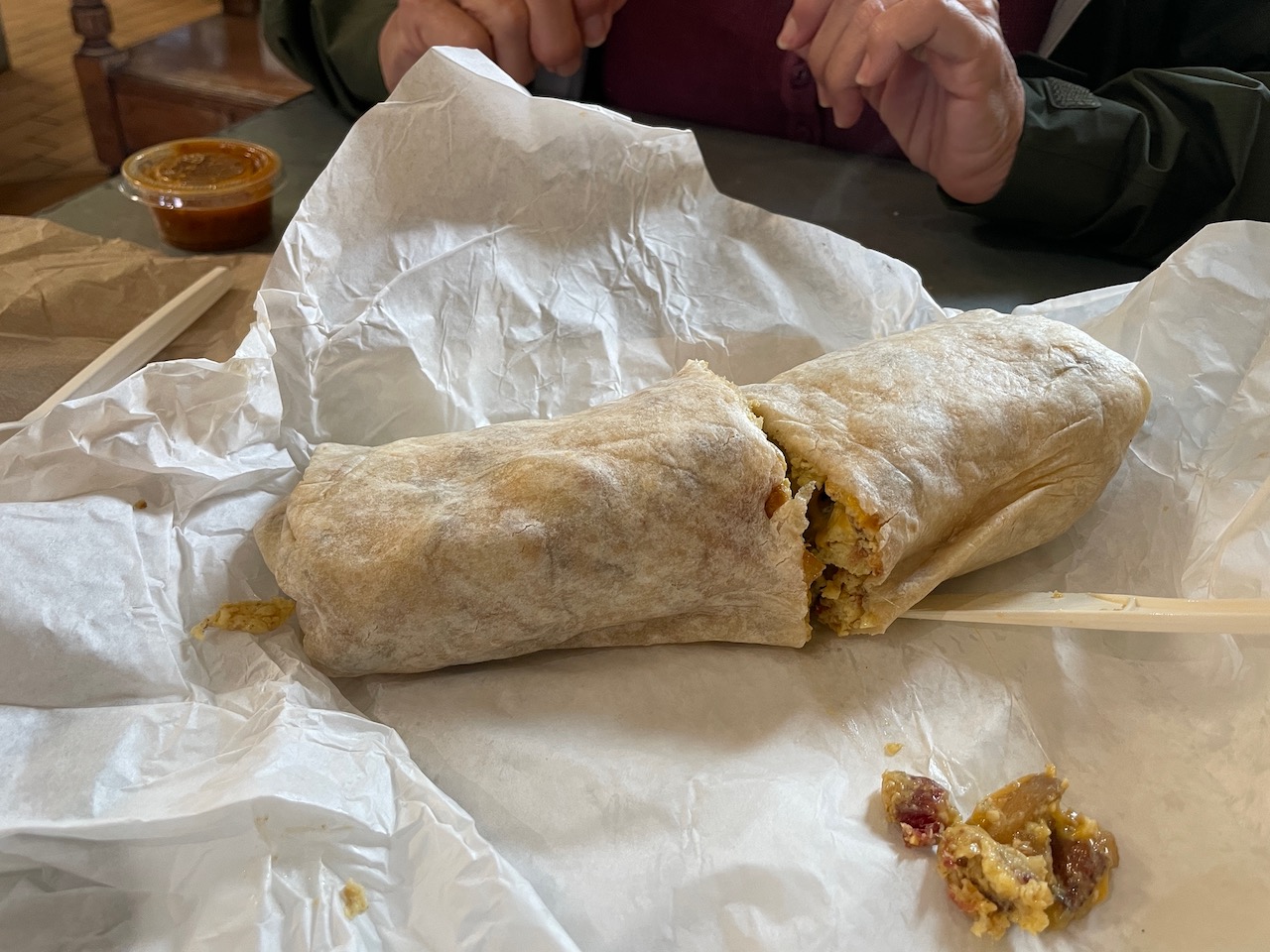
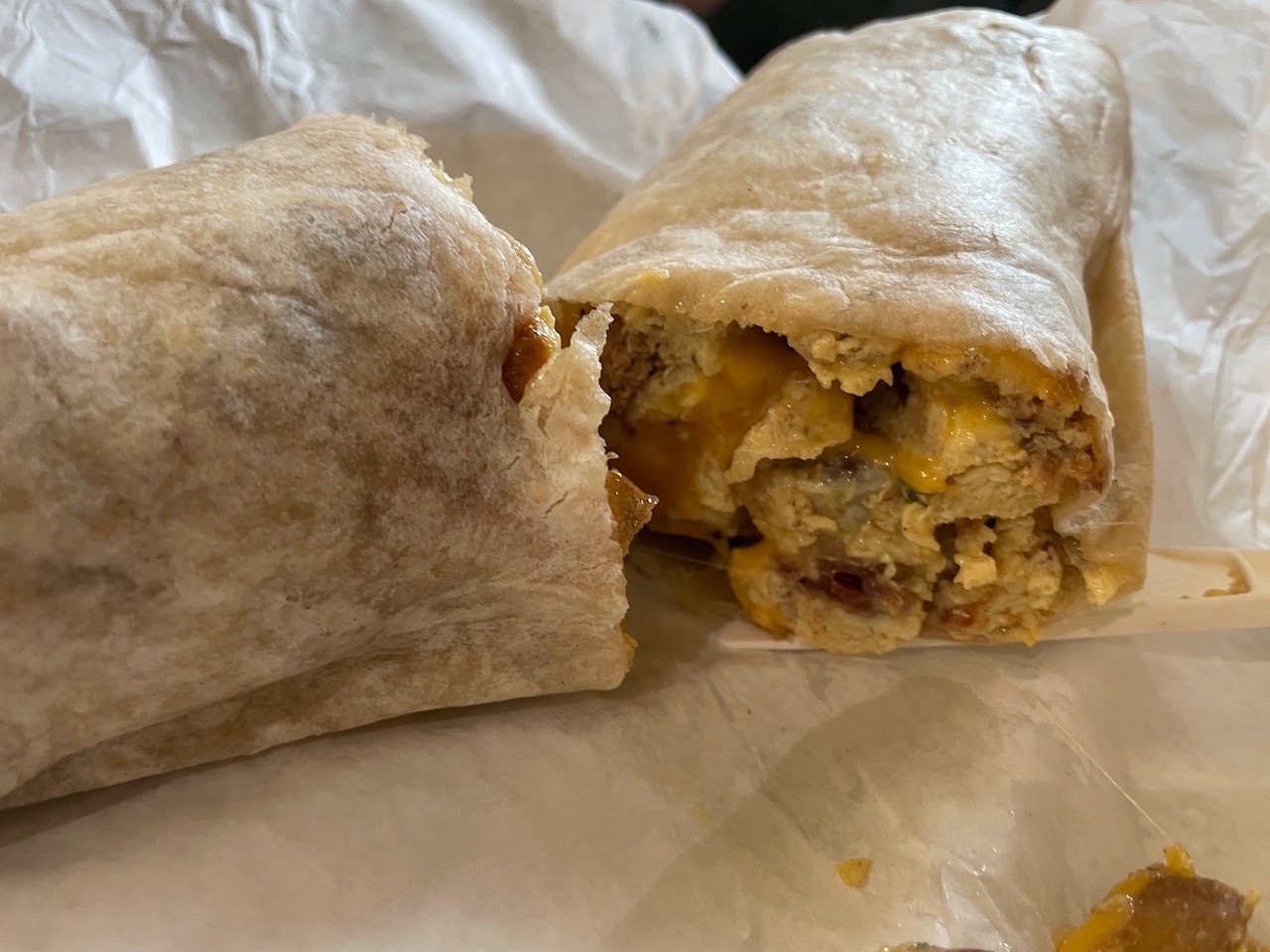
Entering, we scanned the menu board and bakery cases before ordering a bacon burrito (bacon, scrambled eggs, cheddar cheese, roasted potatoes and house made tomato salsa) and a Cherry twist (fruit Danish). The pastry was delightfully flaky and true to the name of the establishment, buttery while the burrito was so filling, we wouldn’t need to eat again until dinner. It was a great way to kick off a day for which we didn’t have a plan but would soon fill in an entirely satisfactory fashion.

We drove down to the shore to check out the municipal wharf and the very large Santa Cruz Beach Boardwalk Amusement Park. Founded in 1907, it is California’s oldest surviving amusement park and one of the few seaside parks on the West Coast of the United States. Among its many attractions, it may be best known for the Giant Dipper, a wooden roller coaster that is one of the most visible landmarks in Santa Cruz. The Dipper and the Looff Carousel, which still contains its original 342-pipe organ built in 1894, are both on the US National Register of Historic Places. They were, together, declared to be a National Historic Landmark in 1987 and the park is California Historical Landmark number 983.
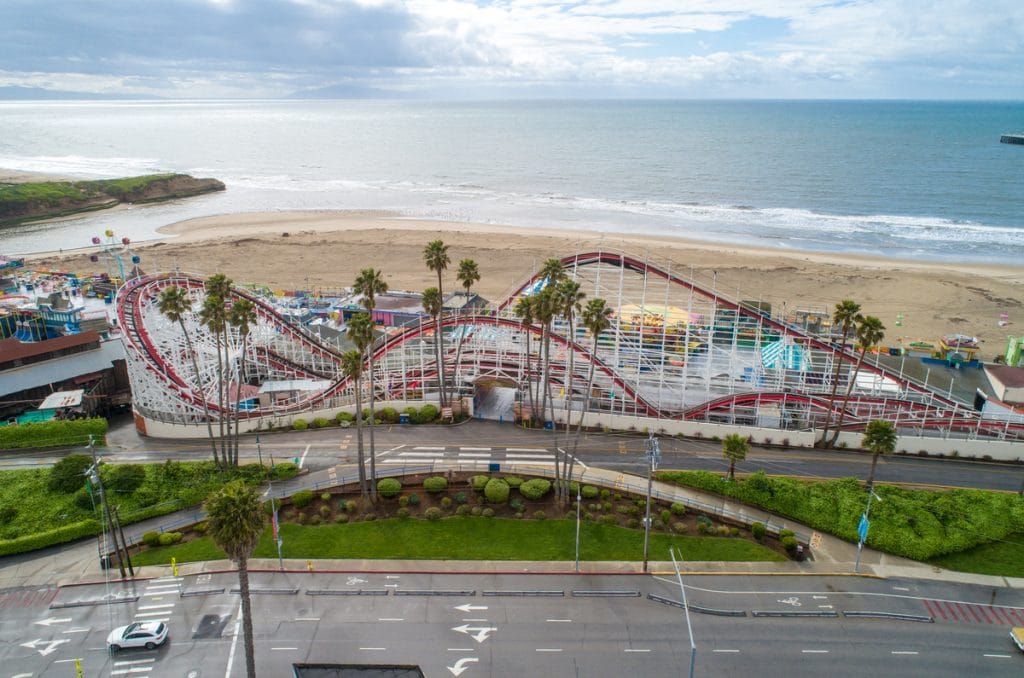
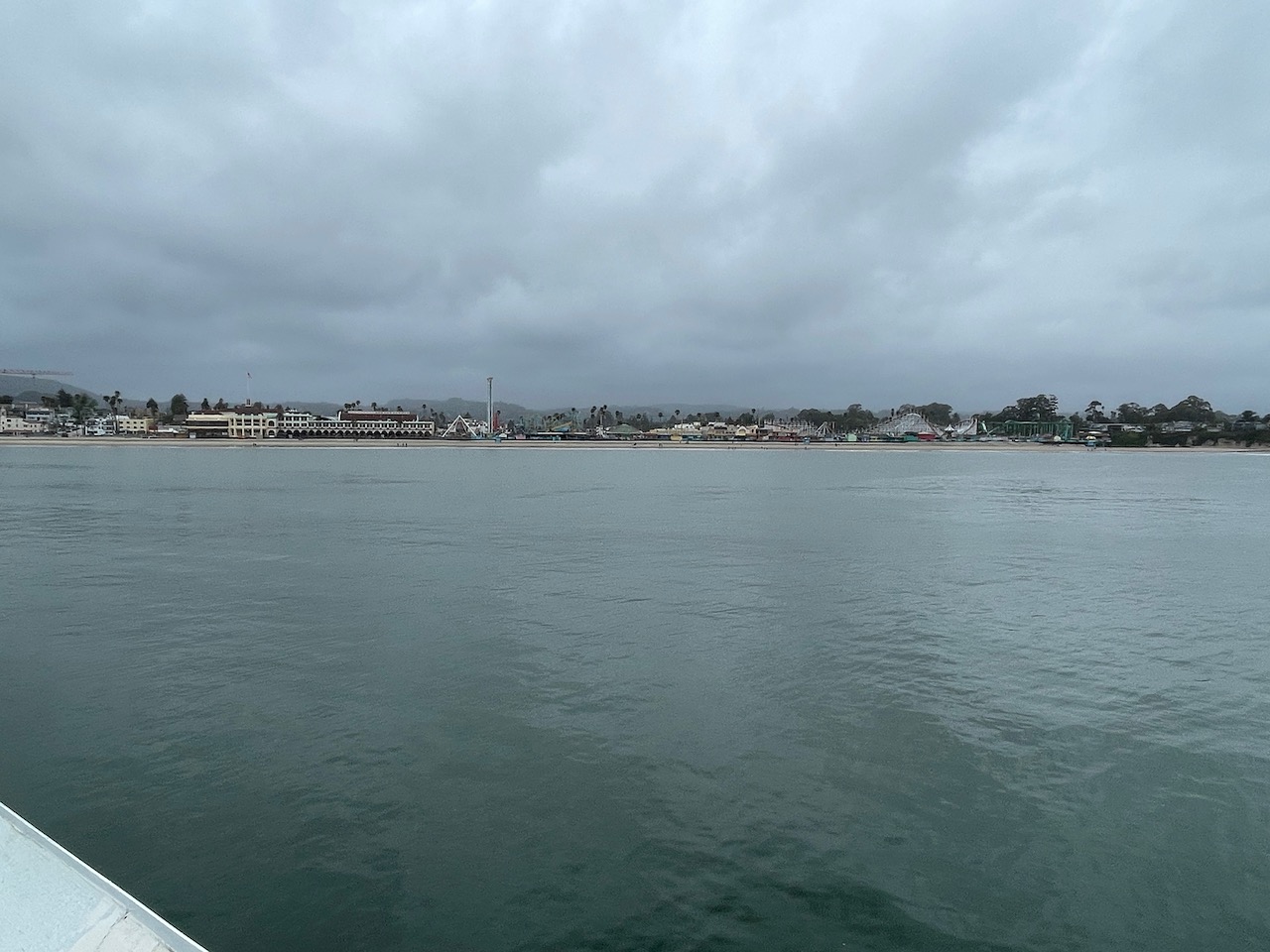
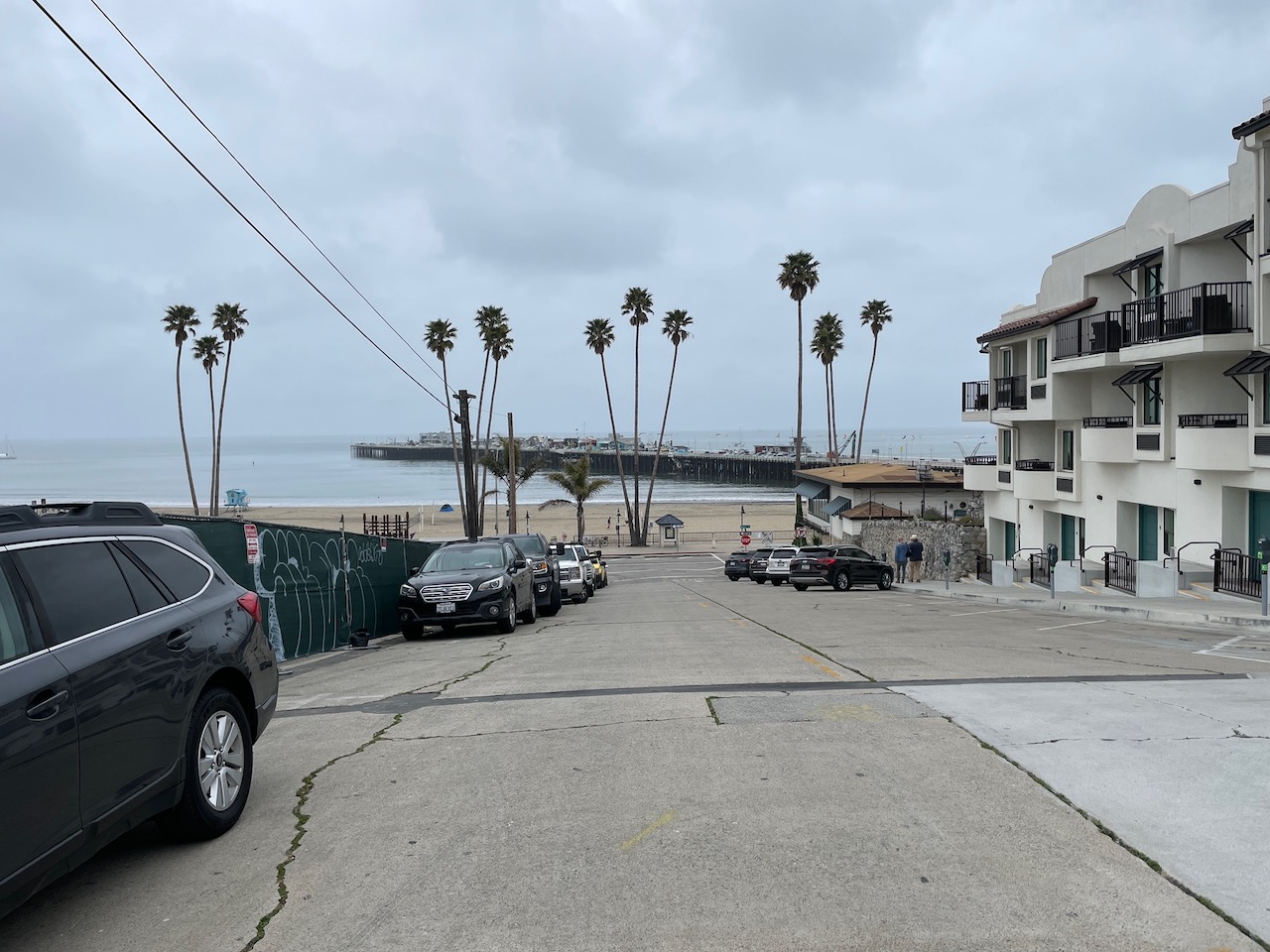
We drove the perimeter of the park and decided against stopping in, instead driving to the wharf to check it out the seafood restaurants there as that was going to be our first choice for dining that night. All signs pointed to Stagnaro Brothers at the end of the wharf, with nice views of the bay when disappointment set in upon discovering that they were closed that day. We left the wharf and hugging the shoreline drove through ocean view neighborhoods until we arrived at Natural Bridges State Beach, a small beach located 2 minutes off Highway 1.
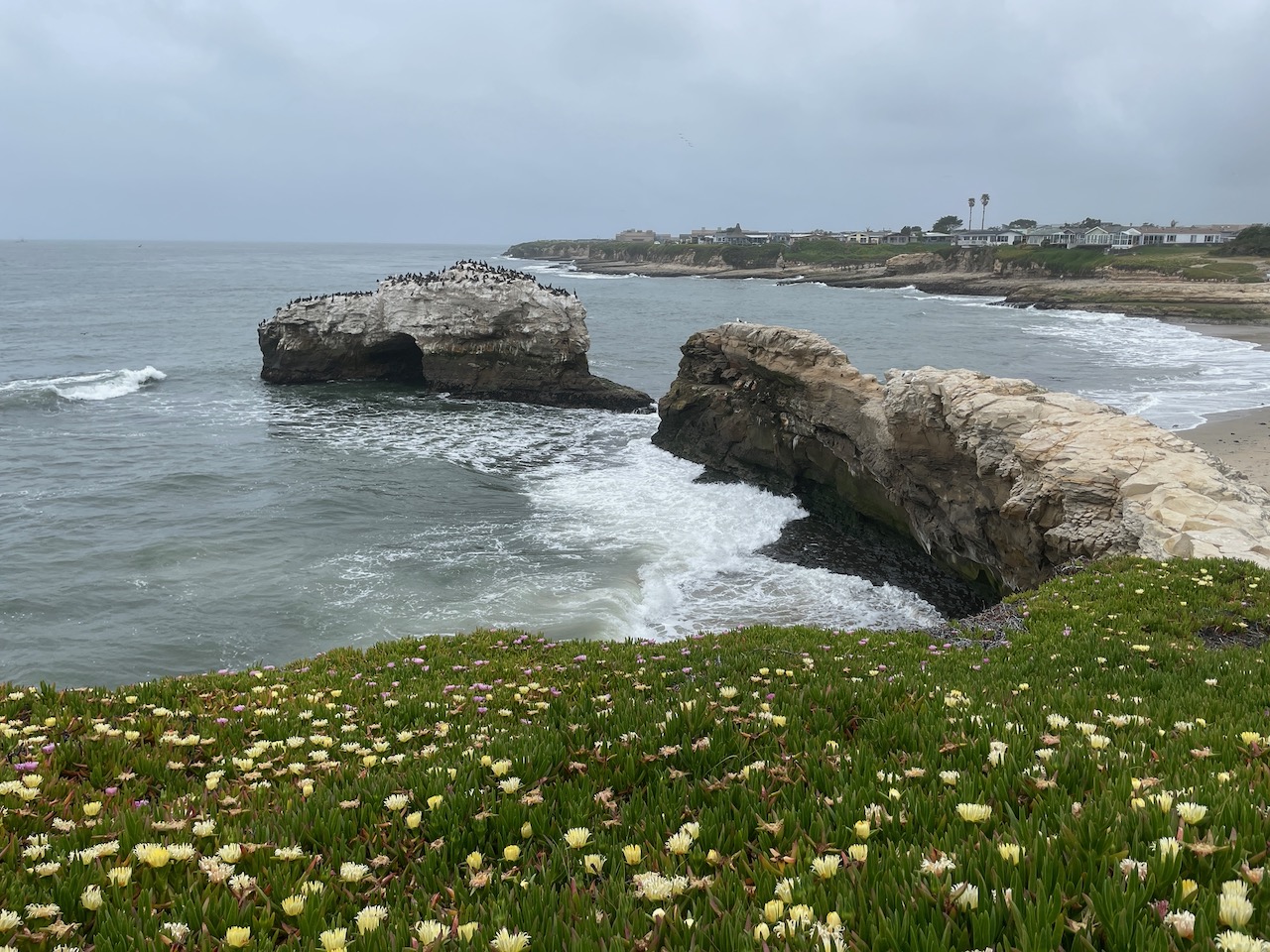
This a 65-acre state park features a natural bridge across a section of the beach; it is the only one of the three original arches that remains. The outermost arch fell sometime in 1905 or 1906, and the inner arch collapsed during a storm on the night of January 10, 1980. The middle arch is in danger of collapsing as well due to erosion by wind and waves. Visitors were formerly permitted to climb up, walk and even drive on the bridges, but now the arch is closed to public access.
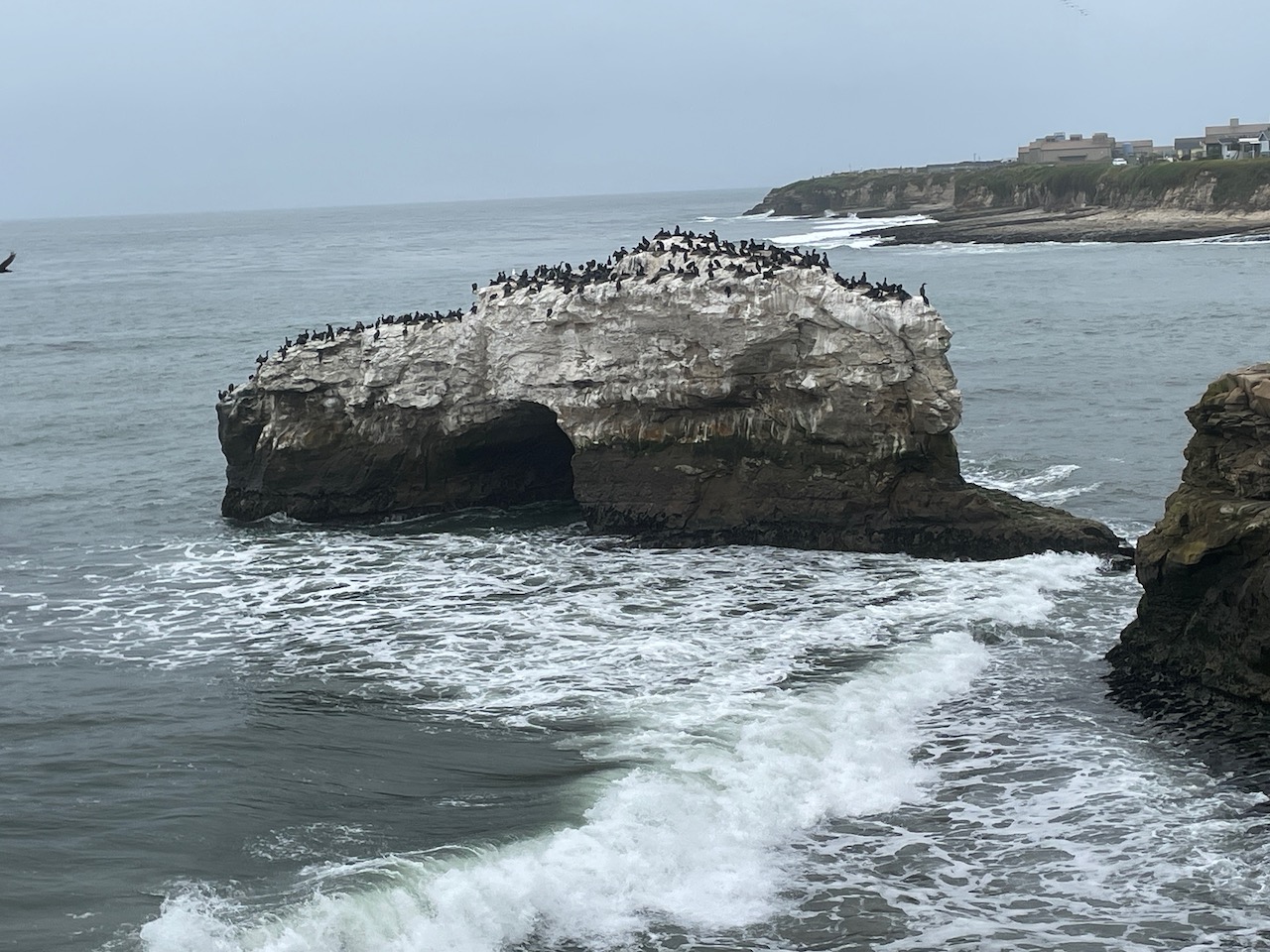
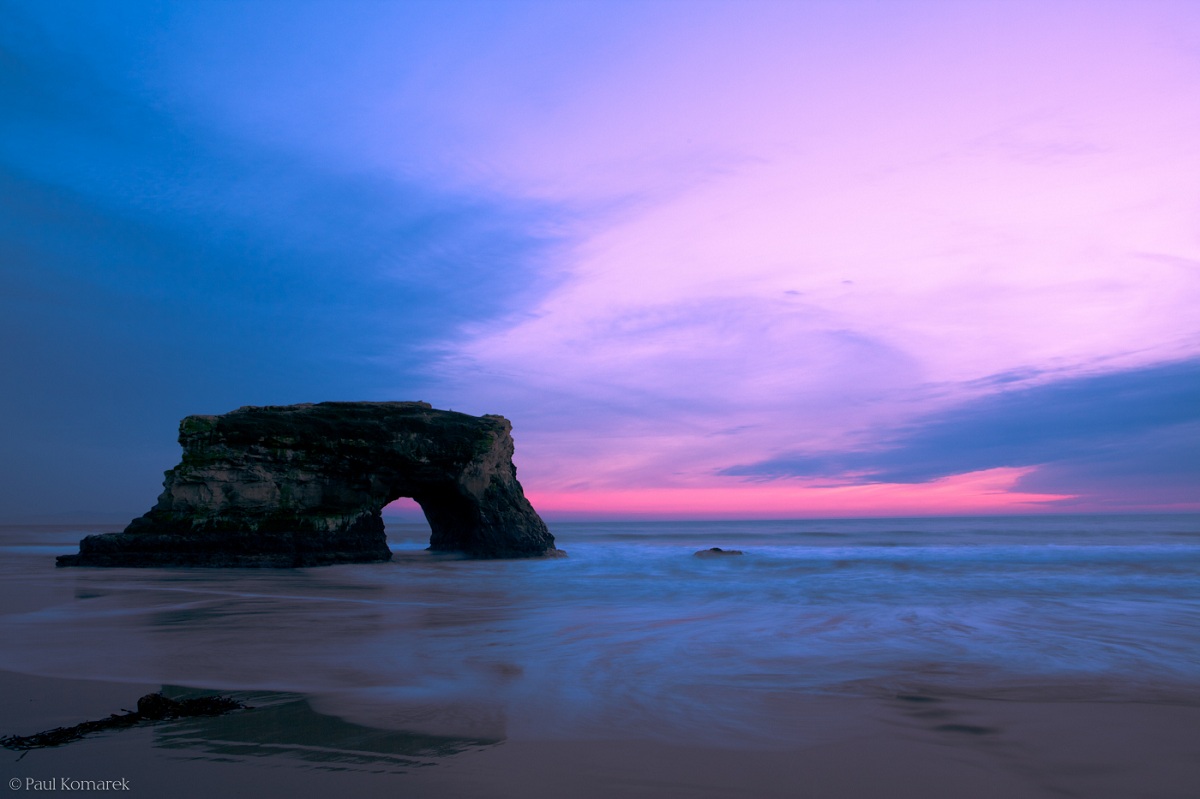
It is also well known as a hotspot to see monarch butterfly migrations. The Monarch Butterfly Natural Preserve is home to up to 150,000 monarch butterflies from October through early February. When we last visited in 2004 on the college tour, we hit the Preserve during the Monarch migration. It was a treat to see these magnificent creatures up close, so hard to do now that their populations are declining. In February 2015, the U.S. Fish and Wildlife Service reported that nearly a billion monarchs had vanished from the butterfly’s overwintering sites since 1990. The agency attributed the monarch’s decline in part to a loss of milkweed caused by herbicides that farmers and homeowners had used.
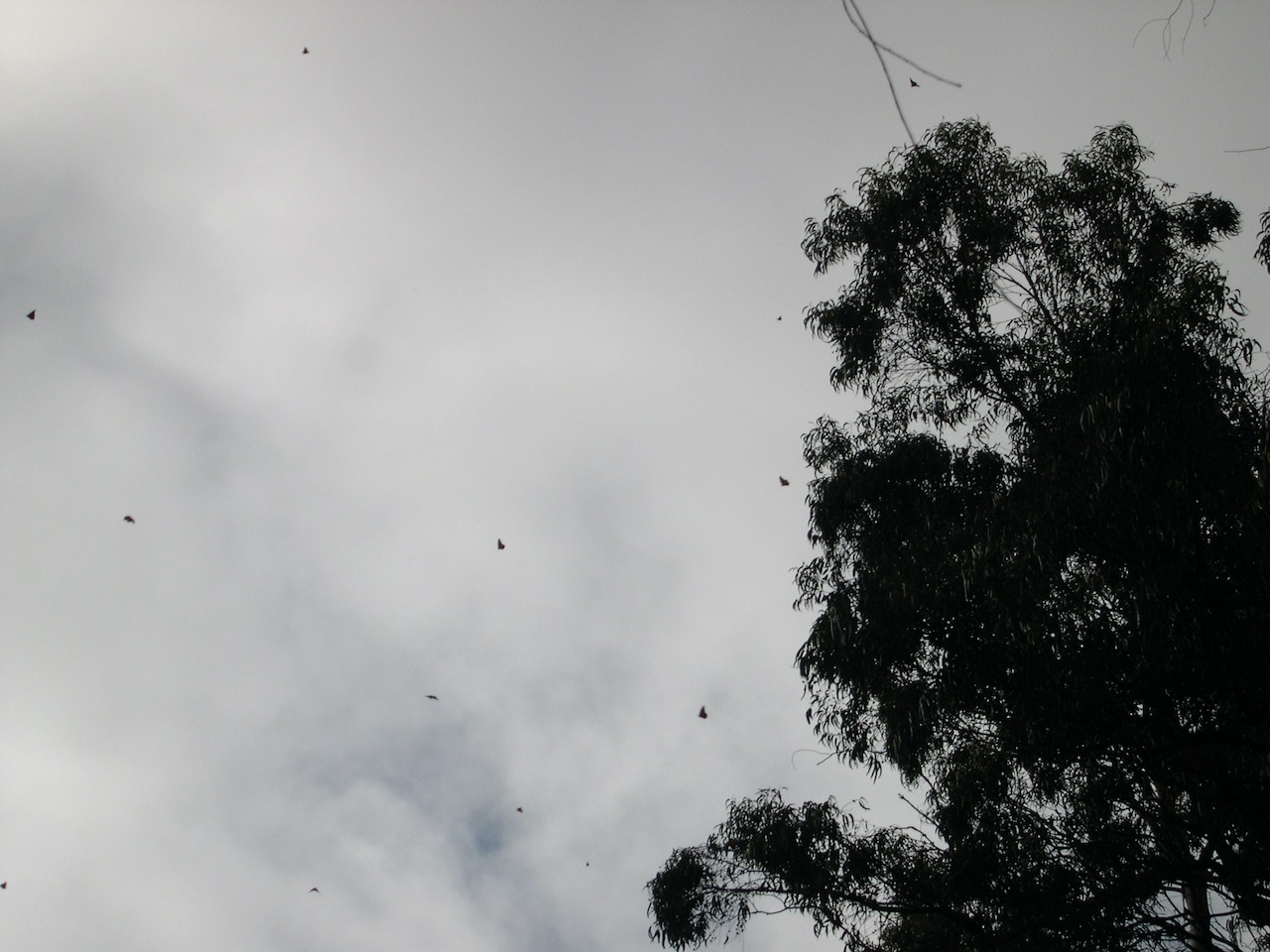
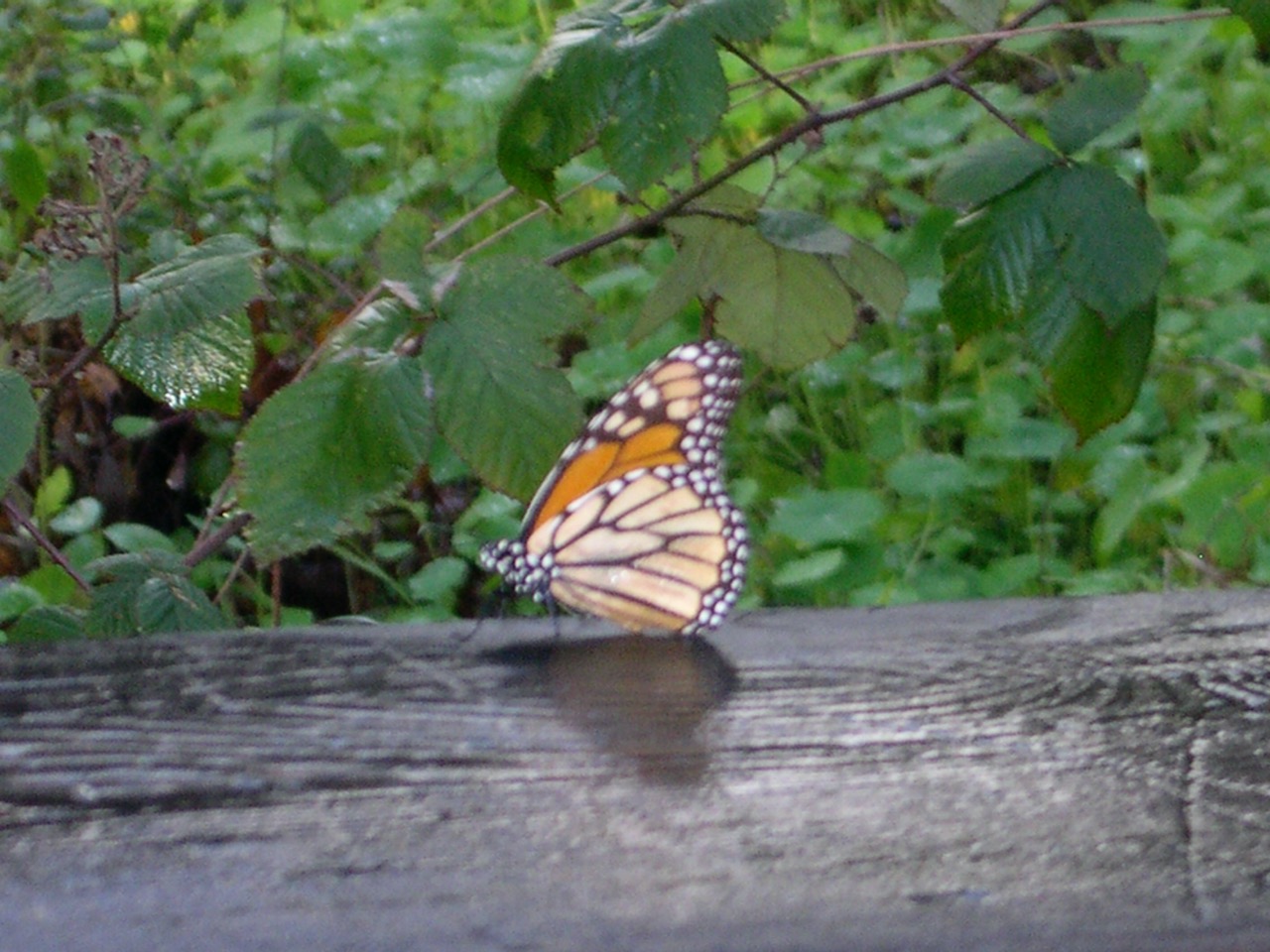
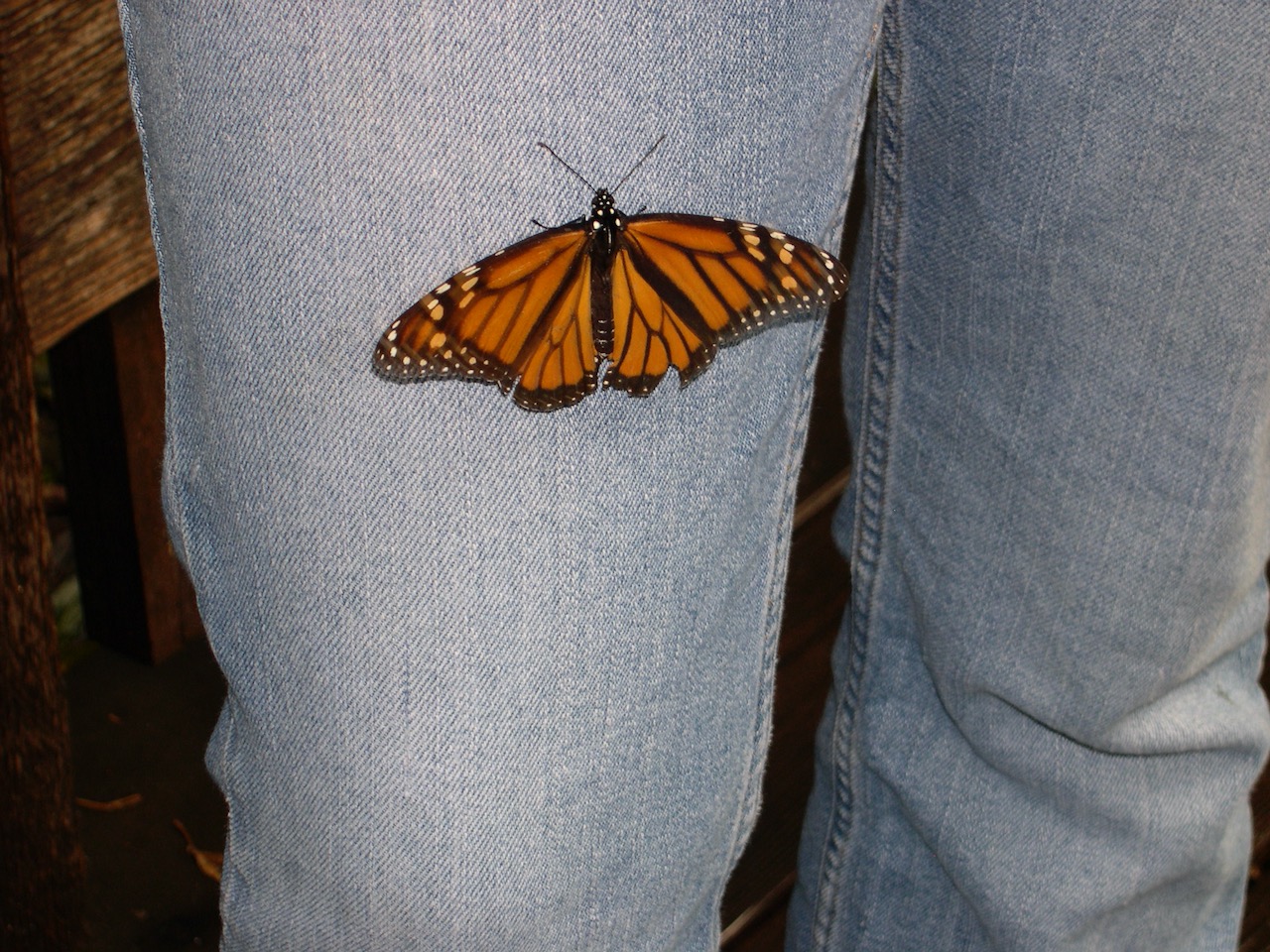
Based on a 2014 20-year comparison, the overwintering numbers west of the Rocky Mountains have dropped more than 50% since 1997 and the overwintering numbers east of the Rockies have declined by more than 90% since 1995. According to the Xerces Society, the monarch population in California decreased 86% in 2018, going from millions of butterflies to tens of thousands of butterflies.
We got back in the car and headed north and a little inland until we came to an outpost of UC Santa Cruz (UCSC) and its Seymour Marine Discovery Center, part of the an onshore marine laboratory for the campus. The Center is affiliated with UCSC and is the public outreach and marine education center part of the Long Marine Lab. The Center contains a small aquarium and touch tank area with various local marine species, which frequently include swell sharks, sea nettles, cabezon, red octopus, and purple urchins.
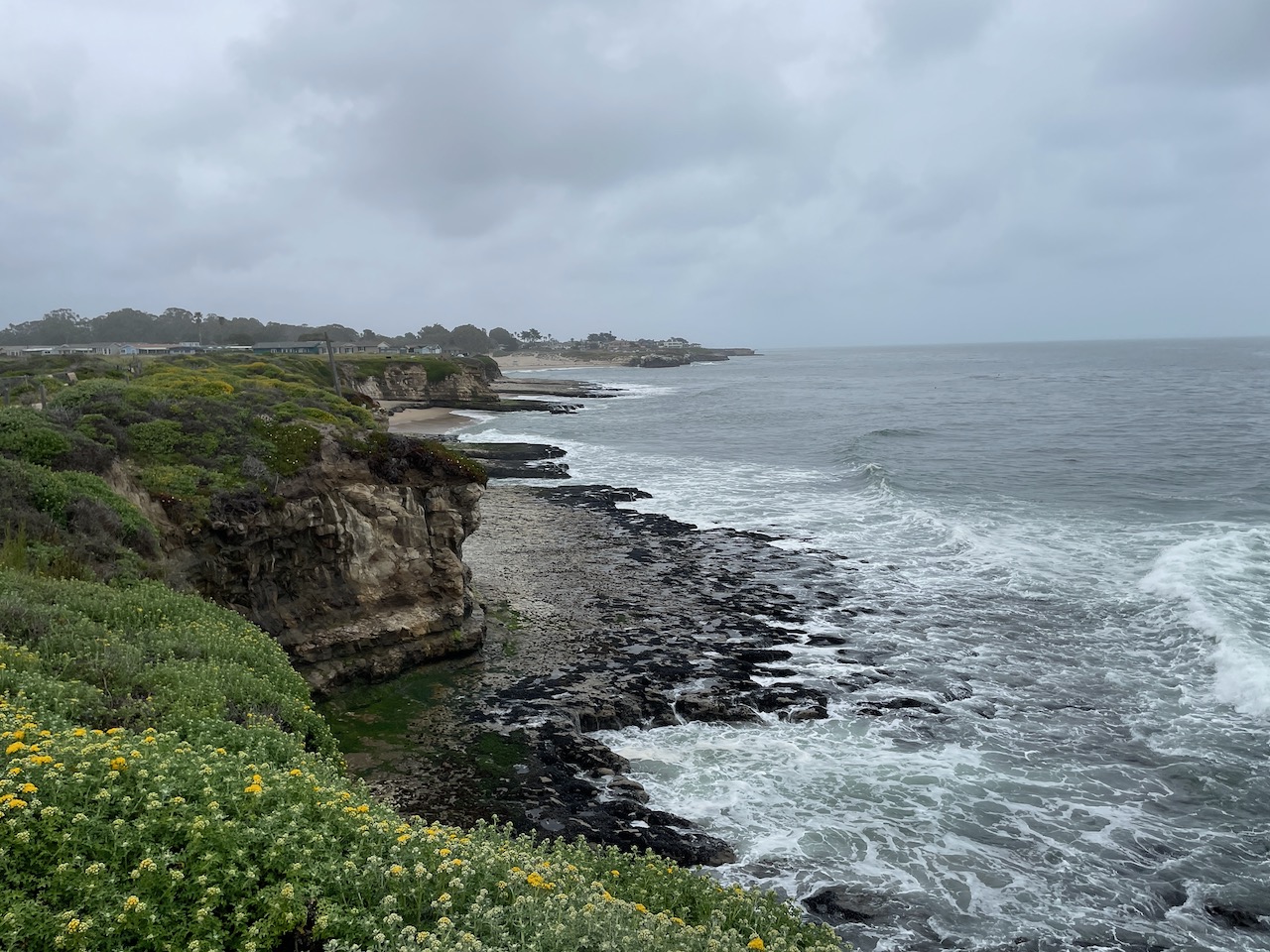
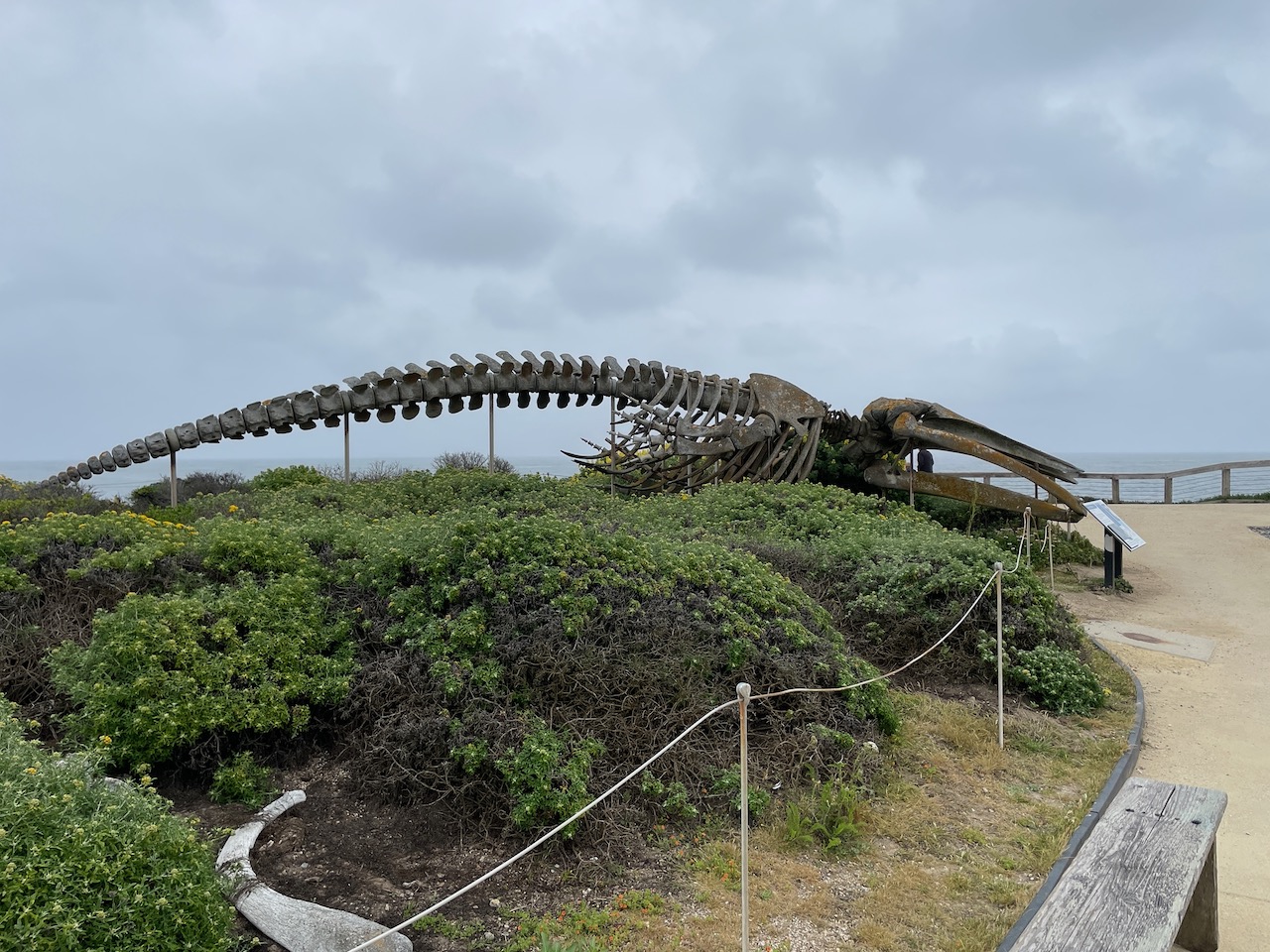
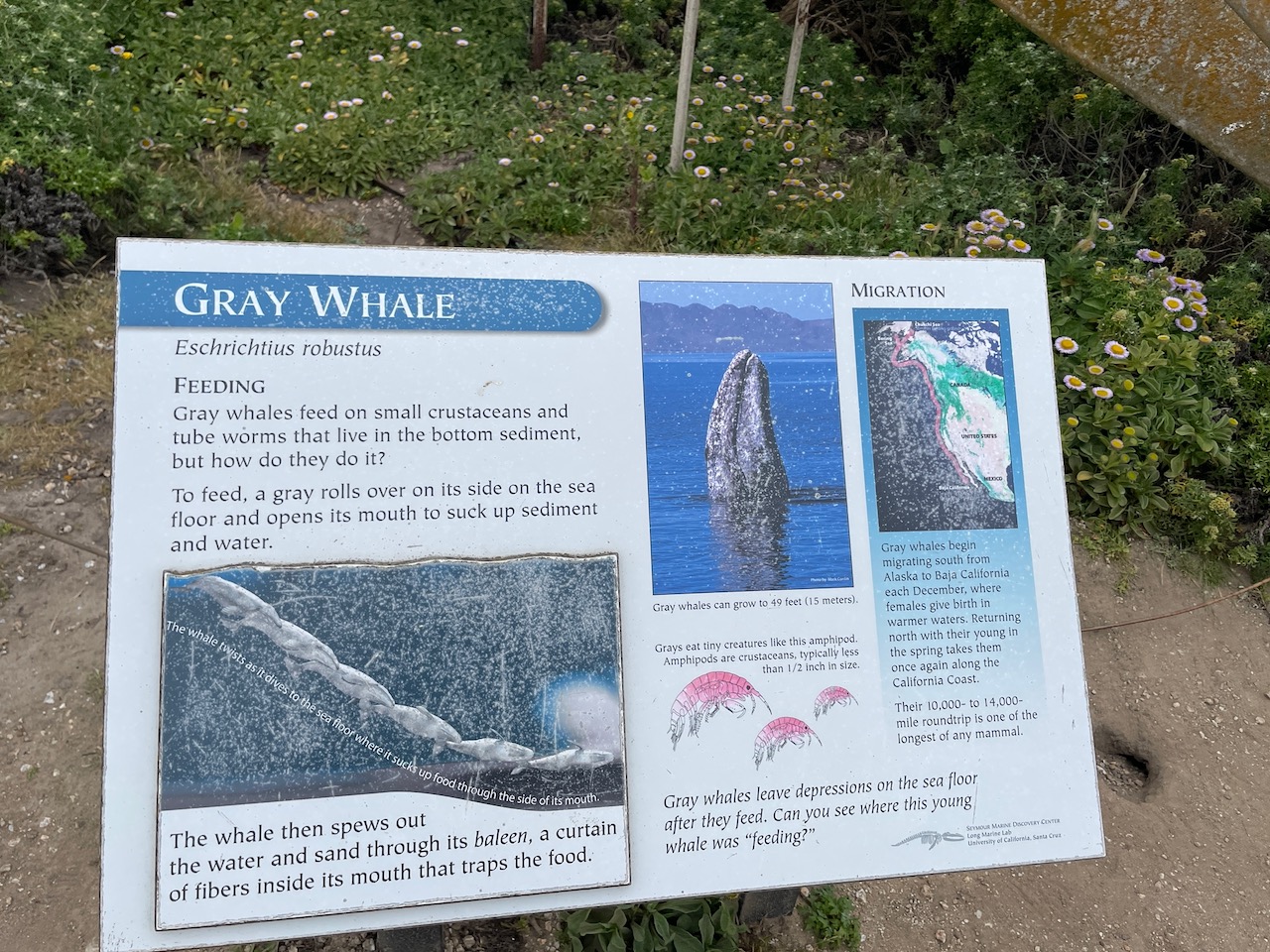
We parked nearby and walked out to the edge of the cliffs that overlook the ocean, with a nice view up and down the coast. Along the way we stopped to examine the skeletons of a Blue and Gray Whale, impressive sights when one gets ups close to them. The Blue whale skeleton, “Ms. Blue” is the largest blue whale skeleton displayed in the world and is one of four blue whale skeletons displayed in North America. It measures 18 ft tall and 87 ft long and was not fully grown when she washed ashore at Fiddlers Cove near Pescadero on September 6, 1979.
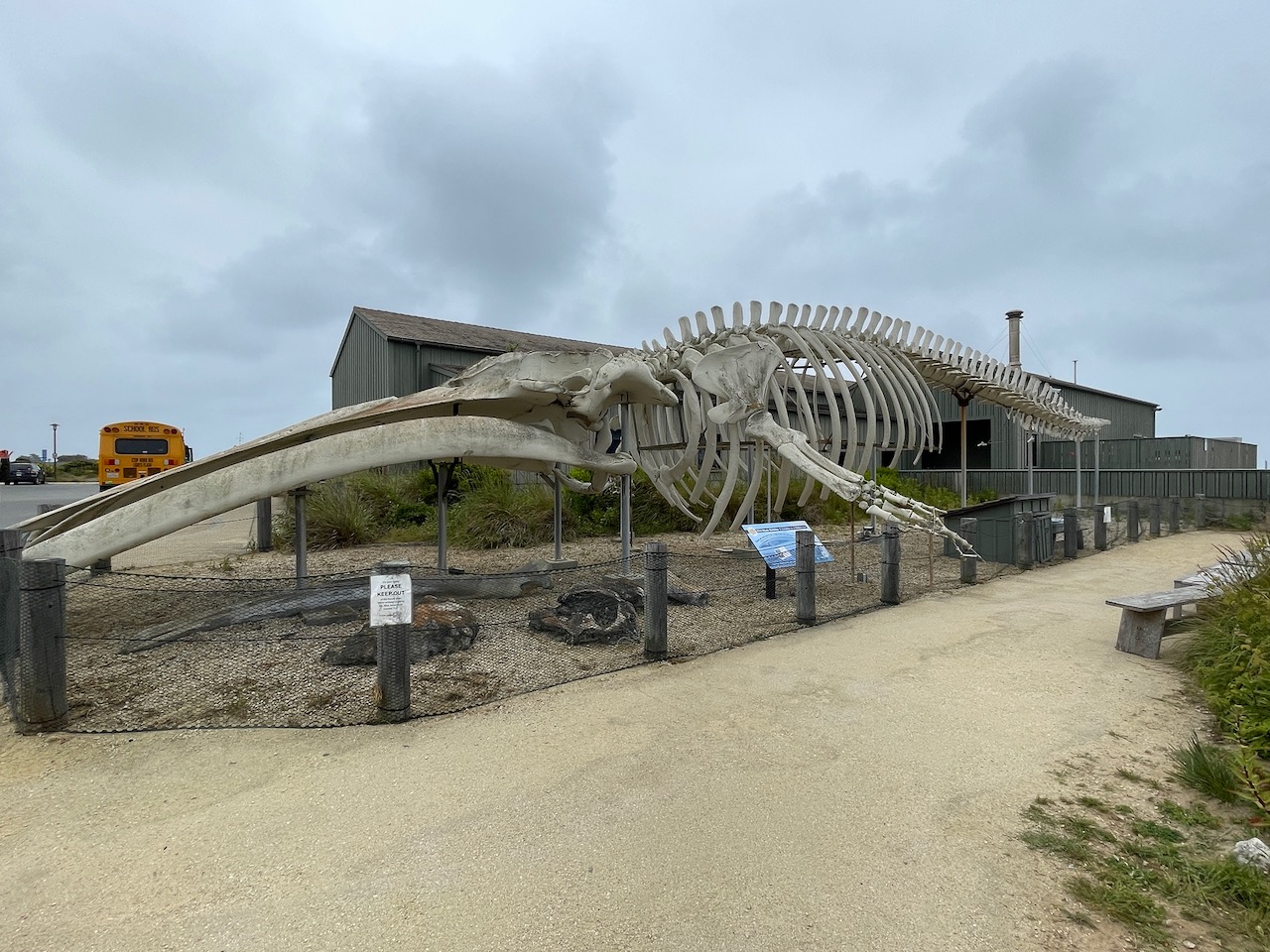
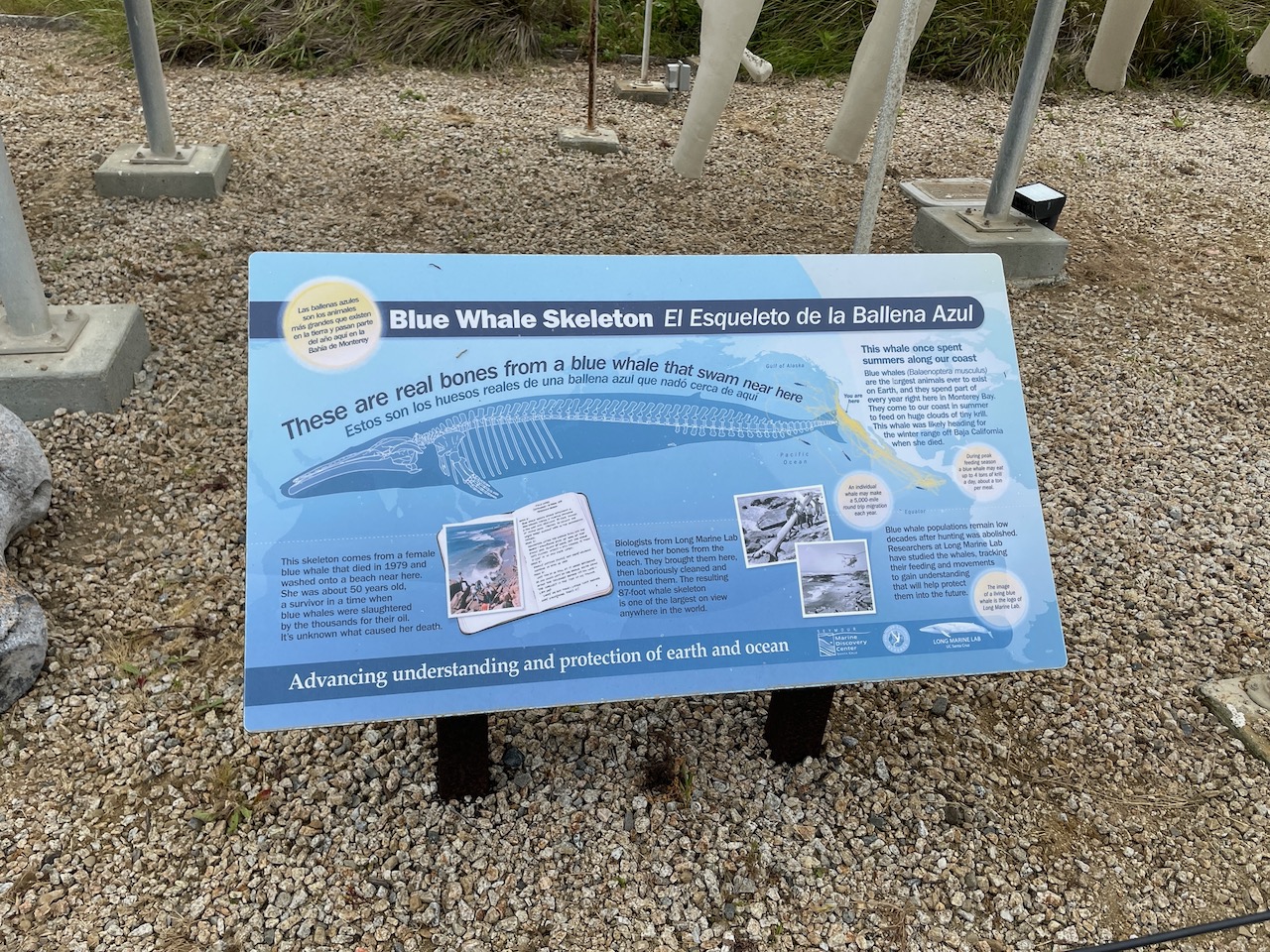
Shortly after discovery, biologists and students from UC Santa Cruz began “flensing” (removing flesh and blubber) from the whale, with the whole process taking about a month to complete. Transported by helicopter and truck to the marine lab, the skeleton lay in a grassy field just downwind of lab buildings for over a year before being buried. Burying allowed nature’s decomposers to clean away the remaining tissue and oil that saturated the bones.
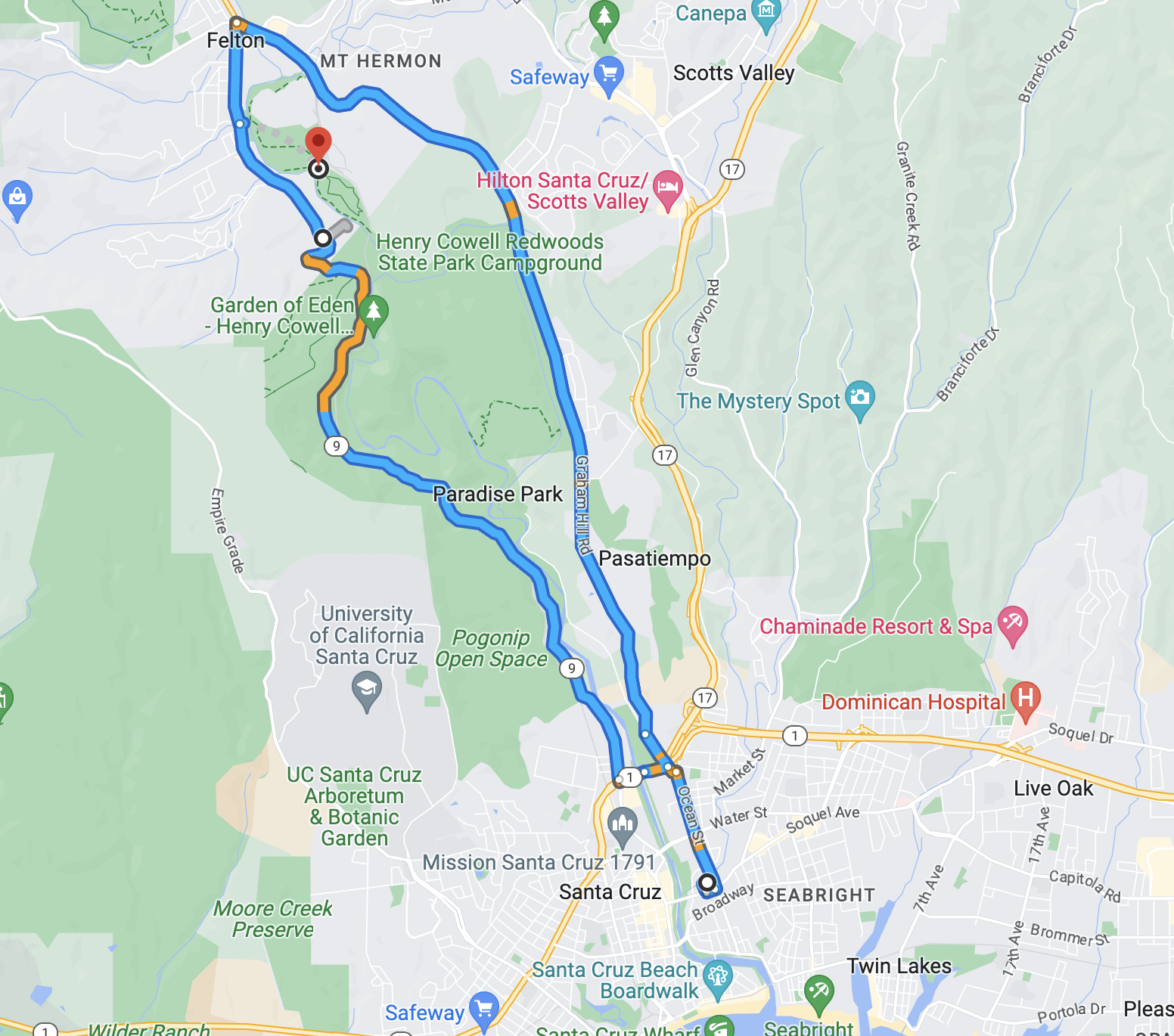
As it was still early, upon leaving the campus we set the GPS to take us inland to eventually end up at Henry Cowell Redwoods State Park. The main park covers approximately 1,750 acres and lies within the southern end of the Northern California coastal forests ecoregion. In its numerous stream canyons live large populations of coast redwood, coast Douglas fir, California bay laurel, tanbark oak, California hazelnut, bigleaf maple and many other native species.
During the 1830s and 40s, when California was still part of Mexico the lands now included in the State Park were once parts of three different ranchos. By 1865, most of the former rancho lands had been subdivided and industrialist Henry Cowell purchased 6,500 acres of the former Rancho Cañada del Rincon en el Rio San Lorenzo, including 1,600 acres of forest, in 1865 adding to his quarrying and lime operations in the vicinity.
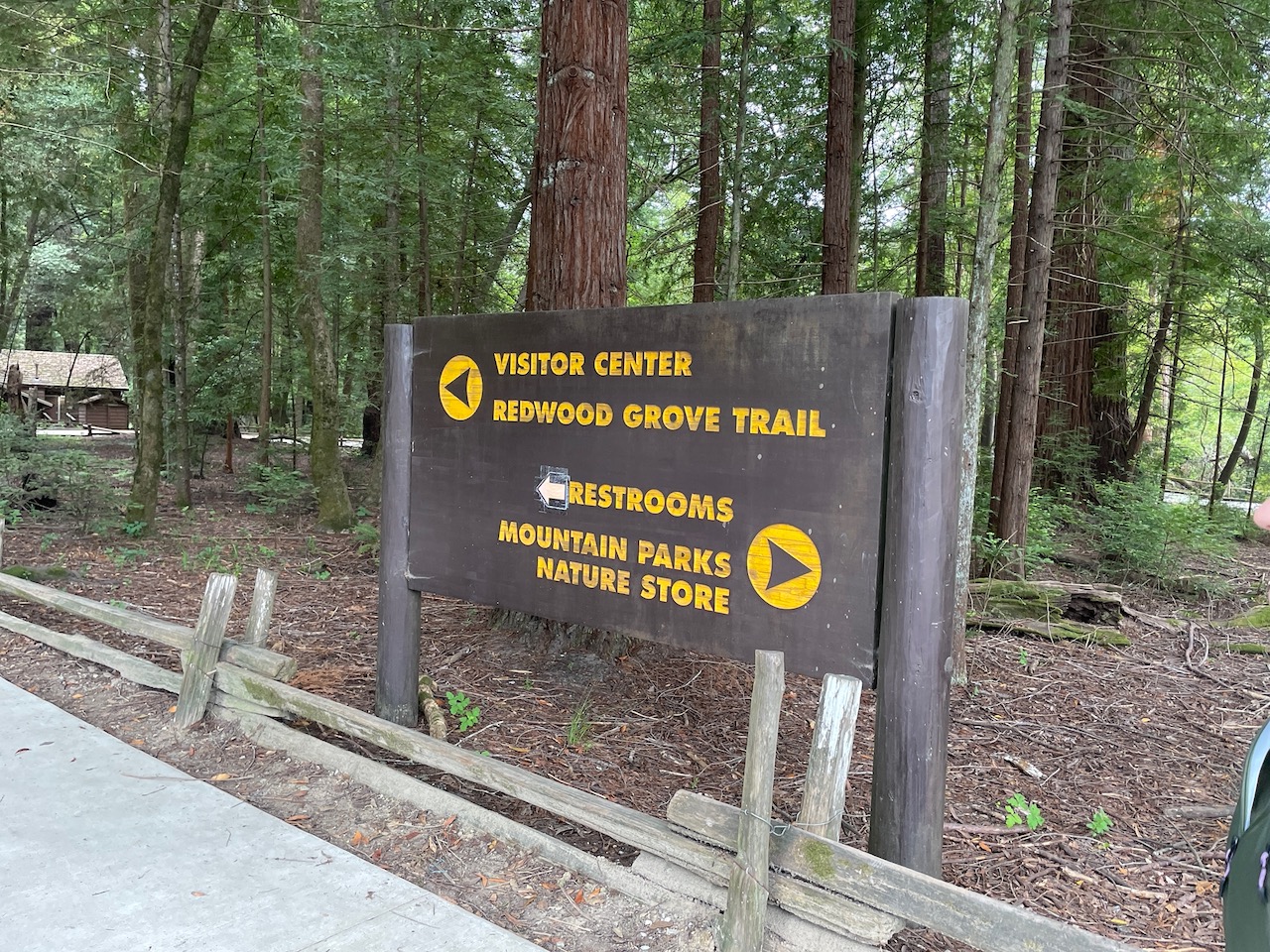
In the 1920s the owners of a large resort adjacent to Henry Cowell’s holdings raised support for the County of Santa Cruz to buy and preserve their pristine redwood lands, an action finally approved in 1930. Eventually philanthropist Samuel Cowell, aged 90, last of the Cowell line, donated the rest of what became the Park to the State, but only under the condition that Santa Cruz County also give up its nearby portion of the land (Big Trees Park) to the State so that it could all be managed together. Thus, the Henry Cowell Redwoods State Park was officially created in 1954. We’ll cover our time in the park and the rest of our Santa Cruz visit in the next post.

Links
The Buttery: https://www.butterybakery.com/
Natural Bridges State Beach: https://www.californiabeaches.com/beach/natural-bridges-state-beach/
Seymour Marine Discovery Center: https://seymourcenter.ucsc.edu/
Henry Cowell Redwoods State Park: https://www.parks.ca.gov/?page_id=546
Discover more from 3jmann
Subscribe to get the latest posts sent to your email.


 3jmann