July 14-16
With a full day to kill before meeting up with our tour leader and group at 6:00 pm, we used a QR code on our welcome note to check out available day tours in Lima. We were delighted to see the Lima Discovery Experience tour for that day in the afternoon that would take us to the historic center of town, using one of the city’s public transportation lines to get there. The cost would be $39 apiece, but worth it to have a guided experience that day.

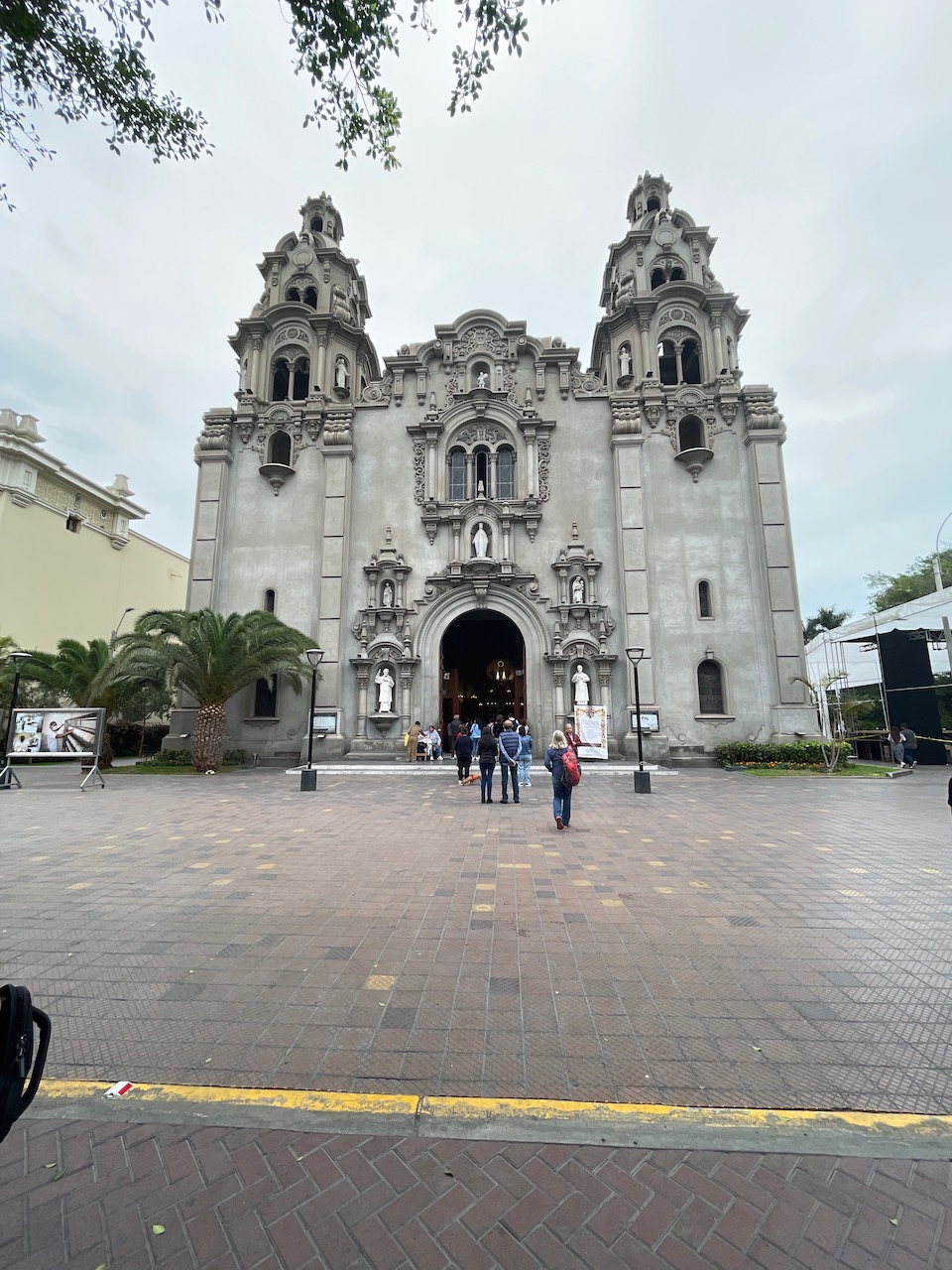
After another hearty breakfast, we walked up Av. Jose Larco about a kilometer to the front door of the Virgen Milagrosa Church, next to Miraflores City Hall in Kennedy Park (named after U.S. President John F. Kennedy).
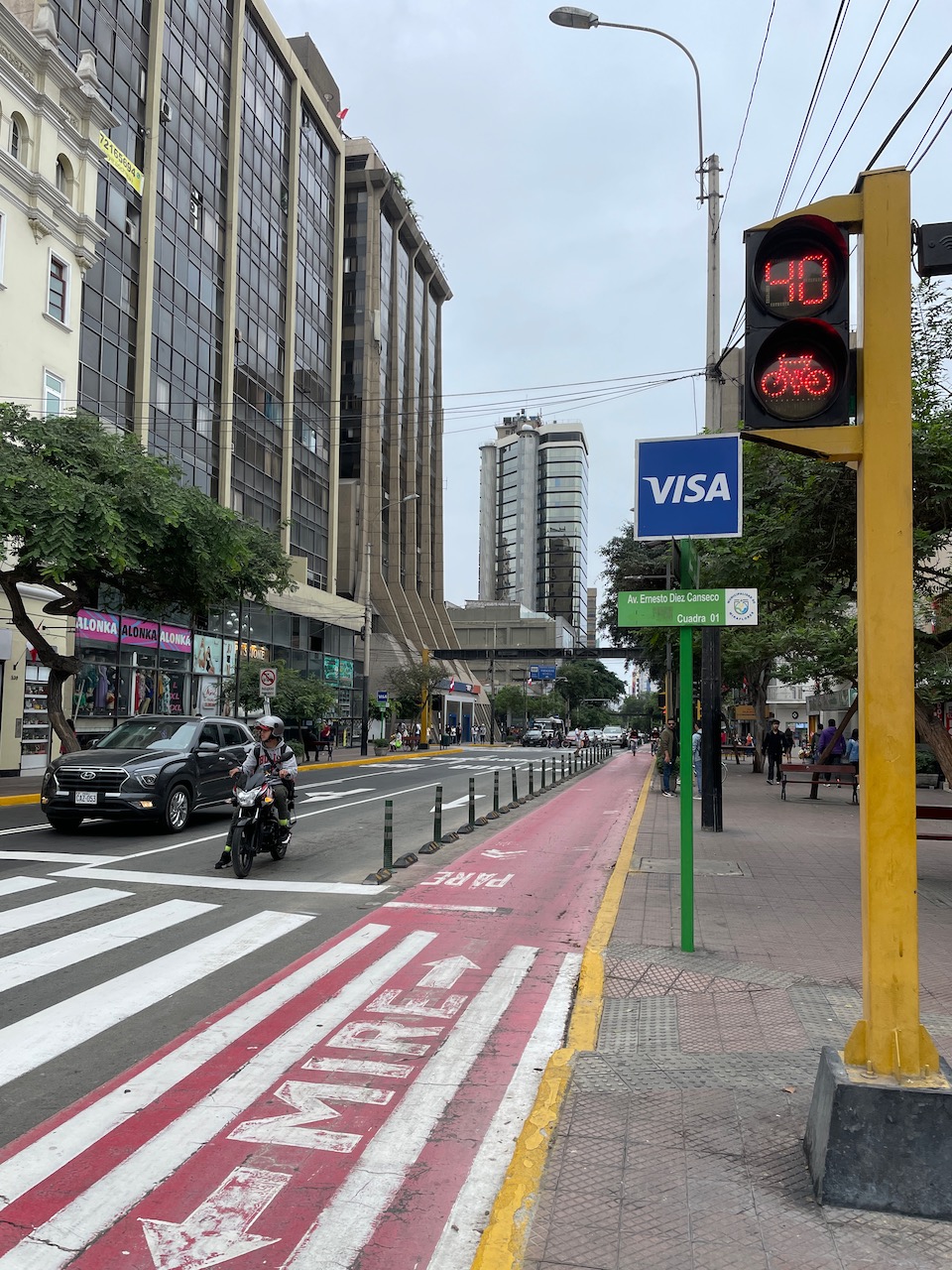
As we walked through a small courtyard behind the church, known as the “Cats Park”. This colony Kennedy Park started more than 25 years ago, when a couple of cats were introduced by priests from the nearby church for plague control. Those cats reproduced and formed the feral colony.
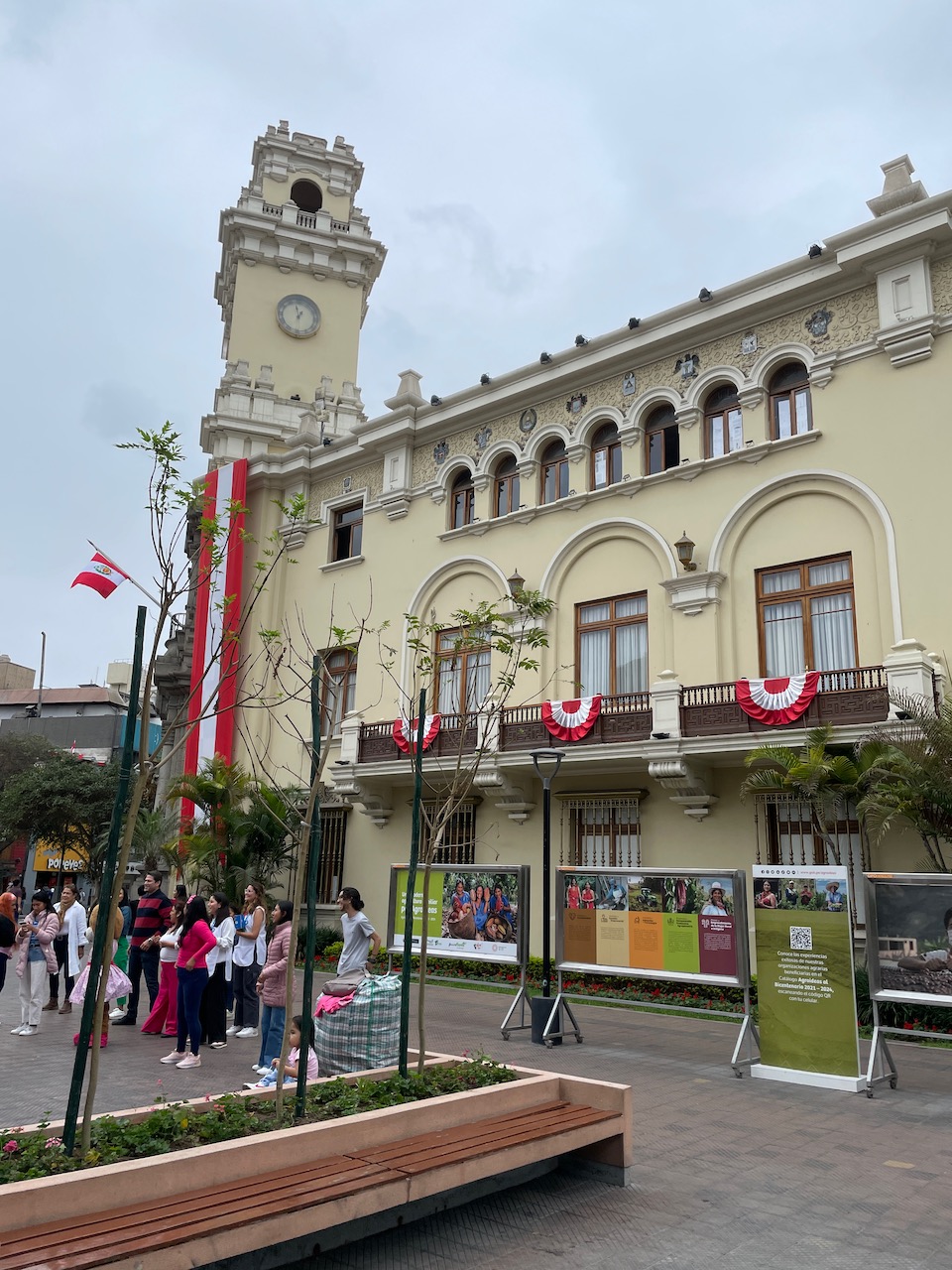


We waited for a few moments before our local guide, Mariano, appeared and after introductions and an overview of what our day would include, we took off for a ten-minute walk to land at the boarding platform for the Expreso 5 line, a rapid transit system called the Metropolitano. “El Metro”, as it is usually called, is a fleet of double-length buses that operate on a dedicated lane that runs from the south of Chorrillos through the center of Lima, then up north to Comas.
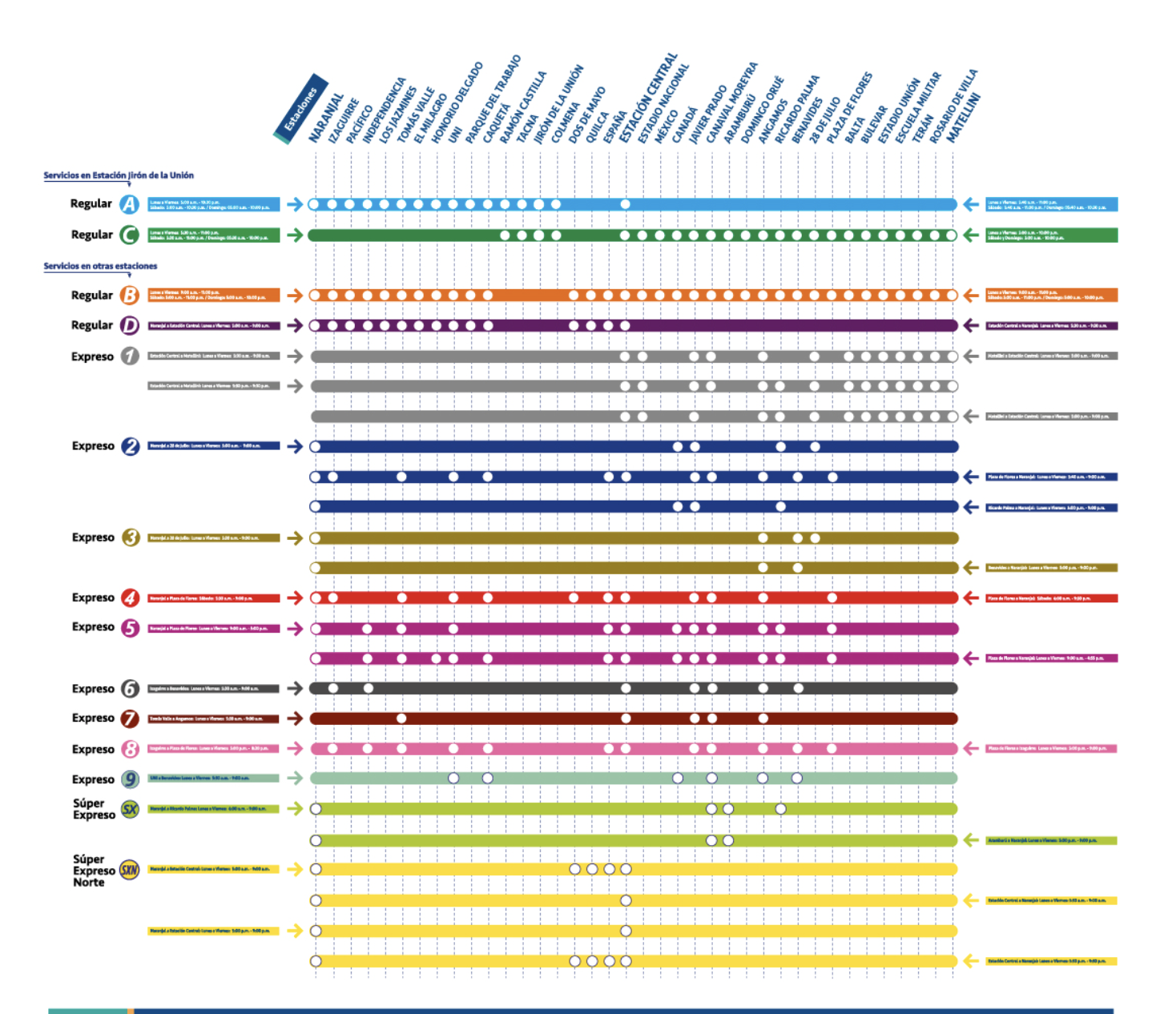
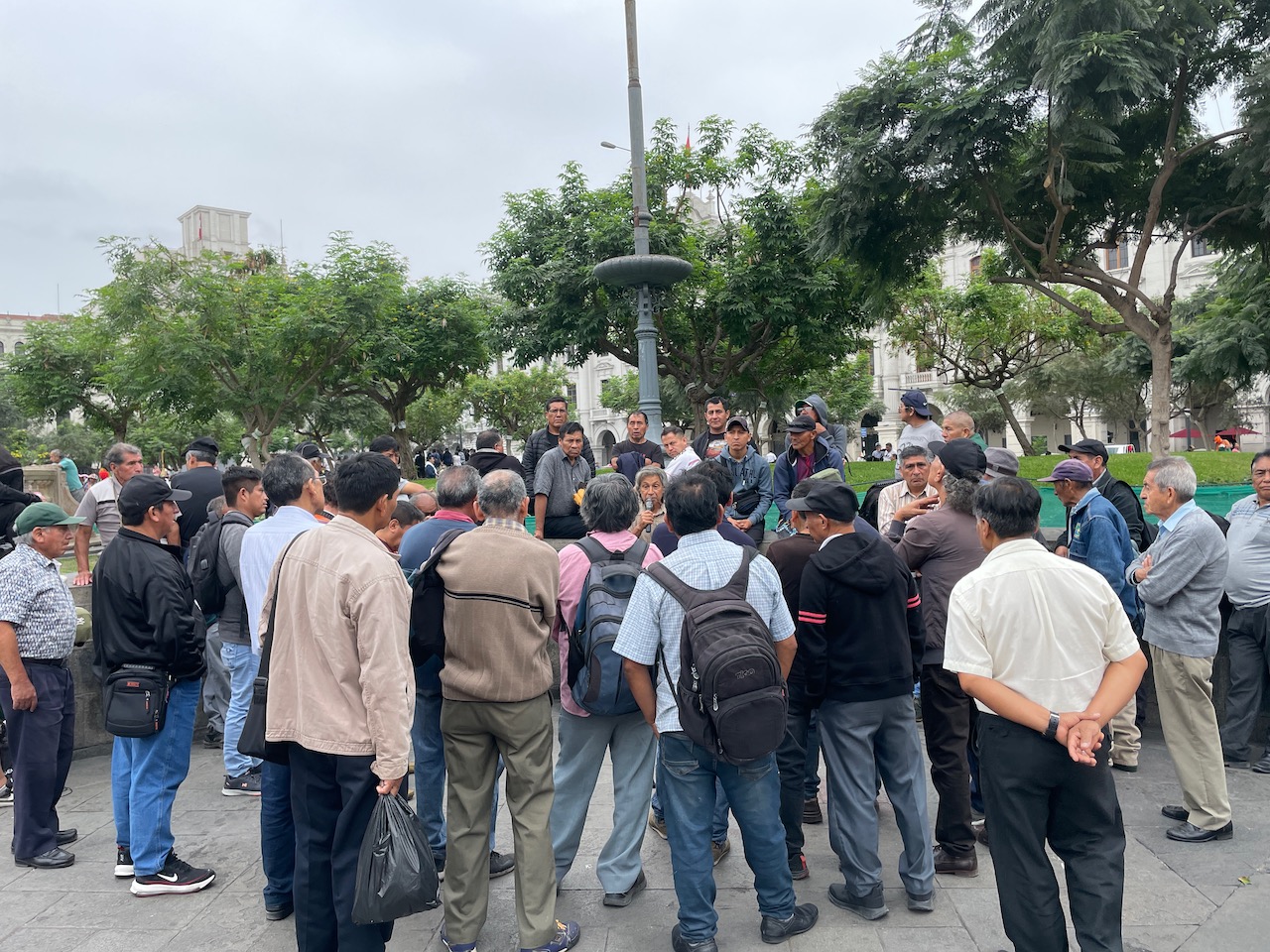
We climbed aboard and rode for fifteen minutes or so until we reached our destination near the Museo de Arte and Plaza Exposicion, where we then took off walking north up Jiron de la Union, one of the downtown’s main pedestrian shopping avenues. We soon arrived at Plaza San Martin, one of the most representative public spaces of the city and situated within the Historic Centre of Lima which was declared a World Heritage Site in 1988 by UNESCO. We paused here for a moment to take in the groups of people listening to speakers, who no doubt were weighing in against the government as the volatile political situation in the country was still brewing.
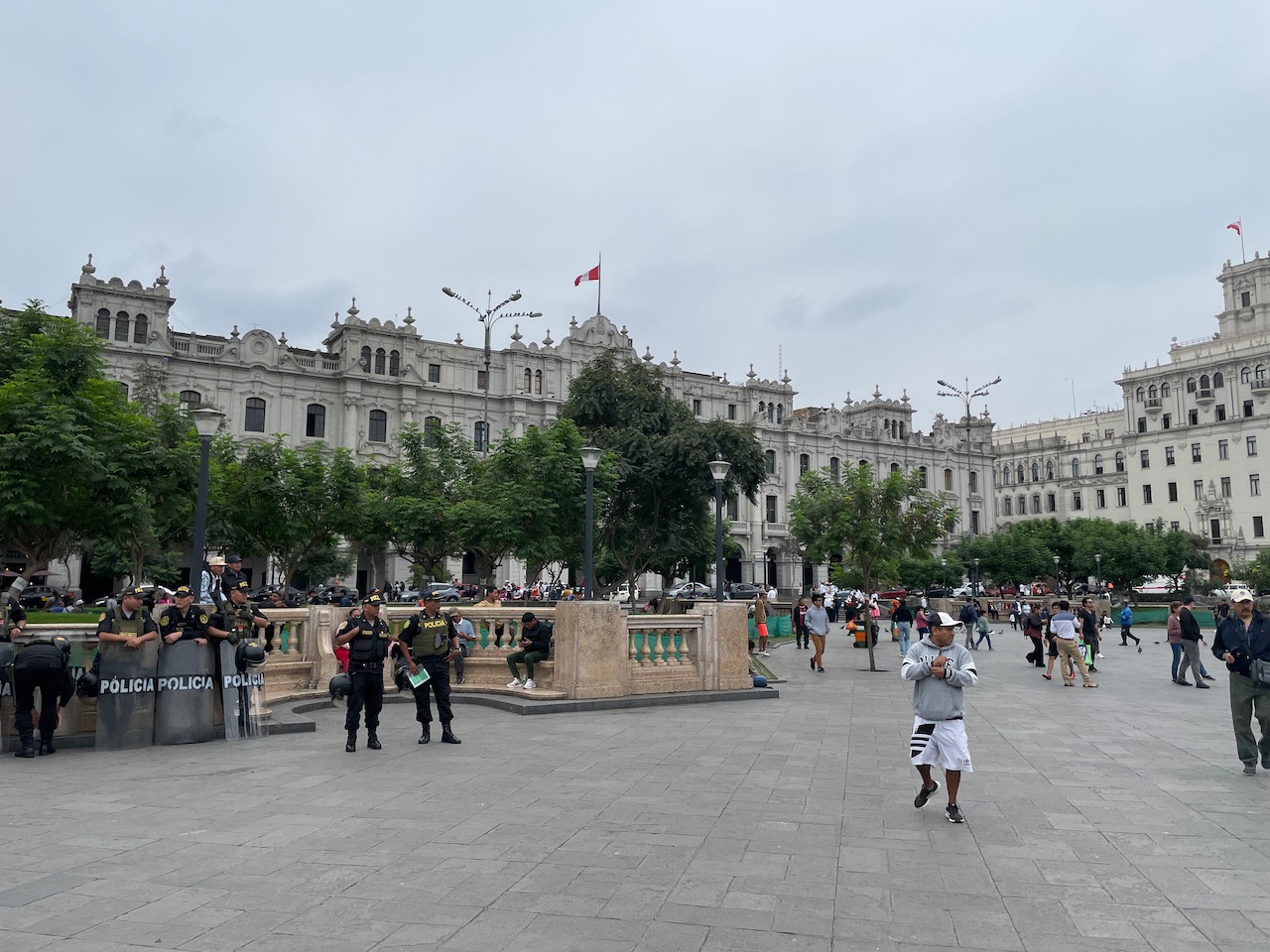
The location of the plaza had been the site of the San Juan de Dios hospital which was torn down in 1850 and replaced by a railway station, which in turn was torn down between 1911 and 1918. The plaza was inaugurated on July 27, 1921, in celebration of the 100th anniversary of the independence of Peru. The design for the monument to José de San Martín was chosen in a contest in which the design created by the Spanish sculptor Mariano Benlliure emerged victorious and illustrated San Martin during his voyage across the Andes.

Martin, also as known as “the Liberator of Argentina, Chile and Peru”, was an Argentine general and the primary leader of the southern and central parts of South America’s successful struggle for independence from the Spanish Empire who served as the Protector of Peru. On 26 July 1822, after a closed-door meeting with fellow libertador Simón Bolívar at Guayaquil, Ecuador, Bolívar took over the task of fully liberating Peru. San Martín unexpectedly left the country and resigned the command of his army, excluding himself from politics and the military, and moved to France in 1824. The details of that meeting would be a subject of debate by later historians.
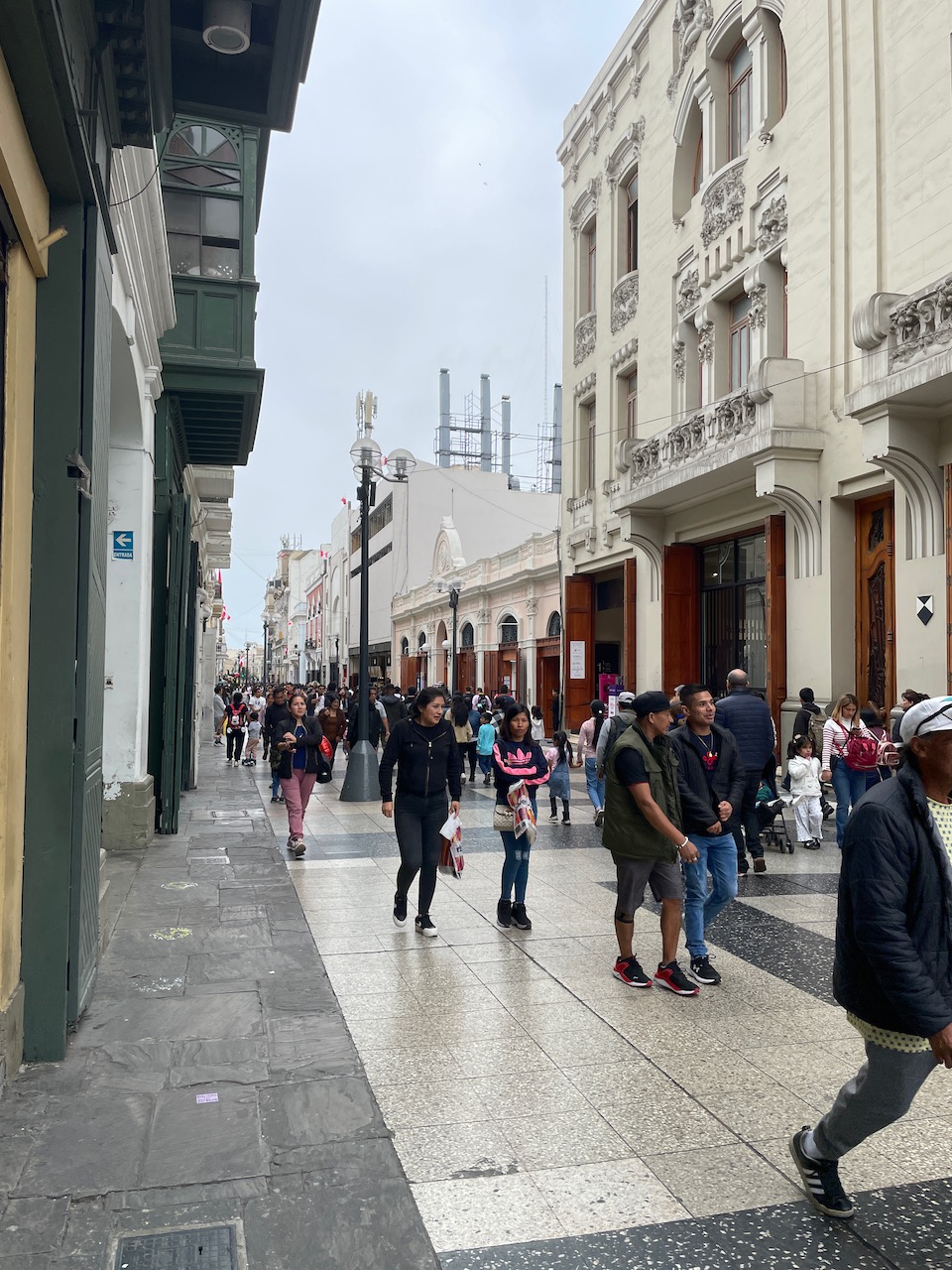
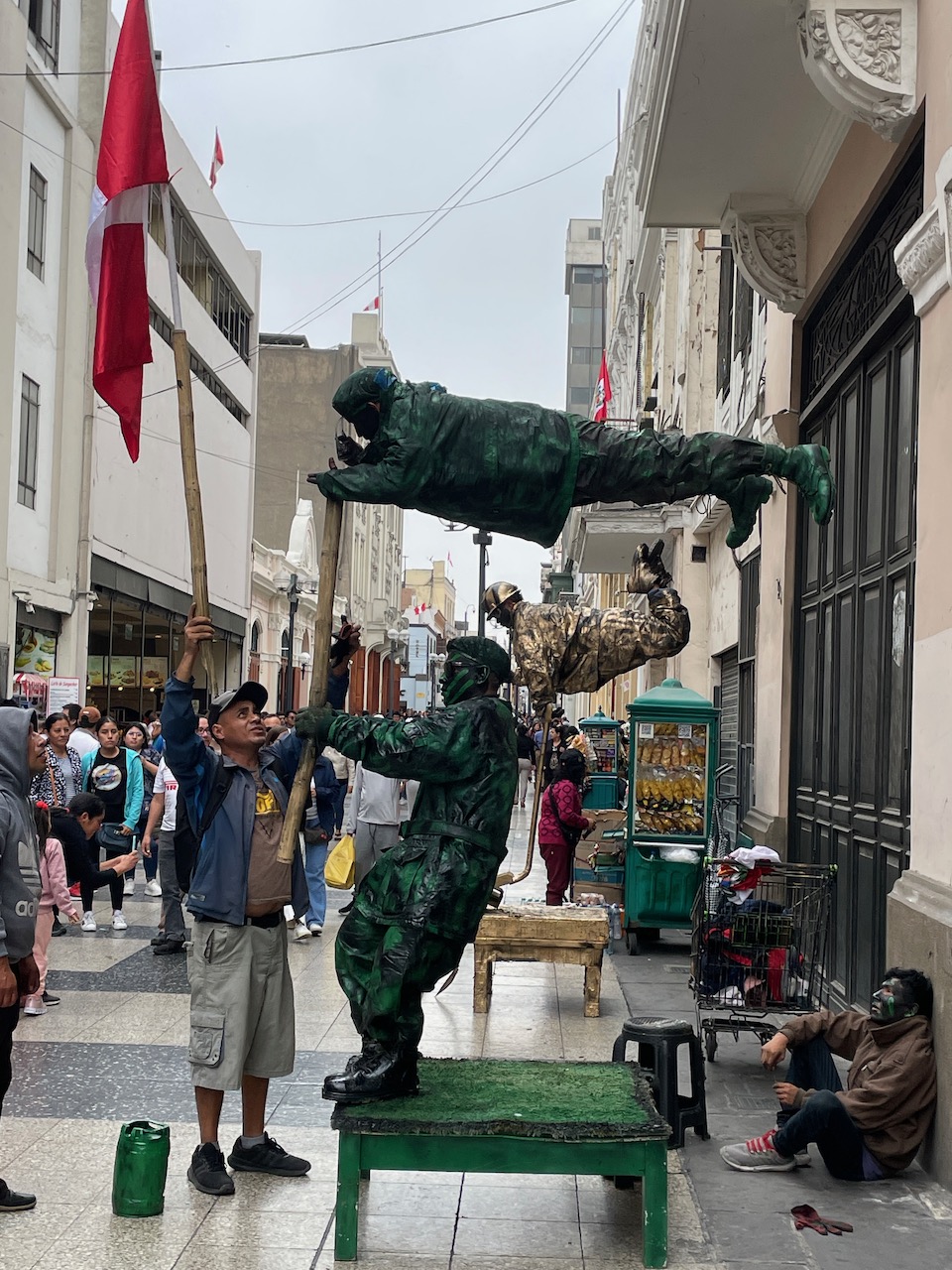
We continued walking up Jiron de la Union checking out various street performers, shop windows, and inhaling the delicious aroma of rotisserie chicken, known in Lima as pollo a las brasas and found on every street.
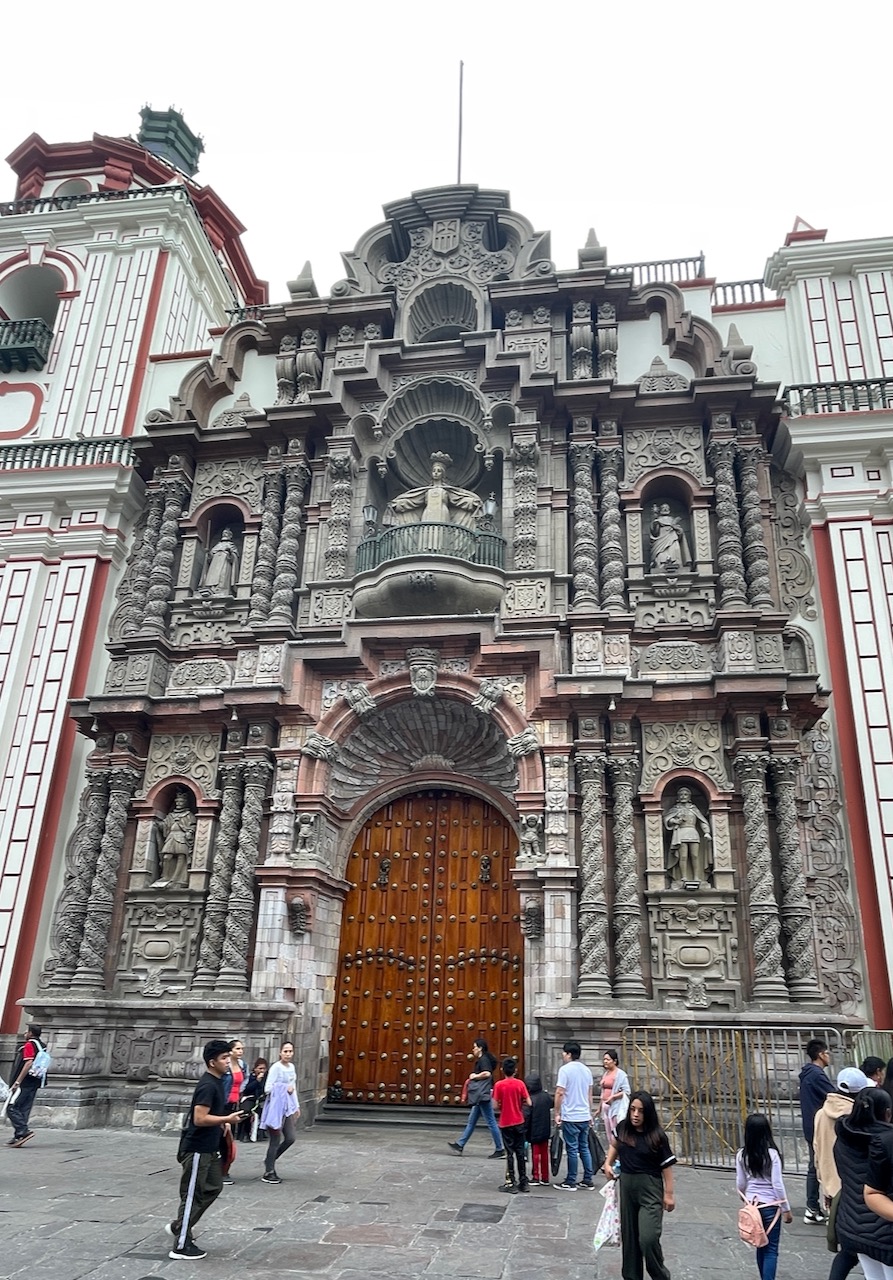
We stopped for a few moments at Plazuela Merced (Mercy) to admire the exterior of the minor basilica and convent of Our Lady of Mercy, built by Fray Miguel de Orenes in 1535, taking the Archangel San Miguel as its owner. The façade is a finished example of the Churrigueresque Lima baroque style and in its central part the image of the Virgen de las Mercedes appears in a niche, around which others are arranged.
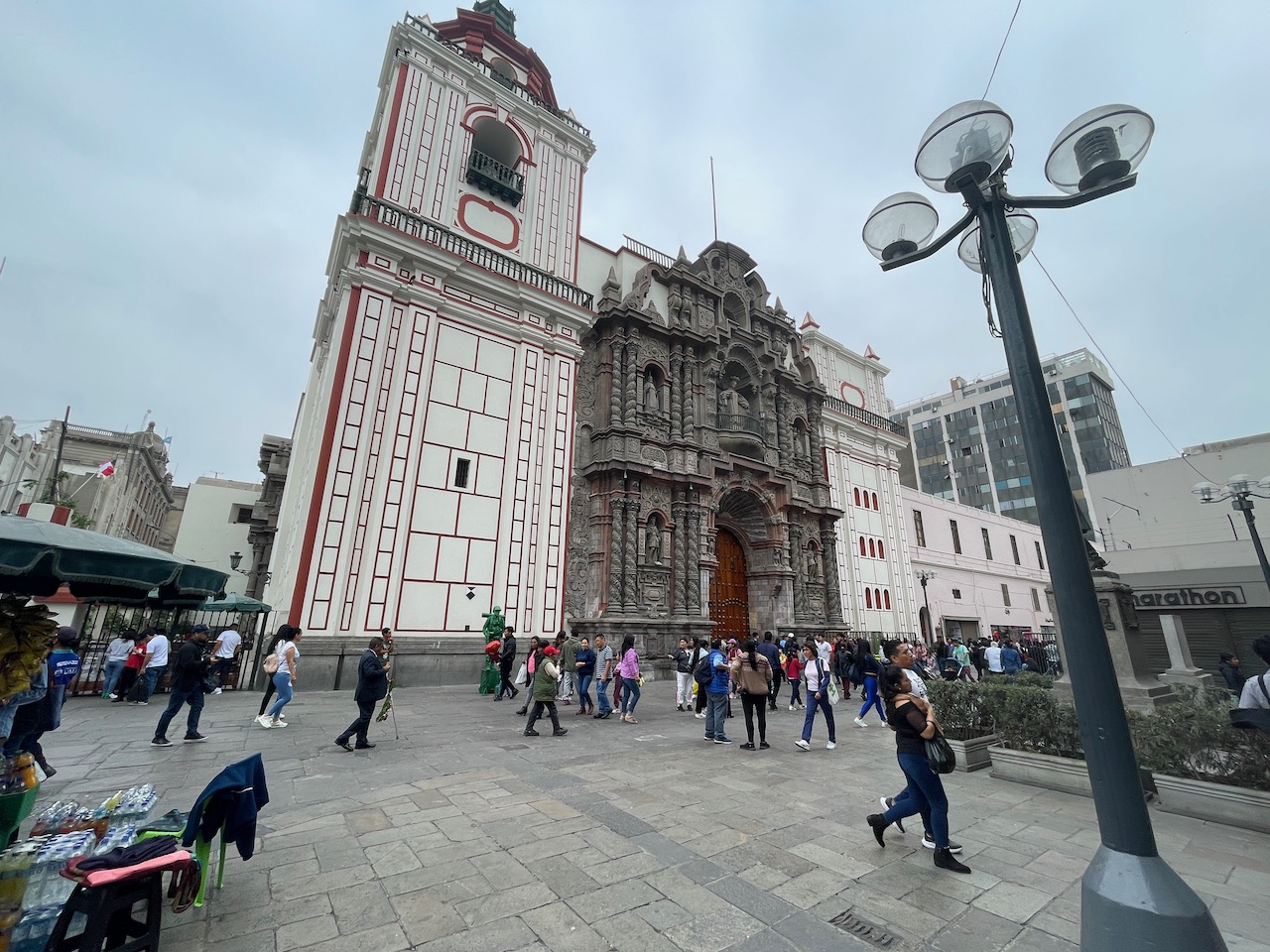
After the earthquake of 1746 the church was partially restored; its notable doorway is made of a special quality of original granite from Panama, which was brought as ballast, a stone used as a weight that was placed on the bottom of the ship, to favor its balance, by the galleons that came to load minerals in Callao. This fine doorway, artistically carved in three sections, was built using gray and pink stones, forming a combination that is not found in other Lima temples. Its only tower, begun in 1539, should have been higher but was lowered following the earthquake of October 20, 1687.
Our next to the last stop of the day was the Plaza de Armas (also known as Plaza Mayor) which is considered one of the birthplaces of Lima, as well as the core of the city. It is surrounded by the Government Palace, Lima Metropolitan Cathedral, Archbishop’s Palace of Lima, the Municipal Palace, and the Palacio de la Unión.
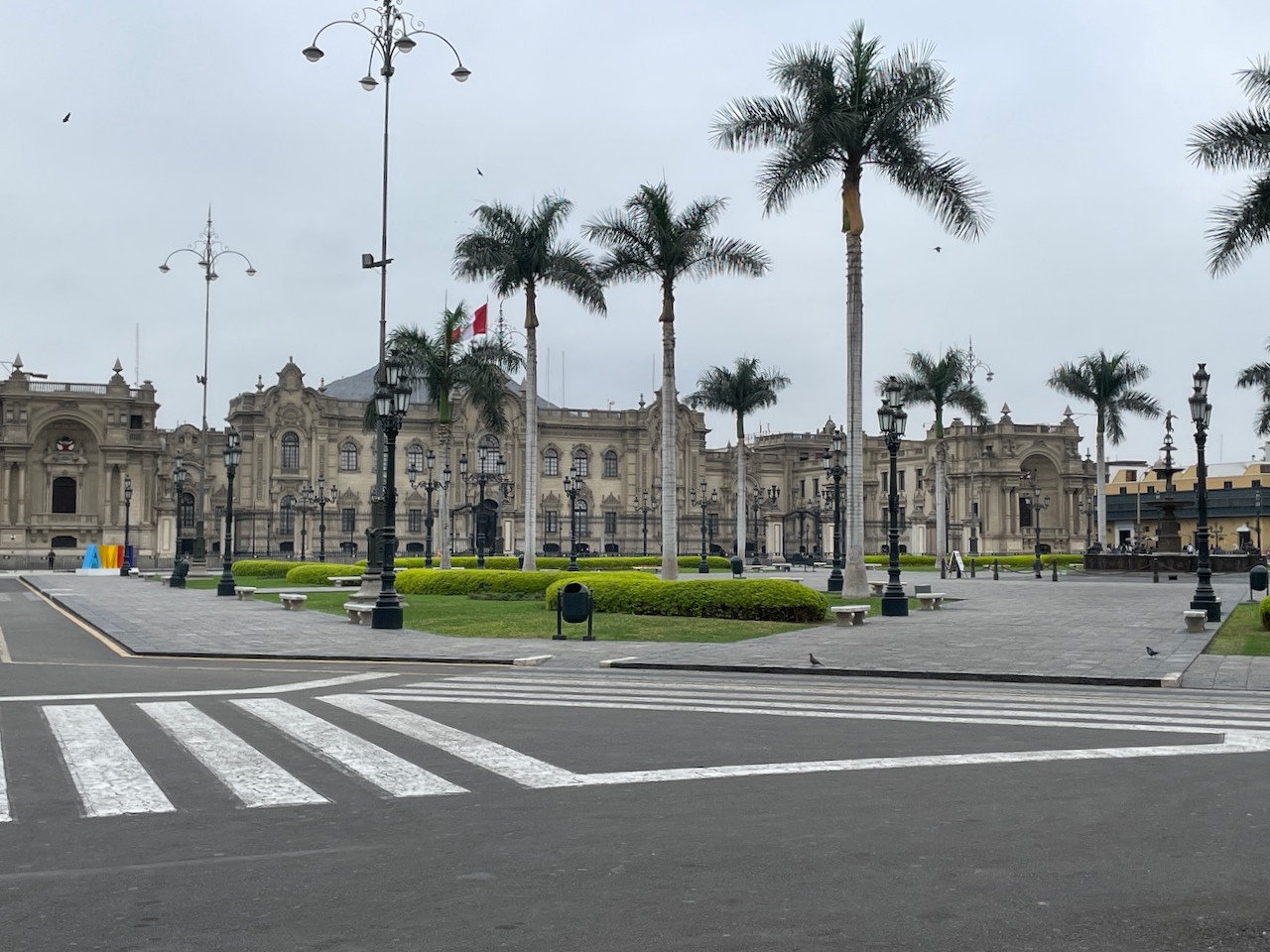
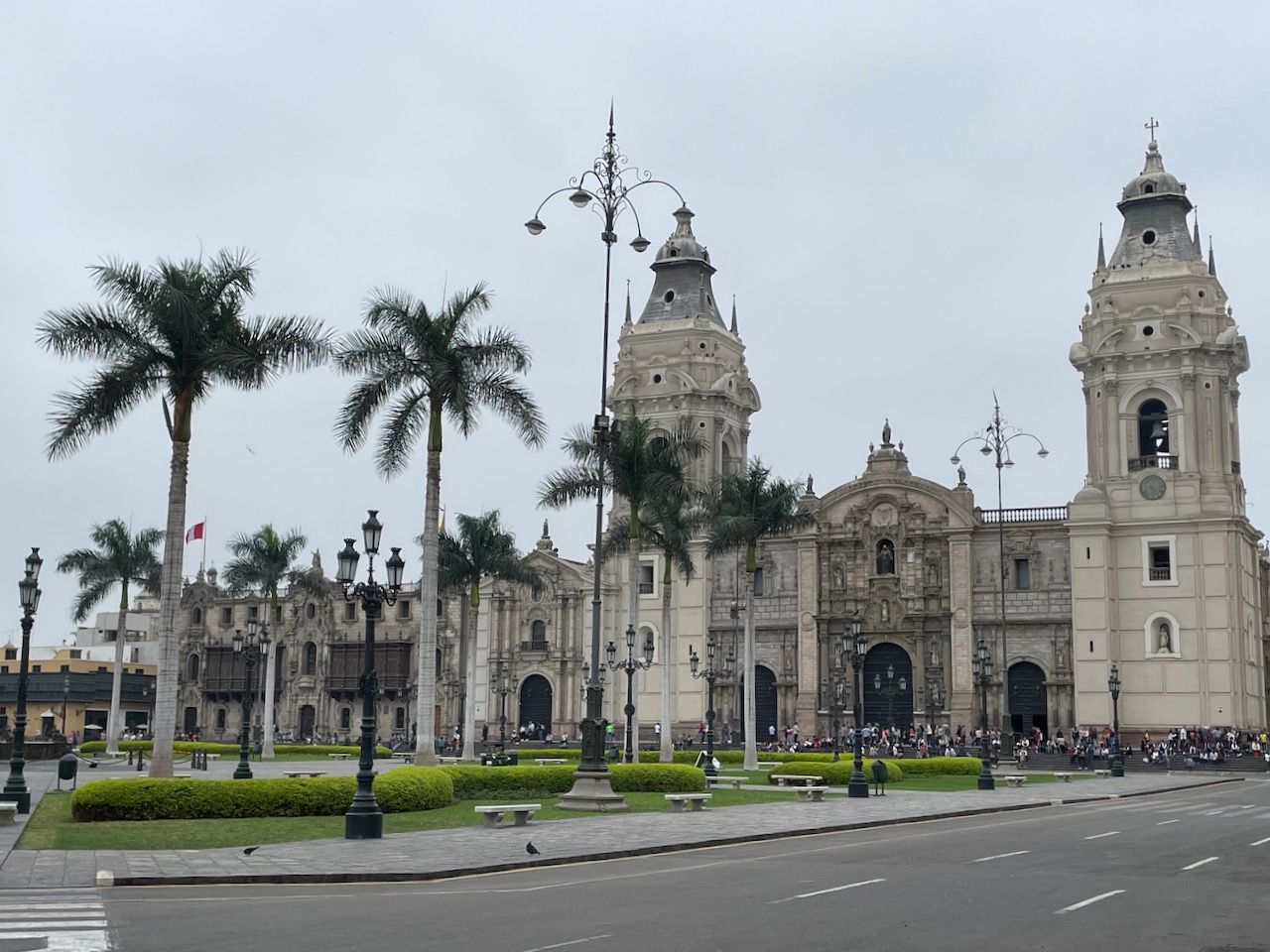
We couldn’t enter the plaza or look closely at any of the buildings as it had been barricaded in anticipation of demonstrations scheduled for the following week. Our final stop for the day was the Monestario de San Francisco and its famous catacombs. Also known as San Francisco el Grande” or “San Francisco de Jesús, the church and convent were added to the UNESCO World Heritage List in 1991.
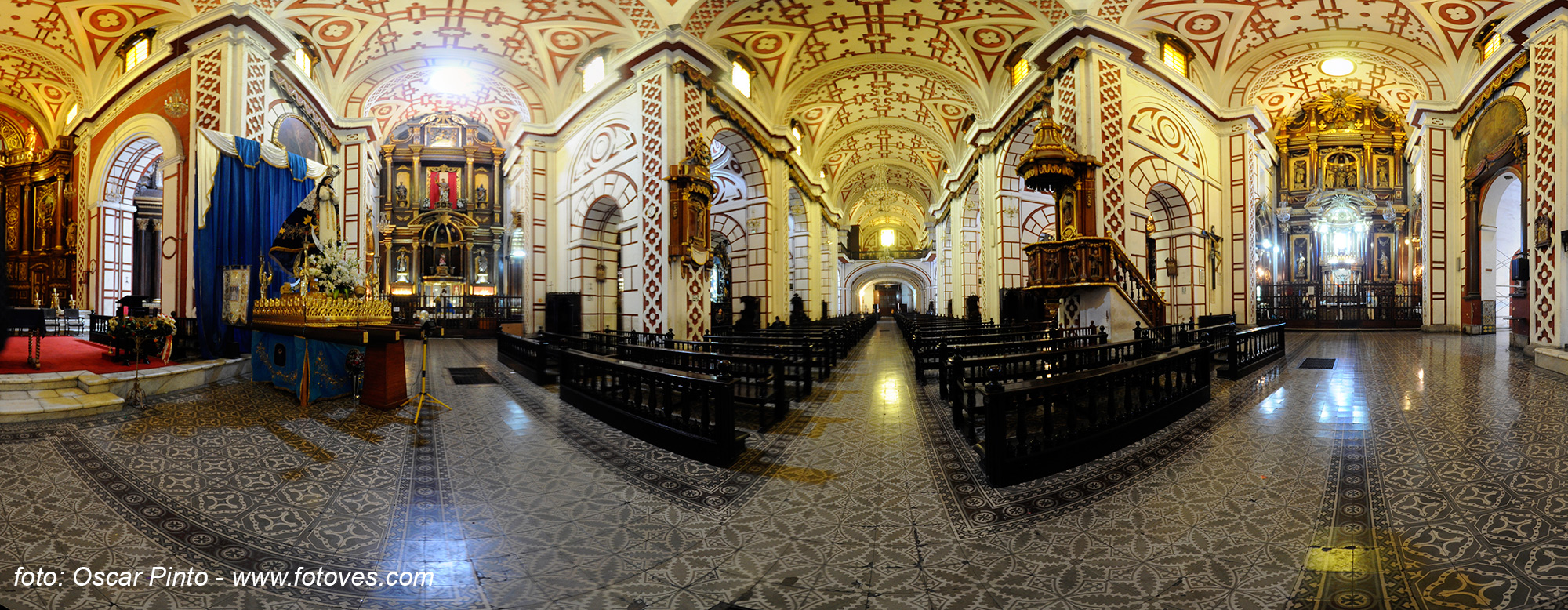
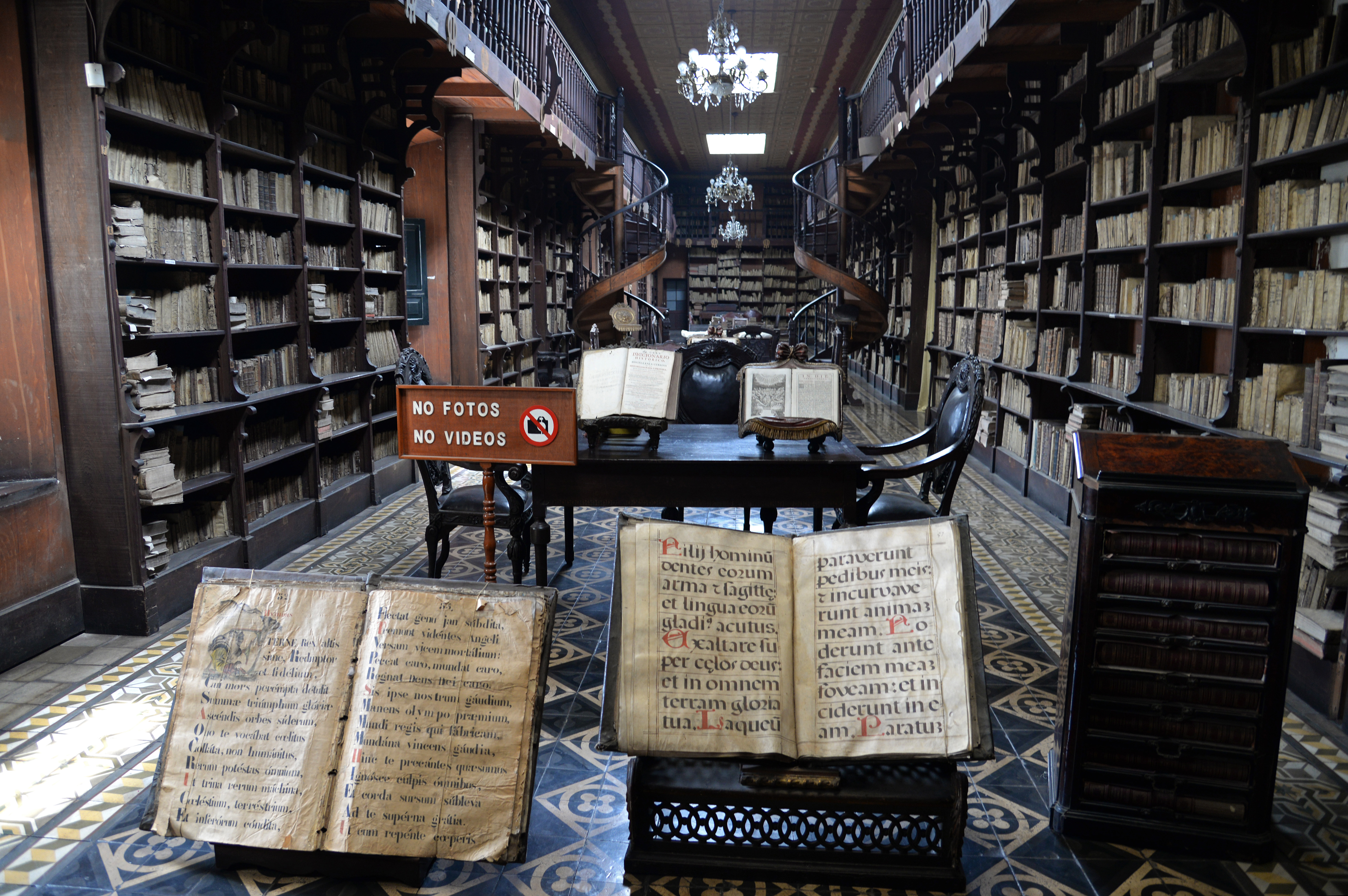
Along with the convent and monastery, the Basilica dates to the 1600’s and has undergone several restorations to repair damage caused by the many earthquakes that have plagued the city. It’s a spectacular building, both inside and out and is home to a remarkable library housing 25,000 antique texts, some of which pre-date the conquest.
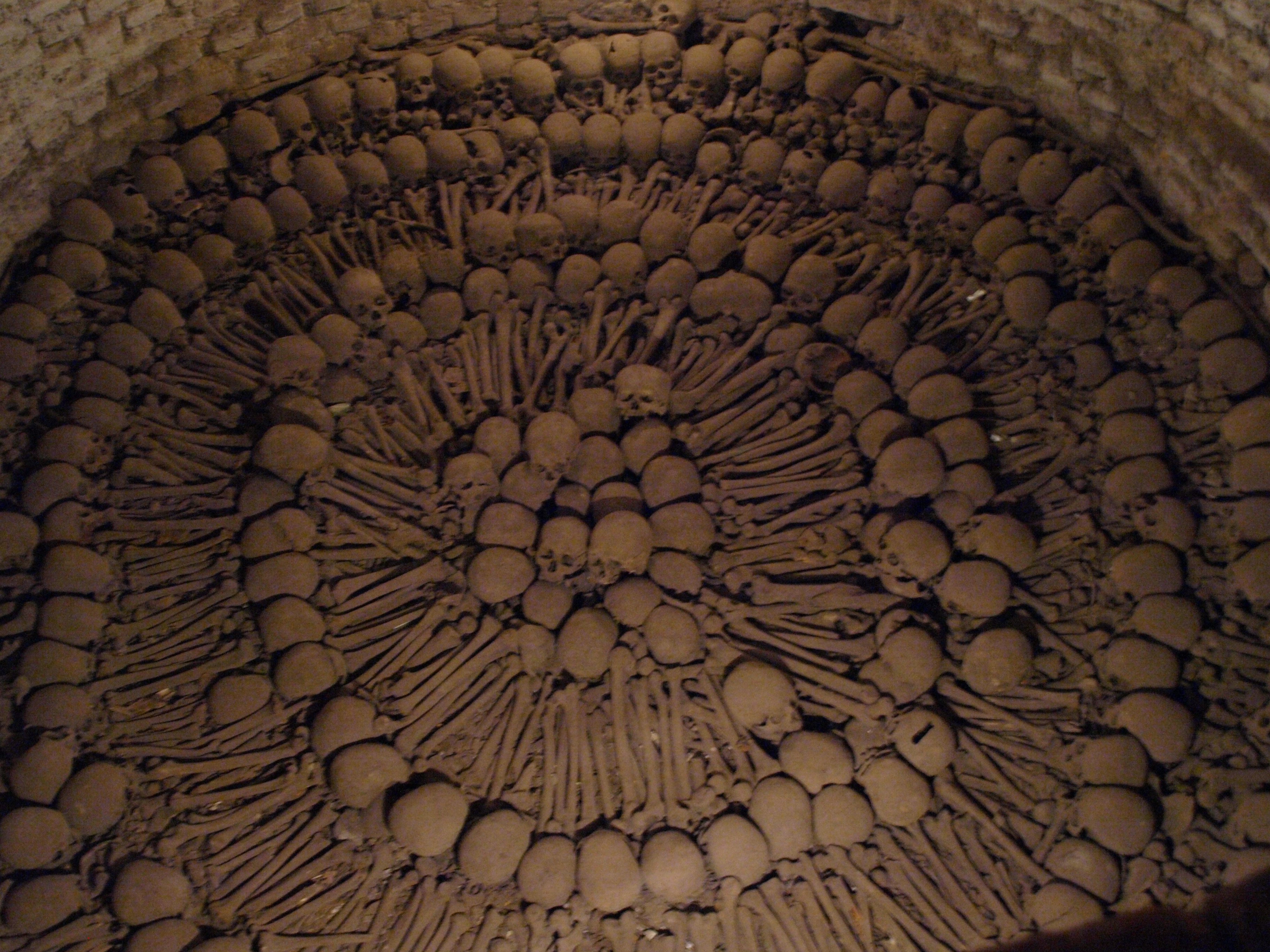
The building also includes the catacombs, which were the old cemetery in colonial times. It operated as such until 1810 and it is estimated that at that time it must have housed up to 70,000 people. Today the different rooms contain a good number of bones classified by type and arranged on some occasions in a rather artistic fashion, such as those in the mass grave. Some doors of this crypt, according to some hypotheses, lead to corridors that communicate with other churches and even with the Government Palace. The catacombs were discovered in 1951.
Our visit to the catacombs was surprisingly benign, and we finished up there and it being late in the afternoon, had some concern about getting back to the Pullman in time to meet up with our group to start the tour. Mariano agreed that a taxi would be the best option and so flagging one, we had a traffic snarled ride back to the hotel for the incredible rate of 20-Soles ($6) and as we departed the taxi, we tipped our friendly guide 60-Soles ($18).
We had arrived with just enough time to drop our daypacks in our room and join the group downstairs in the lobby. There we met our primary Intrepid guide for the duration of the trip, Luis Gonzales, along with our fellow travelers, Beppie and Ian from New Zealand and three folks from Australia, partners Natalie and Paul and thirty something Stace, all of whom were working their way through long journeys from home. We’ll cover dinner and the start of the tour in the next post.
Links
Plaza San Martin: https://www.limaeasy.com/lima-guide/lima-culture-guide/plazas-city-squares/san-martin-square
Monestario de San Francisco: http://museocatacumbas.com/
Catacomb attribution: By Latin America For Less –
San Francisco Attribution: By Fotoves – Own work,
Library attribution: By Wojciech Kocot – Own work,
Discover more from 3jmann
Subscribe to get the latest posts sent to your email.


 3jmann