July 20-21
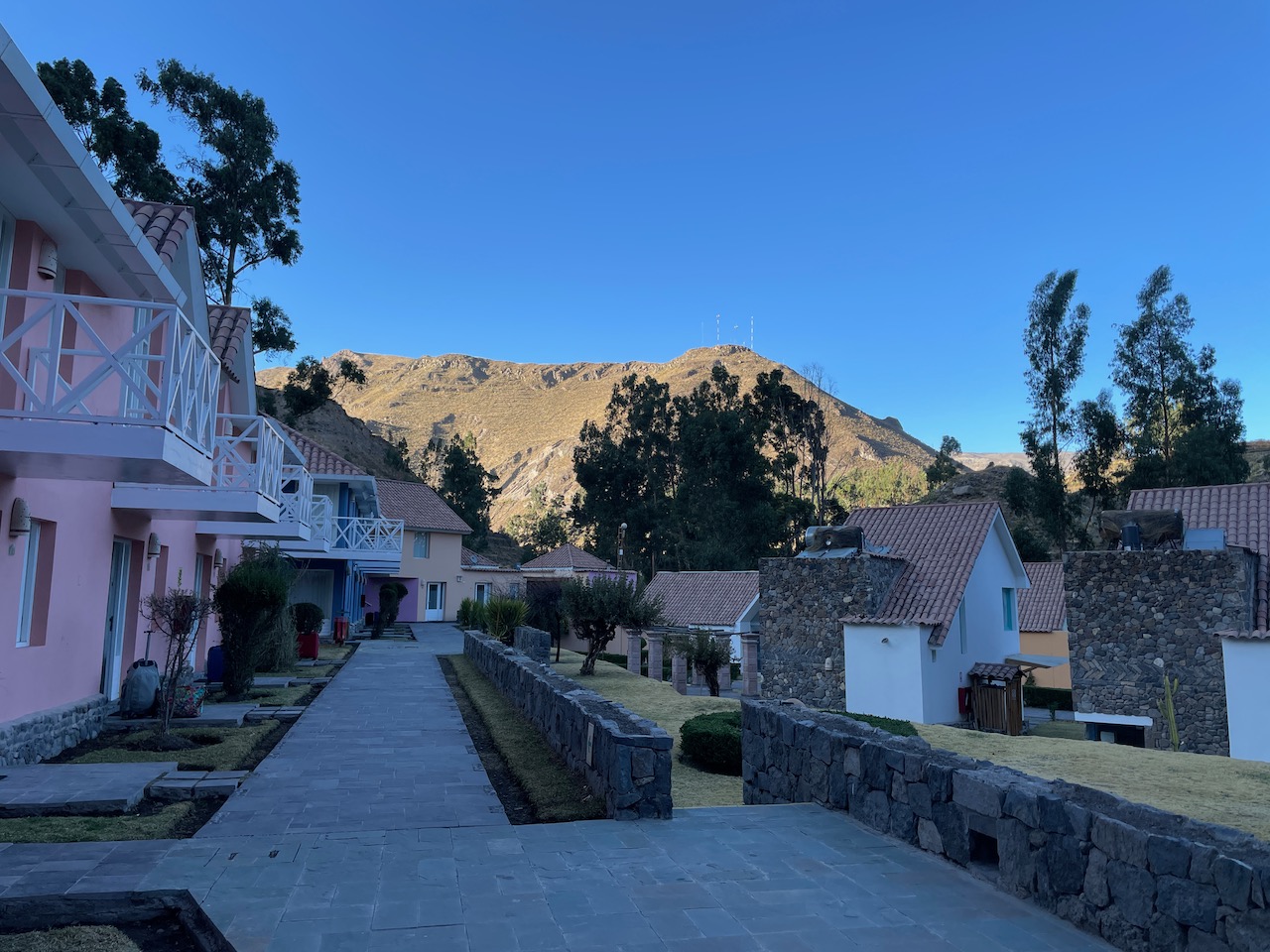
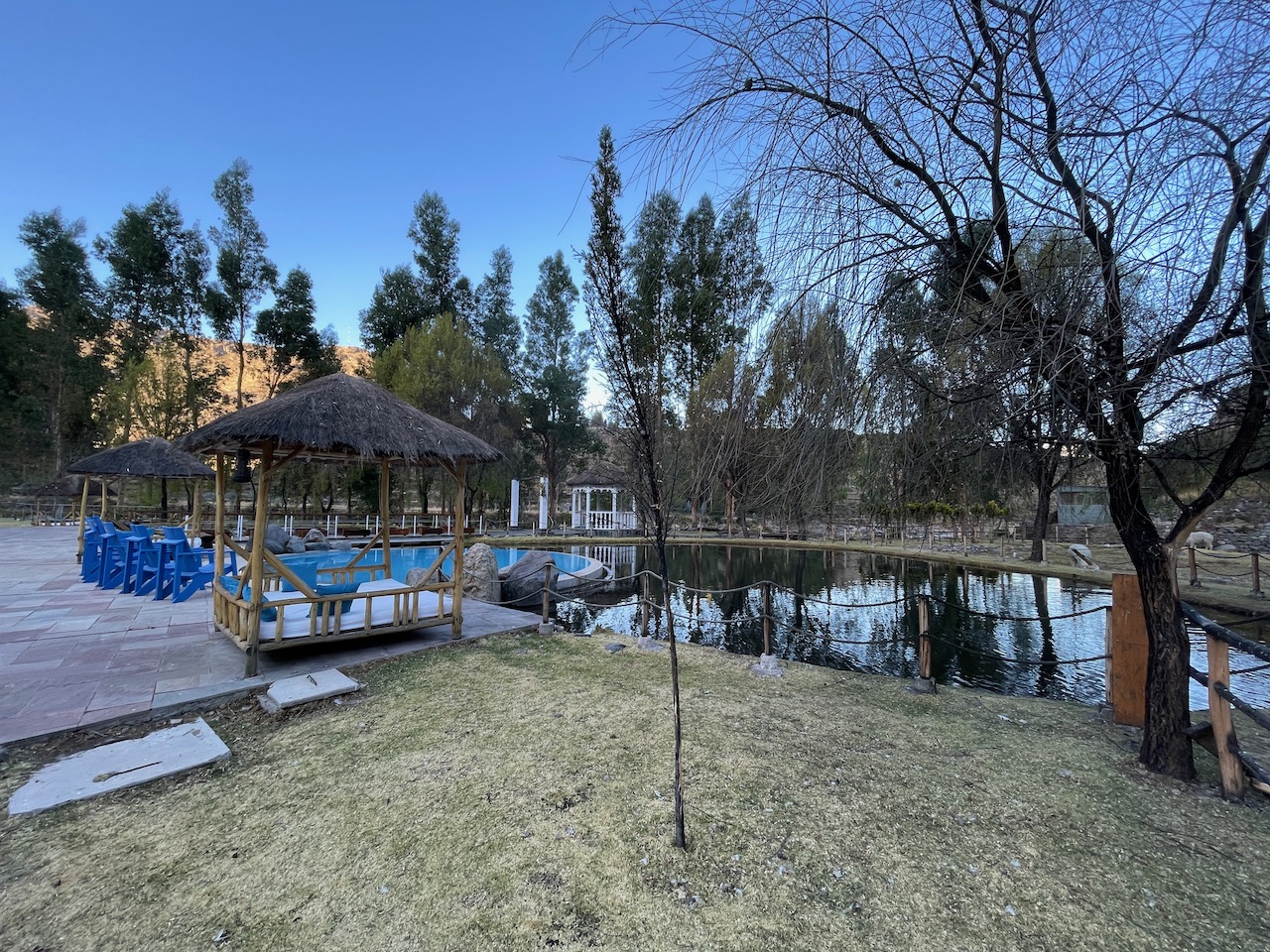
It would be another long day in the van with a few stops allowing us to take in some trip highlights. But first up would be another hearty breakfast in the hotel’s lovely dining room, overlooking the swimming pool and the property’s lush grounds. Soon enough, our luggage was collected, and we found ourselves in our familiar seats heading up the steep grade to the highway and the day ahead.


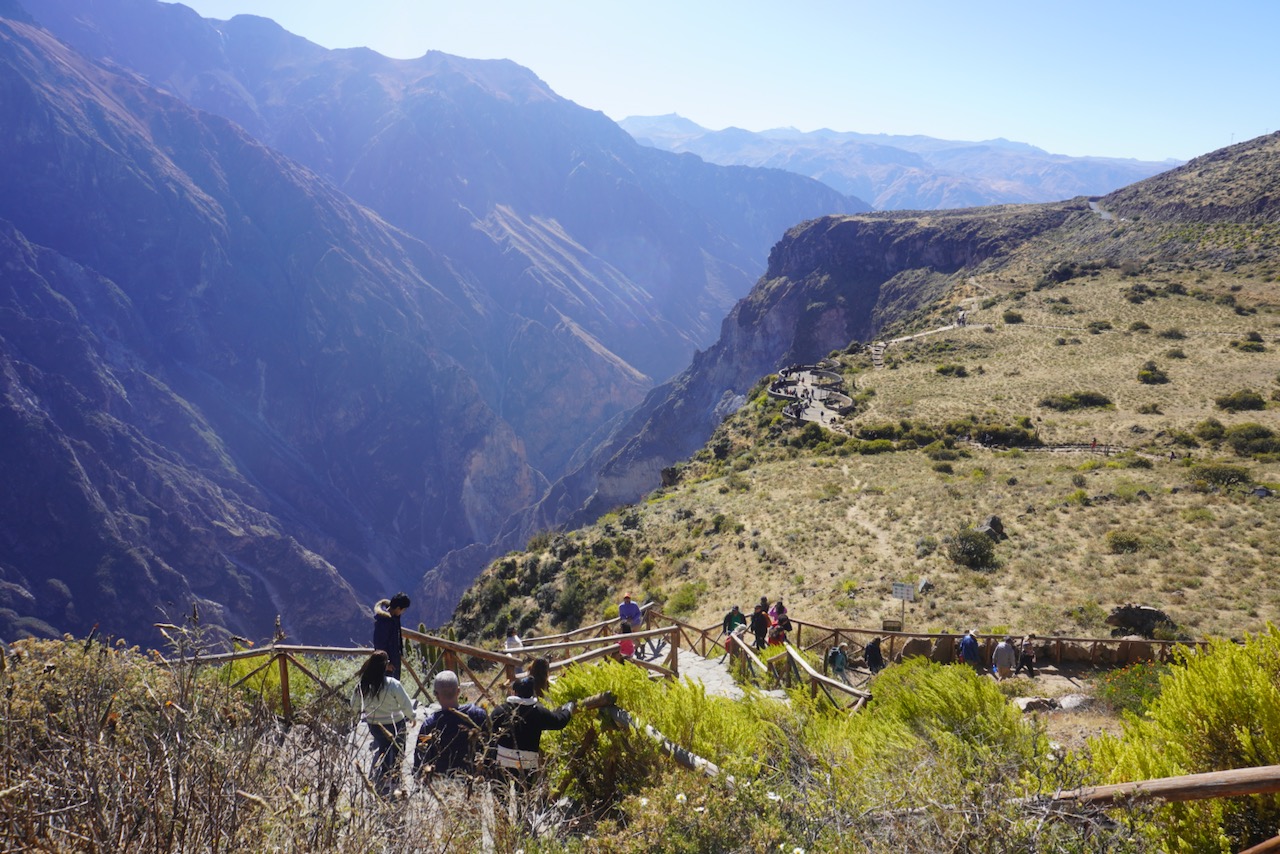
We drove to Colca Canyon, created by the Colca River, which has a depth of about 3,300 – 6,600 ft and is one of the deepest canyons in the world with a length of about 43 miles. It is Peru’s third most-visited tourist destination with about 120,000 visitors annually and is a colorful Andean valley with pre-Inca rooted inhabitants, and towns founded in Spanish colonial times, still inhabited by people of the Collagua and the Cabana cultures. The Inca probably arrived in the Colca Valley around 1320 AD, and established their dominion through marriage, rather than through warfare.
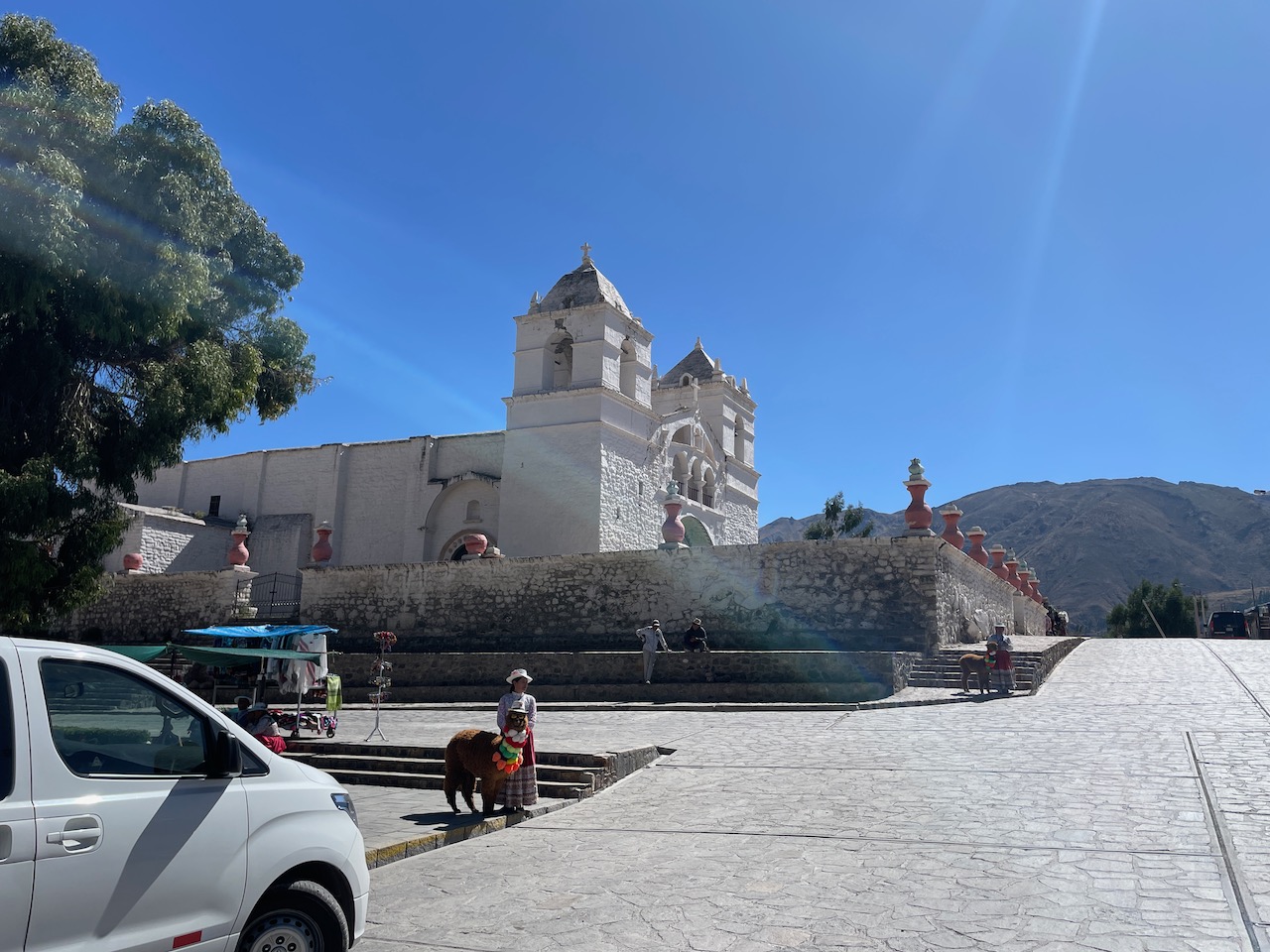
The Spaniards, under Gonzalo Pizarro, arrived in 1540, and in the 1570s the Spanish viceroy Francisco de Toledo ordered the inhabitants throughout the former Inca Empire to leave their scattered dwellings and to move to a series of centrally located settlements in a process called “Reductions”. These settlements remain the principal towns of the valley and the local people maintain their ancestral traditions and continue to cultivate the pre-Inca stepped terraces, called andenes.
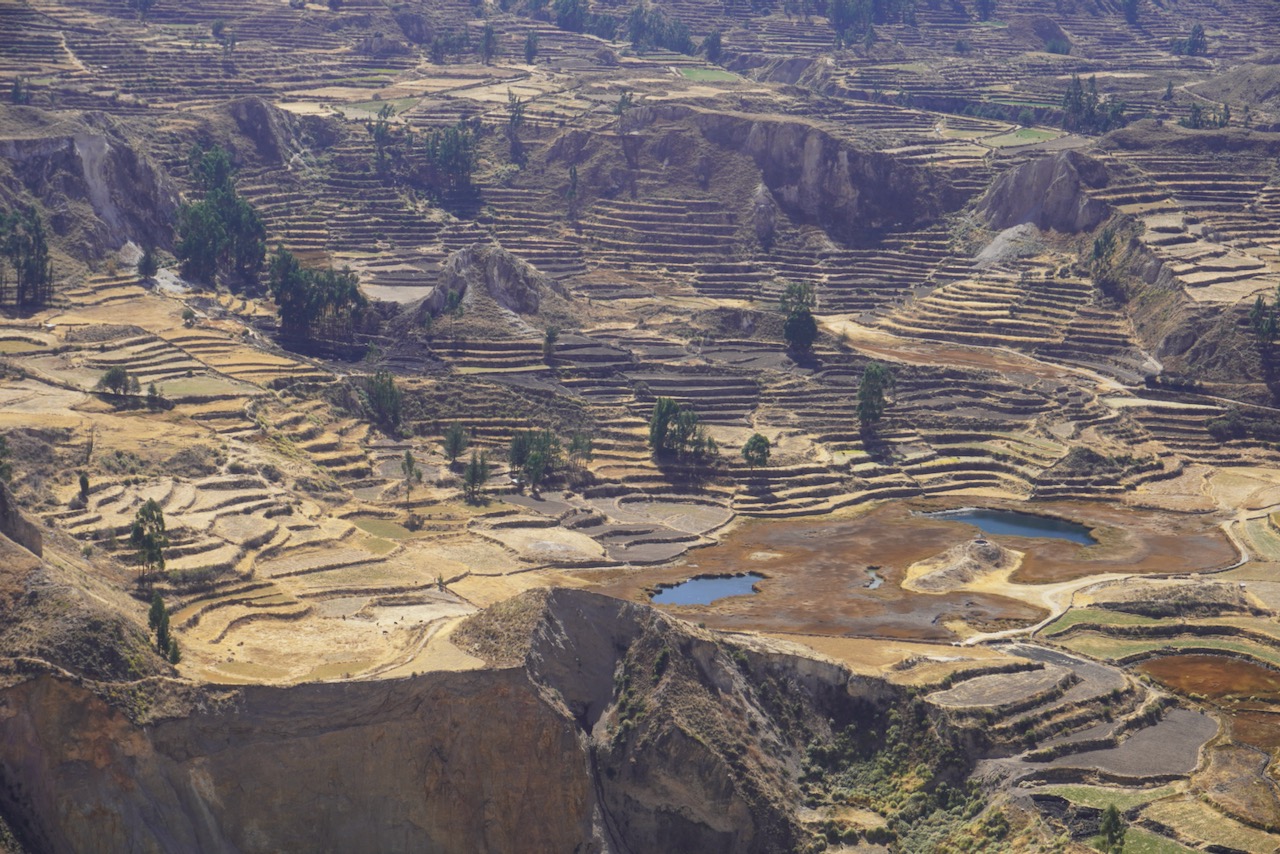
No passable roads existed between Arequipa and Chivay until the 1940s when a road was completed to serve the silver and copper mines of the region. More roads were built in the 1970s and 1980s by the Majes Hydroelectric Project, a program to divert water from the Colca River to irrigate crops in the Majes region. Access today is usually via Arequipa.

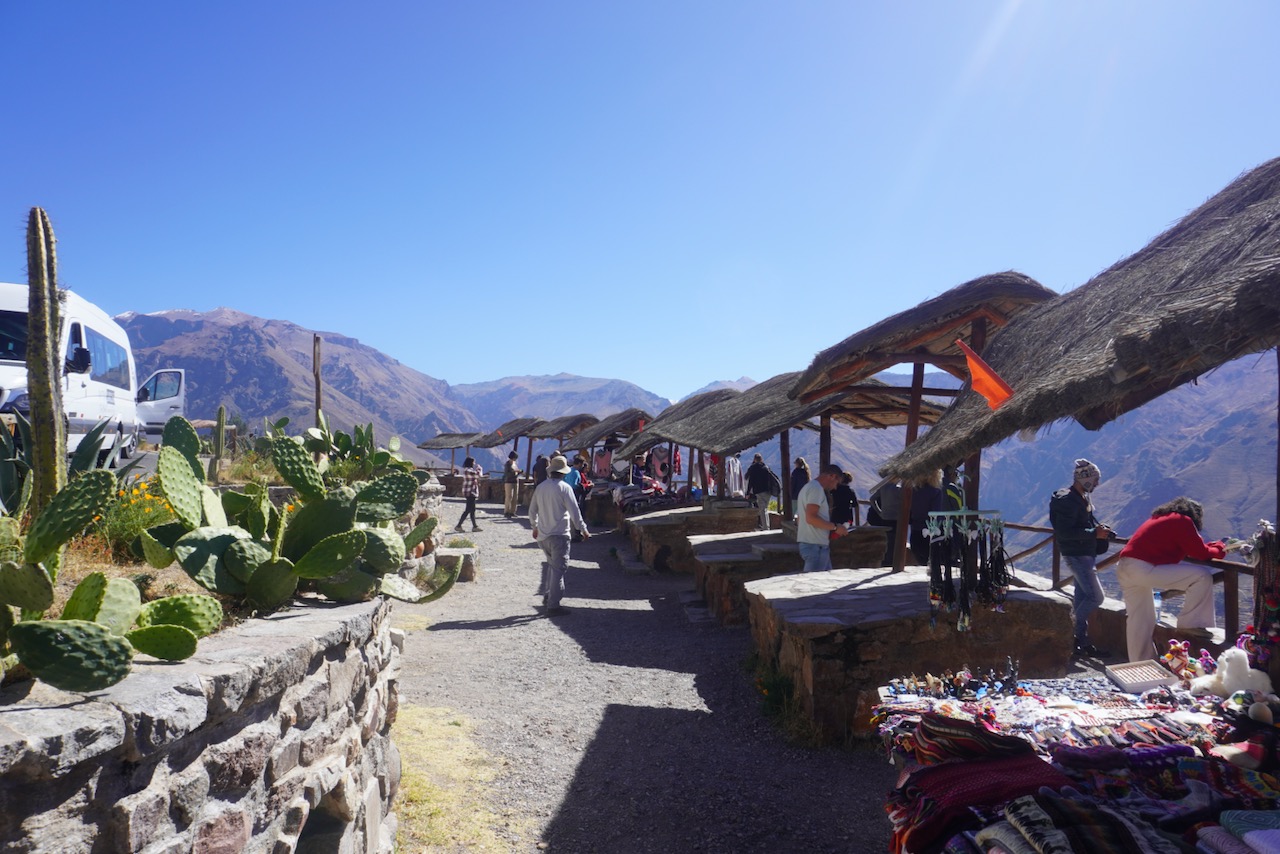
It took us about 90 minutes to get to our first destination in the canyon, the Cruz del Condor viewpoint, and we’d arrived at one of the best times for viewing these magnificent birds. It’s a mesmerizing scene, heightened by the spectacular 4,000-foot drop to the river below as these Andean condors, the world’s largest flying bird with a maximum wingspan of more than 10 feet and weight of more than 30 pounds soar above and below the viewpoint.
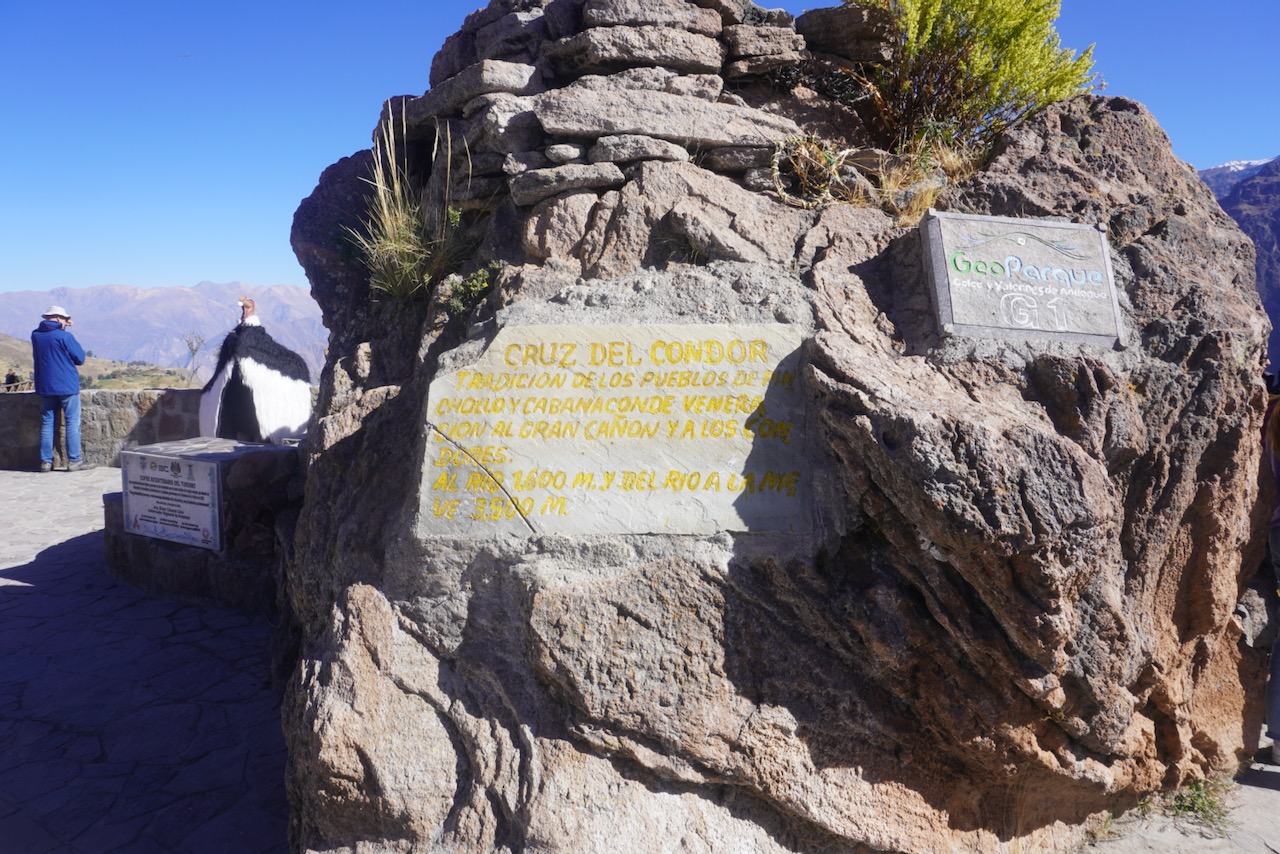
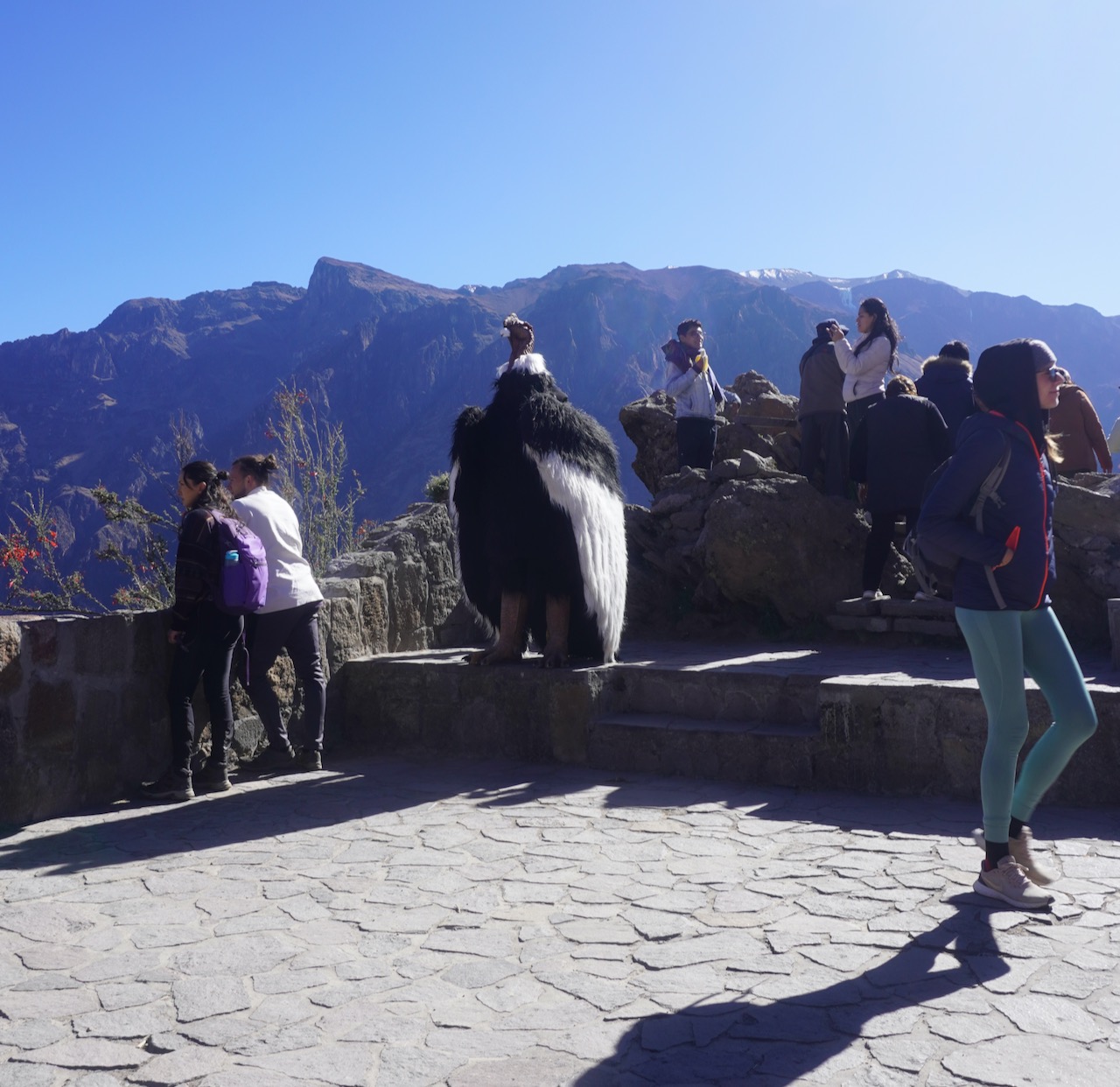
The adults are jet black with white accents on the wings and a white collar beneath their bald neck and head. They are essentially oversized vultures but have a truly majestic appearance in flight as they glide effortlessly, hardly ever flapping their wings, with wingtip feathers splayed out like fingers and upturned at the ends. The birds fly surprisingly close to the overlook despite the crowds that gather, and you may see as many as 10 at a time, often swooping very low as if they are purposely showing off for spectators. The condors seem to like this spot because of particularly good thermals rising from the canyon, which give the birds effortless lift without flapping their wings.

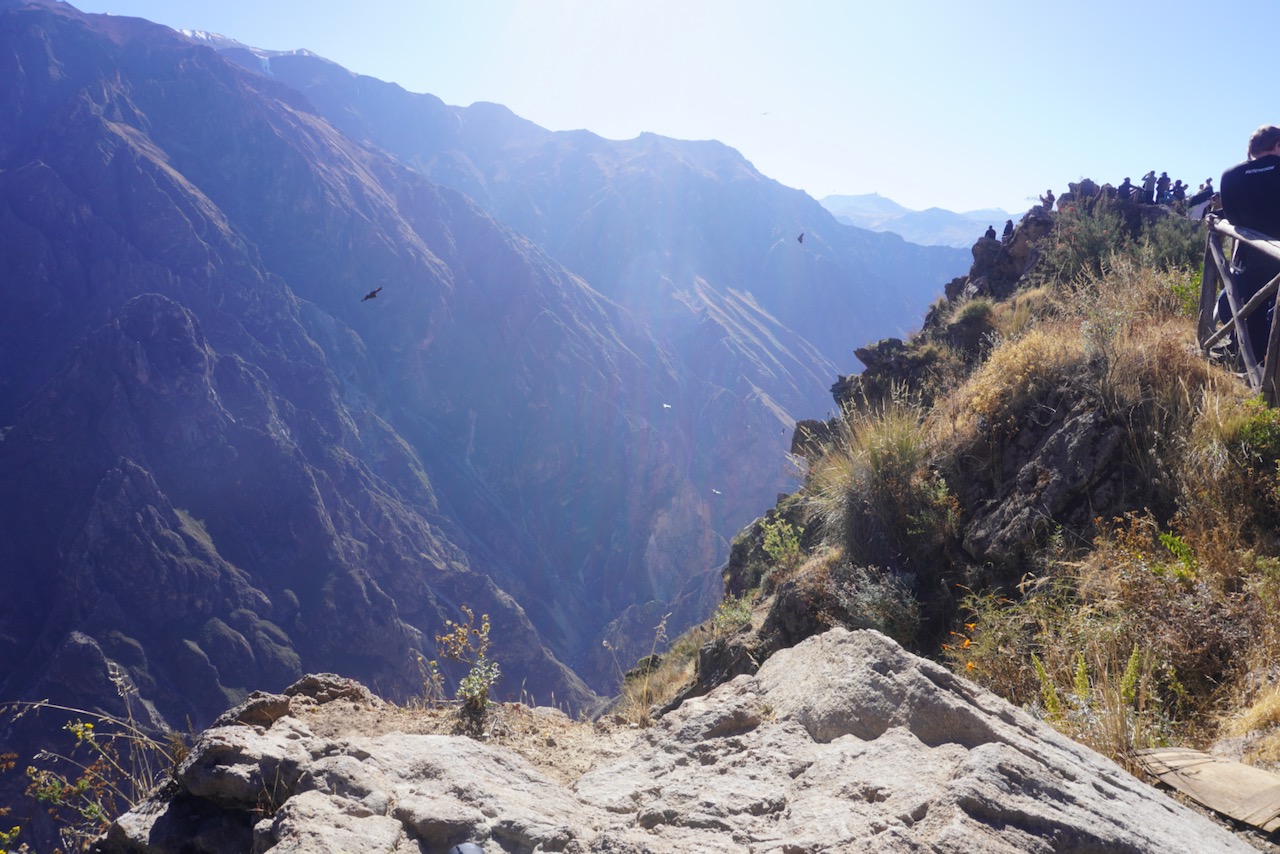
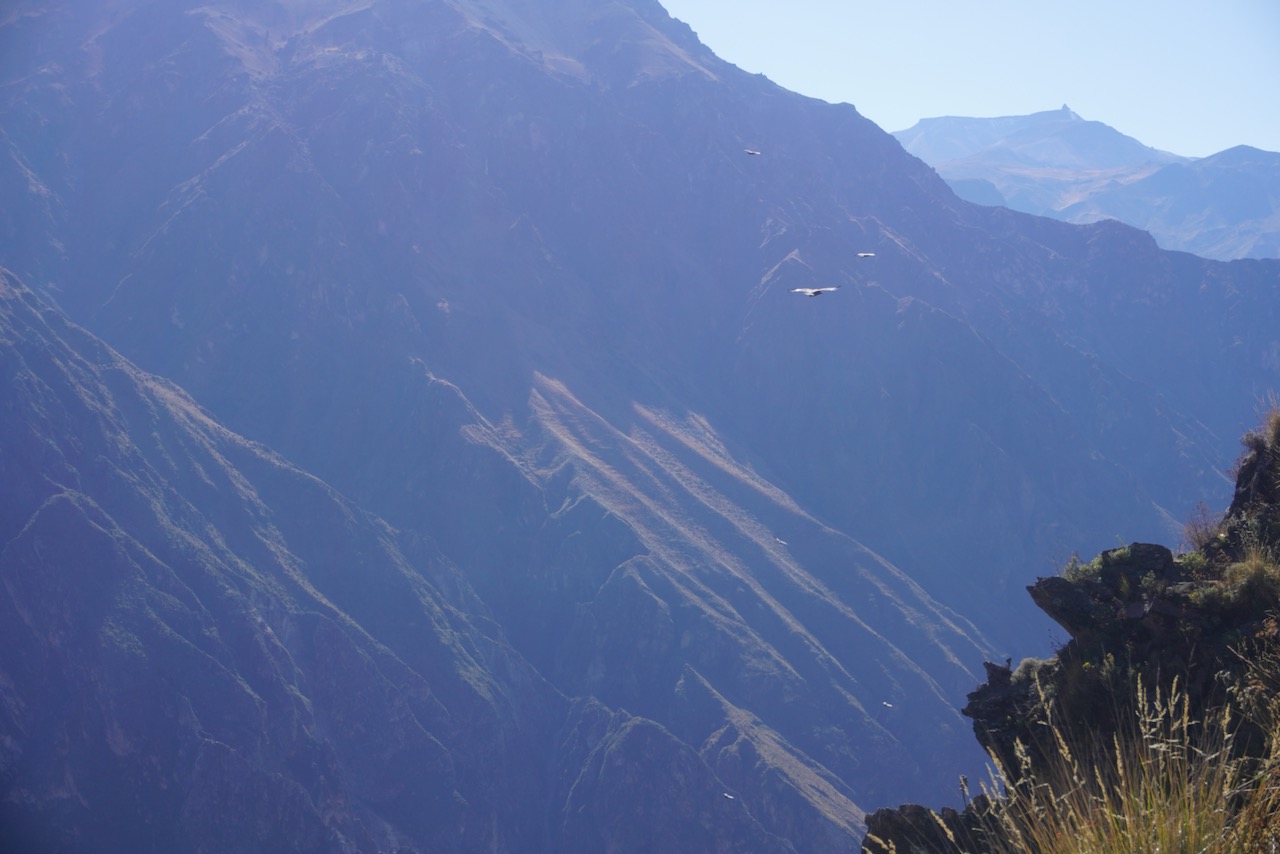
There was a good-sized crowd at the viewpoint when we arrived, but not so many as to make viewing difficult. A few members of our group hiked down to a lower landing with views of the canyon, while I hung out in the warm sunshine watching the condors soar, other tourists doing tourist things, and enjoying the antics of a person dressed in a condor costume, who spent their time posing with folks and attempting to emulate a human sized bird.

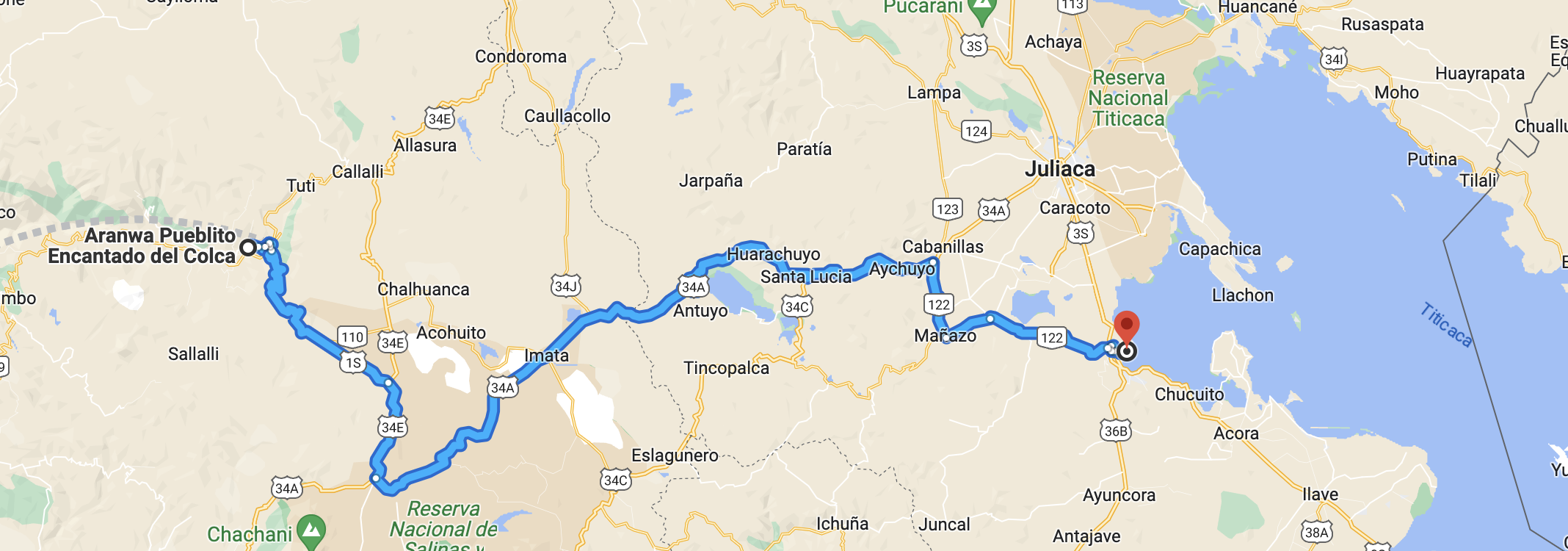
We finished up at Cruz del Condor and began our drive to Puno, backtracking along the route we’d taken to get to Colca Canyon and eventually stopping again at Café Tematico for another round of Inka Teas and to split a very good chicken sandwich, which would hold us until dinner much later in the day. While stopped we changed guides with our new one, Roberto, joining us for the next couple of days.
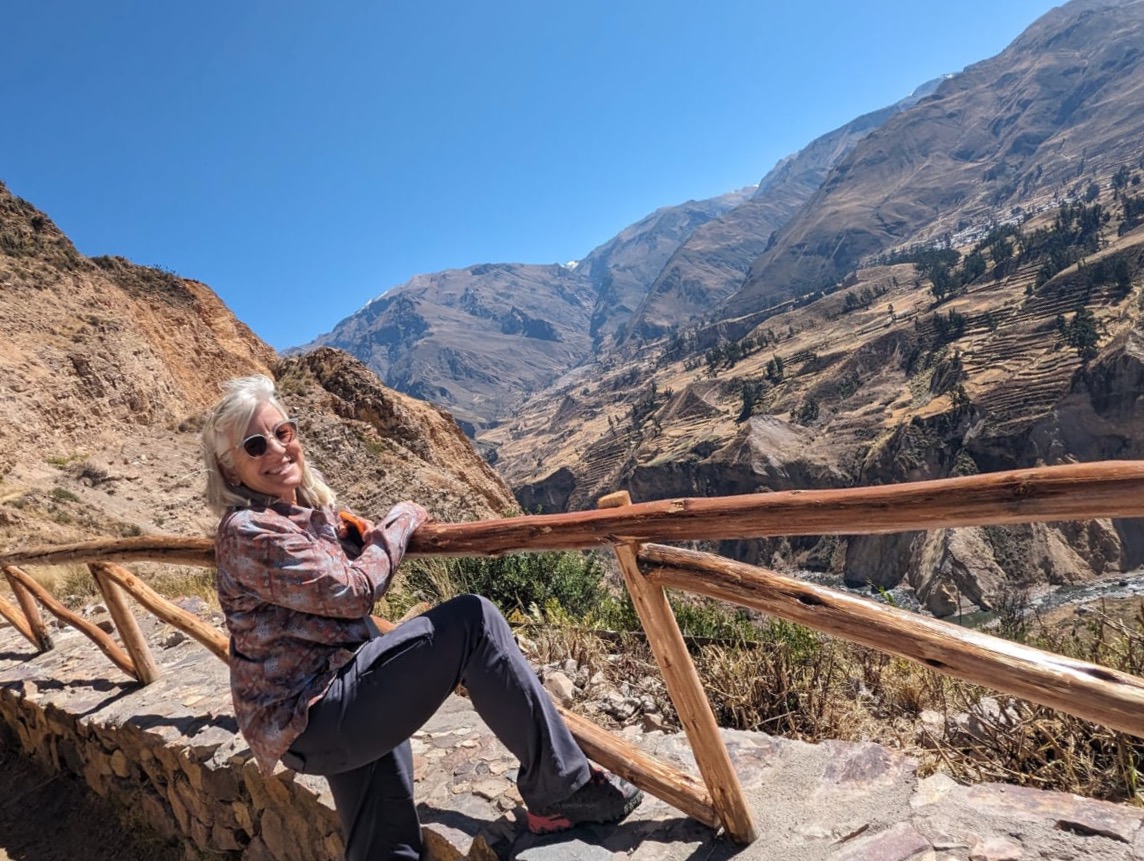
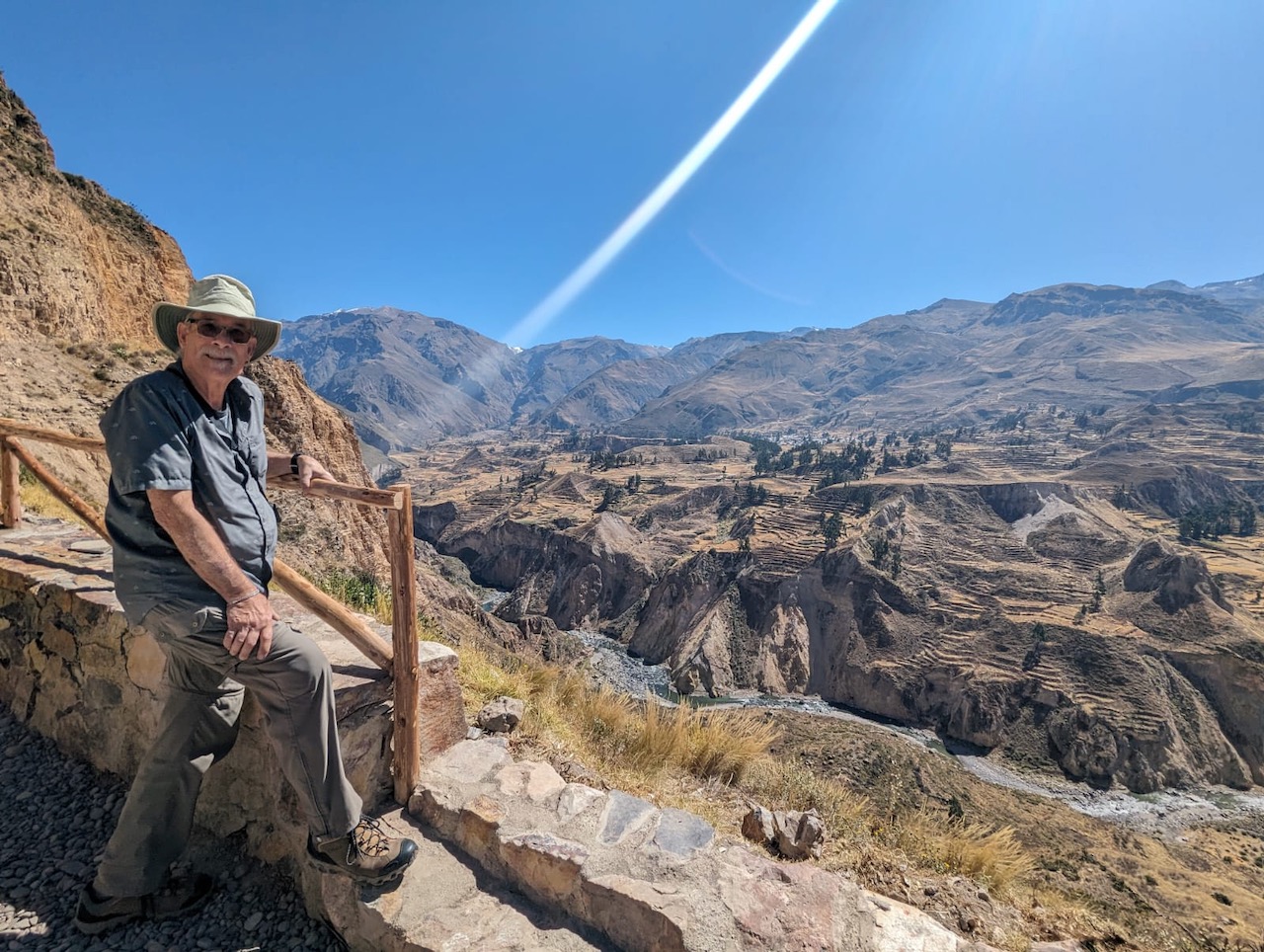
As the day was drawing to a close, we made our last stop at the Sillustani archaeological site, where we walked through a gauntlet of tourist shops and booths to reach the bottom of a hill that would take us up to this pre-Inca cemetery on the shores of Lake Umayo. The tombs, which are built above ground in tower-like structures called chullpas, are the vestiges of the Qulla people, who are Aymara conquered by the Inca Empire in the 15th century. The structures housed the remains of complete family groups, although they were probably limited to nobility.
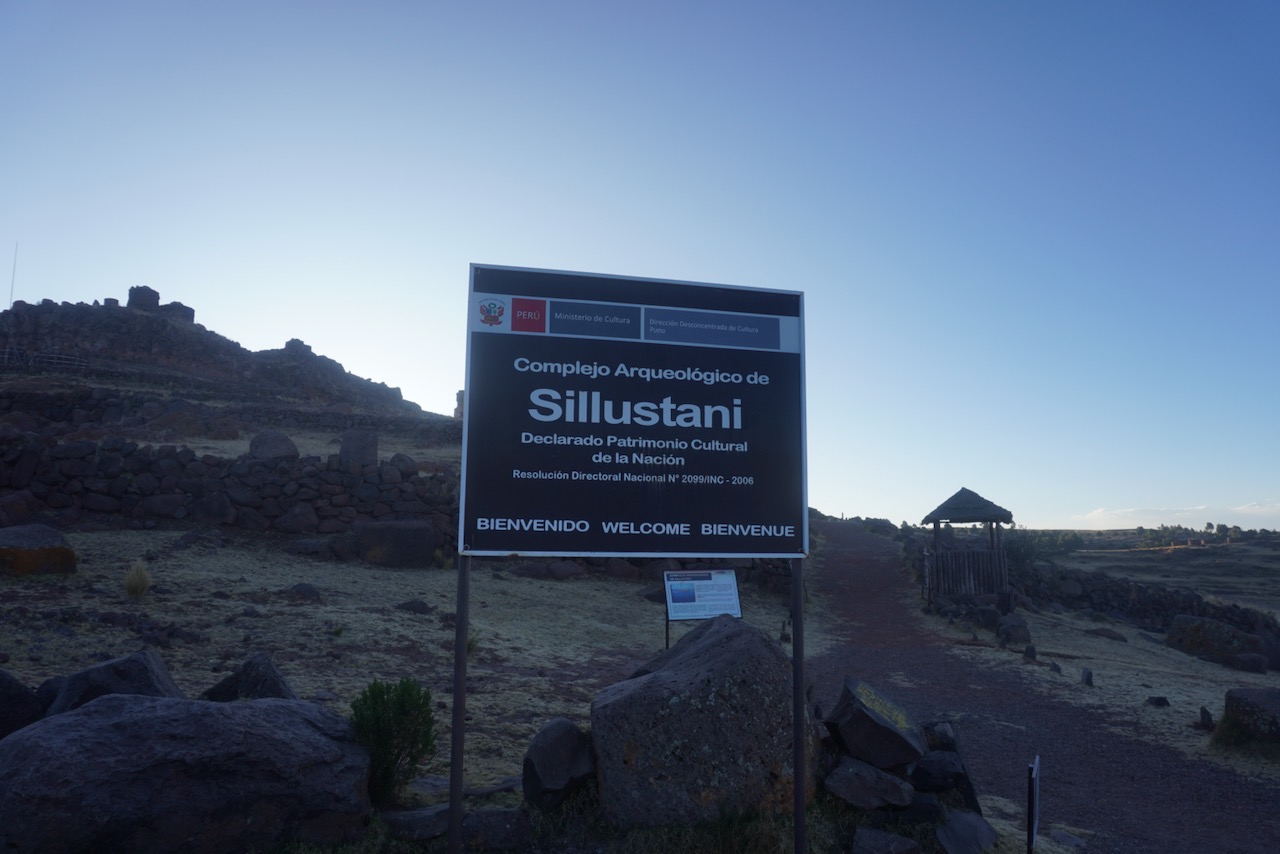
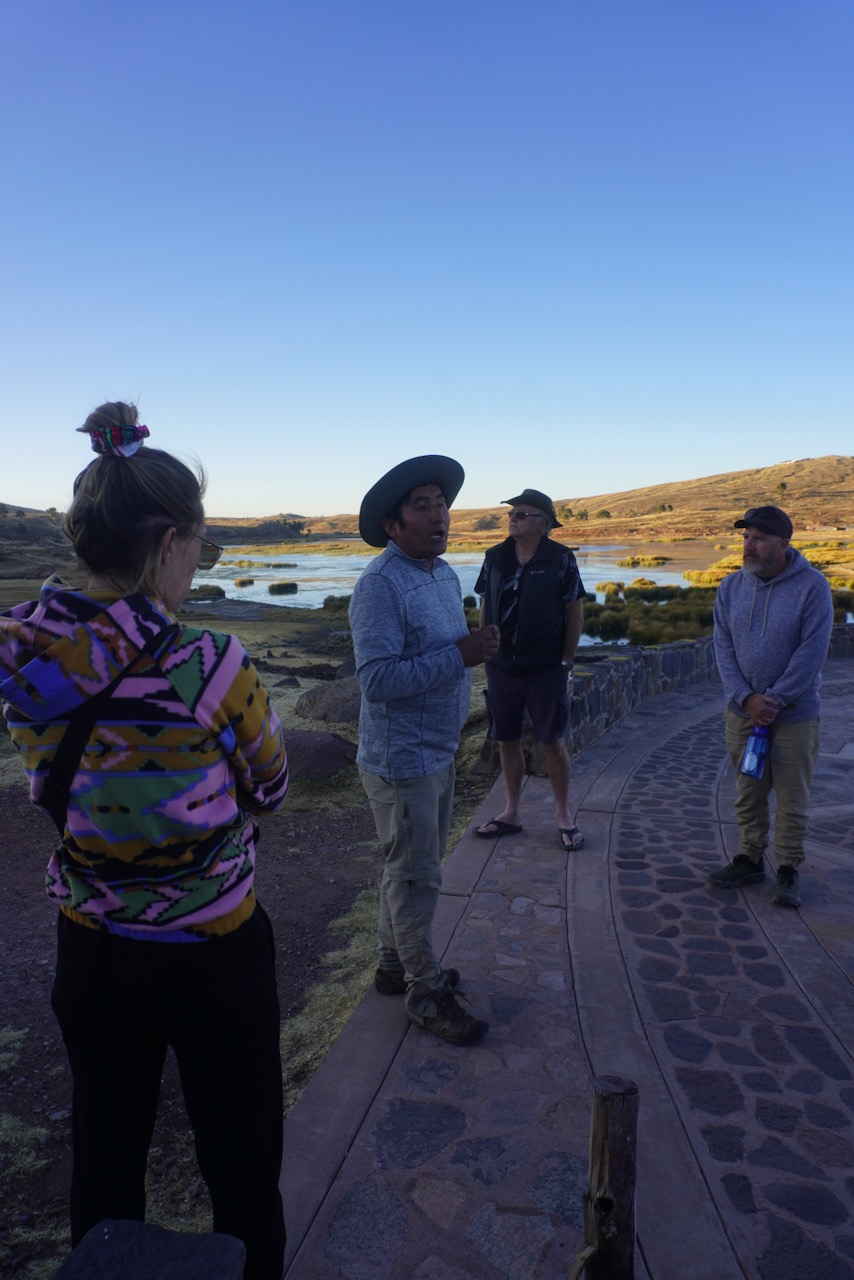
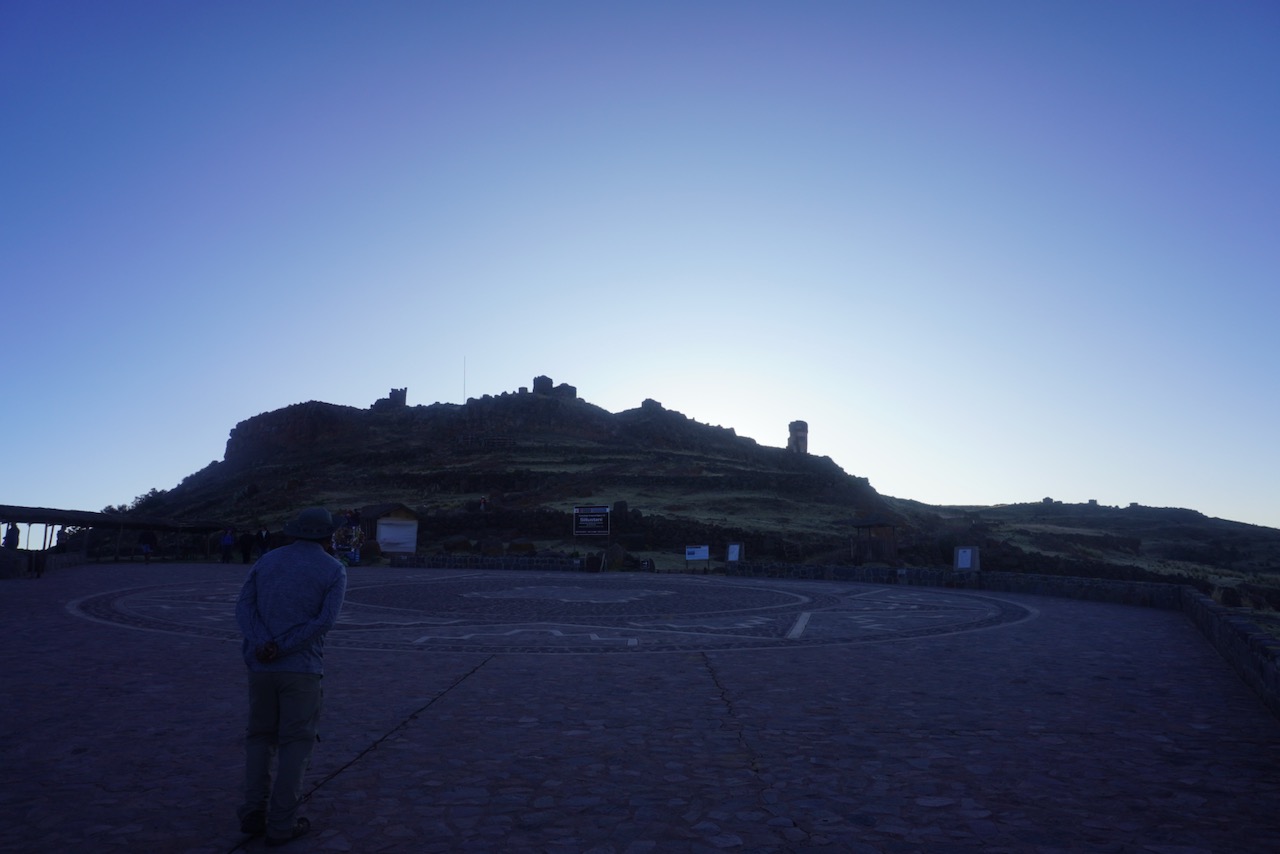
Many of the tombs have been dynamited by grave robbers, while others were left unfinished. Veneration of the dead and kinship were integral parts of Aymara culture, and the huge chullpas or “chupa” at Sillustani were built to house the Aymara elite of the immediate pre-Inca and Inca period. The insides of the tombs were built to hold entire groups of people, most likely extended families of the Aymara elite. Corpses were not intentionally mummified, but in the dry environment created by the closed tomb, they survived for centuries. Most mummy bundles indicate burial in a fetal position and some of the tombs also have various animal shapes carved into the stone. The only openings to the buildings face east, where it was believed the Sun was reborn by Mother Earth each day.
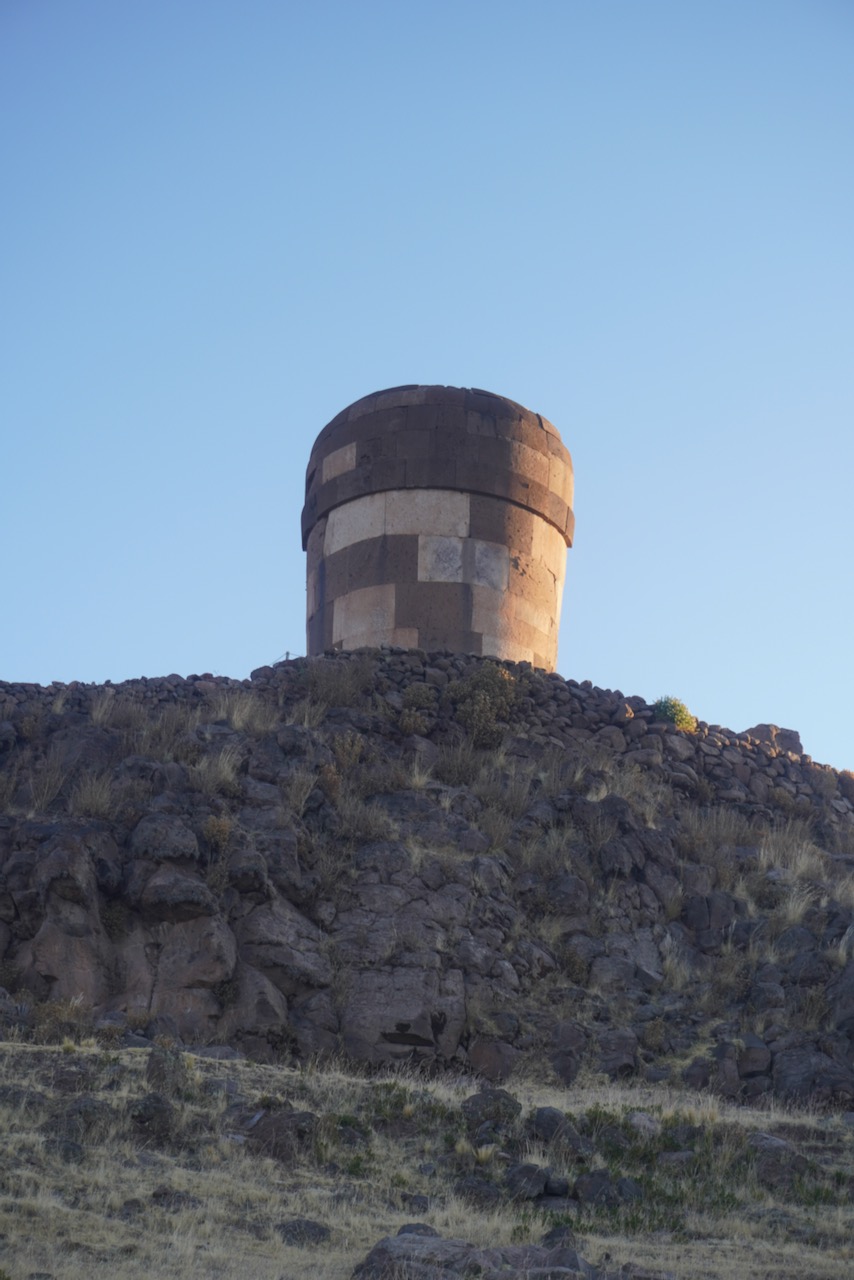
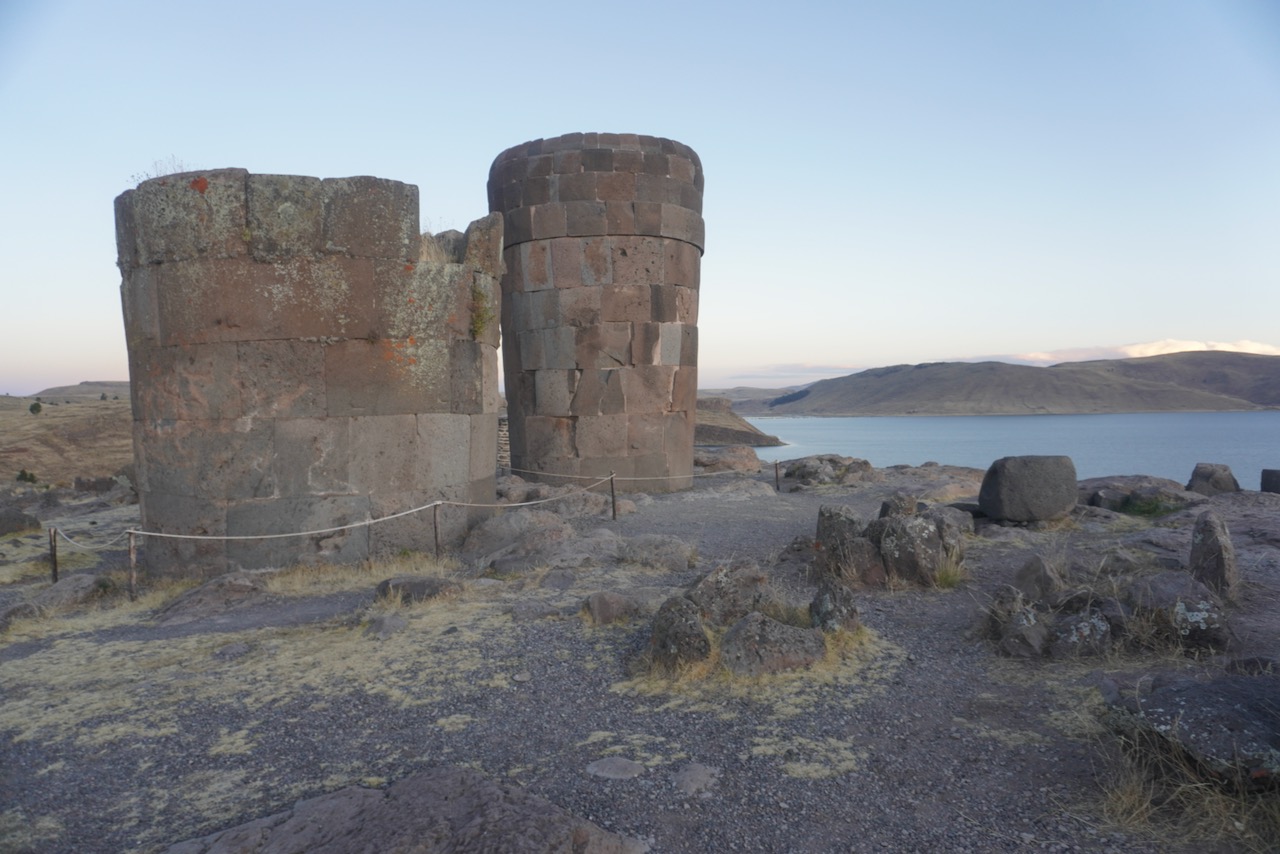
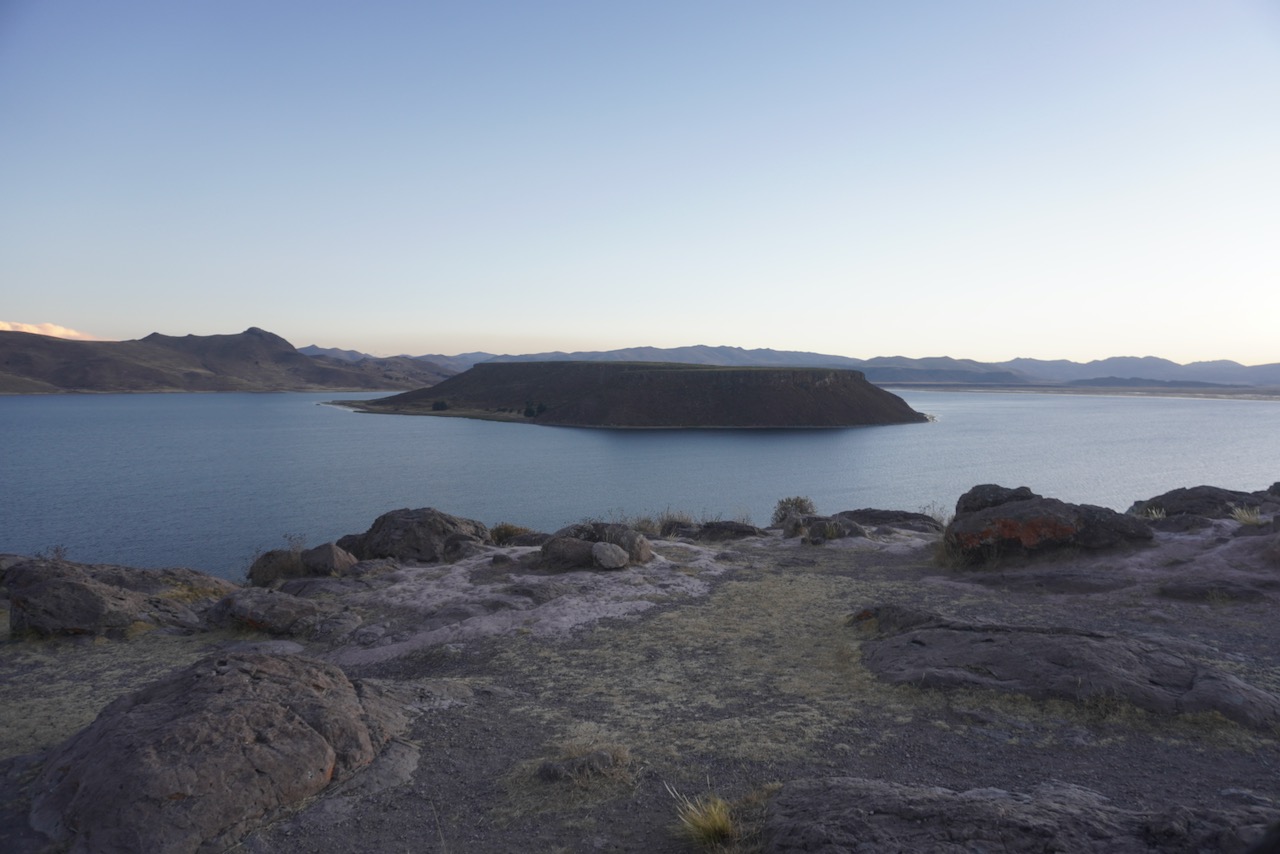
When we reached the top dusk was coming on quickly, lending a somber air to our visit as we imagined those long-ago individuals and the rites they practiced regarding their dead, much like visiting the pyramids of Egypt. We finished at the top and I slowly worked my way back down in the increasing darkness, reaching the van for our final leg of the day to Puno and our lodging for the next two nights, the Hotel Sonesta Posadas del Inca Puno, sitting on the shores of Lake Titicaca.

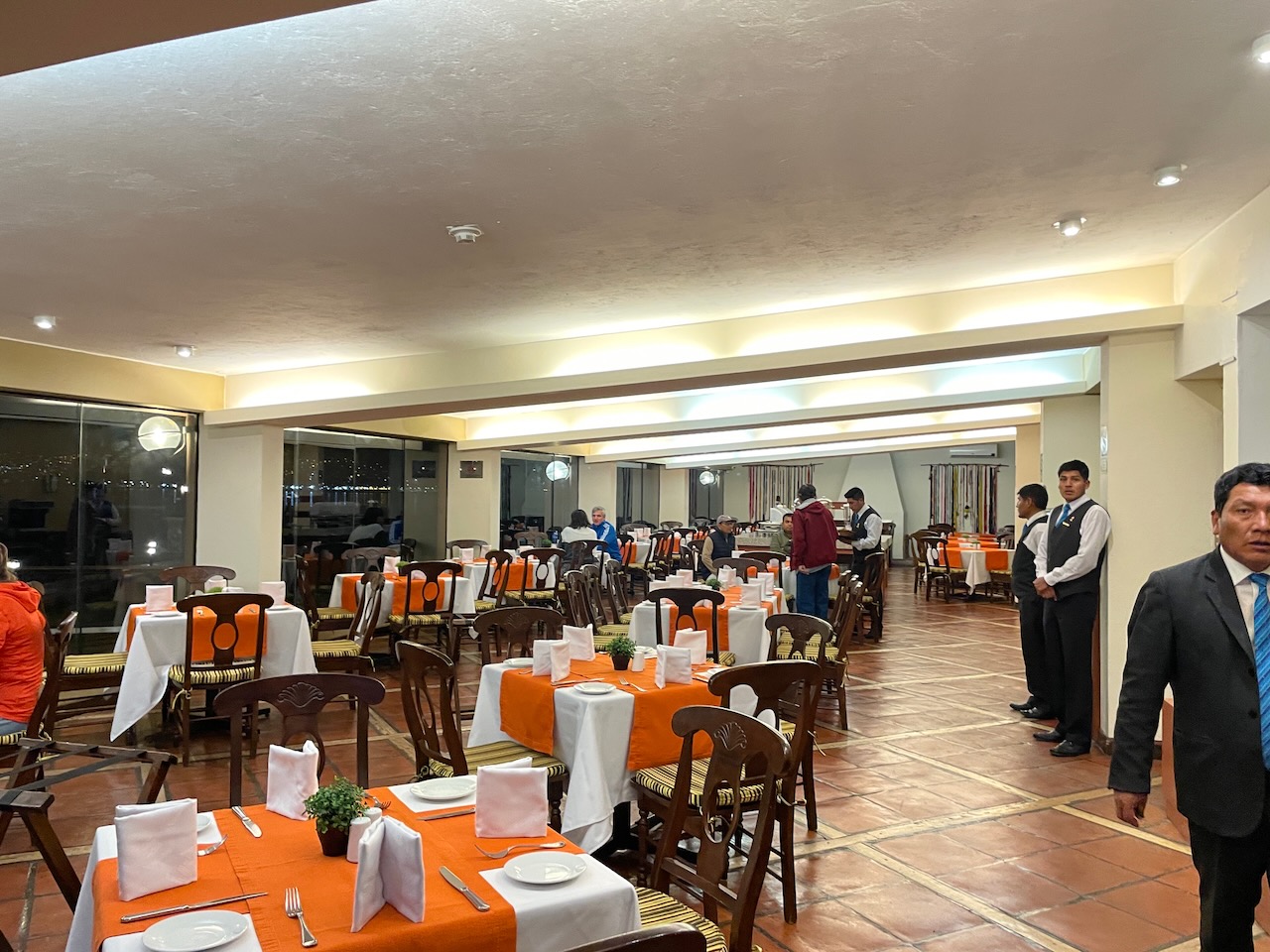
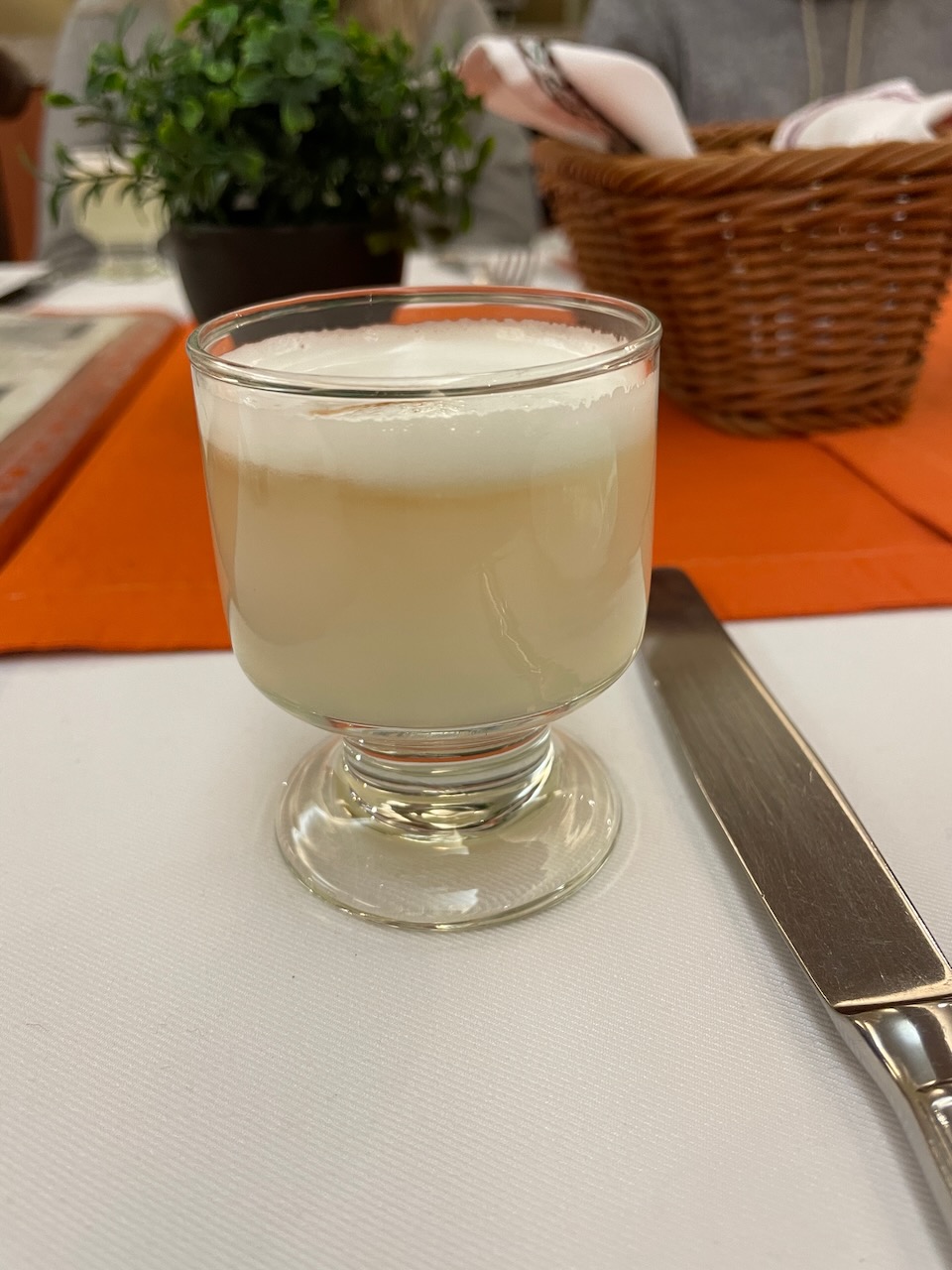
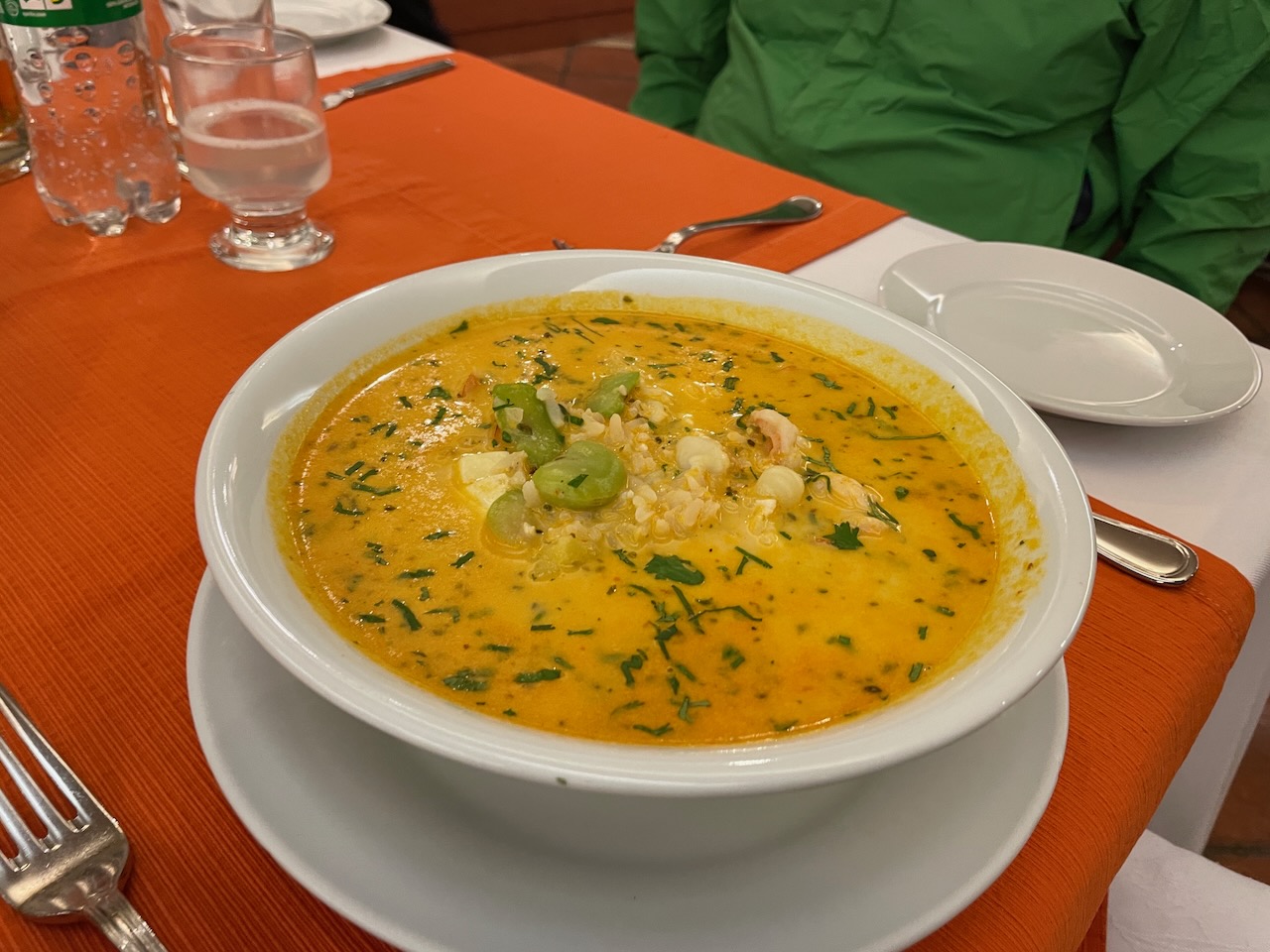
It being dark, we wouldn’t appreciate the location and the view until the next day, but that didn’t stop us from enjoying a very good meal in the hotel’s restaurant. As had been the case so far, we started with a round of Pisco Sours and ordered, a Seafood Bisque for Joanna and a Chicken Caesar Salad for me. Both were good, but mine not quite as tasty as it could have been due to an overload of dressing. In the future if ordering the same here, I would ask for it on the side. Otherwise, it was a good way to finish a long day, with another long one on the horizon. Stay tuned for that in the next post.

Links
Sillustani: https://www.machutravelperu.com/blog/puno-sillustani
Hotel Sonesta Posadas del Inca Puno: https://www.sonestapipuno.com/?partner=4153&utm_source=google&utm_medium=mybusiness
Discover more from 3jmann
Subscribe to get the latest posts sent to your email.


 3jmann