July 22-23
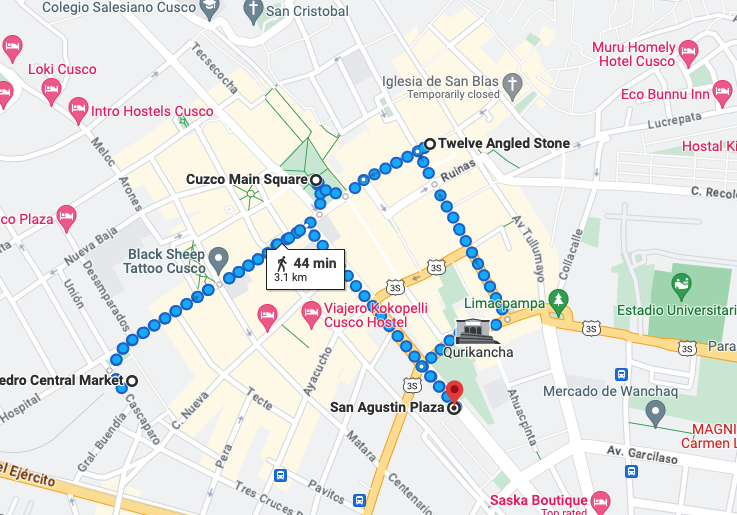
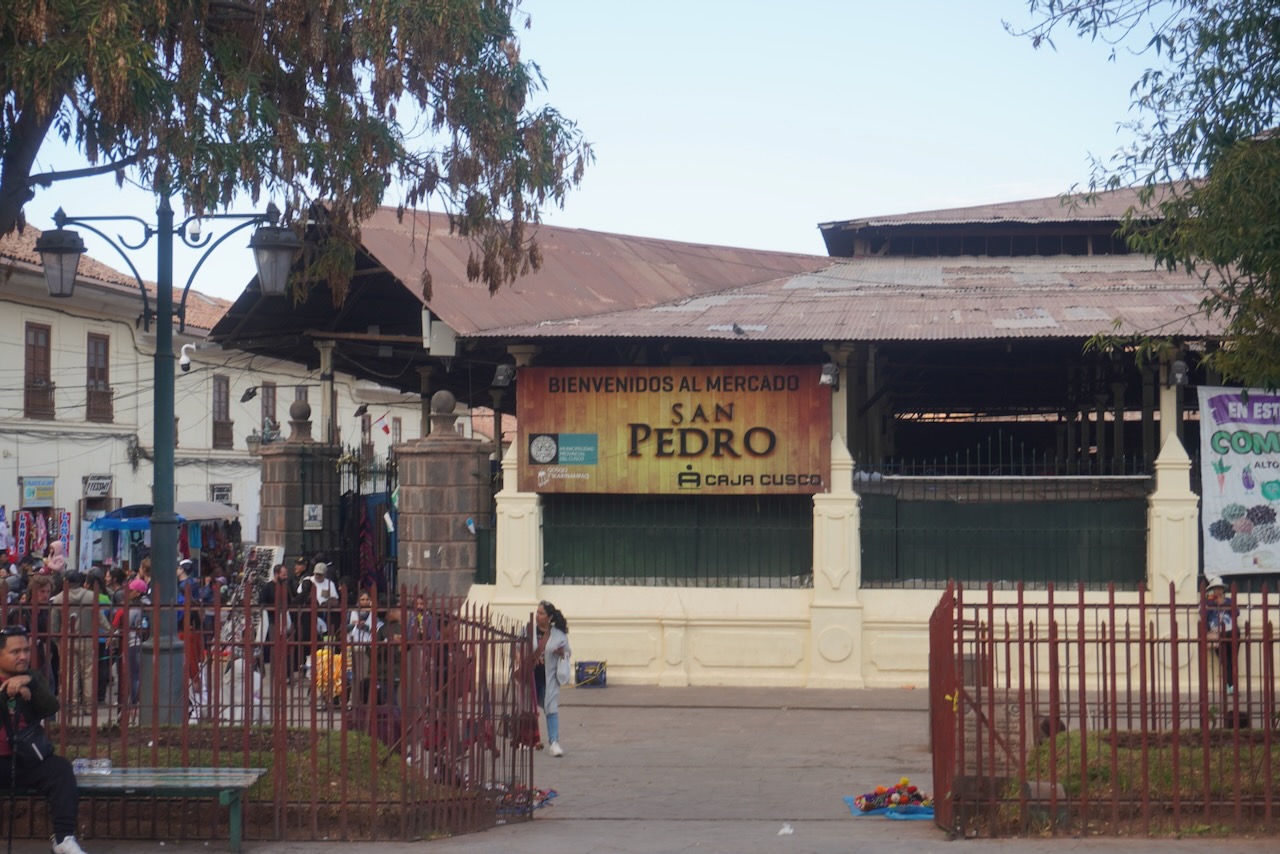
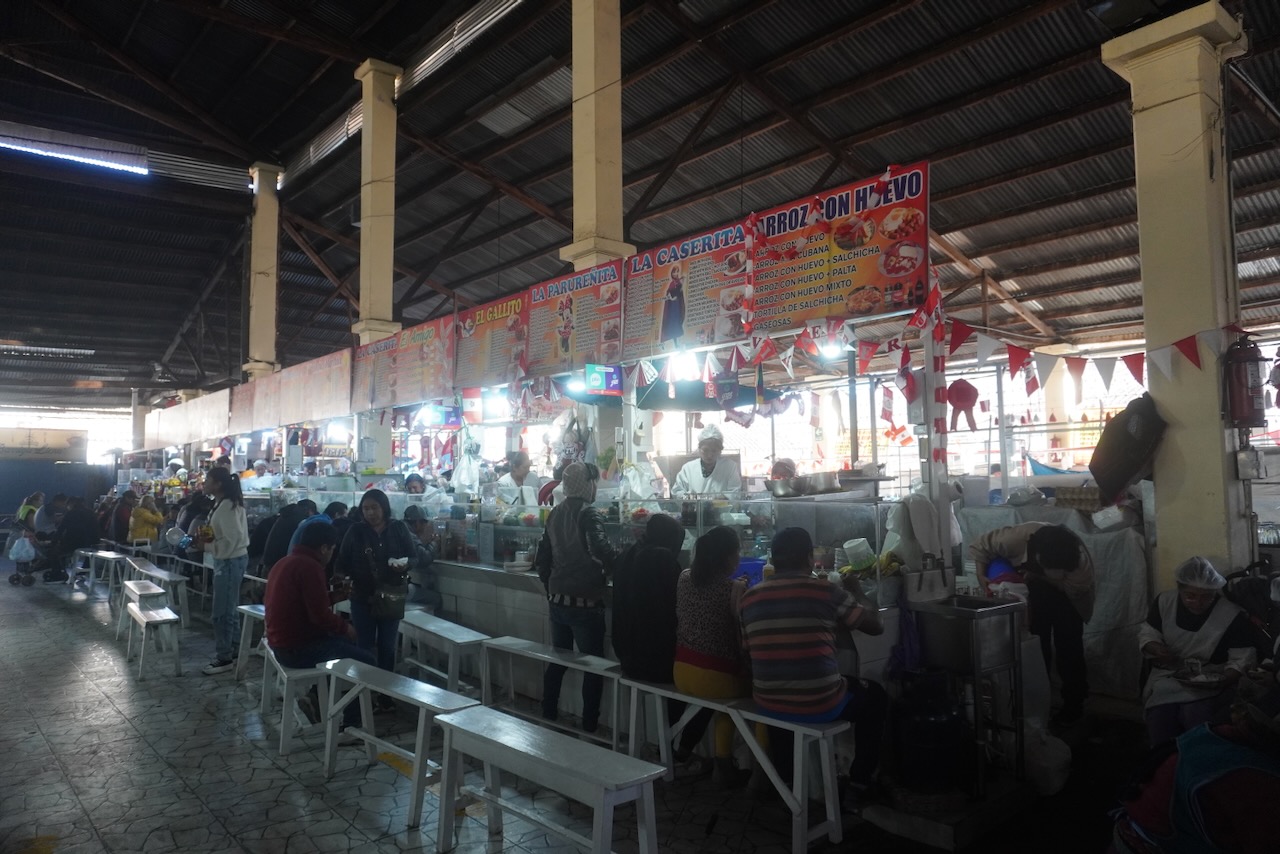
We set out from the hotel for a quick walking tour of the neighborhood nearby; indeed, one of the selling points of the overall tour was the central location of the hotels we had been staying in. In this case our initial destination was the San Pedro Central Market, the city’s main food marketplace. Designed in 1925 by Gustave Eiffel, it is the oldest market in the city., where one can find traditional fresh products from throughout the region, including meats, cheeses, bread, coffee, chocolate, fruits, vegetables, flowers, as well as handcrafts.
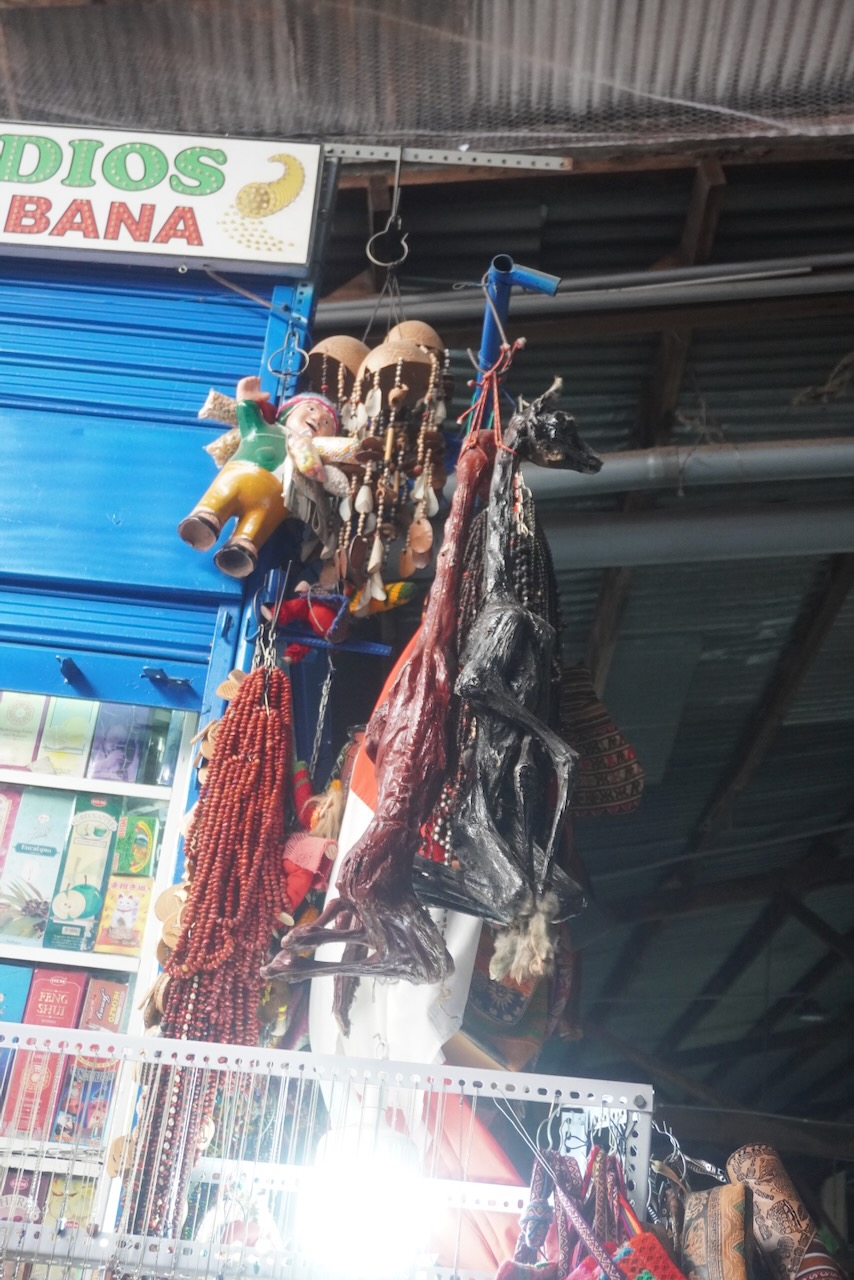
Some offerings might include pig heads for chicharrones (deep-fried pork), sheep heads for caldo de cabeza (sheep head soup), frog juice to boost the intelligence, huanarpo root (natural viagra) & black beer juice to enhance sexual performance. You will also find many alternatives to conventional souvenirs, including accessories for traditional costumes, fabrics, stalls of healers and witchcraft, herbal tinctures, and ointments based on the tallow of certain animals.
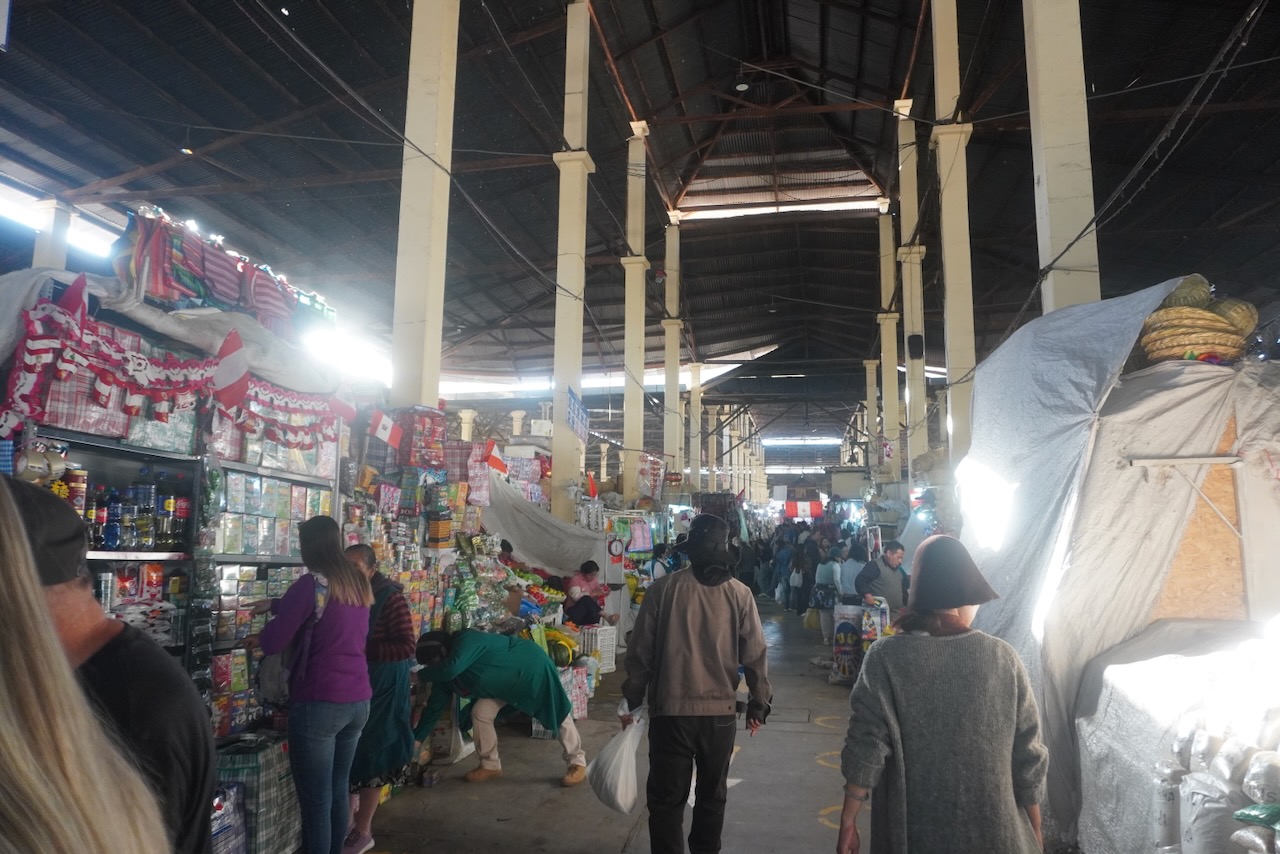
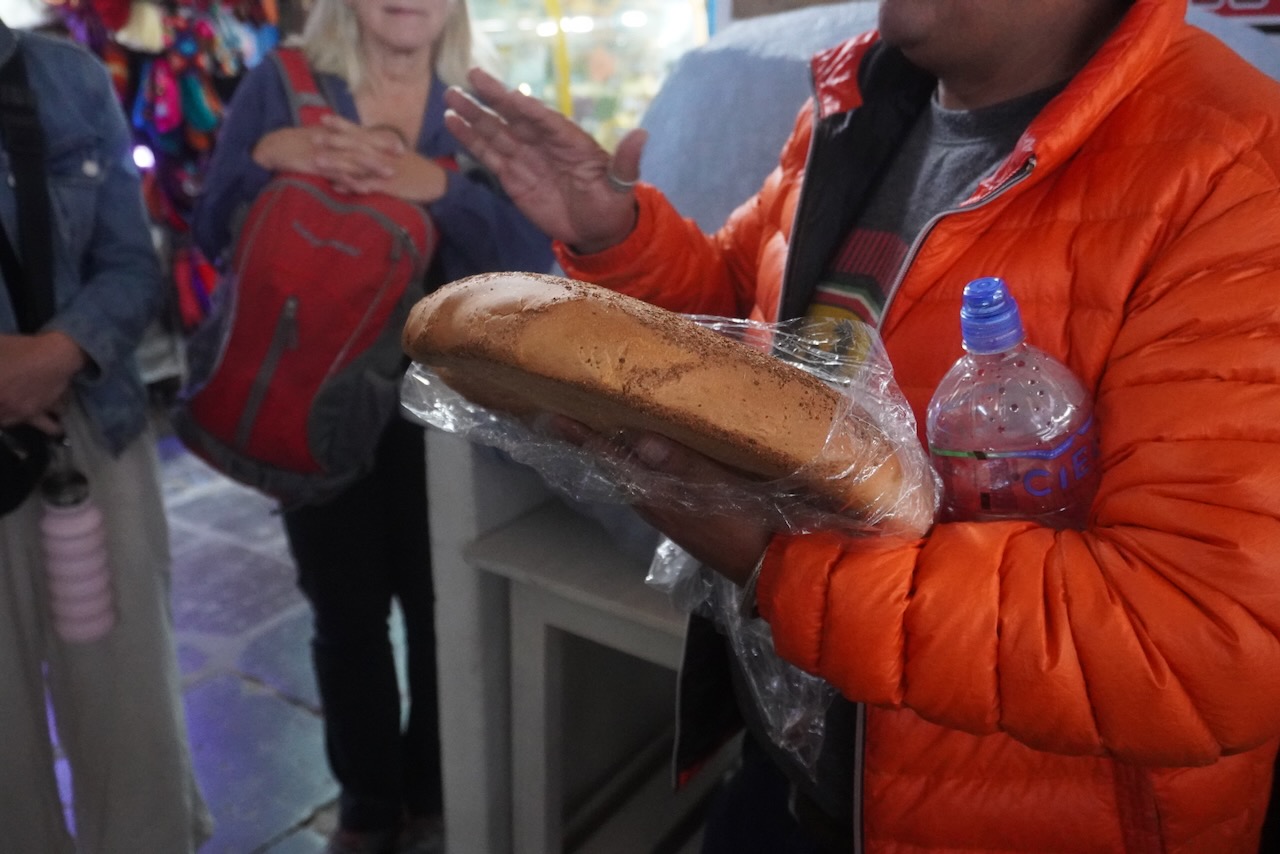
We made a stop at a stall selling Cusco’s well know Pan Chuta, a bread famous for its circular shape, its soft texture and unique flavor. It is baked only in the Oropesa district, 16 miles from Cusco where it is believed, the water is of an Inca divinity, the secret ingredient for this bread that is baked in a traditional oven. It is estimated that every day a thousand chuta breads are transported from Oropesa to the main markets of Cusco. The cost of the bread varies between 5 to 10 Peruvian soles (2 to 4 dollars approximately) and it is found in the main supply centers of town such as the San Pedro market.
We left the market and continued on, making our way to Plaza de Armas (main square) the main public space of the town since before its Spanish foundation in 1534. Along the way we encountered, as we have so often in Peru, vendors on every street crowding the sidewalks, all selling merchandise aimed at the tourist market, something we’ve found the world over in places where tourism is a main source of jobs.
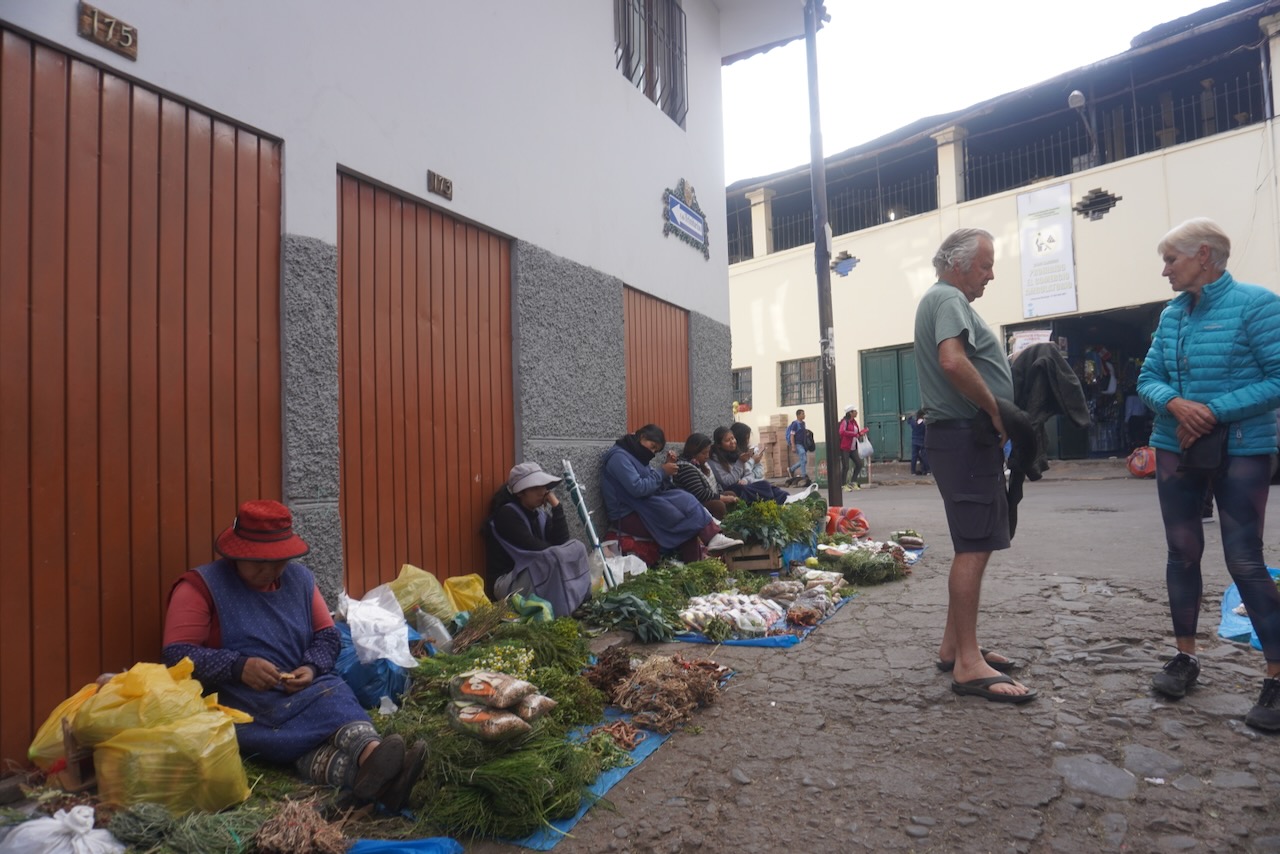
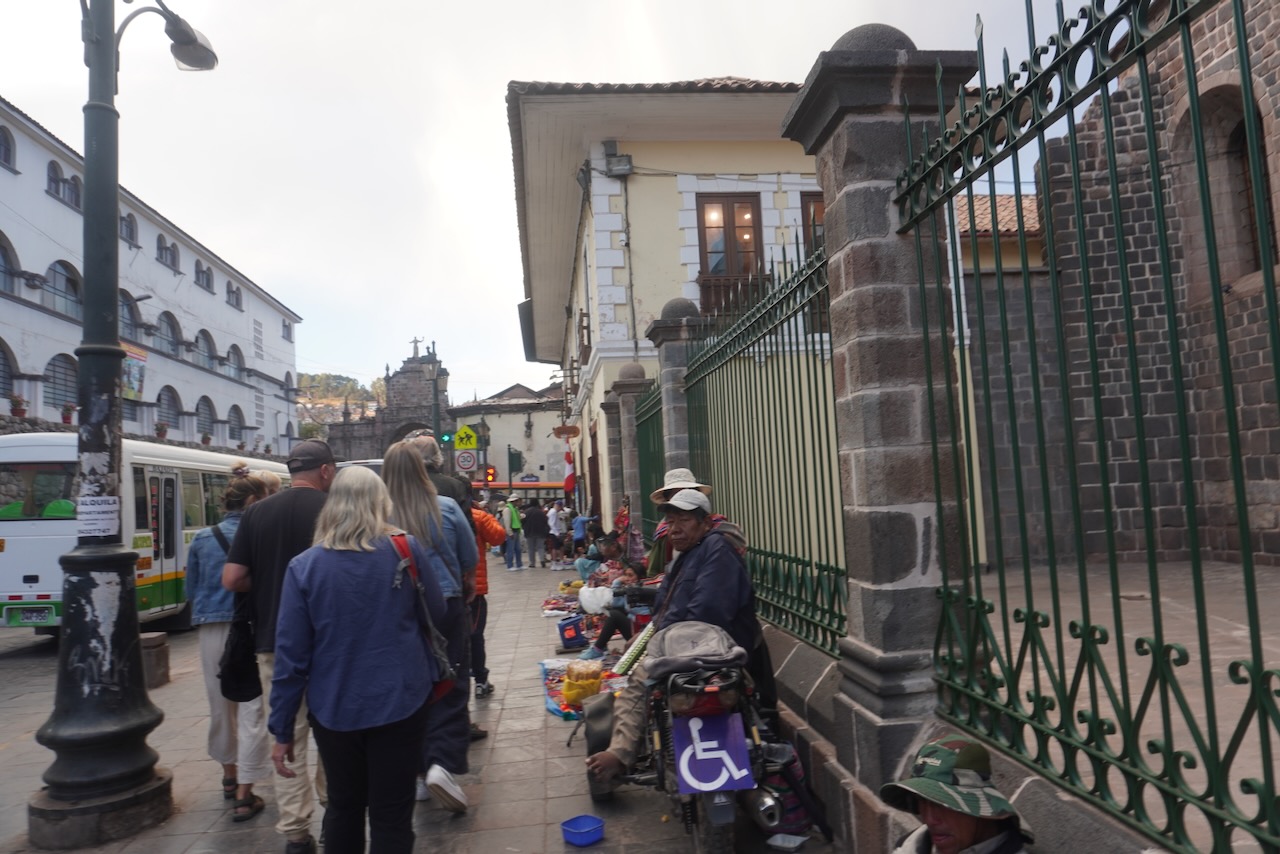
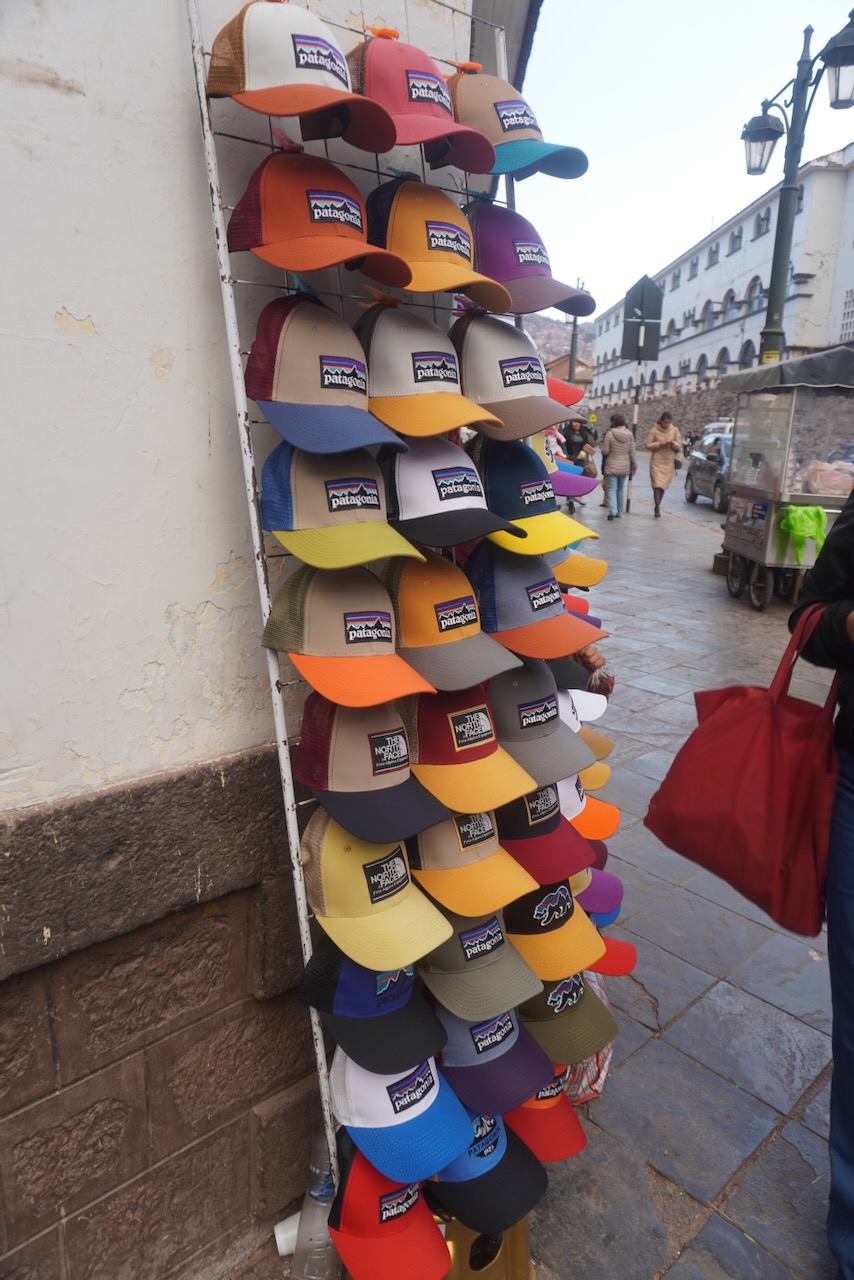
Luis had mentioned a couple of times that the unemployment rate in Peru was high, upwards of 60% and this is one of the reasons we saw so many people engaged in what one might term the unofficial economy. In writing this section, I checked online, and it is actually less than 10%, but according to one website, the unemployment rate measures the number of people actively looking for a job as a percentage of the labor force. So, perhaps the people we see lined up along each street have left the official job market.
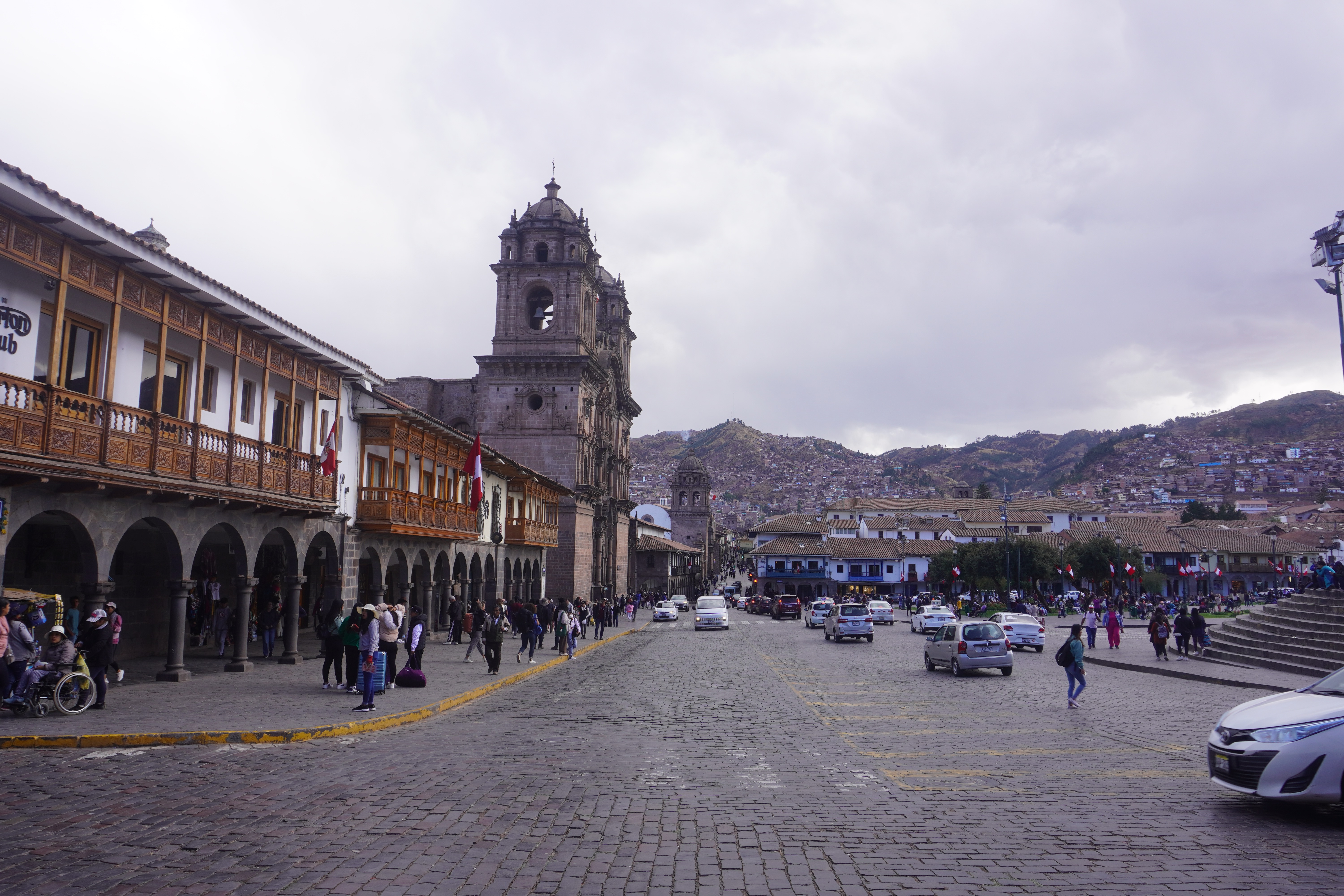
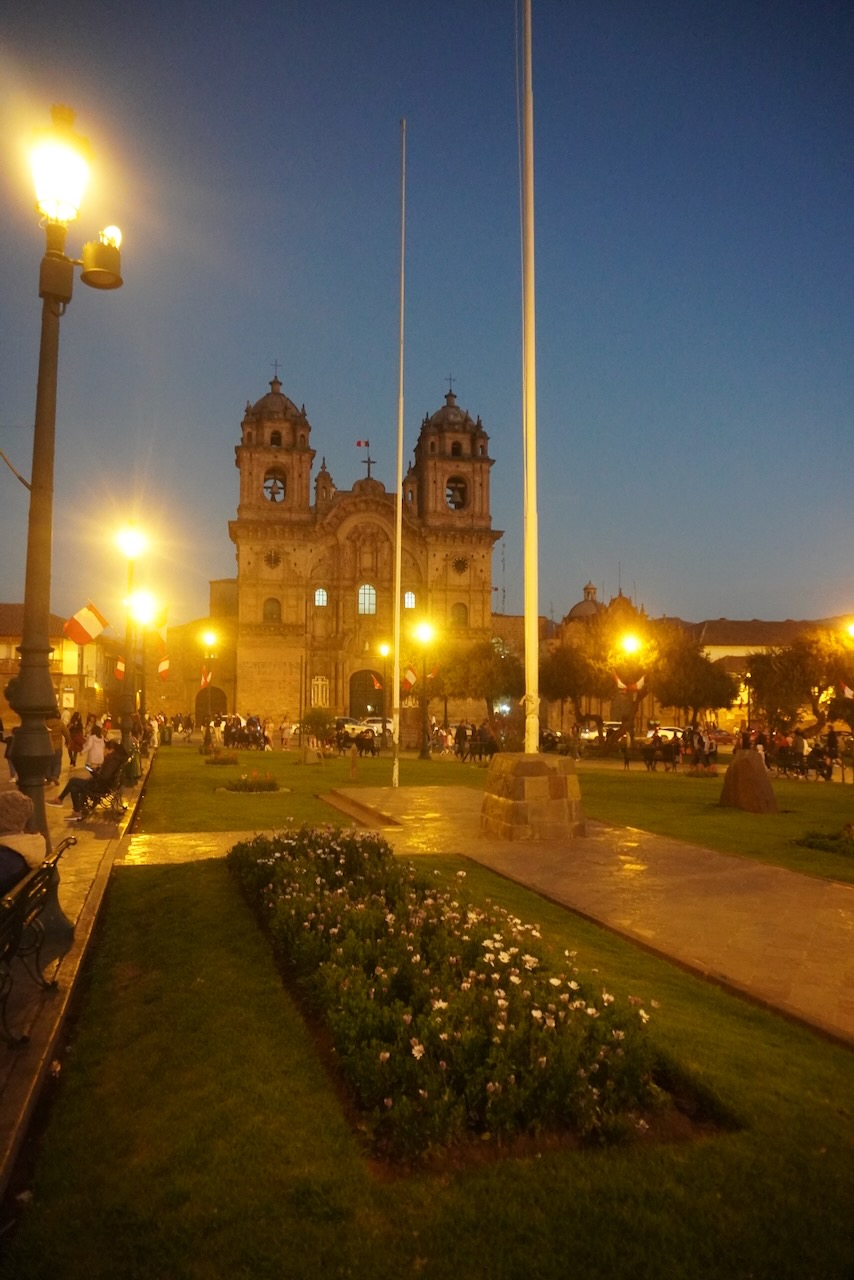


We rambled a bit more and then returned to the hotel for a little downtime, before heading back out again to dinner at TikaSara, located not from Plaza de Armas. Once seated, our first order of business was the obligatory Pisco Sour, followed by a glass of house red wine for me to accompany the bacon wrapped Filet I ordered while Joanna enjoyed her Alpaca steak.
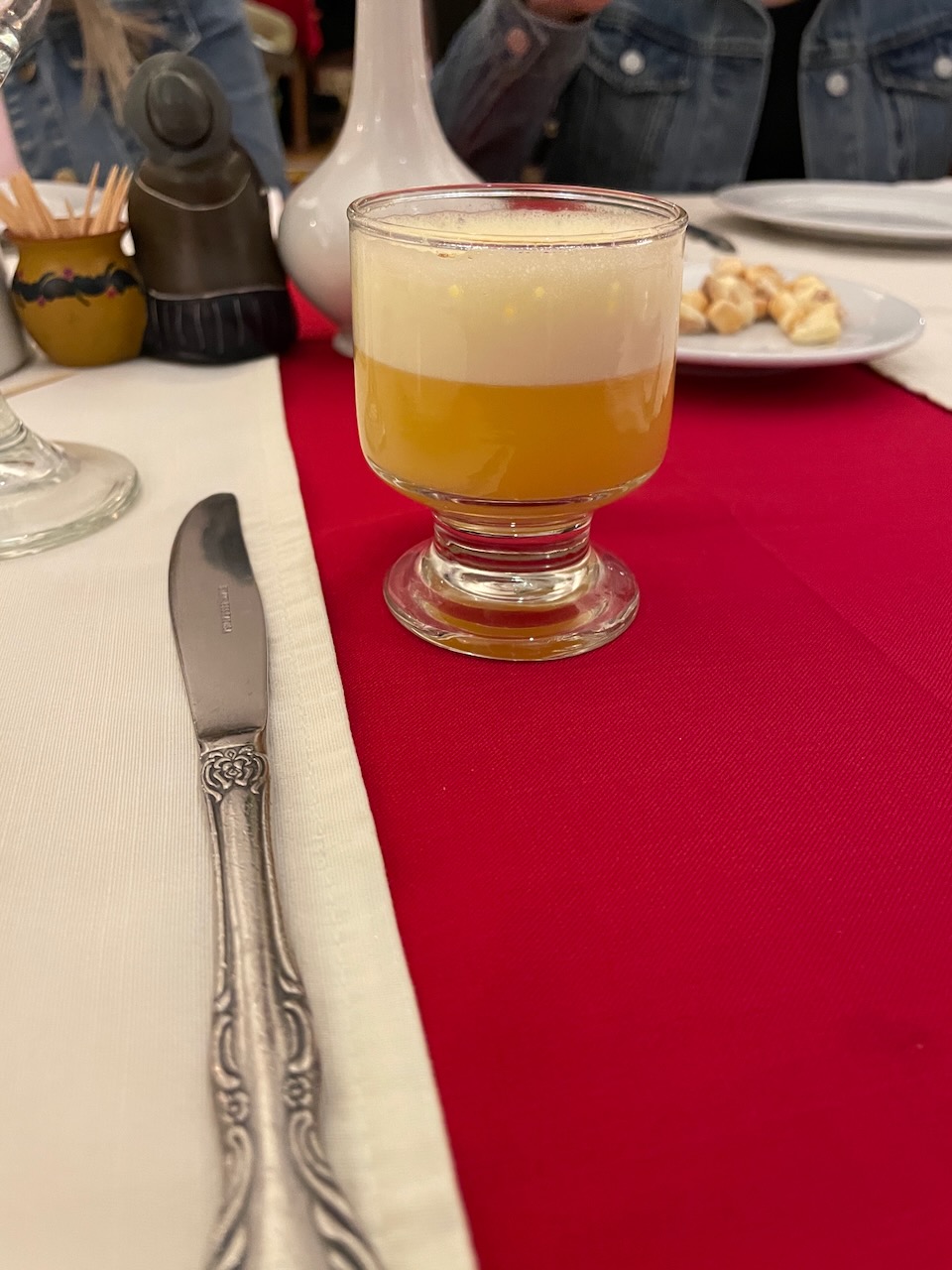
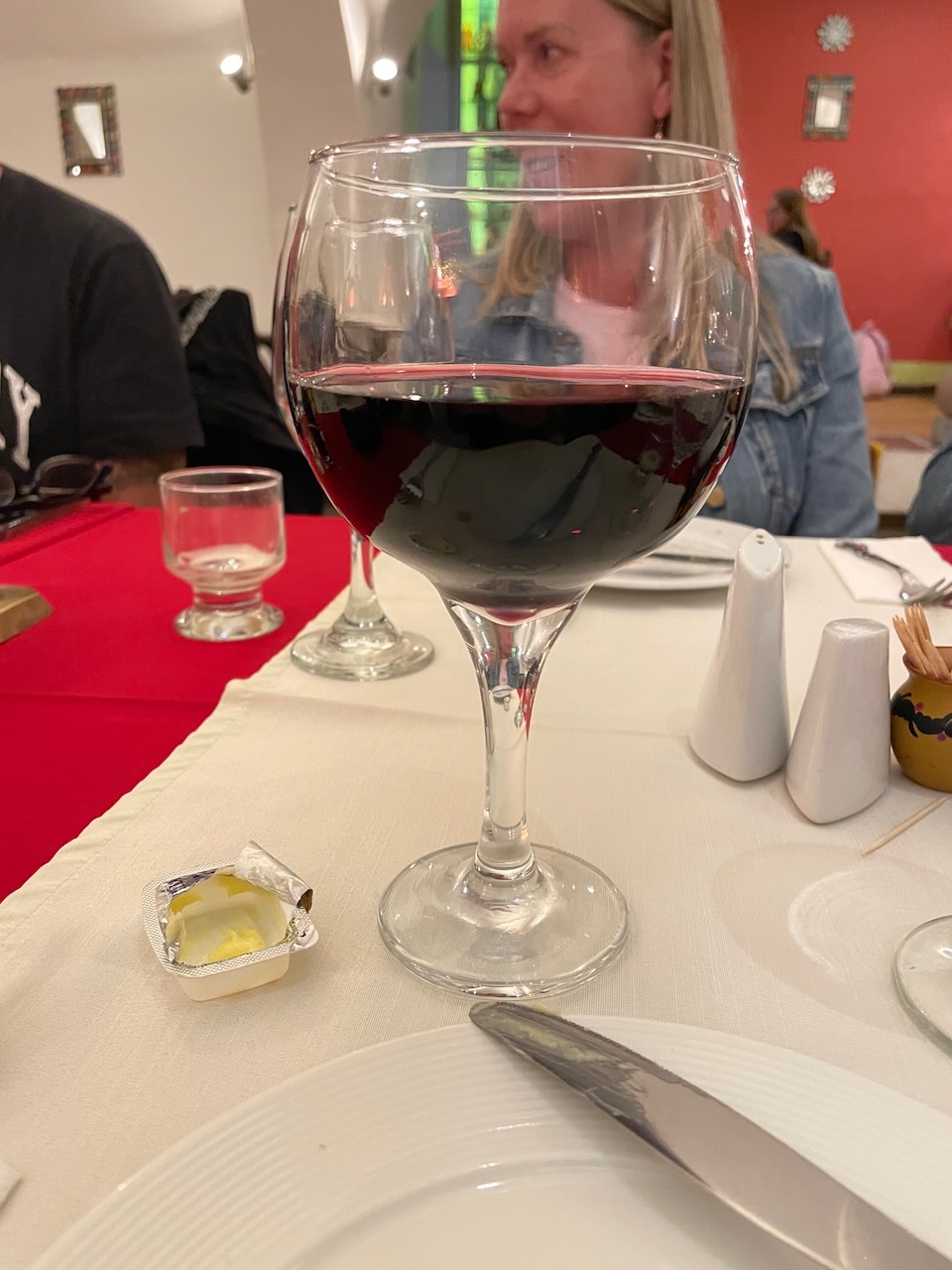
I generally don’t consume a lot of beef, primarily for health reasons but would make an exception on this trip as each time I did it was delicious and so very reasonably priced. And this occasion would prove that out. Joanna enjoyed her Alpaca, giving me a taste as well, and we found it to be more like pork than any other meat, slightly sweet and very lean. And we were again pleasantly surprised when we paid our tab of 152 Soles, just $42 for the entire meal, about what one might pay for just the steak alone at a premium steak house in the States.


We returned to the hotel for a quiet night in, beginning the task of rearranging our luggage as restrictions on the train to Machu Picchu required us to pack all necessary items for the next two days into a smaller bag, while the rest of our luggage would be securely stored at the hotel. This being midway through the trip, our guide Luis made arrangements with a local laundry to have our cleaning done for us, to be picked up the next morning, yet another example of the high quality of service rendered to us on this tour.
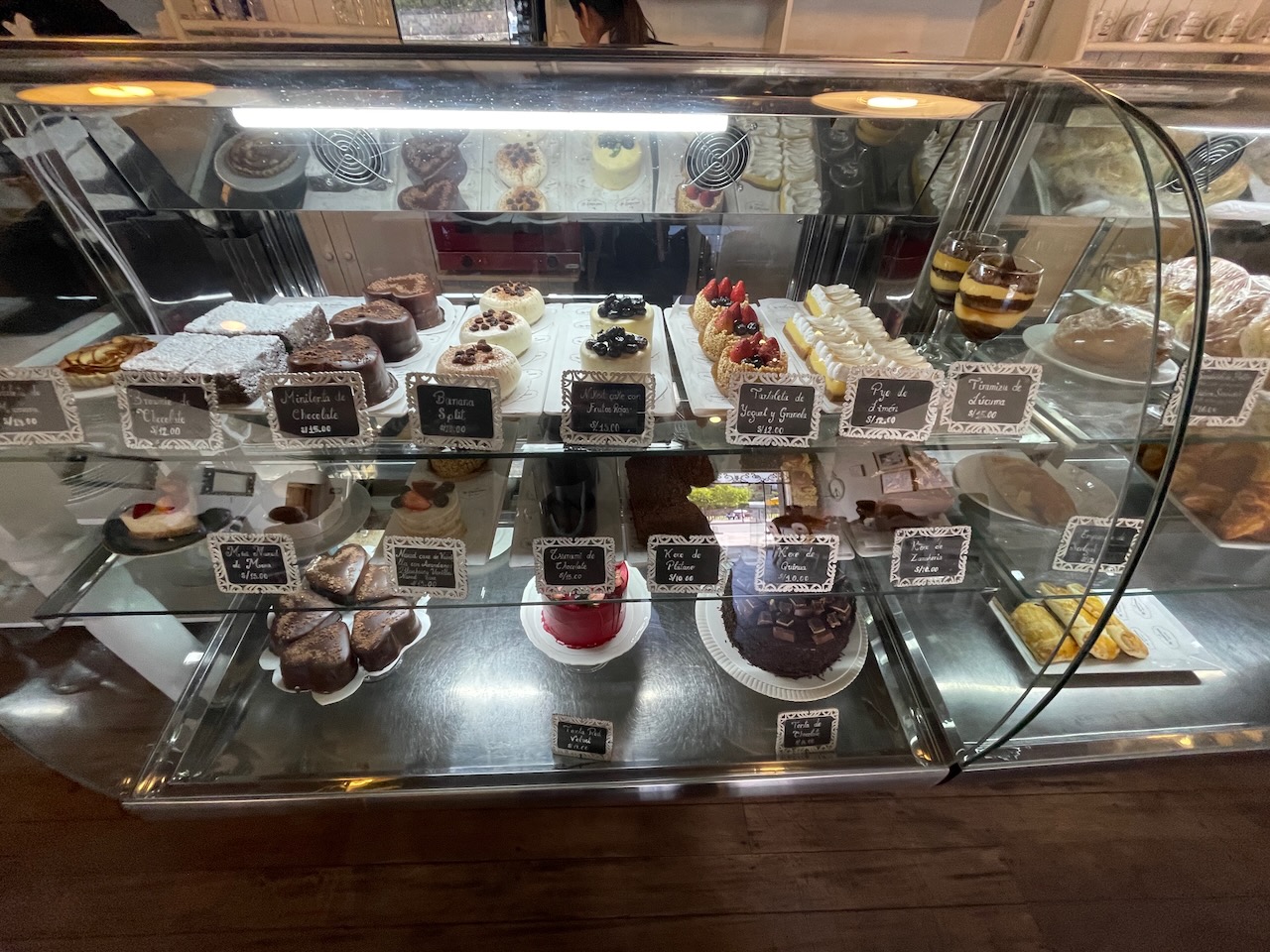
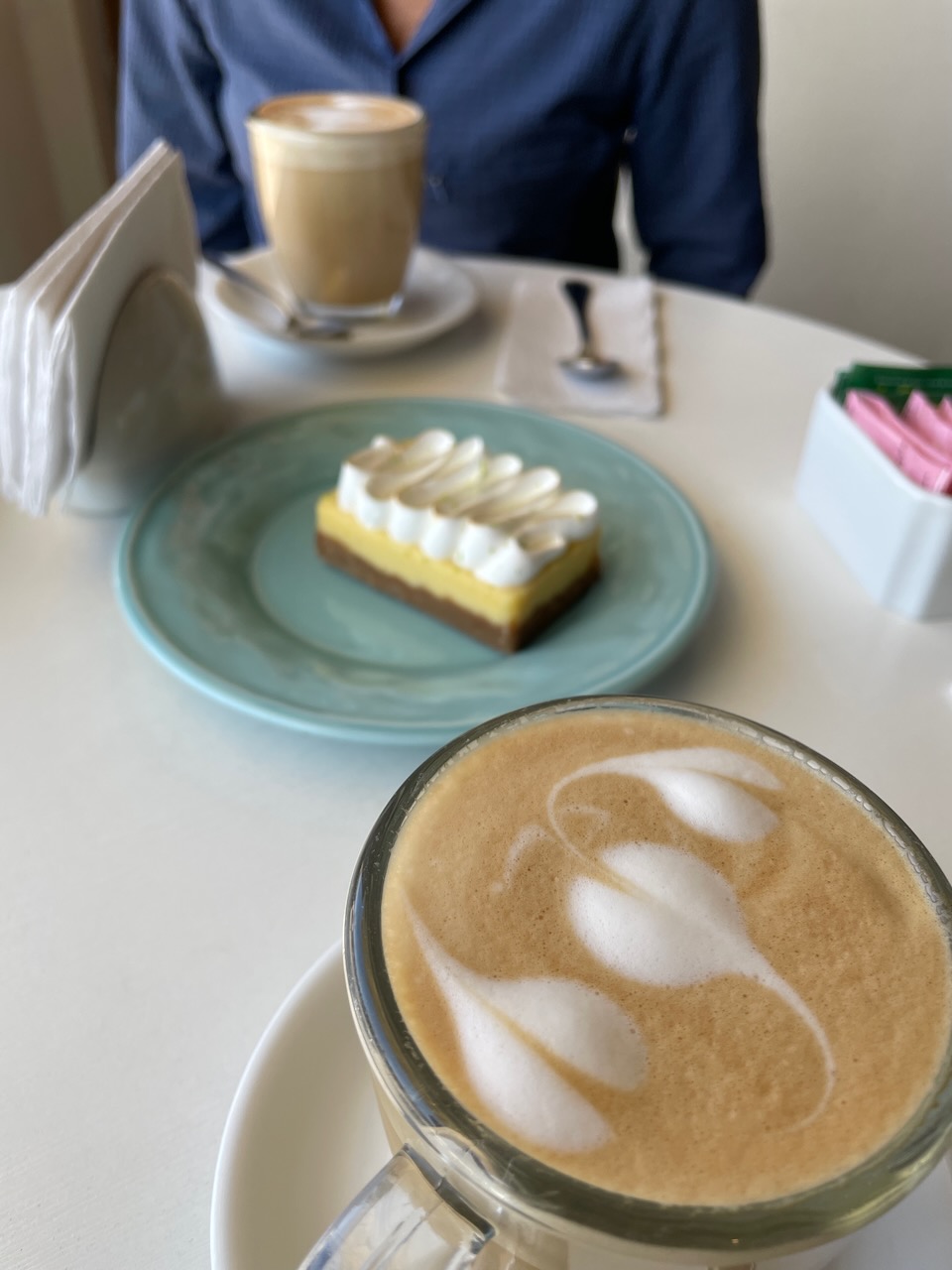
Breakfast the next day was another extensive collection of dairy, meat, eggs, pastries, and other various carbohydrates, in a large well-lit room. We had a free morning to do some exploring on our own and used it to visit a couple of stores and pharmacies looking for supplies for the remainder of the trip. On the way back to the hotel we stopped in next door at La Valeriana Bake Shop for a quick coffee and snack, their amazing array of pastries too good to pass up.
Properly fueled for the afternoon, we met with our local guide in the early afternoon for a walking tour that started with the Coricancha Temple (“The Golden Temple,” from Quechua quri gold; kancha enclosure) which in its heyday was the most important temple in the Inca Empire.
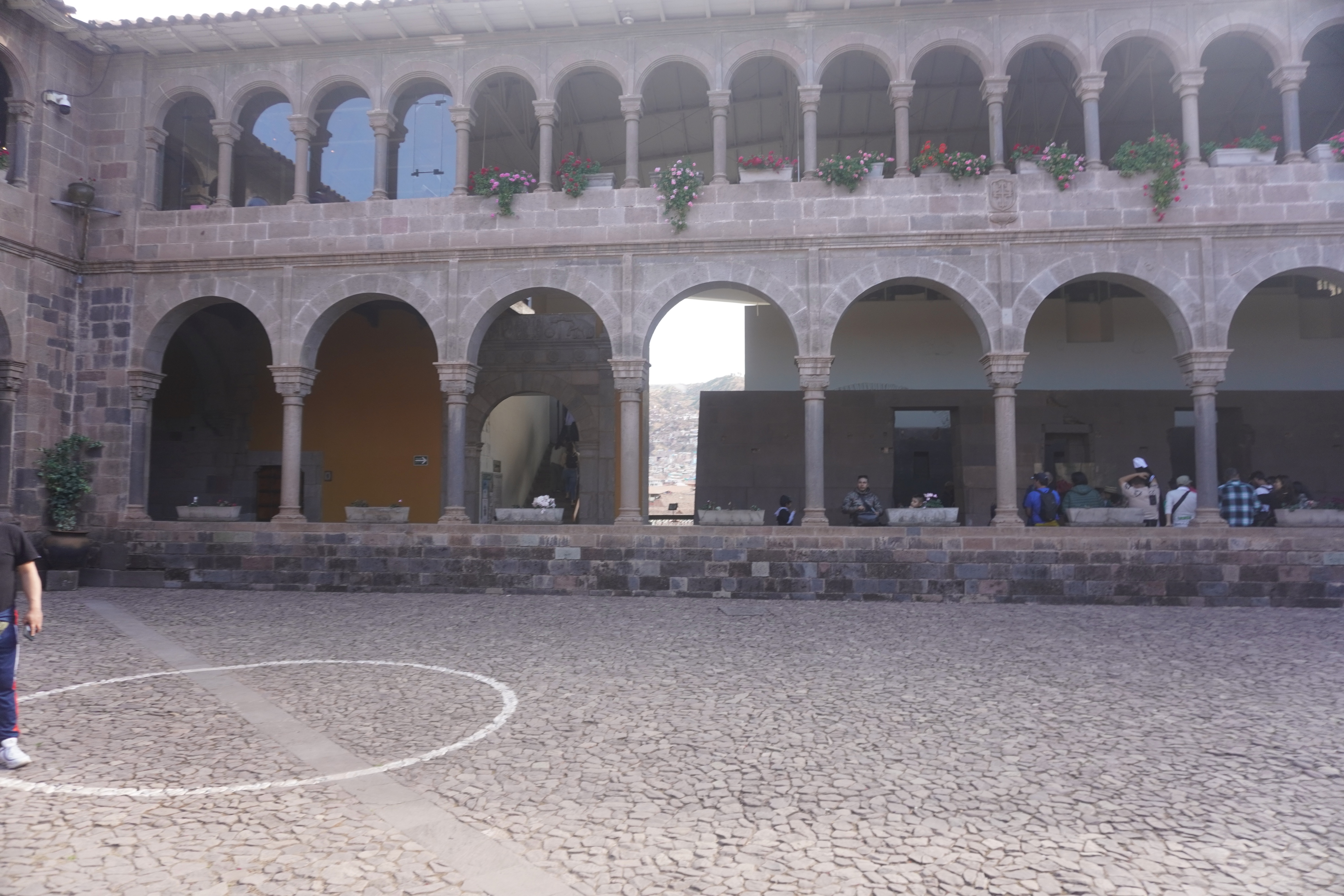
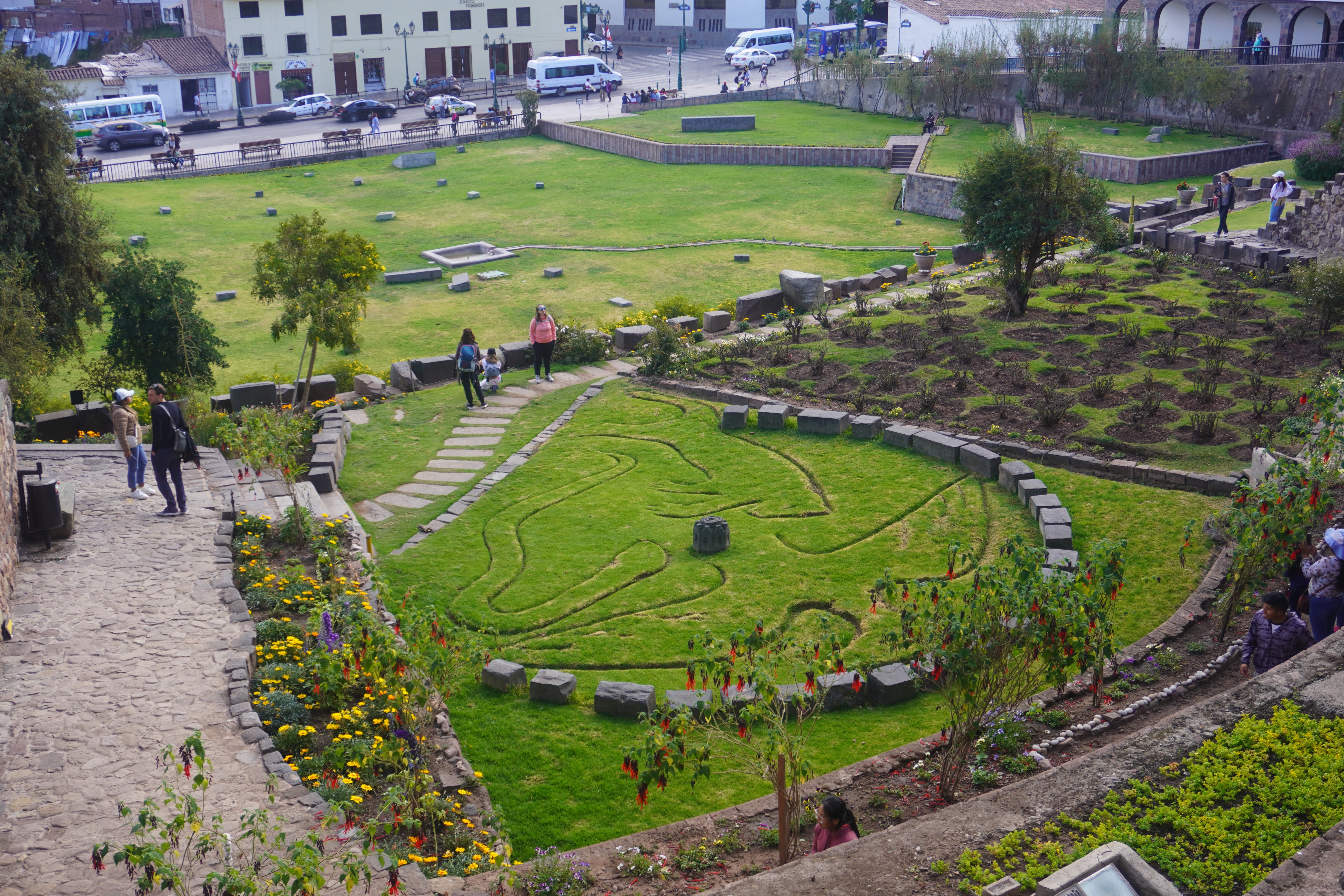
Most of the temple was destroyed after the 16th-century war with the Spanish conquistadors, as settlers also took it apart to build their own churches and residences. To construct Coricancha, the Inca used ashlar masonry, a type of stone construction where all stones are dressed or cut to a uniform shape, size, and surface appearance. They are then laid in horizontal courses, or layers, with very little of a supporting substance called mortar between them.
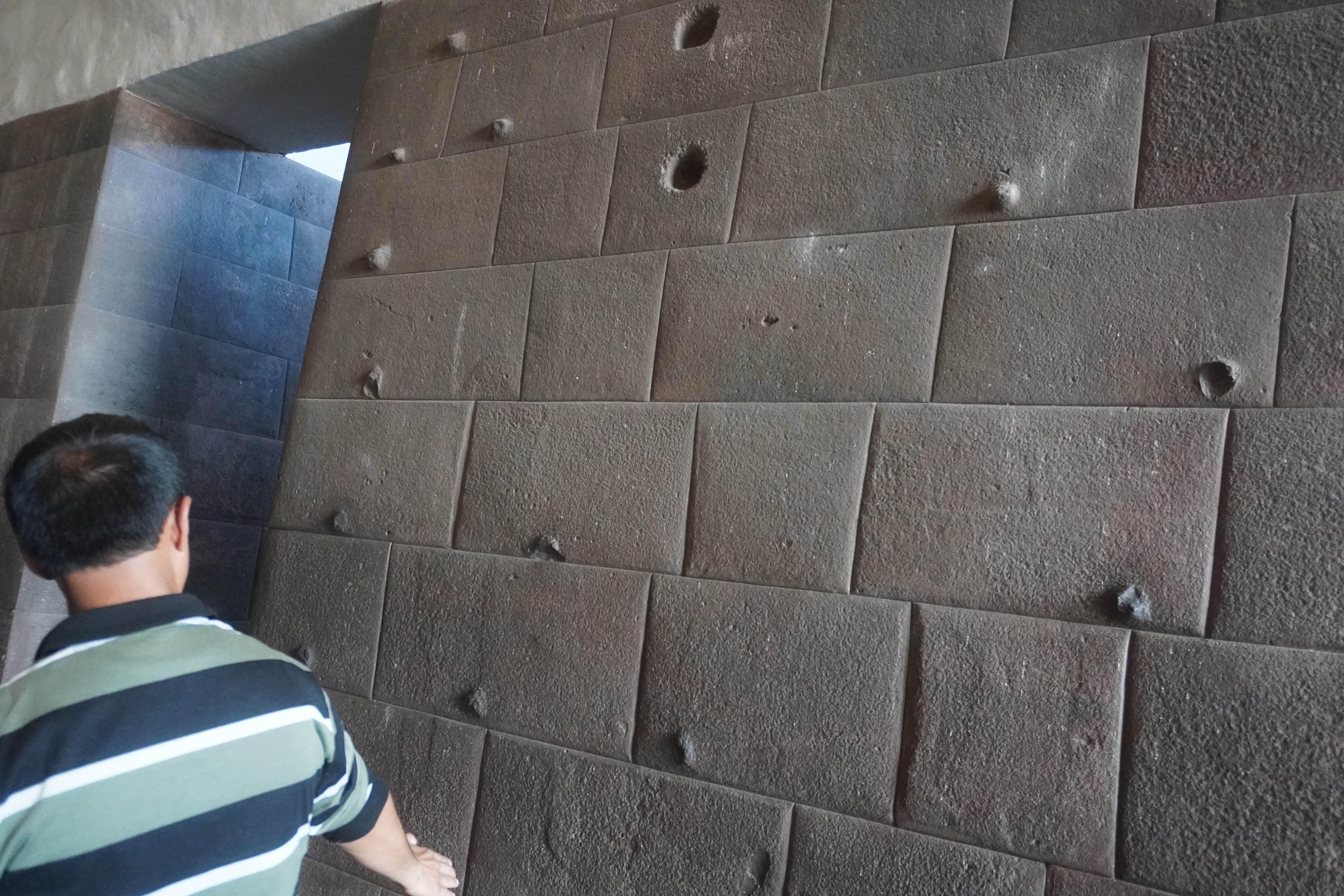
The use of ashlar masonry made the temple much more difficult to construct, as the Inca did not use any stone with a slight imperfection or break. By choosing this masonry type, they intentionally demonstrated the importance of the building through the extent of the labor necessary to build the structure. The replication throughout Andean South America of Inca architectural techniques, such as those employed at Coricancha, expressed the magnitude of Inca control over a vast geographic region.
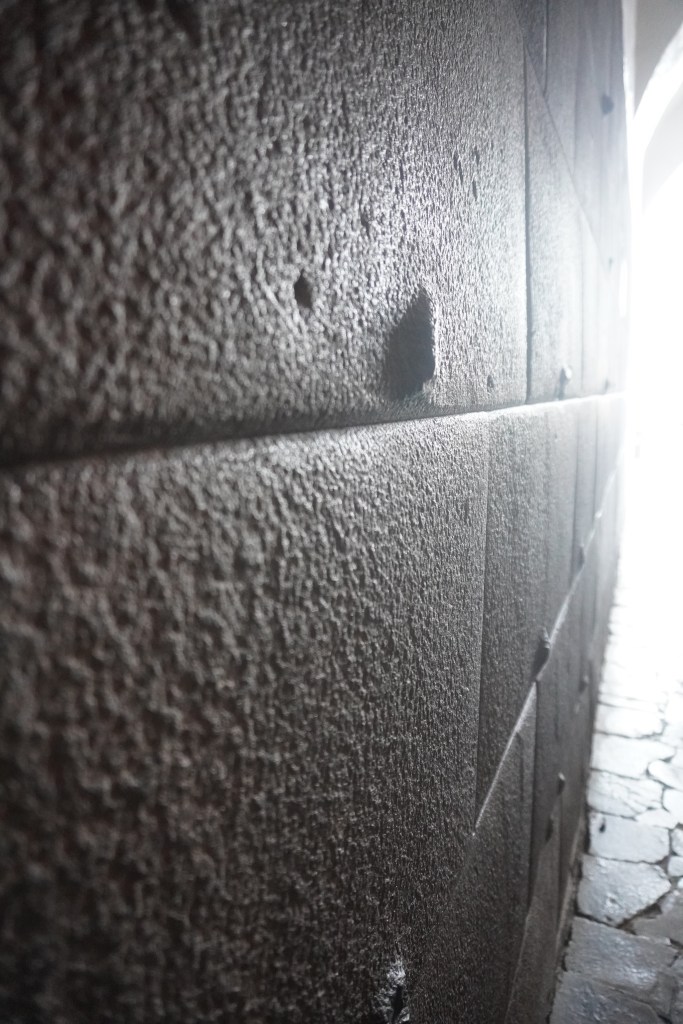
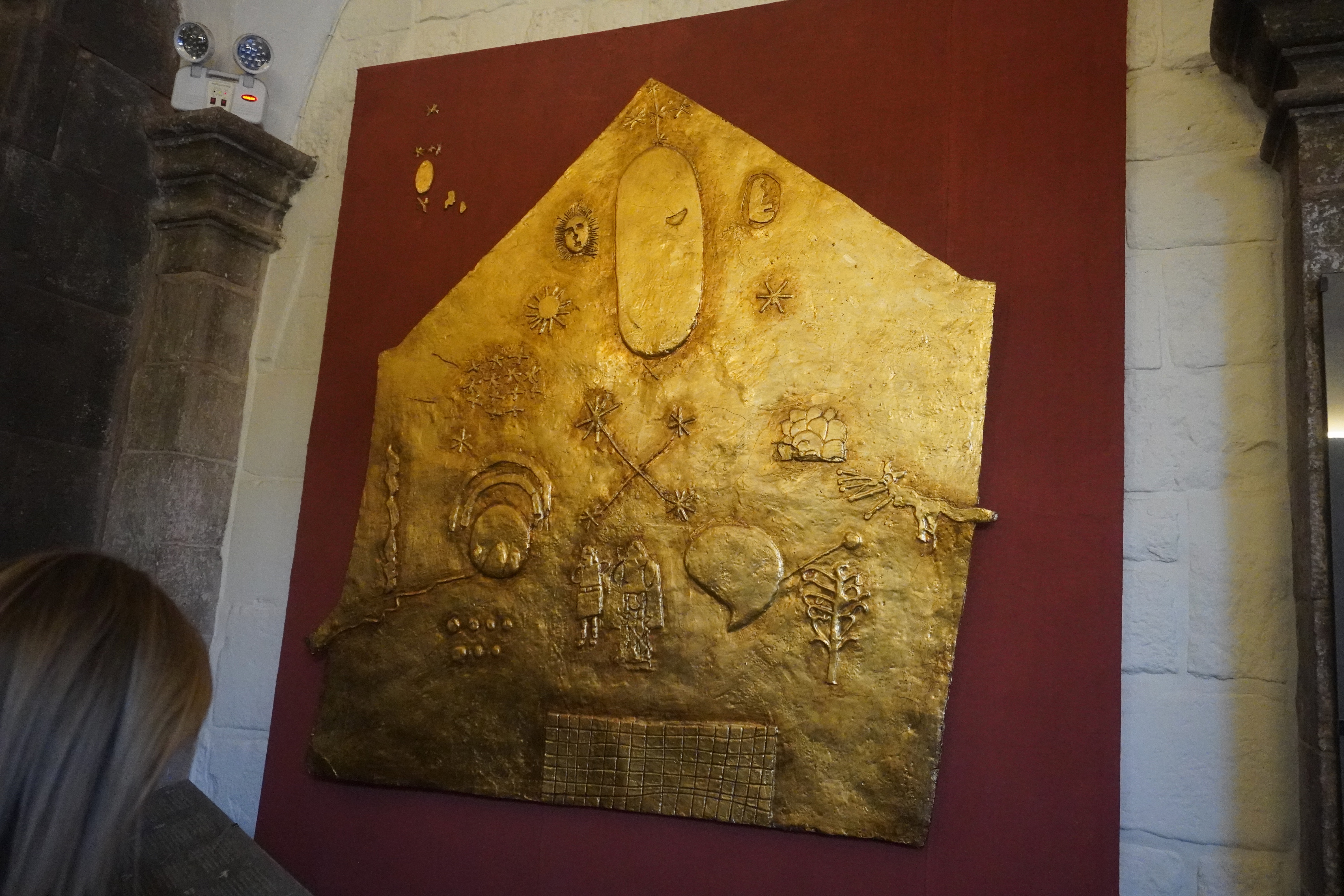
When touring these sites with a guide, it’s impossible to fully encapsulate all the information Luis imparted to us, but rest assured this temple was an important part of the Incan worldview. Next up for us was the World Heritage site Cusco Cathedral. Built on top of an Incan Palace, it is now one of the city’s greatest repositories of art. Together with the Triunfo temple they make up the Cathedral Complex, in the Plaza de Armas where, during the Inca period, the space was occupied by both the Suntor Wassi (Government House) and the Kisoarkancha or Palace of the eighth Inca Viracocha.
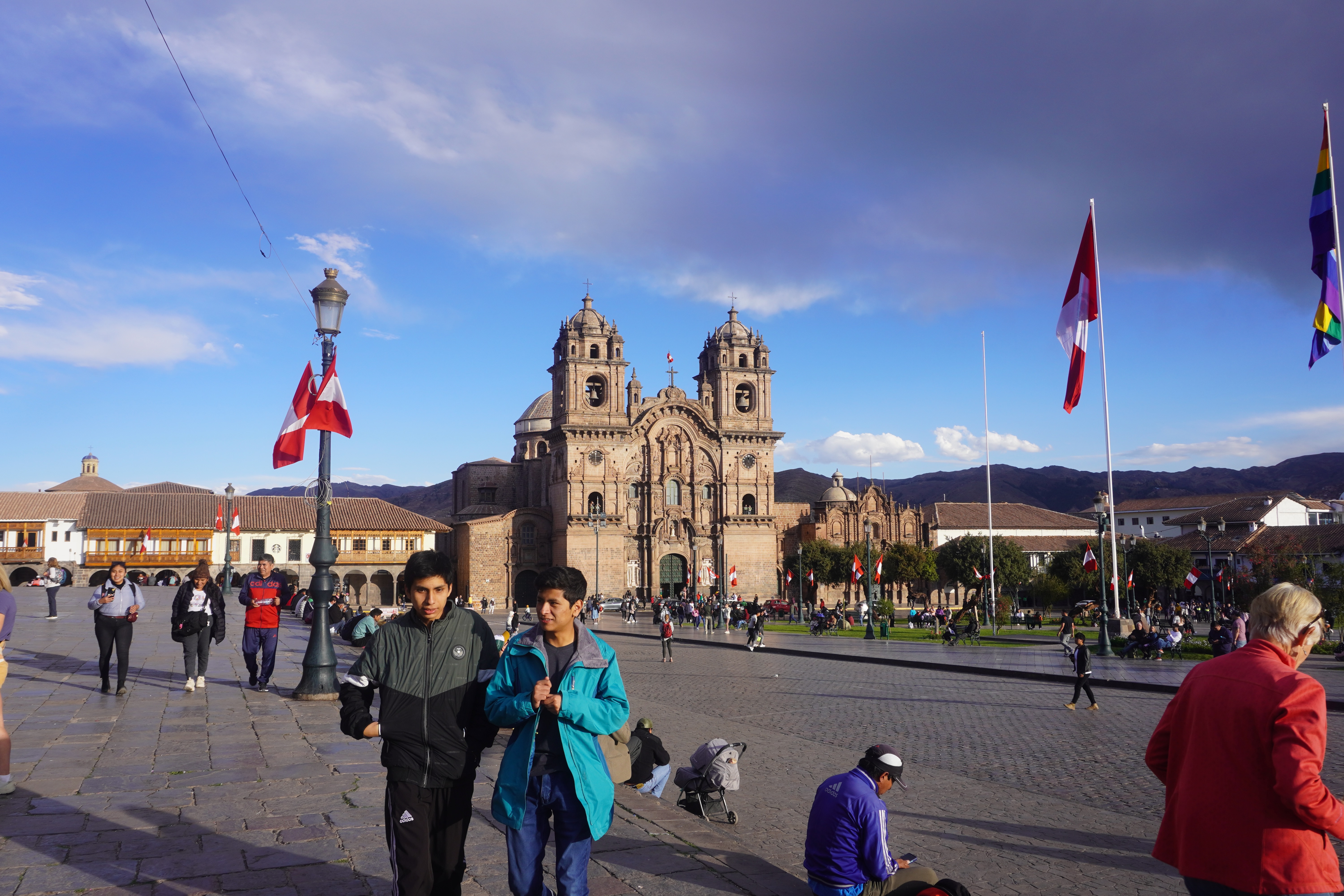
When the Spanish conquistadores arrived in Cuzco, they decided to take down the temple and build their Christian cathedral in that prominent site. Construction began in 1538 and continued until its definitive consecration in 1668. The construction material was stone from nearby areas and red granite blocks were also reused from the fortress known as Sacsayhuamá.
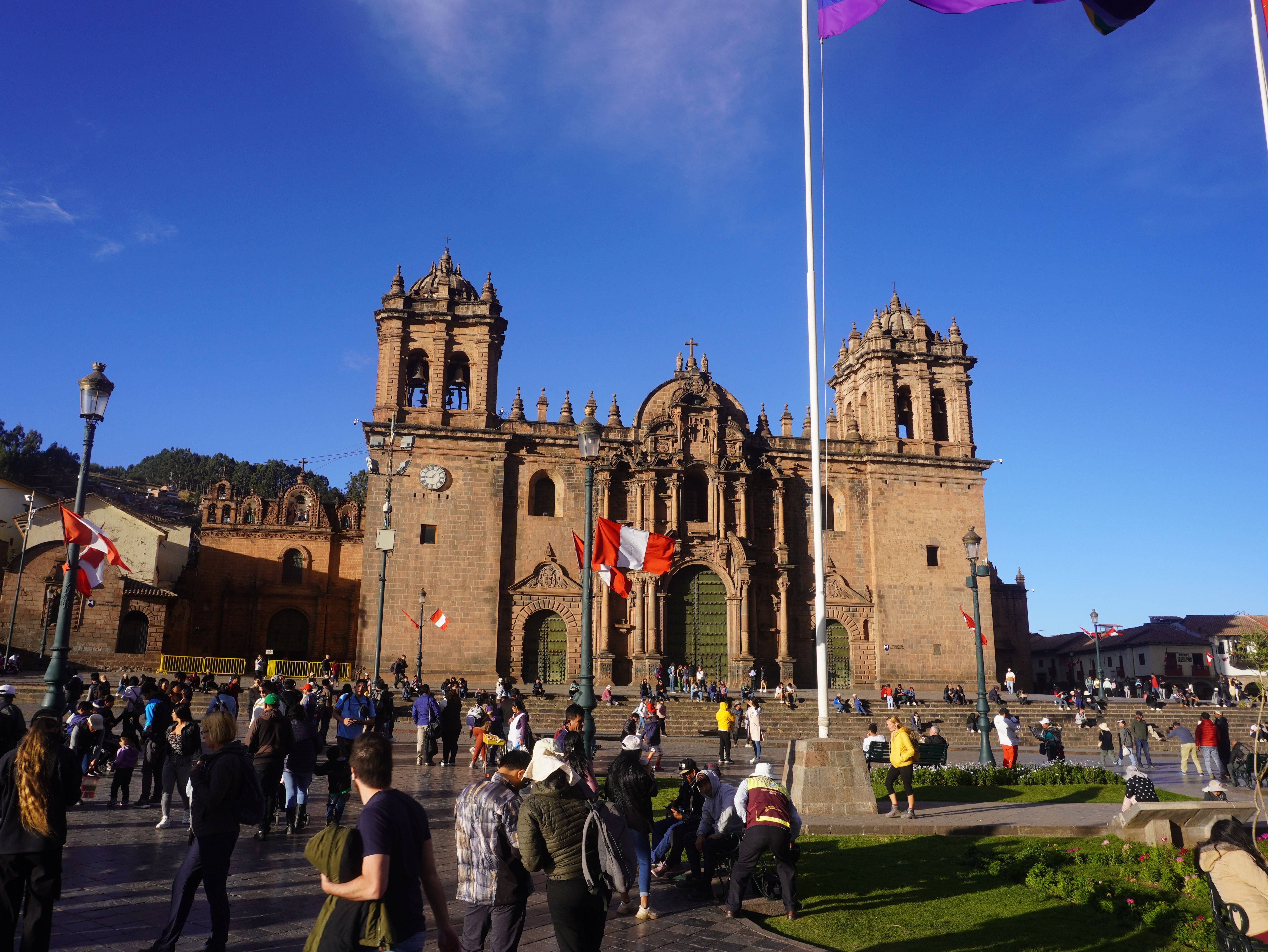
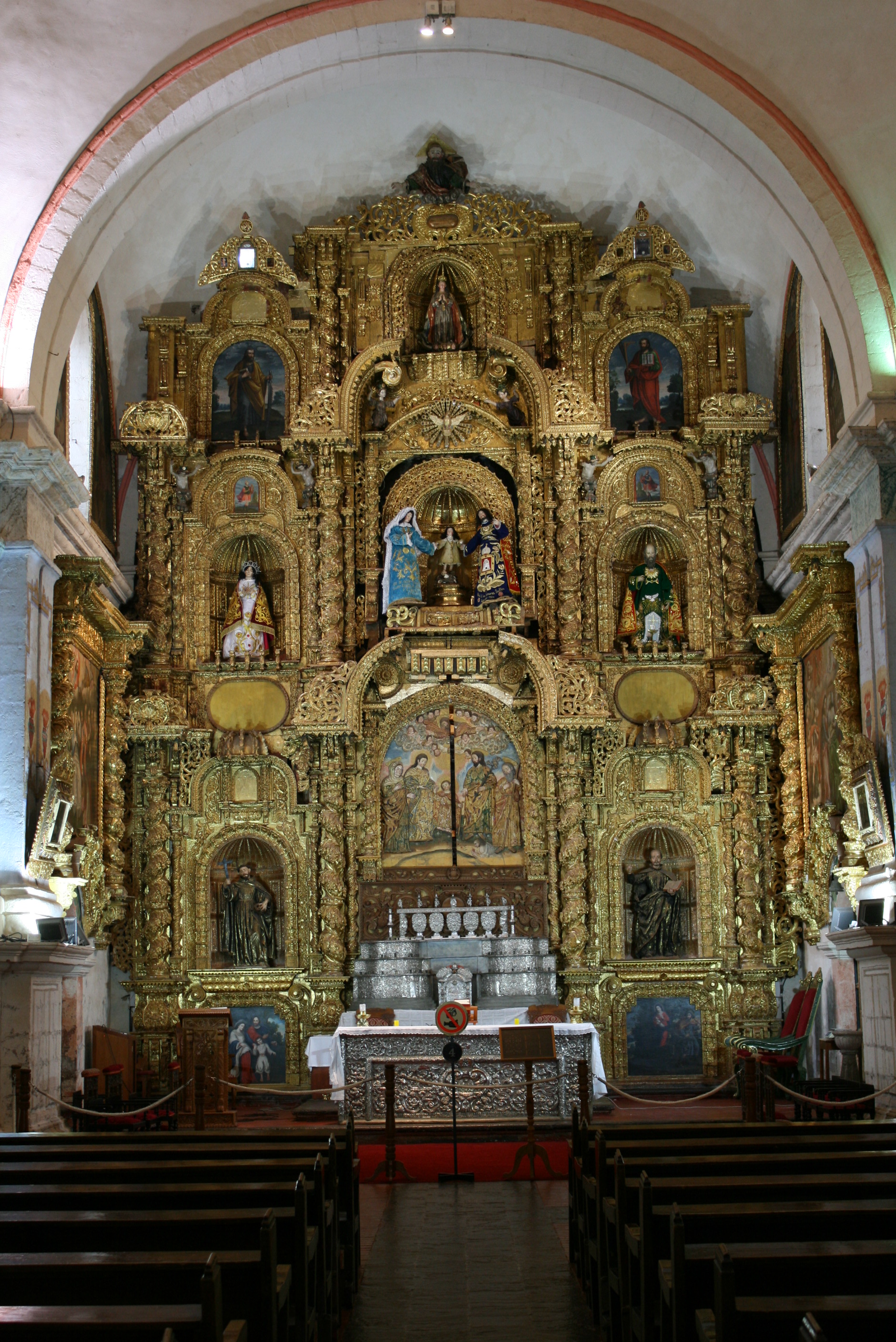
Its construction, with three naves, stands on a hall-type floor plan. A surprising detail is the fusion between the order of the capitals and friezes and the type of roof used: the ribbed vault, characteristic of the Gothic. This gives rise to a surprising amalgamation of styles, frequent in the Baroque style of Latin America. The famous image of the Lord of the Earthquakes is venerated in the cathedral. It was recognized as a Basilica of the Catholic Church in 1928.
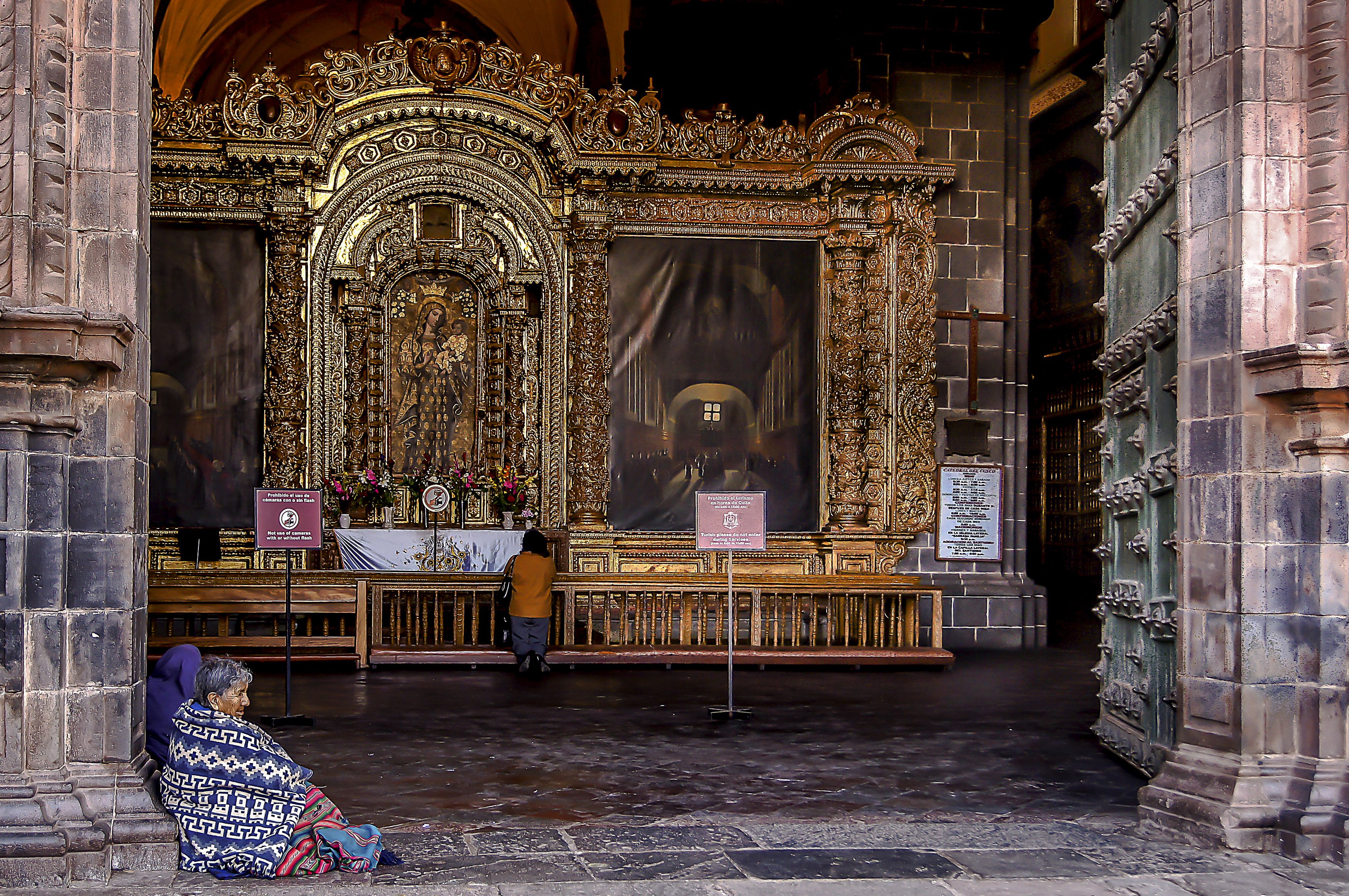
We weren’t allowed to take pictures inside and the amount of information given to us is hard to recollect, so I’ll leave it with this description, it was yet another magnificent cathedral, an edifice intended to awe and speak of the power of god, which it does a good job of. Left to ponder when visiting these magnificent structures is could the money, time and effort spent building them been put to a better use, say like improving the impoverished lives of its supplicants.
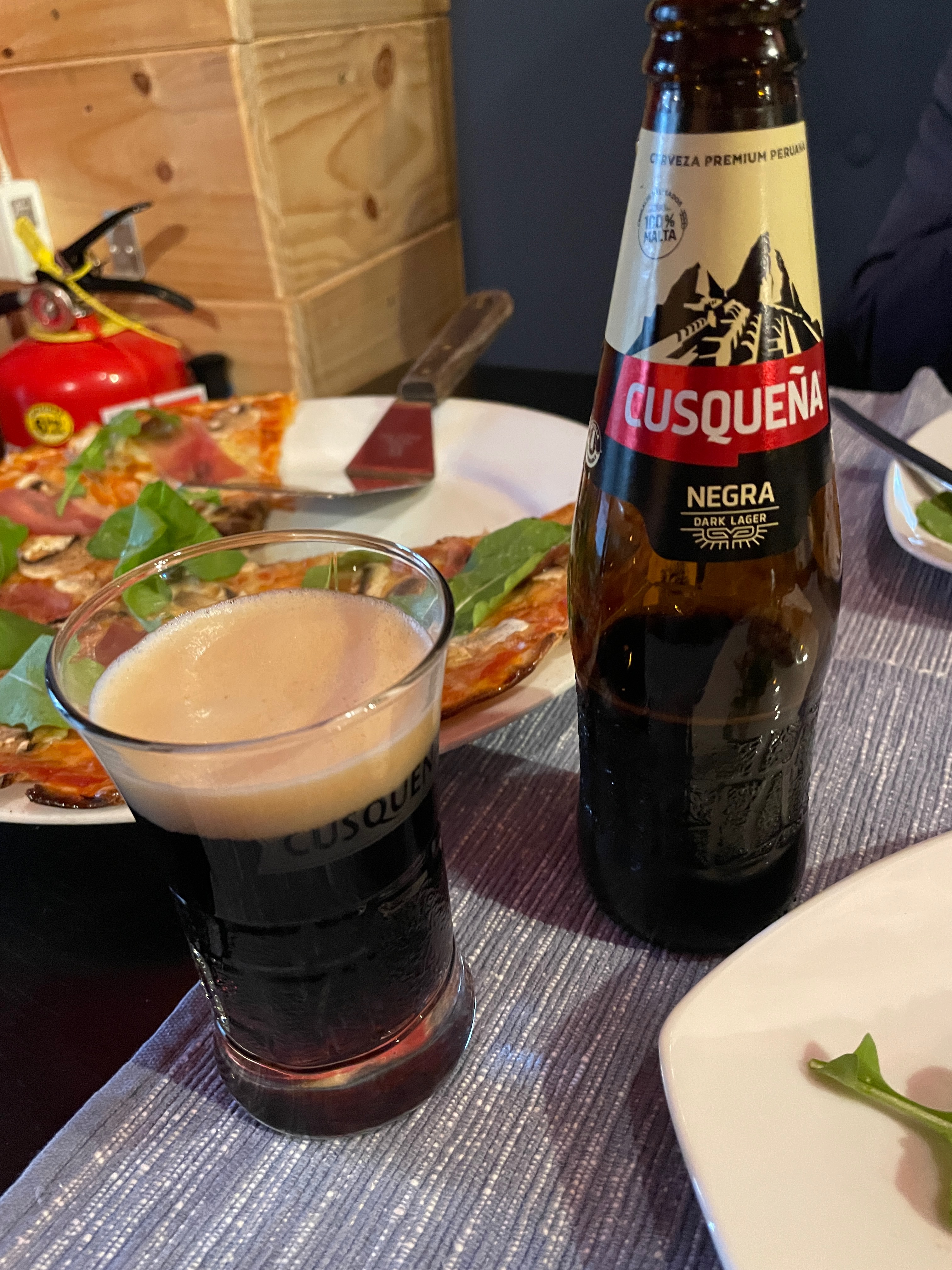
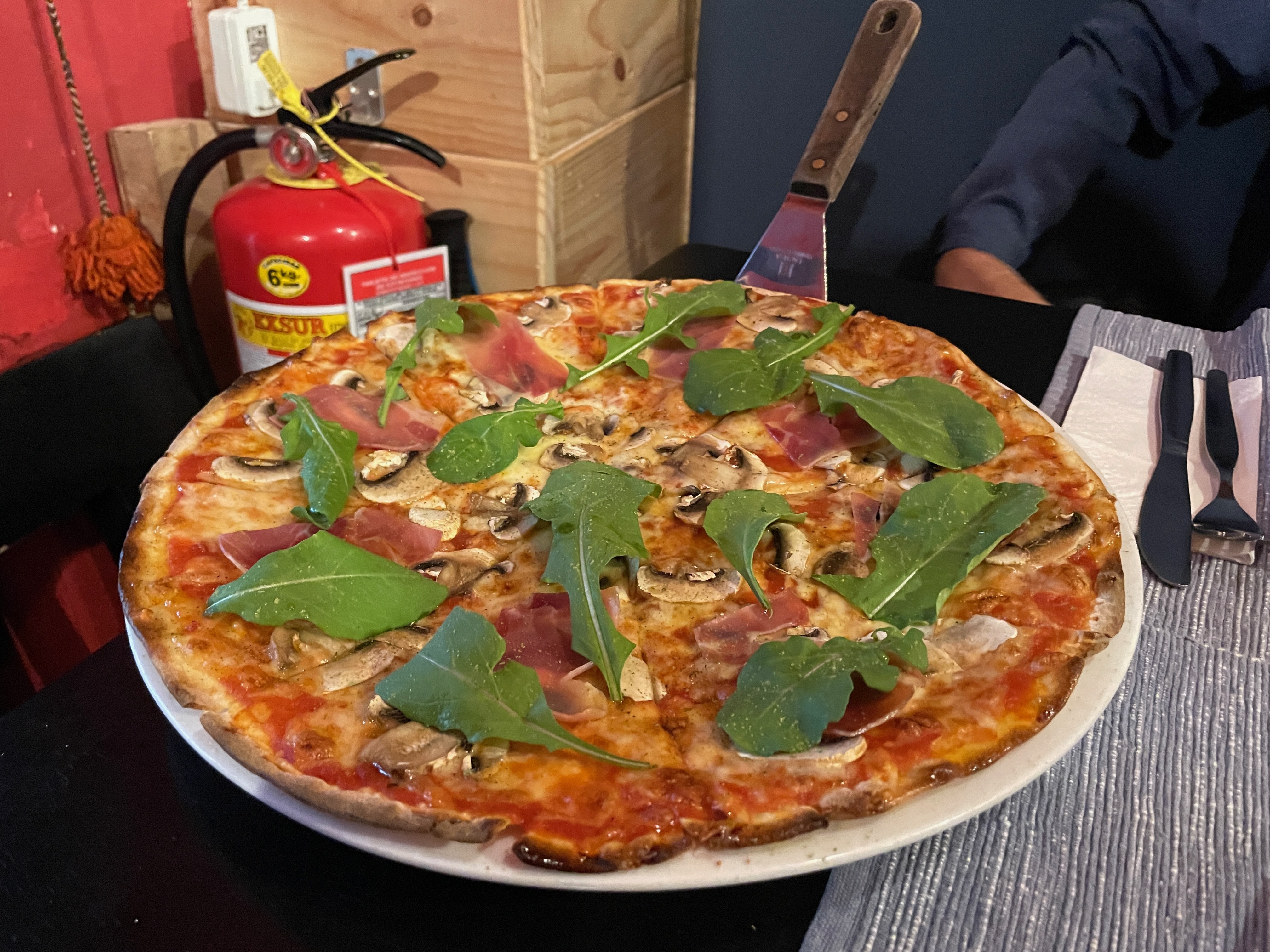
Finished with the tour, we again killed time in the vicinity of Plaza de Armas until it was time for an early supper, which after a bit of research online led us to La Osteria Food and Wine, a small storefront a short block off the plaza. It’s a small unpretentious place and as we were there in the early evening, not too crowded. We ordered a a round of beers, a Cusquena blond for me and a shandy for Joanna to get us started on the Prosciutto, Mushroom, and mixed greens pizza we ordered.
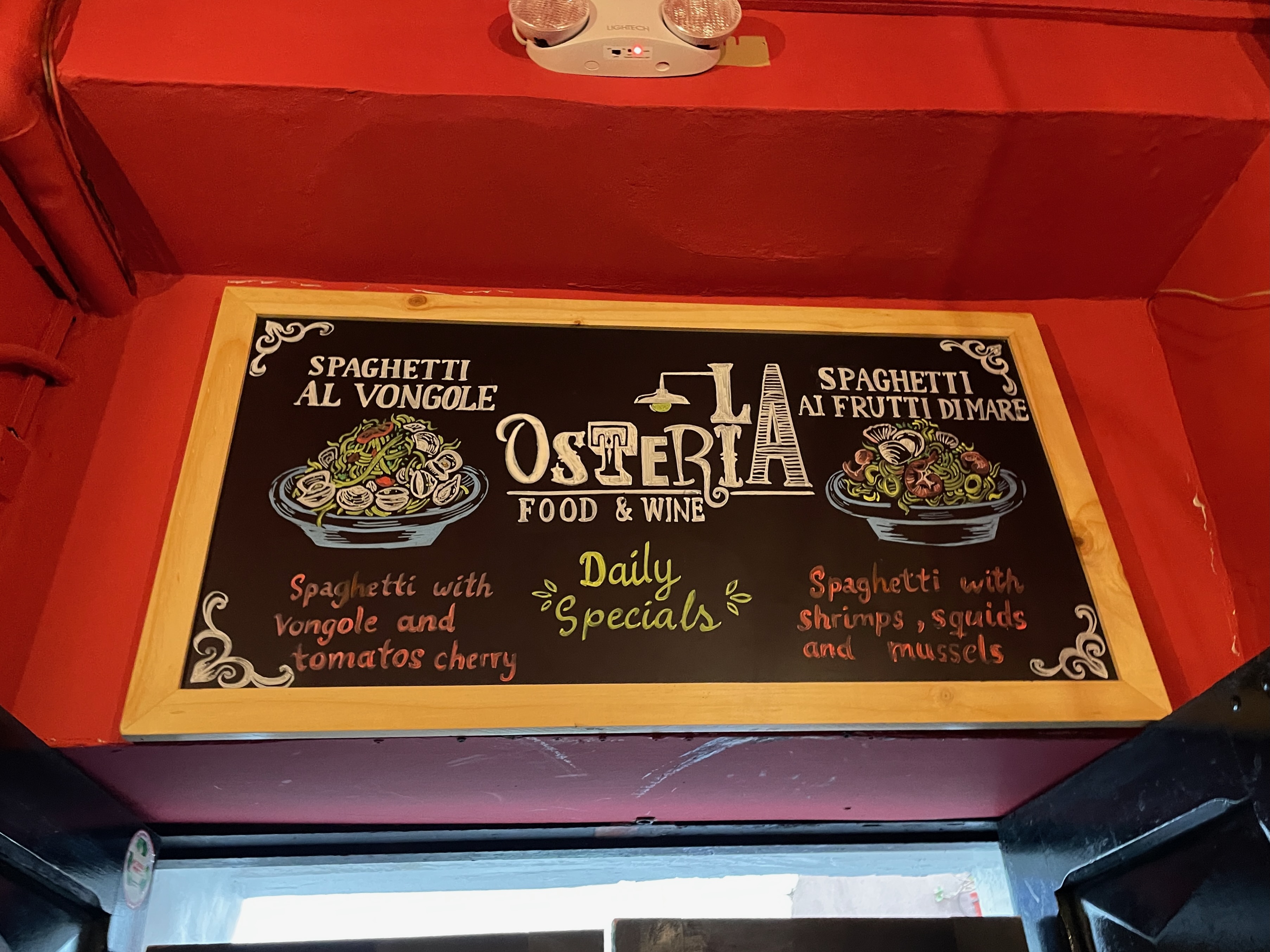
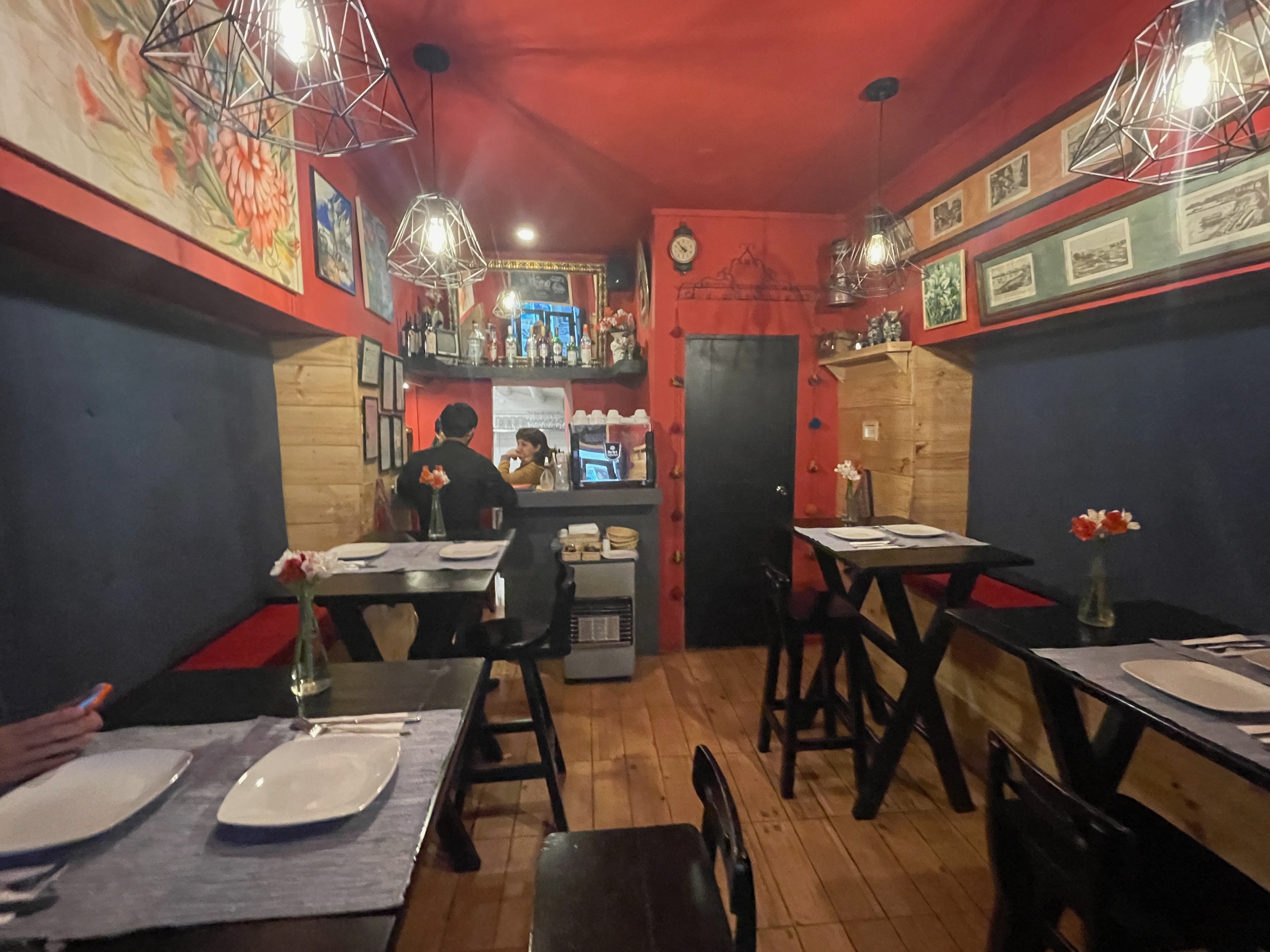
It arrived soon enough and along with it I enjoyed a Cusquena dark beer, slightly malty and just the thing to wash that delicious pizza down, so good we finished all of it without breaking a sweat. And again, thoroughly enjoyed paying the very reasonable tap of 70-Soles ($20). After dinner we walked back to the hotel and packed up, ready for our journey onward the next day, one step closer to Machu Picchu. We’ll see you all there in the next couple of posts.

Links
San Pedro Central Market: https://www.theonlyperuguide.com/peru-guide/cusco/highlights/san-pedro-market-2/
Pan Chuta: https://cuzcoeats.com/the-secret-of-chuta-bread-in-cusco/
Tika Sara: https://www.instagram.com/tikasararestaurant/
La Valeriana: https://www.facebook.com/LaValerianaBakeShop/
Coricancha Temple: https://www.peruhop.com/coricancha-sun-temple/
Cusco Cathedral: https://www.machutravelperu.com/blog/cathedral-cusco
La Osteria: https://restaurantguru.com/La-Osteria-Cusco
Discover more from 3jmann
Subscribe to get the latest posts sent to your email.


 3jmann