July 24
Although our driving time today would not be as lengthy as prior days, we would stay very busy visiting several sites, including the first of the day, a local jewelry maker high in the hills above Cusco. Operated by a local artist, we entered the shop through the ground floor garage and climbed to the second story where the artist discussed the types of rocks she uses in her pieces of art.
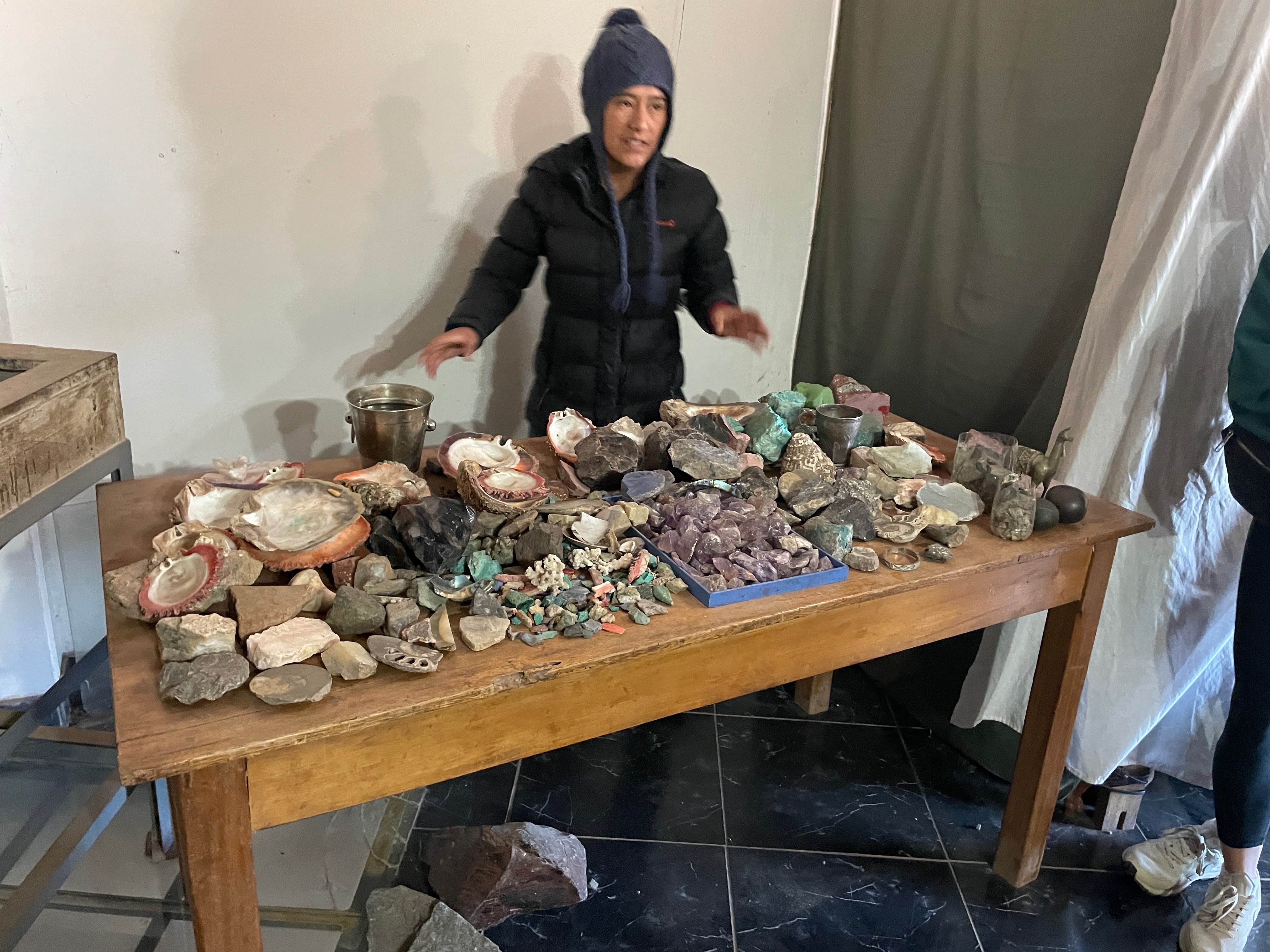
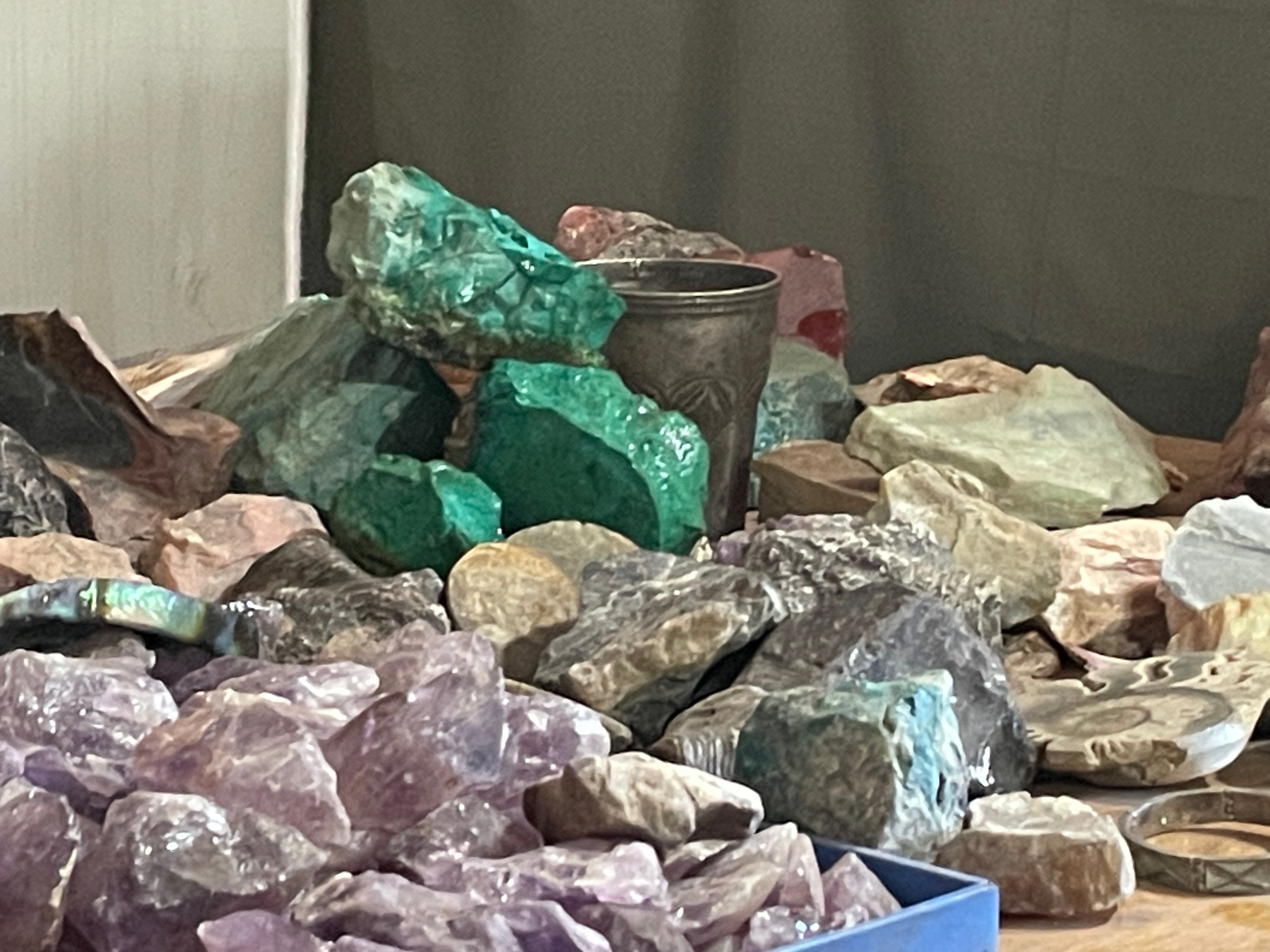
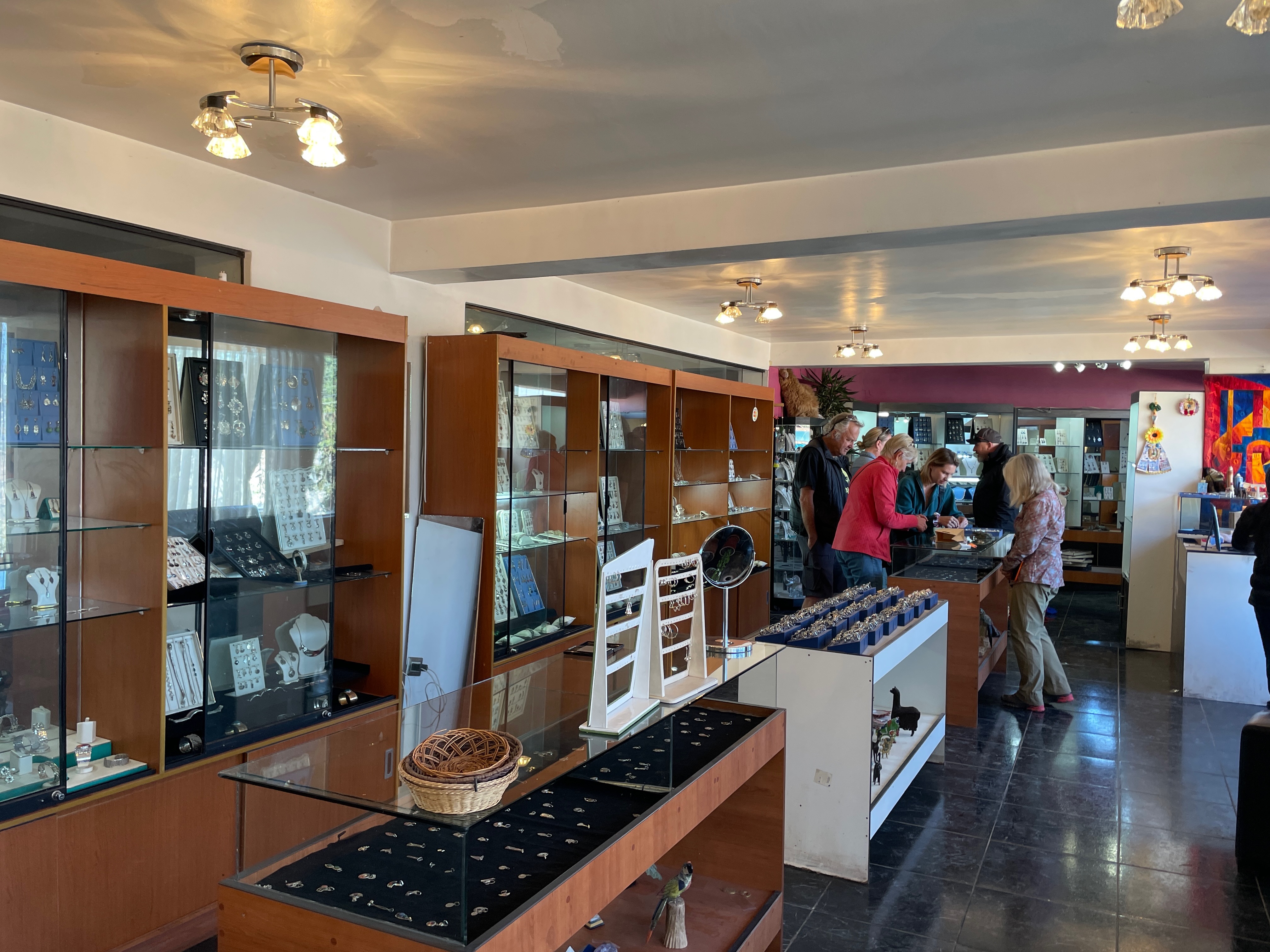
After this introduction we transitioned to the showroom, a large space with cases of beautiful sliver and gold casings containing finished pieces of the rocks we had seen earlier. My sister Bev loves the color green and so we picked out a pair of earrings encasing serpentine, delicate and lovely pieces that will suit her well.
We left the shop and without much delay, drove to and parked outside Sacsayhuamán, a citadel at an altitude of 12,142 feet that was built by the Incas in the 15th century, particularly under Sapa Inca Pachacuti and his successors. Dry stone walls constructed of huge stones were built on the site, with the workers carefully cutting the boulders to fit them together tightly without mortar. In 1983, the site was designated on the UNESCO World Heritage List, for international recognition and protection.
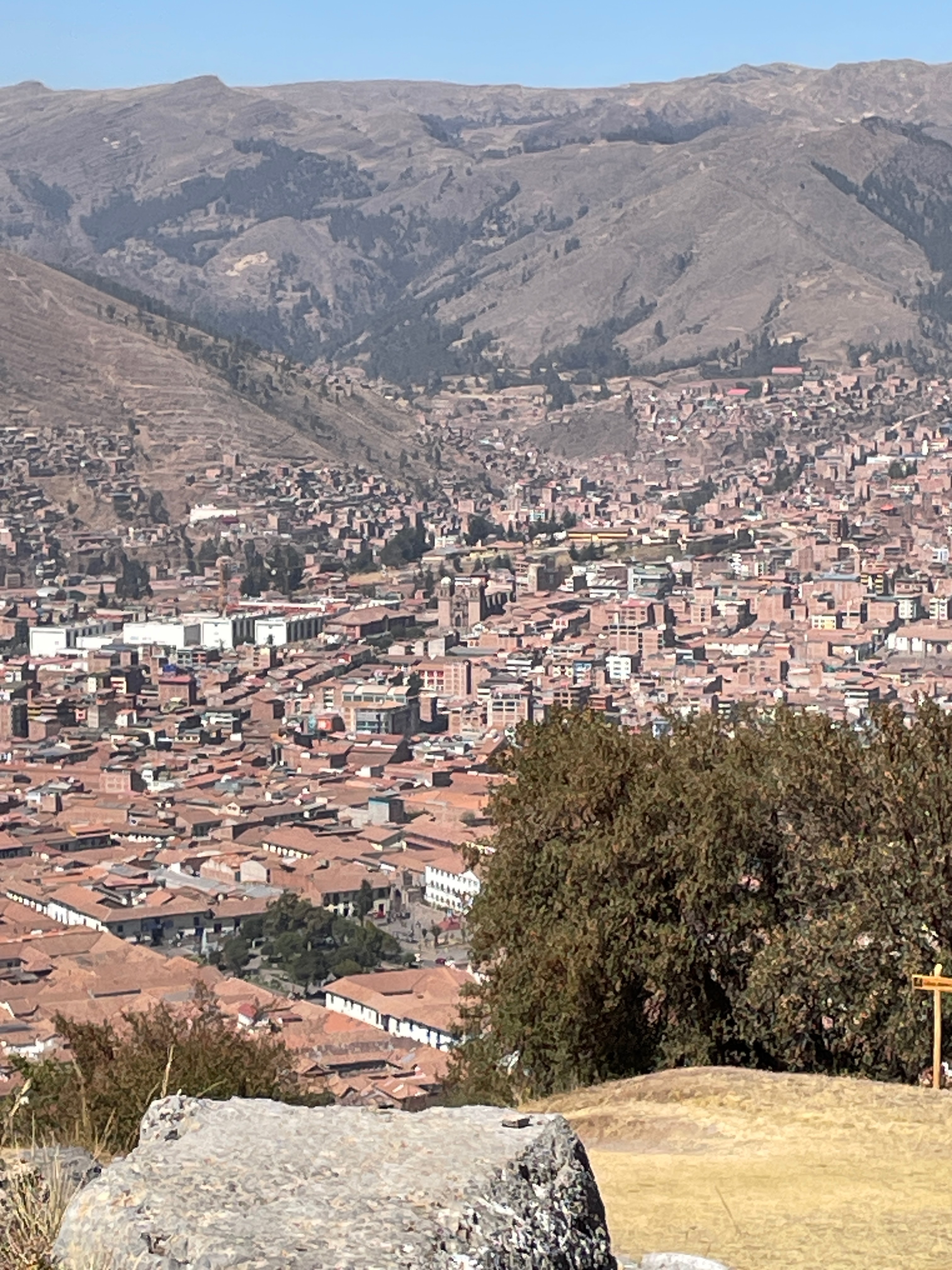
Located on a steep hill that overlooks the city, the fortified complex has a wide view of the valley to the southeast. Archeological studies of surface collections of pottery here indicate that the earliest occupation of the hilltop dates to about 900 CE (AD). The best-known zone of Sacsayhuamán includes its great plaza and its adjacent three massive terrace walls. The stones used in the construction of these terraces are among the largest used in any building in pre-Hispanic America.
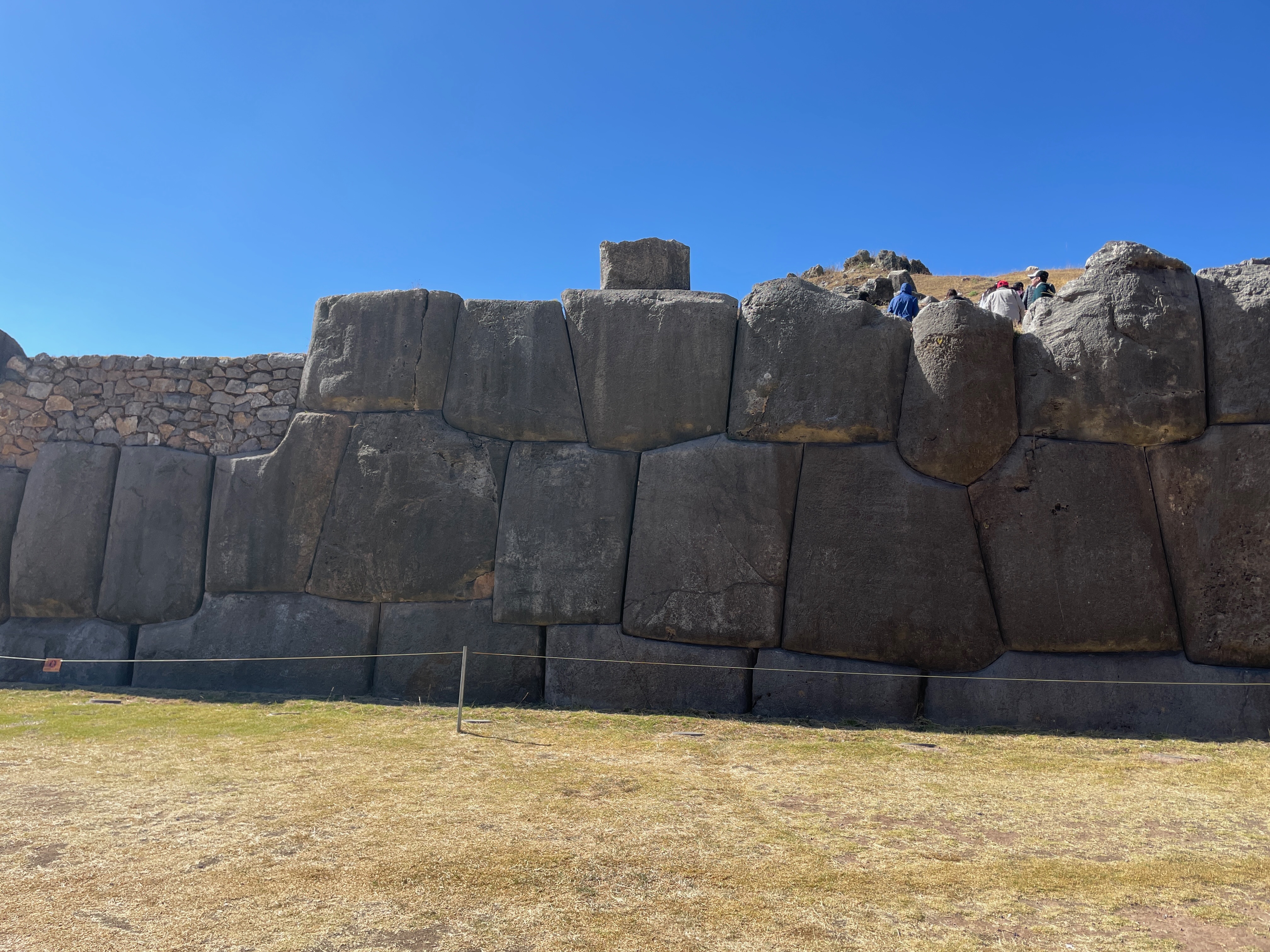
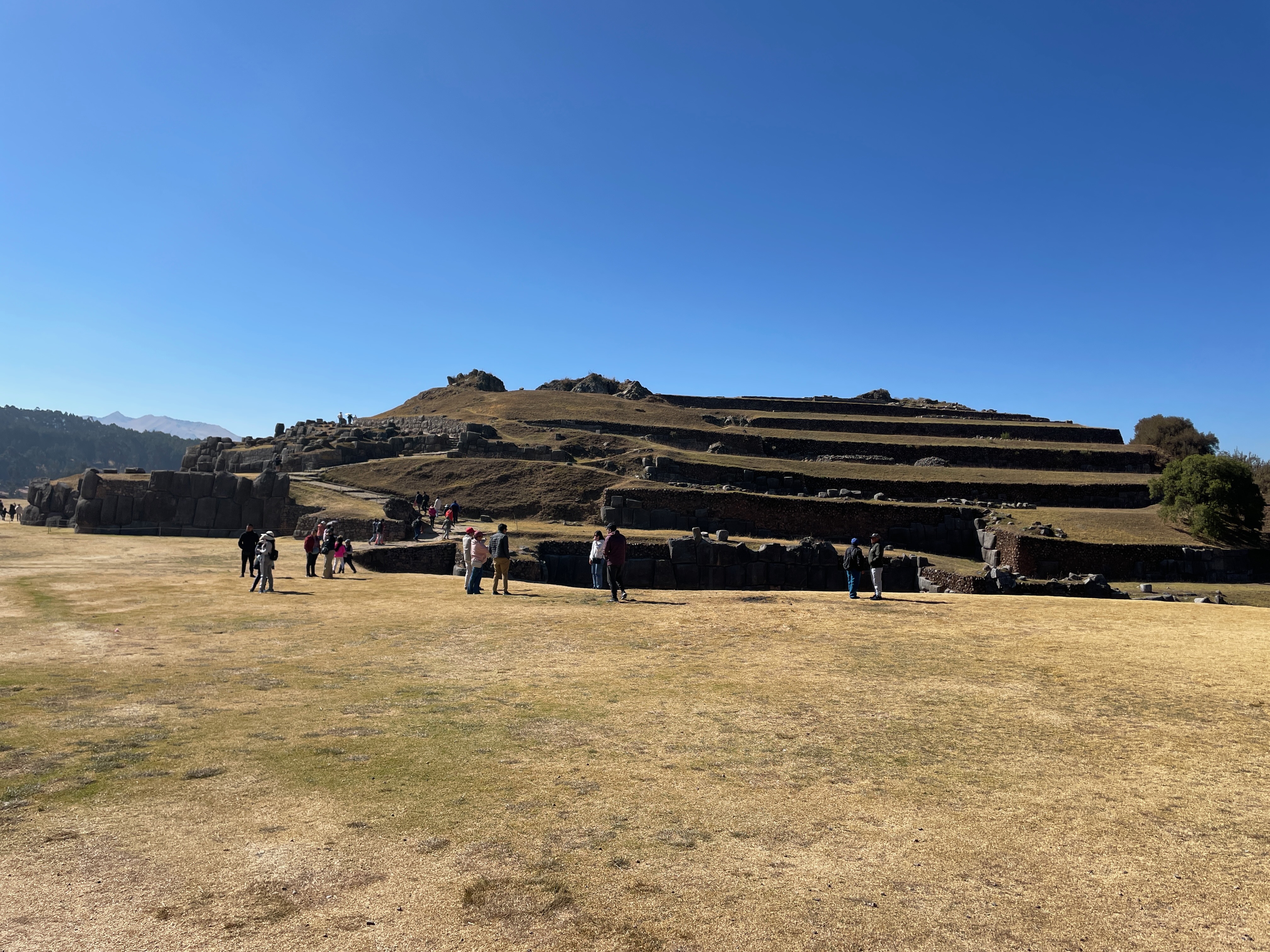
They display a precision of cutting and fitting that is unmatched in the Americas; the stones are so closely spaced that a single piece of paper will not fit between many of them. This precision, combined with the rounded corners of the blocks, the variety of their interlocking shapes, and the way the walls lean inward, is thought to have helped the ruins survive devastating earthquakes in Cuzco. The longest of the three walls is about 1,300 feet and they are about 20 feet tall. The estimated weight of the largest Limestone block varies from 141 tons to almost 220 tons. These stones were moved an estimated 22 miles from Rumicolca.
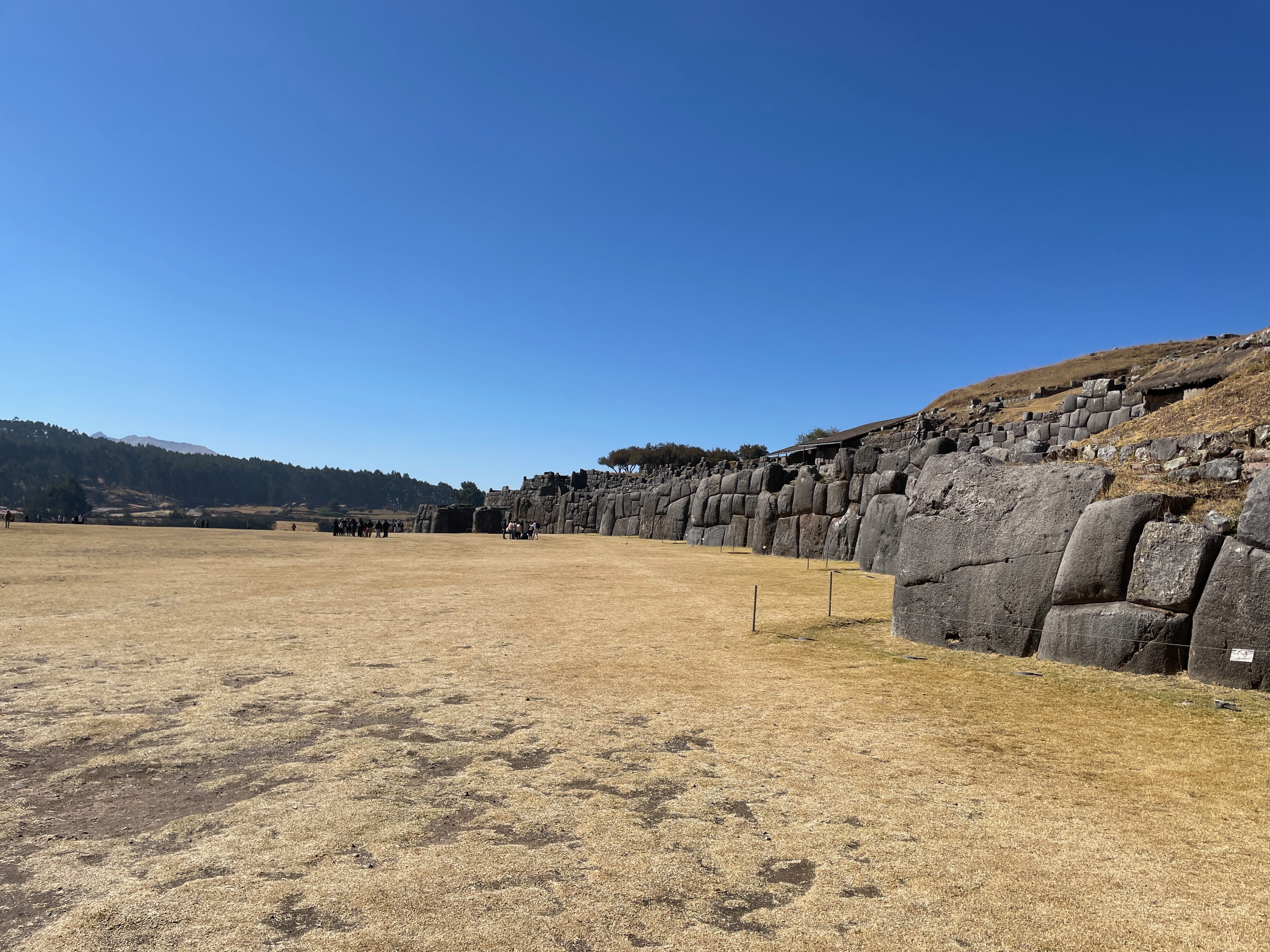
The large plaza, capable of holding thousands of people, was designed for communal ceremonial activities and several of the large structures at the site may also have been used during rituals. Following the siege of Cusco, the Spaniards began to use Sacsayhuamán as a source of stones for building Spanish Cuzco; within a few years, they had taken apart and demolished much of the complex. The site was destroyed block by block to salvage materials with which to build the new Spanish governmental and religious buildings of the colonial city, as well as the houses of the wealthiest Spaniards. Today, only the stones that were too large to be easily moved remain at the site.
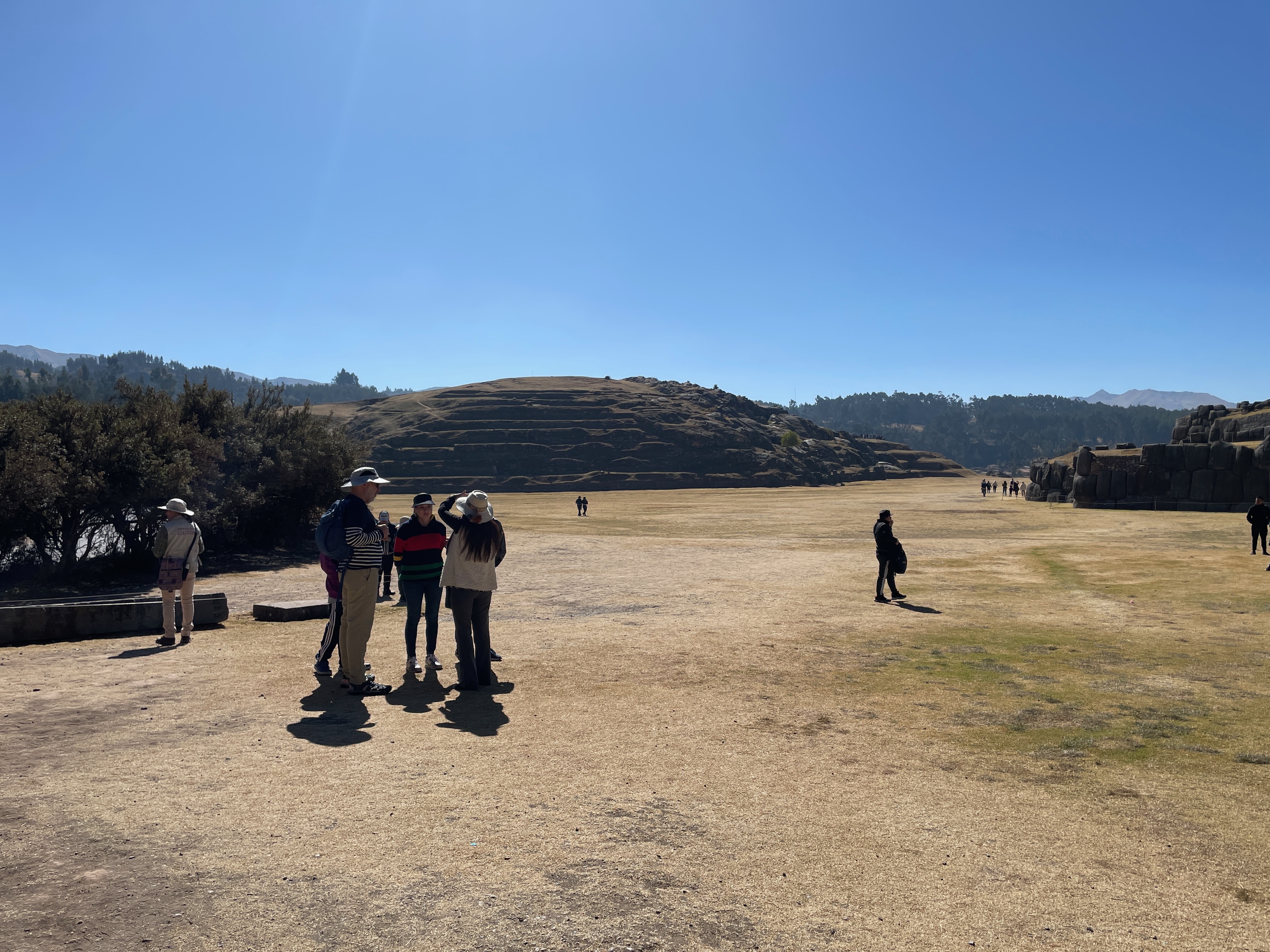
We finished our walk around the grounds and returning to the van, hit the road for another short ride to a shop specializing in goods made from the wool of Alpacas and Vicunas. Before entering the shop, we spent time meandering around multiple pens of said animals along with their relatives the Llamas.
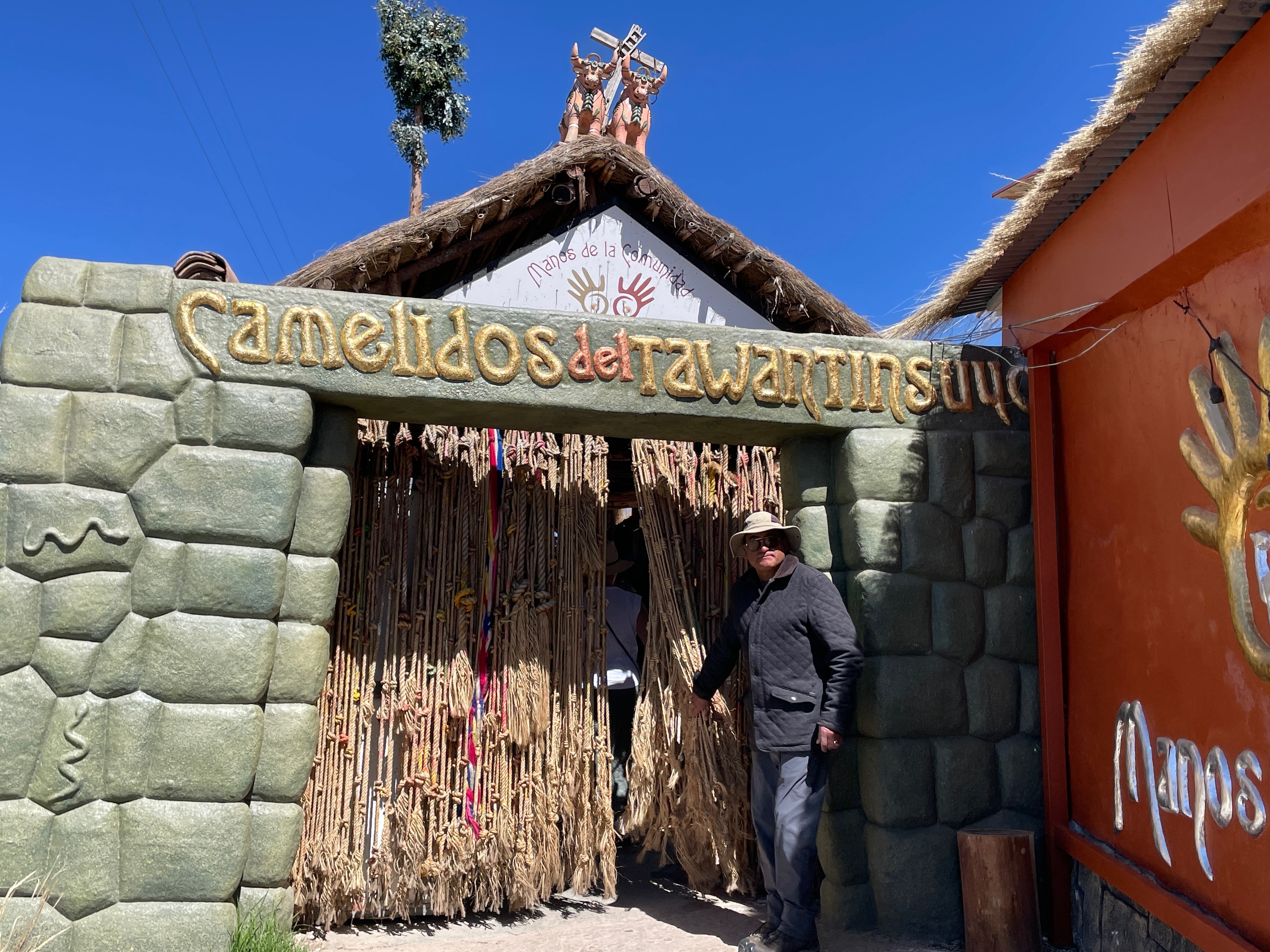
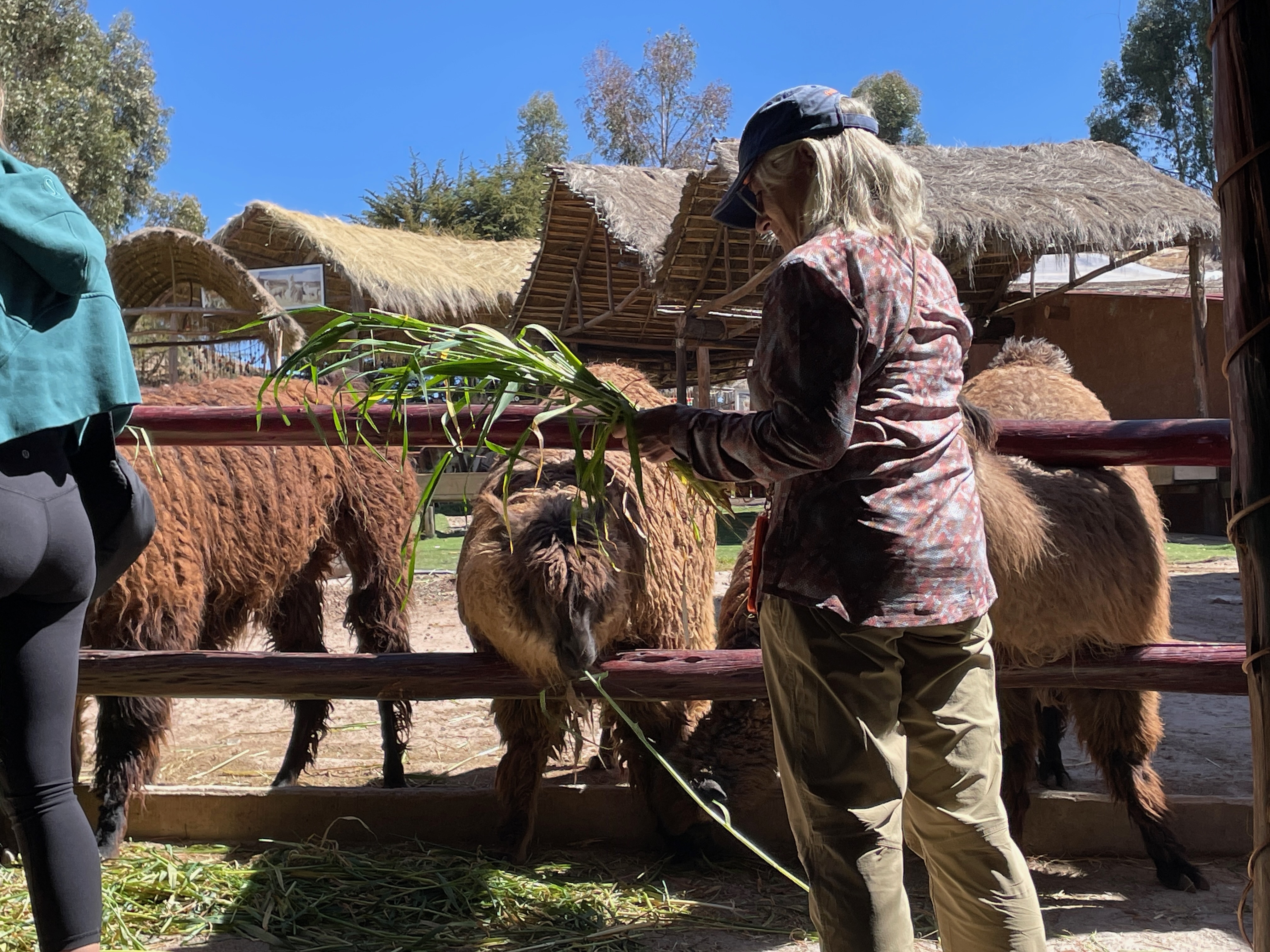
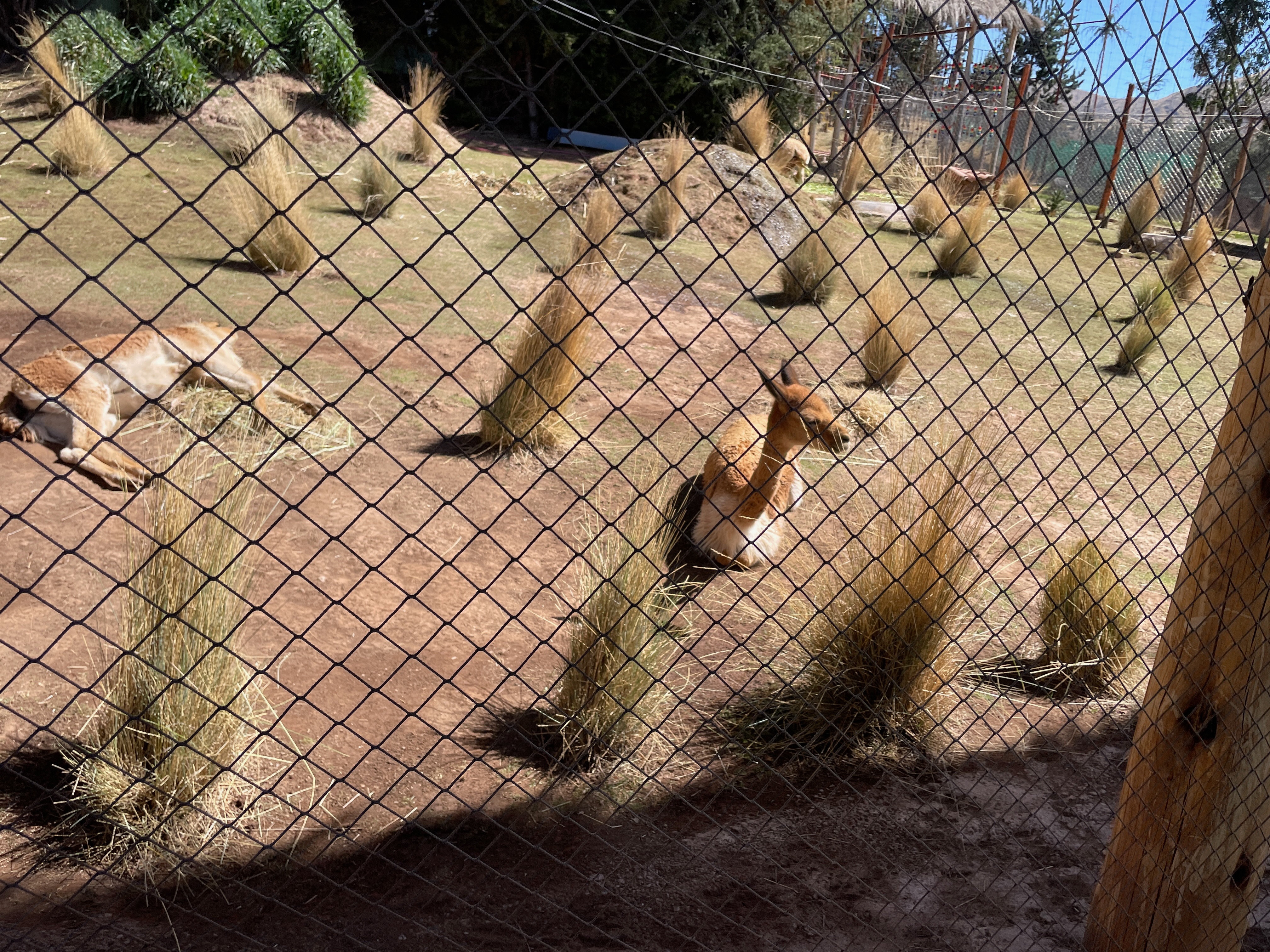
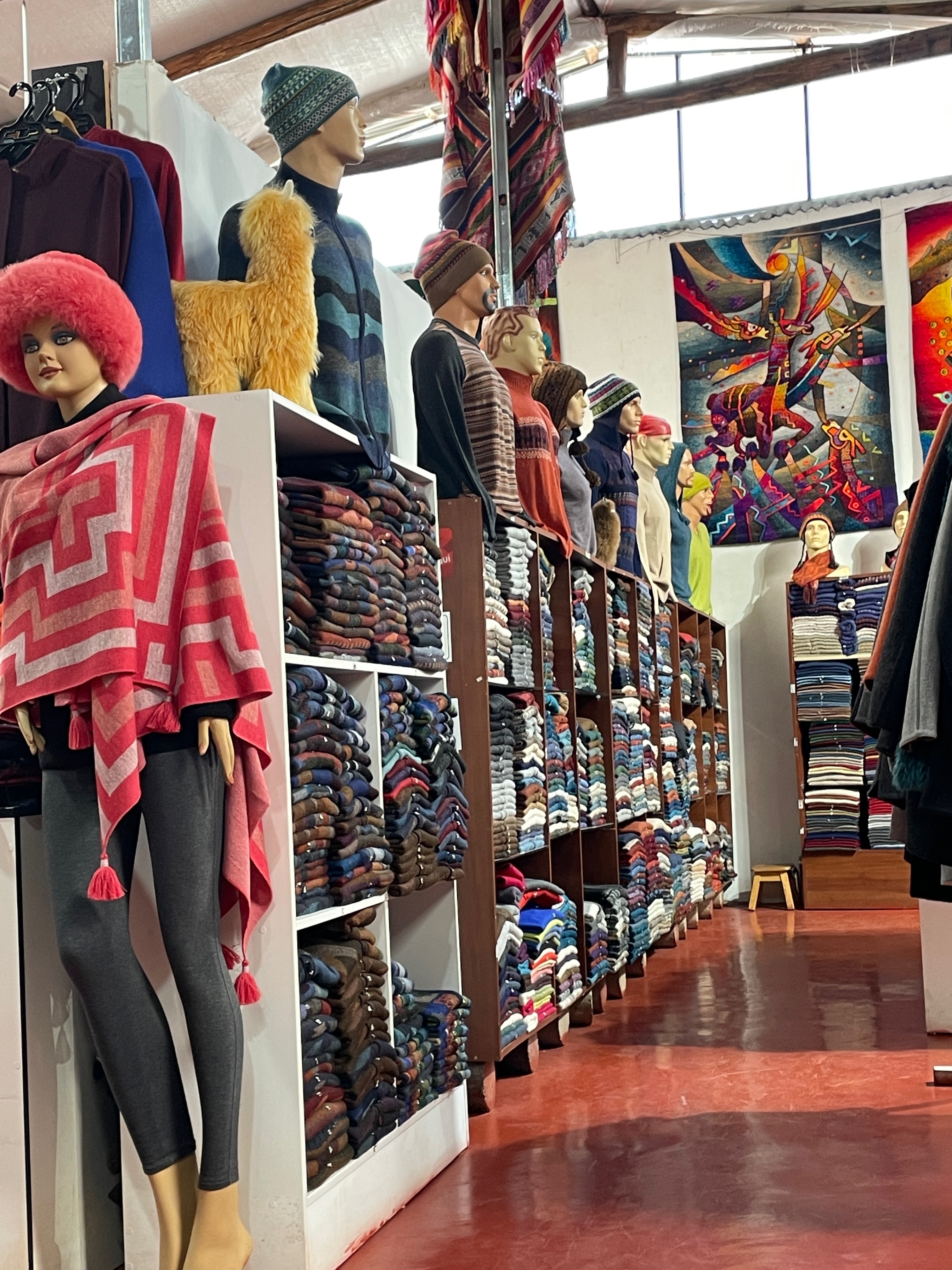
There were multiple opportunities to feed the always hungry critters and when finished with this activity, we were given ample time to peruse the shelves and racks full of sweaters, shirts, caps, jackets, and other clothing made from this finest of wools. We watched a demonstration by staff of the differences between real Alpaca and a polyester knock off. All one needs to do is rub the fabric and if it is cool to the touch, it is authentic and if not, chances are it is an artificial product. We didn’t purchase any items, but a couple of our fellow travelers enriched their wardrobes with some nice stuff.
Back in the van, we made our way to the fertile Sacred Valley, irrigated by the Urubamba River. Settled and utilized by several civilizations, (Chanapata, Qotacalla, Killke, and Incan) from 800 BCE to 1420 and the arrival of the Spanish, the intensely cultivated valley floor is about 0.62 miles wide on average and its side valleys and agricultural terraces (andenes) expand the cultivatable area.
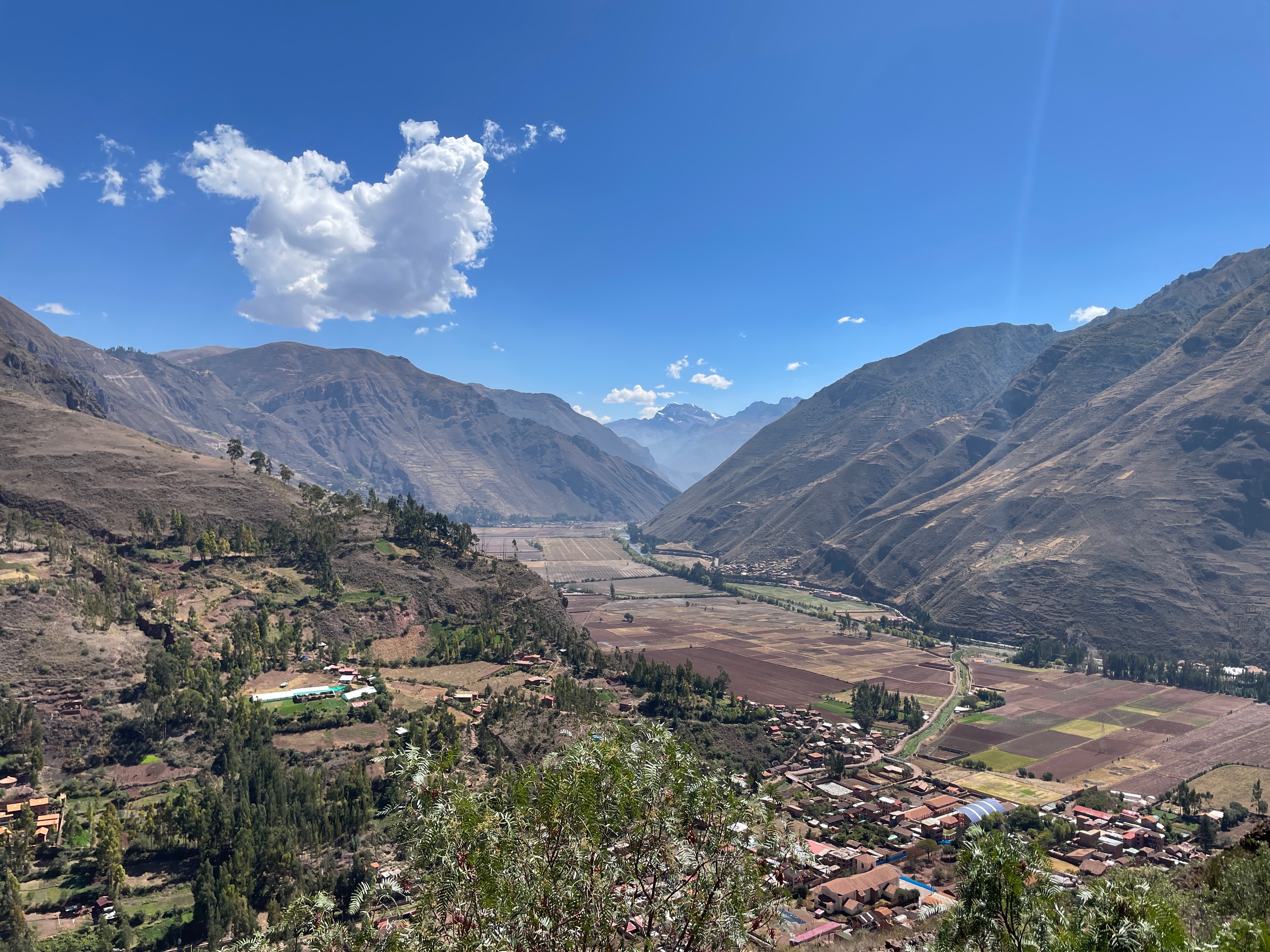
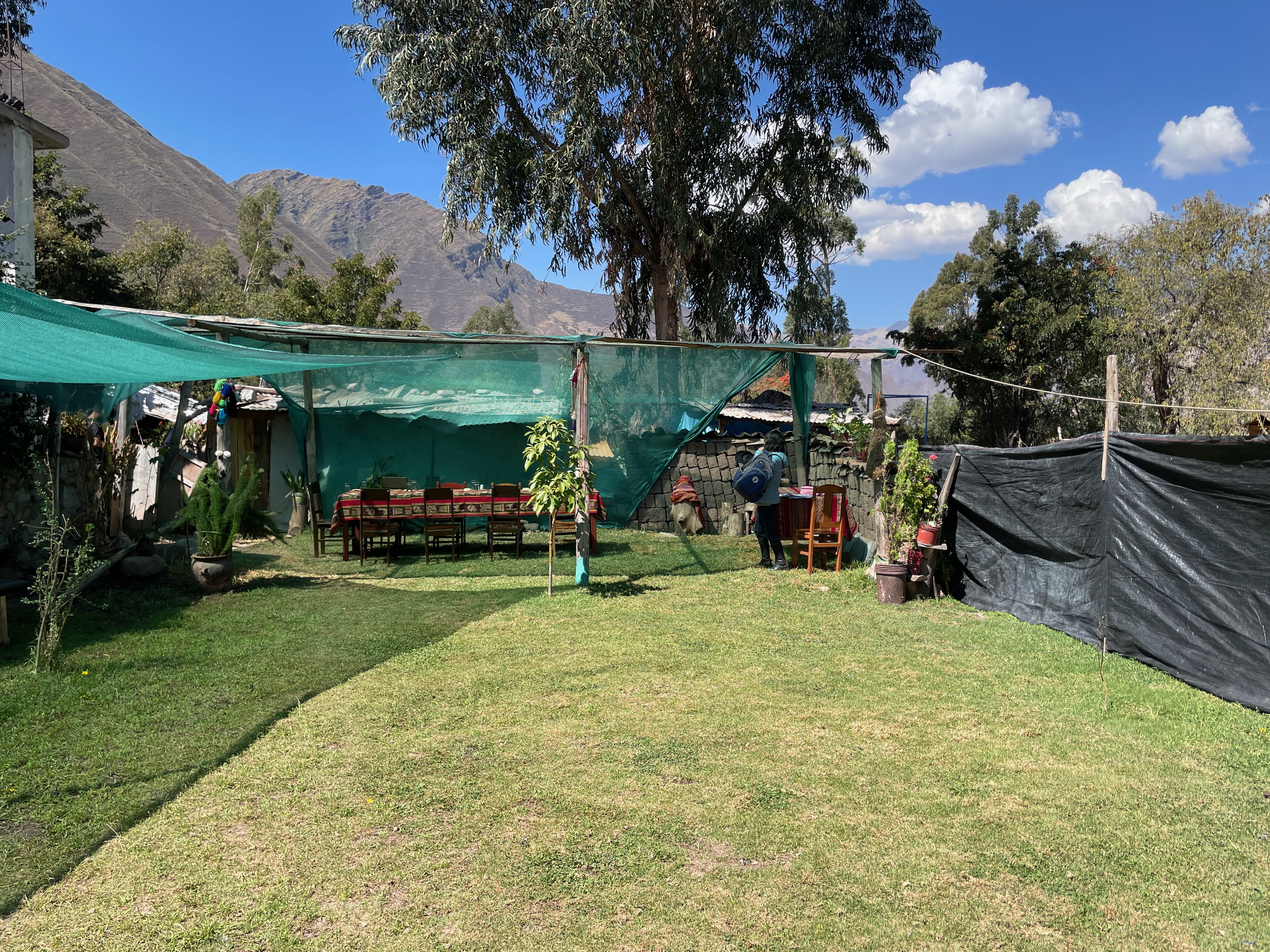
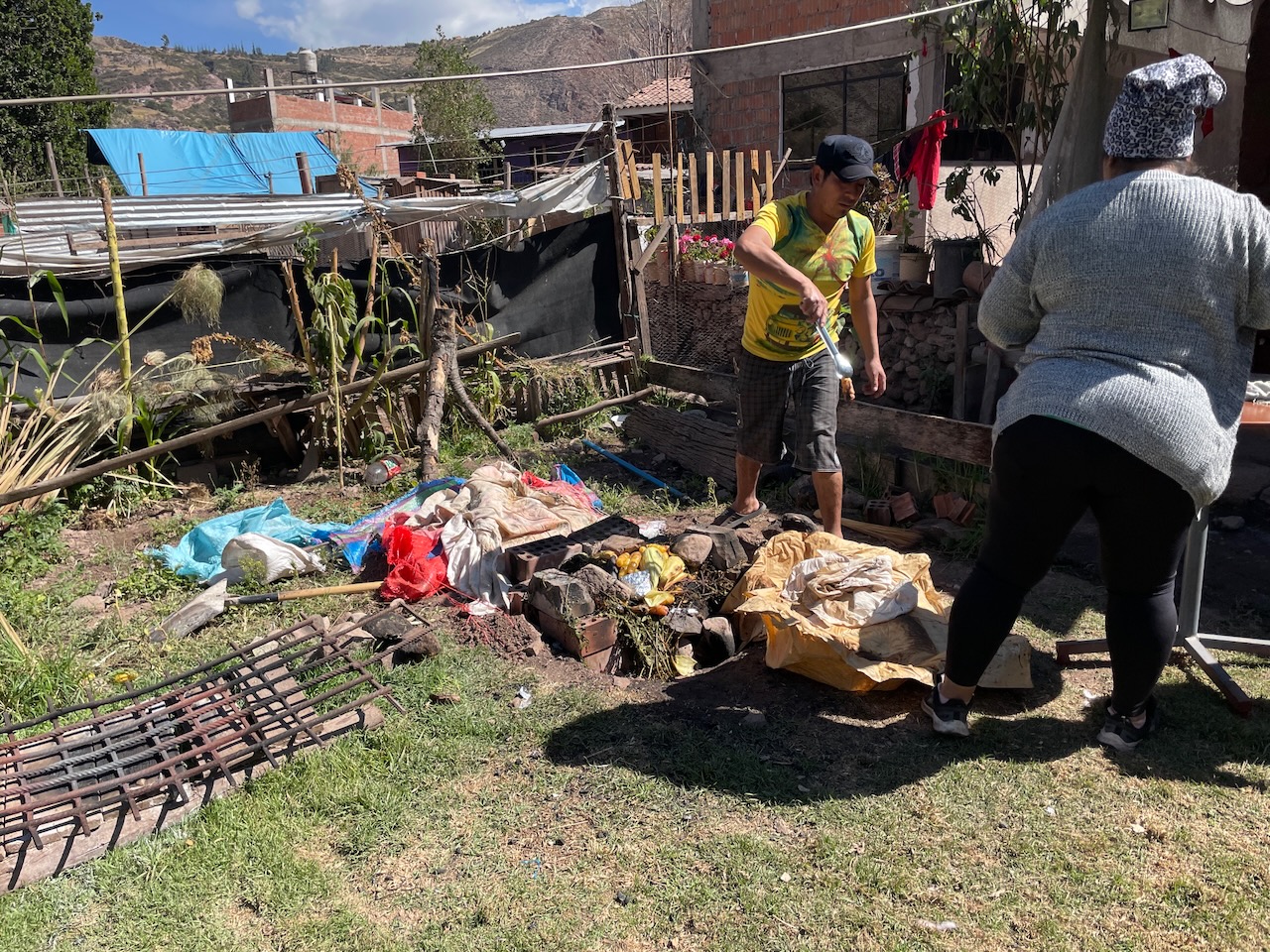
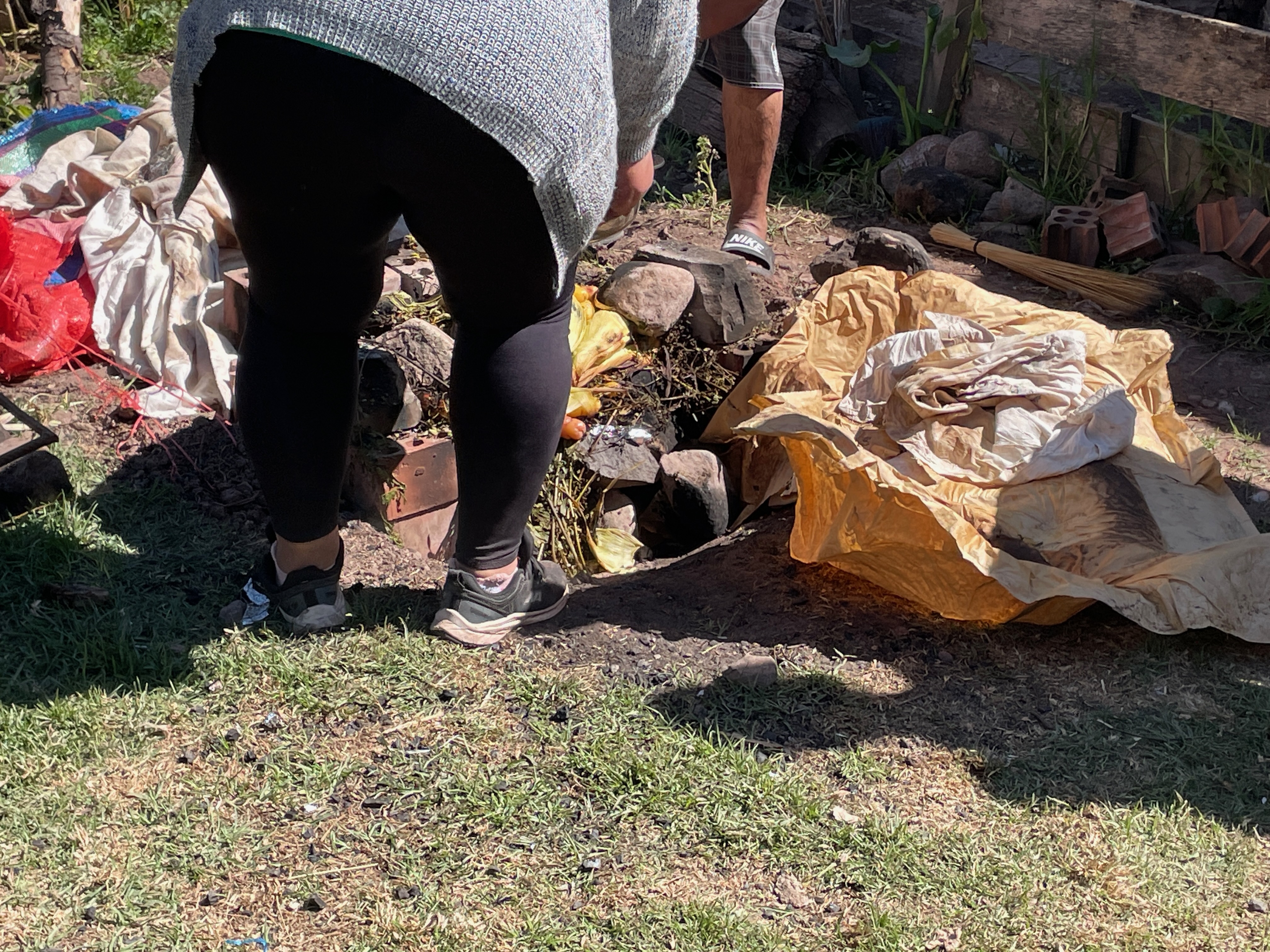
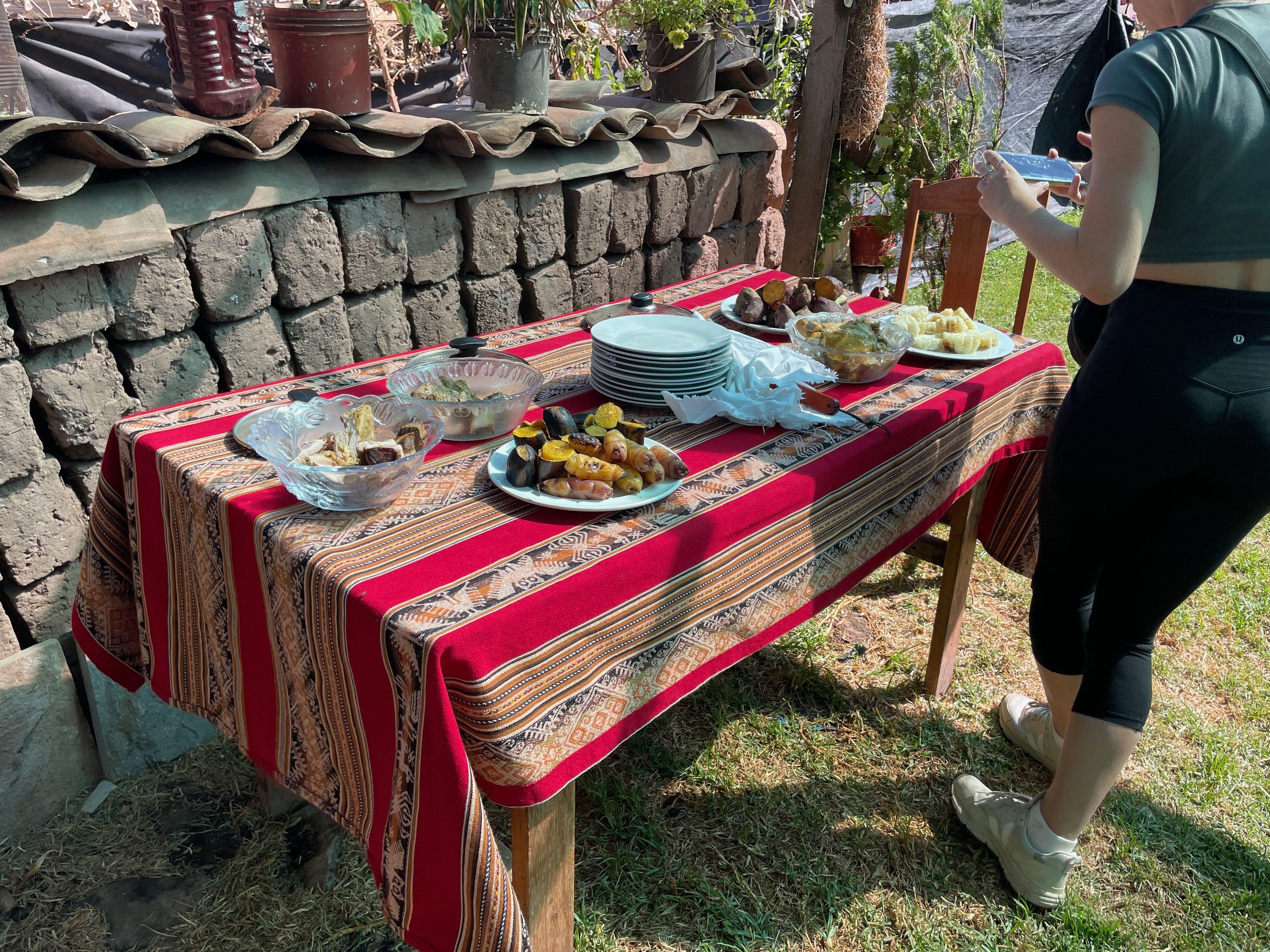
The Sacred Valley was the most important area for maize production in the heartland of the Inca Empire and access through the valley to tropical areas facilitated the import of products such as coca leaf and chili peppers to Cuzco. Soon enough we arrived at our lunch stop, an in-home experience with a local family that would center around the meal being cooked in a small outdoor pit. We had two of these on our Nile River trip with Intrepid and find it to be a nice way to see inside the lives of the citizens of the country one is visiting.
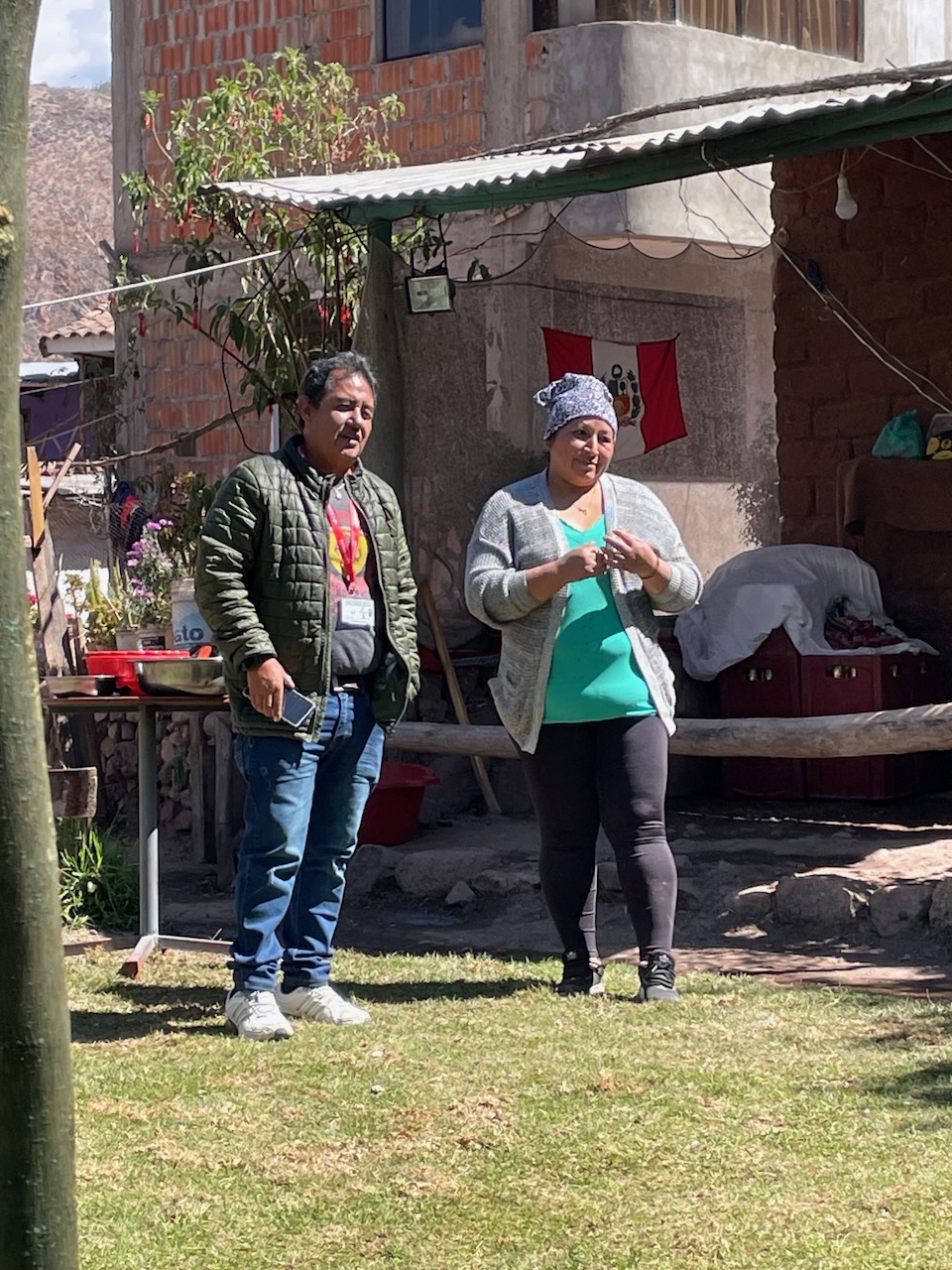
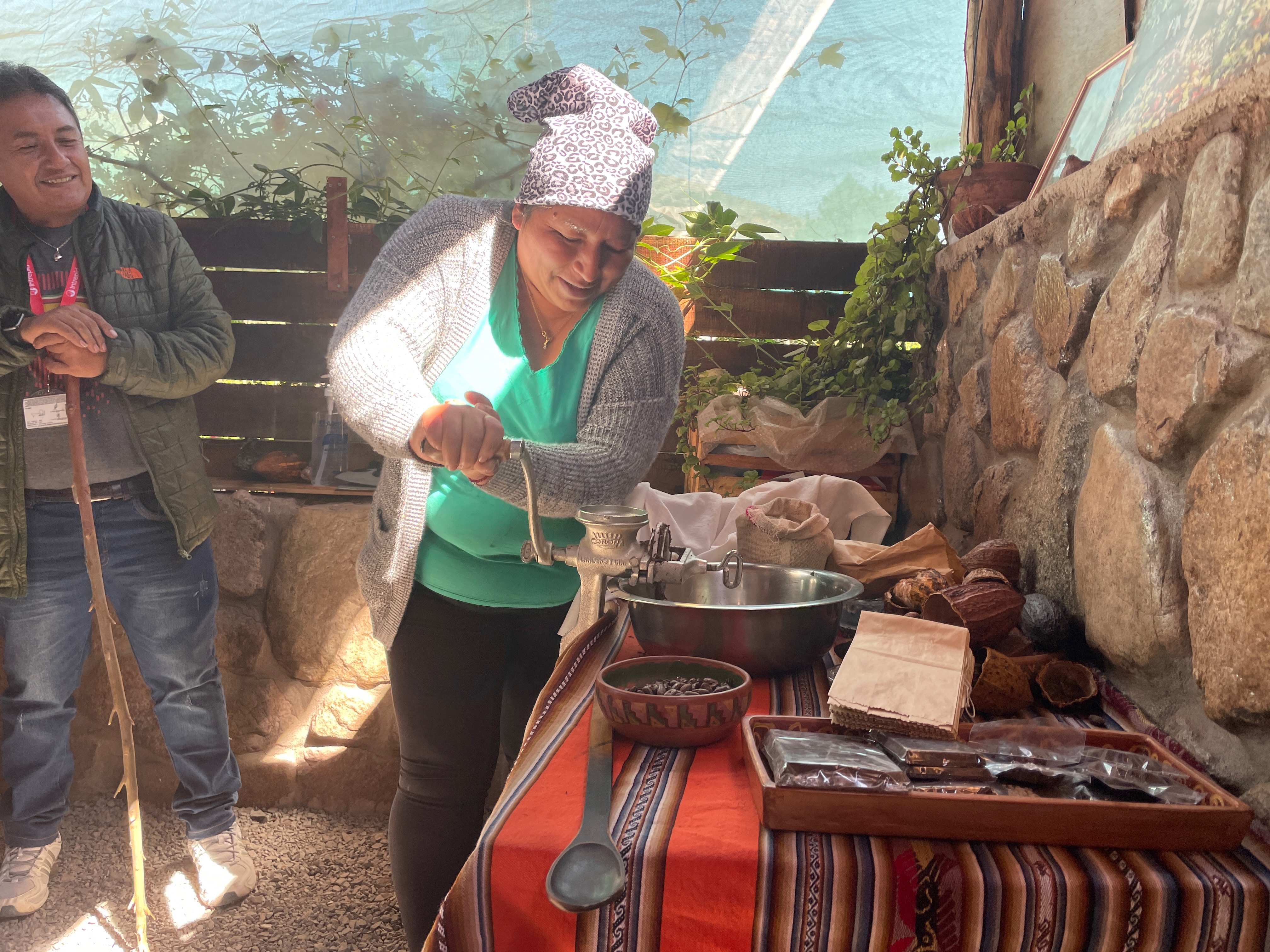
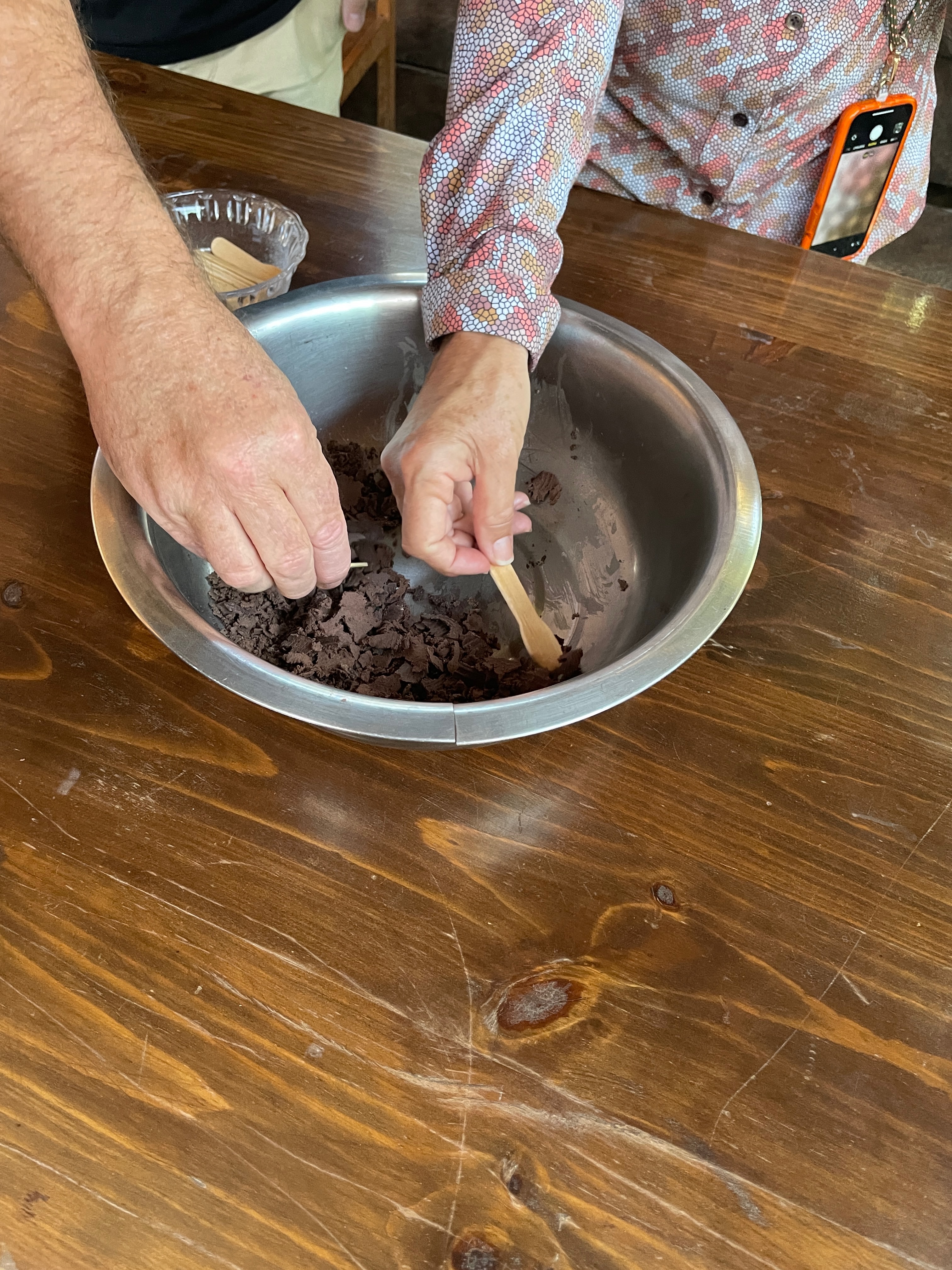
As lunch wasn’t quite ready yet, we walked around the end of the backyard to a covered patio where the family also operates a chocolate making concern and there, we watched the owner’s sister grind some cocoa beans, which we tasted and subsequently bought a bar or two of the finished products ourselves. We found the taste to be pure, but a little too bitter for my preference. By this time lunch was ready and we seated ourselves under shade after selecting our food from a buffet style setting, enjoying the chicken, yams, and other local roots, a peek at what one might eat if they lived here.
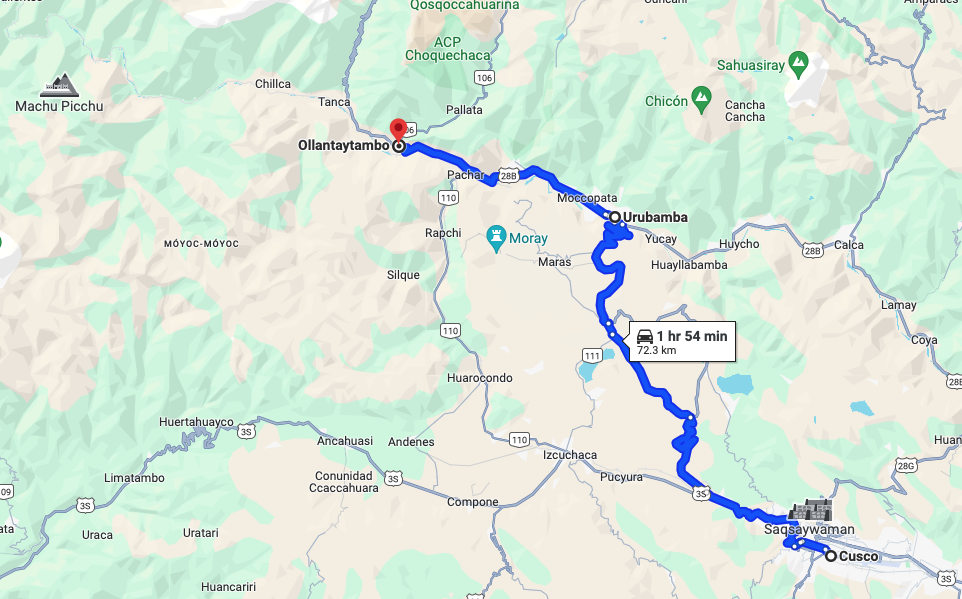
We wrapped up lunch and continued on our way not much further down the road and made a stop in Urubamba to enjoy coffee and a snack at AMA Sacred Valley, a local organization that provides training and job opportunities to the vulnerable populations of the Sacred Valley. We’ll continue there and onward towards Machu Picchu in our next post.
Links
Sacsayhuamán: https://www.worldhistory.org/Sacsayhuaman/
AMA Sacred Valley: https://amasacredvalley.com/
Discover more from 3jmann
Subscribe to get the latest posts sent to your email.


 3jmann