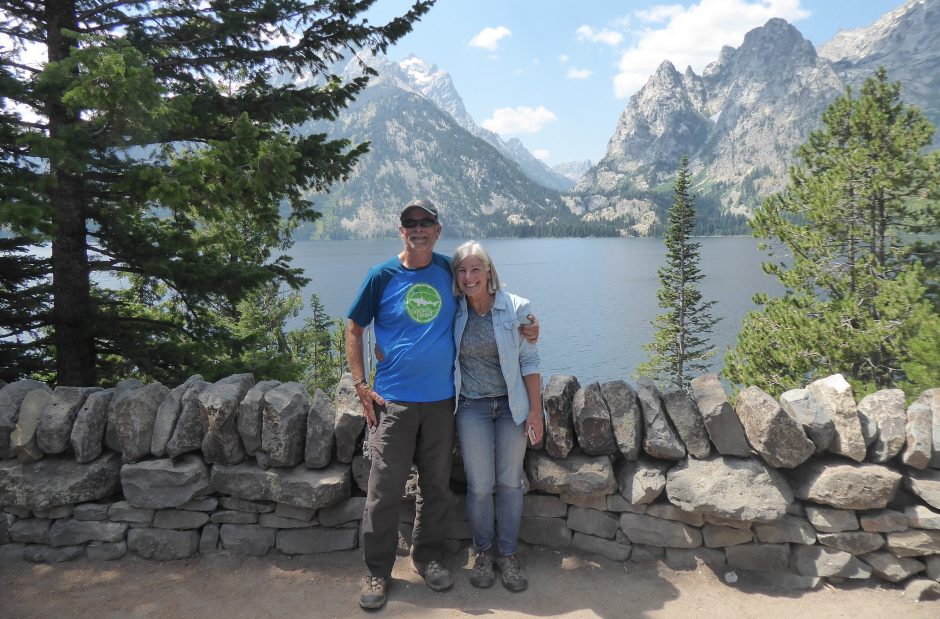
January 2 – 4, 2024
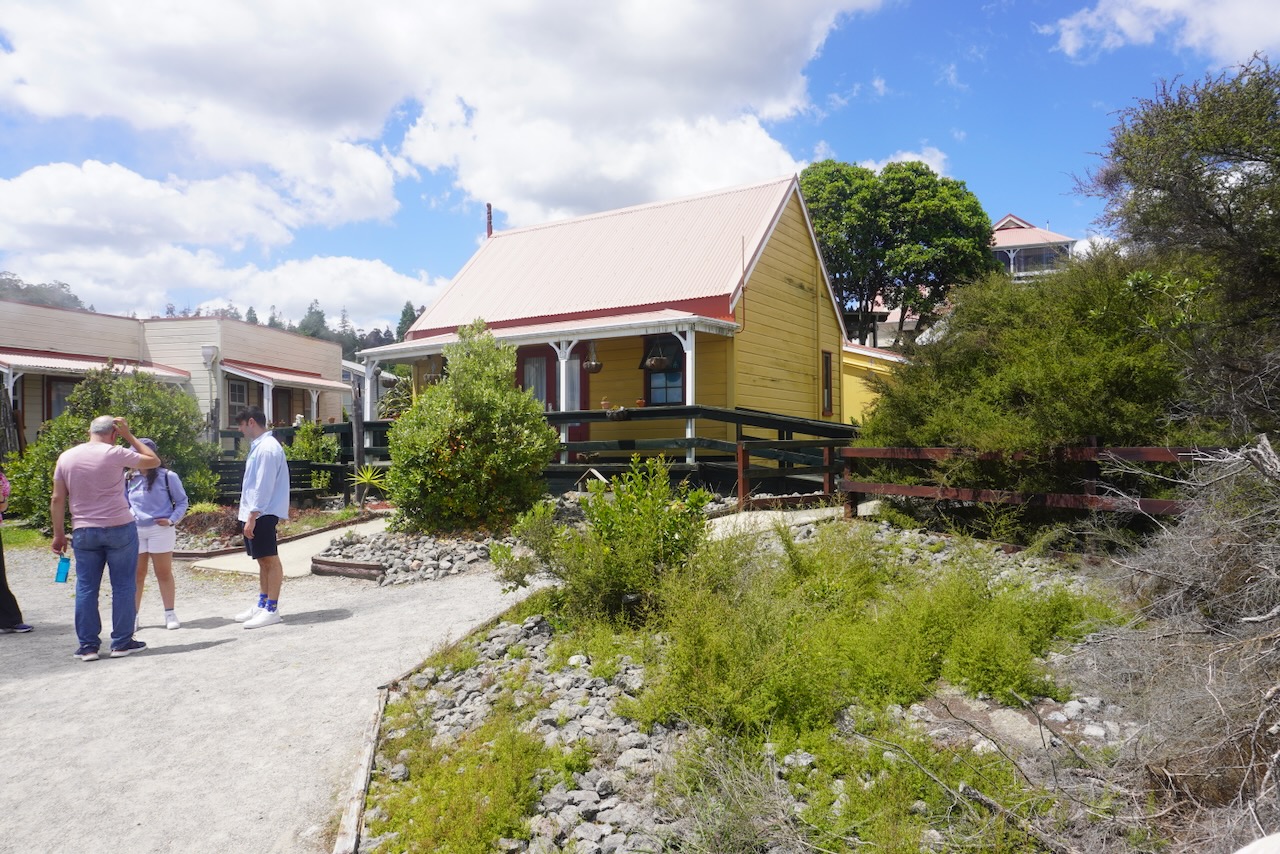
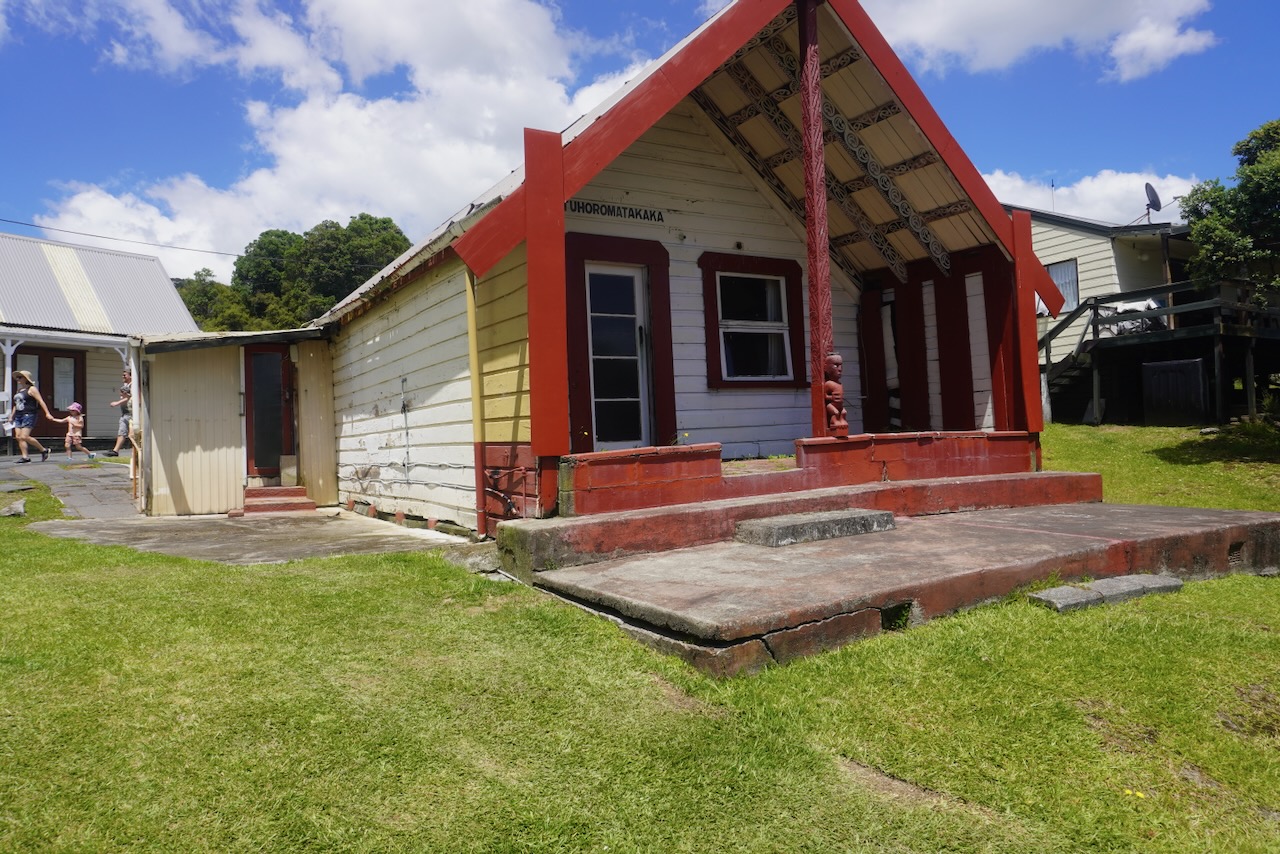
We finished up at the Redwood Grove and motored a short distance to the Living Village. It is a semi-rural geothermal area in the Taupō Volcanic Zone that was the site of the Māori fortress of Te Puia, first occupied around 1325, and known as an impenetrable stronghold never taken in battle. Māori have lived here ever since, taking full advantage of the geothermal activity in the valley for heating and cooking. Its statistical area covers 1.27 square miles and had an estimated population of 880 as of June 2023.
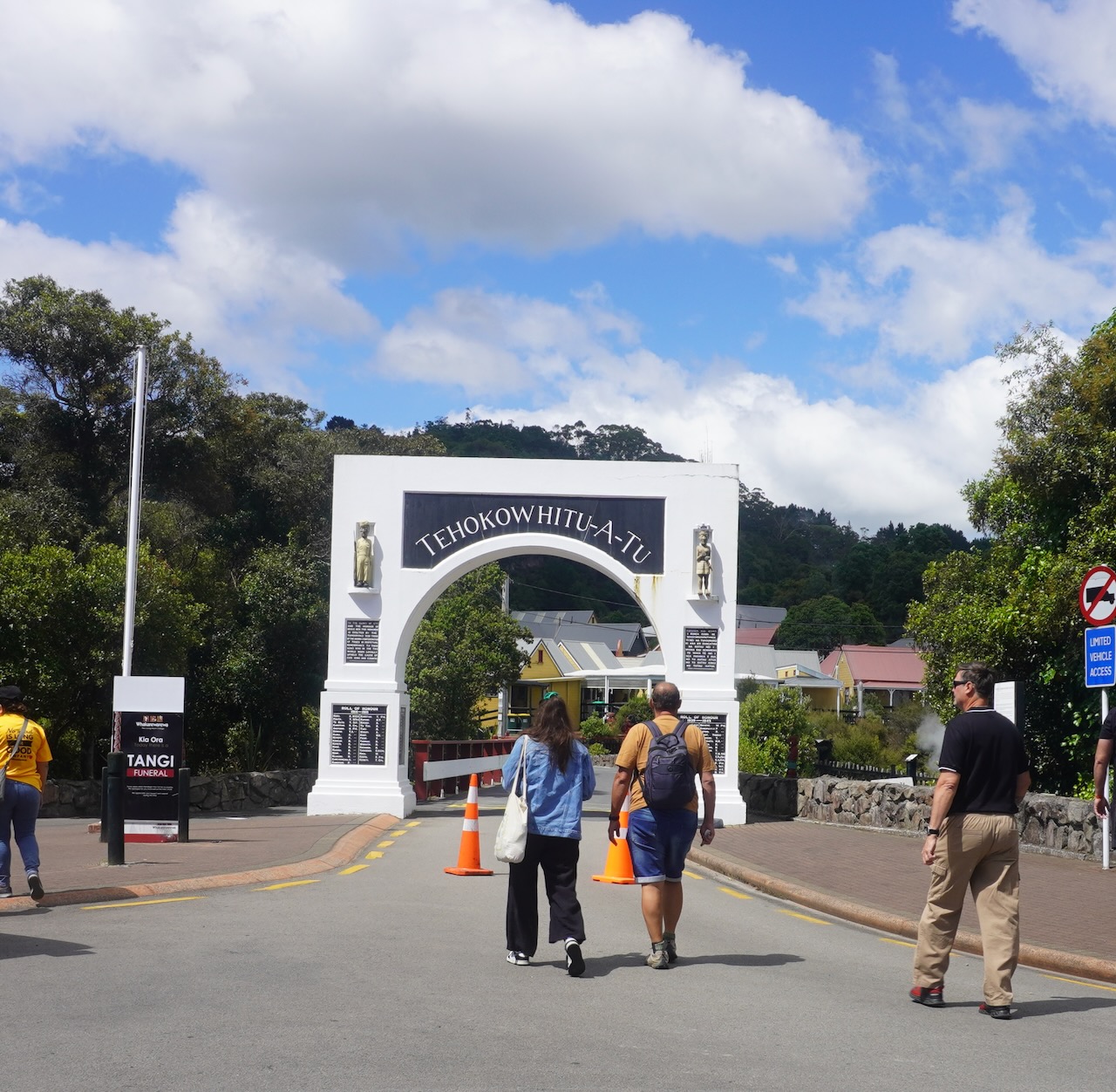
Whakarewarewa has some 500 pools, most of which are alkaline chloride hot springs, and at least 65 geyser vents, each with their own name. Seven geysers are currently active. Pohutu Geyser, meaning big splash or explosion, erupts approximately hourly to heights of up to 98 feet.
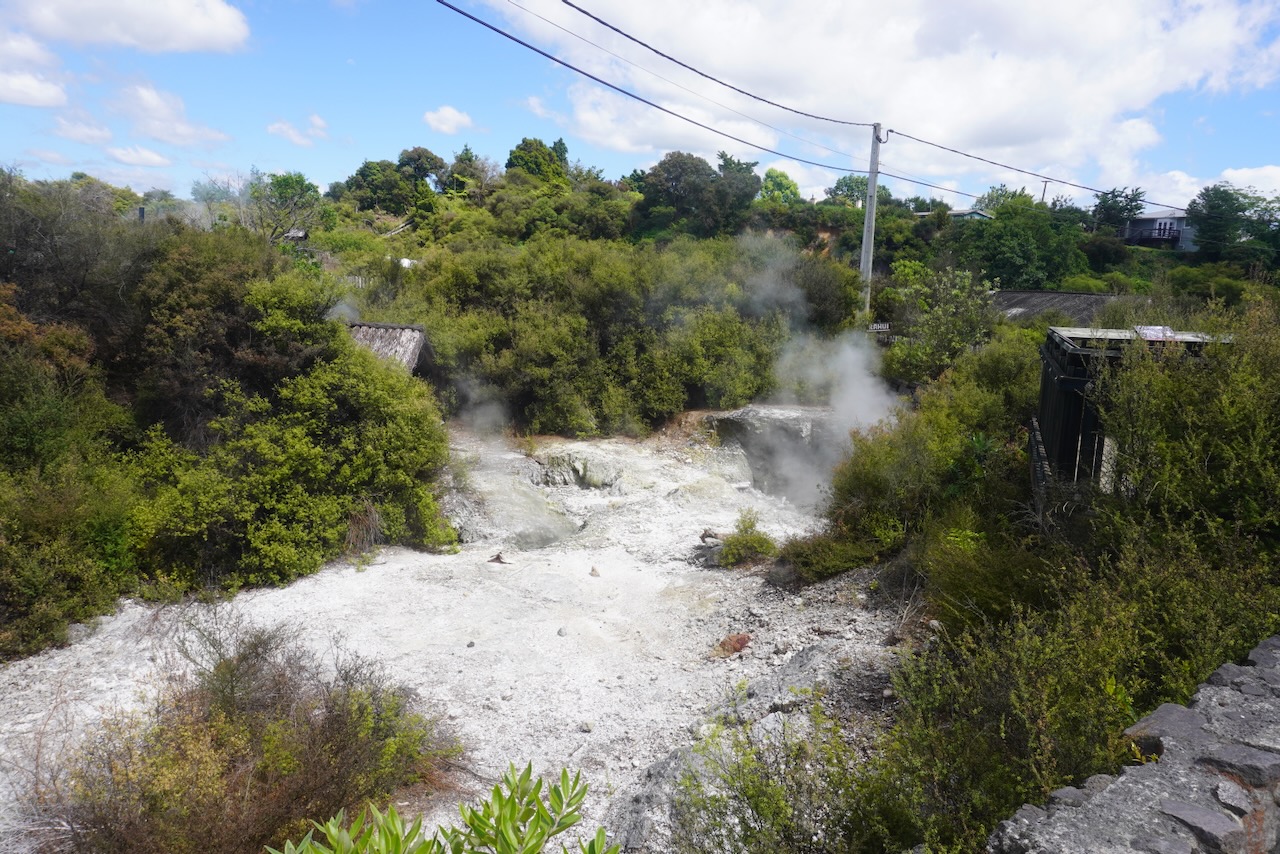
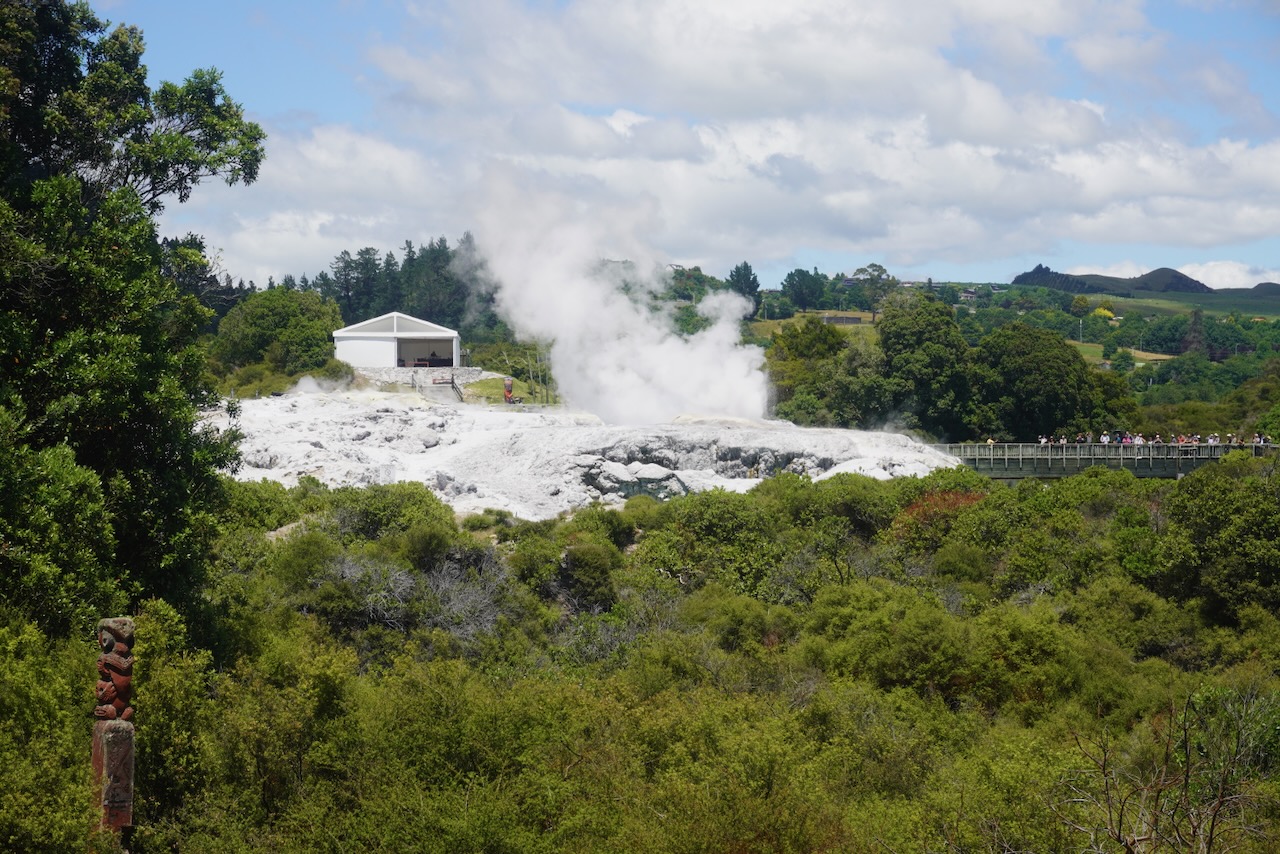
Upon our arrival, we were met by our guide, who still lives on site in the village and is a descendant from those who guided at the world-famous Pink and White Terraces prior to the eruption in 1886. During our time with her, we learned much about their culture and how they live today in the modern world. Today, 21 families live in Whakarewarewa and continue to utilize the same geothermal resource as their ancestors for cooking, heating, and bathing. They also carry on the legacy of their predecessors, who pioneered tourism in New Zealand, by welcoming visitors into their home and sharing their lives on a daily basis.
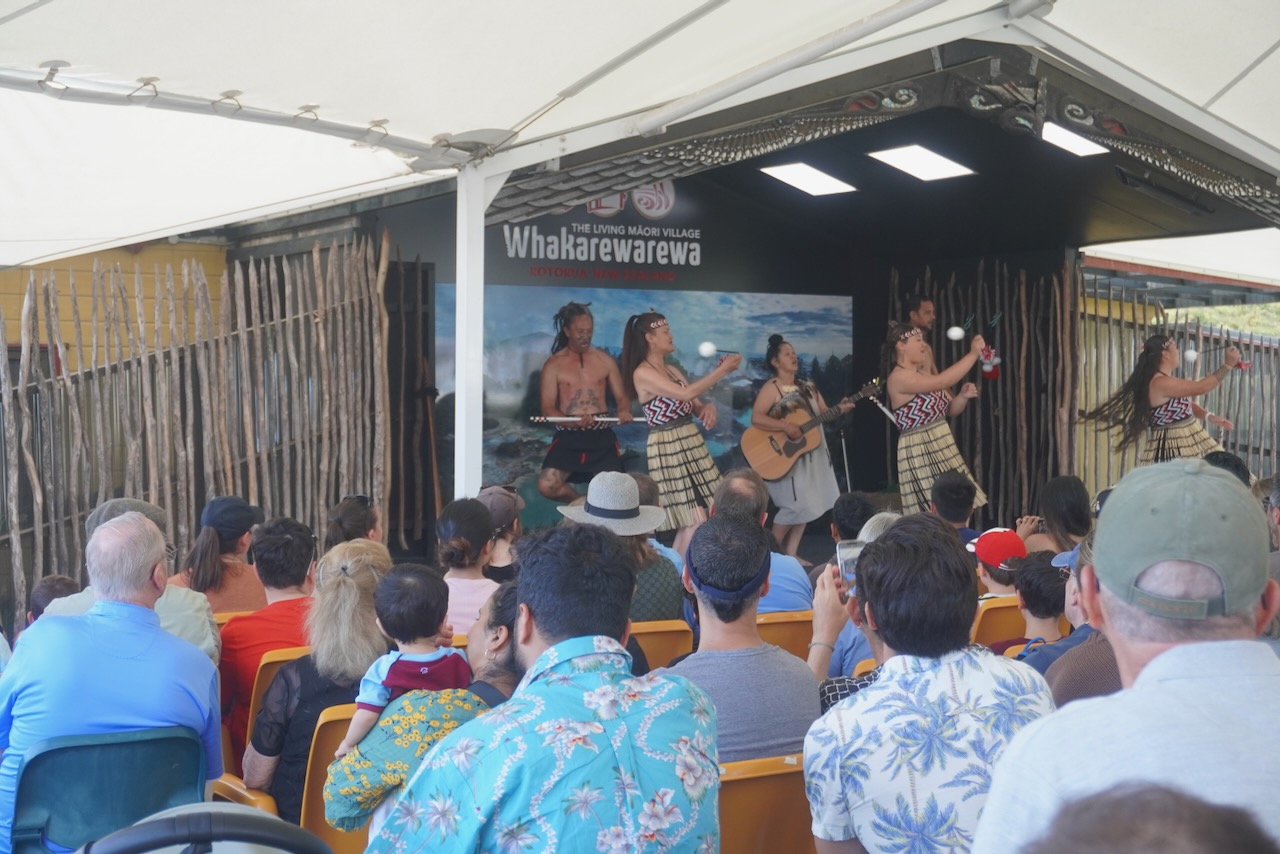
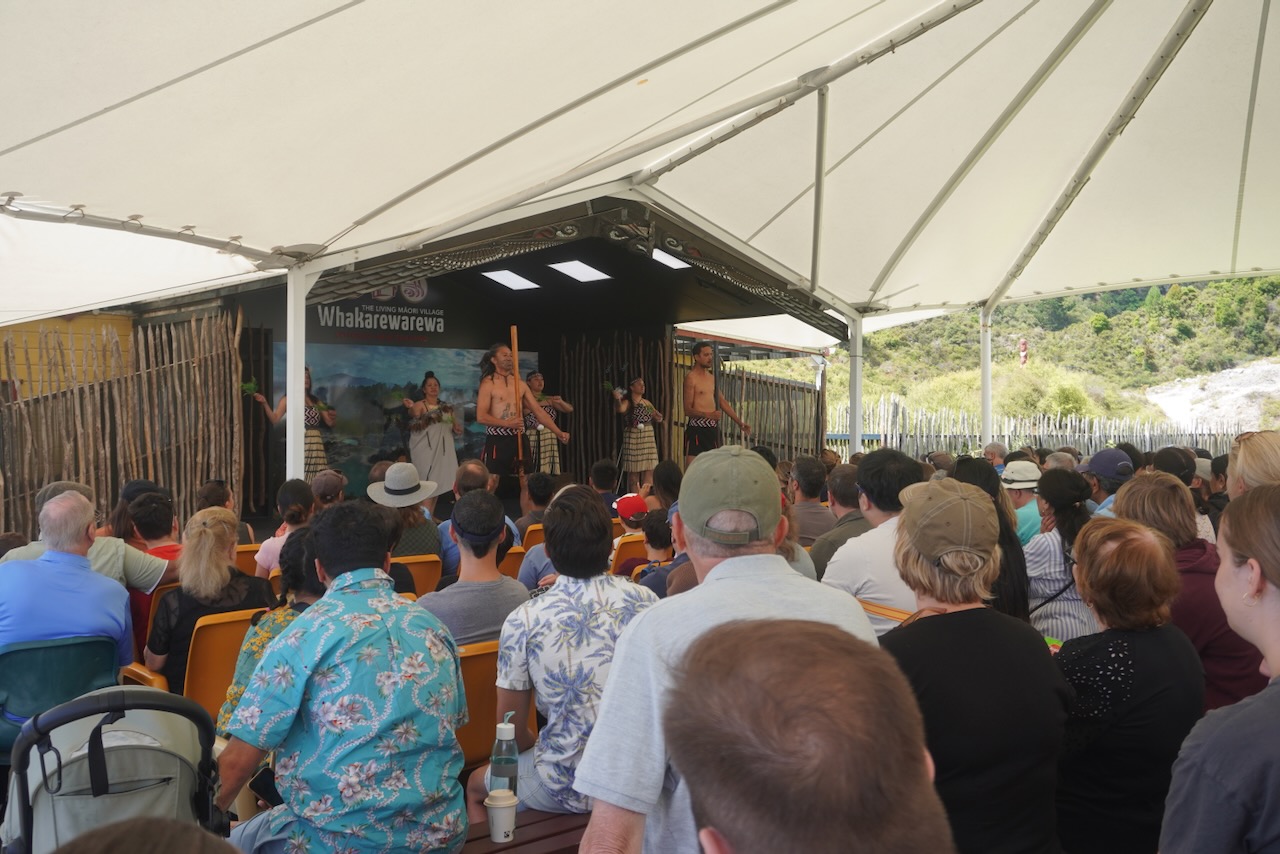
Our first stop was a staged cultural show which featured dancing, chanting, singing and stories about the fighting methods of their ancestors and how these are traditionally displayed in the presentation we witnessed. It was often loud, raucous, and compelling with an organic beauty that speaks of the hundreds of years of tradition it represents. It was a great way to start our tour which would wind through the grounds, stopping at multiple locations to view the hot pools and geysers.
When we finished the tour, we were escorted to a dining area where we were served a lunch advertised as having been cooked the native way, that is in the geothermal ovens. It included potatoes, chicken, and other vegetables and while a bit bland, it reminded me of the home cooked meal we had enjoyed in Peru. We did observe though that we ate along with many other people, and as we were likely one of many services that day, it seemed unlikely that it was all cooked the native way.
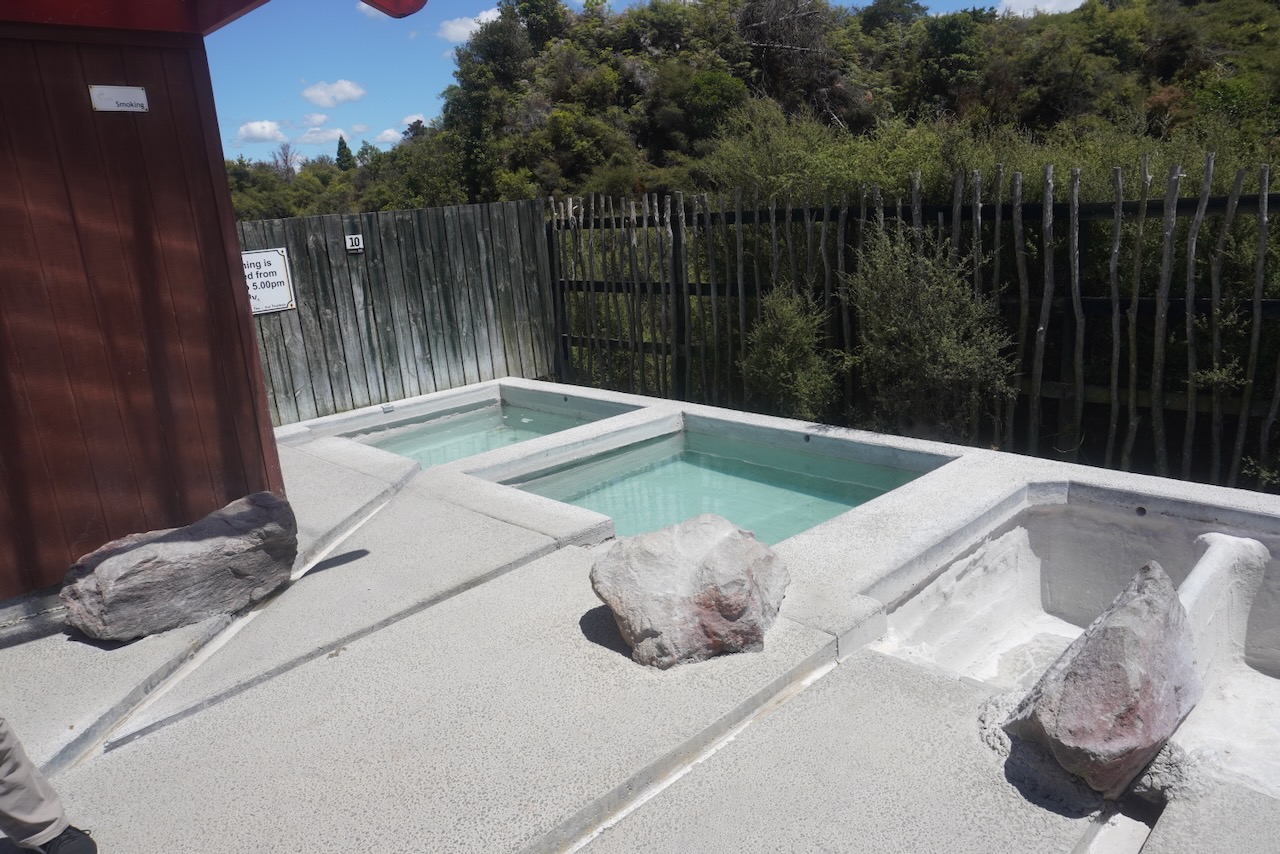
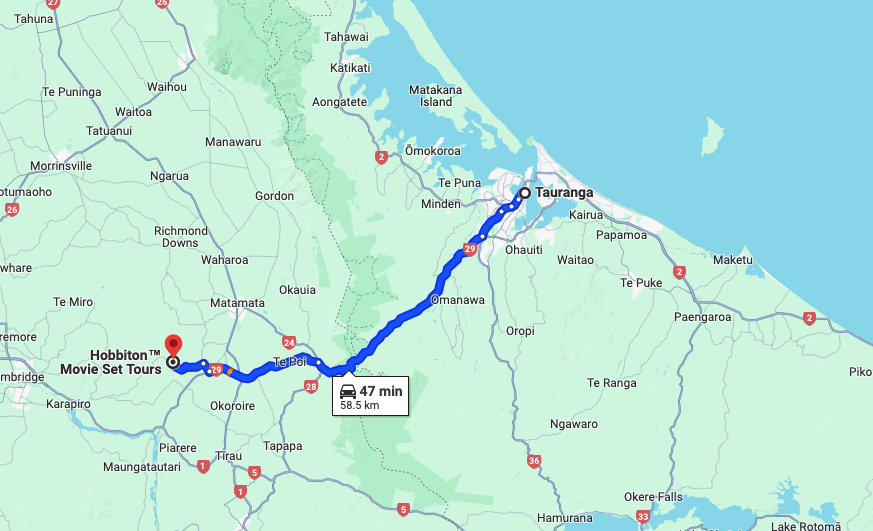
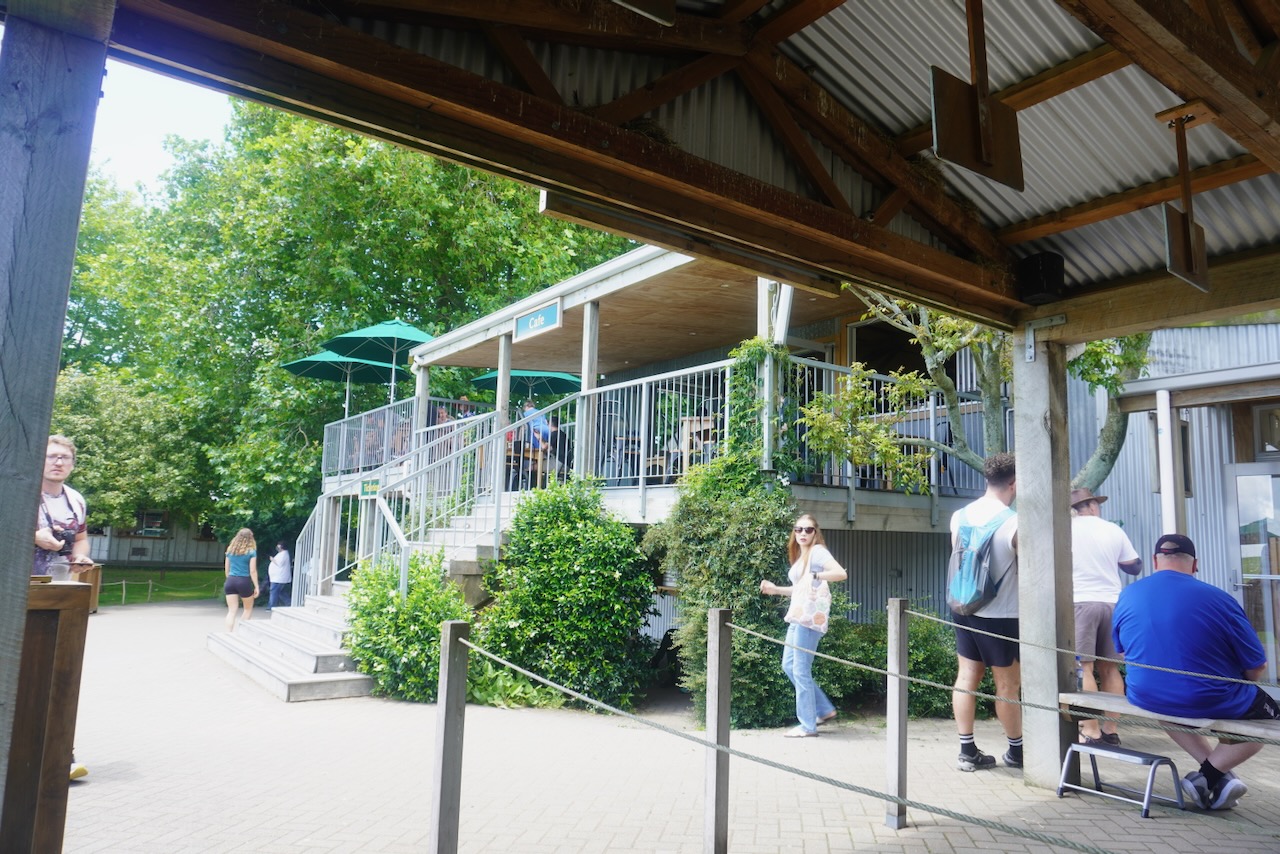
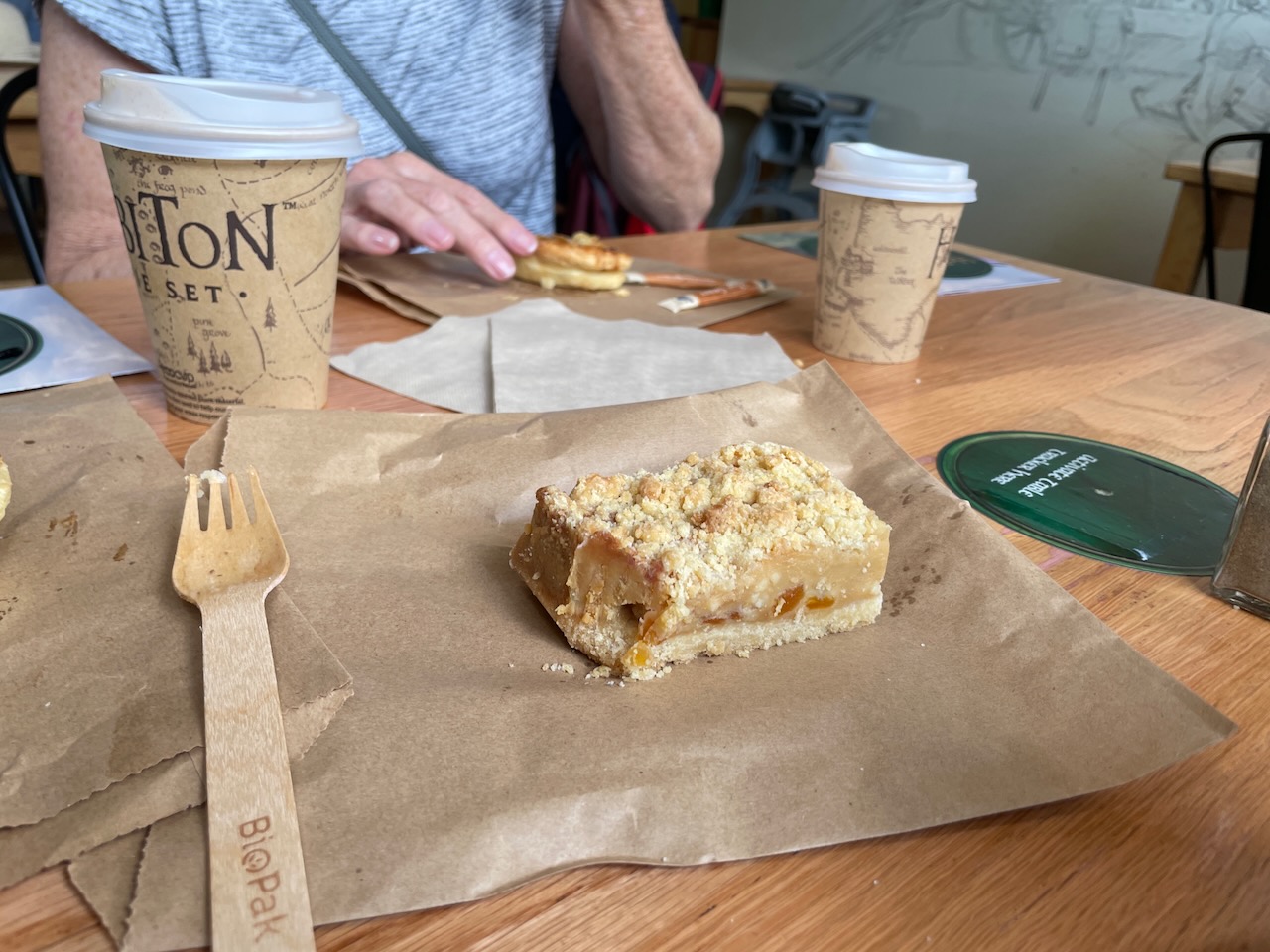
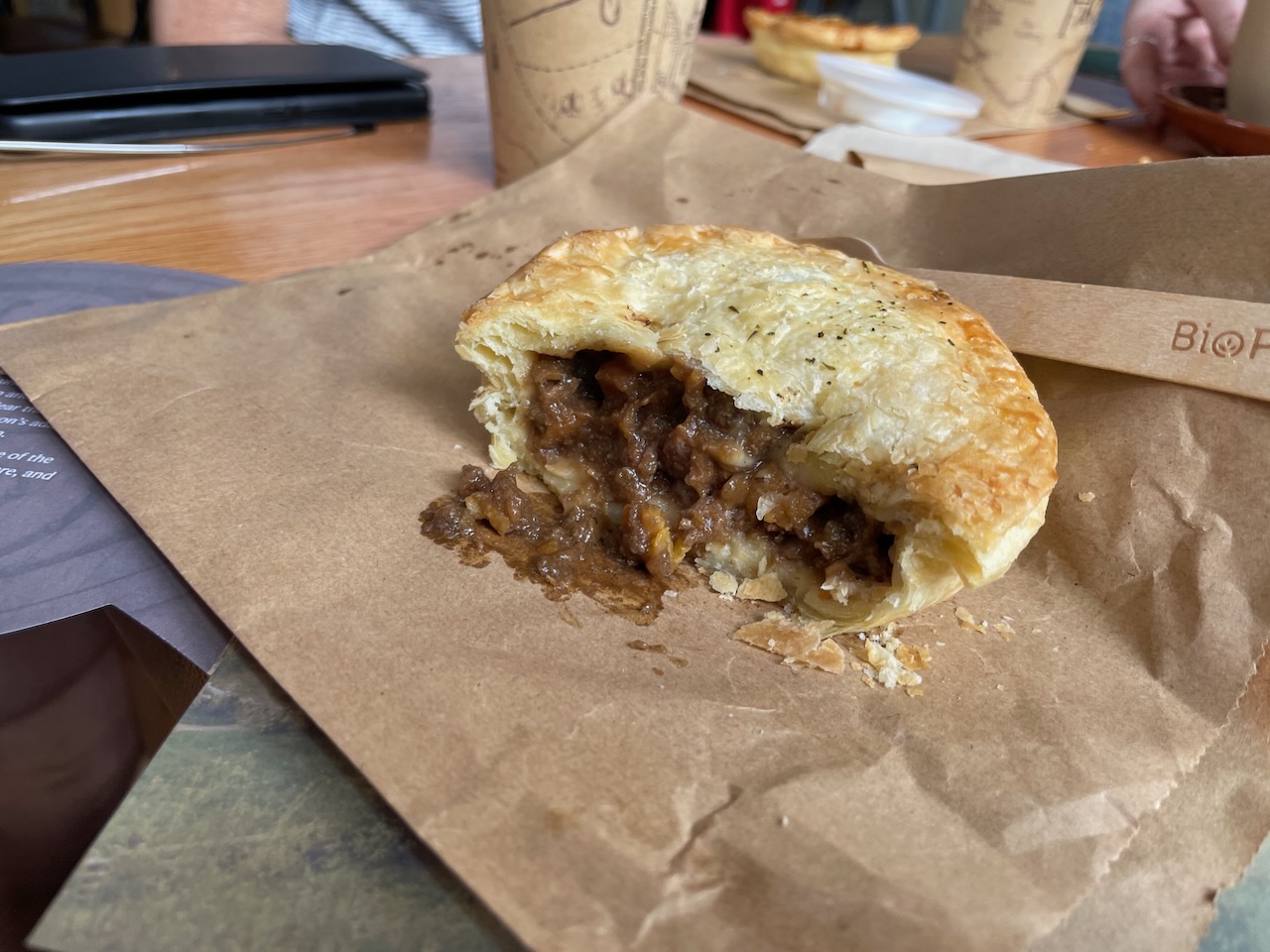
After lunch we made the drive back to Mount Maunganui to drop off our cruise passengers and then enjoyed another fine evening with Beppie and Ian, looking forward to our next day’s excursion to what would be one of the highlights of the trip, the Hobbiton Movie Set. As with the day before, Geoff picked us up at the house and made short order of the hour-long drive to Hobbiton where we arrived with some time to spare, giving us a chance to hit the café for a snack. While Joanna and I split a pastry, Marty was the first to try a meat pie, with many more to follow. Featuring many different types of filling, both meat and meatless, we would come to rely on the as a tasty, hearty, and relatively inexpensive dining option.
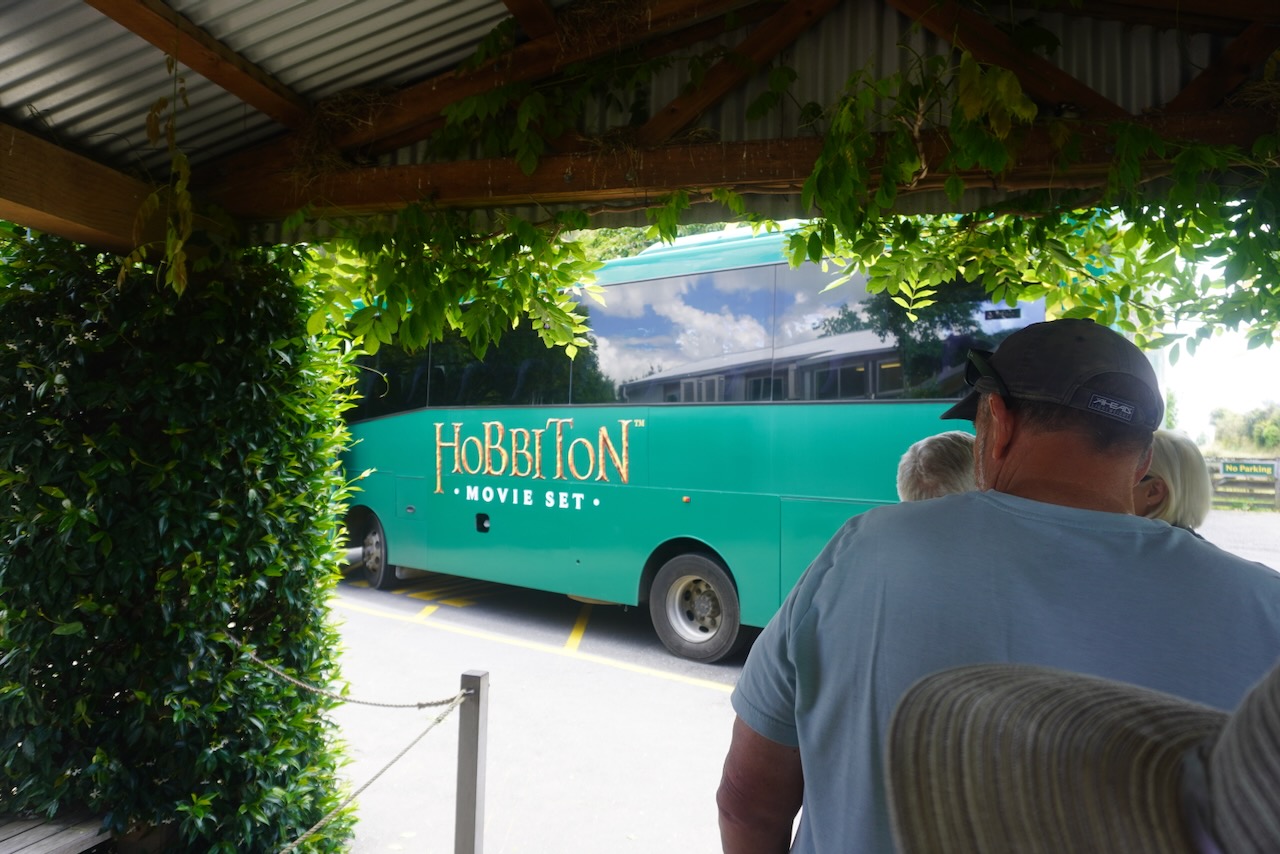
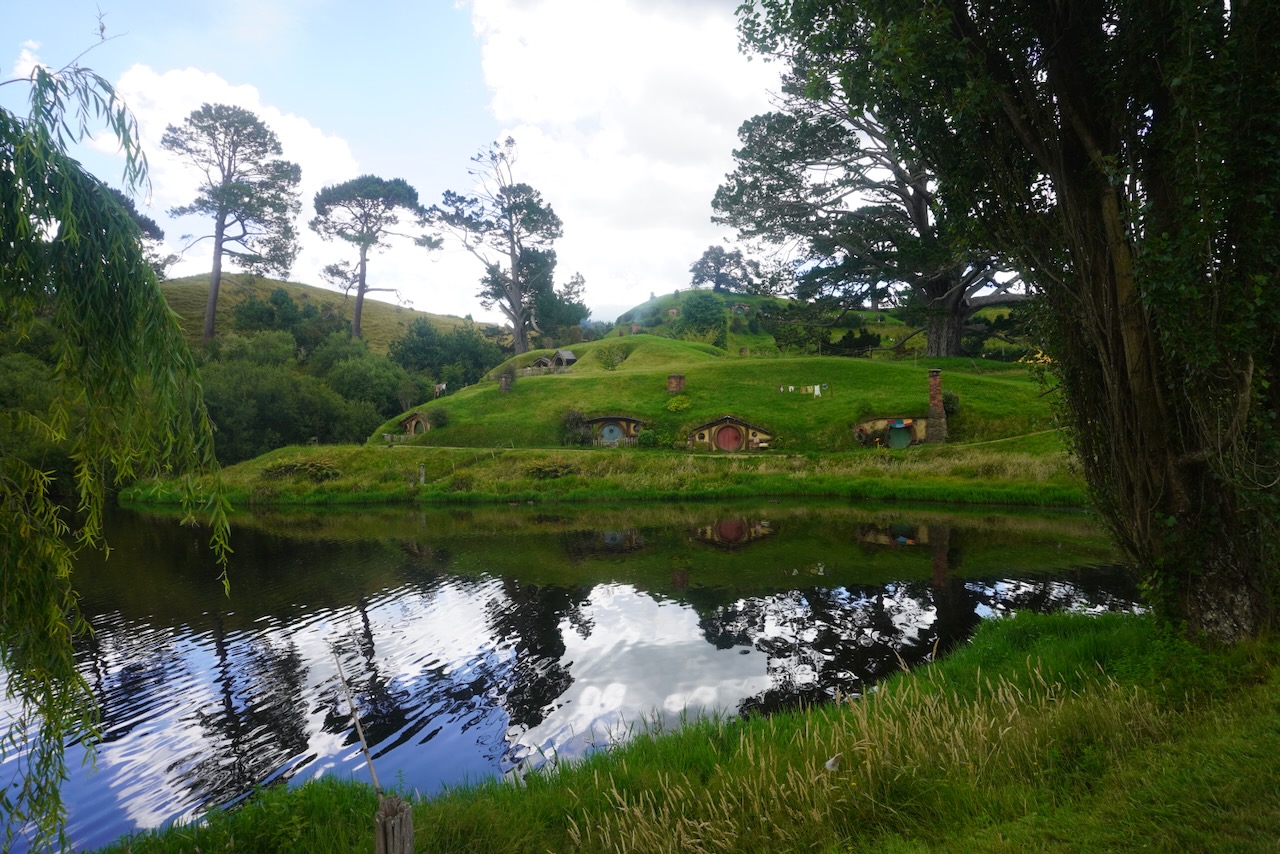
In 1998, Sir Peter Jackson’s team of location scouts were searching for the iconic rolling hills and lush green pastures that they envisioned would be featured in the coming Lord of the Rings movies. An aerial search led them to the Alexander farm, a stunning 1,250-acre sheep farm in the heart of the Waikato. There, they noted the area’s striking similarity to The Shire, as described by JRR Tolkien, and quickly realized that the Hobbits had found a home. At our assigned time we boarded a shuttle bus that took us over the rolling hills to the site entrance, and our journey into movie making history began.
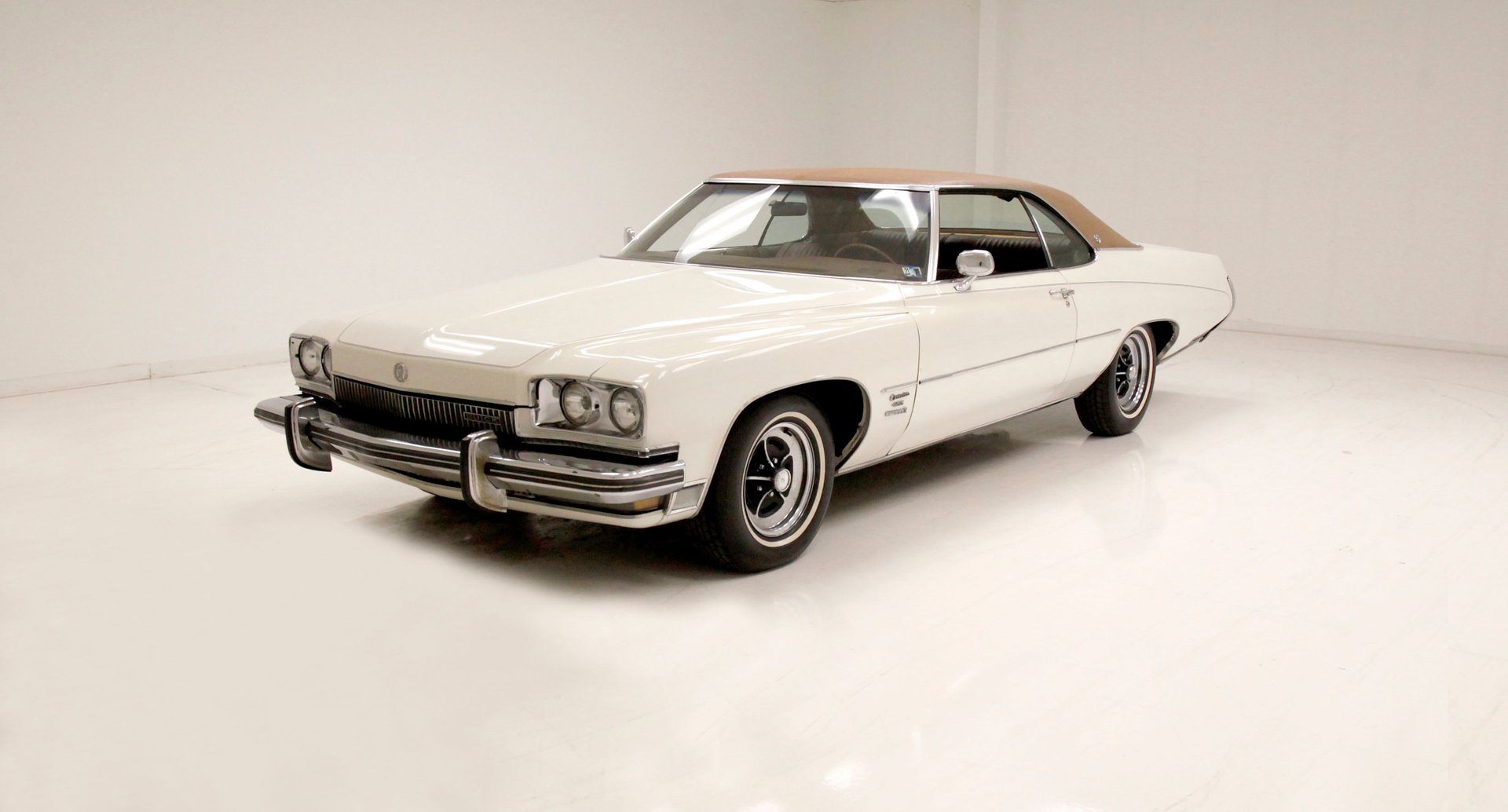
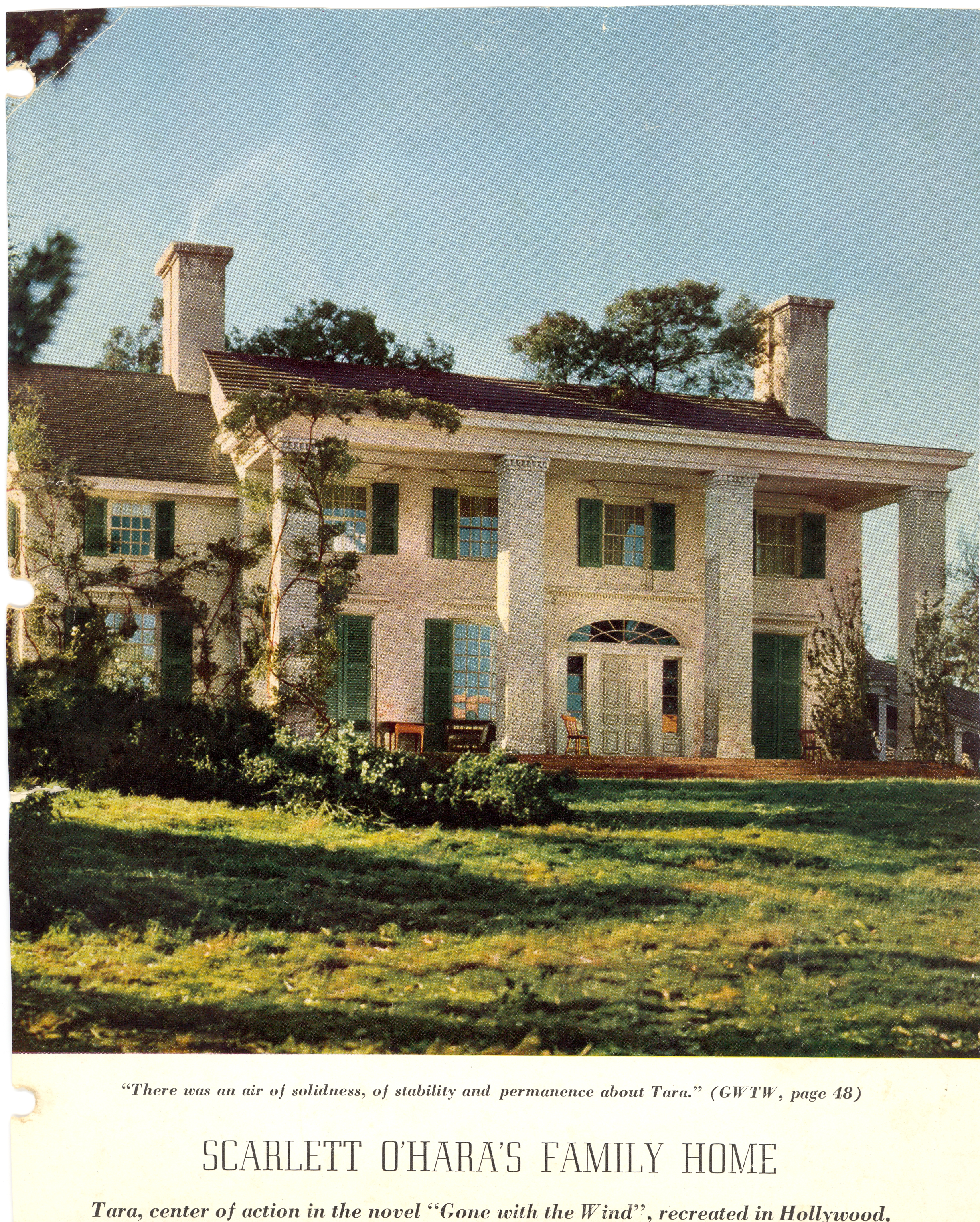
Having lived in Los Angeles my entire life, I’ve enjoyed a few visits to studio lots, a memorable one taking place in 1973 when I worked at an insurance agency aligned with the Bill Murphy Buick dealership in Culver City. My boss, Ed, got to drive a demo as part of his compensation package and so one day we made our way to the MGM back lot where Murphy kept some of his inventory. The cars were lined up in a grassy field which sat across from a few outdoor sets, including the recognizable mansion façade for Tara, the plantation house in Gone with the Wind. When filming took place, this was the Selznick International Studios’ “Forty Acres” production lot in Culver City, California. A couple of years later, in 1976, I would live in a one-bedroom apartment on Elenda Avenue and across the street was the fenced border to that lot. One evening, I came home from my job on the second shift to them filming the nighttime fort scenes for the movie King Kong that would be released later that year. So, live in Los Angeles and movies are always part of the backdrop.
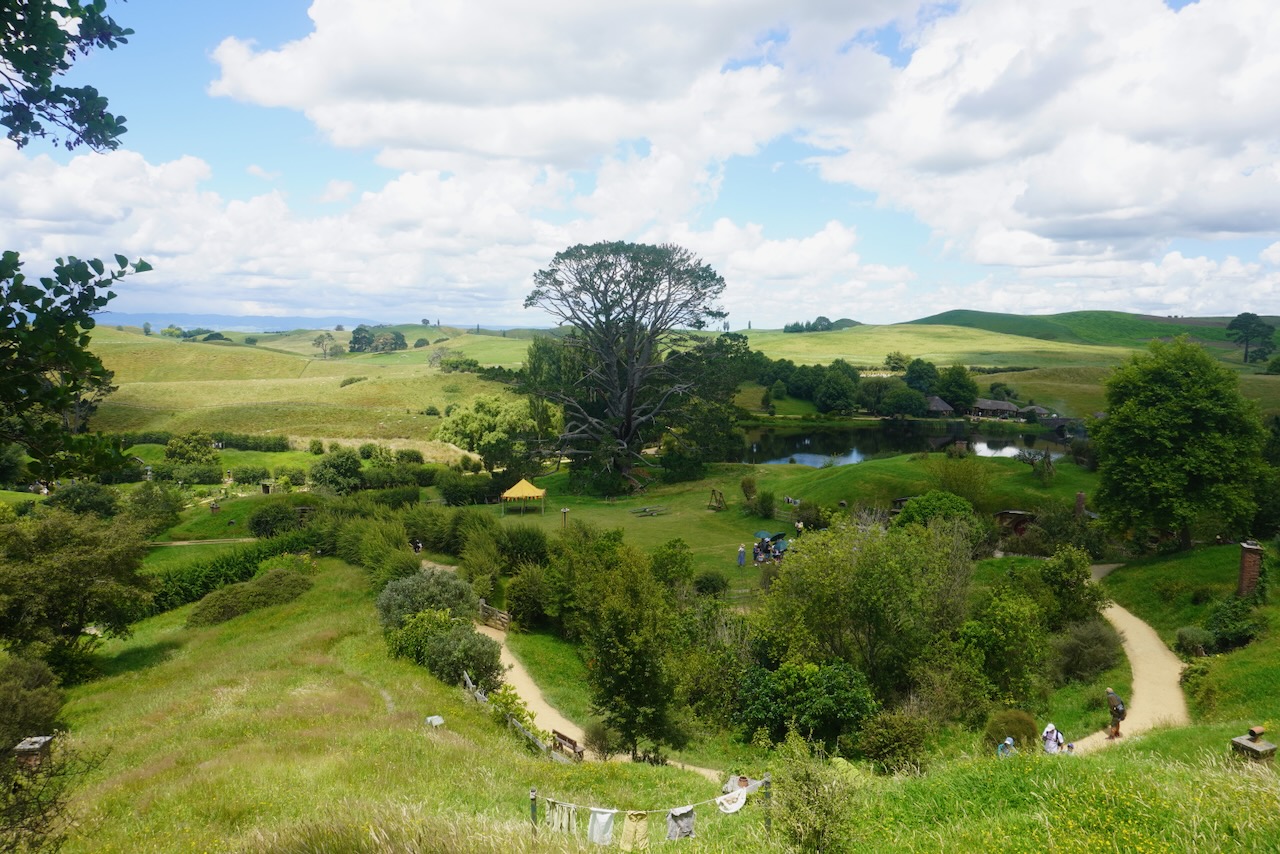
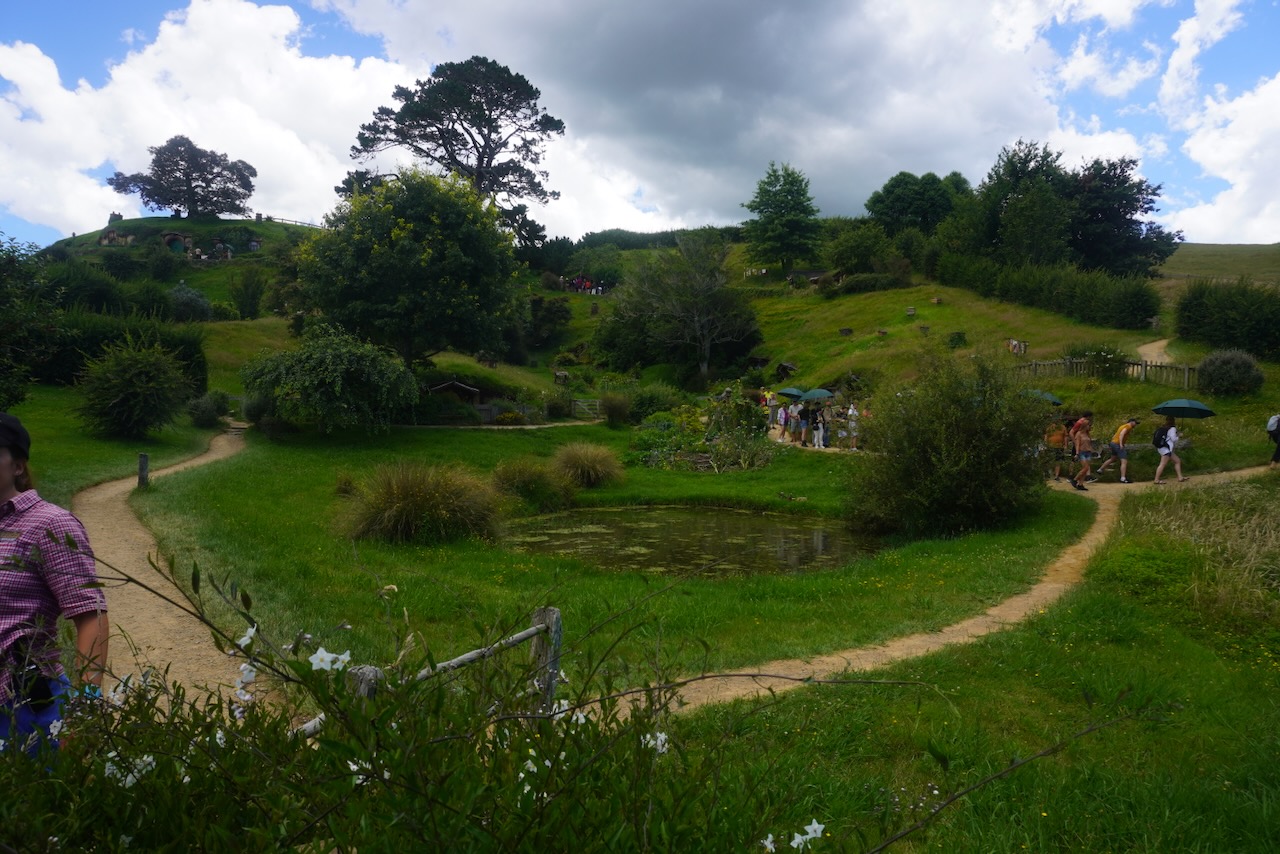
And so, stepping into Hobbiton was a little like that, looking at an exterior façade that spoke of the movie and yet knowing that it was just that, a façade and a very good one. We would spend about ninety minutes on the tour, with a knowledgeable guide filling us in on the background of the site, creation of the sets, details about the filming and answering any question that might get brought up.
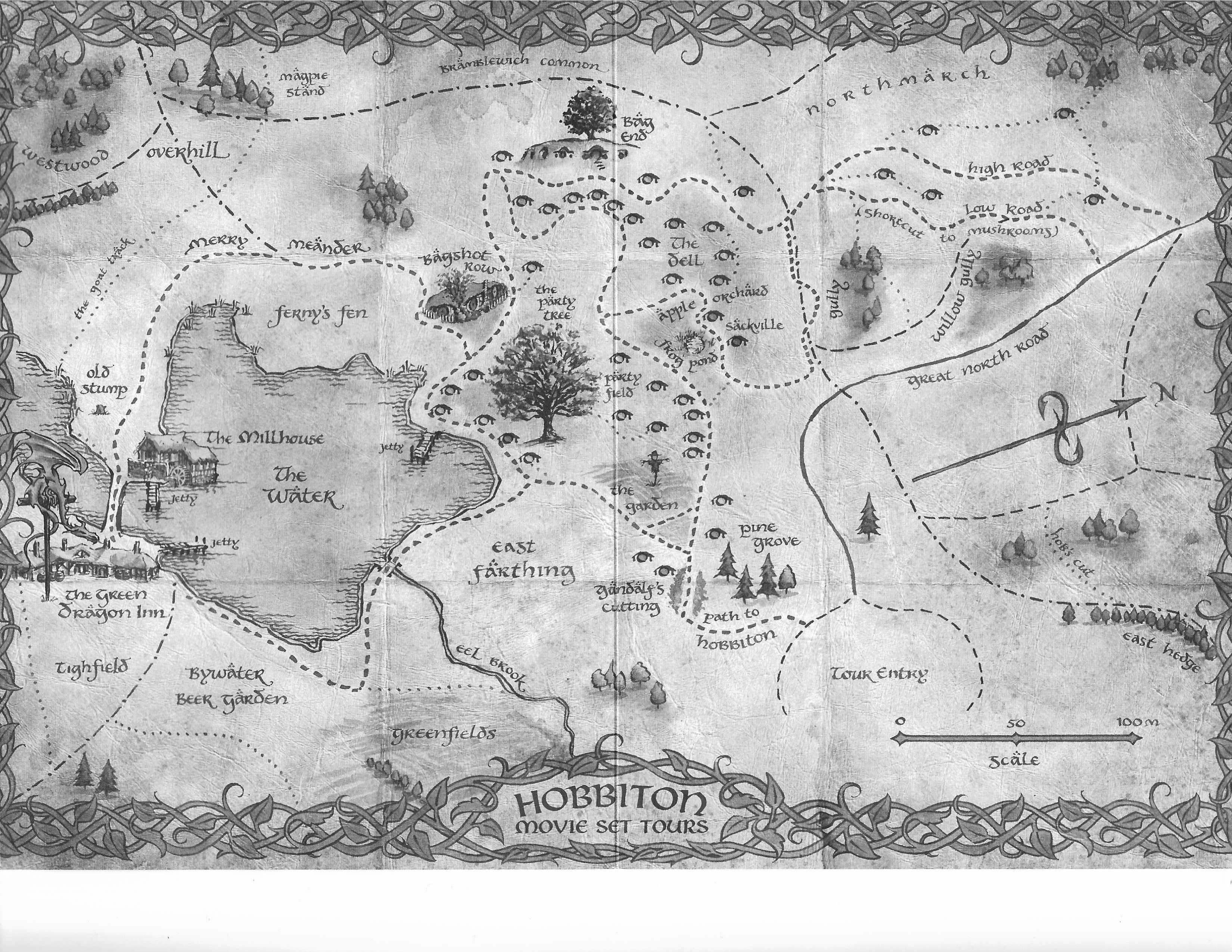
There are now 44 hobbit holes on view although it is only possible to enter a few of them, all of which have small, unfinished, earth-walled interiors. The hobbit holes on site have been designed and built to one of three different scales. In addition to the smallest ones built to the correct size (hobbits are smaller than humans), some are built to a larger scale to make the hobbit actors appear smaller, and some have been constructed in a “dwarf” scale for scenes containing dwarves. Apart from a few exceptions, the color of the front door indicates the scale, for example hobbit holes with a blue door are built to the correct scale for humans.
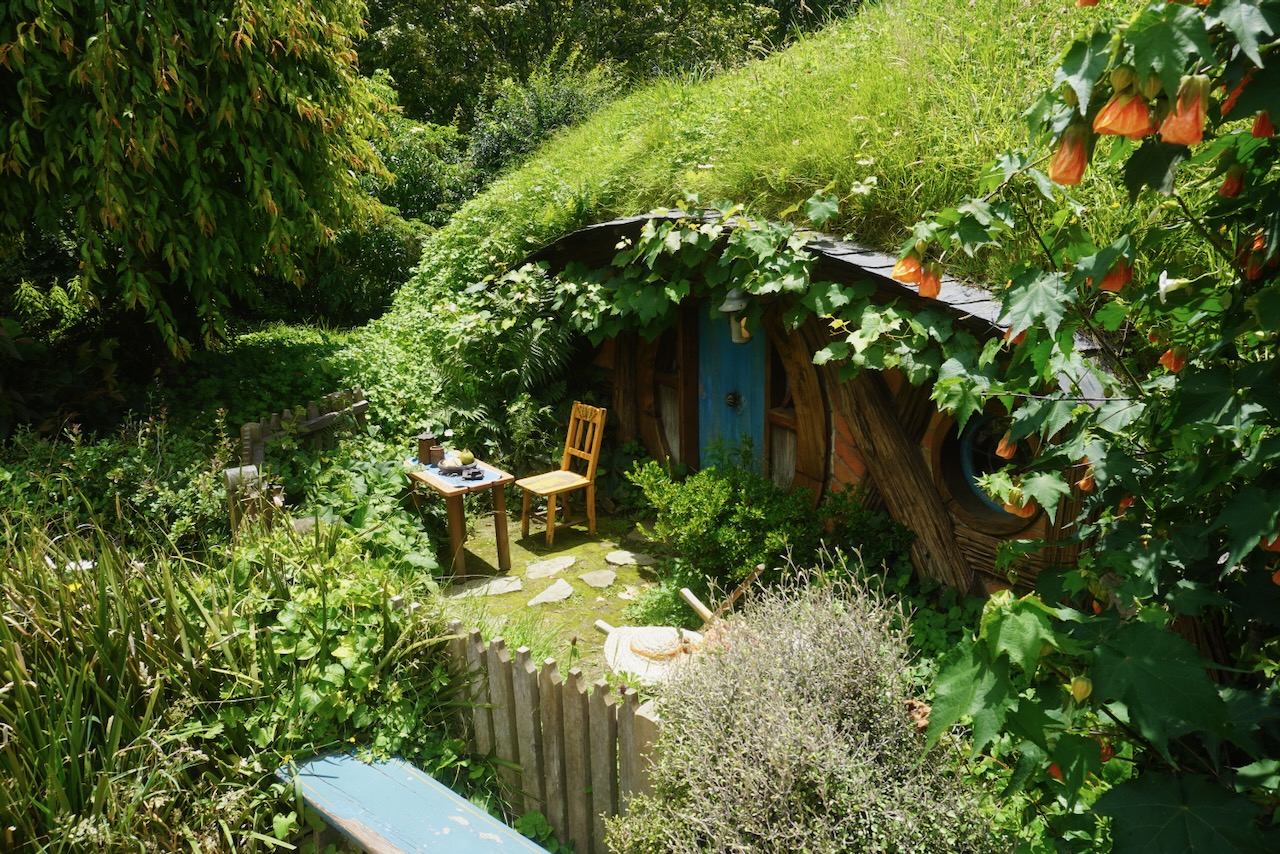
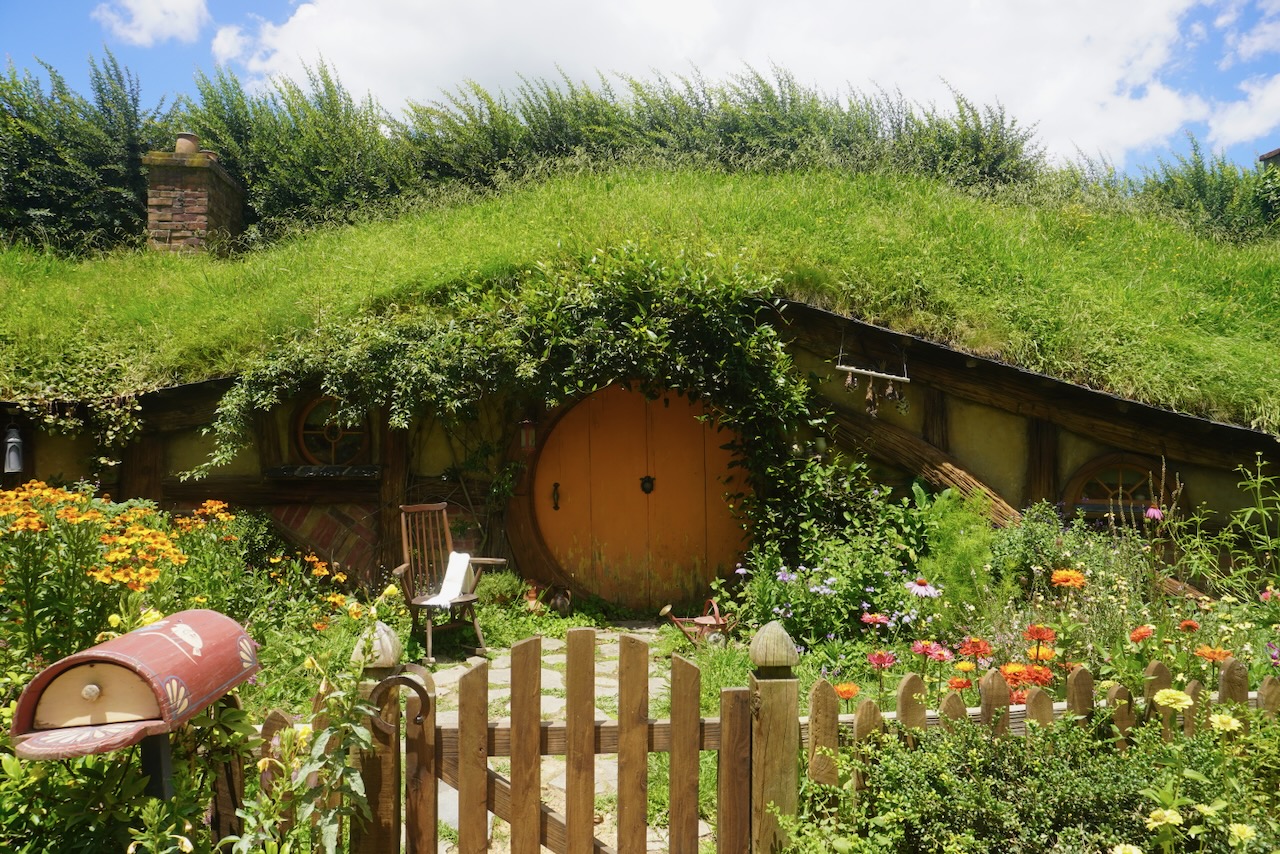
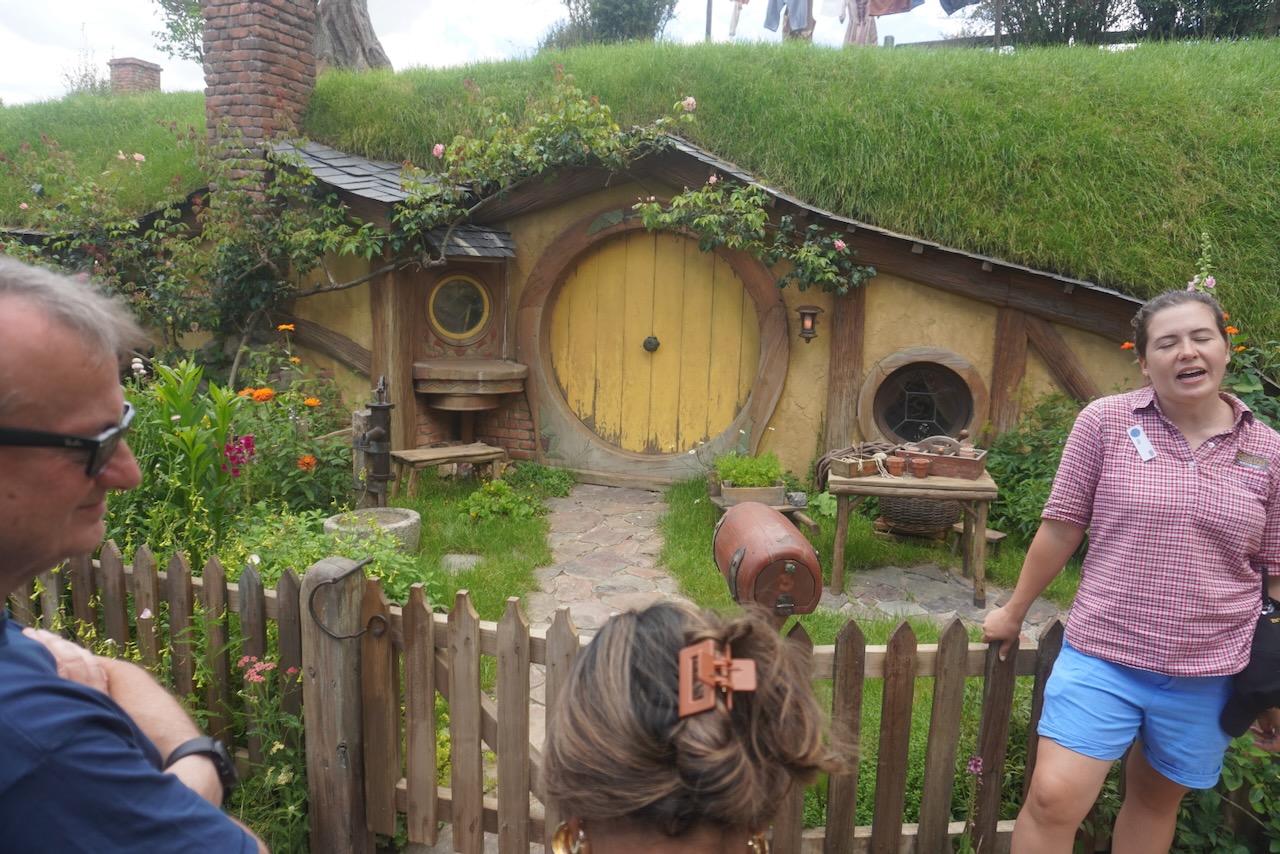
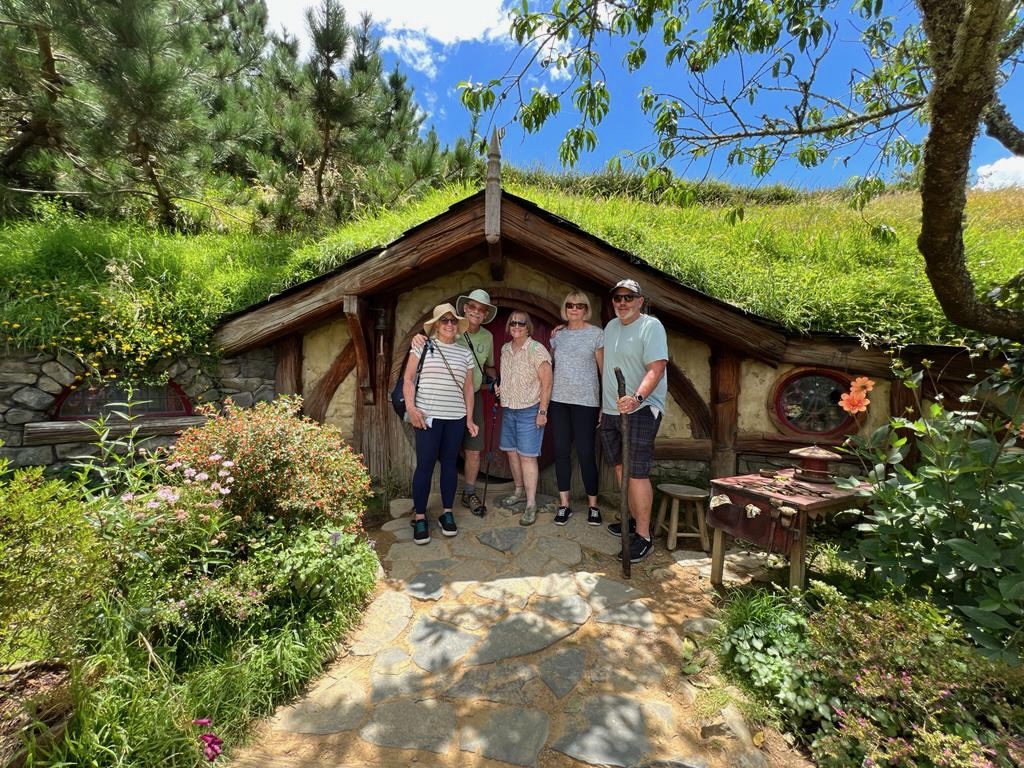
For me, there were several highlights, the first being our stop at Bag End, the underground dwelling of the Hobbits Bilbo and Frodo Baggins. It is from here that both Bilbo and Frodo set out on their adventures, and both return here. As such, Bag End represents the familiar, safe, comfortable place which is the antithesis of the dangerous places that they visit and it forms one end of the main story arcs in the novels, and since the Hobbits return there, it also forms an end point in the story circle in each case.
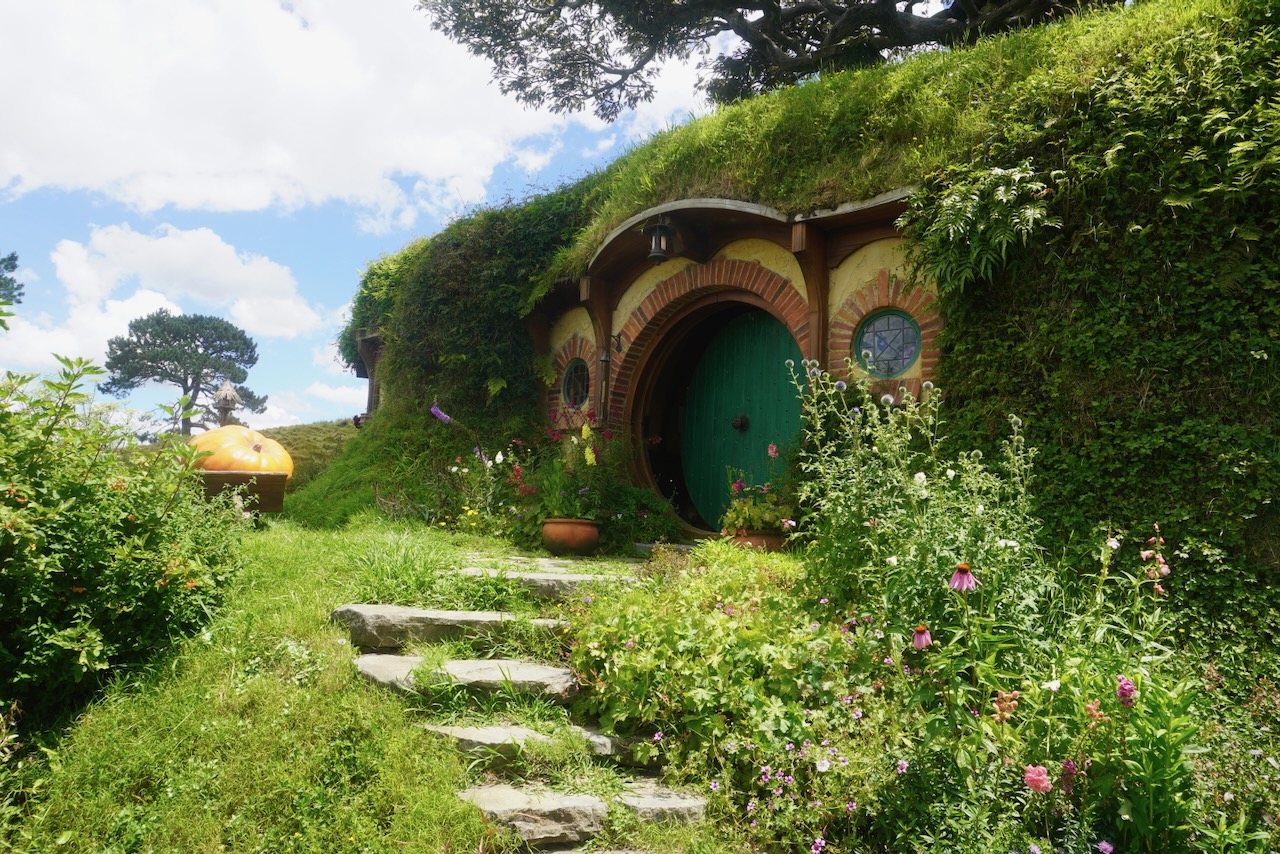
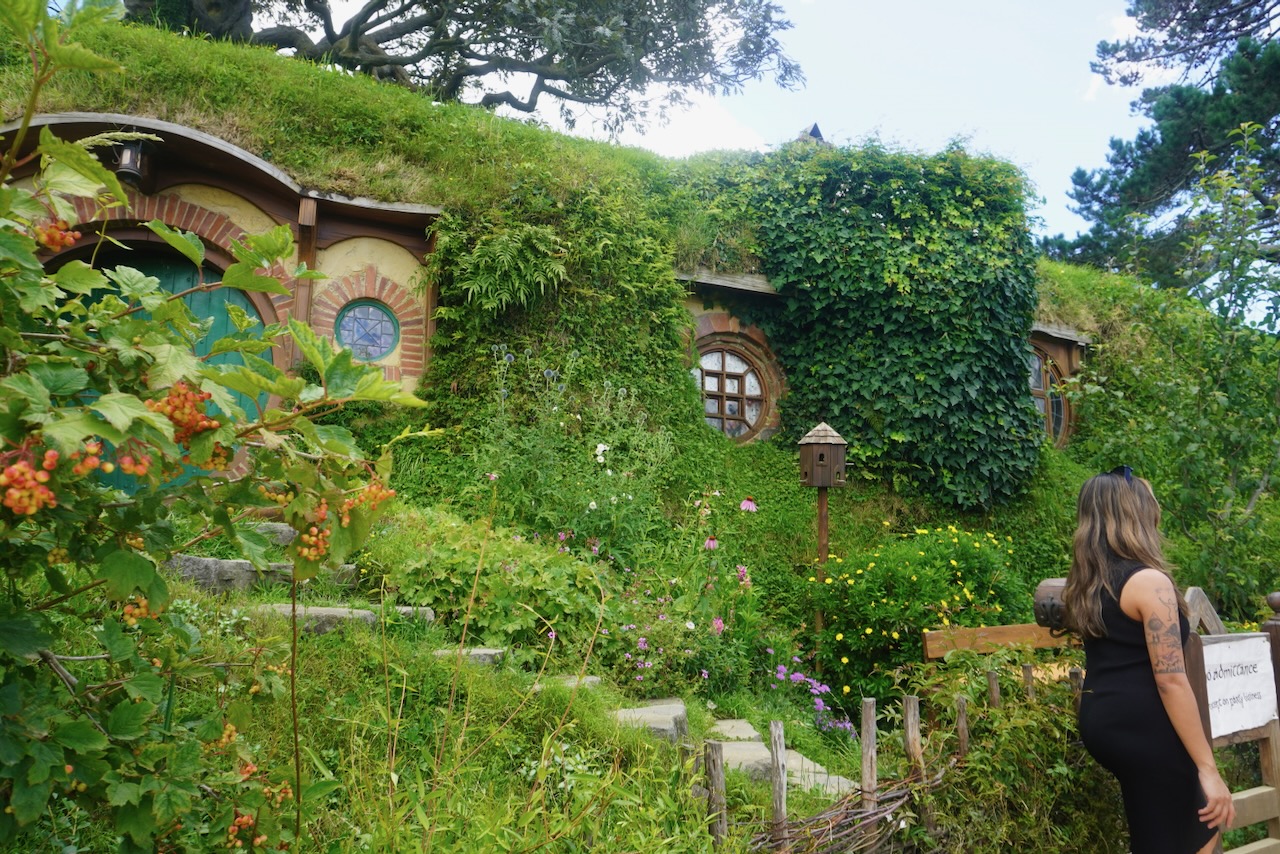
Another highlight was our stop at one of the two recently opened interior Hobbit Hole experience, designed and crafted by the renowned creative teams behind The Lord of the Rings and The Hobbit film trilogies. Located on Bagshot Row, these Hobbit Holes offer an authentic glimpse into the charming dwellings of Hobbits going about their daily lives in the Shire. Stepping inside was like being part of the movie, as the interior is adorned in earthy tones and features a labyrinth of fully themed rooms: an entry hall, two bedrooms, a bathroom, a kitchen, a dining area, an equipped pantry and a parlor complete with a crackling fireplace.
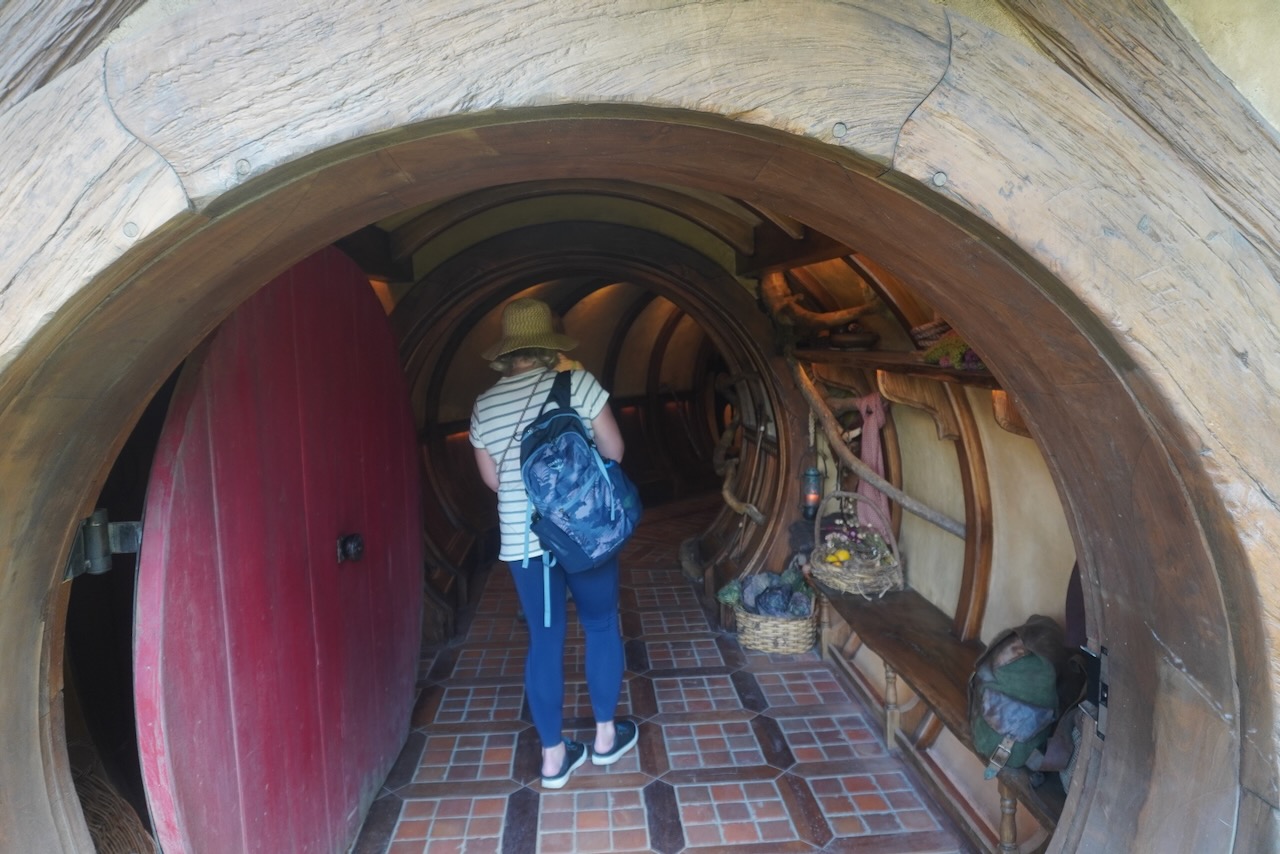
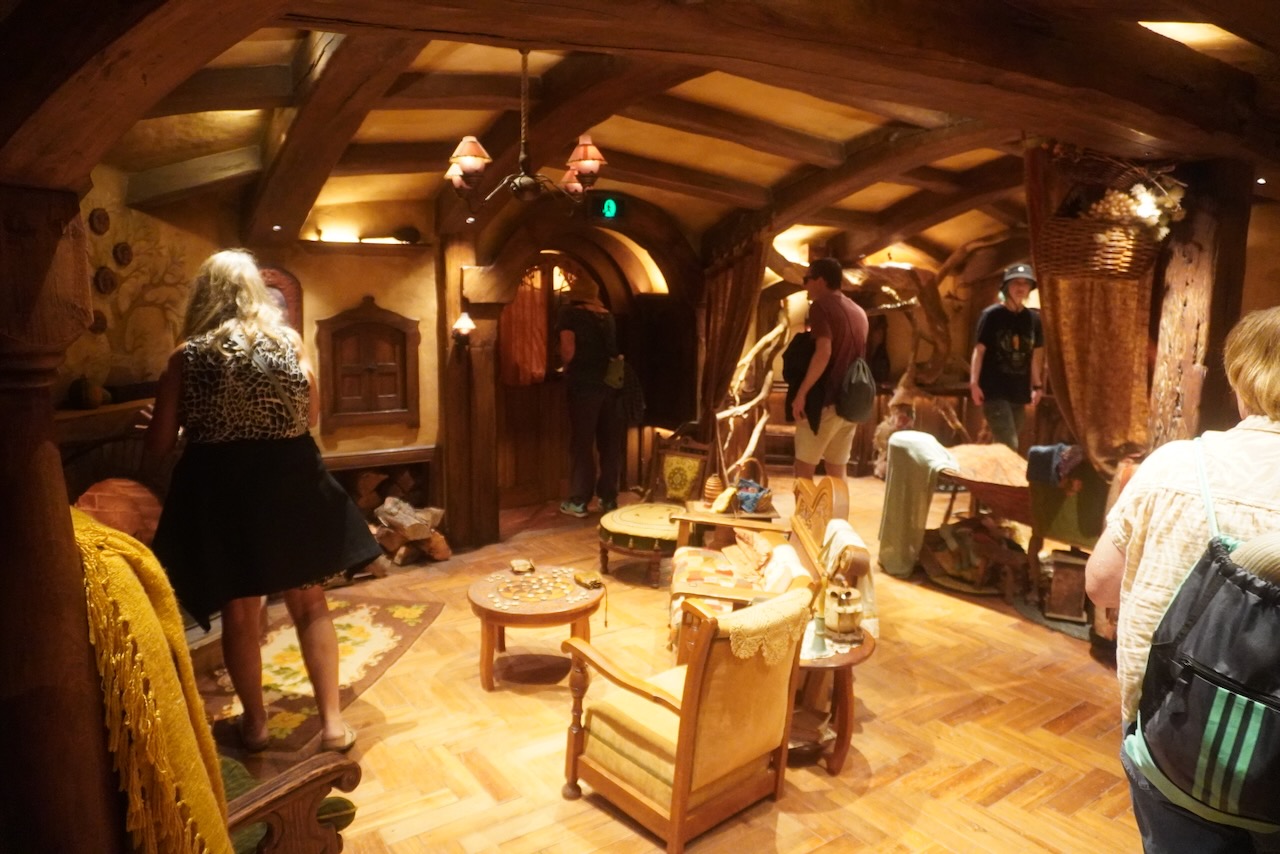
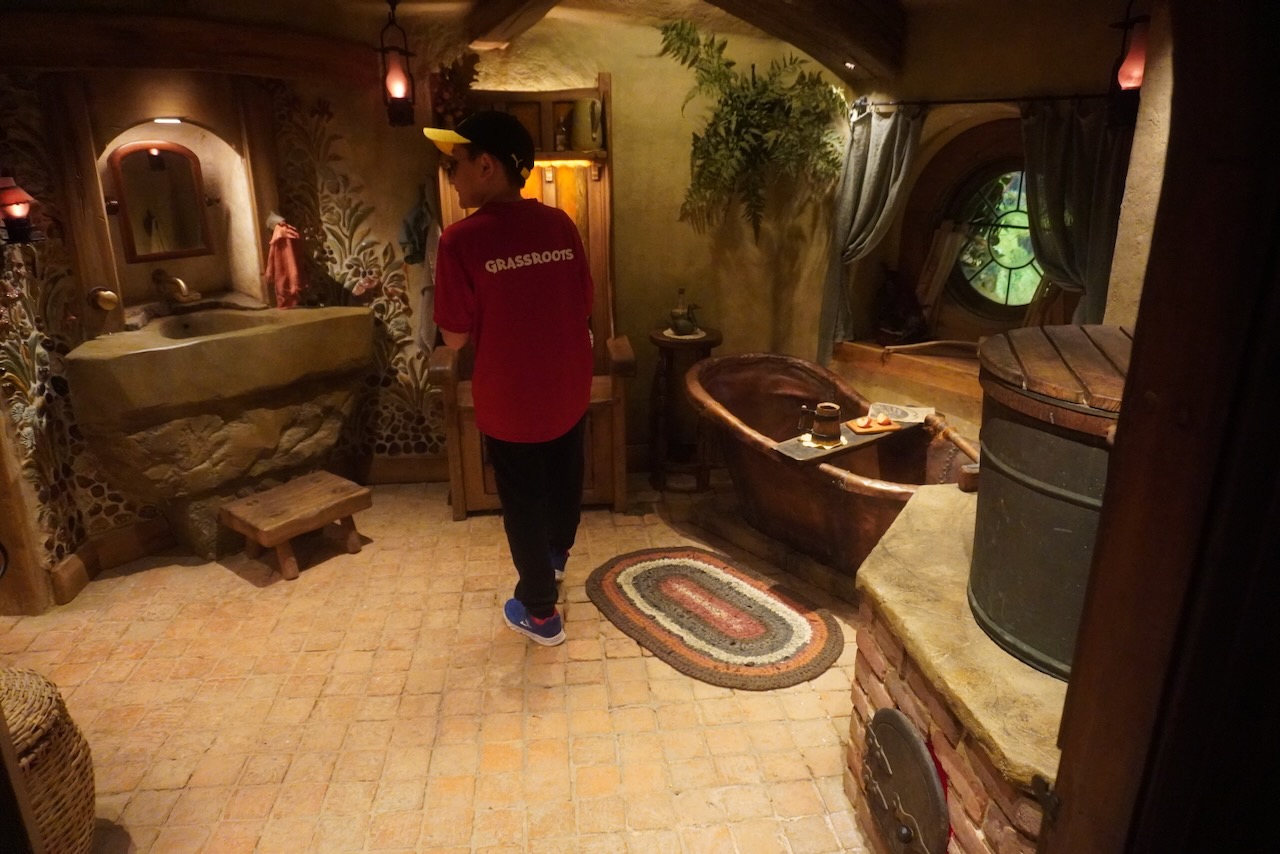
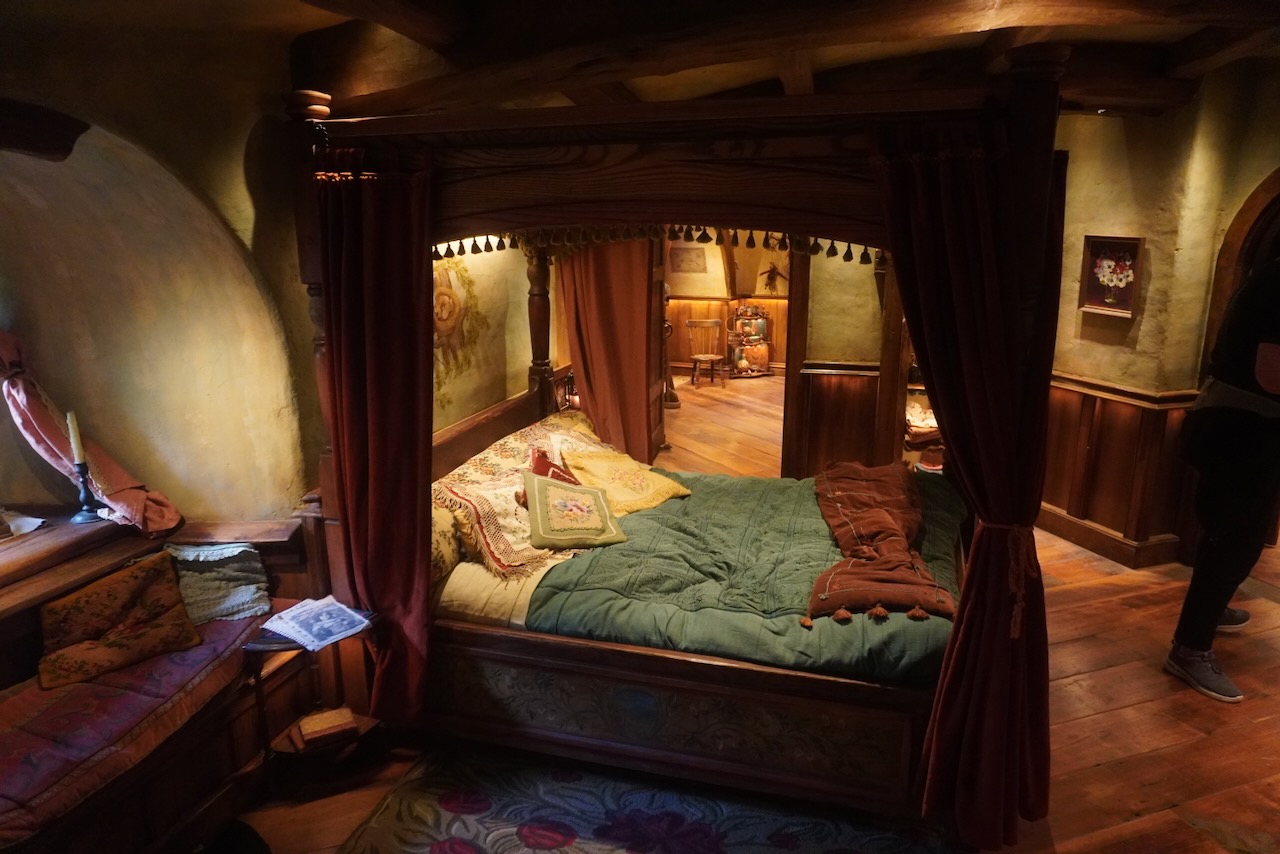
The project was brought to life by renowned illustrators and concept designers John Howe and Alan Lee, known for their work on Middle earth, alongside the renowned Art Director Brian Massey, Production Designer Ra Vincent and Set Designer Kathryn Lim. Every item from furniture to the ceiling beams was handcrafted and with construction having started in early 2023, it took nine months to complete, and the holes opened just before our visit.
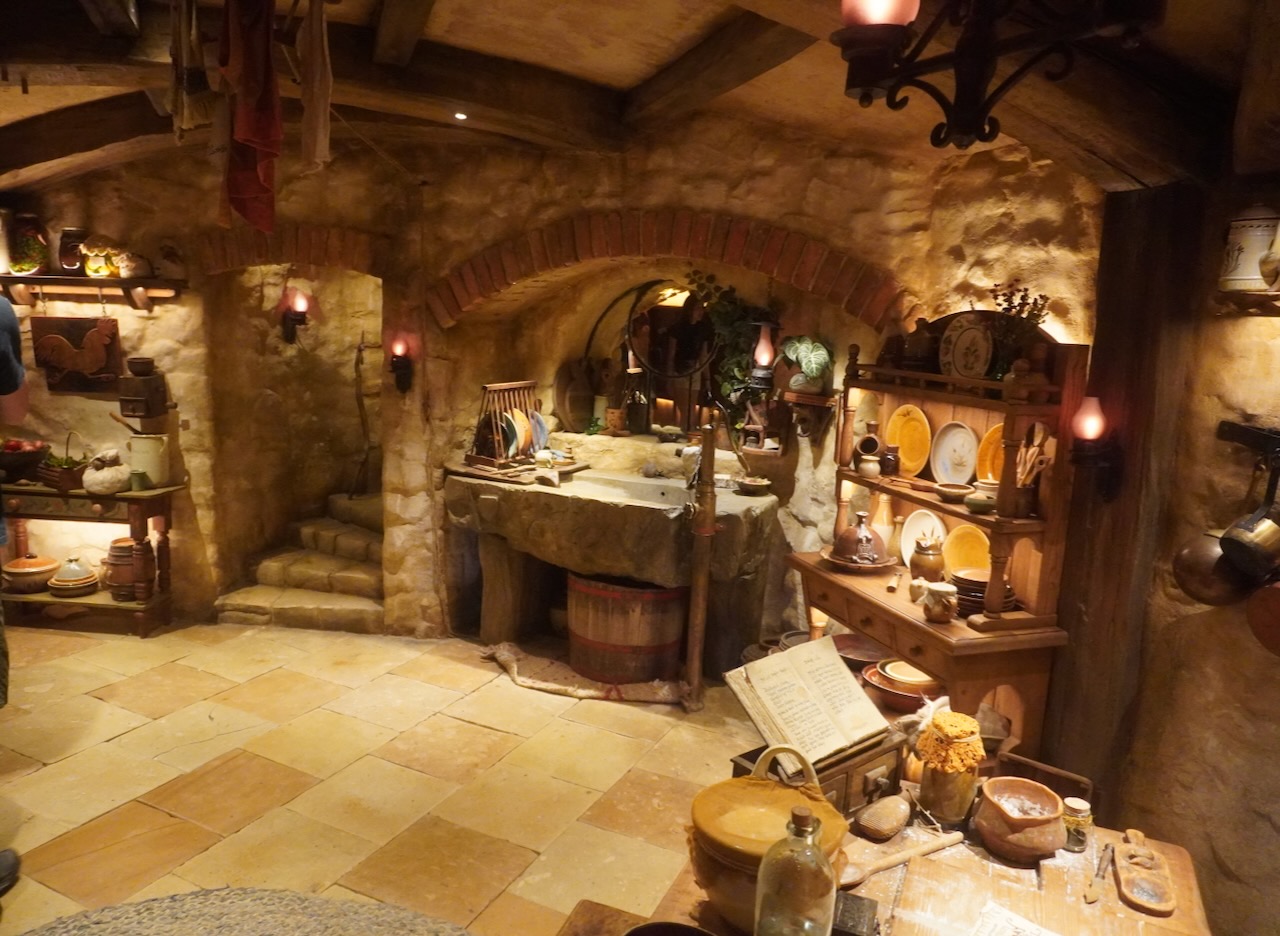
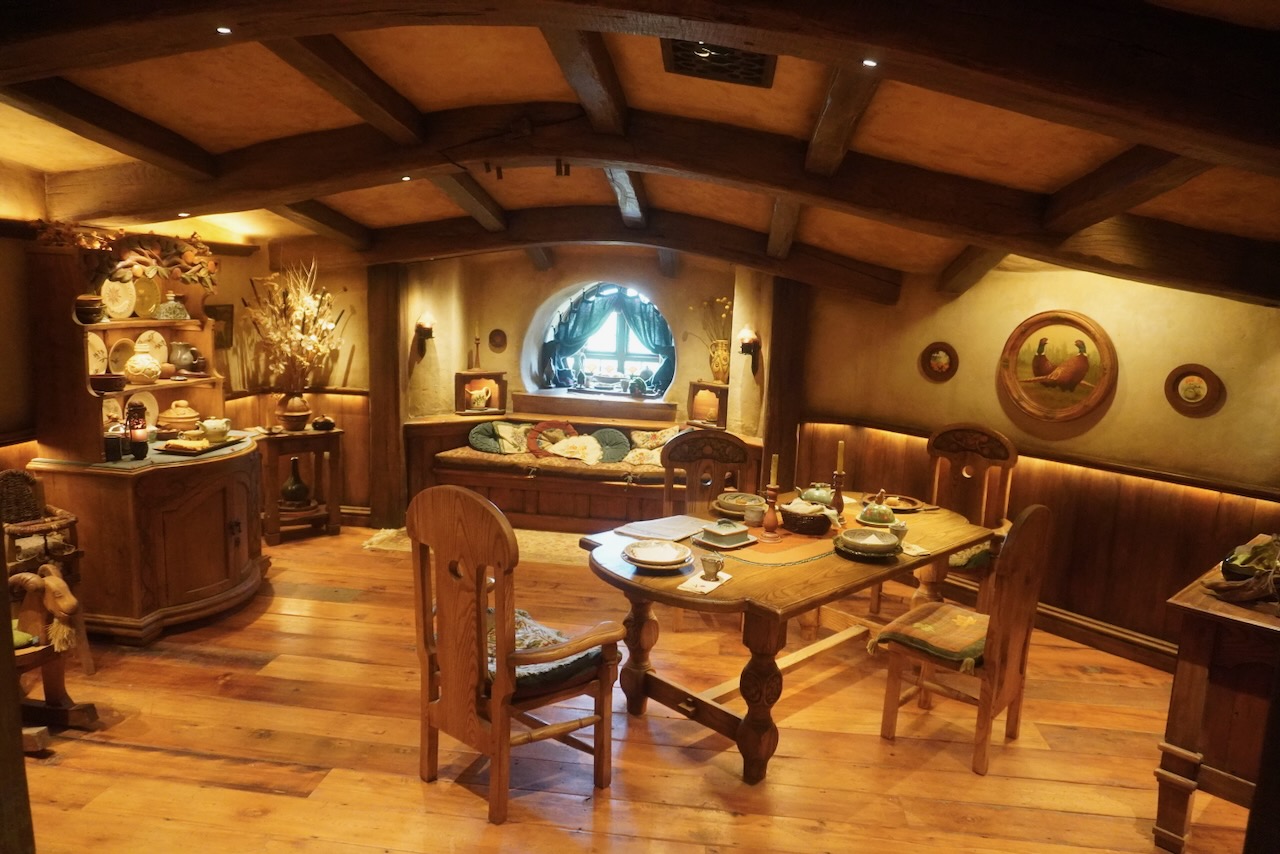
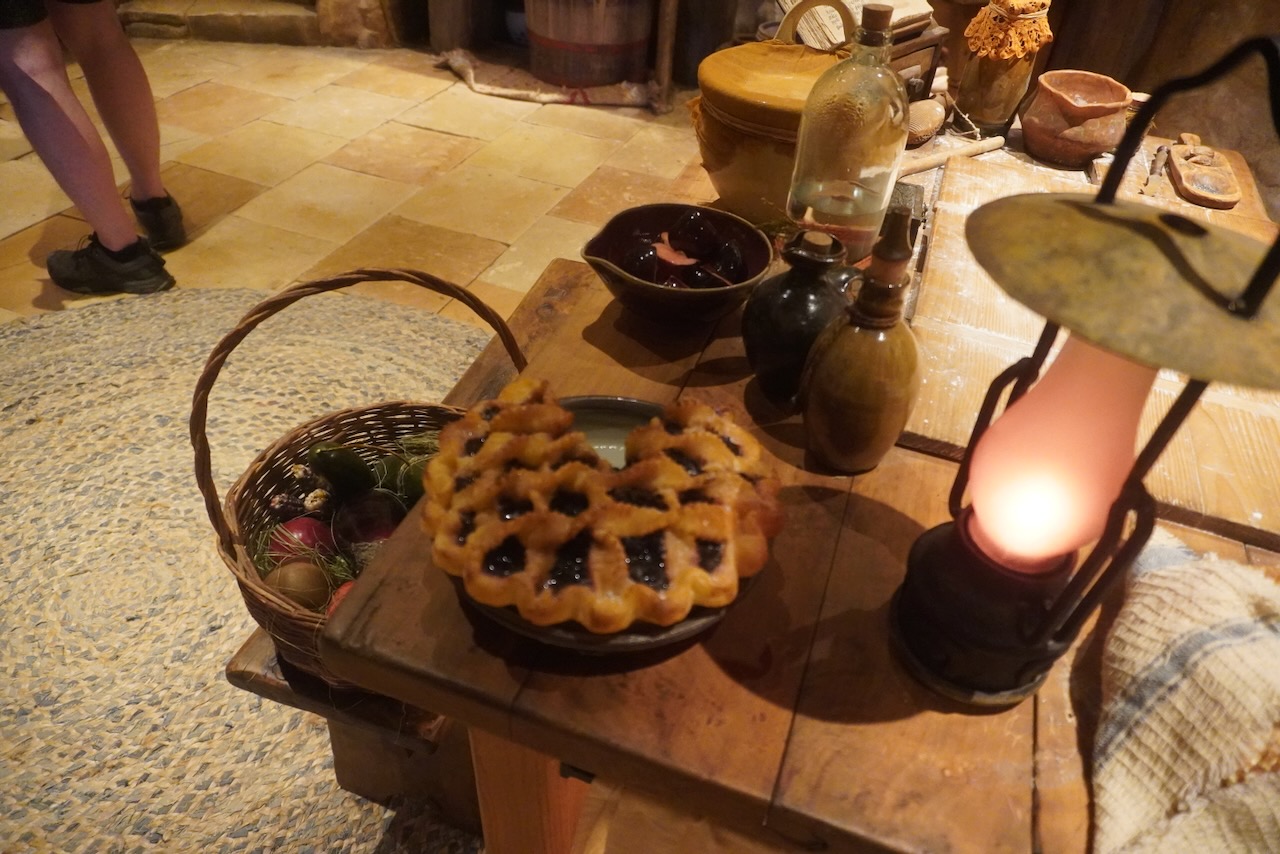
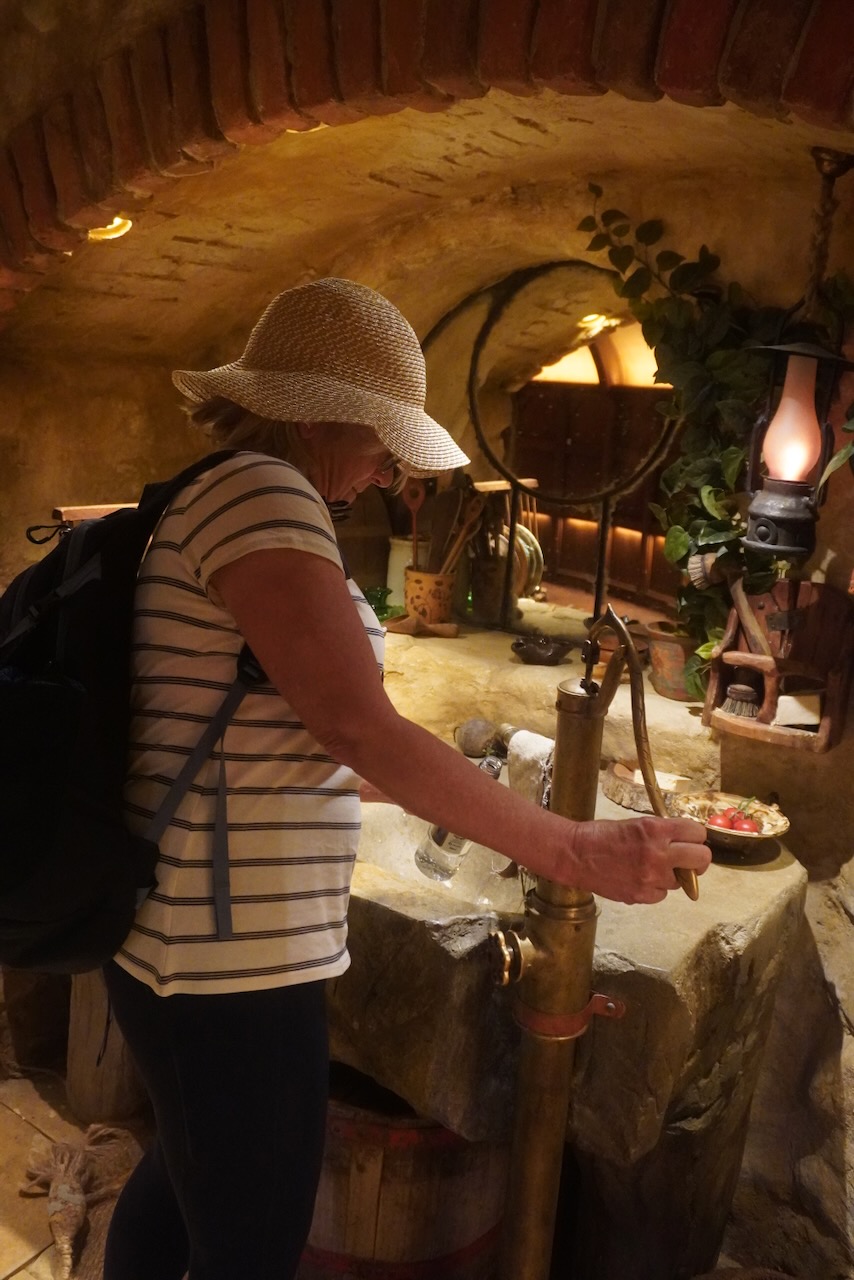
The level of detail is staggering, answering questions such as “What do hobbits eat and drink? What do hobbits use for cutlery? What do they read? What linen do they use? As we wandered through the large space, those questions and more were answered. We exited the hole and made our way to the Green Dragon Inn for our complimentary beer or cider, which hit the spot after having walked around on a warm day. Of course, our group being our group, one beer led to two as they didn’t seem to be counting at the bar and so we finished up our visit to Hobbiton in fine fashion, walking back to the shuttle stop for the bus ride back to the park’s entrance, where we found Trixie and Geoff waiting for us.
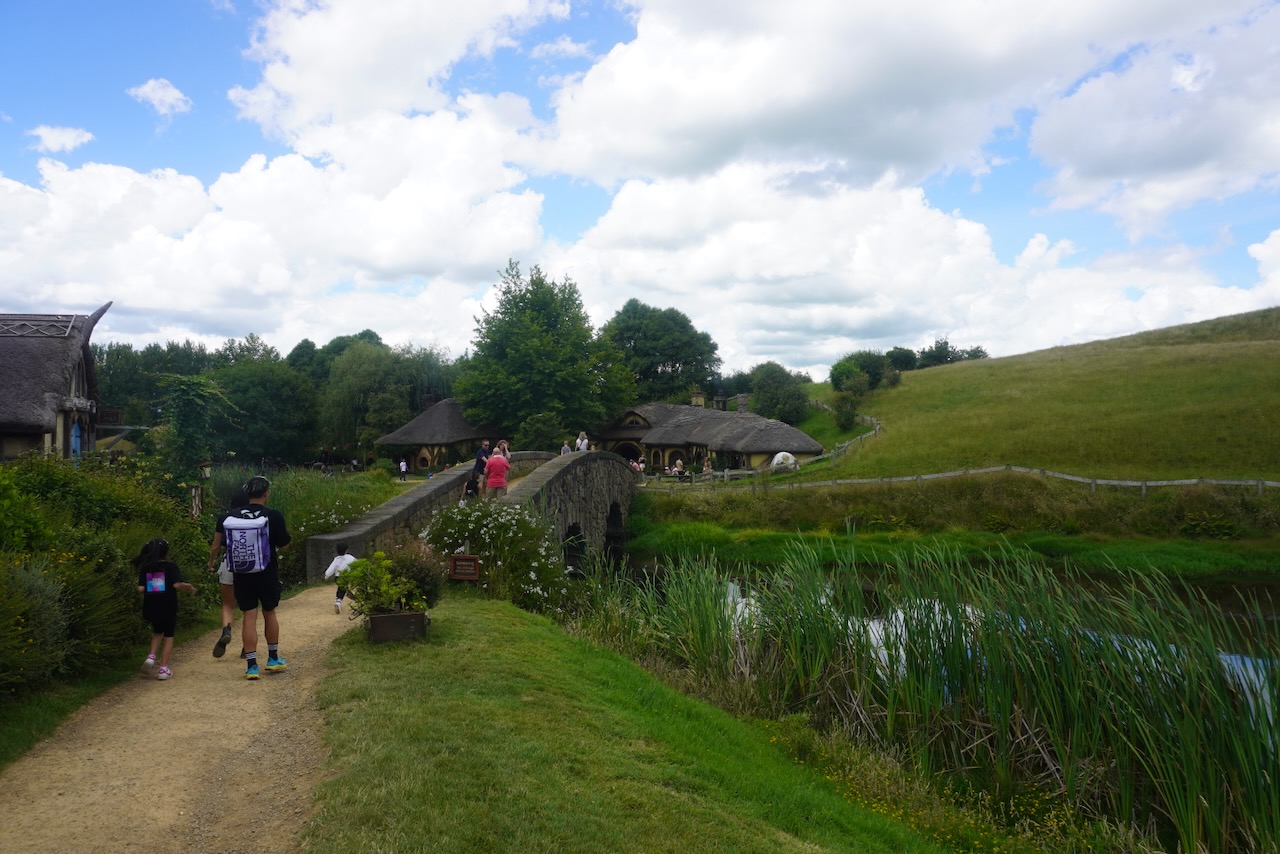
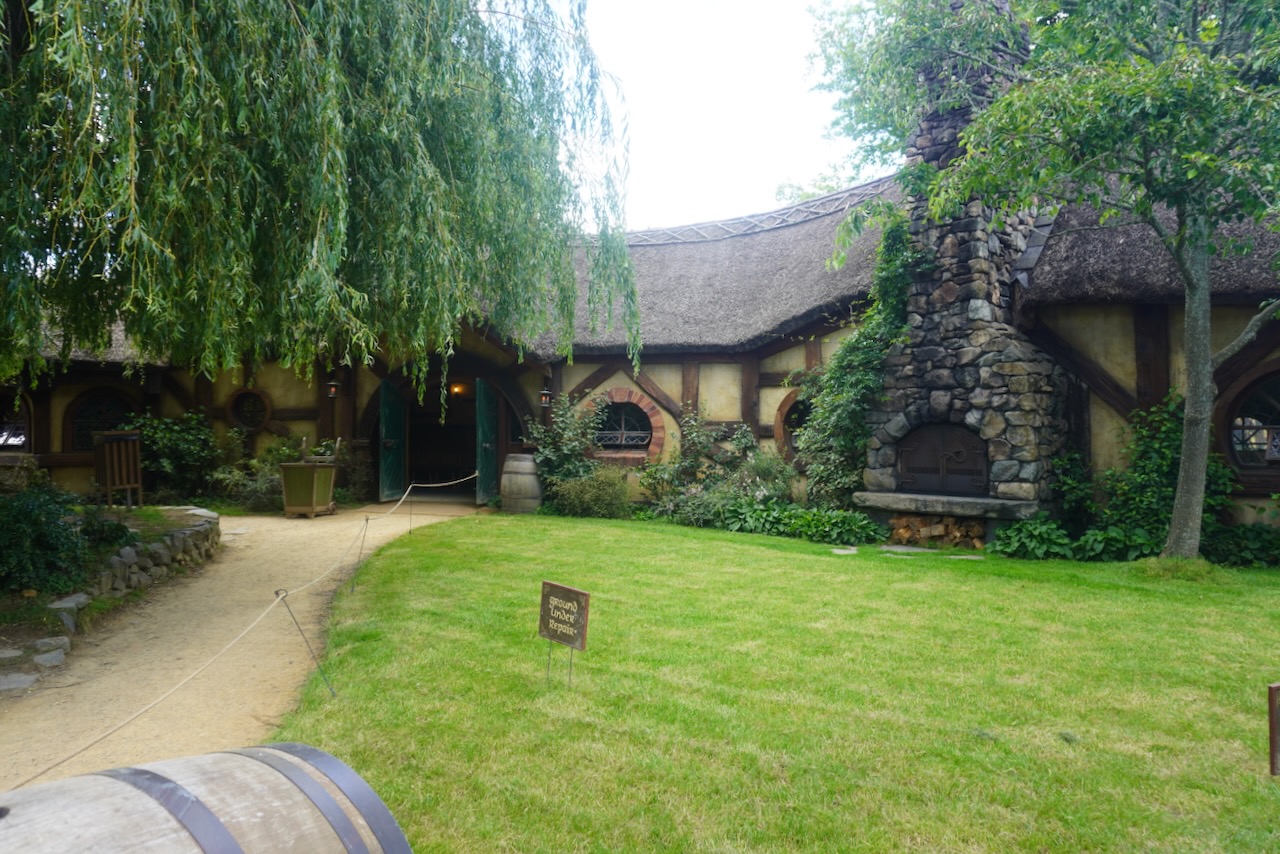
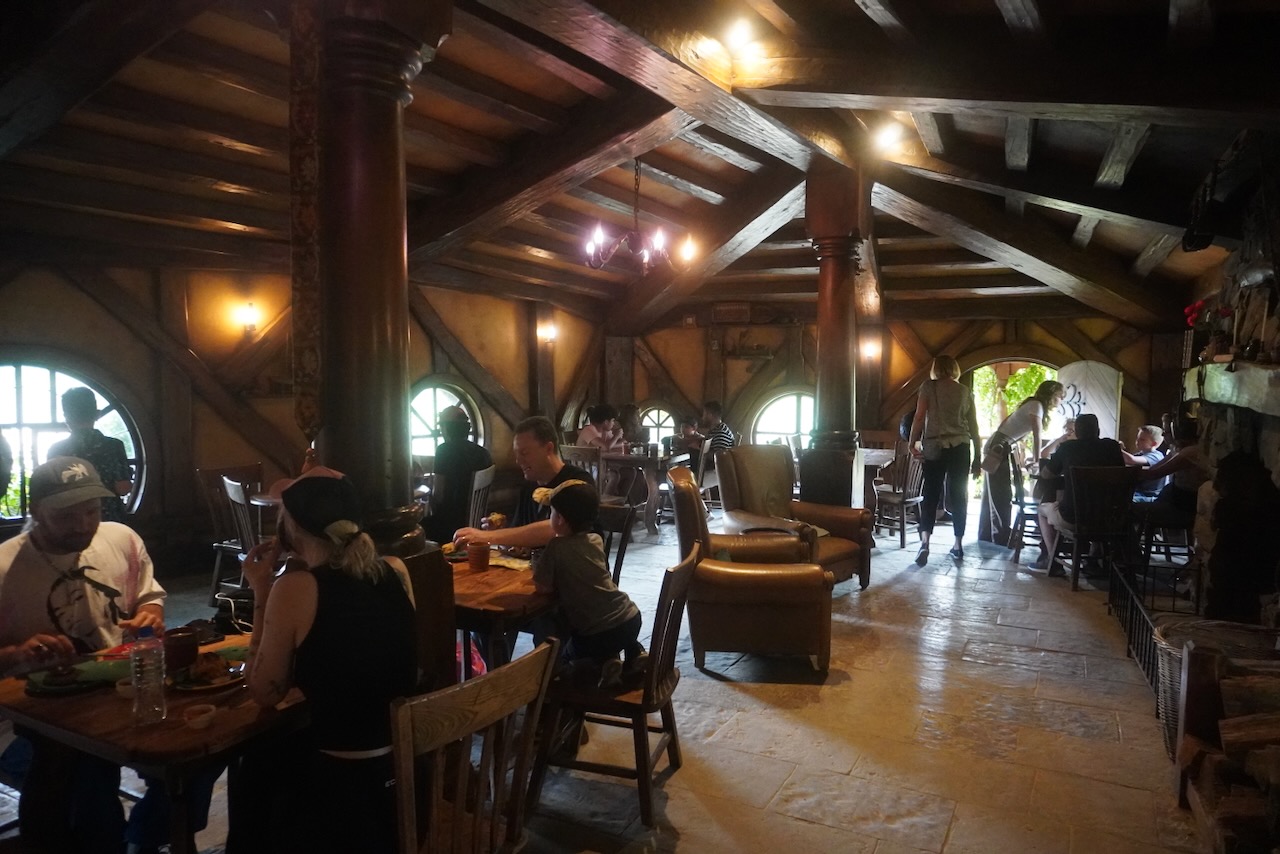
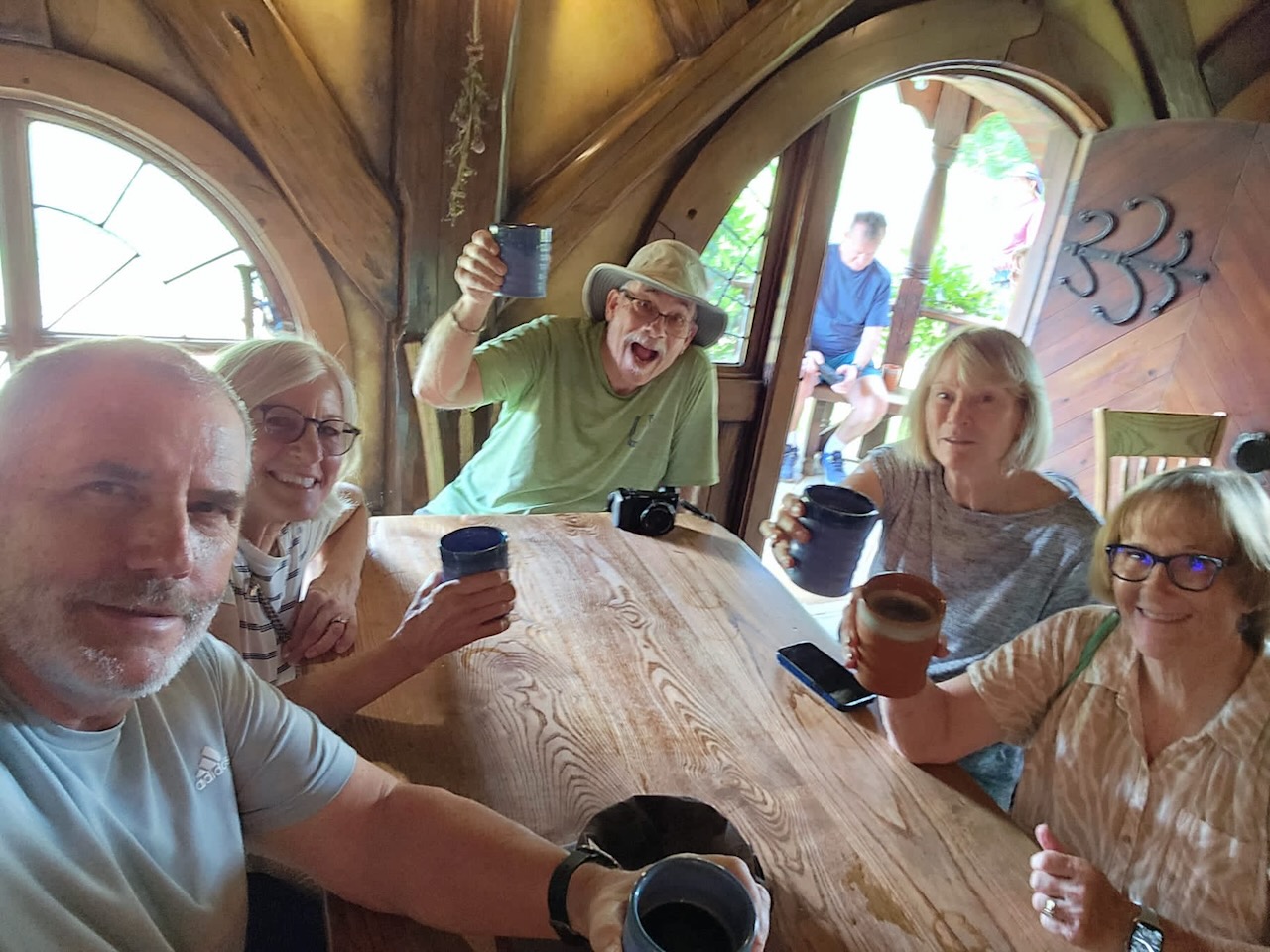
At the house, we bade farewell to Trixie and Geoff and went inside for yet another fine evening of good food, drink, and conversation. Who could have imagined that we’d meet two of the nicest people on a tour in Peru and then be able to spend time with them in their own environment. It’s the beauty of travel, those random encounters that sometimes lead to greater adventure and lifelong attachments. And all you have to do is just be open to the possibility. Thanks again to Beppie and Ian for giving us that possibility.
Links
Whakarewarewa: https://whakarewarewa.com/
Hobbiton Movie Set: https://www.hobbitontours.com/
Discover more from 3jmann
Subscribe to get the latest posts sent to your email.


 3jmann