October14- 15, 2024
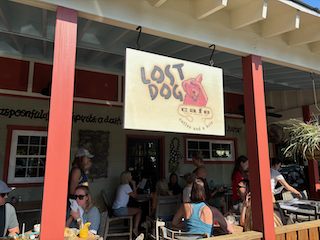
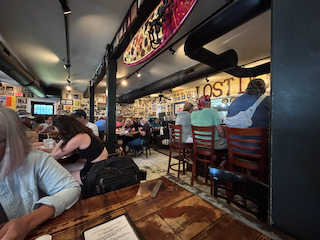
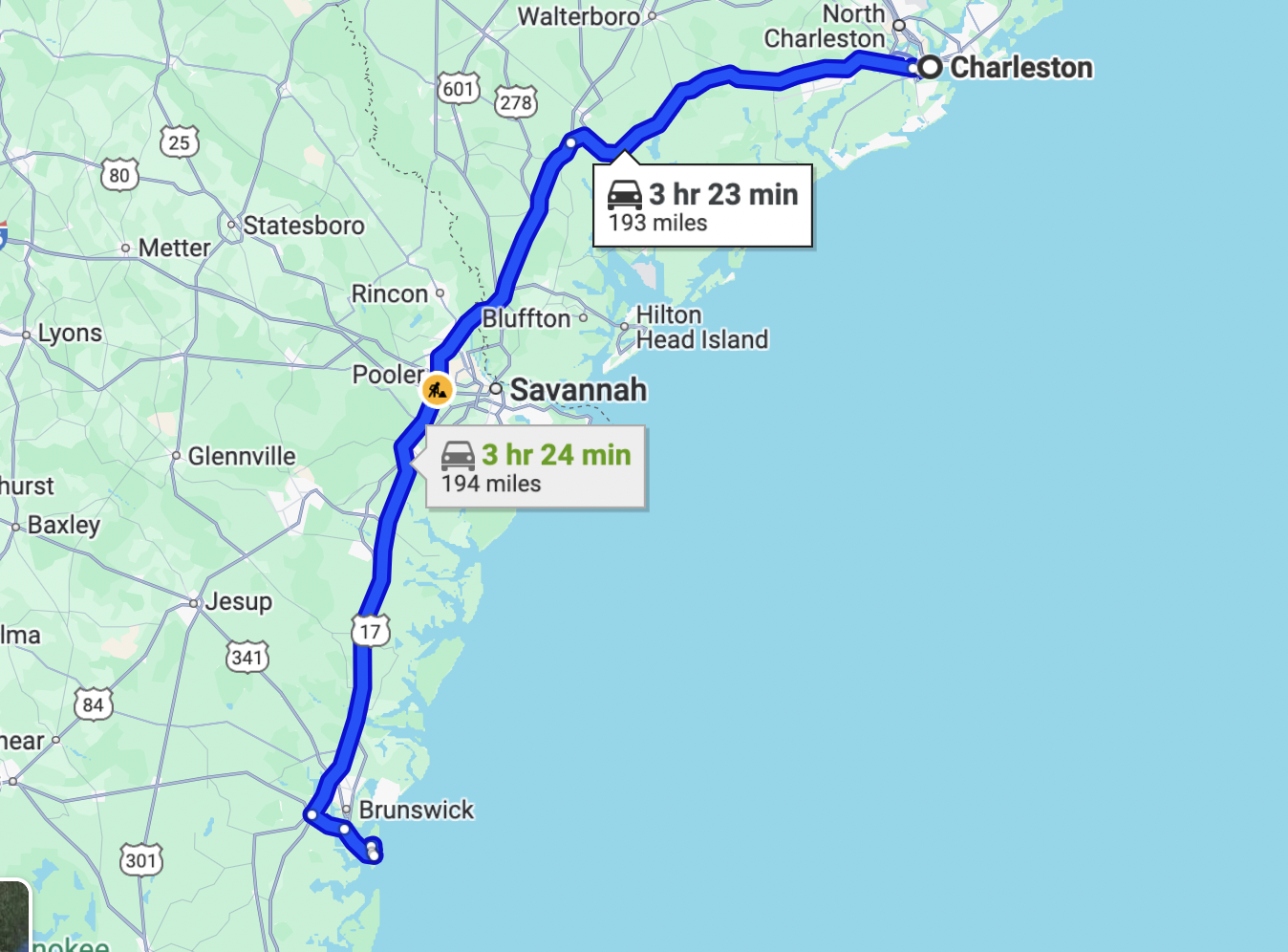
The drive to Jekyll Island the next day would be a relatively easy three hours, meaning we could enjoy a leisurely breakfast at the Lost Dog Café in Folly Beach (thanks to Carolyn for recommending it) and a bit of sightseeing in the afternoon. We’d last been to Folly Beach in 2015 during a road trip (https://3jmann.com/2015/07/08/outer-banks-and-more-charleston-part-one/) and camped at the
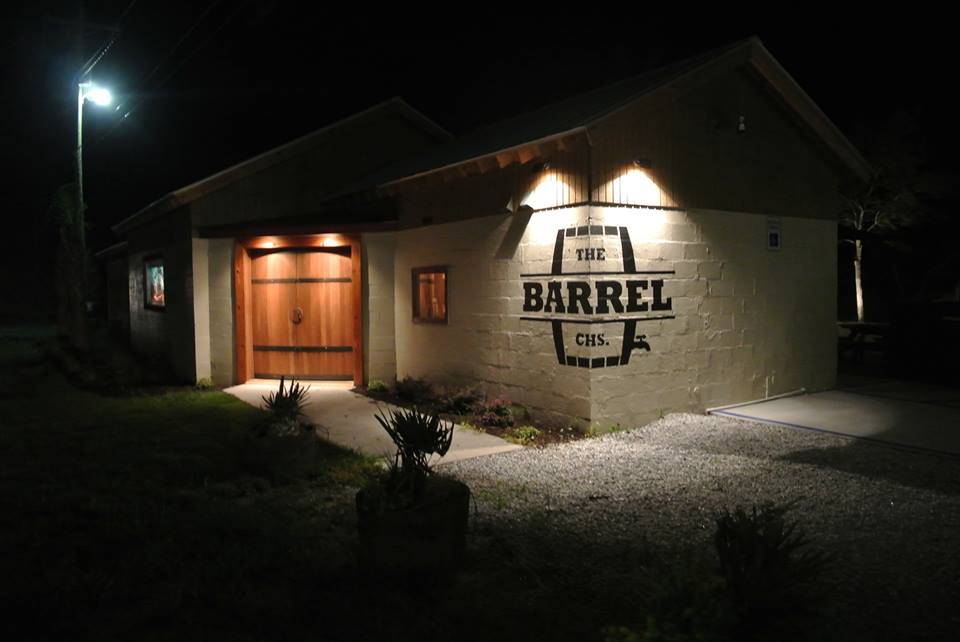
James Island County Park. While there we made a memorable stop at a tap room called the Barrel, where we rode out a rainstorm drinking good beer and being entertained by a Digeridoo playing bartender. Unfortunately, the Barrel is no longer in business.
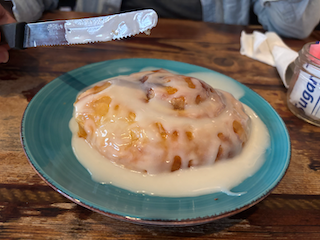
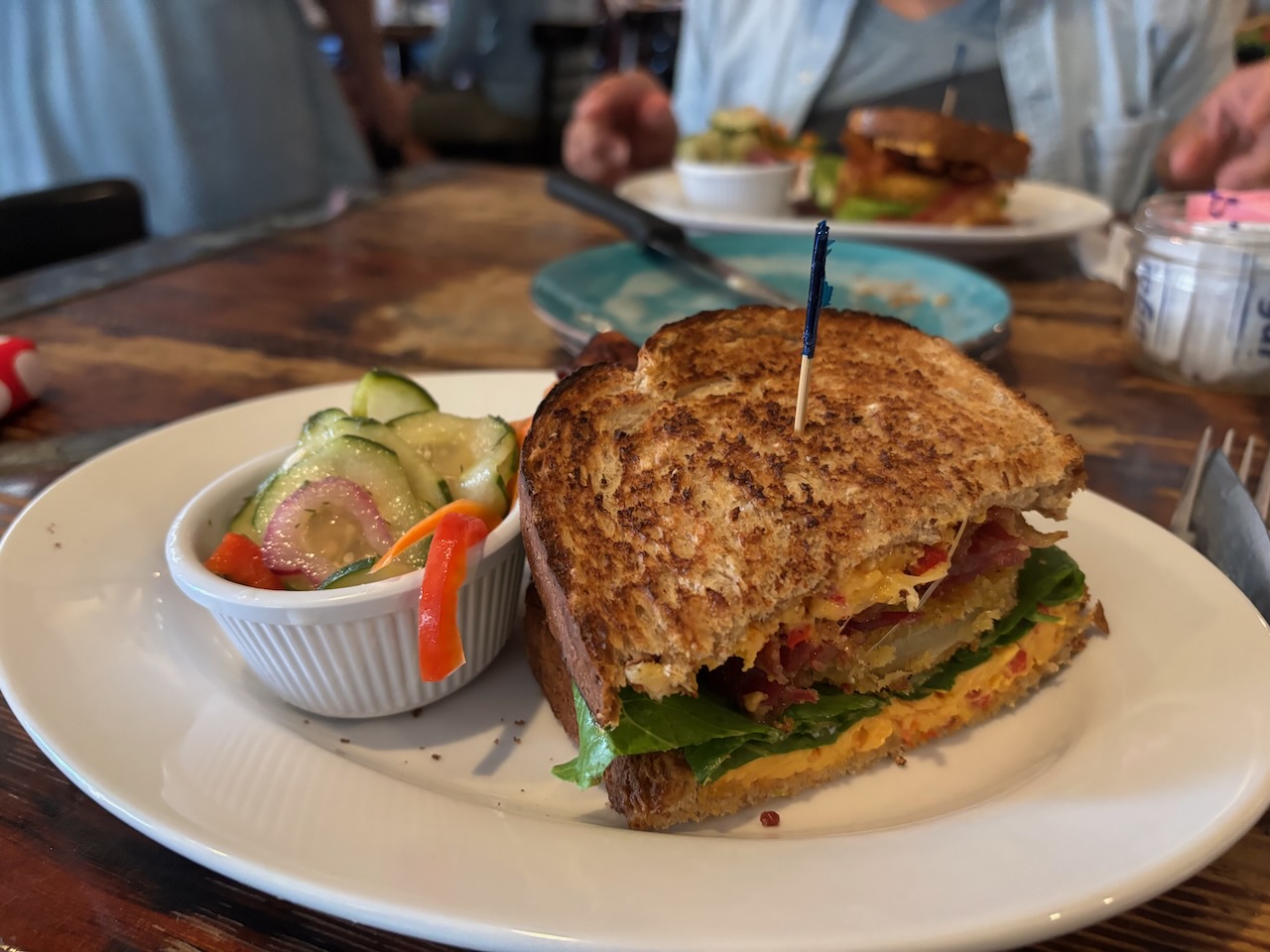
Our breakfast at the Lazy Dog was a good one. We had to wait a bit to get a table but seated soon enough we ordered coffees to start and their in-house Cinnamon Bun which was a decadent descent into sweet madness. Holy moly it was good. Next up we split a Southern Style BLT (fried green tomatoes, bacon, romaine & pimento cheese on wheatberry) which was filling and delicious, a unique way to liven up a tried and true classic.
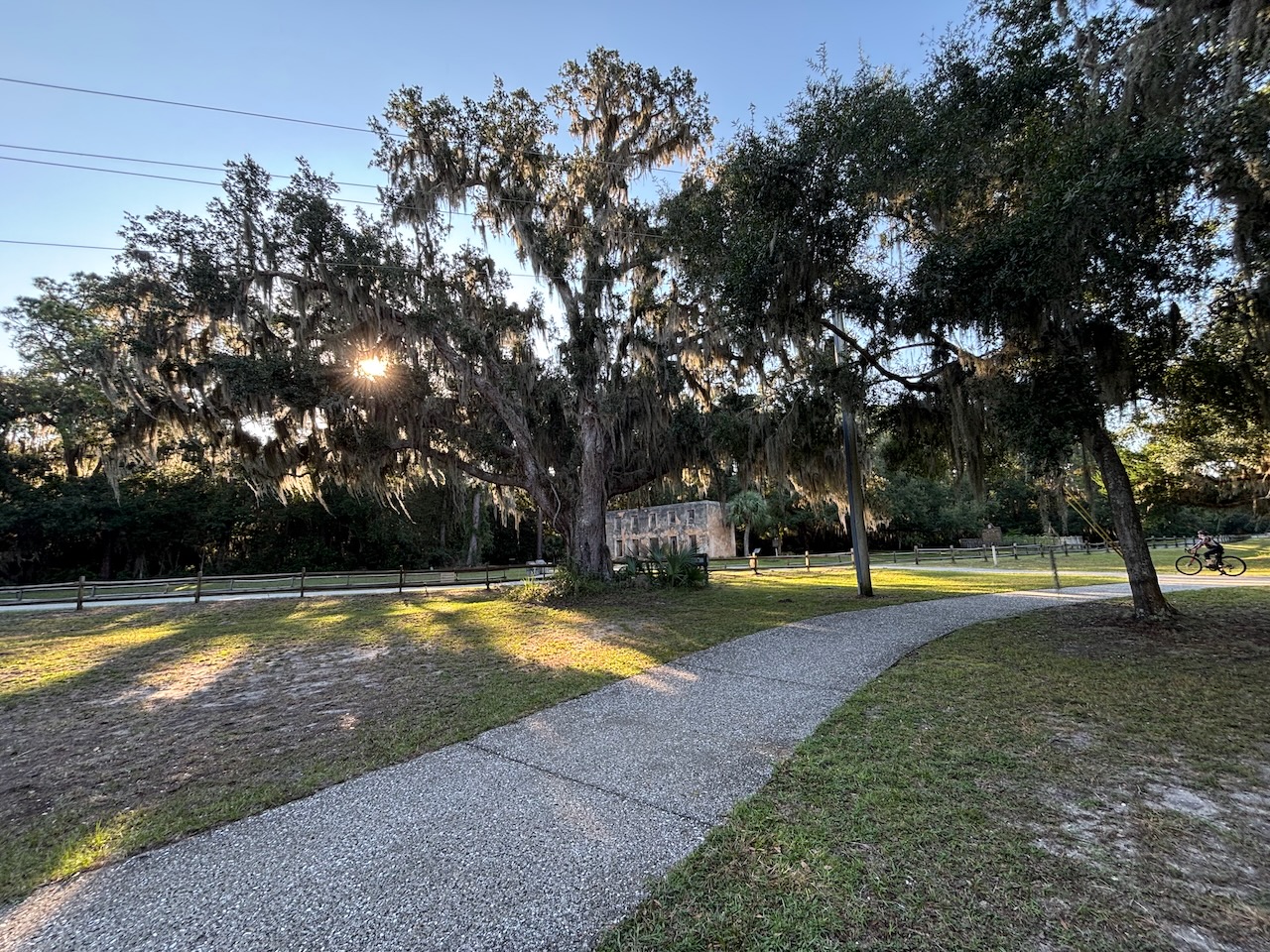
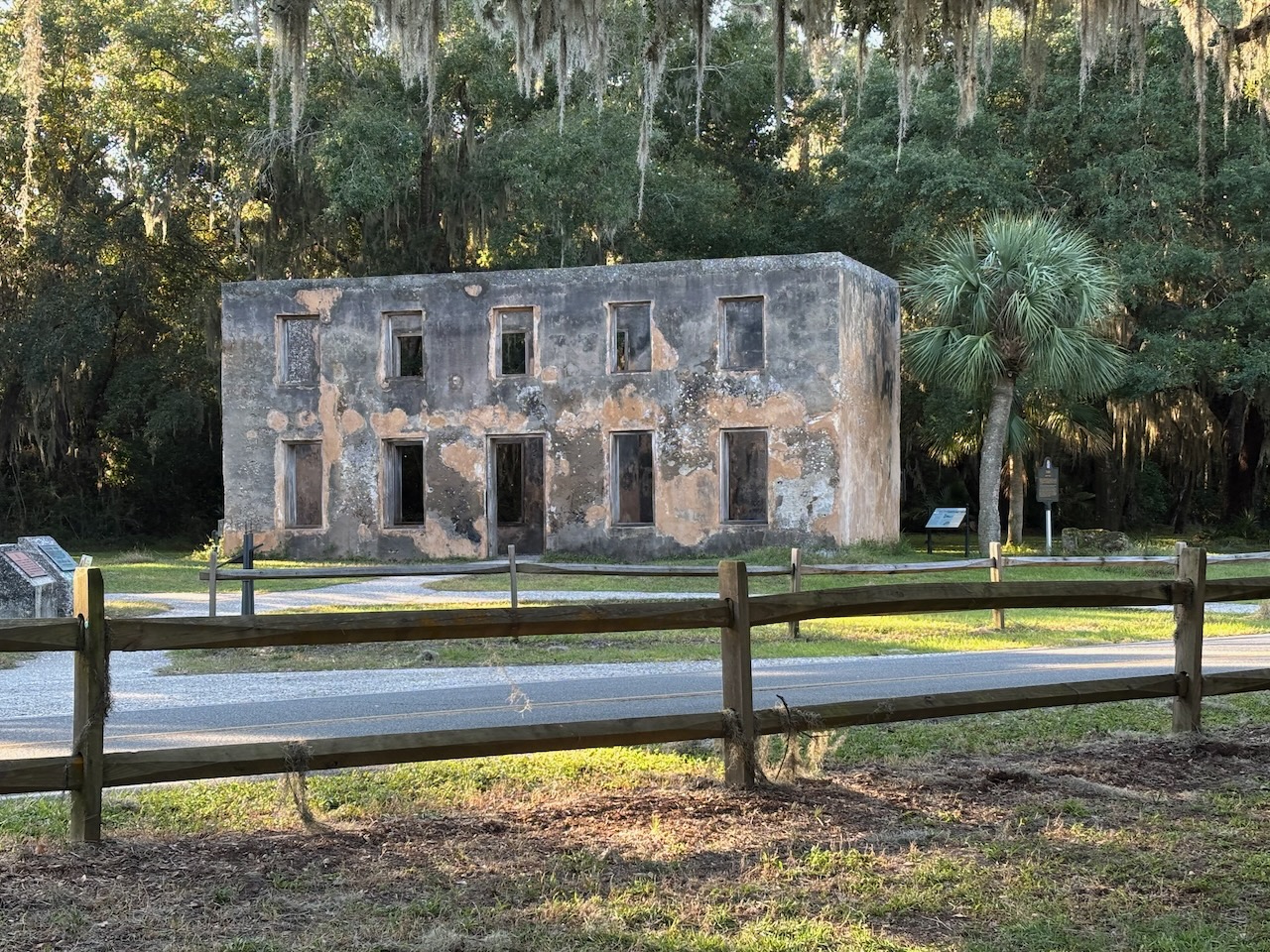
Finished with a tab of $60 including tax and tip, a not unheard-of amount when a typical breakfast runs over $40 anywhere else, we made our way to Jekyll Island. It is one of the Sea Islands and one of the Golden Isles of Georgia barrier islands and is owned by the State of Georgia and run by a self-sustaining, self-governing body. Long used seasonally by indigenous peoples of the region, plantations were developed on the island during the British colonial period. A few structures still standing are made of tabby, a coastal building material using crushed oyster shells.
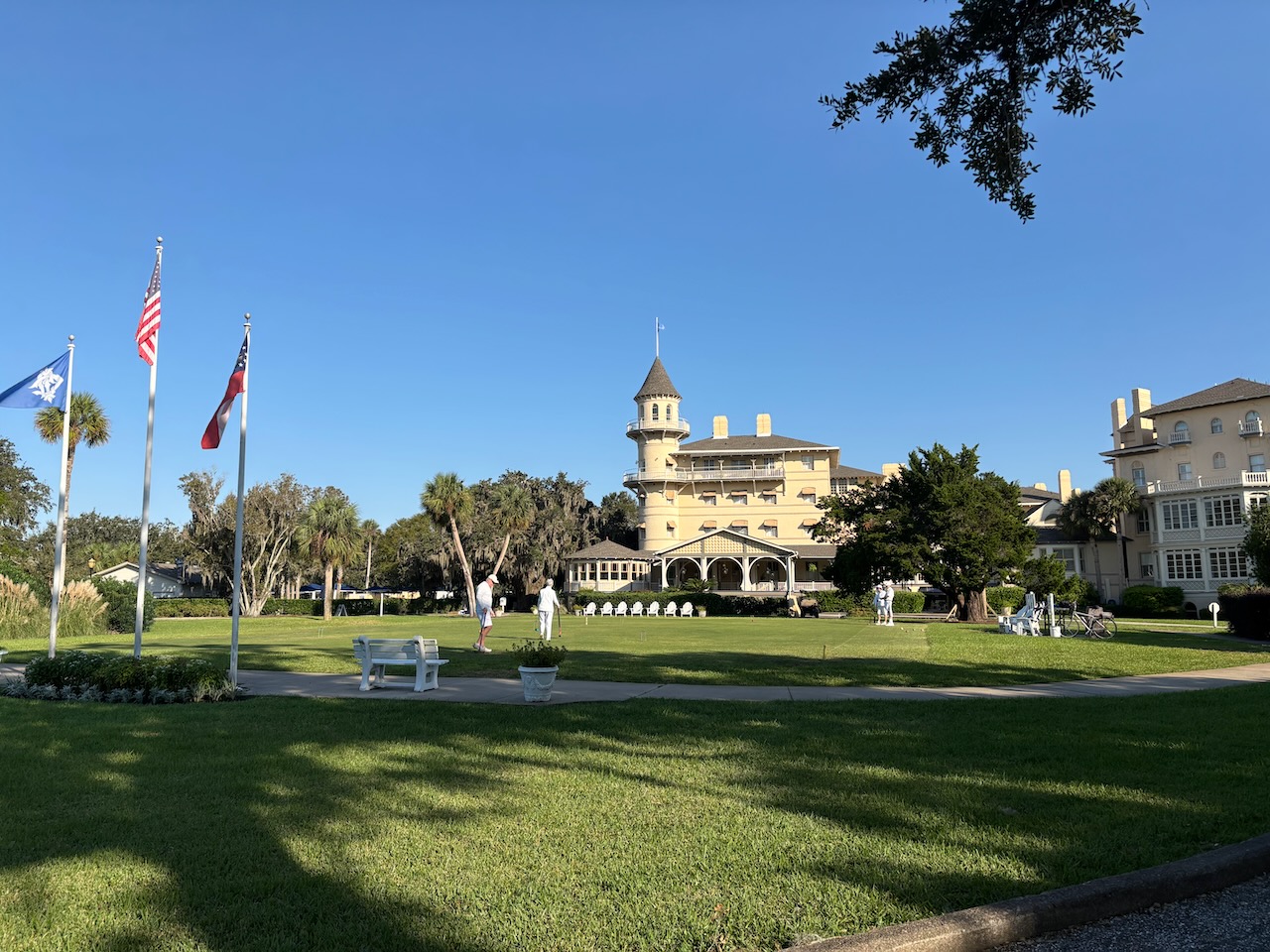
The island is also known for the Jekyll Island Club; John Eugene Du Bignon, became owner of property on the island when he inherited the southern third of the island from his father in 1875. He later purchased the rest of the island from his siblings, with the help of his brother-in-law Newton Finney and an investor. Their plan to market the island as a winter retreat for the wealthy came to fruition on February 17, 1886, when they decided to construct a clubhouse which was completed in January 1888. Fifty-three members purchased shares for $600 each; a limit of 100 members was imposed to preserve the club’s exclusivity.
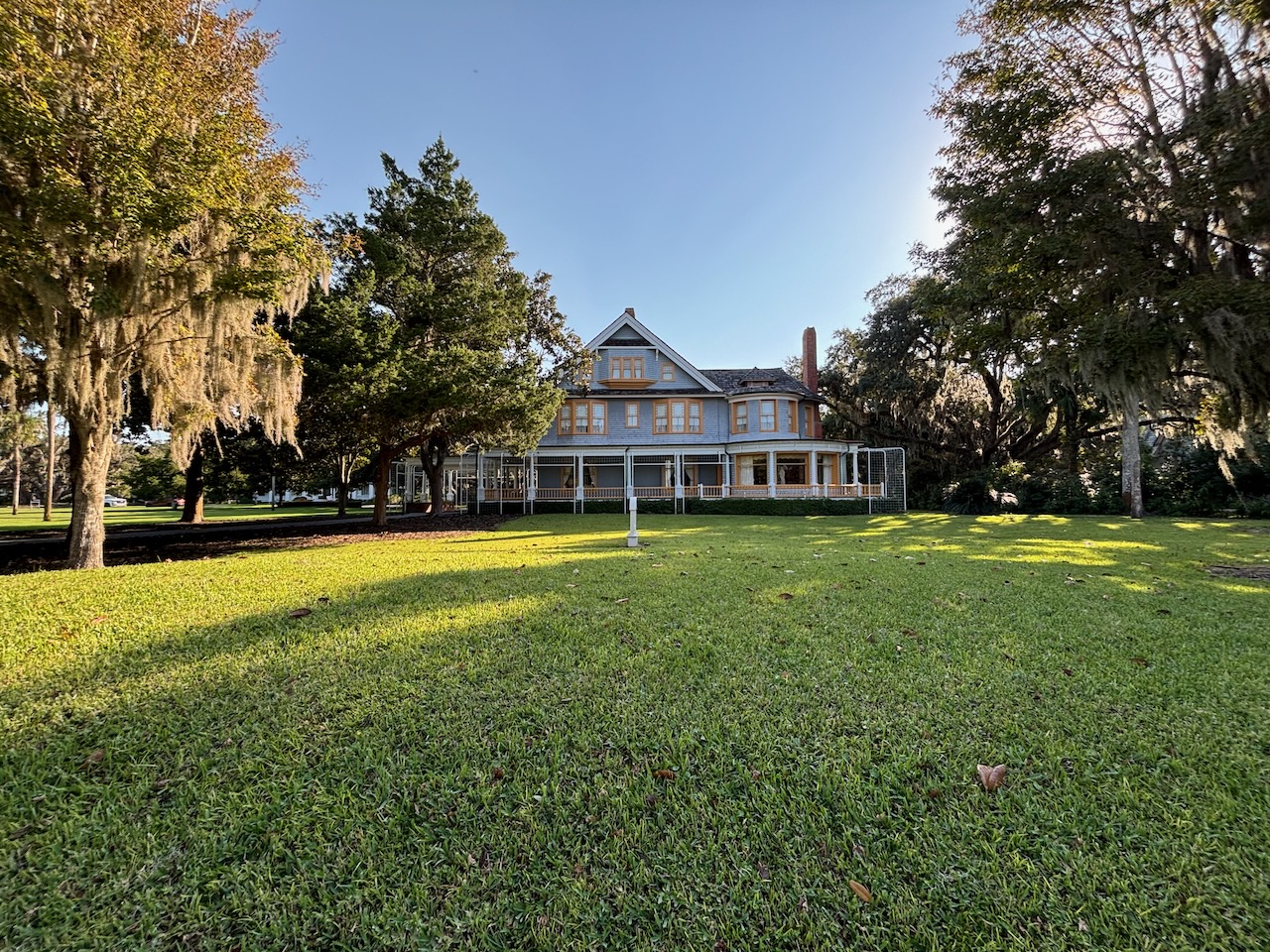
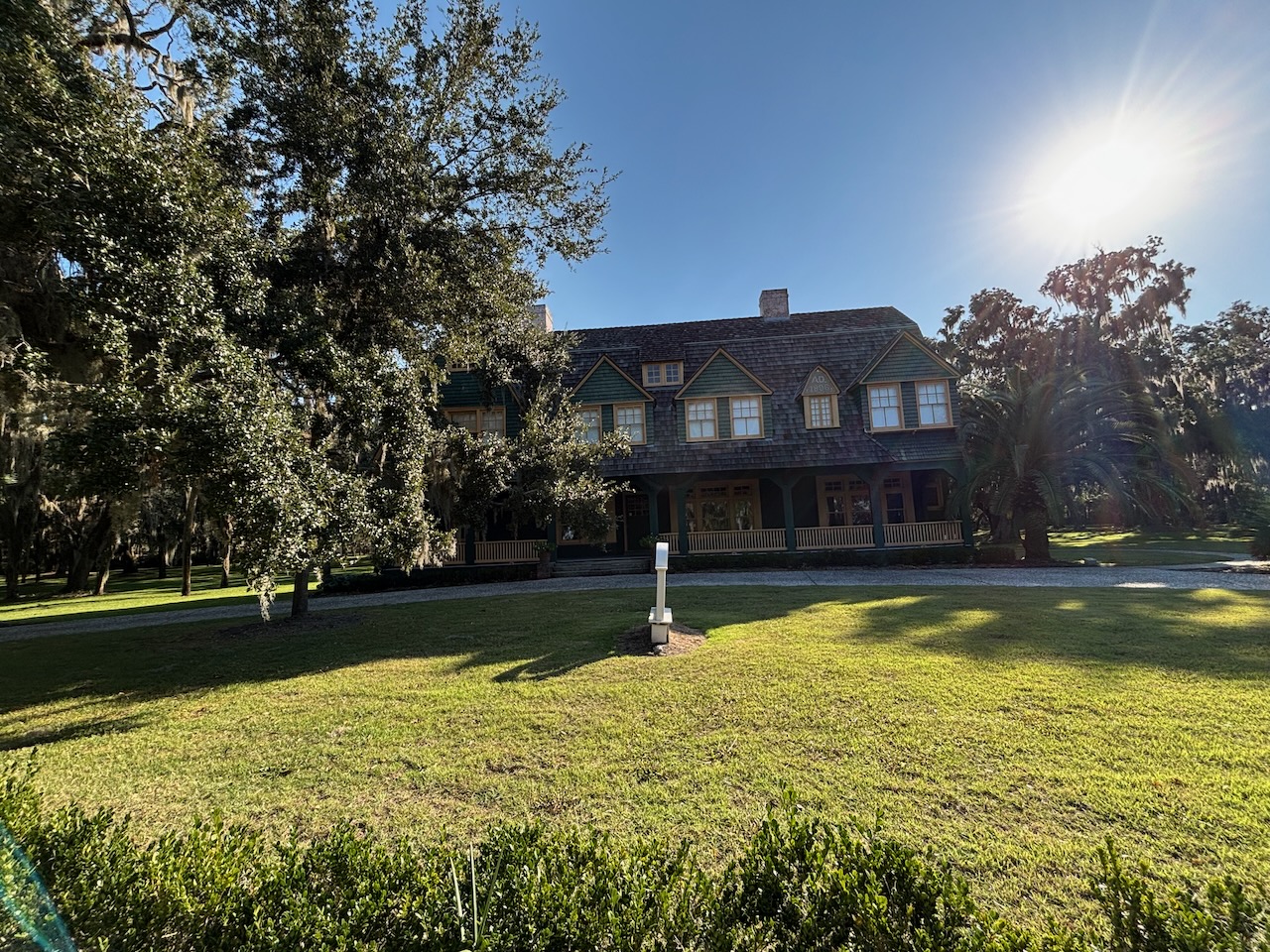
From 1888 to 1942 the club opened every January for the winter season, except a few years when there were yellow fever outbreaks. Some of the wealthiest members built their own “cottages”, mansion-sized residences that are mostly still standing in the 21st century. Even the wealthy endured financial losses during the Great Depression, and the club had financial difficulties. When the United States entered World War II, it ordered the island evacuated for security purposes, ending the era of the Jekyll Island Club. After the war in 1947, the State of Georgia bought the island.
We’ve visited here two times, the first in 2012 for the wedding of my cousin Misty and Jeremy which took place on the beach outside the hotel. We hold fond memories of the reception, particularly those of my Uncle Dale (who passed last year just shy of 100) and Aunt Almeda, who left us later that year. The second time was in April 2014 when we were returning from Florida and preparing for our six-month trip to Europe that would start a month later.

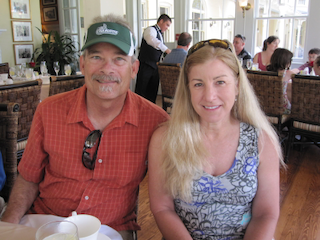

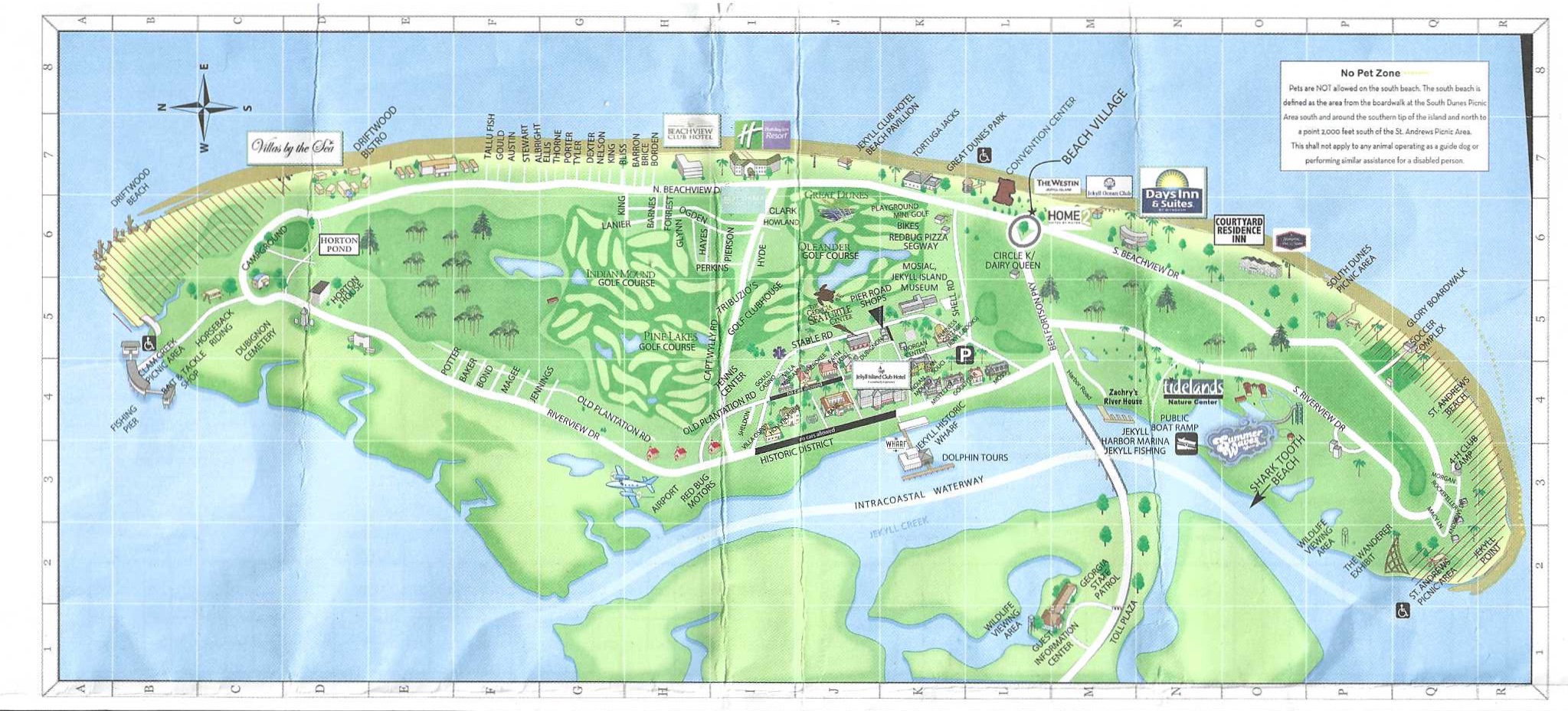
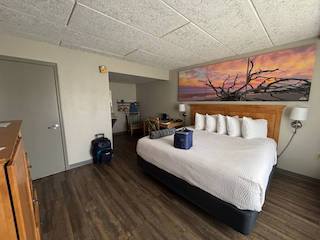
This would be another short stay, just one night but the driving distance to and from here essentially gave us an afternoon and a morning for activities. After arriving on the island we checked into Days Inn & Suites by Wyndham, not our first choice but for this stay the most affordable one we could find. It was an oddly configured room with an even more oddly configured bathroom, one we spent some time trying to figure out just why it was laid out the way it was. Fortunately for all, we never came to a conclusion.

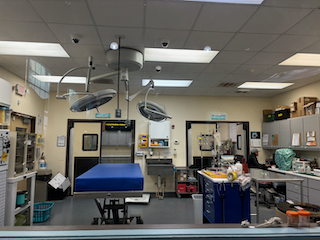
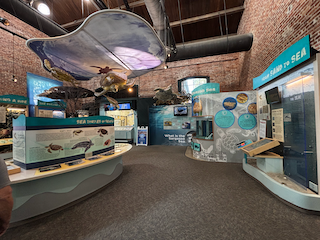
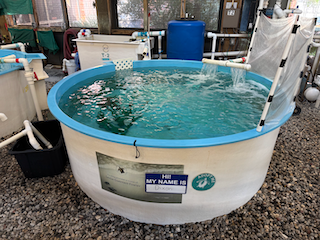
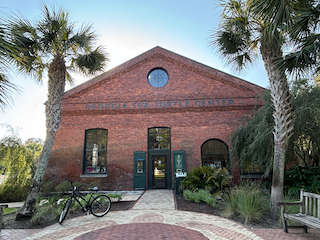
Our first would be a visit to the Georgia Sea Turtle Center, housed in what had been the islands former Power Plant listed on the National Register of Historic Places. Founded in 2007, it features interactive exhibits and patient viewing areas. In addition to caring for sick and injured turtles, the Center has an educational mission, and presents daily programs, field trips, guided tours and beach walks. It’s a fun and informative place to visit and when I stopped at the recovery tanks in a large outdoor enclosure, I happened upon the last part of a lecture by a staff member regarding a turtle under their care.
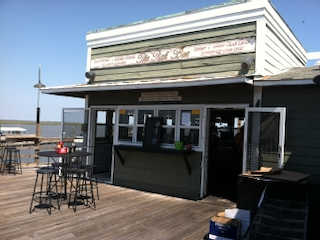
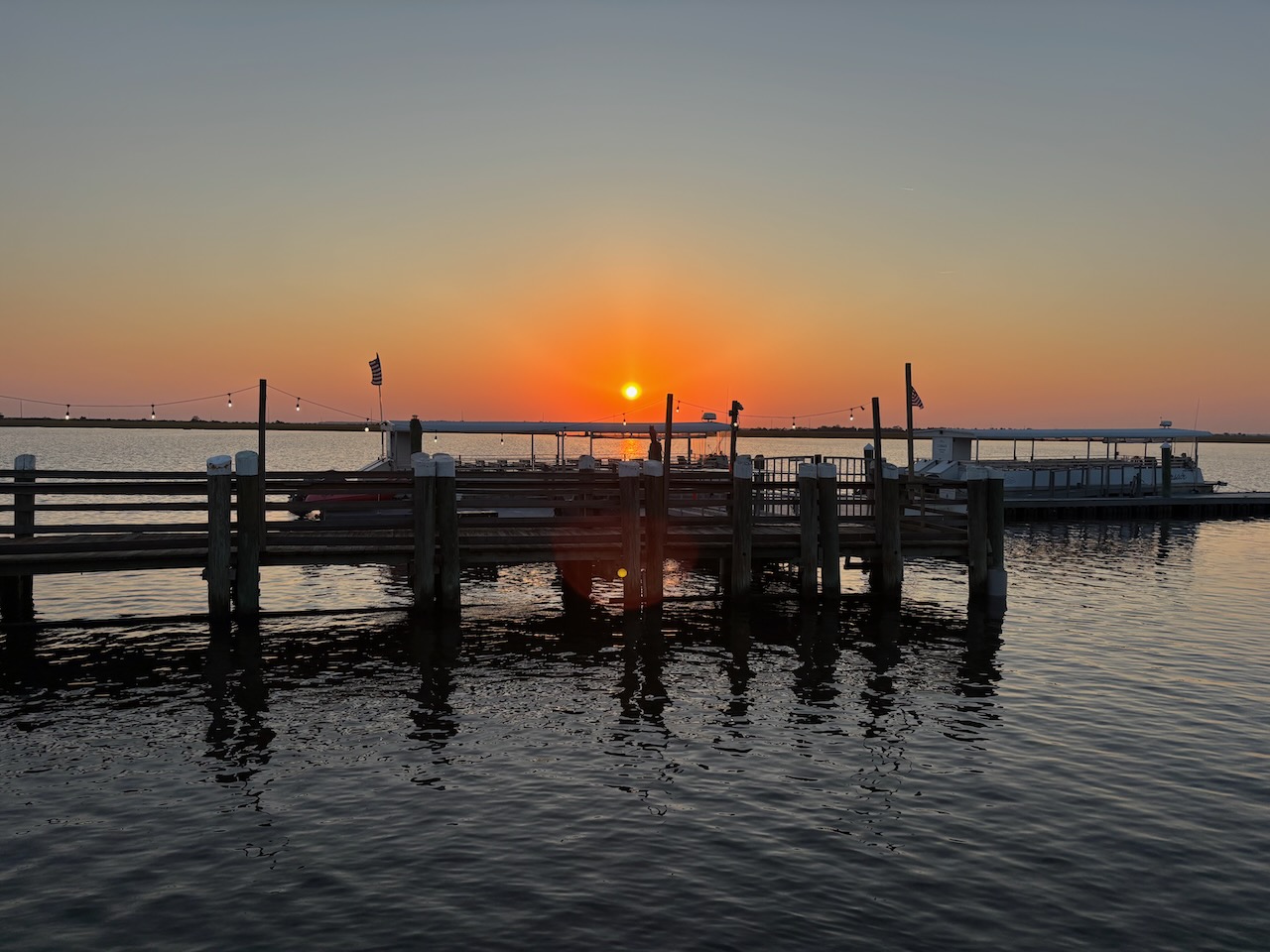
We left the Center and drove over to Jekyll Pier, also known as the Club Wharf, and the only way a person was allowed onto the island between 1886 to 1942, as access was granted only to members, members guests, and employees of the club. While I walked out to the end of the pier and found a seat at the bar of the restaurant, the Wharf of course, while Joanna went to check out some of the shops nearby.

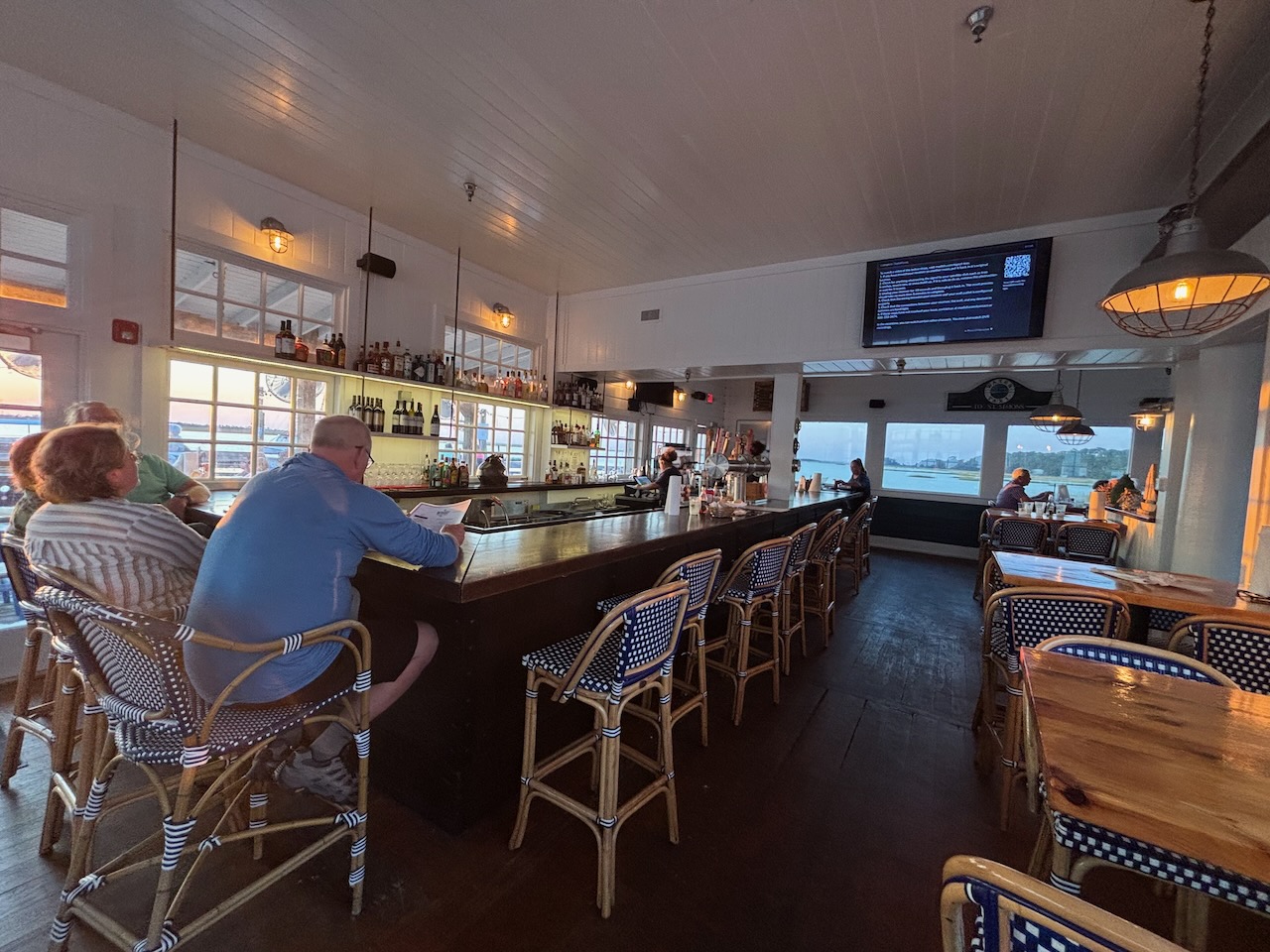
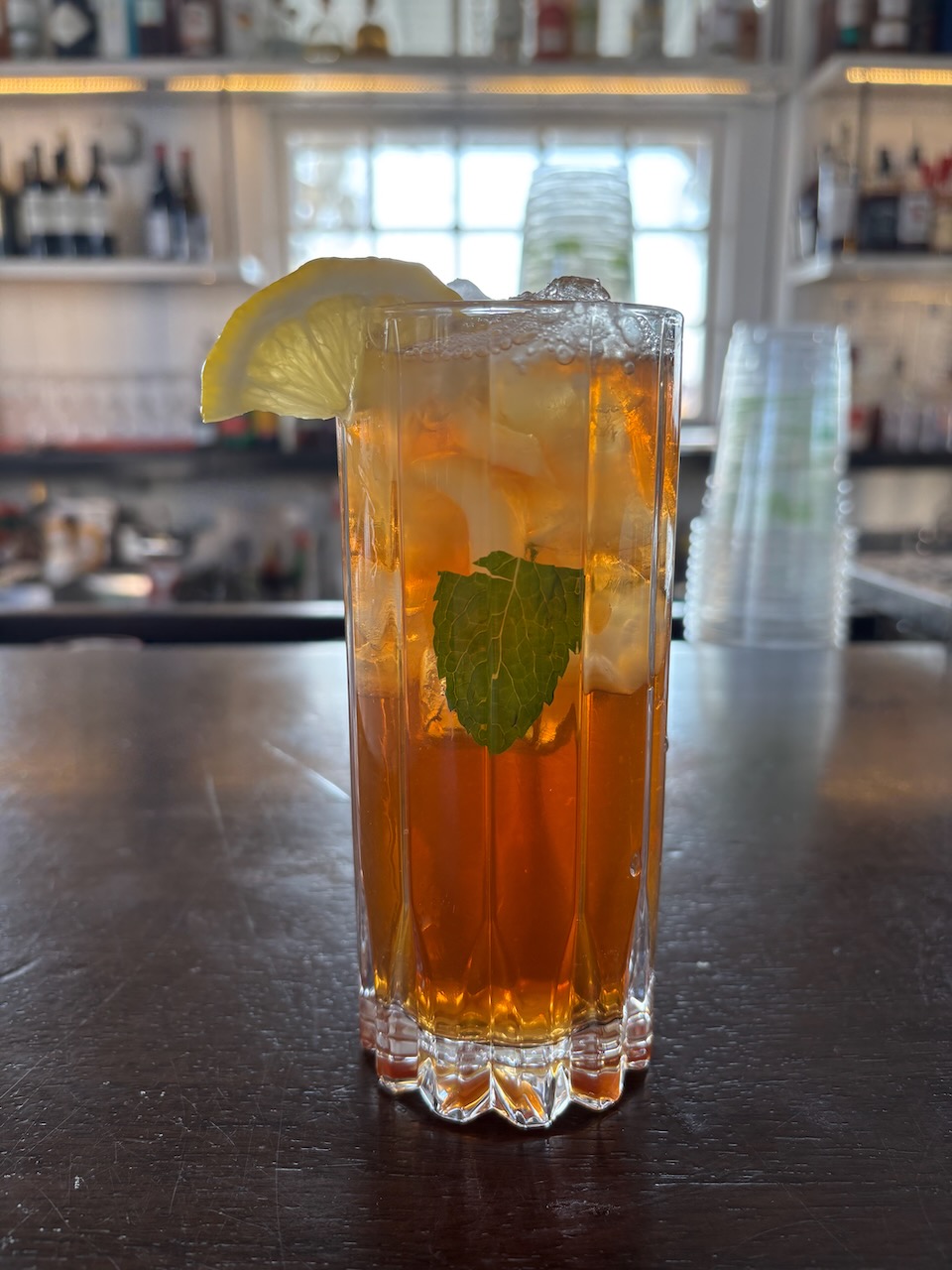
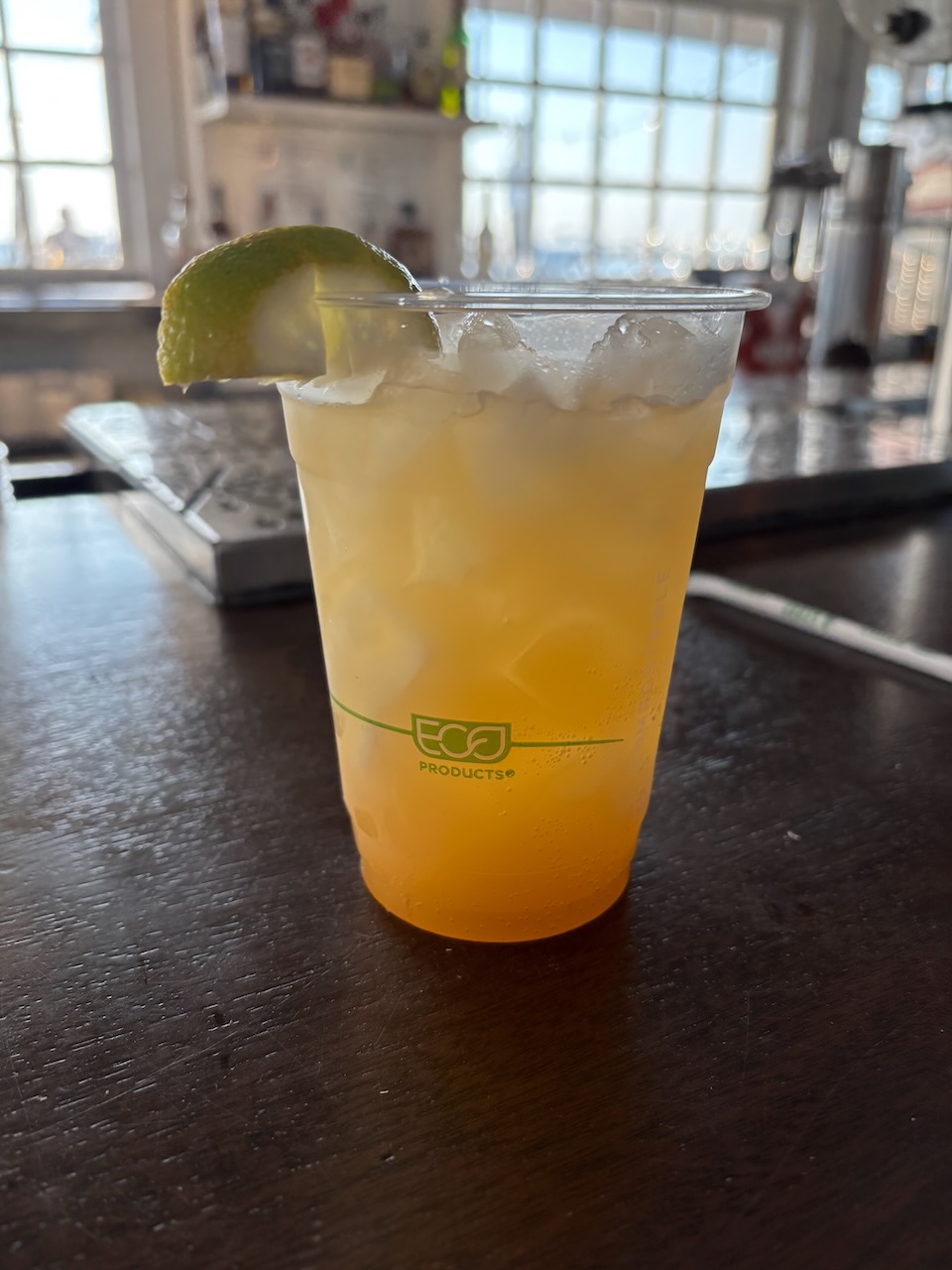
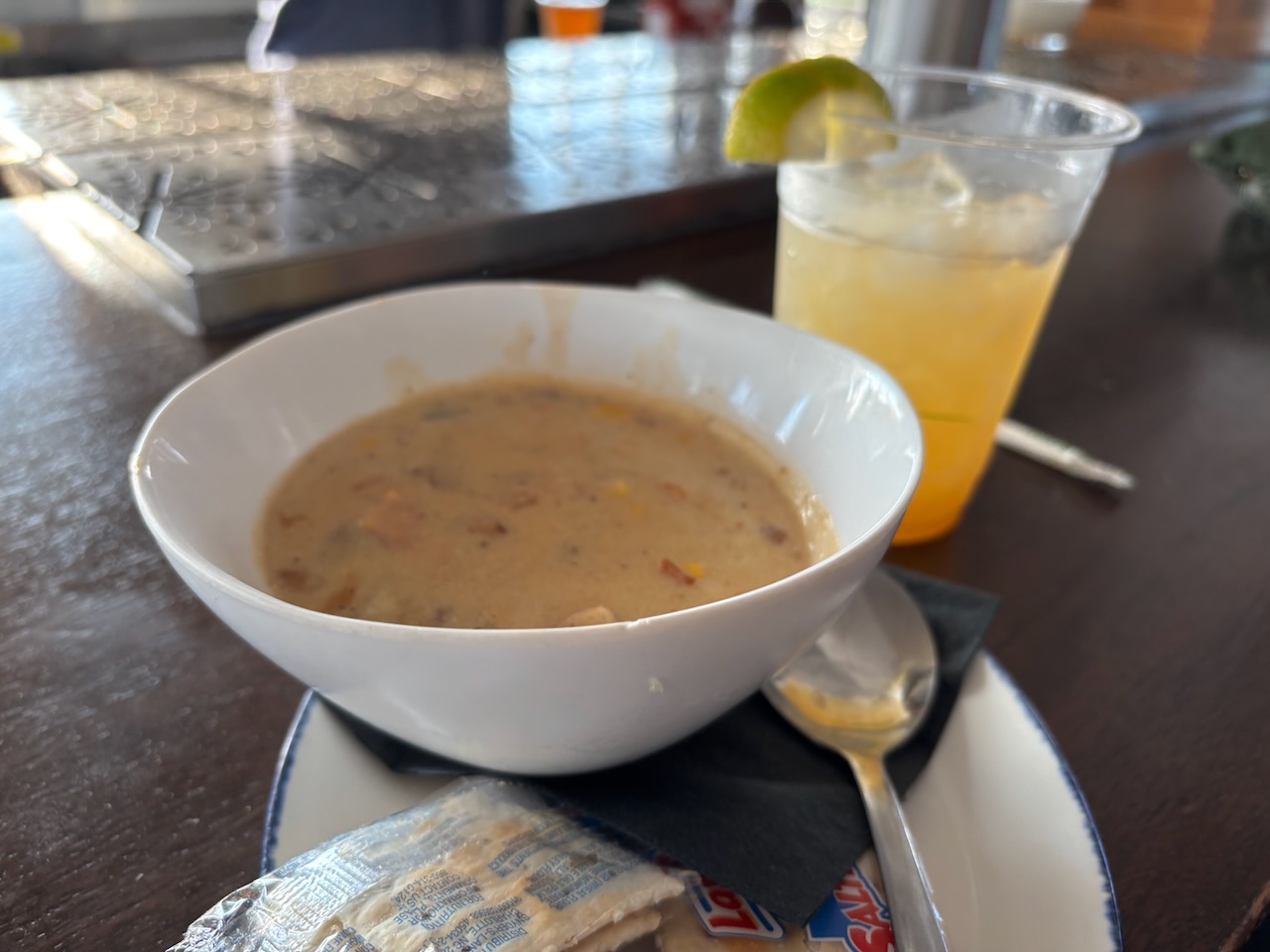
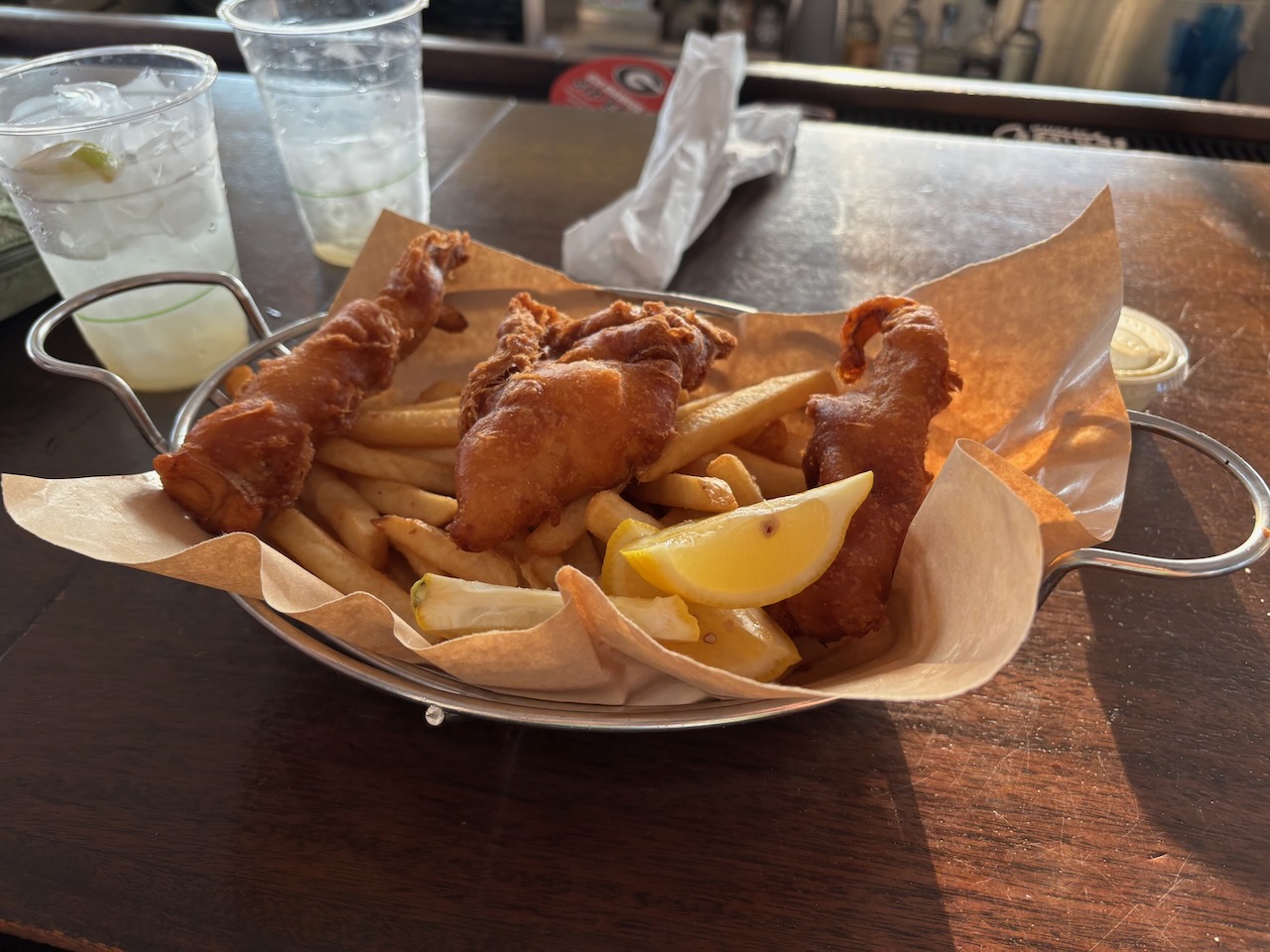
I ordered a refreshing Jekyll Island Tea (Angels Envy, Sweet Tea, lemon and mint) to get me going as we hadn’t made plans for dinner that evening. Not long after, Joanna joined me and ordered a Georgia Peach Mule (Skyy Vodka, Peach Combier, Fever Tree Ginger Beer, and lime juice), another delightful concoction and that’s when we decided to eat there at the bar. We started with a bowl of the Seafood Chowder (Vidalia onion, sweet corn, clams, potatoes, and shrimp) which hit the spot and led us onto an order of Fish and Chips which I enjoyed with a glass of Sonoma Cutrer Chardonnay. All in all, it was very good, but a bit pricey as we settled up at $103 including tax and tip.
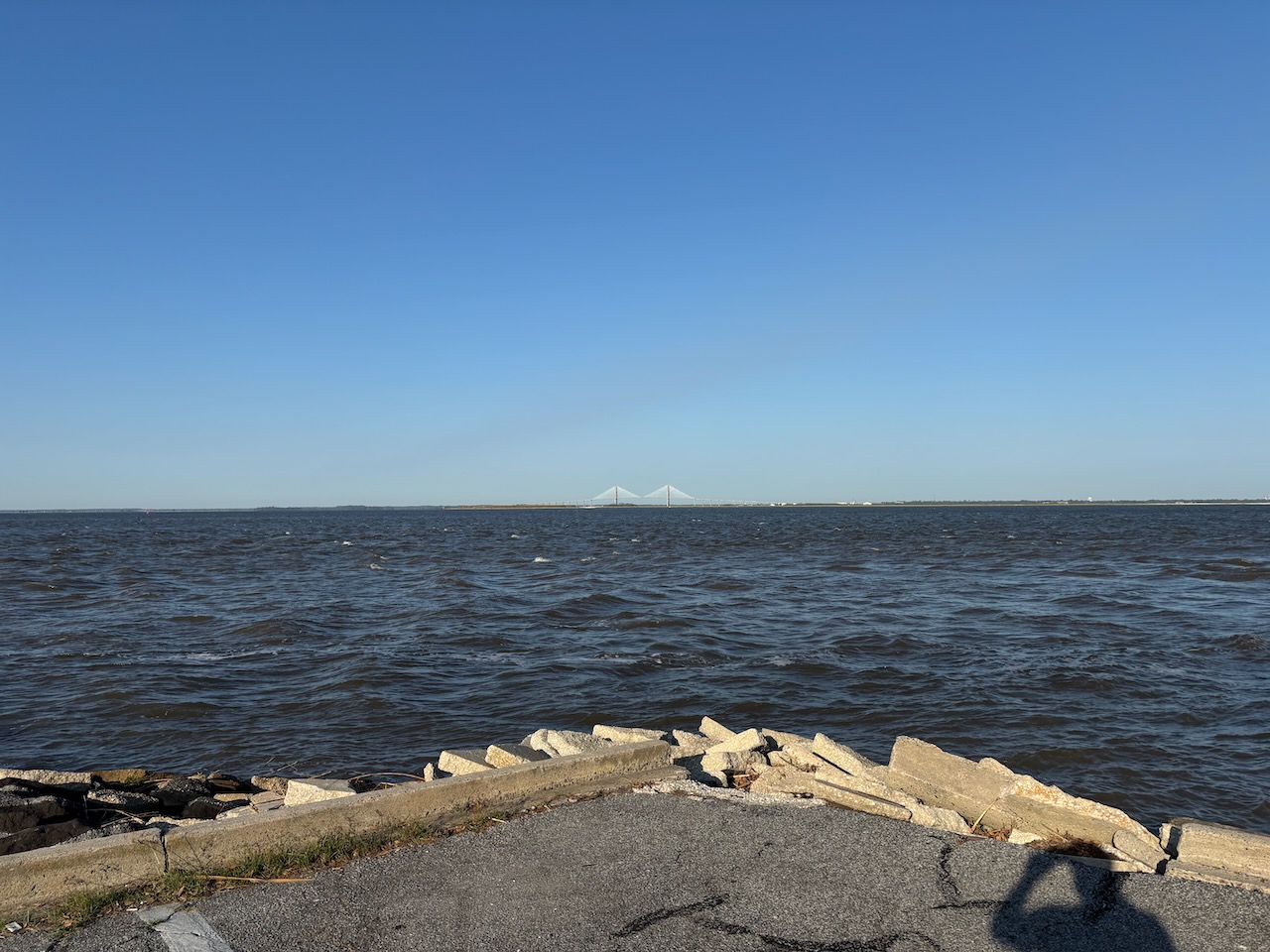
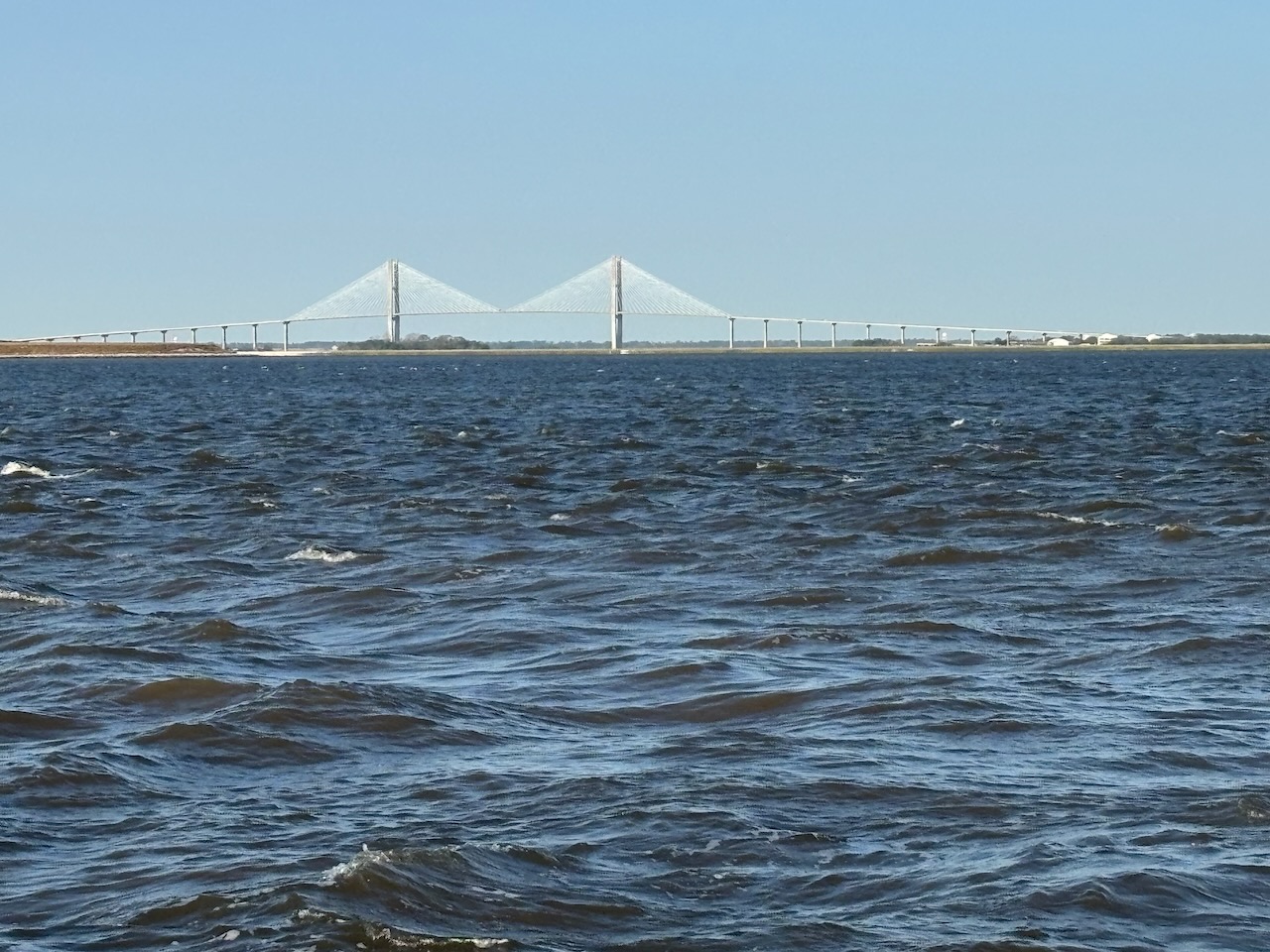
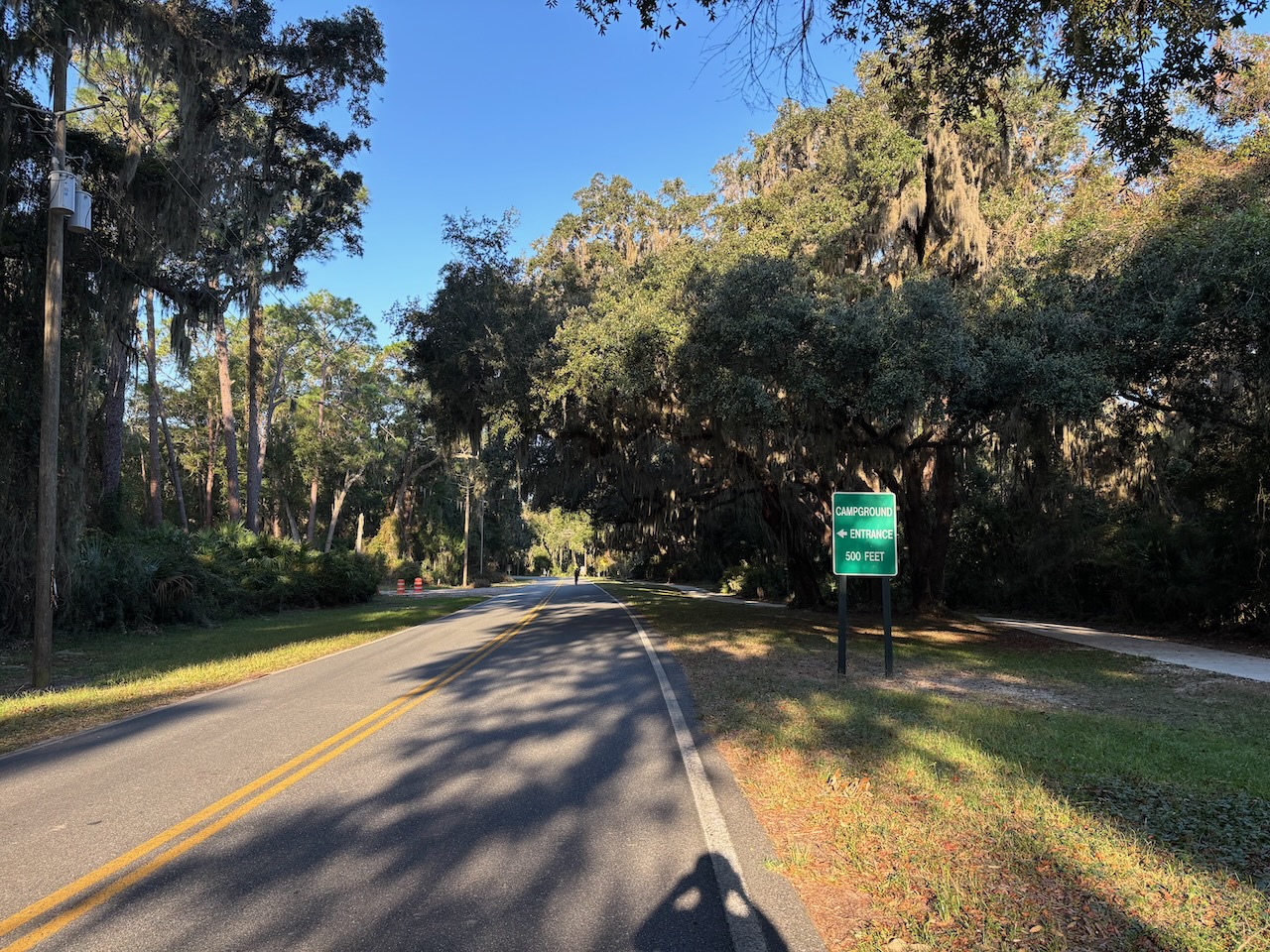
The next morning, with a short drive ahead of us, we took off for a bike ride around the island, an easy perfectly flat fourteen miles. We rode counterclockwise heading due north for a brief stop at Driftwood Beach to snap a picture of the Sidney Lanier Bridge that spans the Brunswick River before continuing down the western side of the island. About a quarter of the way we paused to take a picture of an abandoned Tabby building.
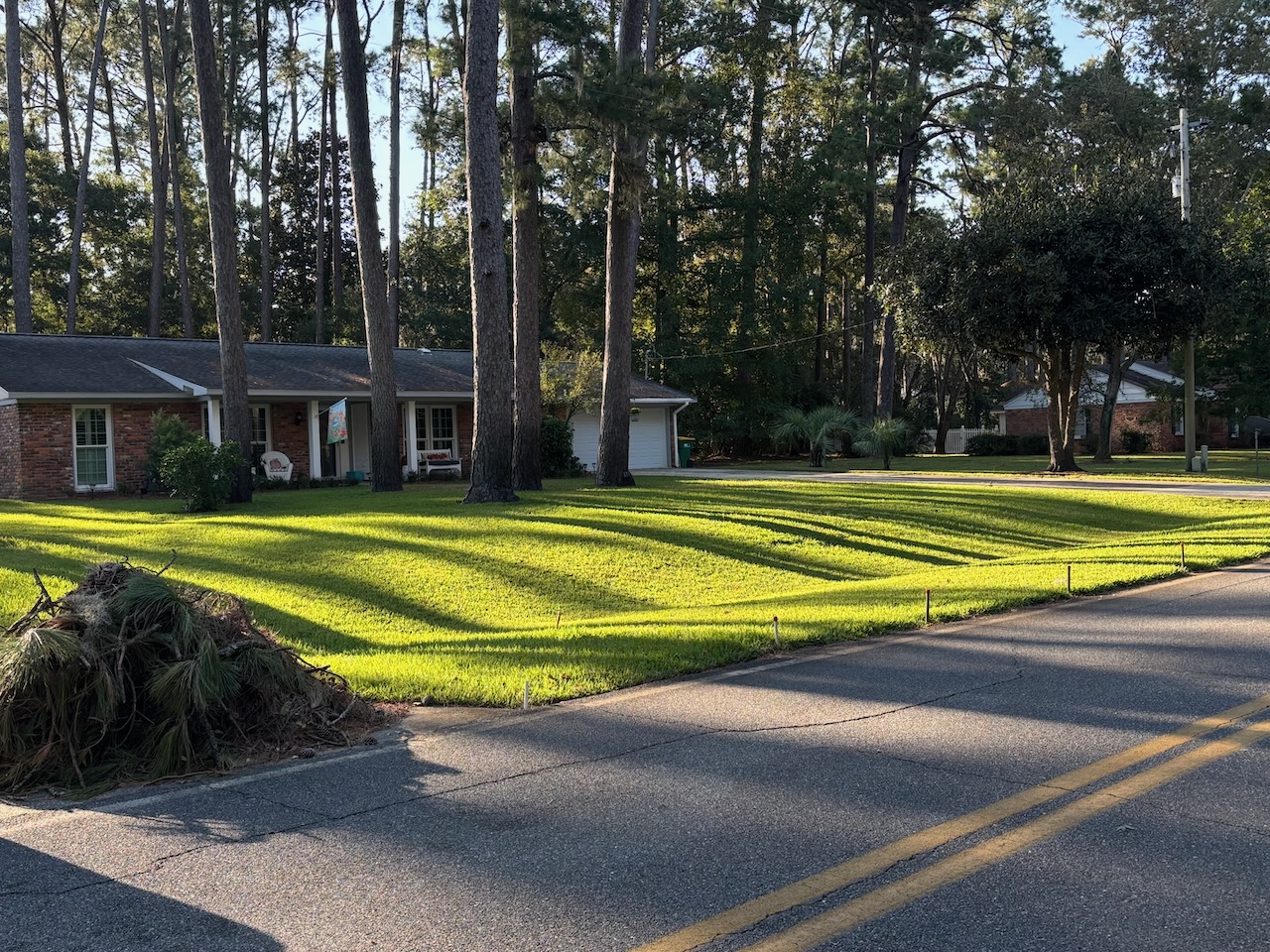
Continuing we drove through one of the residential areas as people can live here but, all land is owned by the State of Georgia. The State leases the land to owners (leasehold ownership). And under this arrangement, one does not own the land, but owns the structure, including any improvements, and has the right to use it exclusively and may transfer ownership for the remaining years of the lease.
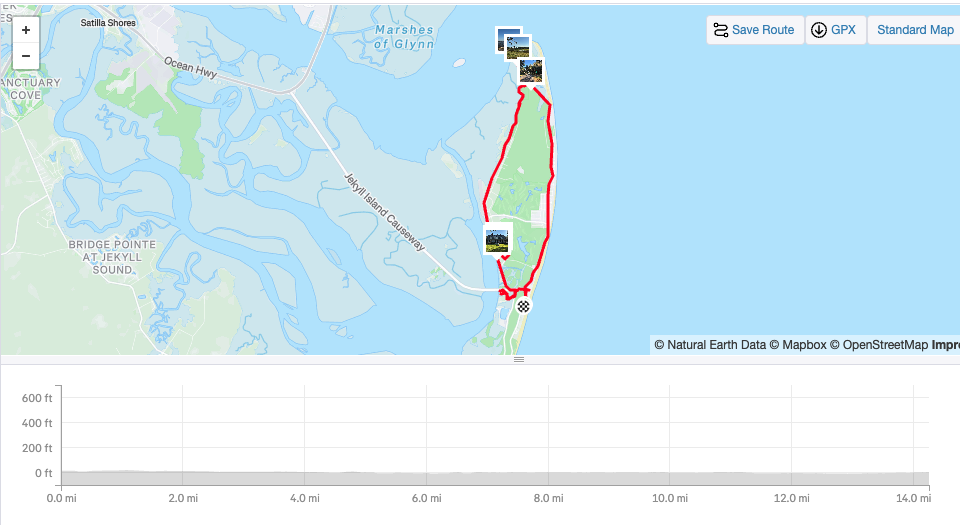
Moving along we entered the National Historic Landmark District (one can tour many of the houses here) and stopped to take pictures of Indian Mound Cottage, Mistletoe Cottage, and the Moss Cottage before rounding the southernmost tip of the island to return to the hotel to shower and catch the last of breakfast time there before packing up and hitting the road for St. Mary’s and Fernandina Beach, our visit to honor my Uncle Dale. We fill in the details in our next post.
Links
Lost Dog Café: https://lostdogfollybeach.com/
Jekyll Island: https://www.jekyllisland.com/
Days Inn & Suites by Wyndham: https://www.wyndhamhotels.com/days-inn/jekyll-island-georgia/days-inn-and-suites-jekyll-island/overview?CID=LC:iqv0j1dklijly45:06553&iata=00093796
Georgia Sea Turtle Center: https://www.jekyllisland.com/activities/georgia-sea-turtle-center/?utm_source=direct&utm_medium=301&utm_campaign=gstc.jekyllisland.com
The Wharf: https://www.jekyllclub.com/jekyll-island-restaurants/the-wharf/
Discover more from 3jmann
Subscribe to get the latest posts sent to your email.


 3jmann