May 12 – 14
Having finished lunch, we went outside and caught a taxi to take us closer to where the Picasso Museum (Museu Picasso) is located. One nice thing about Barcelona is that it is a taxi town. Uber does operate there but the black and yellow city taxis are ubiquitous, and can sometimes be called using the UBER app. But more often than not, if you waited long enough a vacant taxi would appear and hailing them would get you a convenient, timely and inexpensive ride to your destination.
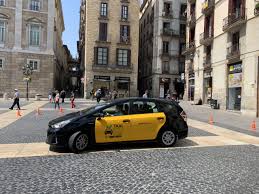
The museum is in the heart of a part of the city known as La Ribera near the Barri Gòtic, the historic center of the old city of Barcelona. It stretches from La Rambla to Via Laietana, and from the Mediterranean seafront to the Ronda de Sant Pere. The quarter encompasses the oldest parts of the city and includes the remains of the city’s Roman wall and several notable medieval landmarks. Much of the present-day fabric of the quarter, however, dates to the 19th and early 20th centuries. El Call, the medieval Jewish quarter, is located within this area, along with the former Sinagoga Major and the Barri Gòtic retains a labyrinthine street plan, with many small streets opening out into squares. Most of the quarter is closed to regular traffic although open to service vehicles and taxis.
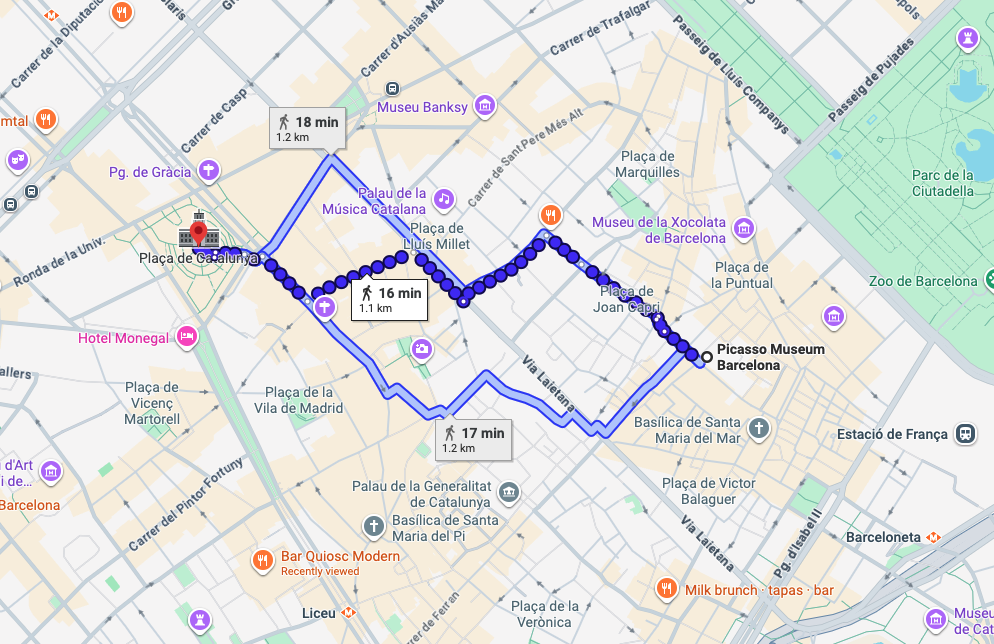
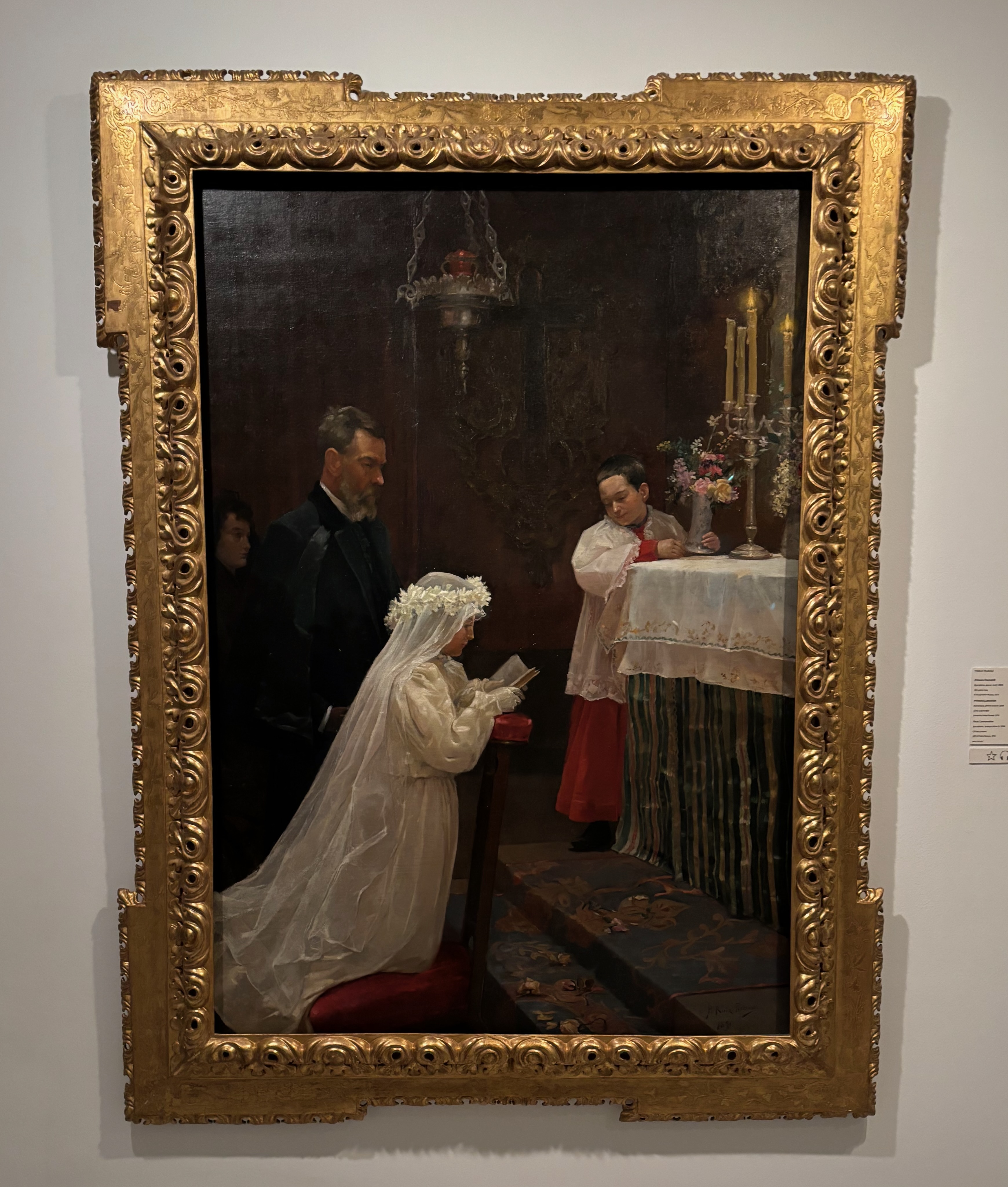
Housed in five adjoining medieval palaces on Montcada Street, we paid our fee of 12 Euros apiece and began our tour. The museum houses an extensive collection of artworks with a total of 4,251 of Picasso’s works. It opened to the public in 1963, becoming the first museum dedicated to his work and the only one created during his lifetime. Highlights of the collection include two of his first major works, The First Communion (1896), and Science and Charity (1897). In particular, the Museu Picasso reveals Picasso’s relationship with the city of Barcelona, a relationship that was shaped in his youth and adolescence and continued until his death.
Picasso is best known for co-founding the Cubist movement, the invention of constructed sculpture, the co-invention of collage, and for the wide variety of styles that he helped develop and explore. Among his most famous works are the proto-Cubist Les Demoiselles d’Avignon (1907) and the anti-war painting Guernica (1937), a dramatic portrayal of the bombing of Guernica by German and Italian air forces during the Spanish Civil War. His career spanned more than 76 years, from his late teens to his death in 1973.
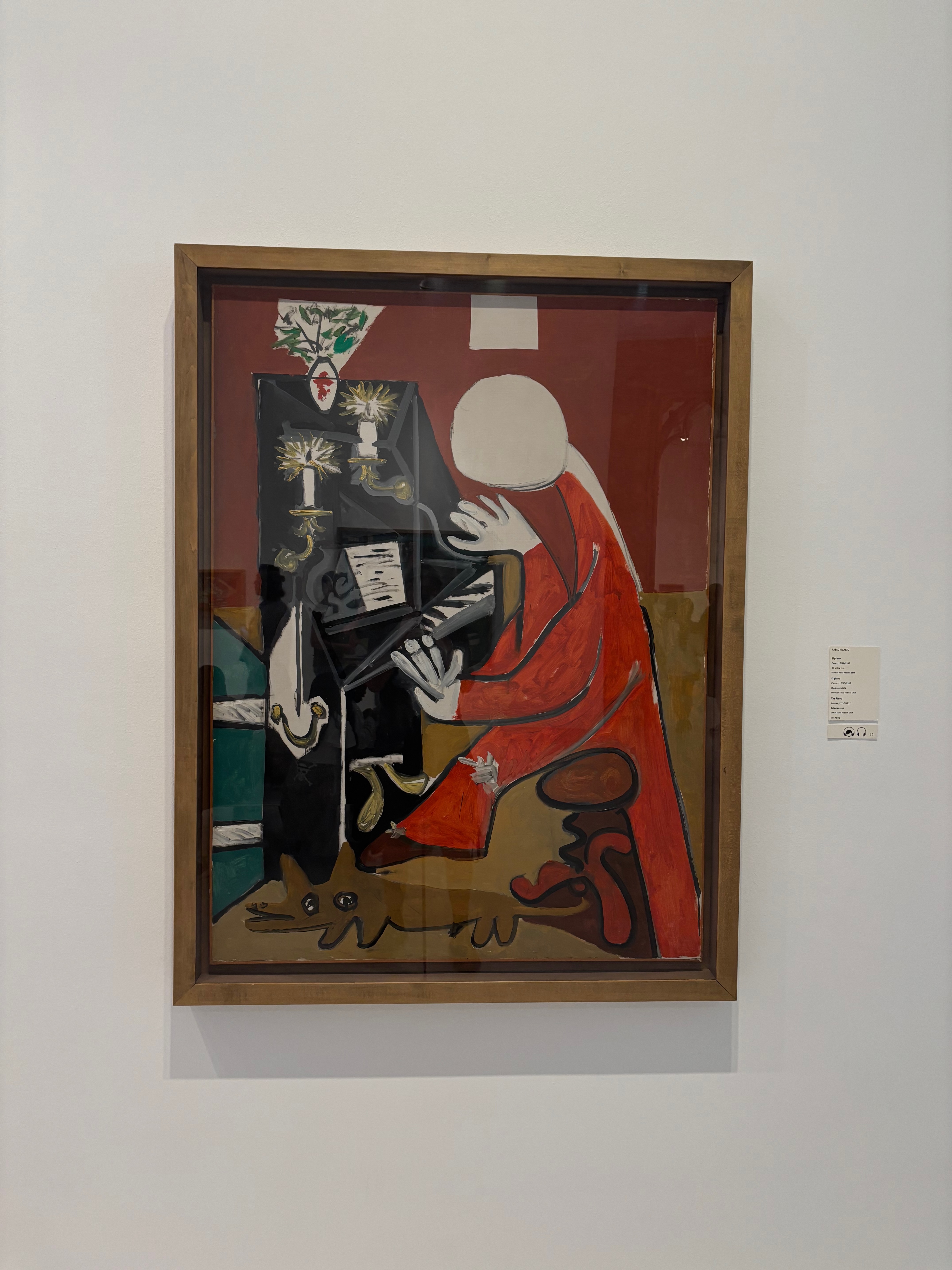
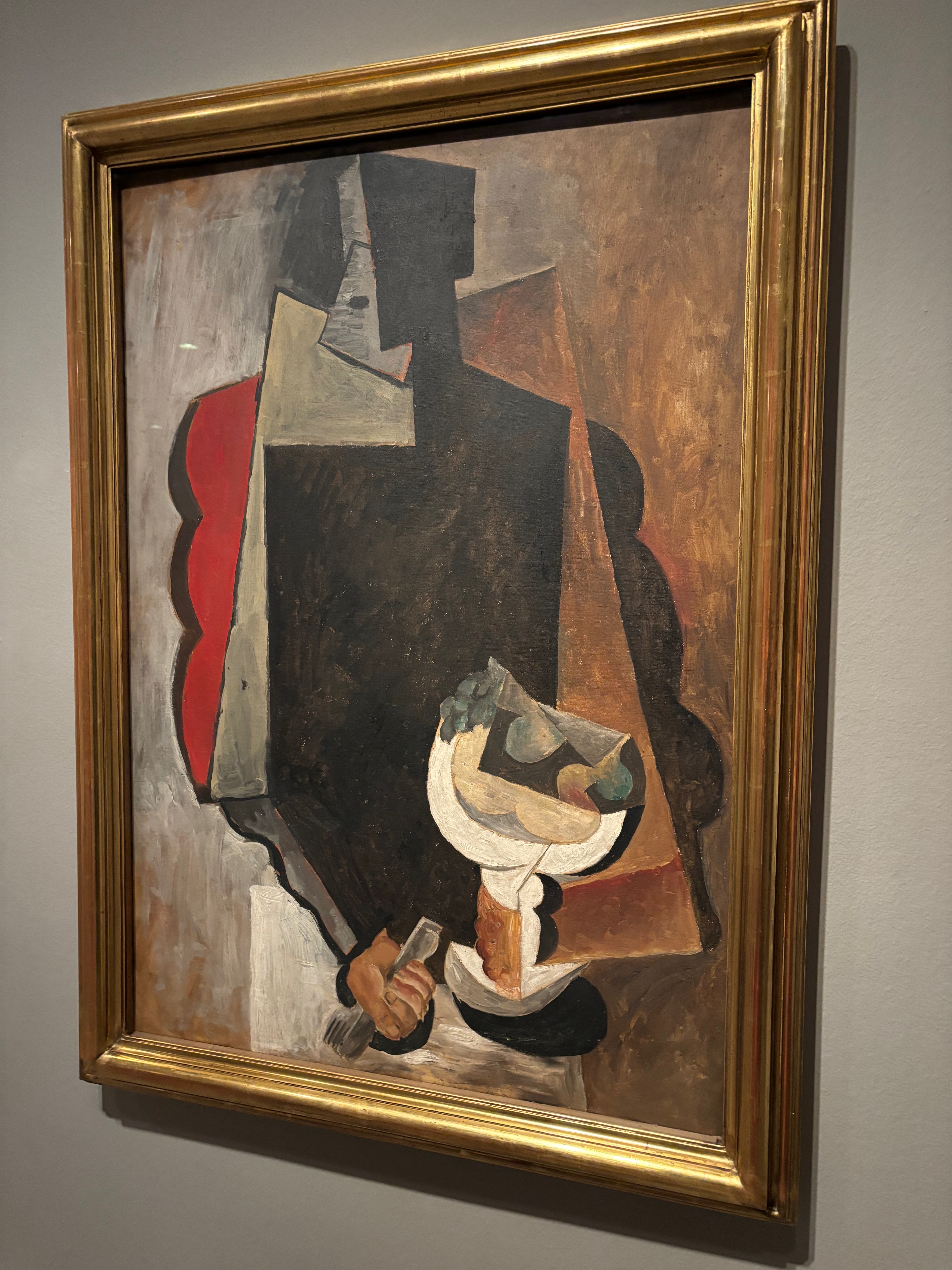
The permanent collection here is organized into three sections: painting and drawing, engraving, and ceramics. These cover his early years (Málaga, Corunna and Barcelona, 1890–97), the training period (Barcelona, Horta de San Juan and Madrid, 1897–1901), the Blue Period (1901–04), works in Barcelona from 1917, and the entire Las Meninas (1957) series. Most of the paintings on display at the museum are from the period between 1890 and 1917, an important collection in regard to that portion of Picasso’s life. The museum has very few paintings after 1917, with the exception of the Las Meninas.
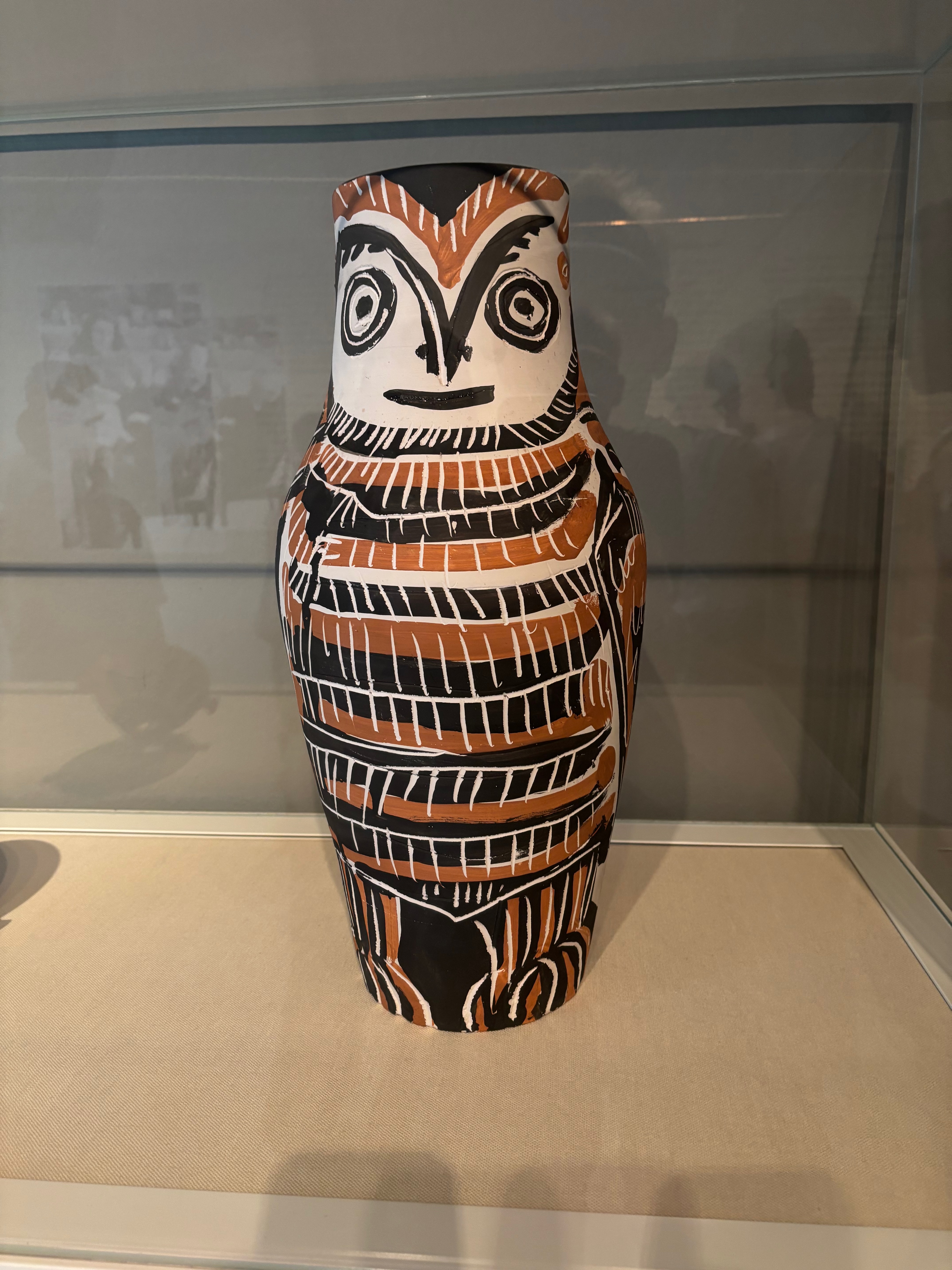
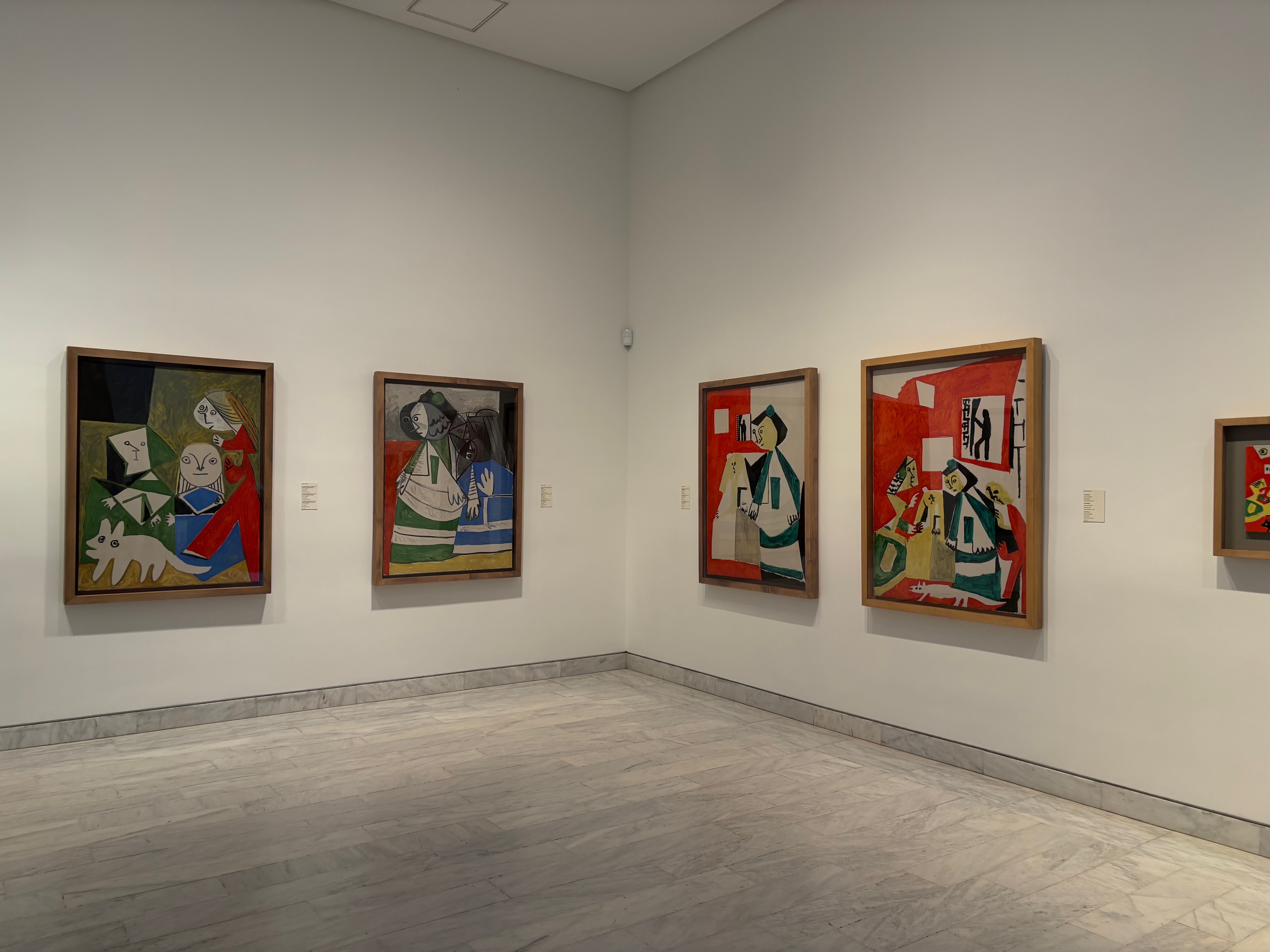
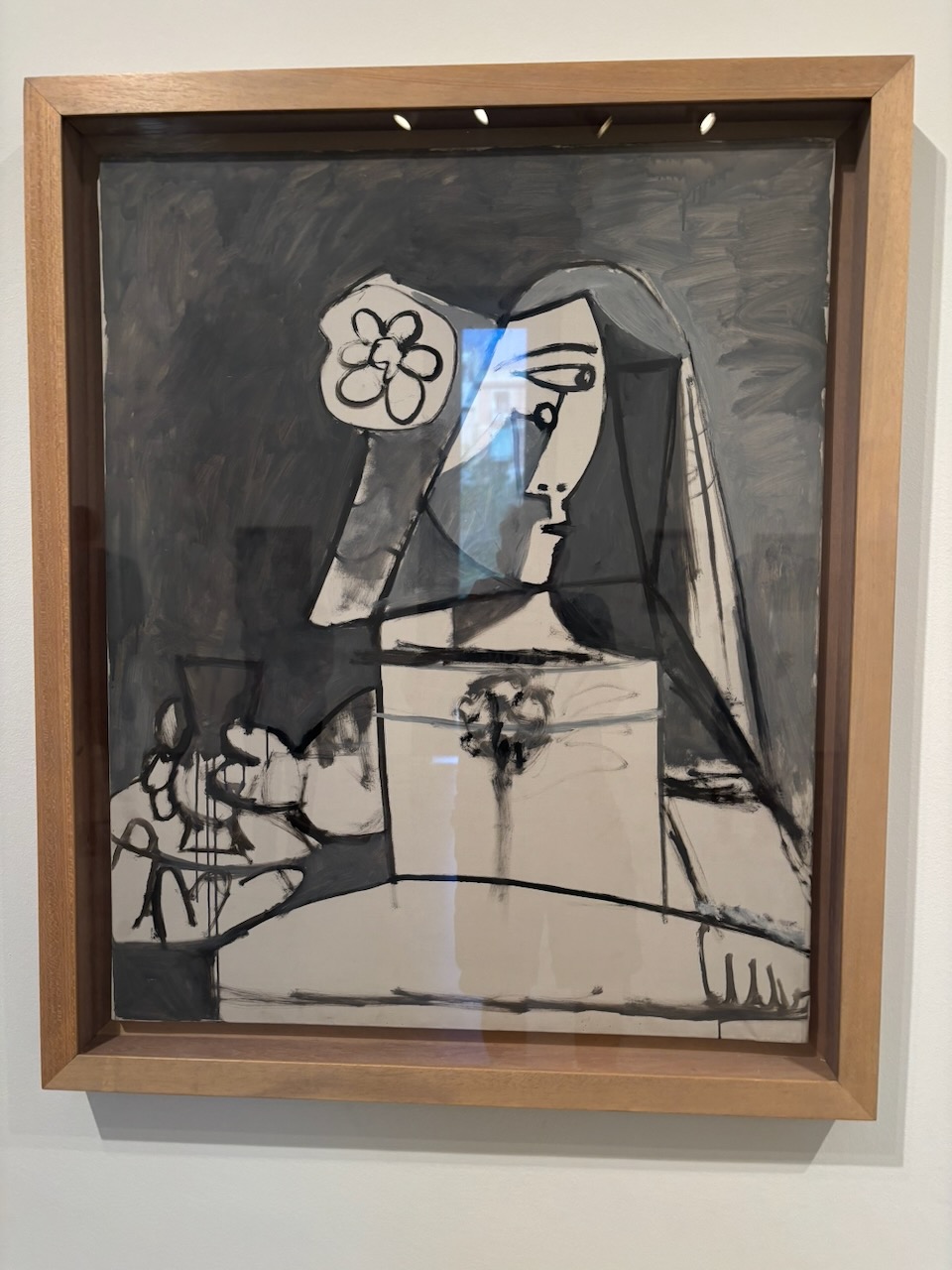
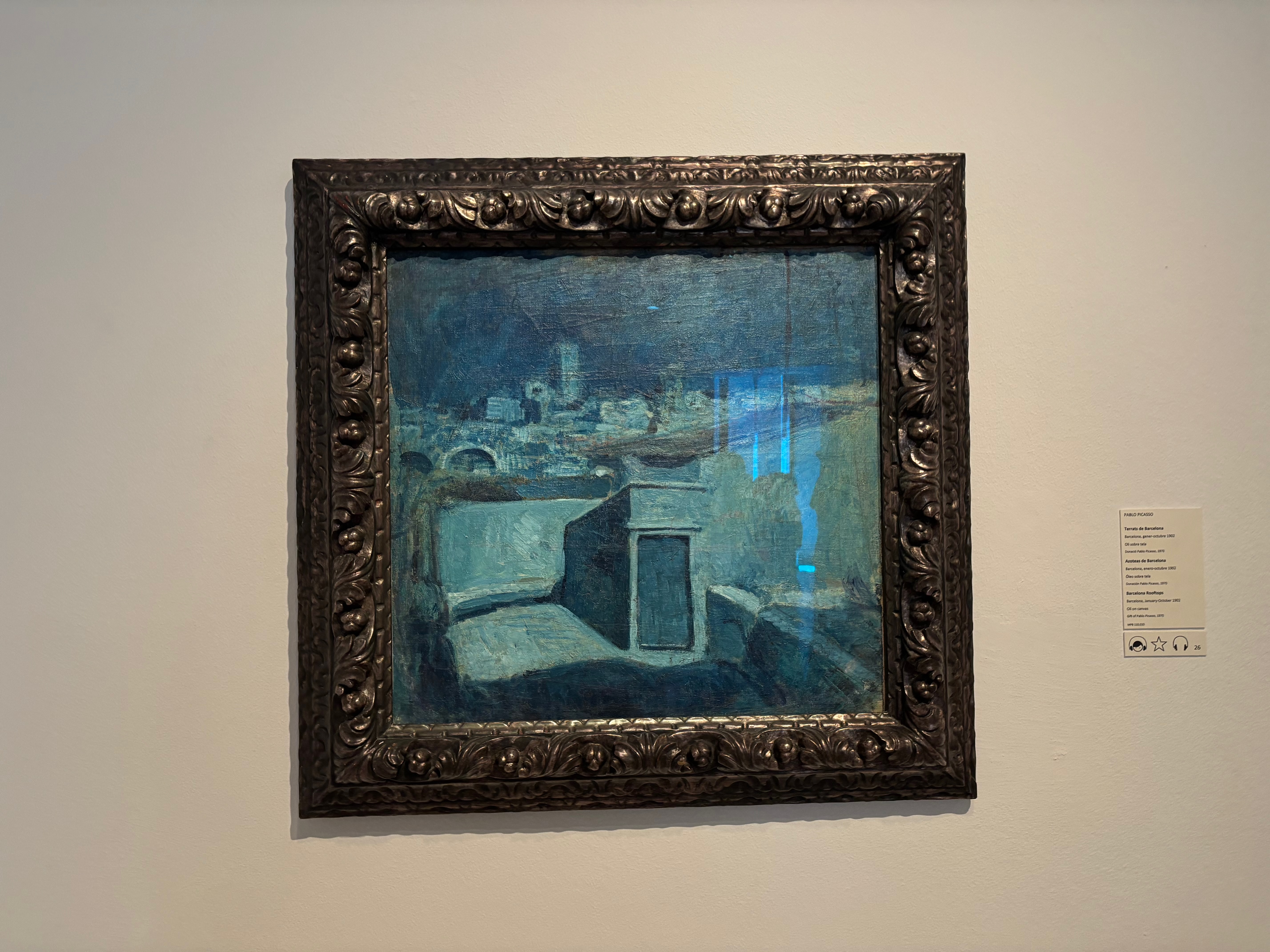
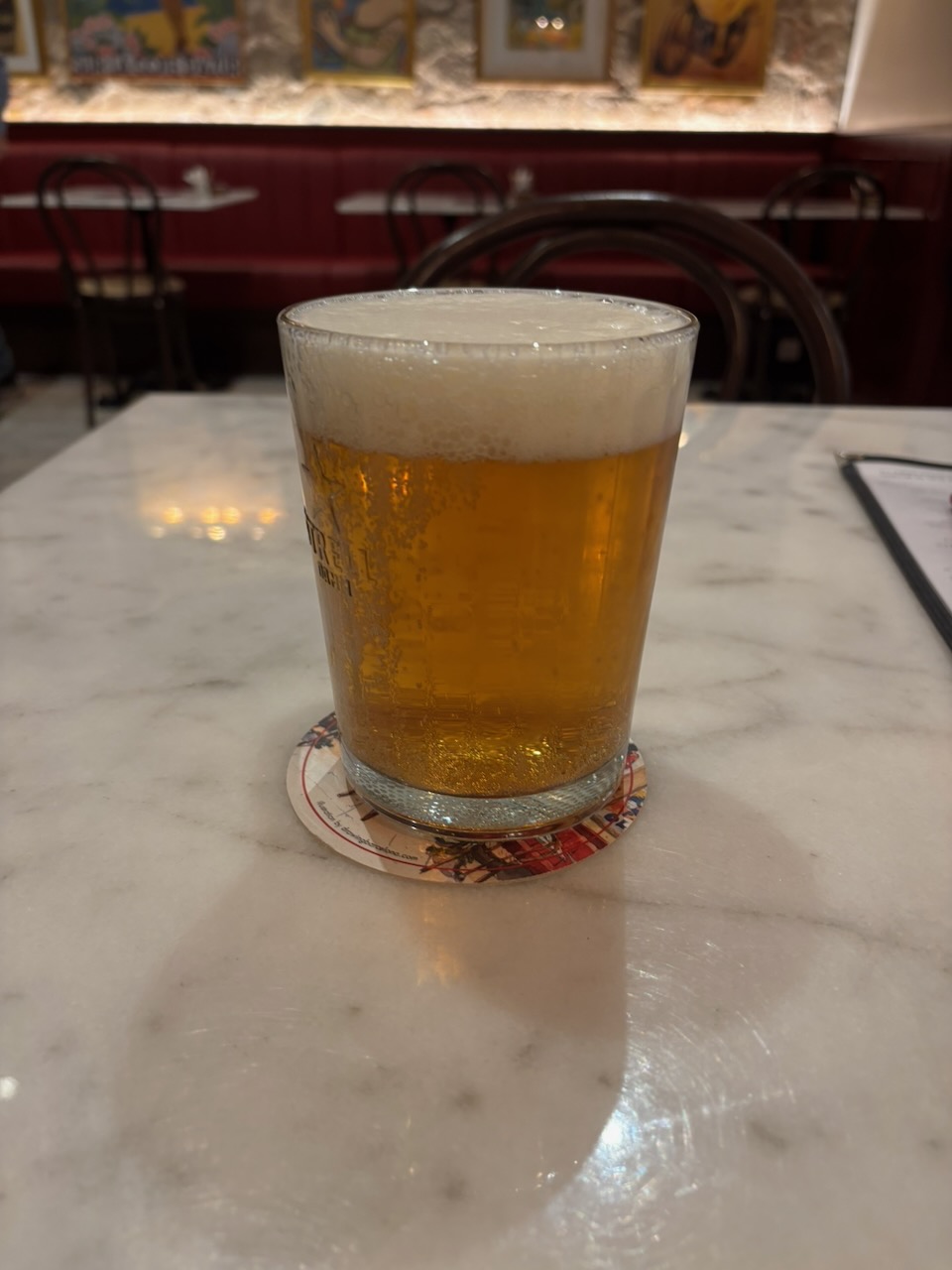
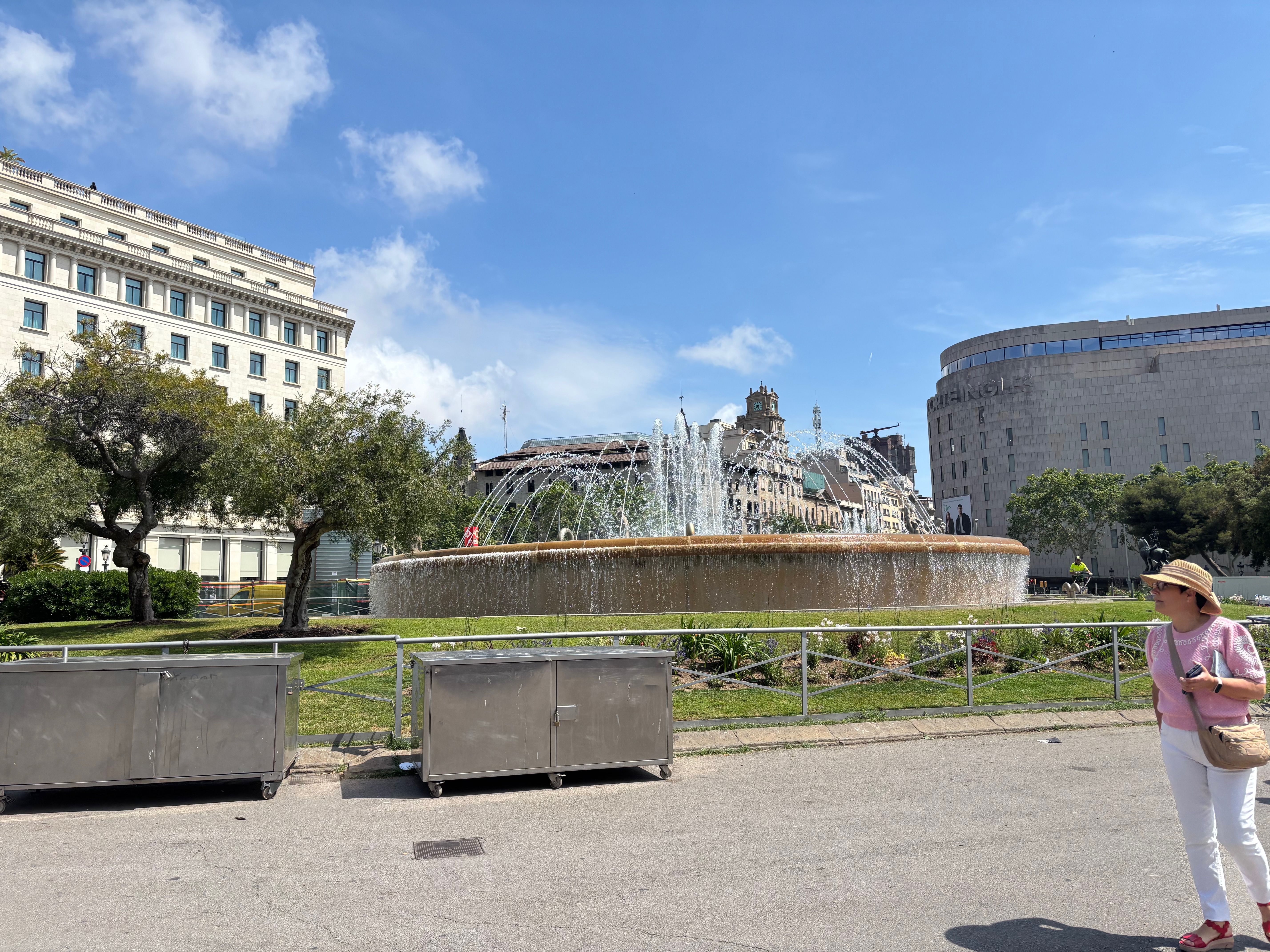
We spent a couple of hours perusing the collection and as is my usual style, I finished before the others and grabbed a beer in the café downstairs. When we were all together, we walked towards Las Ramblas so Joanna could seek out a wool store, hoping to pick up some material to take home to Jessica. Catching a taxi at Plaça de Catalunya, we rode back to the Airbnb where we feasted on fresh bread and some of the food Francois and I had picked up the day before.
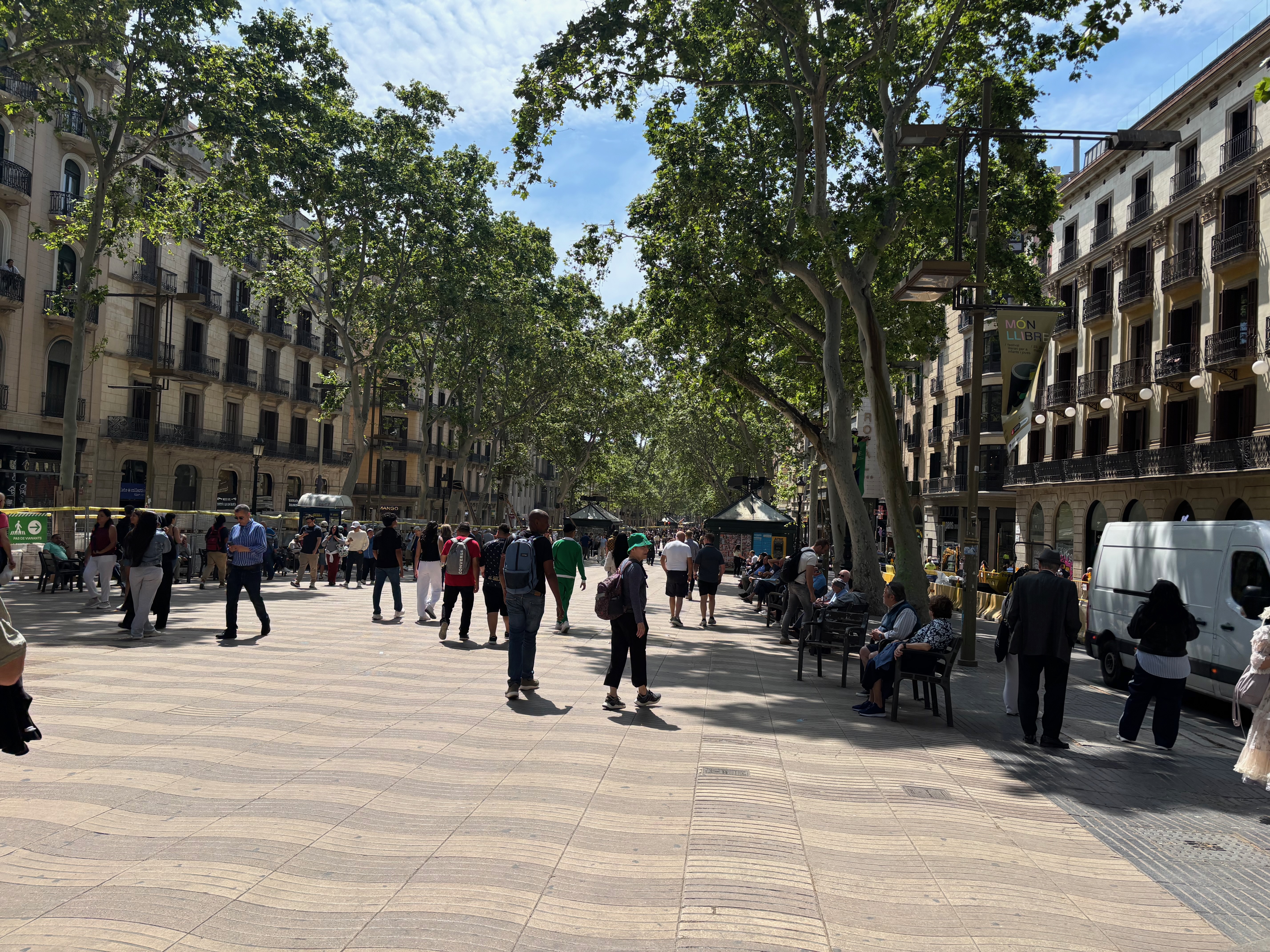
The next day, Bev’s last with us on this trip, would be taken up with the St Steves walking tour which we enjoyed back in 2014, starting with Las Ramblas and taking in a part of the Bari Gotic. Our Taxi dropped us off at Placa Catalunya and we started down the Ramblas and as it was about lunch time, we ducked into La Boqueria to grab a a bite to eat. The market was originally located just outside the city, as were many in medieval times and it later expanded into the colonnaded courtyard of a monastery before being covered with a colorful arcade in 1850.
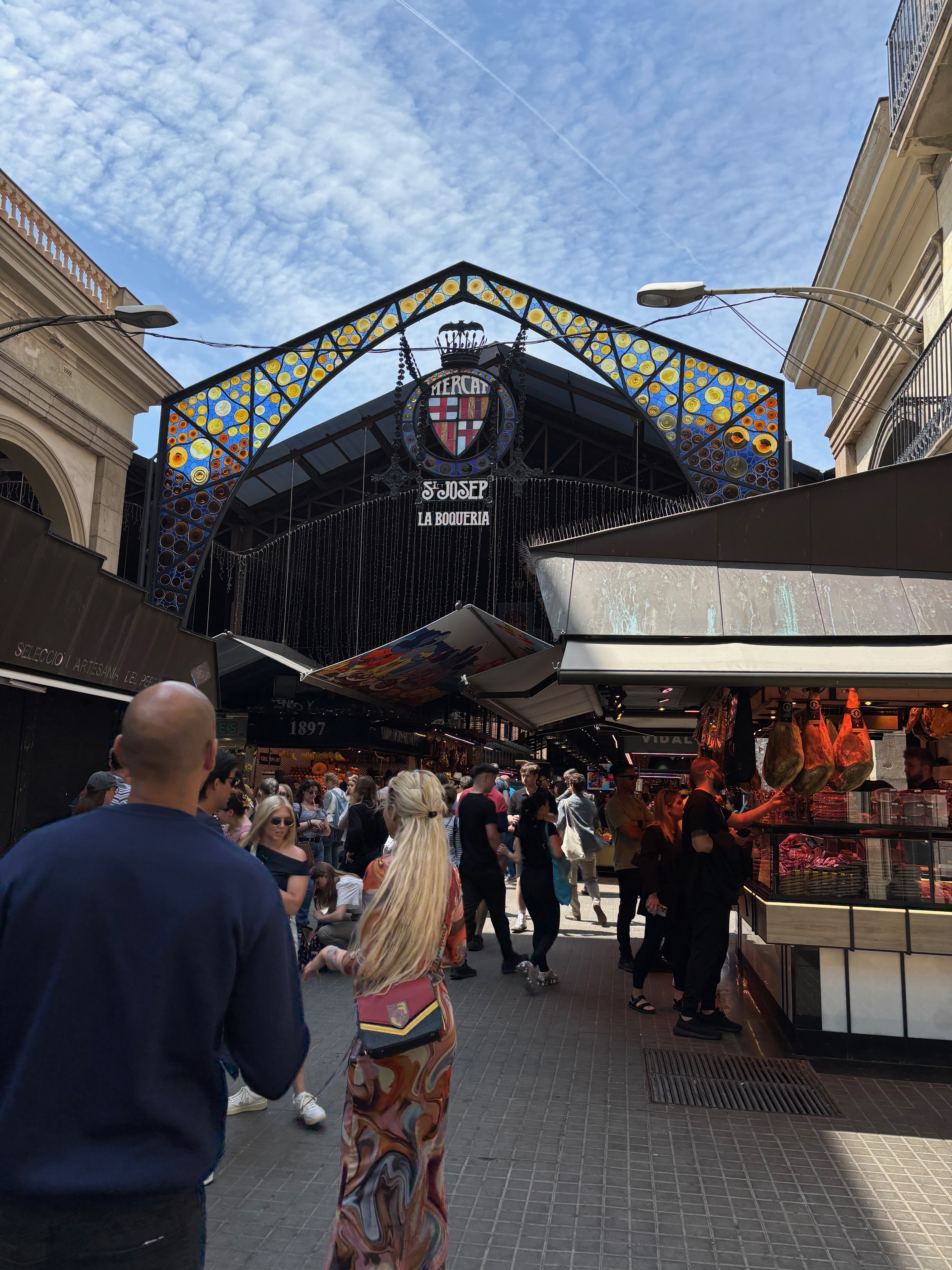
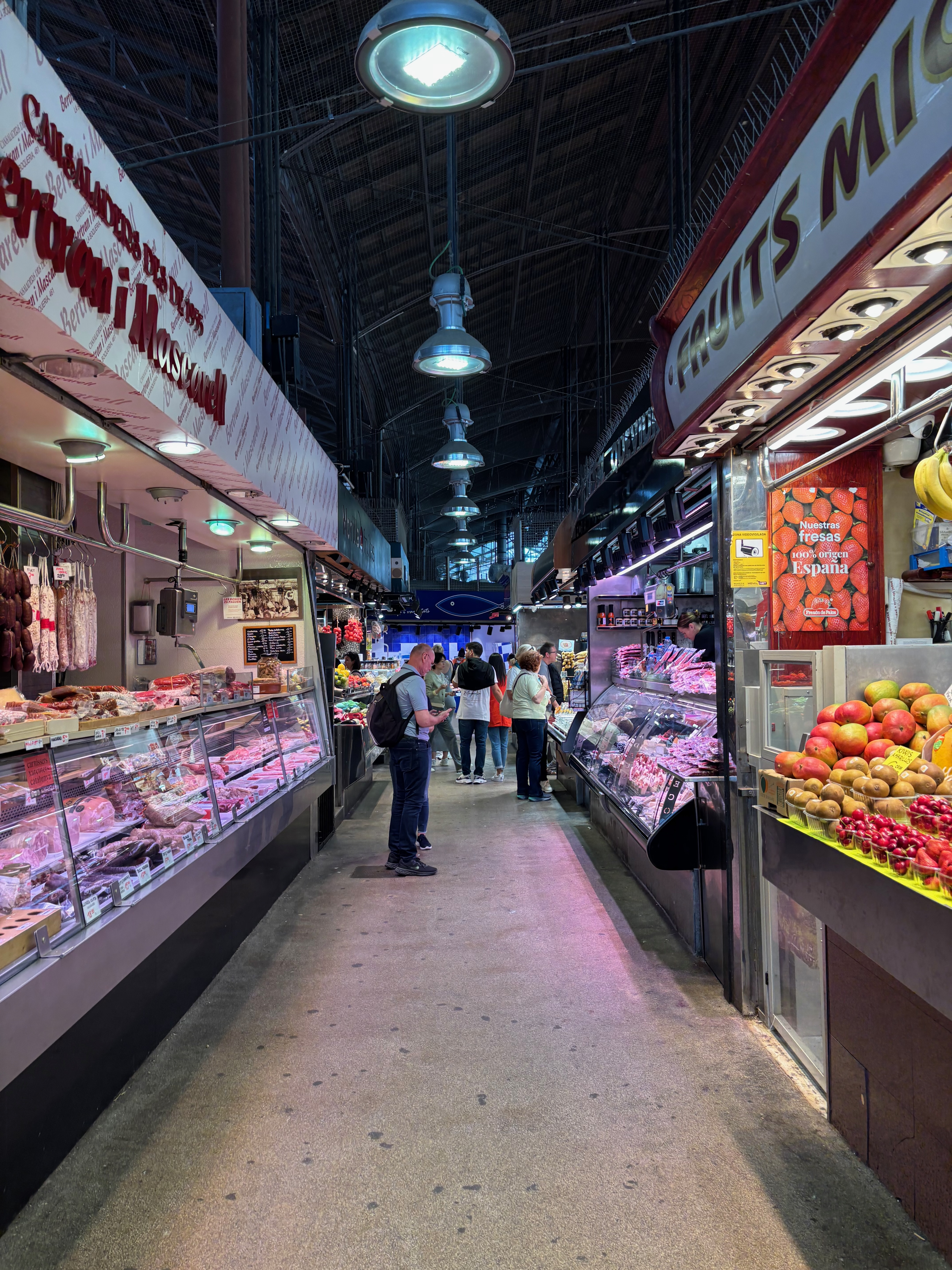
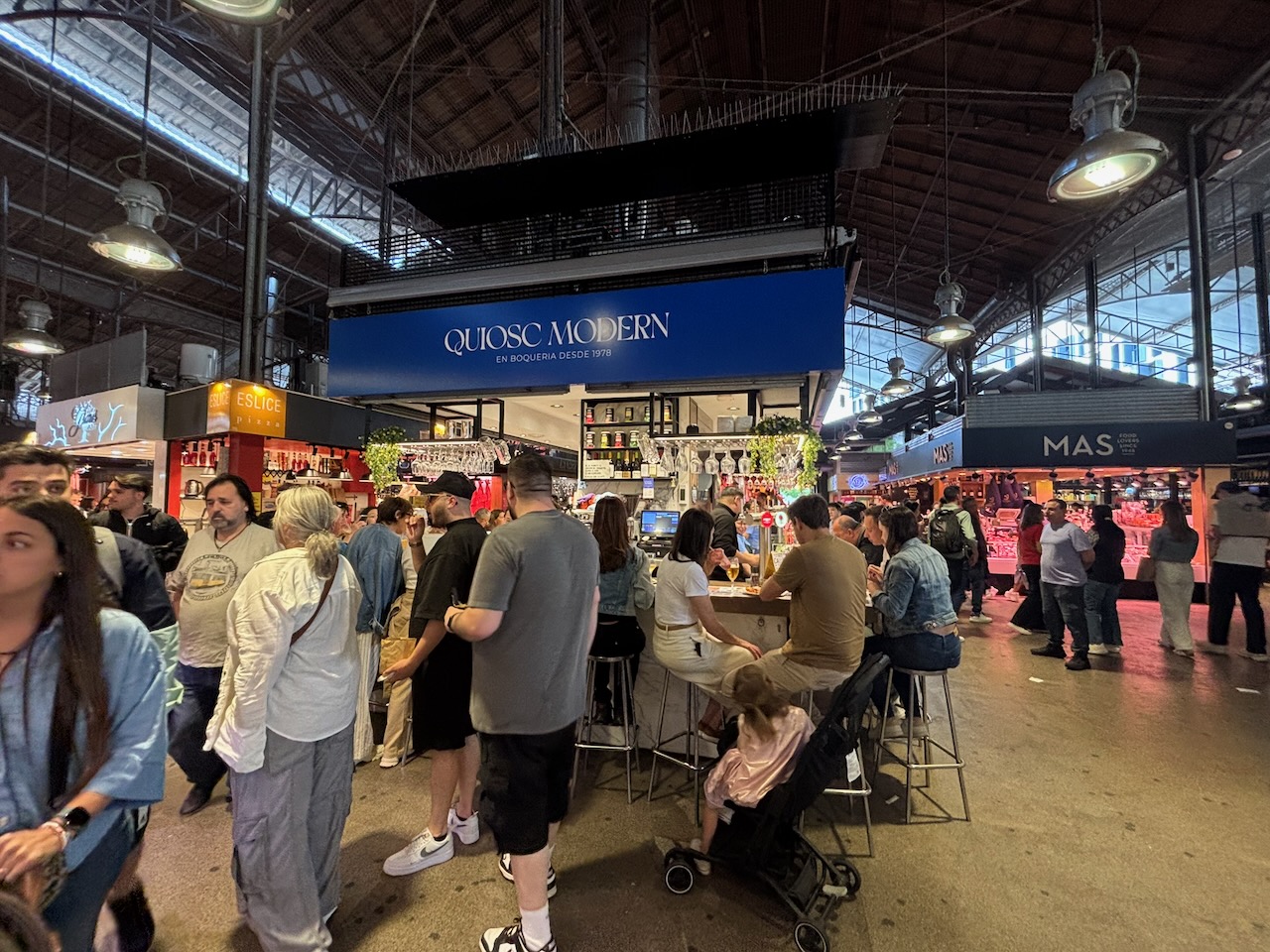
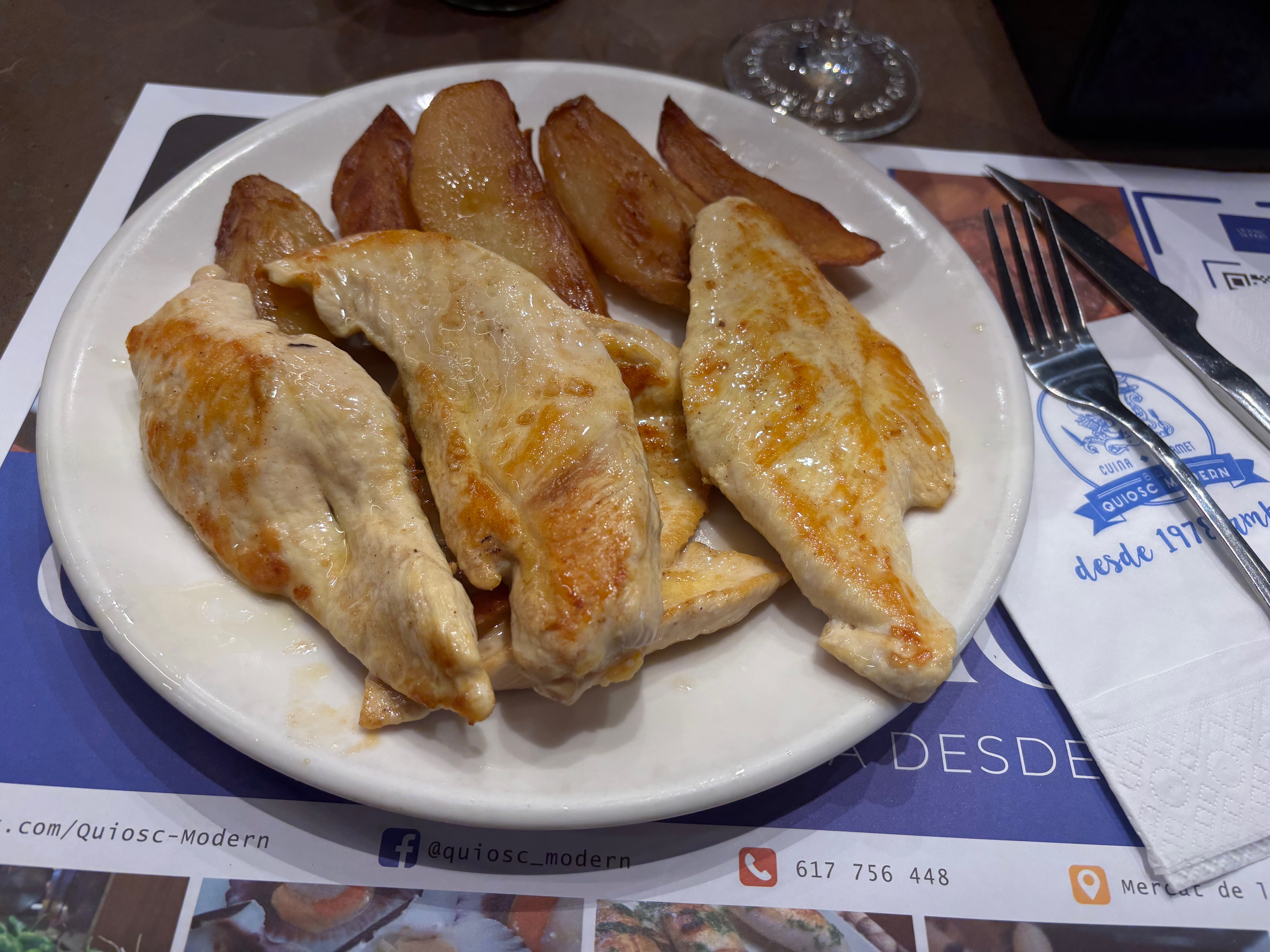
Following St. Steves advice, I head to a kiosk at the back of the market as tourists are drawn to the area around the main entry, locals know that the stalls up front pay the highest rent, and therefore, the ones near the back and the sides offer the best prices. And so I walked straight back through the crowded aisles, checking out food options left and right until I landed at Quosc ModernI, and found the only seat available, a very good sign. I would order, and enjoy, a beer, the Polllo Plancha con Patates (Grilled chicken with roasted potatoes) and a final single expresso. My tab came to 17.50 Euros ($19), not bad for a full meal with a beer and coffee added.
I met the others at the Ramblas entrance to the market, and we started walking towards the sea, pausing first to admire the red, white, blue, and yellow Miro mosaic, whose black arrow represents an anchor, a reminder of the city’s attachment to the ocean and a welcome to visitors arriving by sea. Next was the Liceu Opera House (Gran Teatre del Liceu), which hosts world-class opera, dance, and theater.
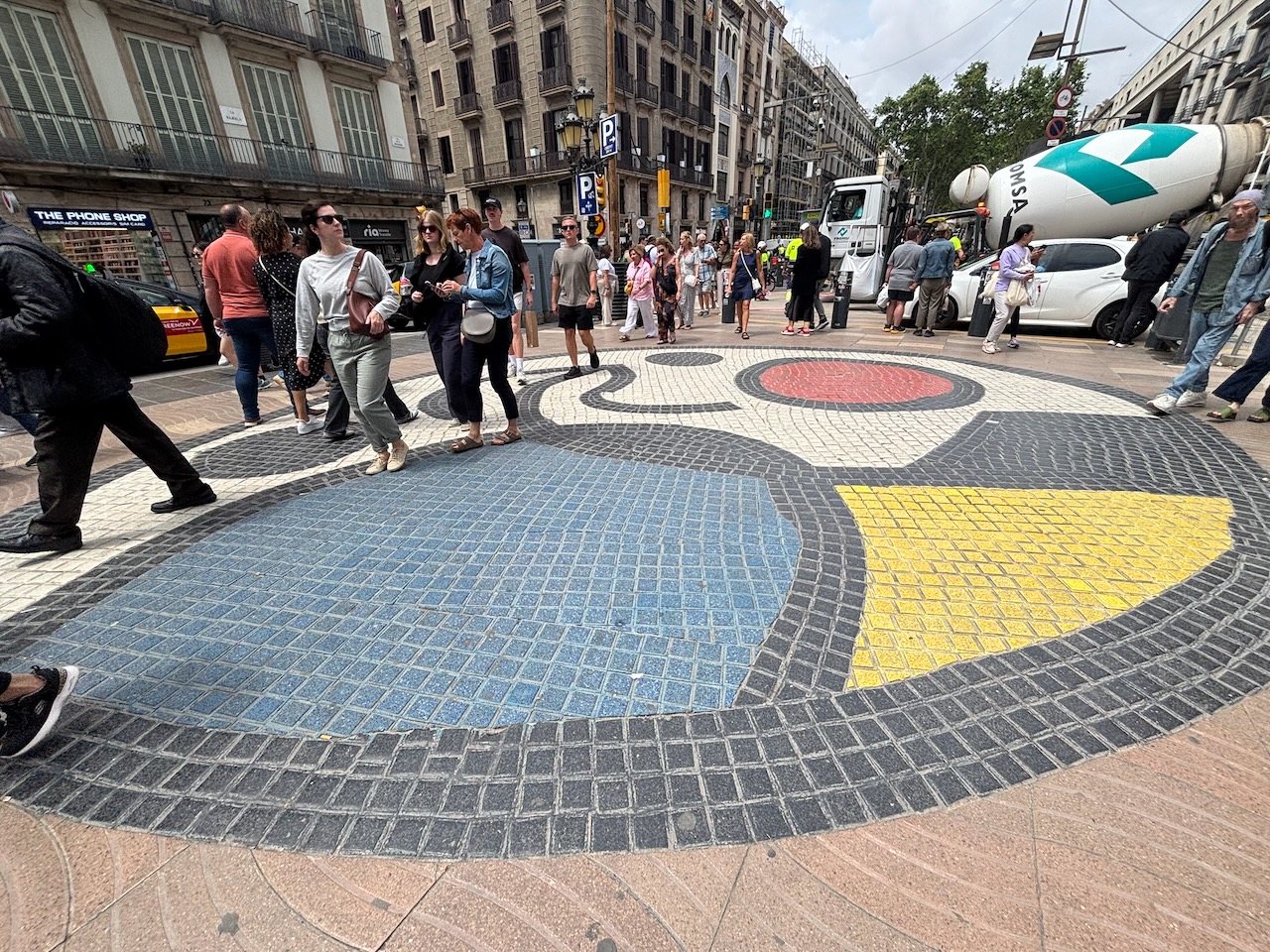
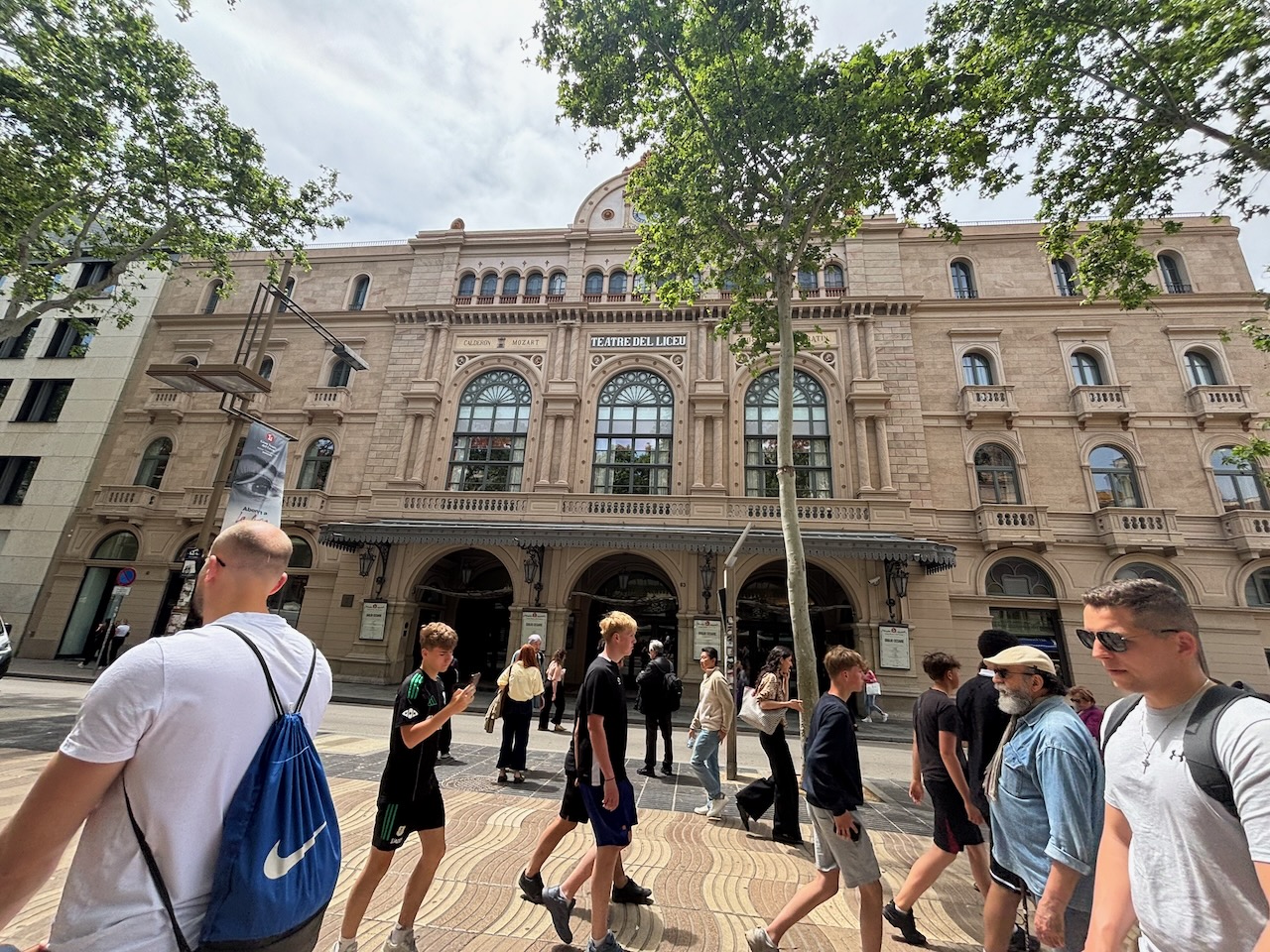
During our stay extensive construction was being carried out on the Ramblas, forcing crowds of people into just one half of an already congested walkway and so we decided to head to Bari Gotic by way of Plaça de Sant Jaume. We’ll stop our post here and pick it up in the next, and final one, on Barcelona.
Links
Picasso Museum: https://museupicassobcn.cat/en/node/6010
La Boqueria: https://www.boqueria.barcelona/
Quosc Modern: https://quioscmodern.com/
Discover more from 3jmann
Subscribe to get the latest posts sent to your email.


 3jmann