April 26-29
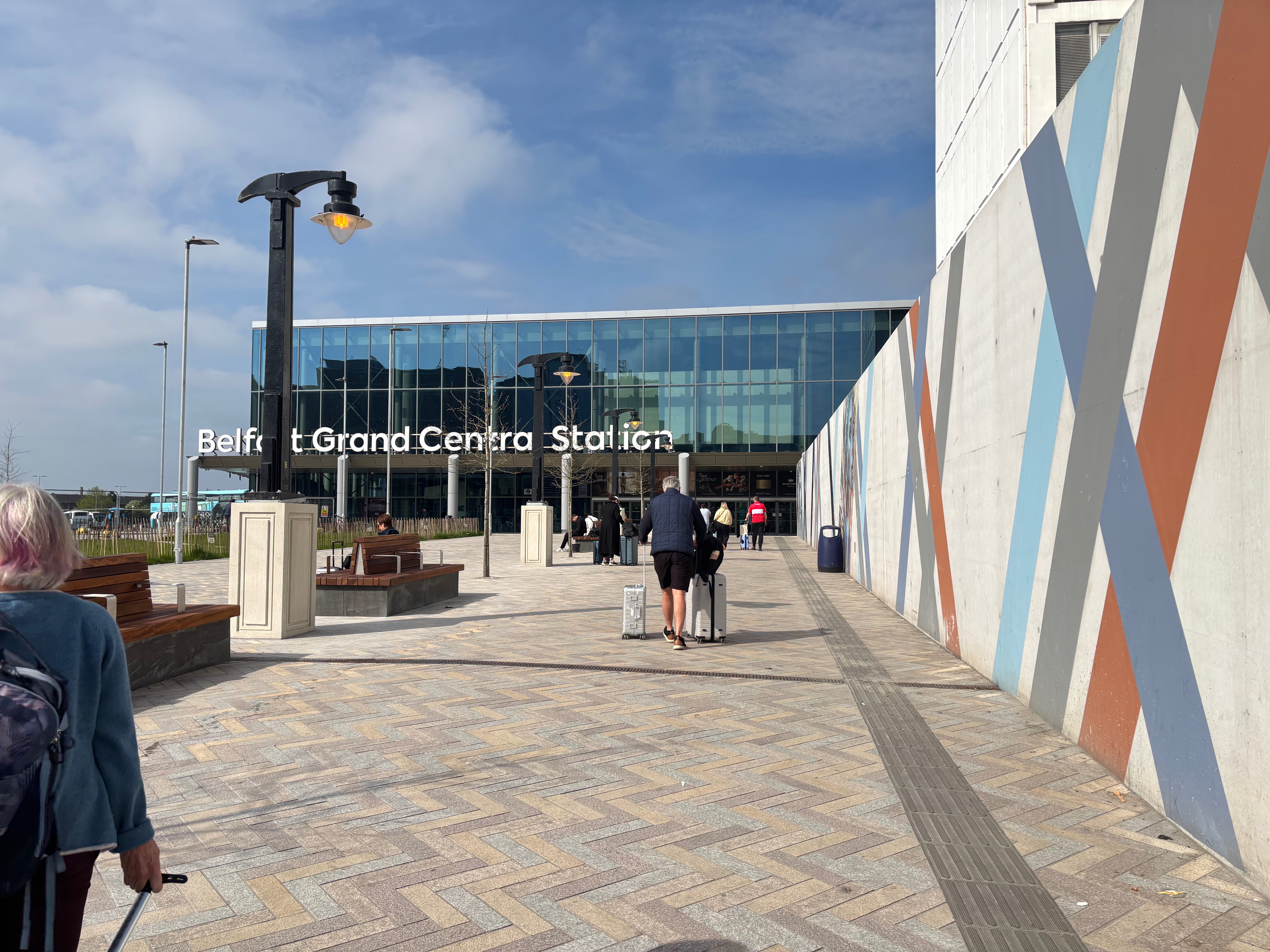
Our almost three-hour bus ride to Dublin went smoothly as we easily, by now, caught a taxi (16 pounds) from the Airbnb that took us to the Belfast Central Station and our waiting coach. The cost at 41 pounds ($48.36) for the two of us was quite reasonable and reminded us of the many other pleasant, and inexpensive bus rides we’d taken in the past in Europe.
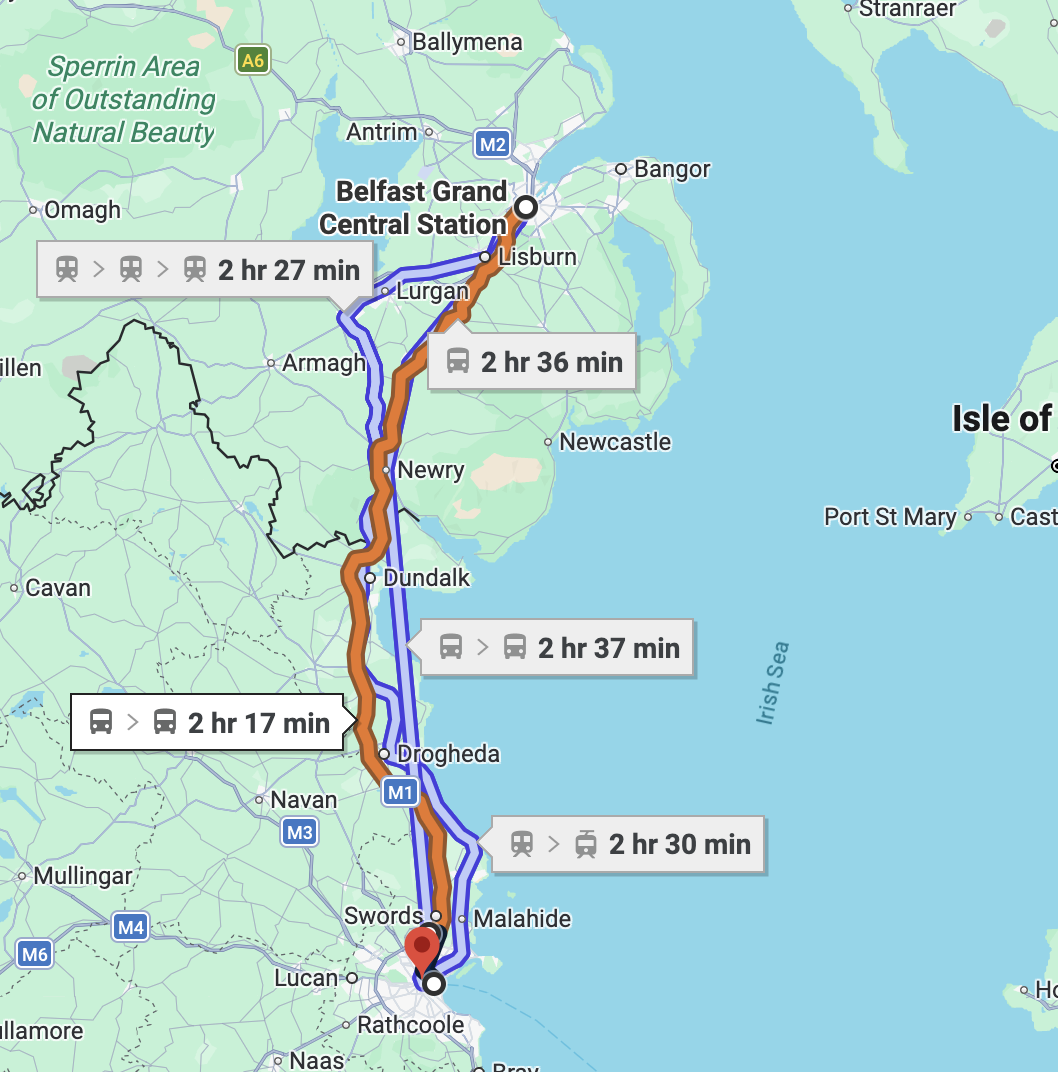
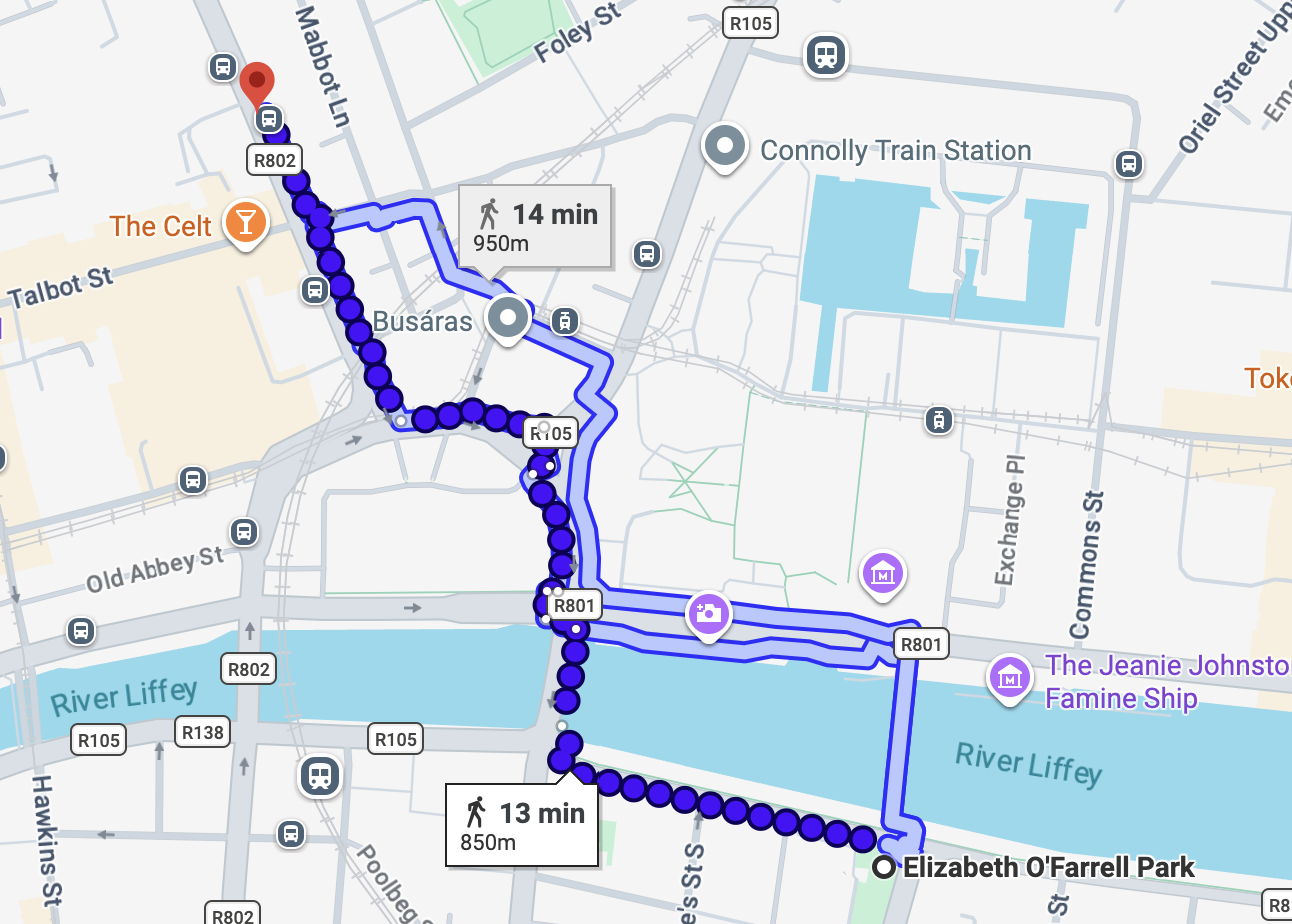
We were unsure about where the bus would drop us and got lucky in that the stop was on the south side of the Liffey river an easy 15-minute walk to Home in Dublin 1, our Airbnb for the next four nights at a cost of 692 Euros ($810). While the unit itself, a one bedroom in a multi-story apartment was nice enough, its neighborhood was a dramatic change from the one we inhabited during our stay in Dublin at the beginning of the trip.
The area was generally populated with students and employees of the nearby university and a ragged collection of folks that could only be described as being down on their luck. We witnessed a number of interesting scenes, folks lounging on front steps, disputes over who’s turn it was to smoke the pipe, and even a shoving match between two individuals trying to determine who was going to go do the shoplifting. It was all more humorous than threatening once you got used to it.
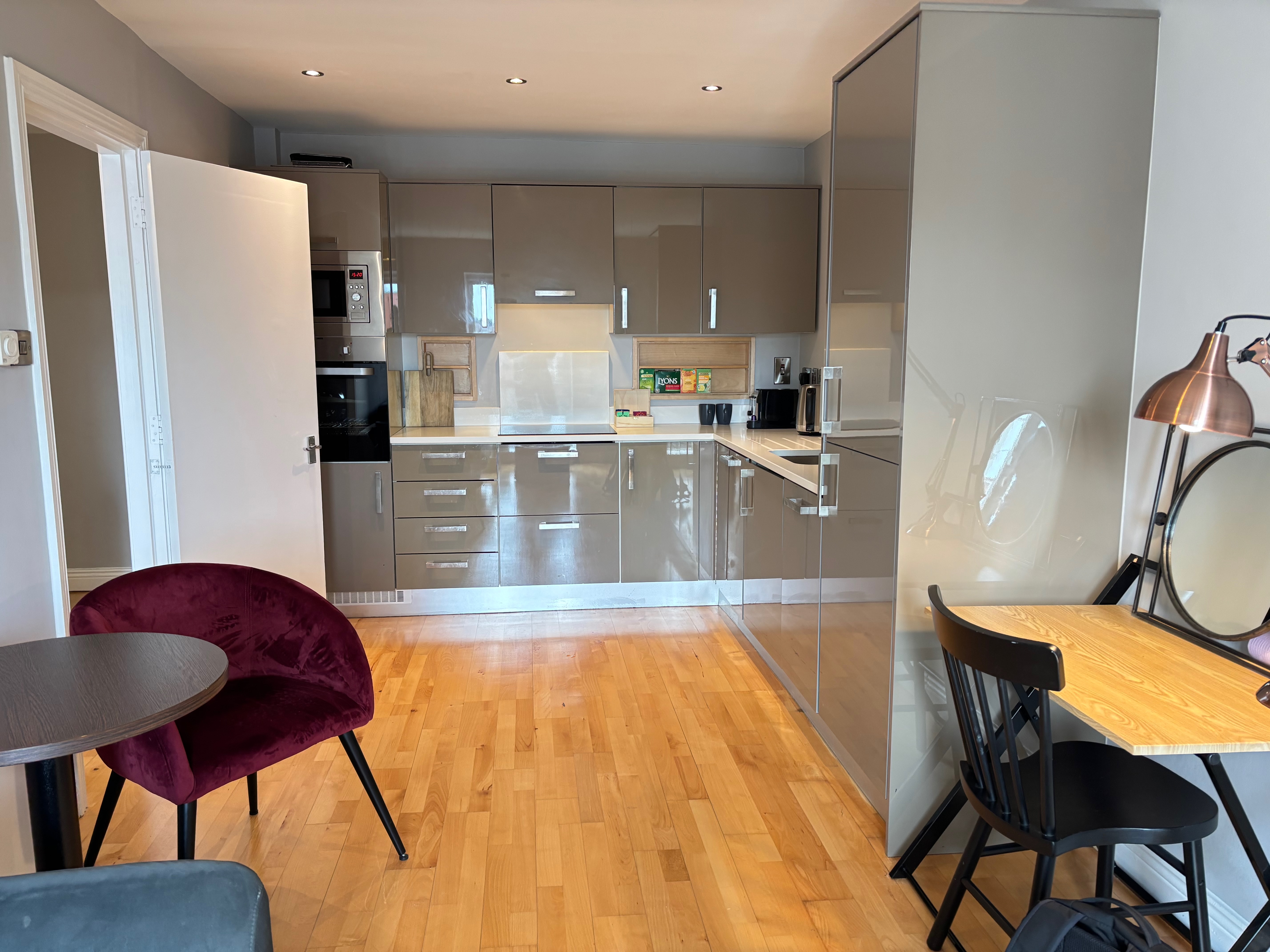
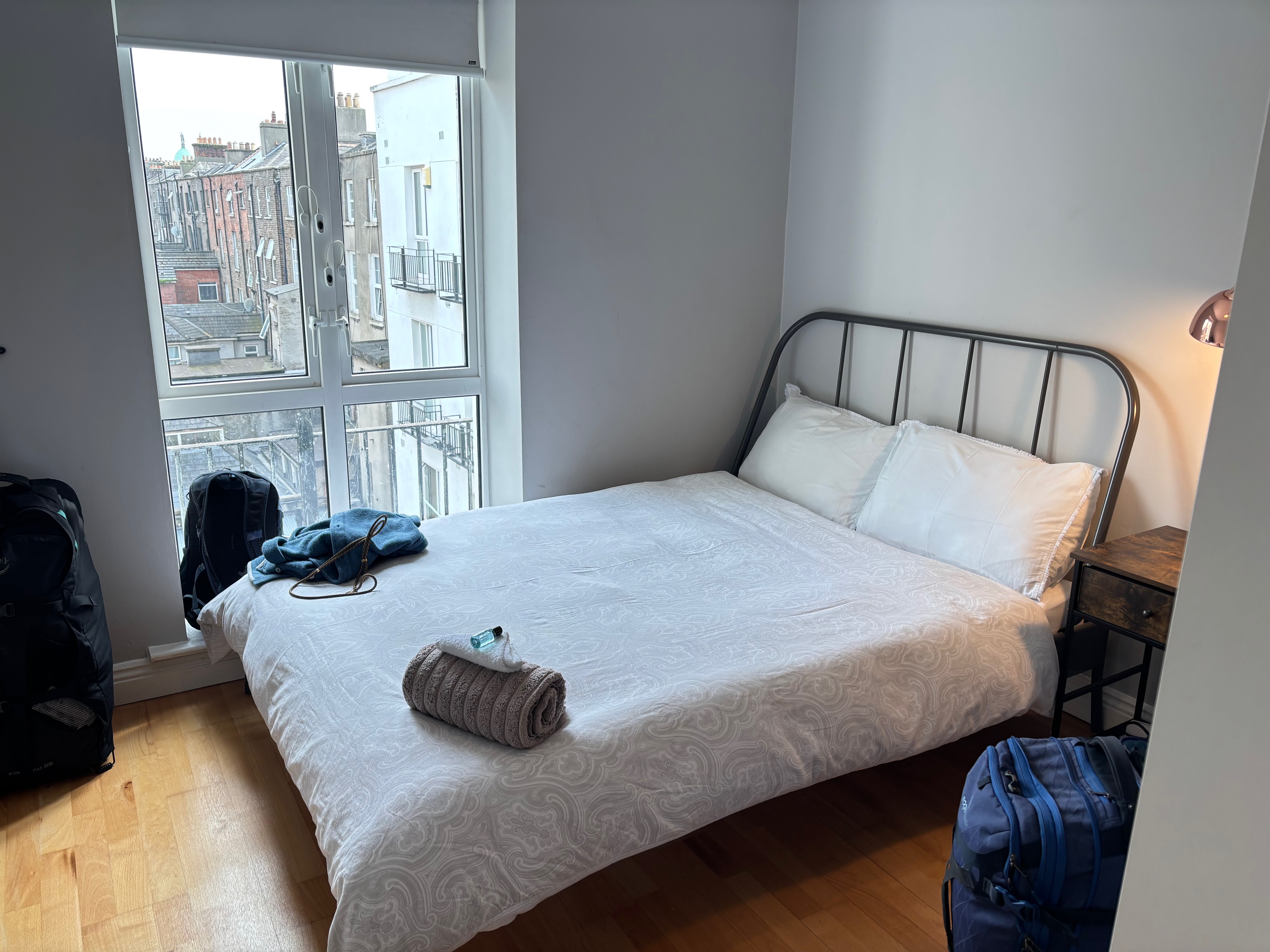
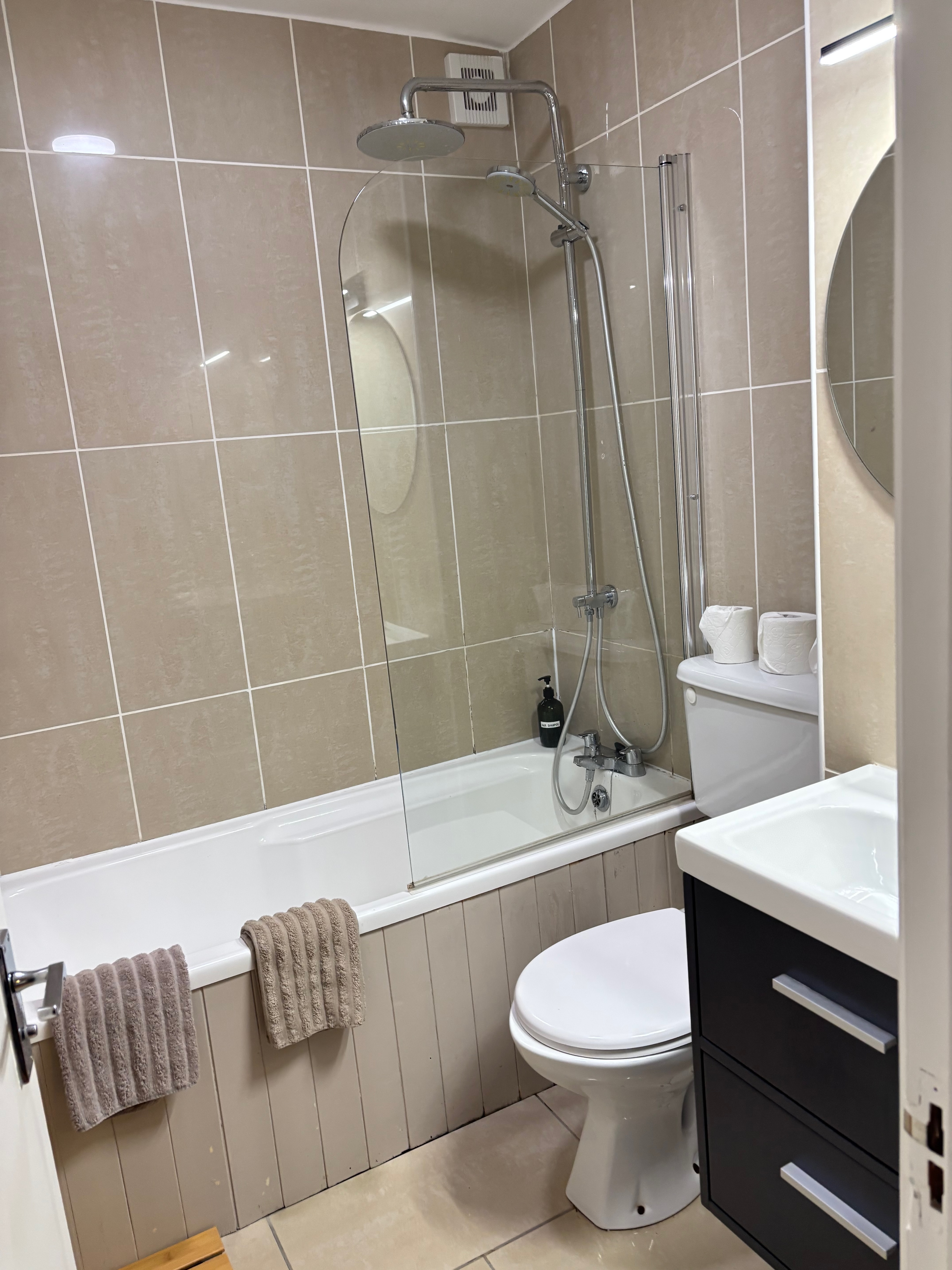
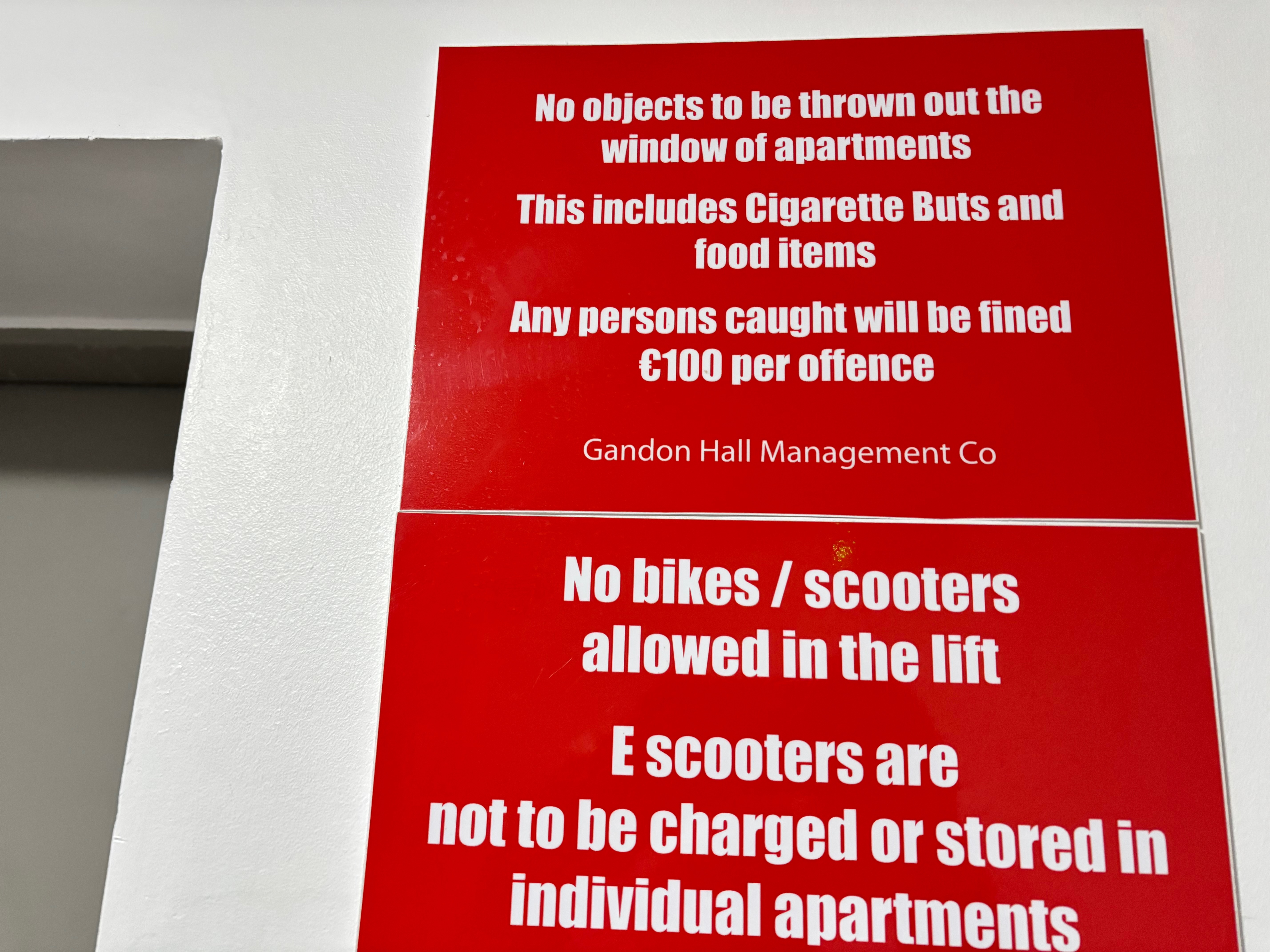
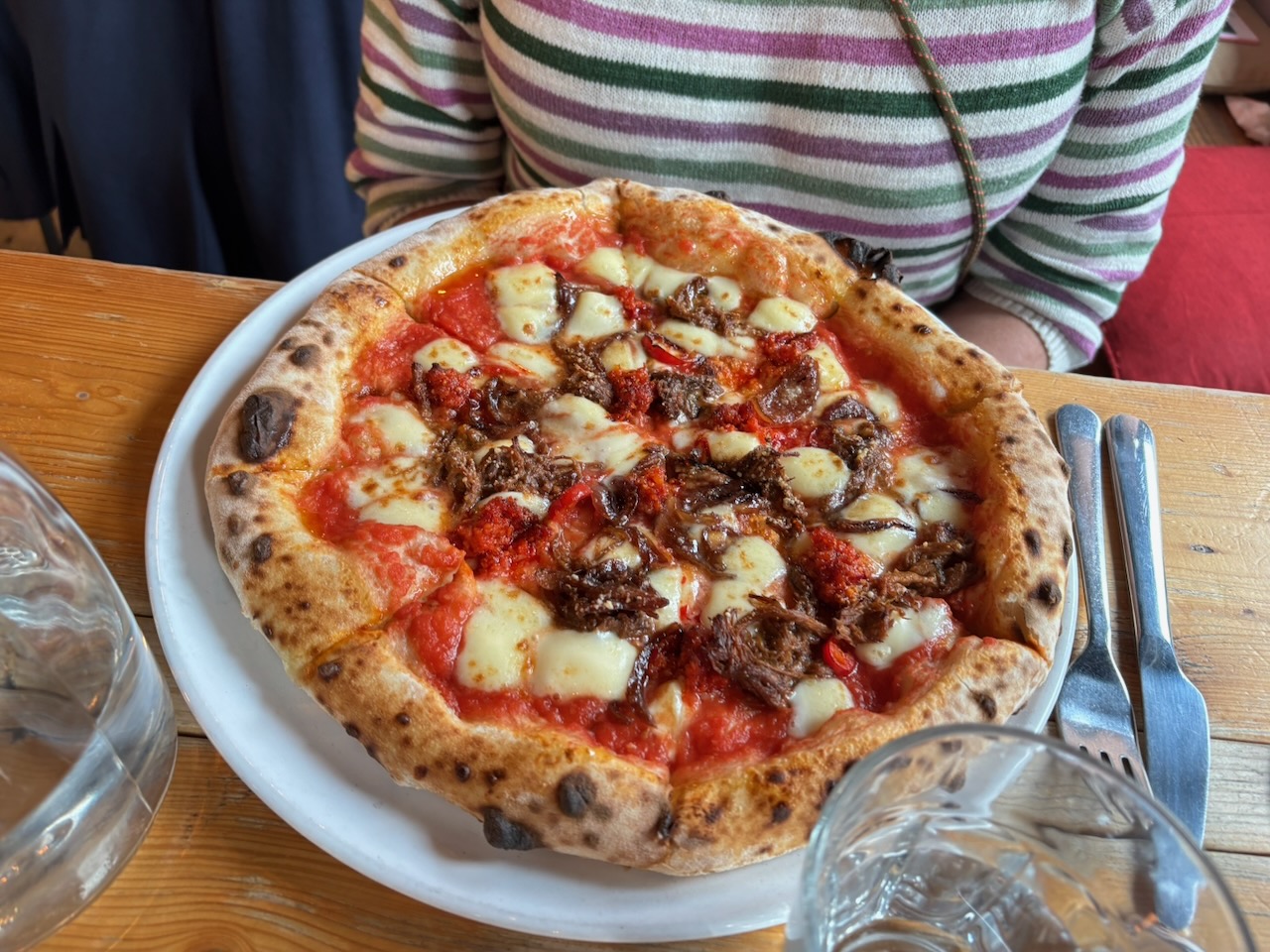
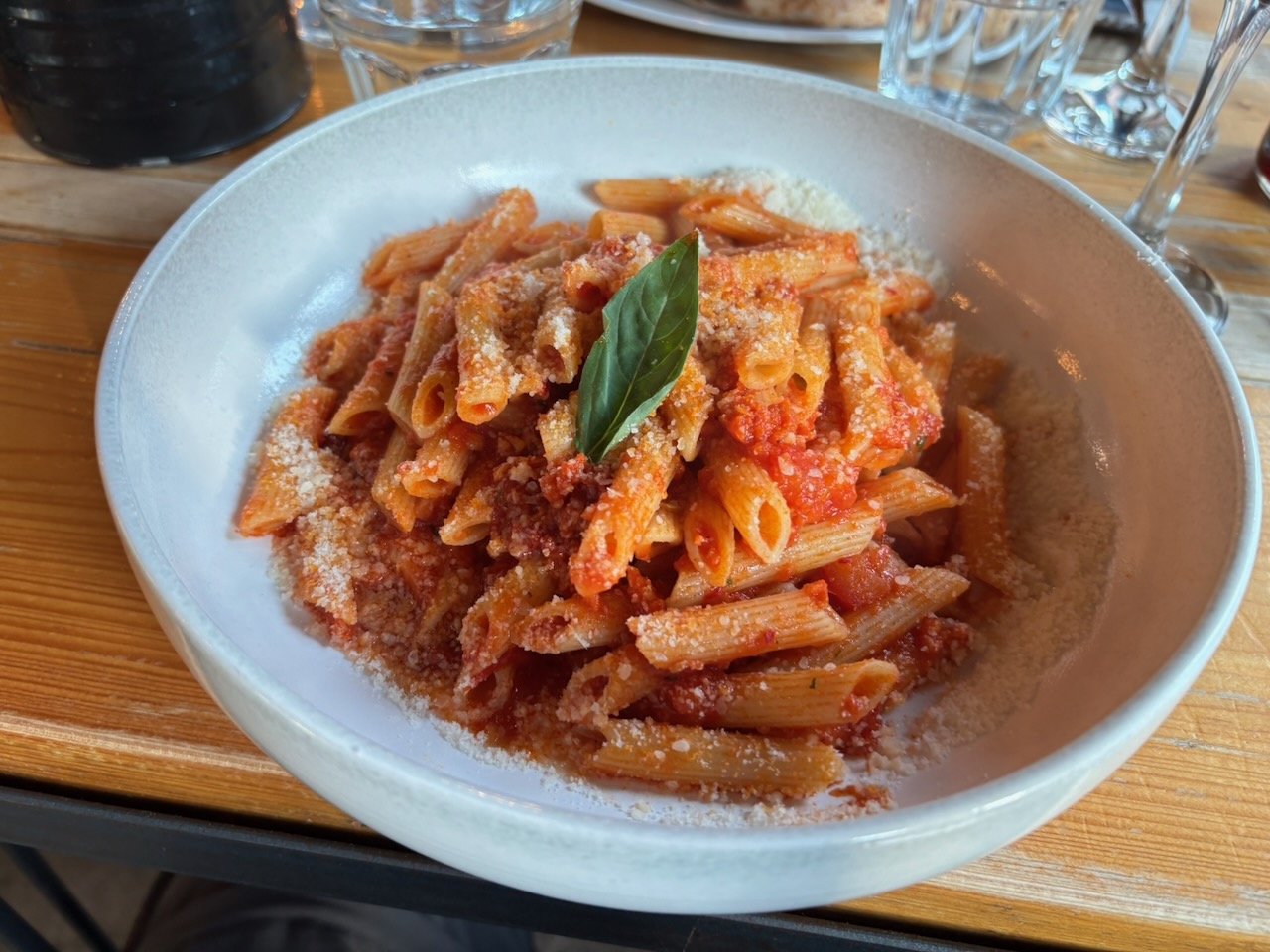
Once we got settled and relaxed, we walked up Gardiner Street a few blocks to have dinner at a Steves recommendation, One Society. Seated, we’d order some wine to go along with my dish of Amatriciana Pasta (a traditional Italian pasta sauce, guanciale, with pecorino cheese from Amatrice, tomato, and onion, served with al dente penne and Parmesan) and for Joanna, the Aubergine Parmigiana (Tomato sauce, Toonsbridge mozzarella, roasted aubergine, parmesan & ricotta cheese). Thoroughly satisfied and with some leftovers to take with us, we happily settled our tab of 68.50 Euros ($71) with the friendly owner and returned to the Airbnb.
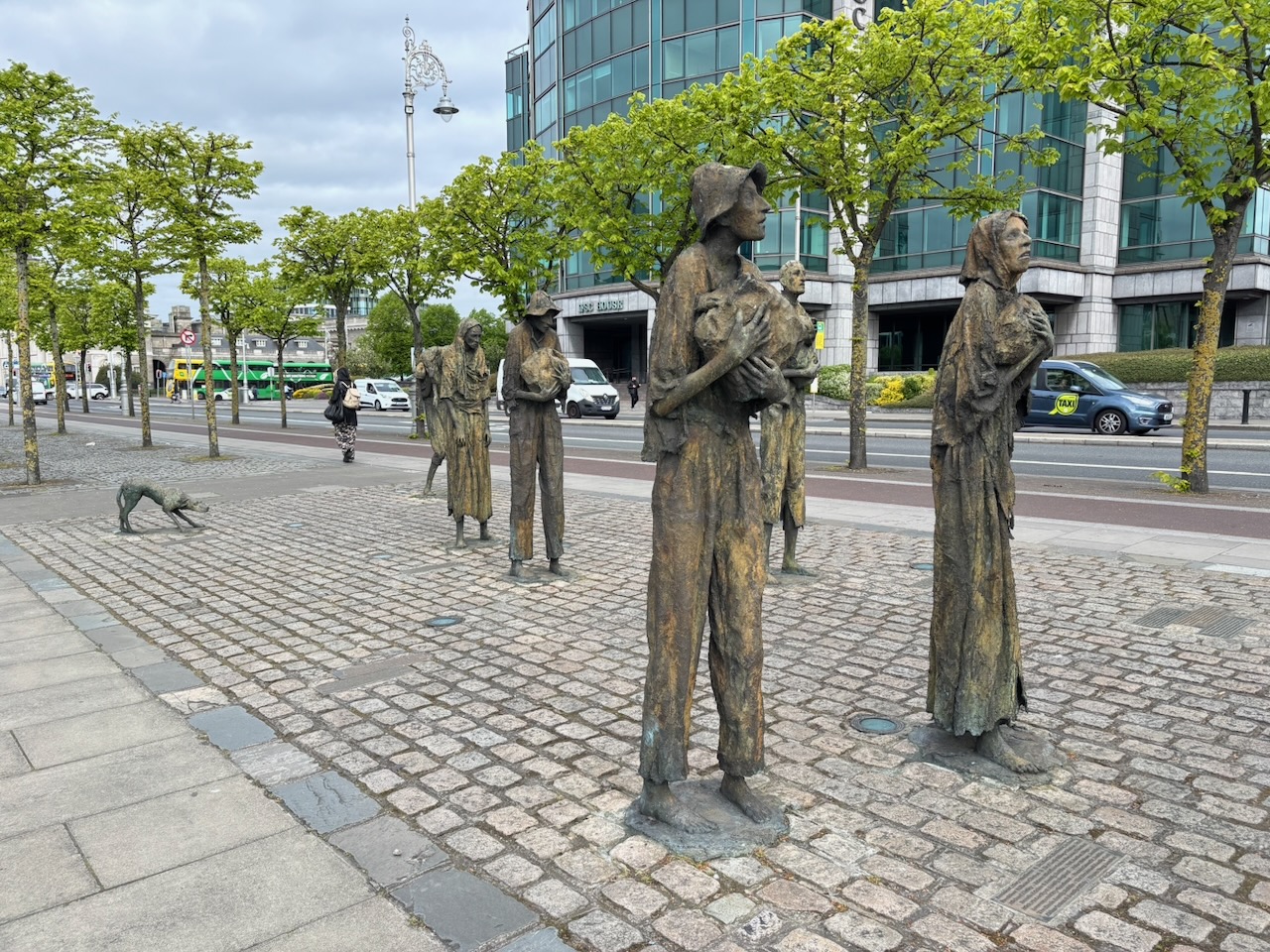
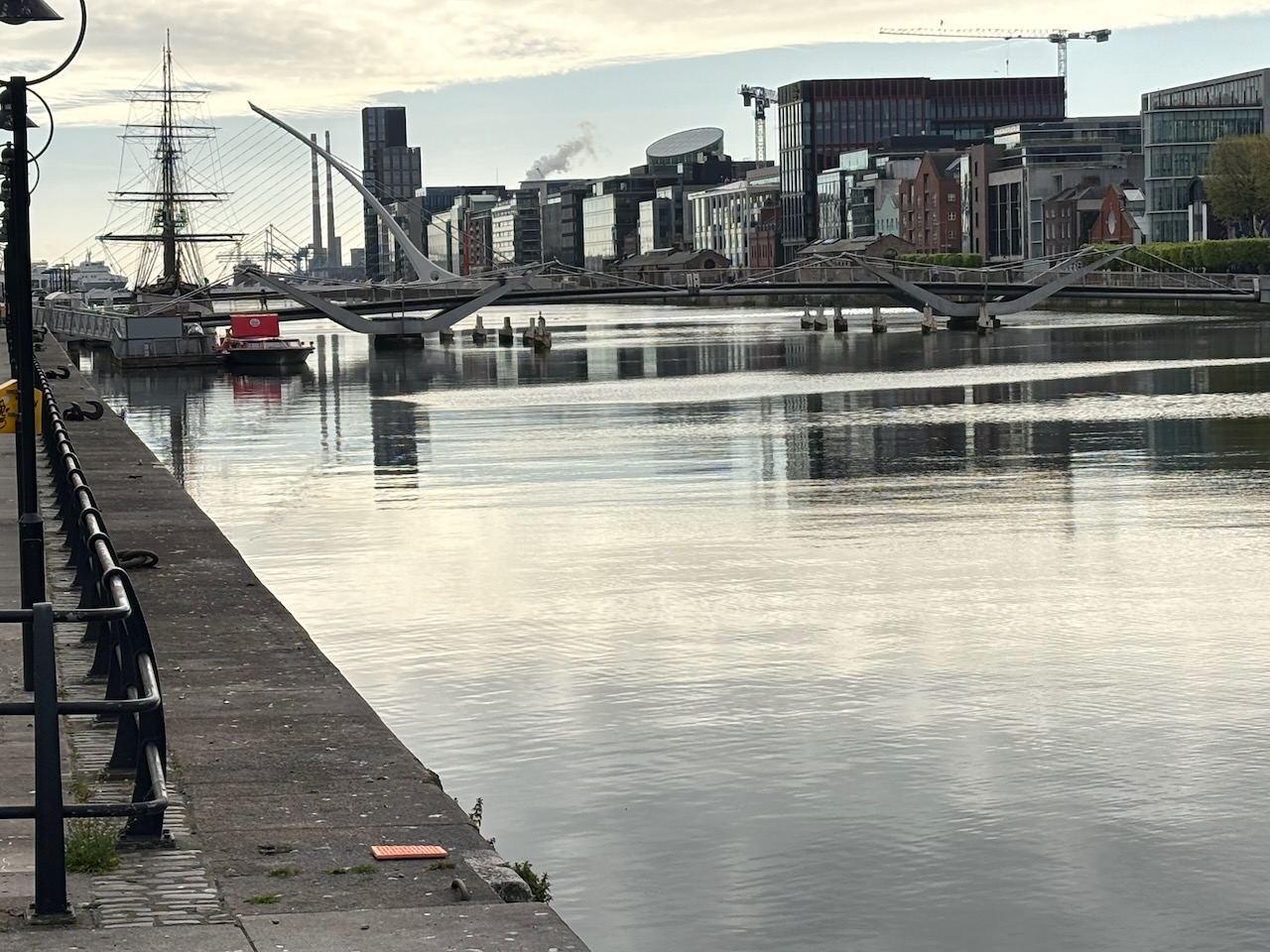
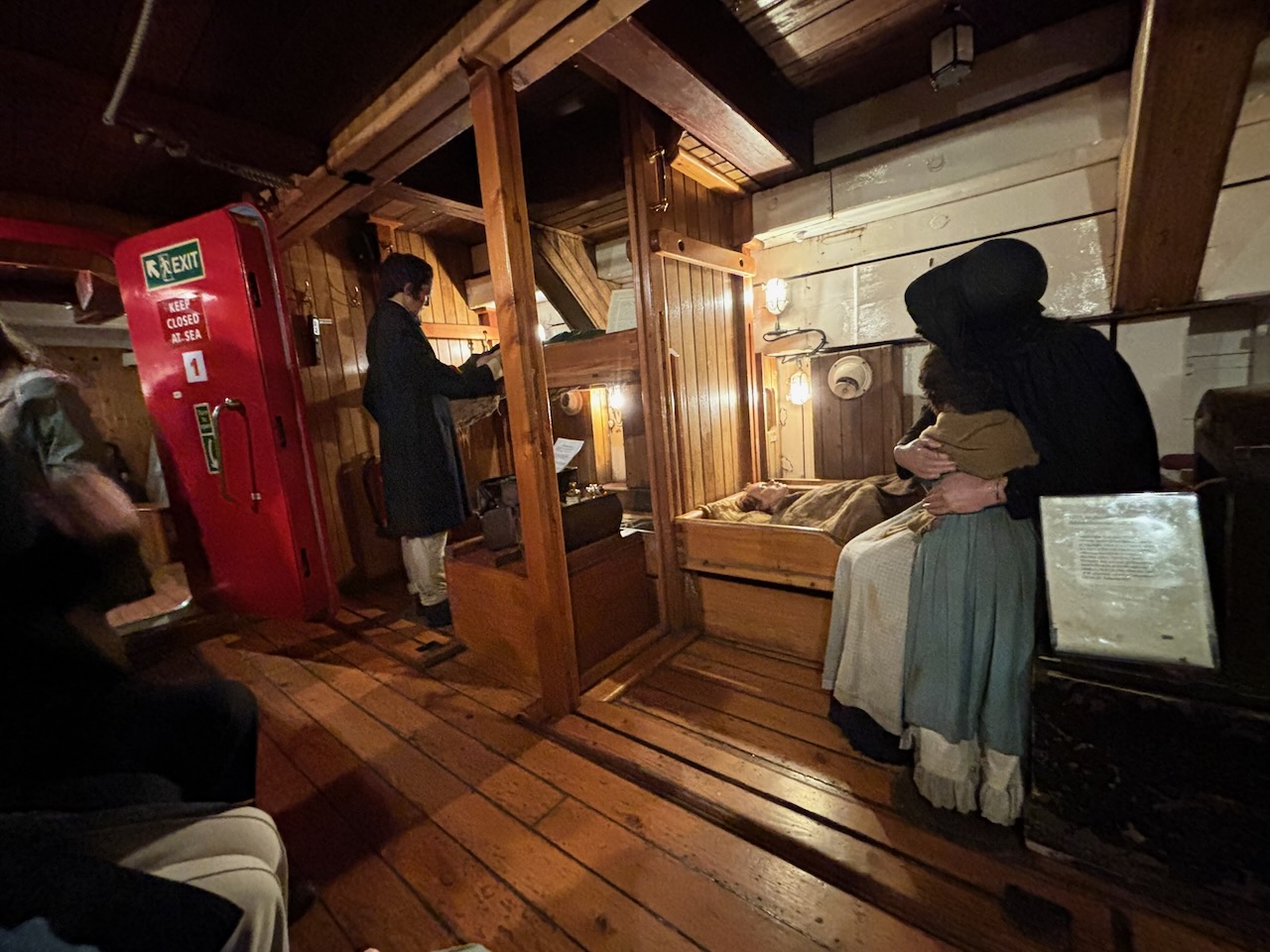
The next morning, we walked back down to the river to tour the Jeanie Johnston, a replica of a three-masted barque (a sailing vessel that has three or more masts, with square-rigged sails on the forward masts and triangular or gaff-rigged fore-and-aft sails on the rearmost mast). The original vessel was built in Quebec, Canada in 1847 by the Scottish-born shipbuilder John Munn. Before we boarded and started the tour, we waited near an art installation, The Famine Memorial, made by Rowan Gillespie in 1997. The memorial is in remembrance of the Great Famine (1845–1852), which saw the population of the country halved through death and emigration. The memorial was placed here as it was where many immigrants left Ireland in search of a better home.
The original Jeanie Johnston was bought by Tralee-based merchants John Donovan & Sons, as a cargo vessel and traded successfully between Tralee and North America for a number of years. The trading pattern was to bring emigrants from Ireland to North America, and then to bring timber back to Europe. Between 1848 and 1855, the Jeanie Johnston made 16 voyages to North America, sailing to Quebec, Baltimore, and New York. On average, the length of the transatlantic journey was 47 days.
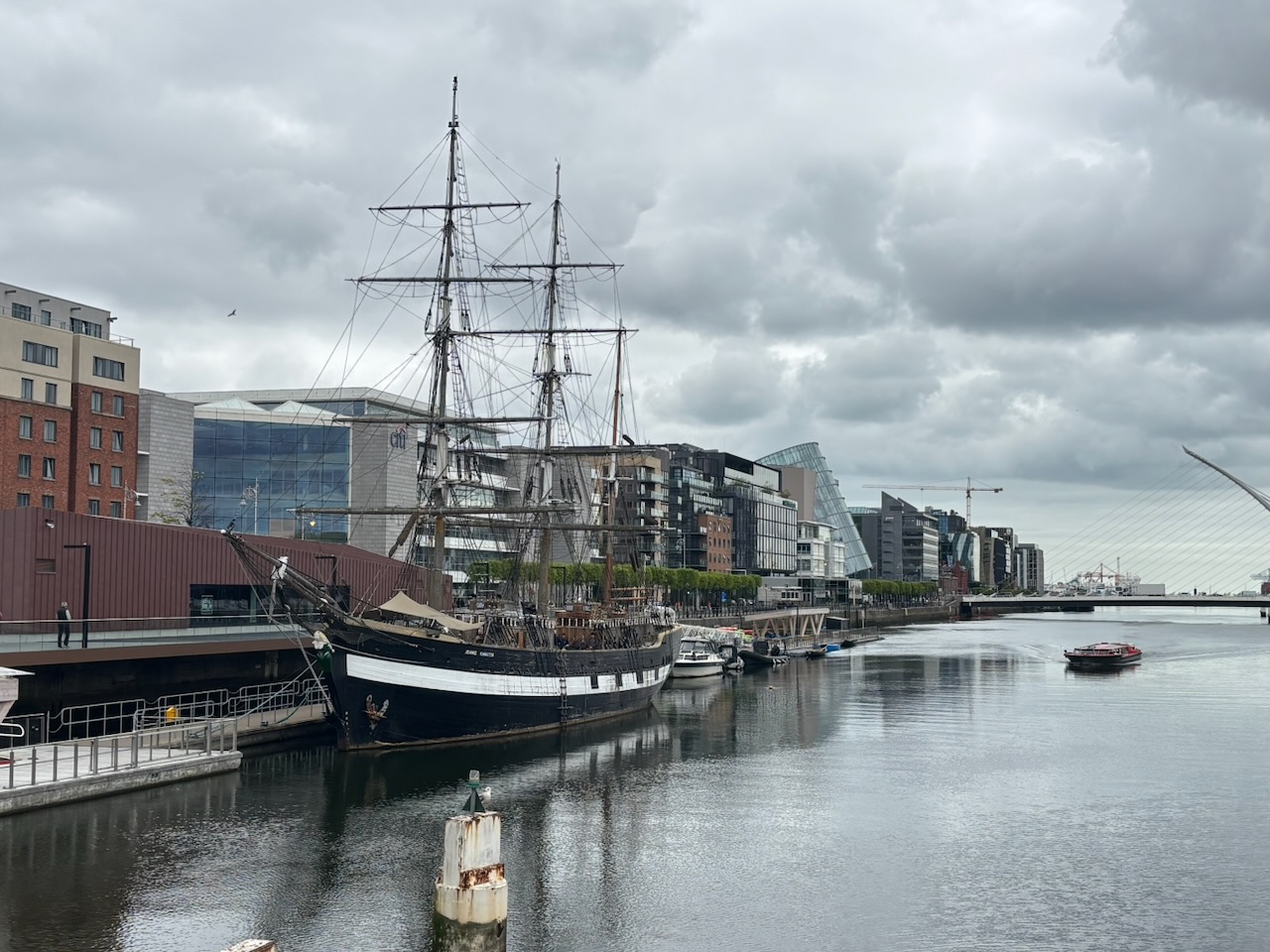
Despite the number of passengers and the long voyage, no crew or passenger lives were ever lost on board the Jeanie Johnston. This is generally attributed to the captain, James Attridge, not overloading the ship, and the presence of a qualified doctor, Richard Blennerhassett, on board for the passengers. This lack of mortality contrasted sharply with coffin ships that carried many other Irish immigrants.
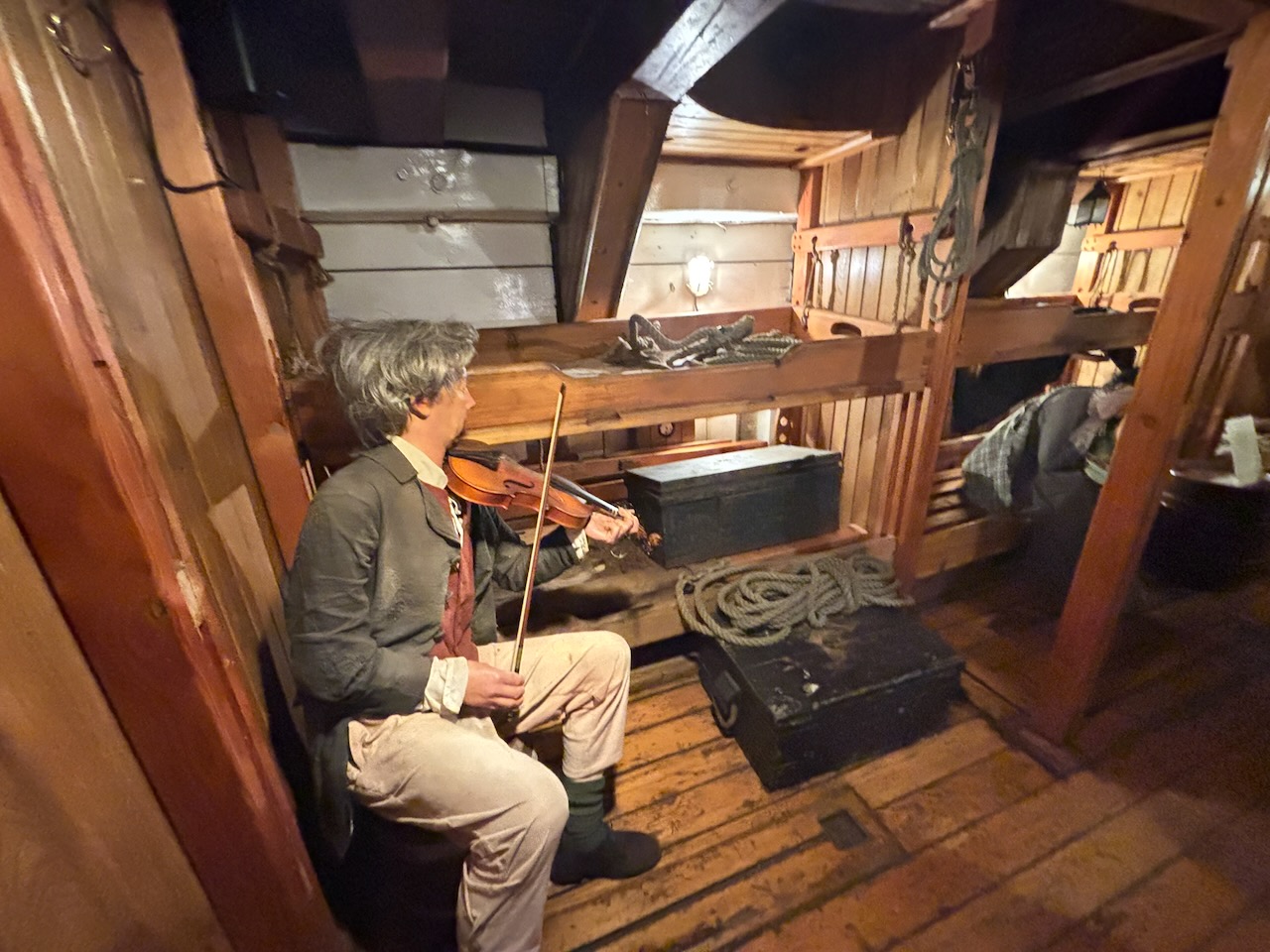
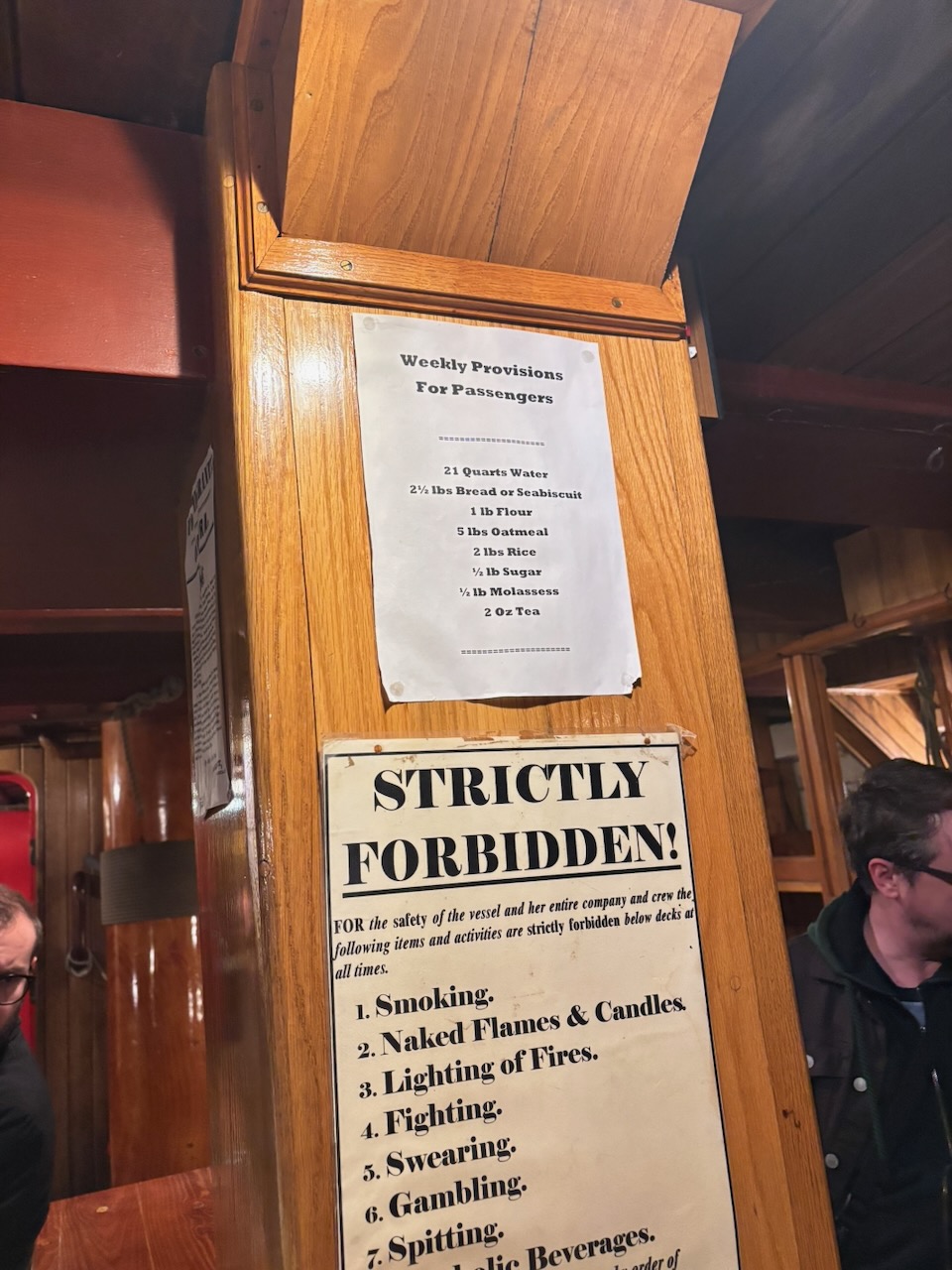
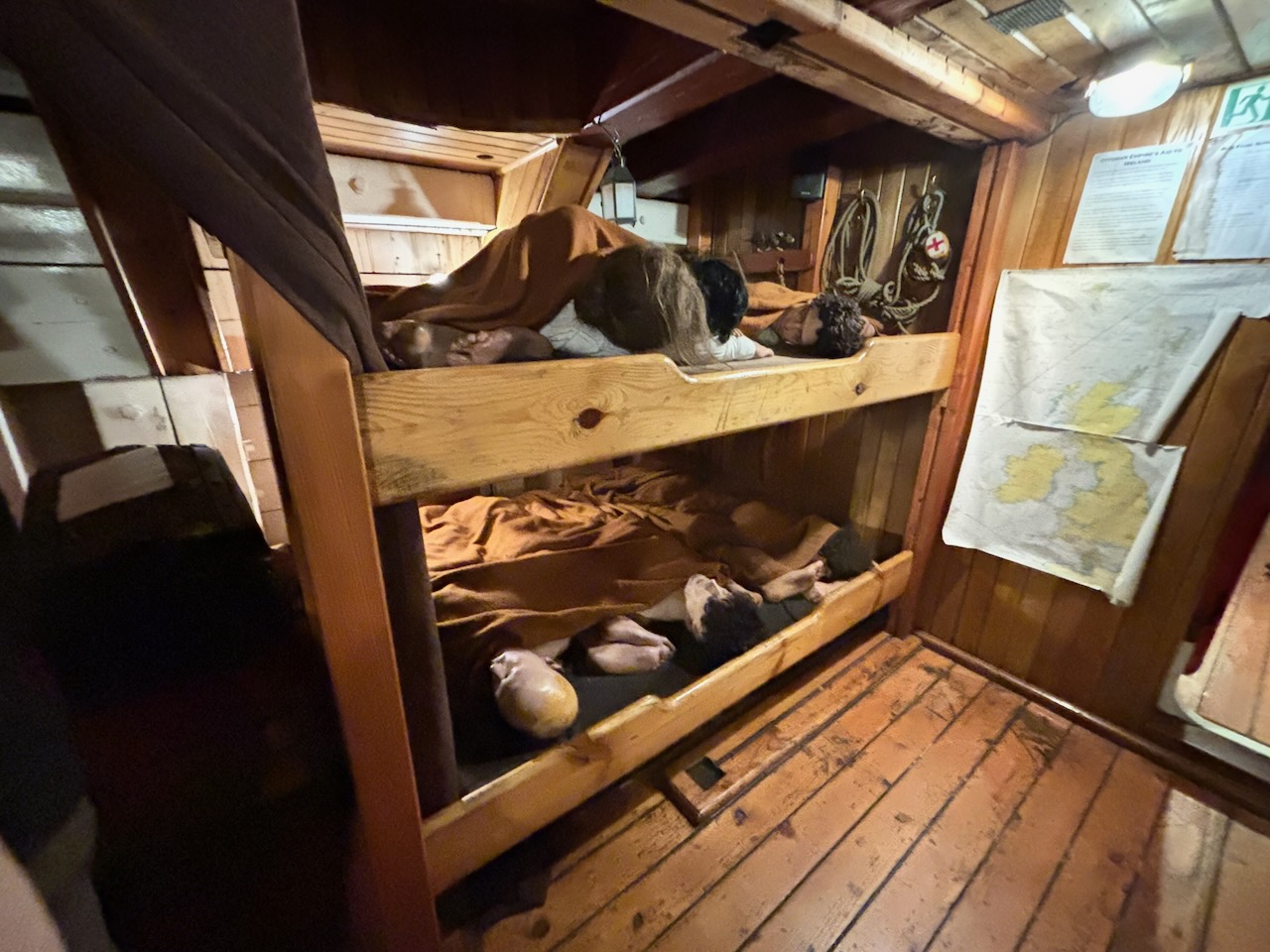
In 1855, the ship was sold to William Johnson of North Shields in England. In 1858, in route to Quebec from Hull with a cargo of timber, she became waterlogged. The crew climbed into the rigging, and after nine days clinging to their slowly sinking ship, they were rescued by a Dutch ship, the Sophie Elizabeth. Even in her loss, she maintained her perfect safety record. We spent time both above and below decks and came away with an appreciation for the humane treatment folks received on the ship compared to that of so many others of the thousands of Irish who migrated to the States.
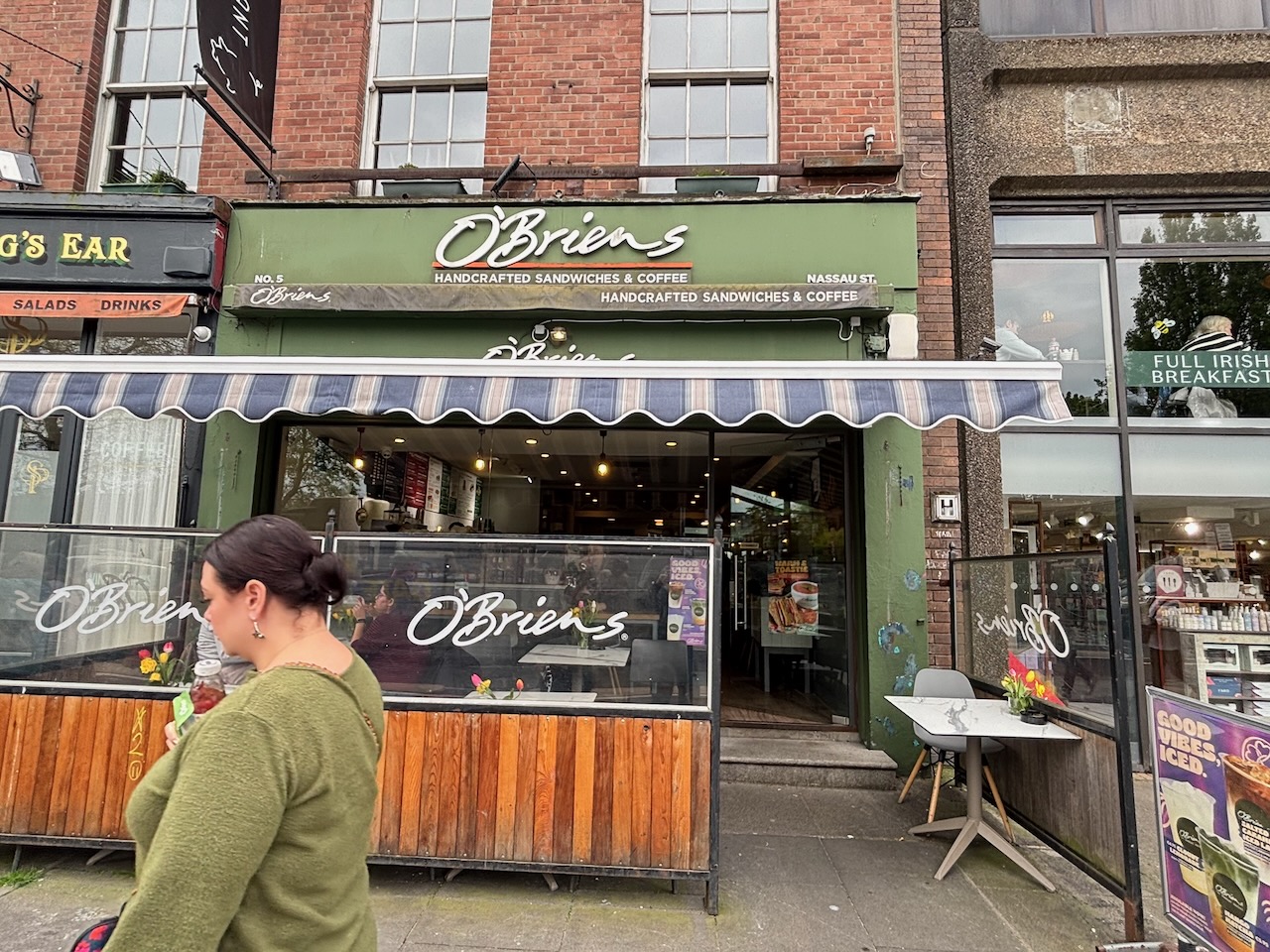
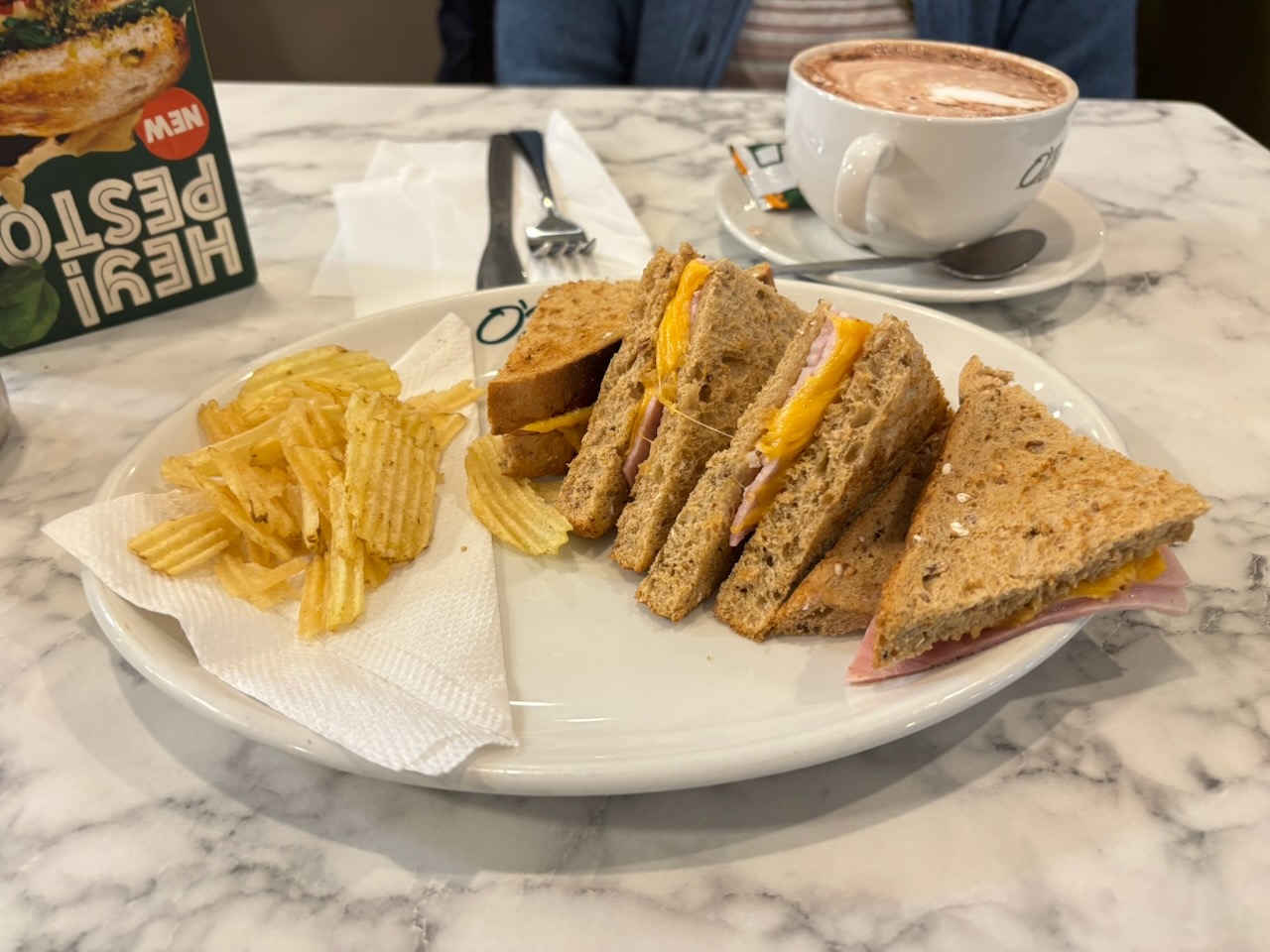
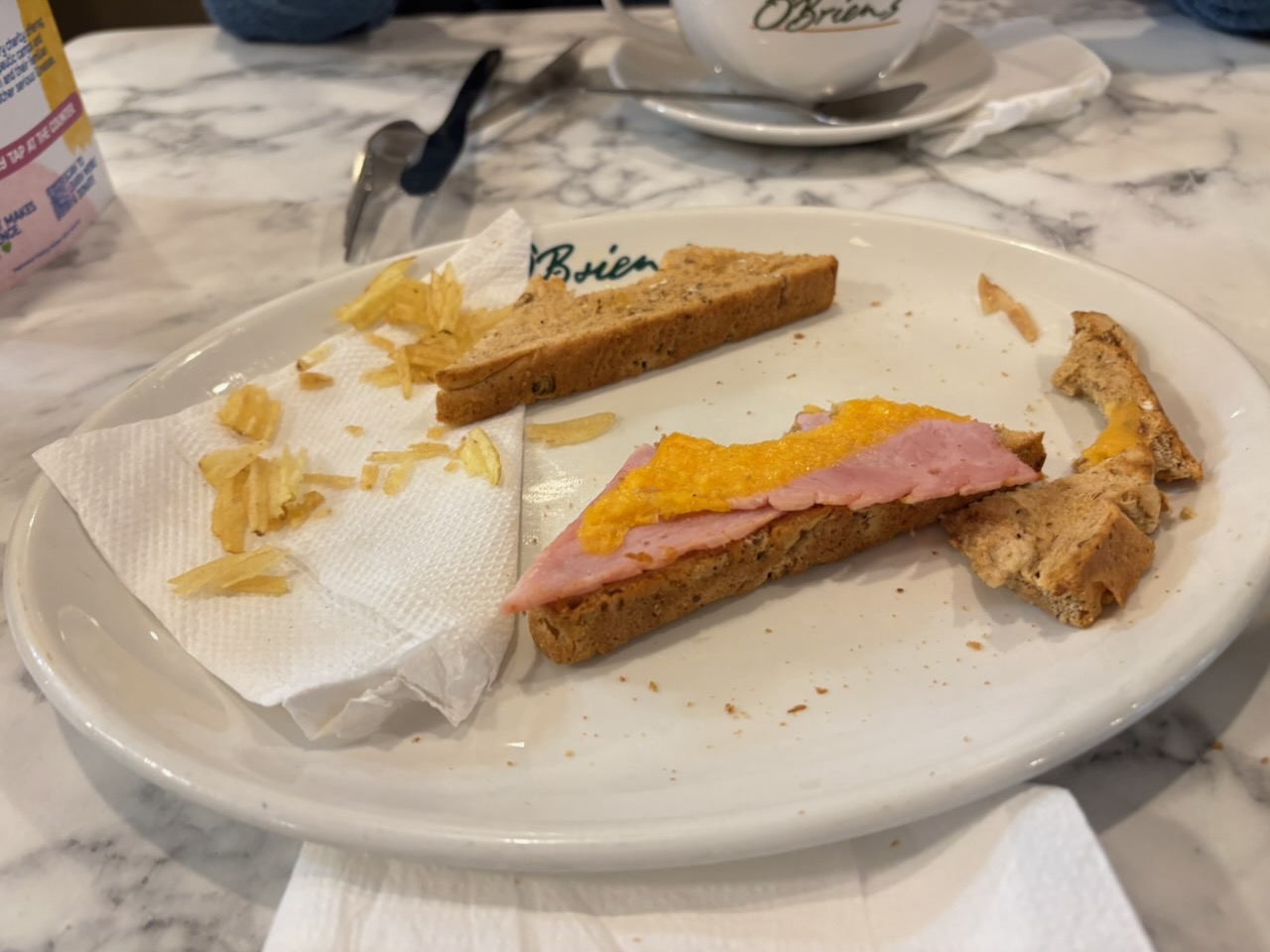
Finished with the tour we crossed the river and began to make our way towards the National Museum of Ireland – Archeology but first as it had been most of the morning, we stopped in at O’Briens Irish Sandwich Café for lunch, a seemingly promising choice which we would come to regret. We split a Ham & Cheese Toastie (Irish Ham, Mature Cheddar, Red Onion & Juicy Tomato served on O’Briens Wholemeal Bread) which to be honest, while not awful, was the most disappointing thing we would eat on the whole grip. Dry and generally unappealing is how I would best describe it, but it was food and it did get us through the afternoon.
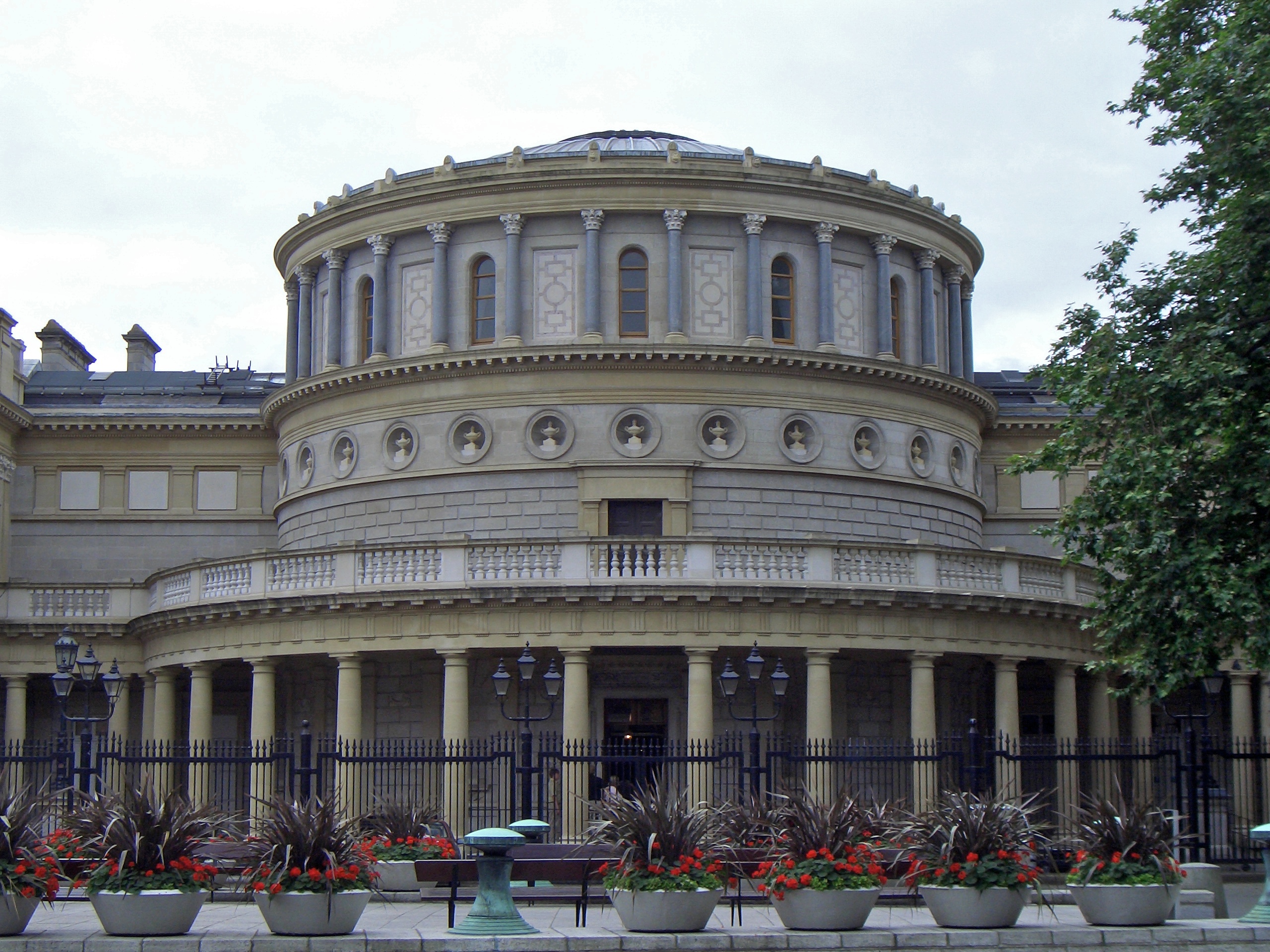
Sated, we walked to the museum, which is a branch of the National Museum and is itself a national treasure as the soggy marshes and peat bogs of Ireland have proven perfect for preserving old objects and specializes in Irish and other antiquities dating from the Stone Age to the Late Middle Ages. The museum was established under the Dublin Science and Art Museum Act of 1877 and was built by the father and son architects Thomas Newenham Deane and Thomas Manly Deane. Its entry rotunda matches that of the National Library of Ireland, which face each other across the front of Leinster House (the seat of the Oireachtas, the parliament of Ireland. Originally, it was the ducal palace of the Dukes of Leinster). We’ll cover the rest of our visit to the museum and our time in Dublin in the next post.
Links
Home in Dublin 1: https://www.airbnb.com/rooms/1353268342733434848?source_impression_id=p3_1792841875_P3uMoTH_Y5kKese7
One Society: https://www.onesociety.ie/
Jeanie Johnston: https://jeaniejohnston.ie/?utm_source=googlemybusiness&utm_medium=referral
The Famine Memorial: https://www.visitdublin.com/famine-memorial
National Museum of Ireland: https://www.museum.ie/en-IE/home
O’Briens: https://www.obriens.ie/
Discover more from 3jmann
Subscribe to get the latest posts sent to your email.


