April 11 – 12
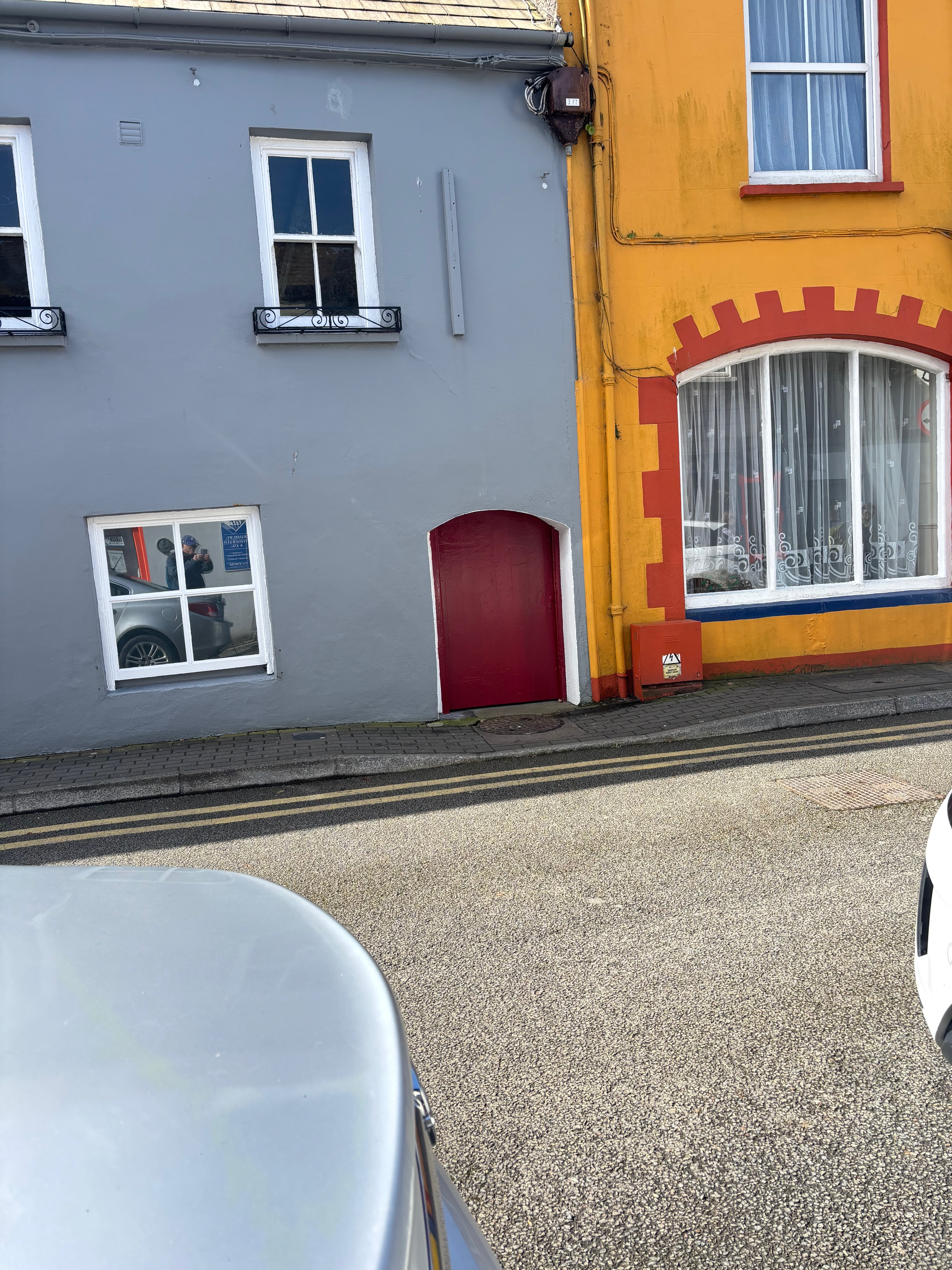
As mentioned in an earlier post, Kinsale is a small town and so, except for a couple of planned outings, we’d not have a lot to see or do. We started in the morning with a delightful tour with Don & Barry’s Kinsale Historic Stroll. Barry himself met us and gave us a delightful morning exploring and learning about the history of this unique place.
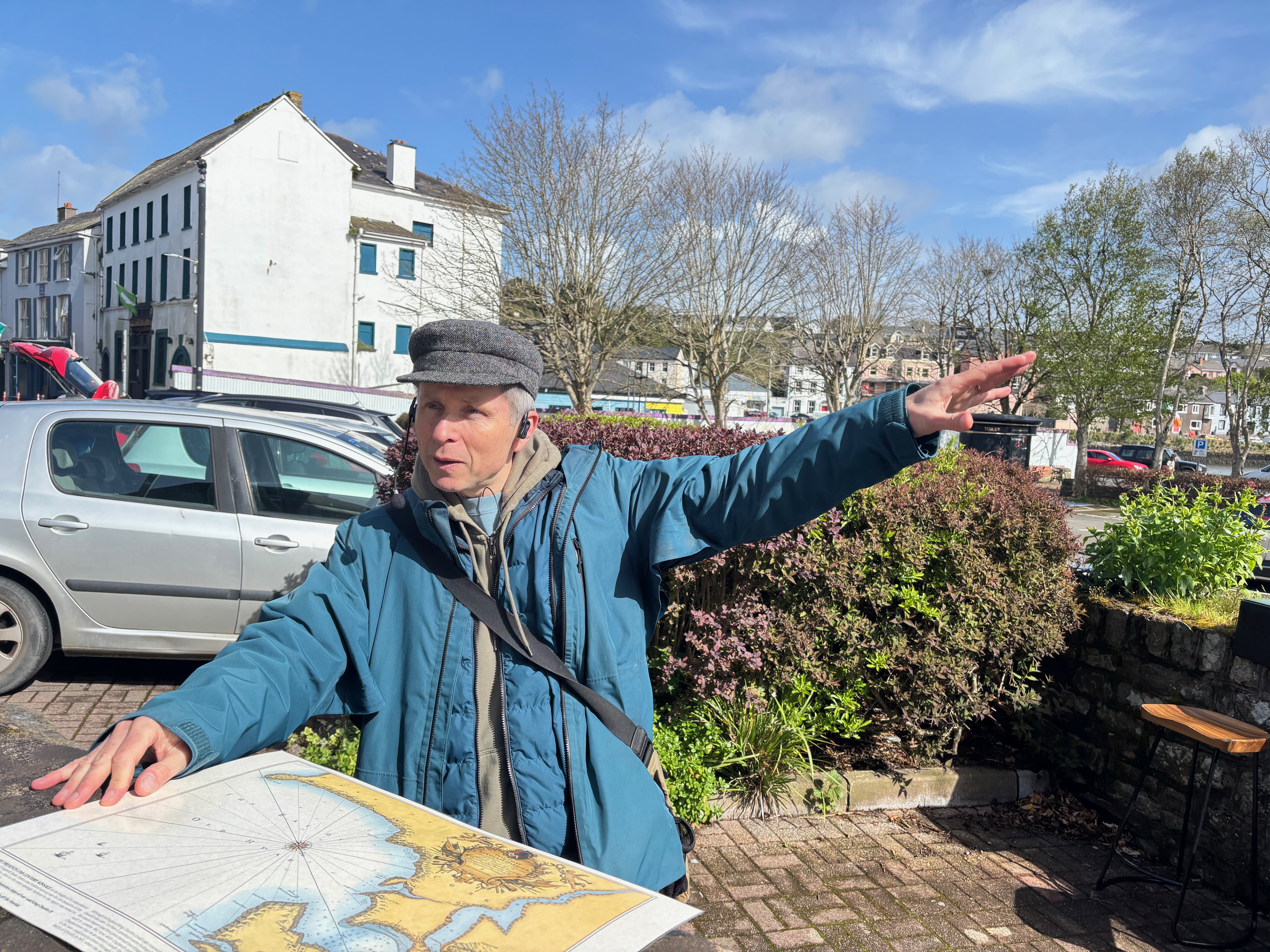
The medieval walled town’s economy was fueled by its harbor, where ships came to be stocked. The old walls defined the original town and created a fortified zone that facilitated the taxation of goods. In the 17th and 18th centuries, its small and easily defended harbor was busy with tall ships getting provisions and assembling into convoys for the two-month trip to America, mostly for military transport and establishing colonies. Clear-cutting of the once-plentiful oak forest upriver (for shipbuilding and barrel-making) hastened erosion and silted up the harbor. By the early 1800s—when British ships needed lots of restocking for the Napoleonic Wars—ships were bigger, Kinsale’s port was slowly dying, and nearby Cobh’s deep-water port took over the lion’s share of shipping.

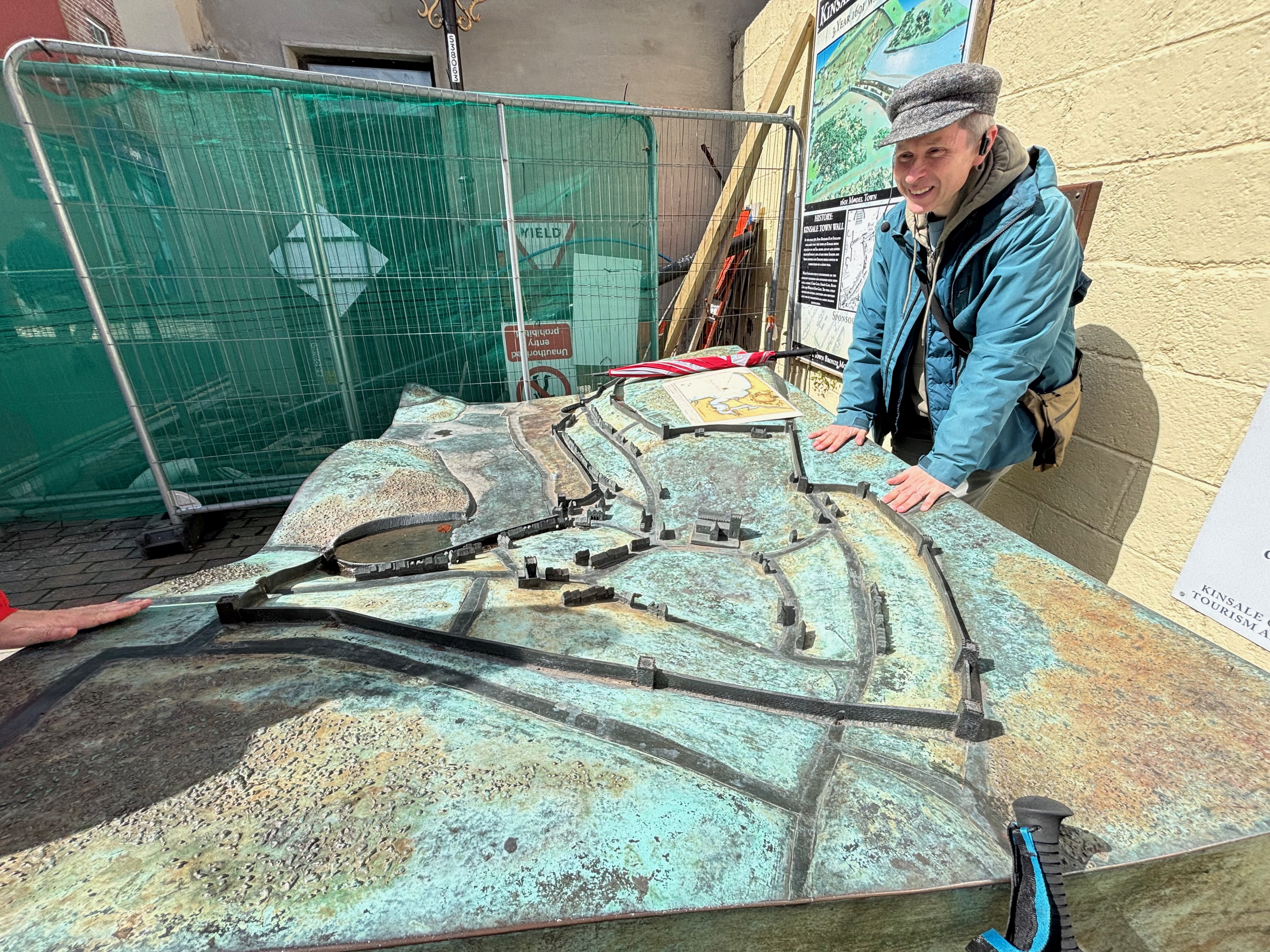
Our tour would follow the lines of the original town walls, starting down by the old harbor working our way up towards the center, near to where our apartment was located. We paused to examine the green medieval-era Kinsale model (c. 1381) which shows the narrow confines of the town, hiding behind its once-proud walls, before much of the bay was reclaimed. Here you can see how the wall lined the main street along the tidal flats and also that the town wall had three “water gates.” One was called “World’s End,” which felt true in the 14th century.
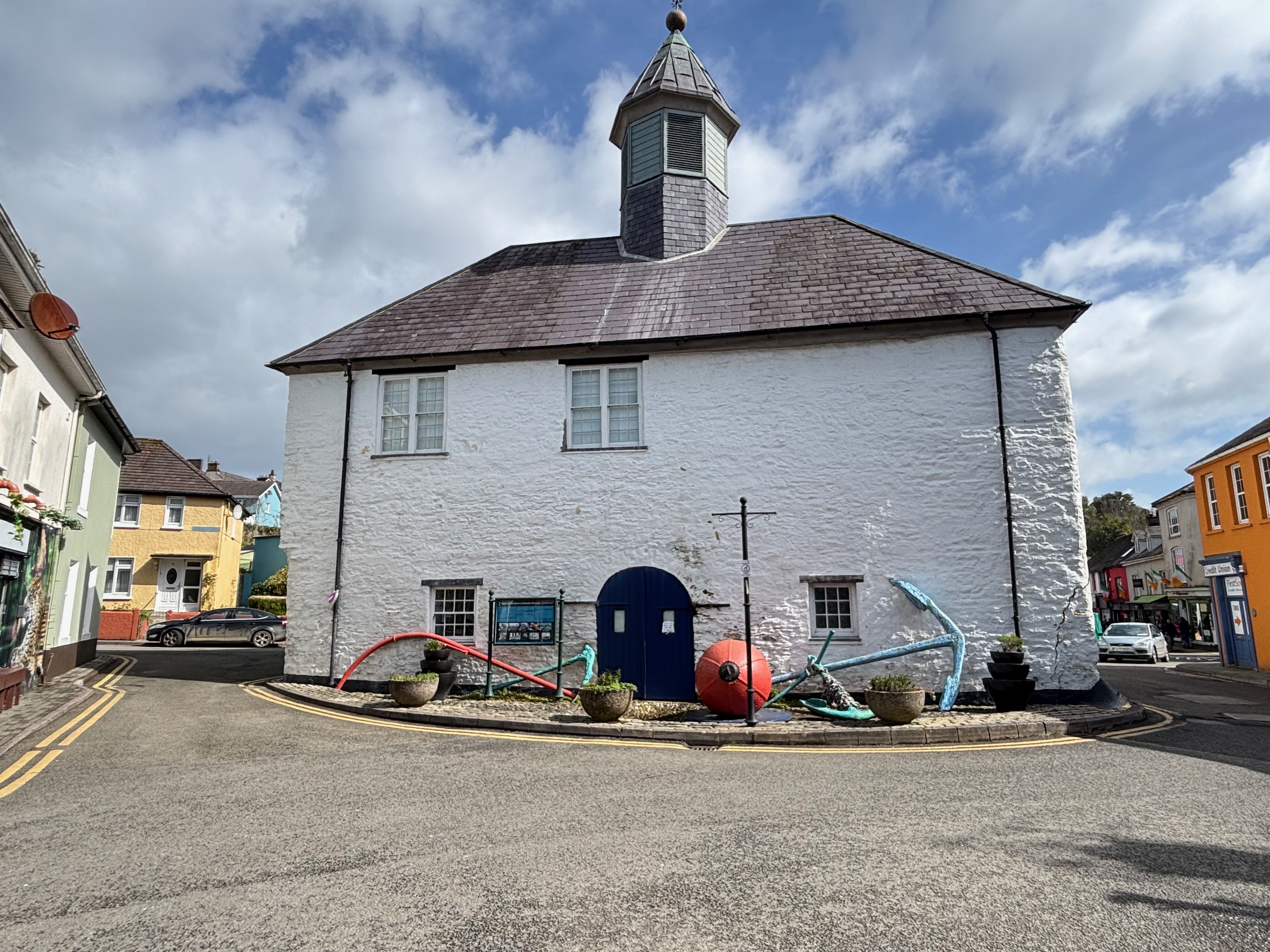
Next, we stopped at Market Square to view a building built around 1600 as the market house and in 1700, it was turned into the courthouse and renovated in a Dutch style. Today, it houses the Kinsale Regional Museum, with exhibits on the Lusitania (it was the site of the inquest into the sinking of the Lusitania) and other local oddities and posted under its arcade is the 1788 tax code for all Kinsale commercial transactions.
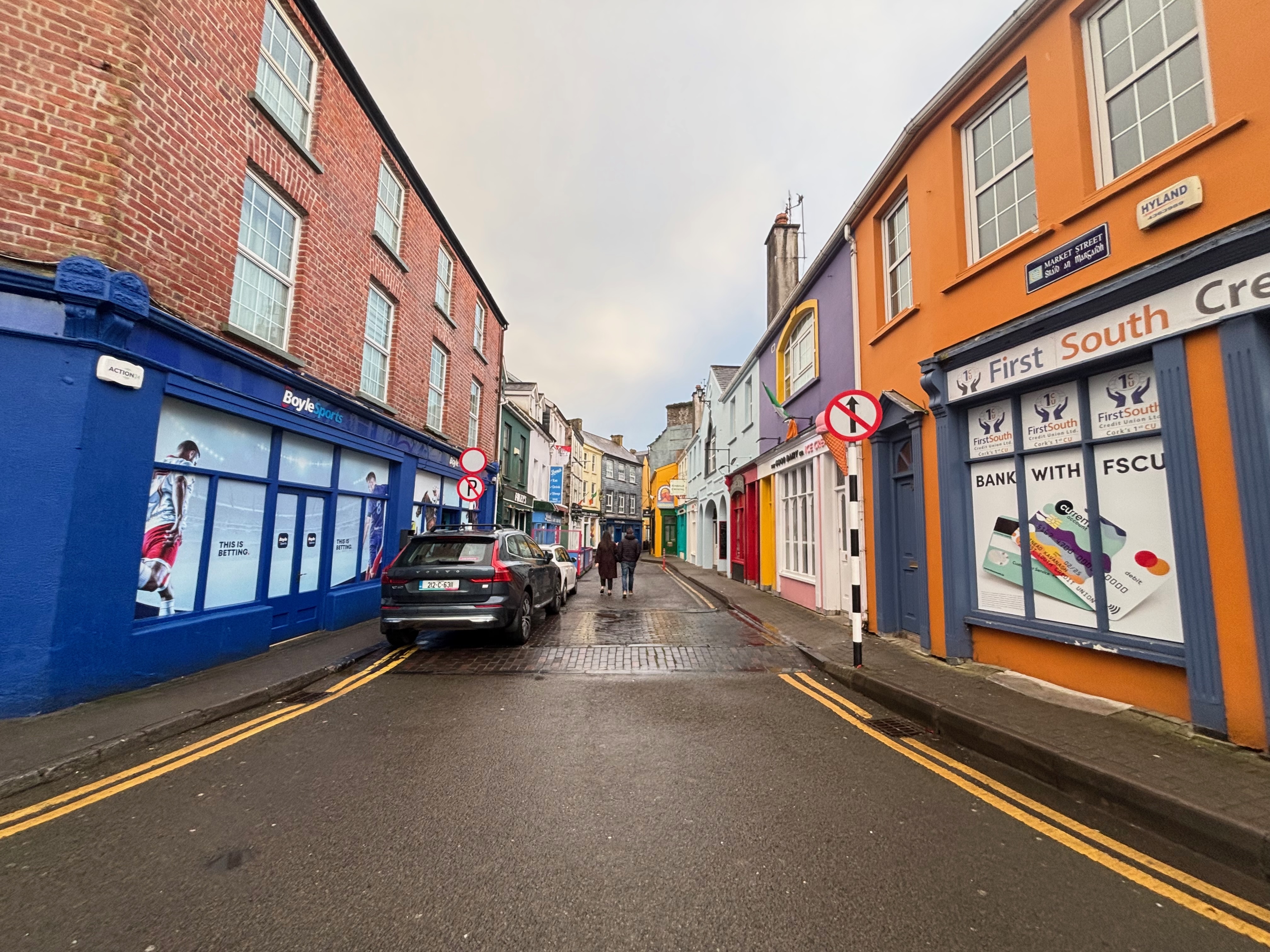
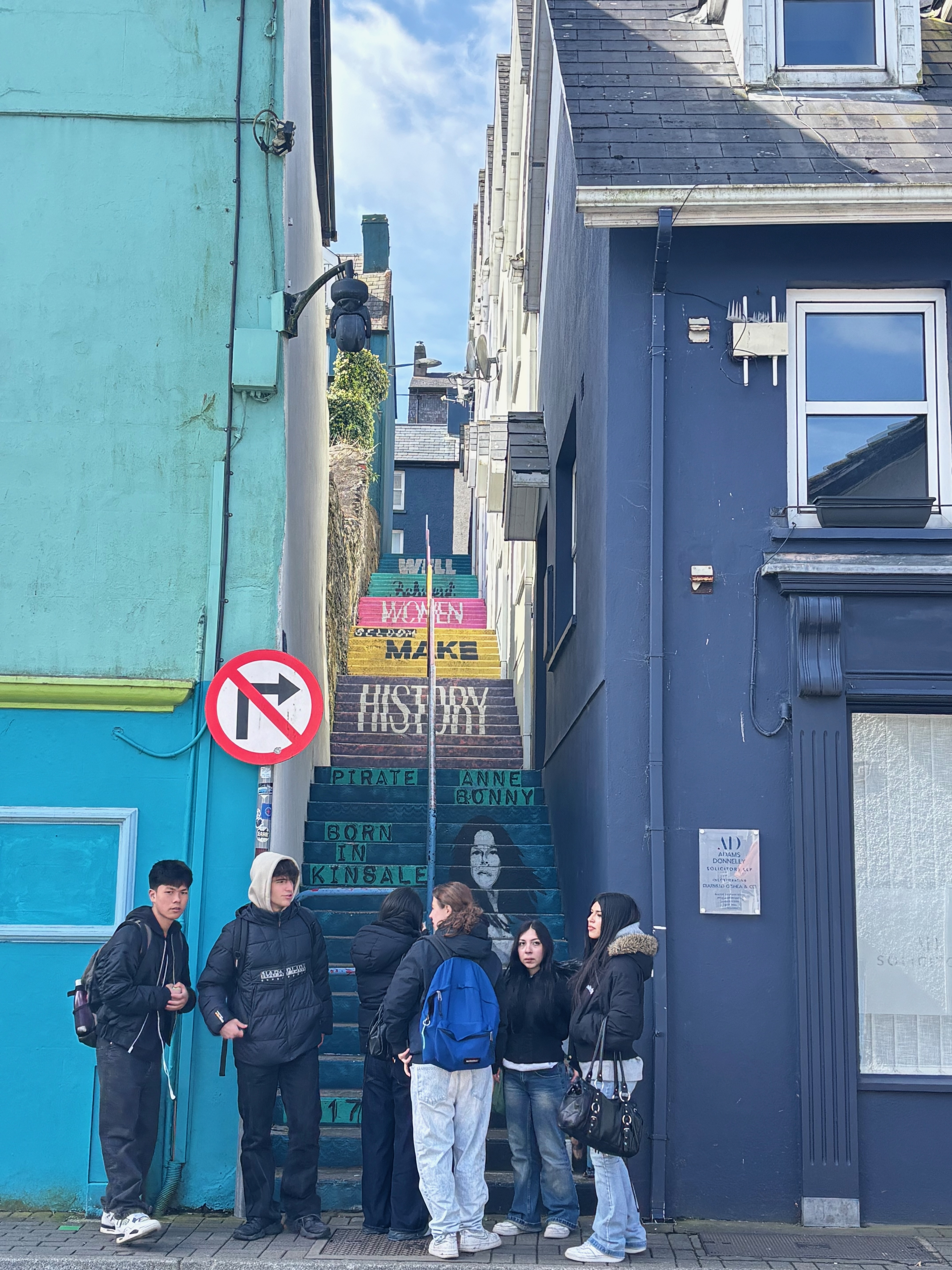
On the other side of the museum are lanes leading to homes and businesses. Like many Irish towns, Kinsale is painted in a rainbow of vivid colors. This is a fairly recent trend, and it’s largely thanks to the Tidy Towns competition. This creates incentive and money (through fundraising and sponsorships) for towns across Ireland to make big and small improvements. Kinsale won in 1986 and we would continue to see more towns who had competed as we moved along through the country.

We finished at Market Quay Square, which feels far from the harbor but if you stood here a few centuries ago, you’d be under water. Much of the town center of Kinsale is on reclaimed land. The small lanes on the left side of this square were originally quays—stone piers where boats could ride in on the high tide, tie up, and load or unload. When this inner harbor began to silt up, they moved the port farther out and filled in this area with rubble from the old town walls, plus shale that was quarried locally.
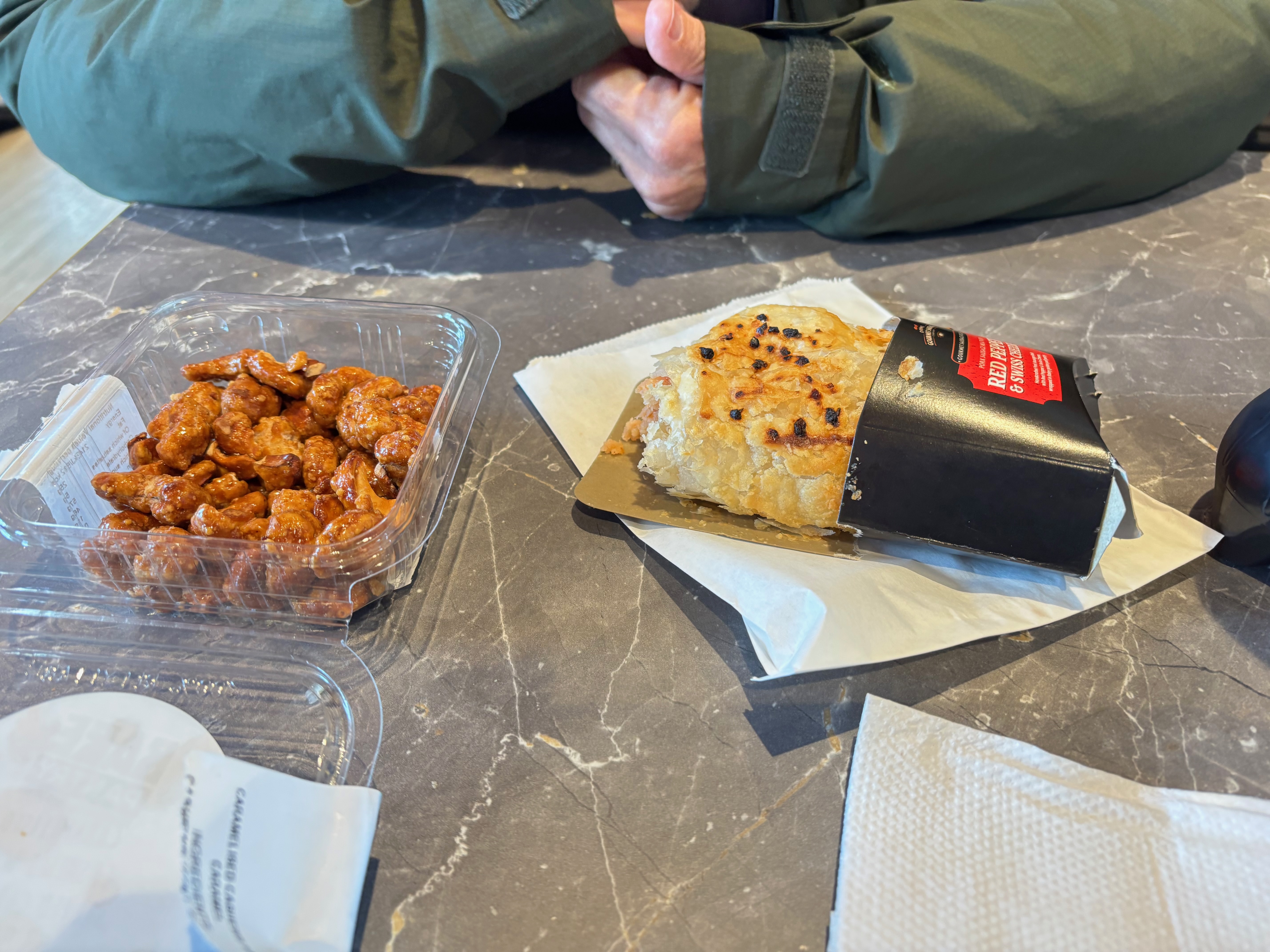
By now it was time to get a snack and so we stopped at a Centra Market and picked up a bottled soda, a sausage roll and a packet of toffee cashews for 10.79 Euros ($12.67). It would be our first, and only, experience with a sausage roll and while there was nothing wrong with it, it would end up being one of those items you don’t crave and thus tend to find easy alternatives later in the trip. This gave us the energy we needed to walk up a steep hill where at the top we found Kinsale Mead, a family owned (the Dempsey’s) and operated Meadery founded in 2016.
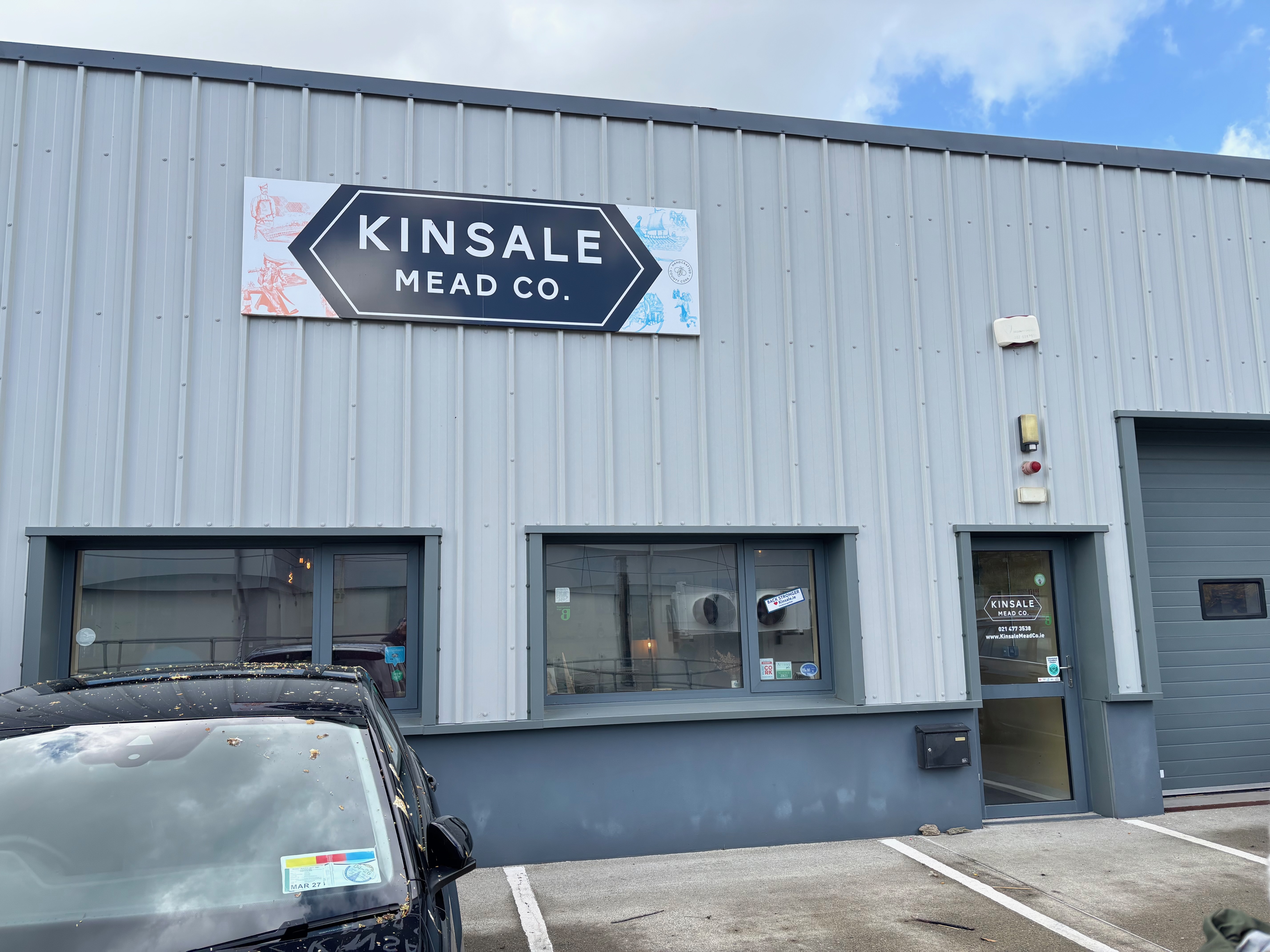
There was a small group in the tasting room enjoying some of the product when we arrived and we were greeted by Kate, one of the owners who asked if we would like a tasting and a tour and then ushered us through a door into the warehouse like multi-purpose space used for distilling, bottling and shipping. There we tasted four of their meads, our two favorites being the Wild Red Mead – Merlot Barrel Aged and the Wild Forest Honey Mead (Galicia in Northern Spain and aged in Irish oak whiskey casks from Midleton Distillery in Co Cork). We picked up a three-bottle sample pack to take home with us as for Kris as we know that he likes mead and has distilled some at home in the past.

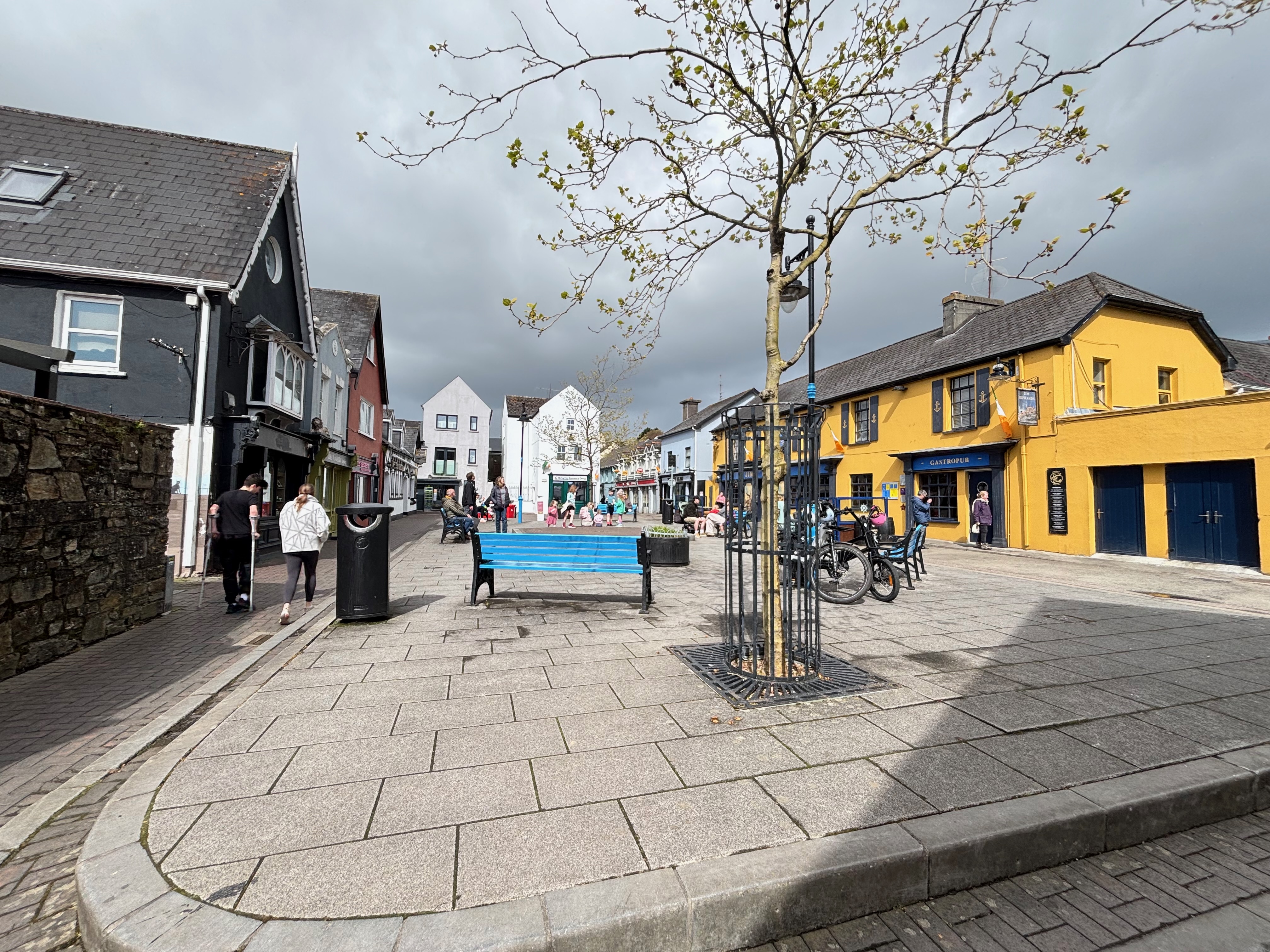
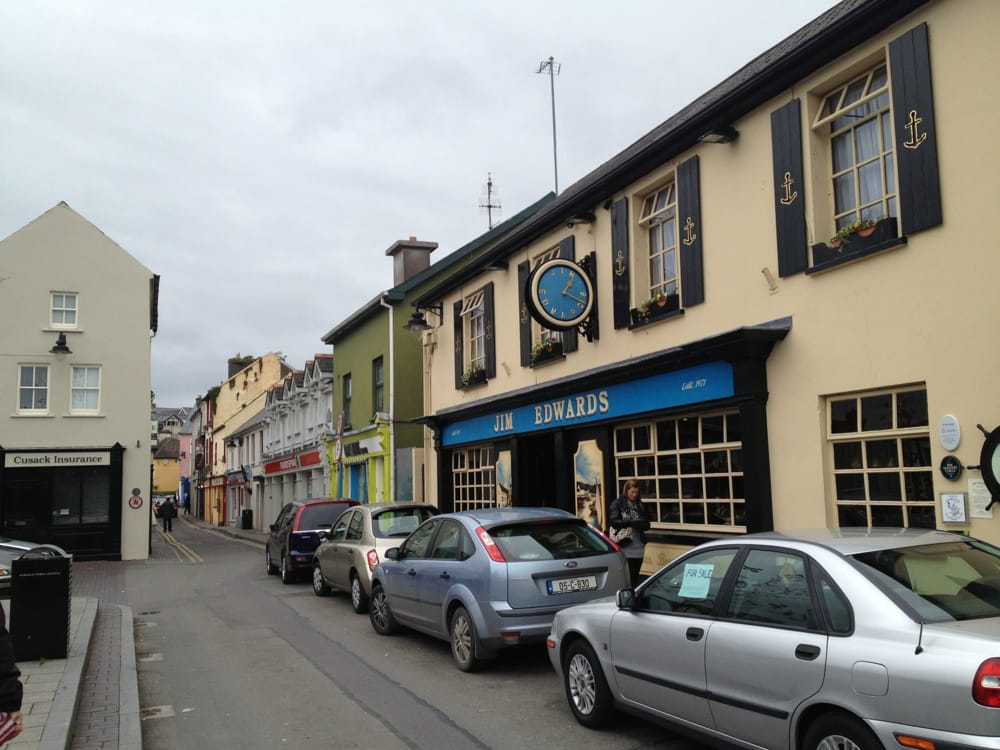
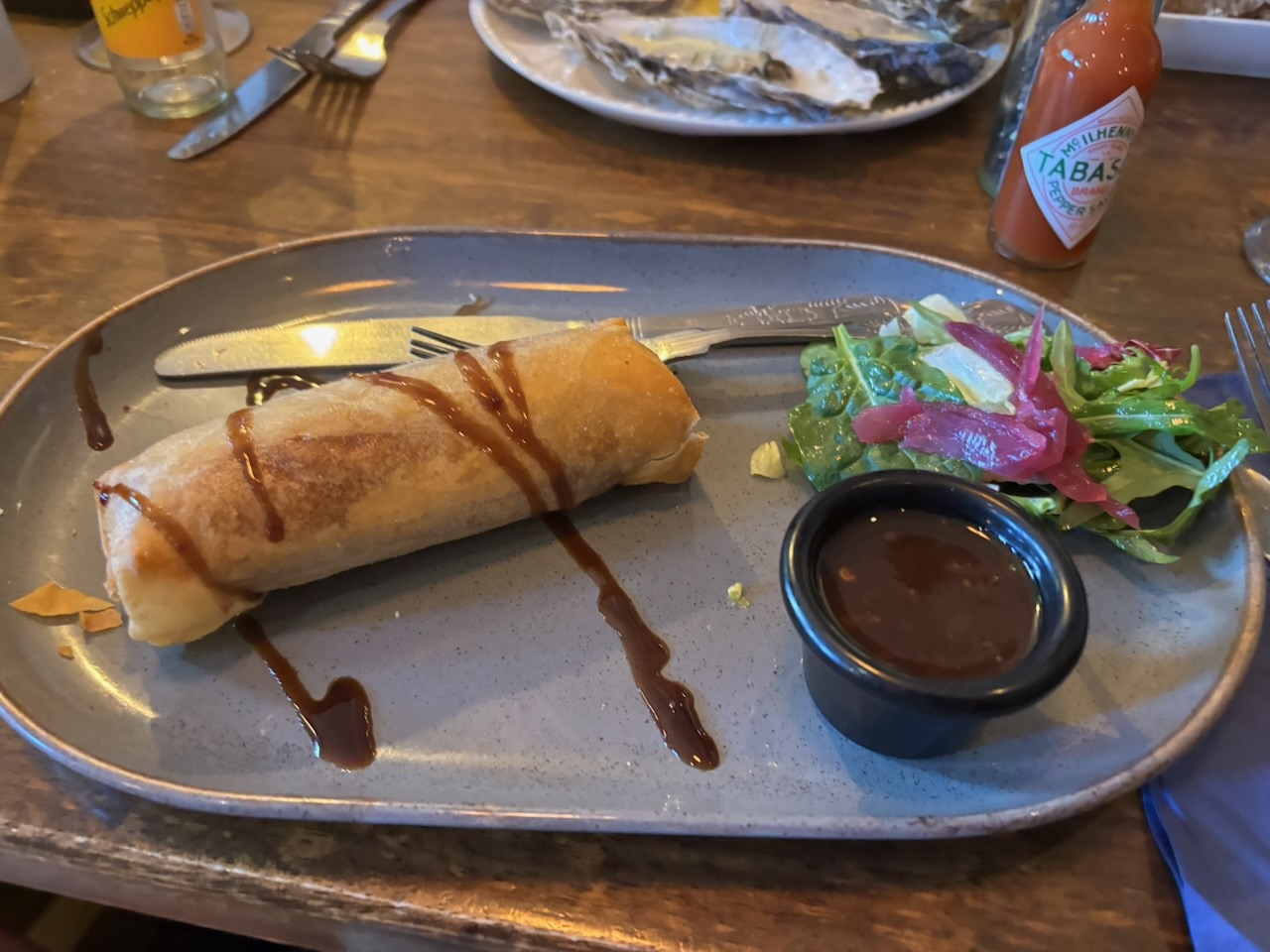
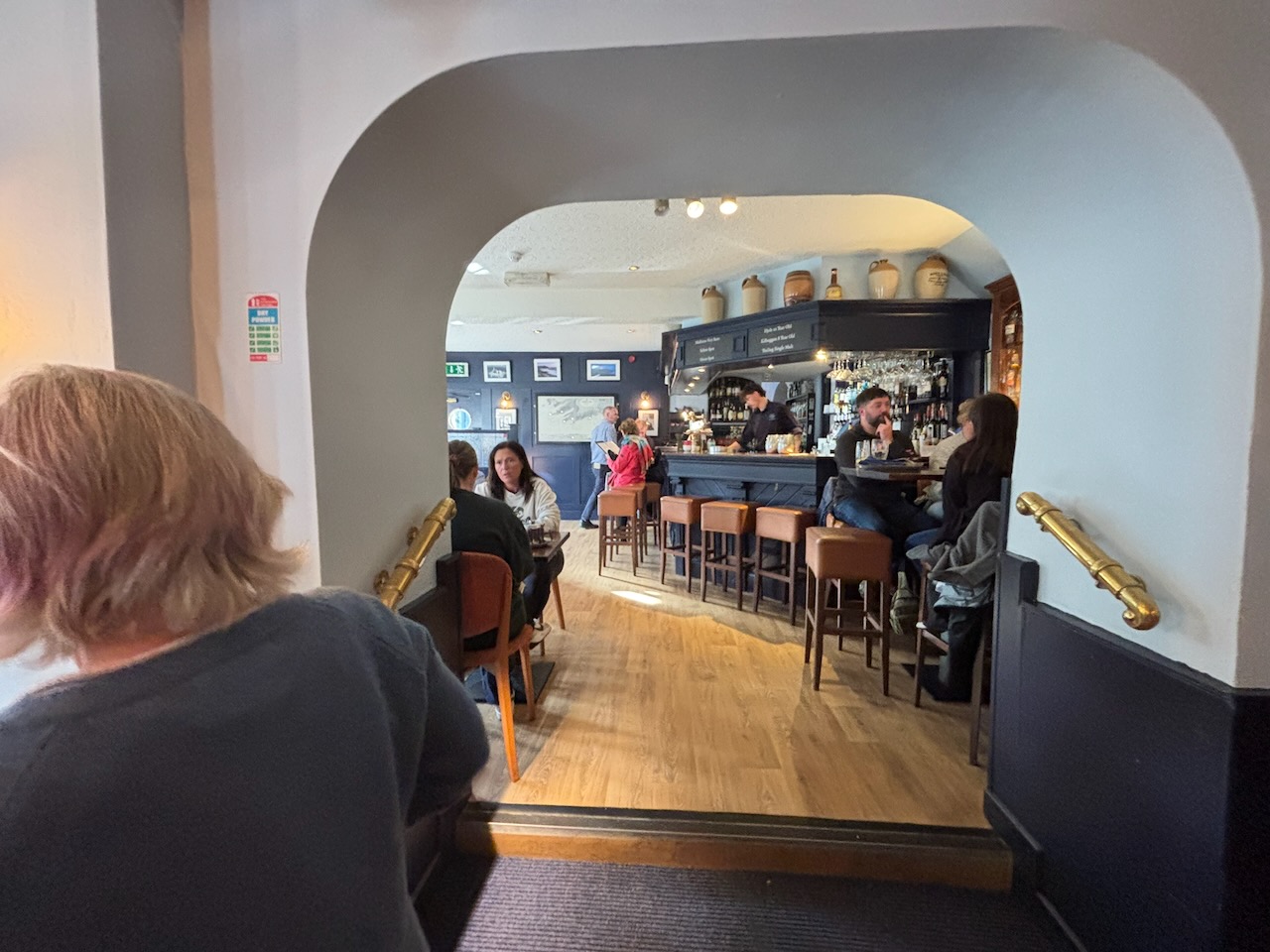
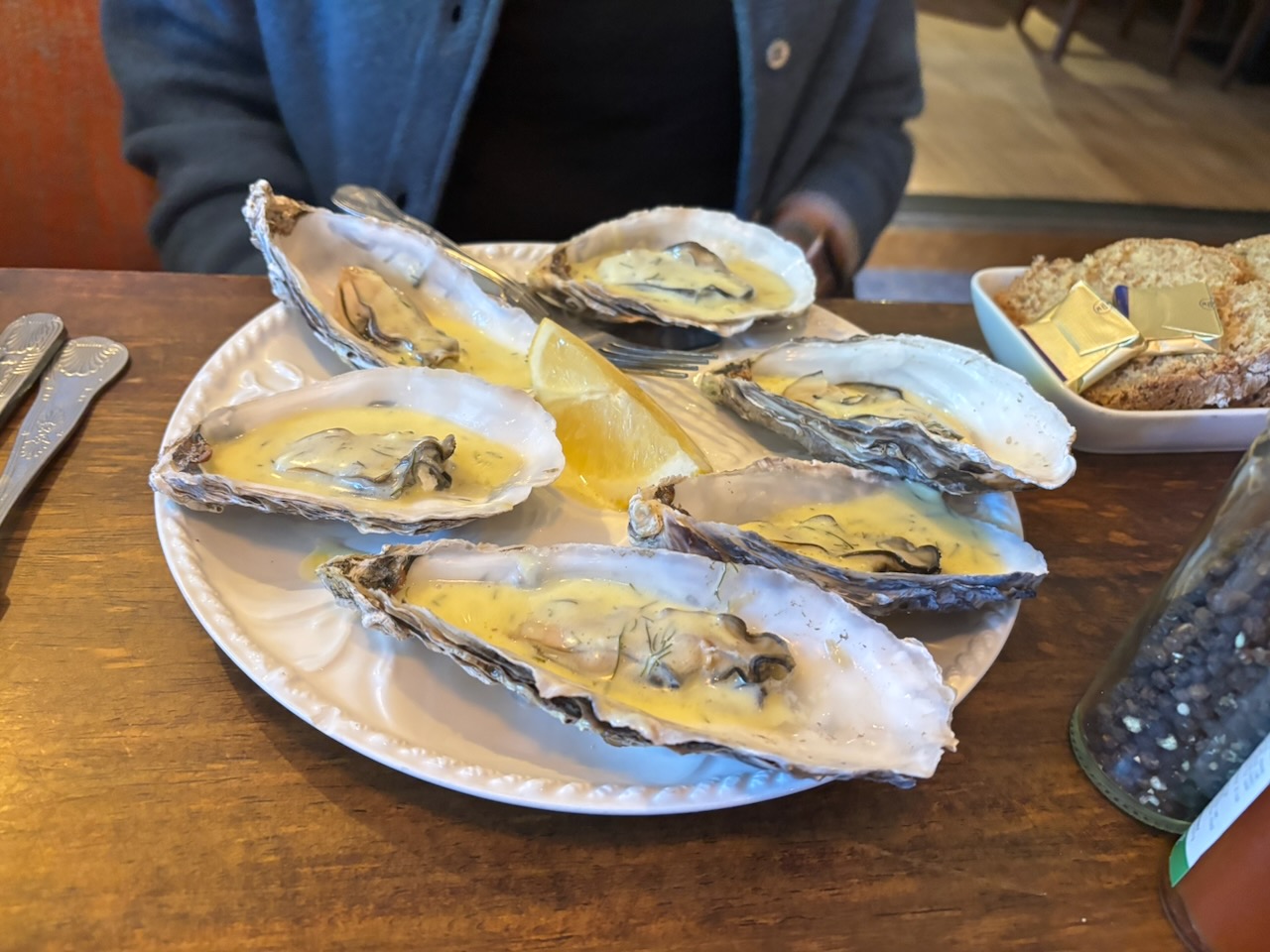
We left the Meadery and returned downhill, stopping for a moment to enjoy a view of the harbor and the town stretching up a hill in the background. Undecided about what to do for dinner that night, we landed at Jim Edwards Gastro Pub, just down the block from our apartment. To drink Joanna had a Kinsale Gin with tonic and I had a house chardonnay. To eat she thoroughly enjoyed a half dozen Oysters in a Lemon Herb sauce while I demolished a Vegetarian Spring roll. Another pleasant and reasonable meal at 60 Euros ($70), not cheap but less than what we likely would have paid for when at home.
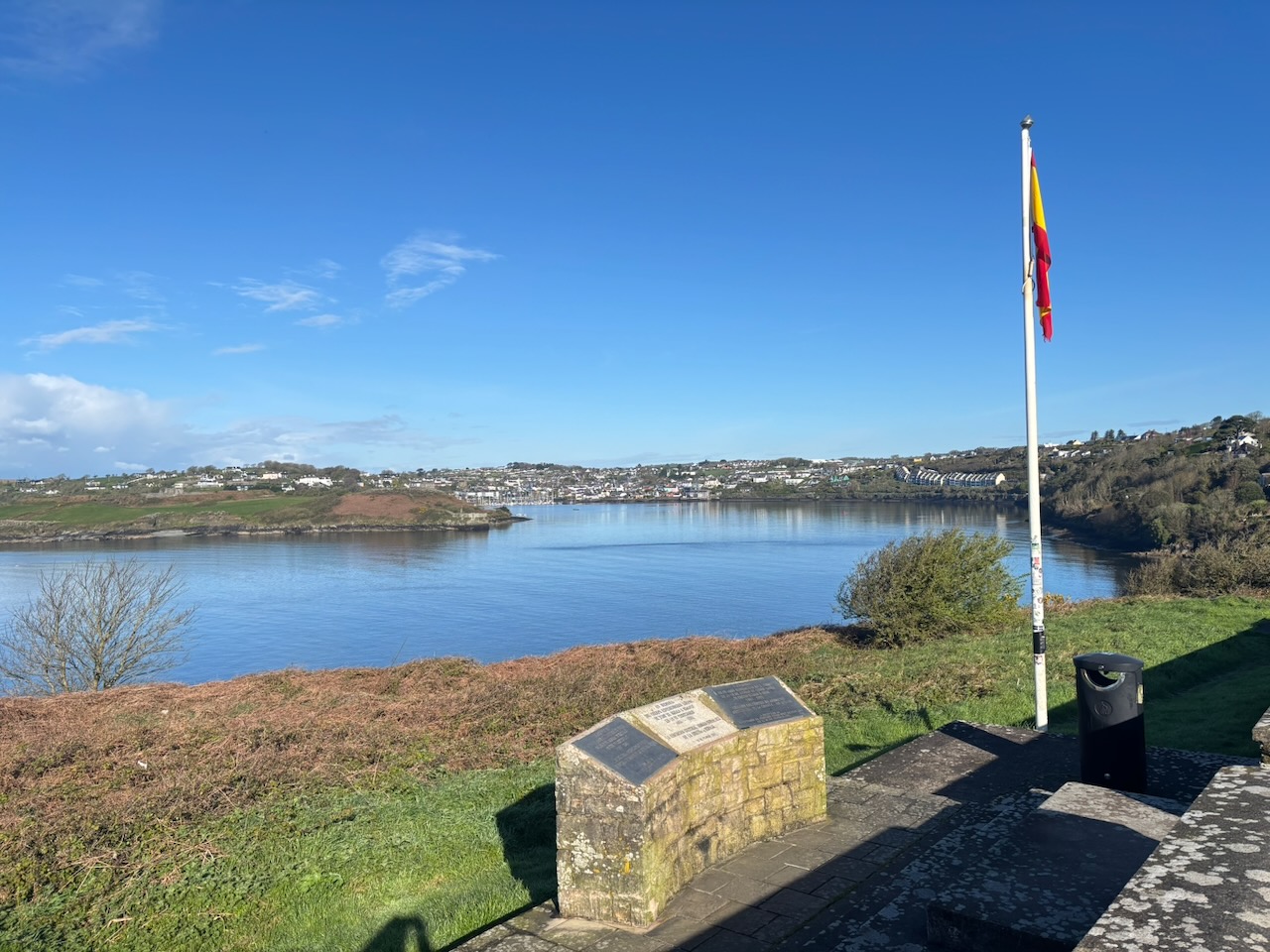
With another short drive ahead of us the next morning, we stopped on the way out of town intending to visit Charles Fort, strategically situated to be the gatekeeper for Kinsales harbor. When first completed in 1682, it was sometimes historically referred to as the “new fort”, to contrast with James’ Fort (the “old fort”) which had been built on the other side of Kinsale harbor before 1607. This fort was Britain’s biggest star-shaped fort—a state-of-the-art defense when artillery made the traditional castle obsolete (low, thick walls were tougher for cannons to breach than the tall, thinner walls of older castles). The star design made defending any attack on its walls safer and more effective. Unfortunately, we arrived before it was open and the wait time would be too much for us, so we took a few pictures and motored on toward Kenmare.



Links
Don & Barry’s Kinsale Historic Stroll: https://www.historicstrollkinsale.com/
Kinsale Mead: https://www.kinsalemeadco.ie/
Jim Edwards Gastro Pub: https://www.jimedwardskinsale.com/
Charles Fort: https://heritageireland.ie/places-to-visit/charles-fort-military-fortress/
Discover more from 3jmann
Subscribe to get the latest posts sent to your email.


