April 8 – 10
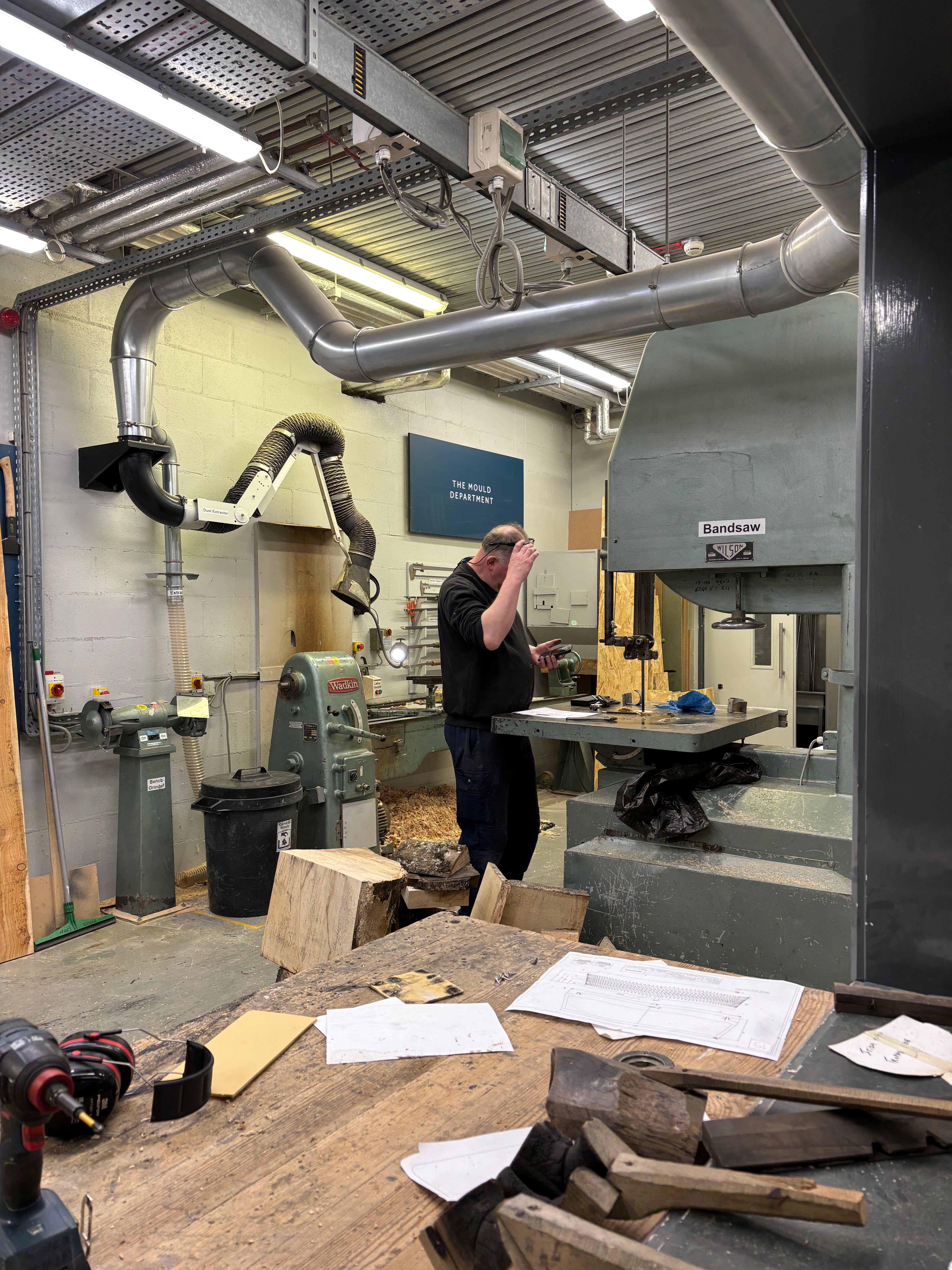
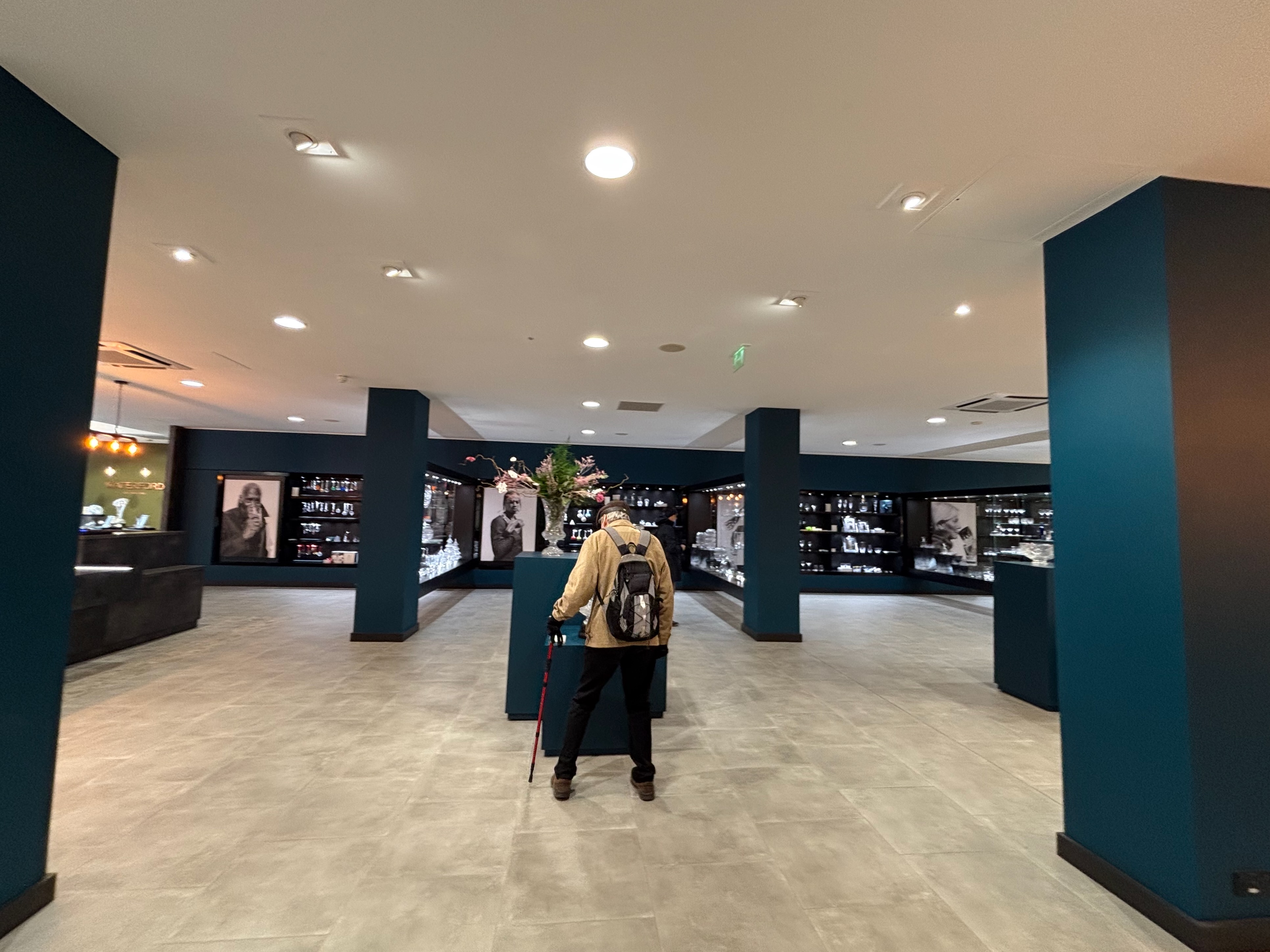
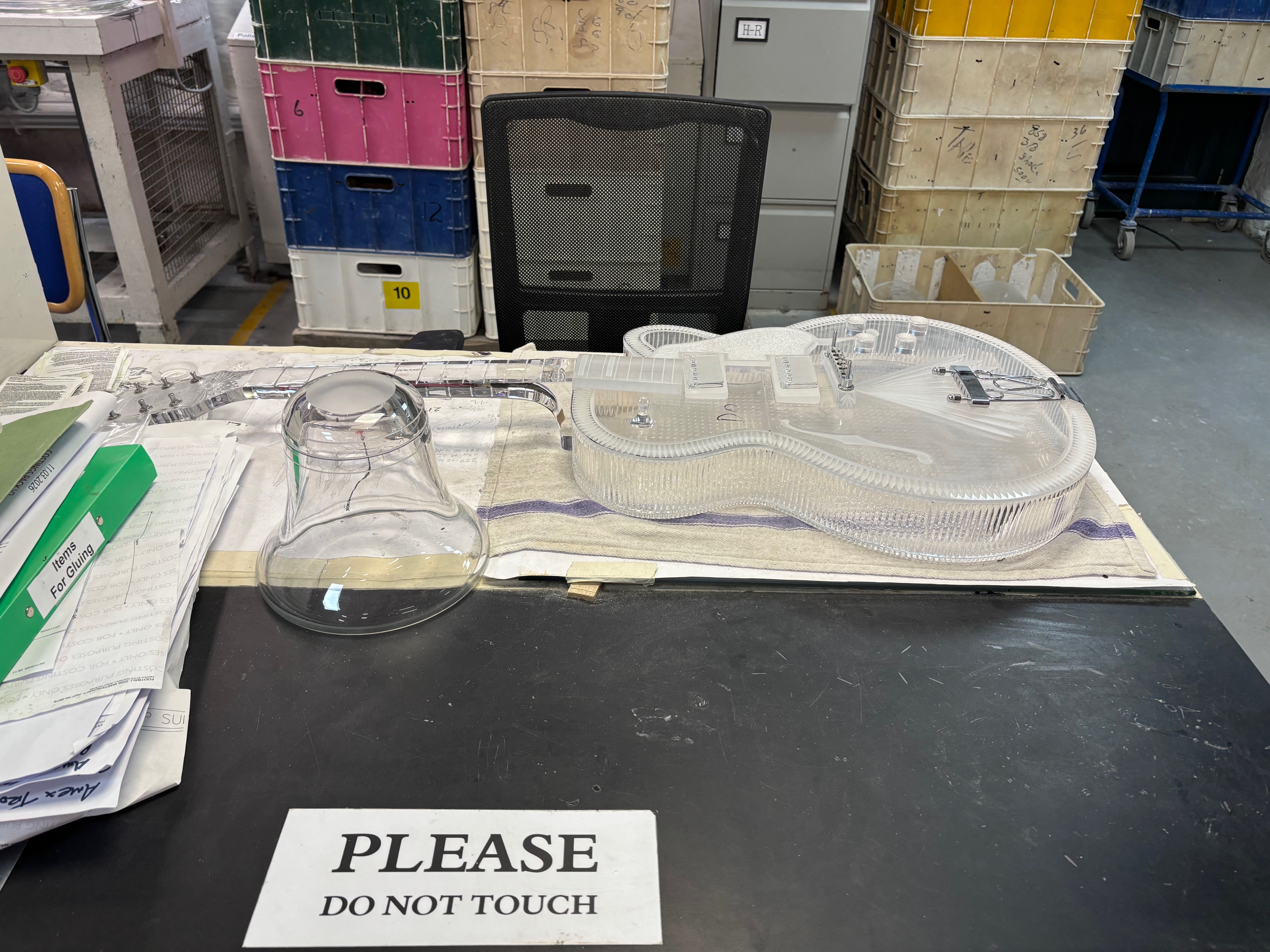
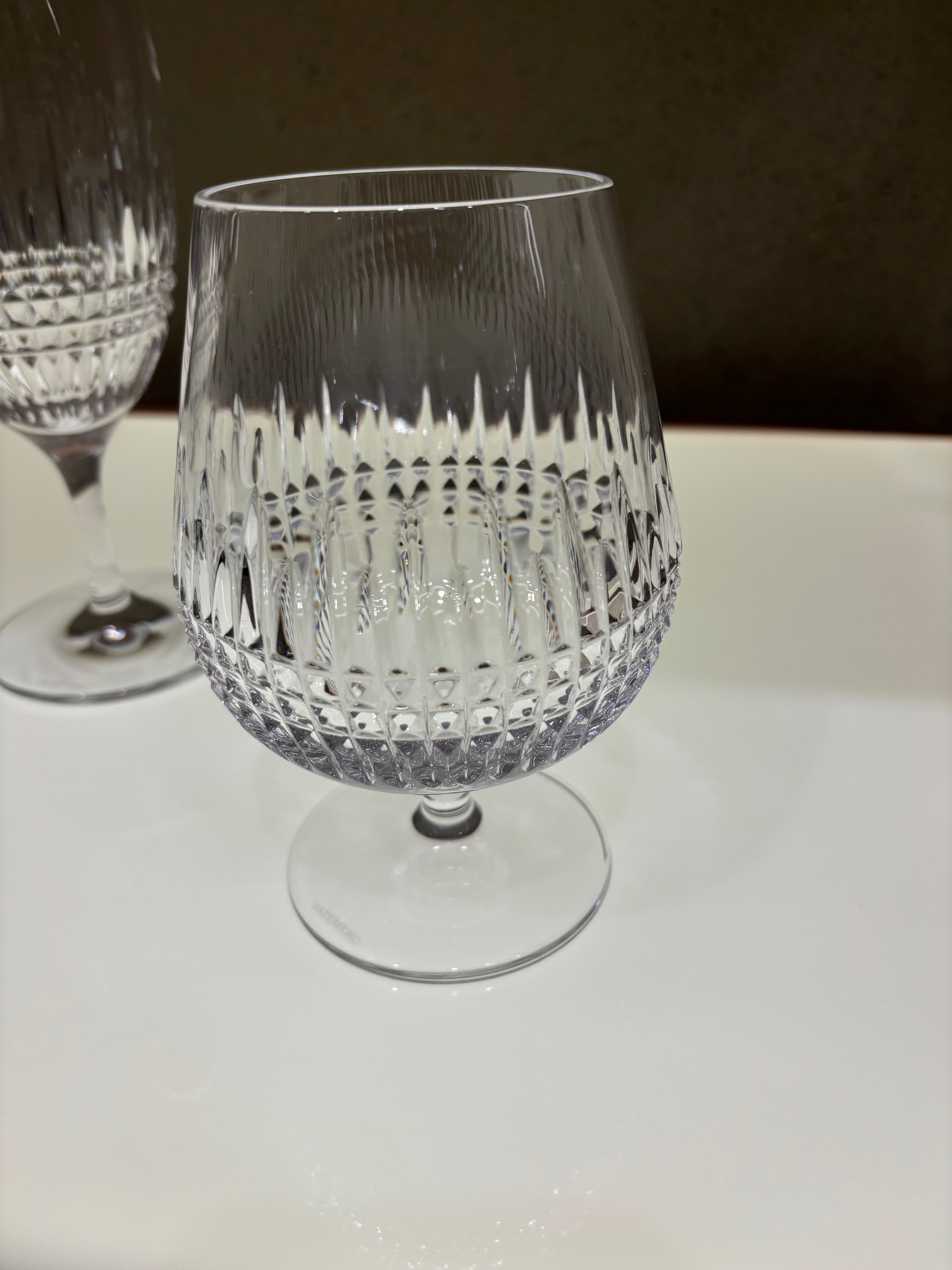
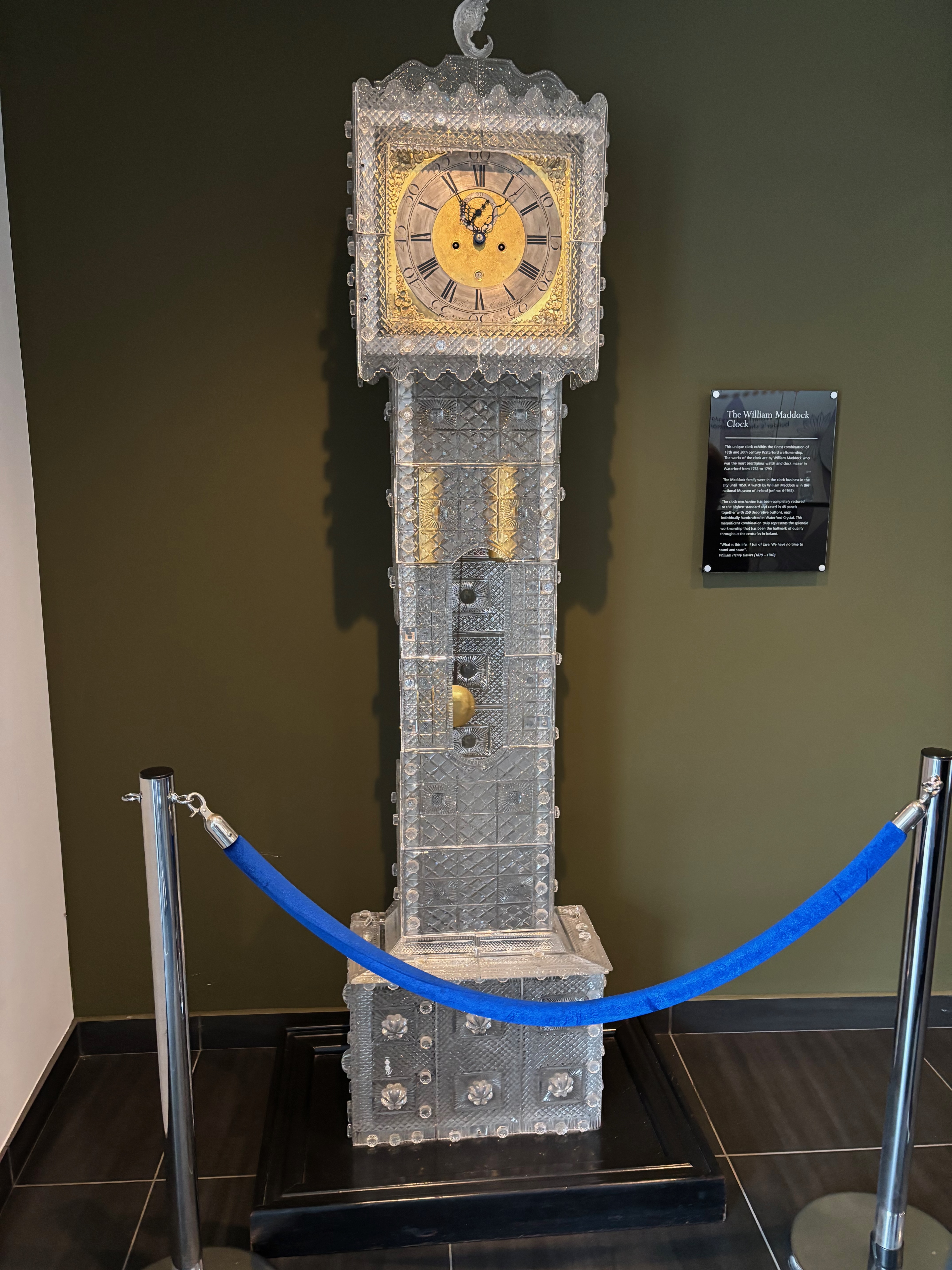
Finished with our snack, which cost 14.40 Euros ($17) we hit the reception desk and paid 34 Euros ($40) for the tour for the two of us. This was an enjoyable tour, similar in nature to the one we took in Louisville at the Louisville Slugger Museum, where you are up close to all of the stations in the shop. Here one starts with a display of some of the finished products, like championship trophies for major sporting events and other momentous achievements. You then hit the Mold Station where wooden molds are created to form some of the crystal output.
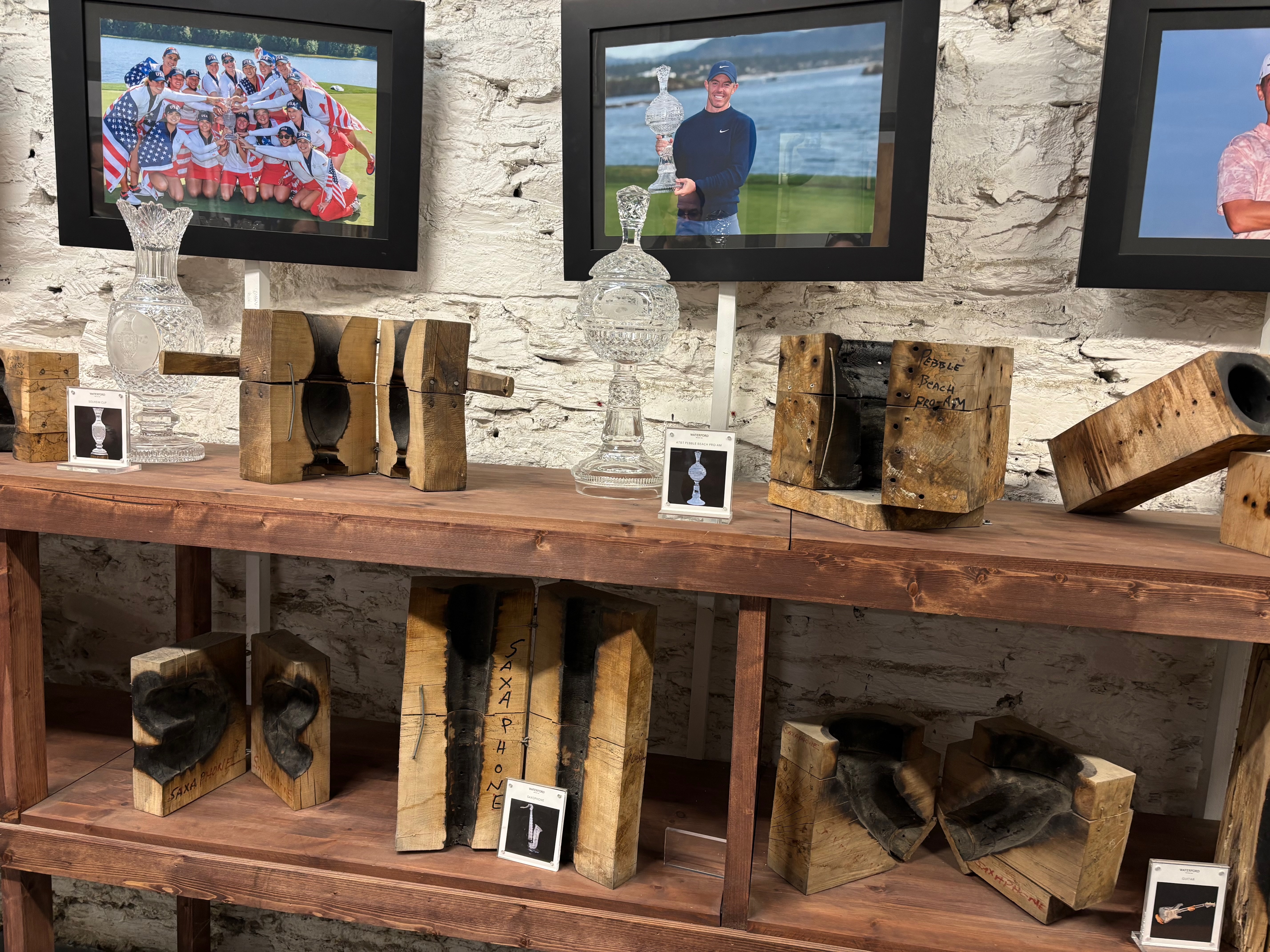
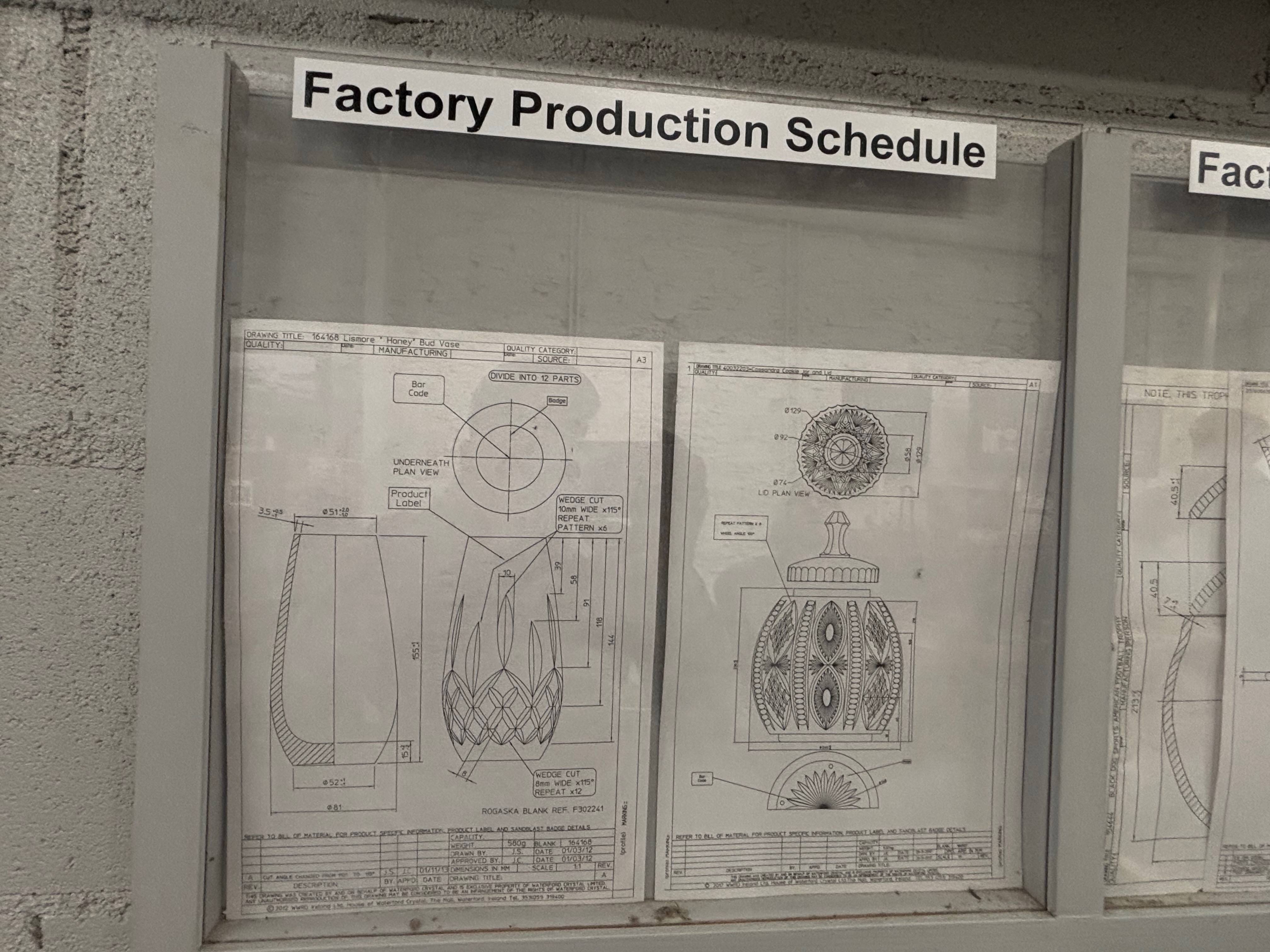
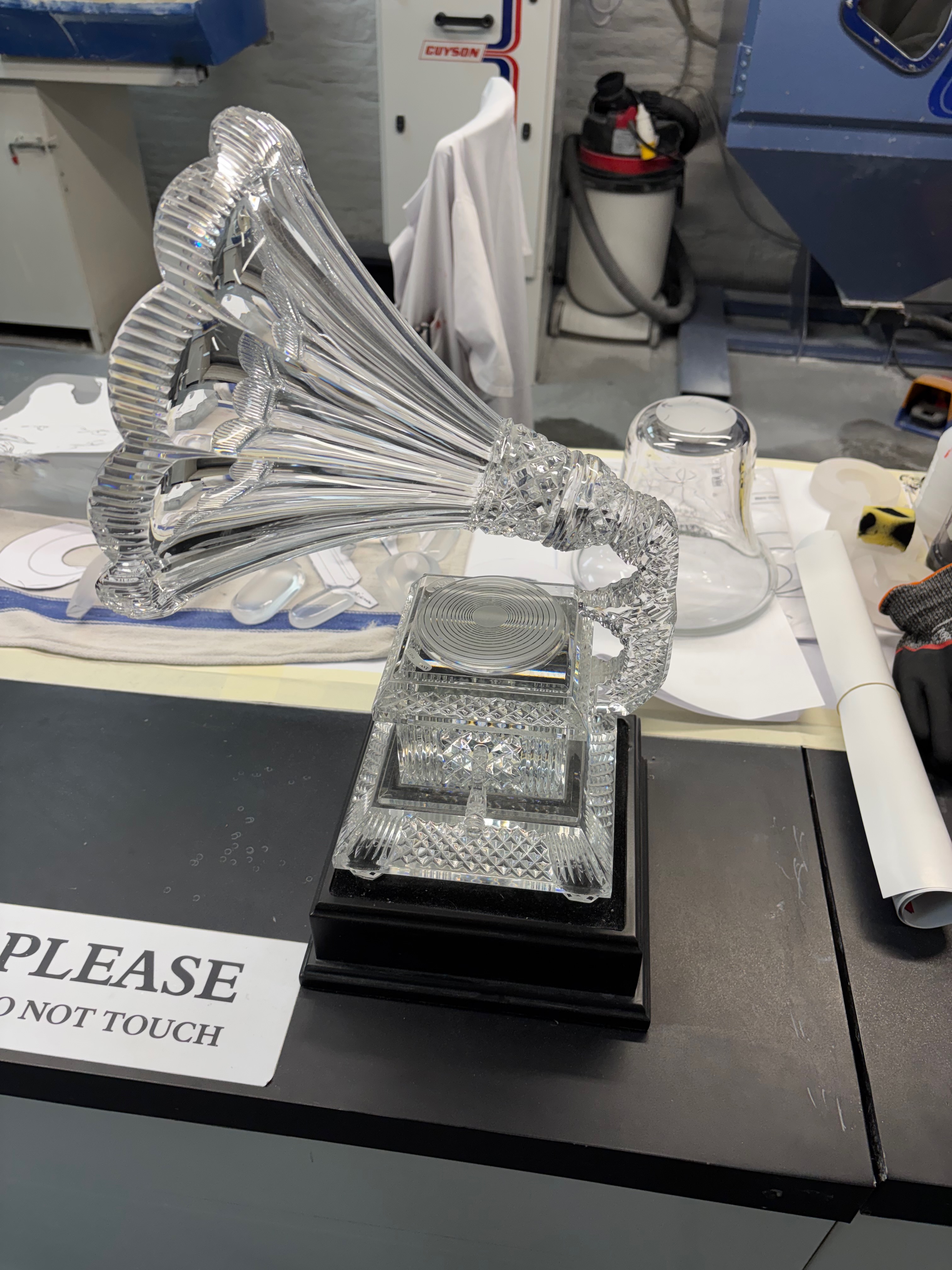
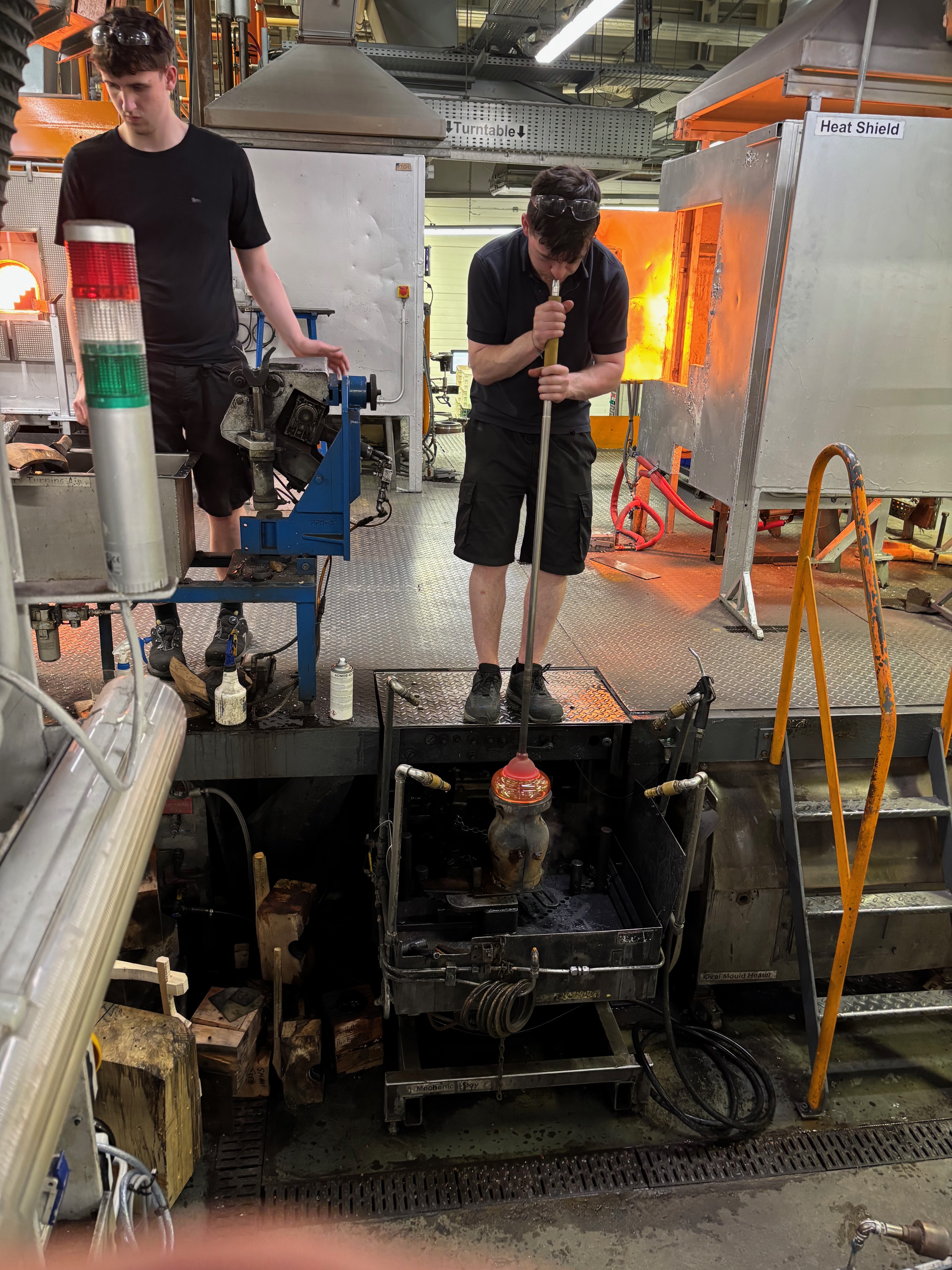
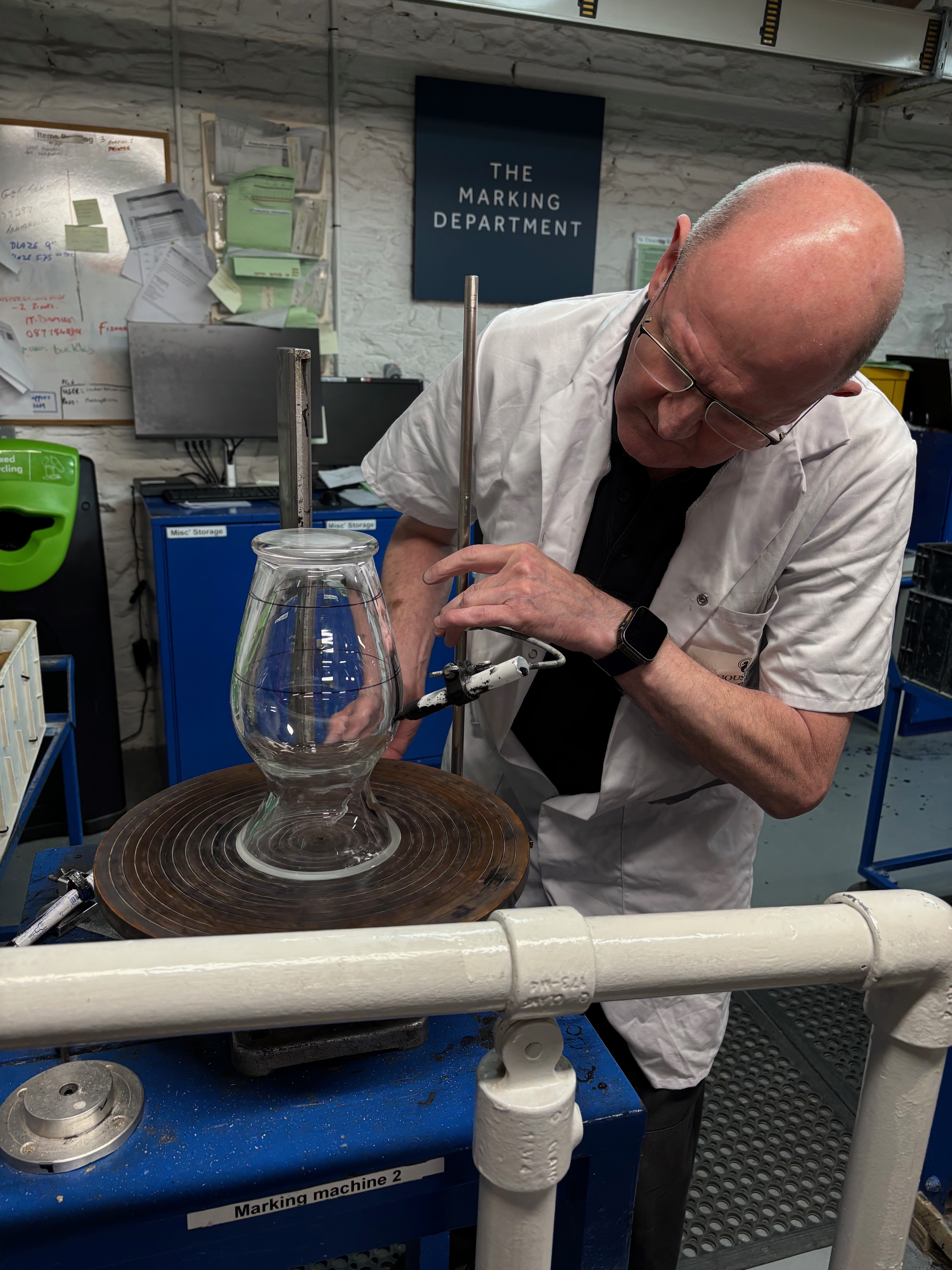
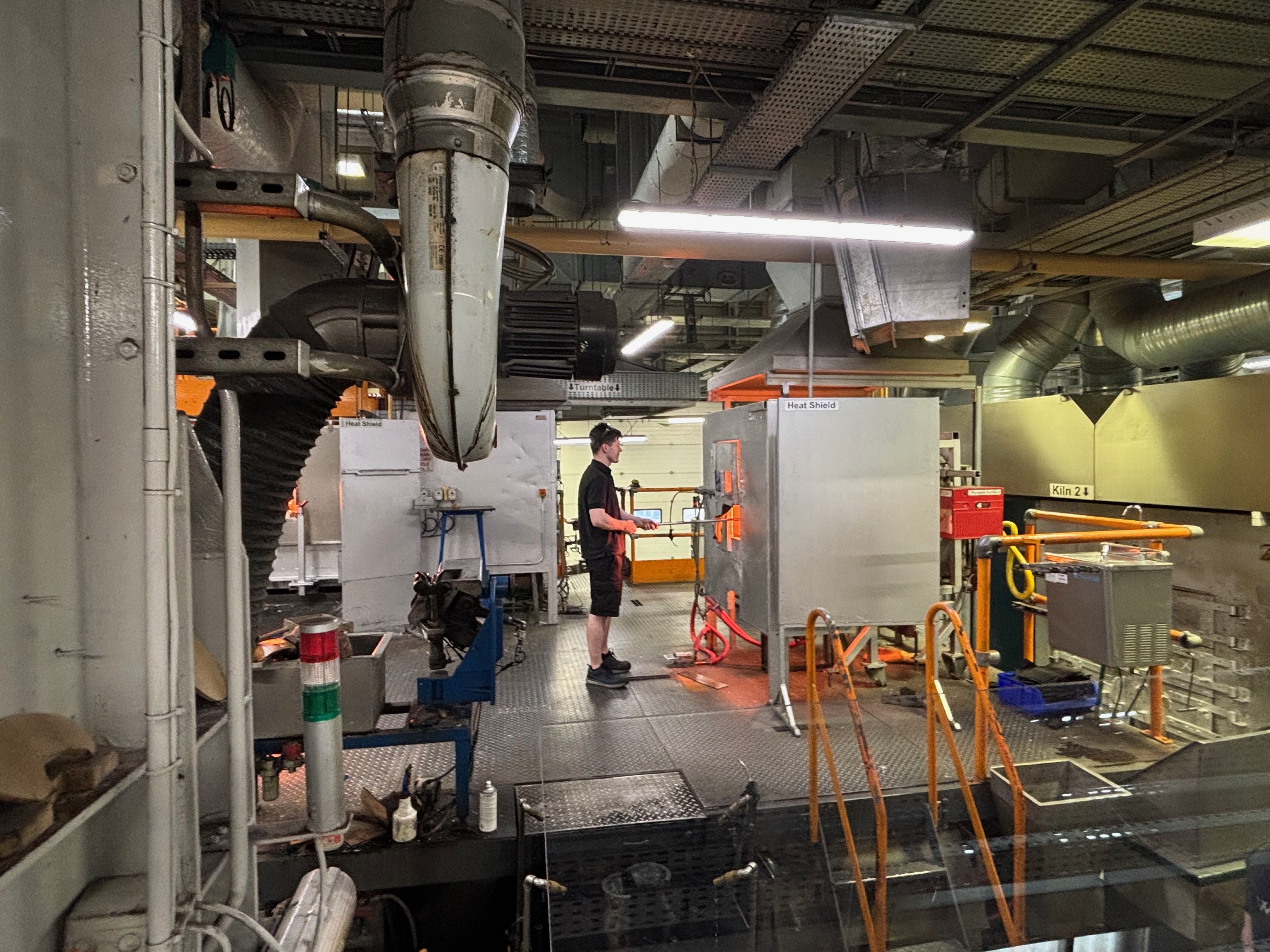
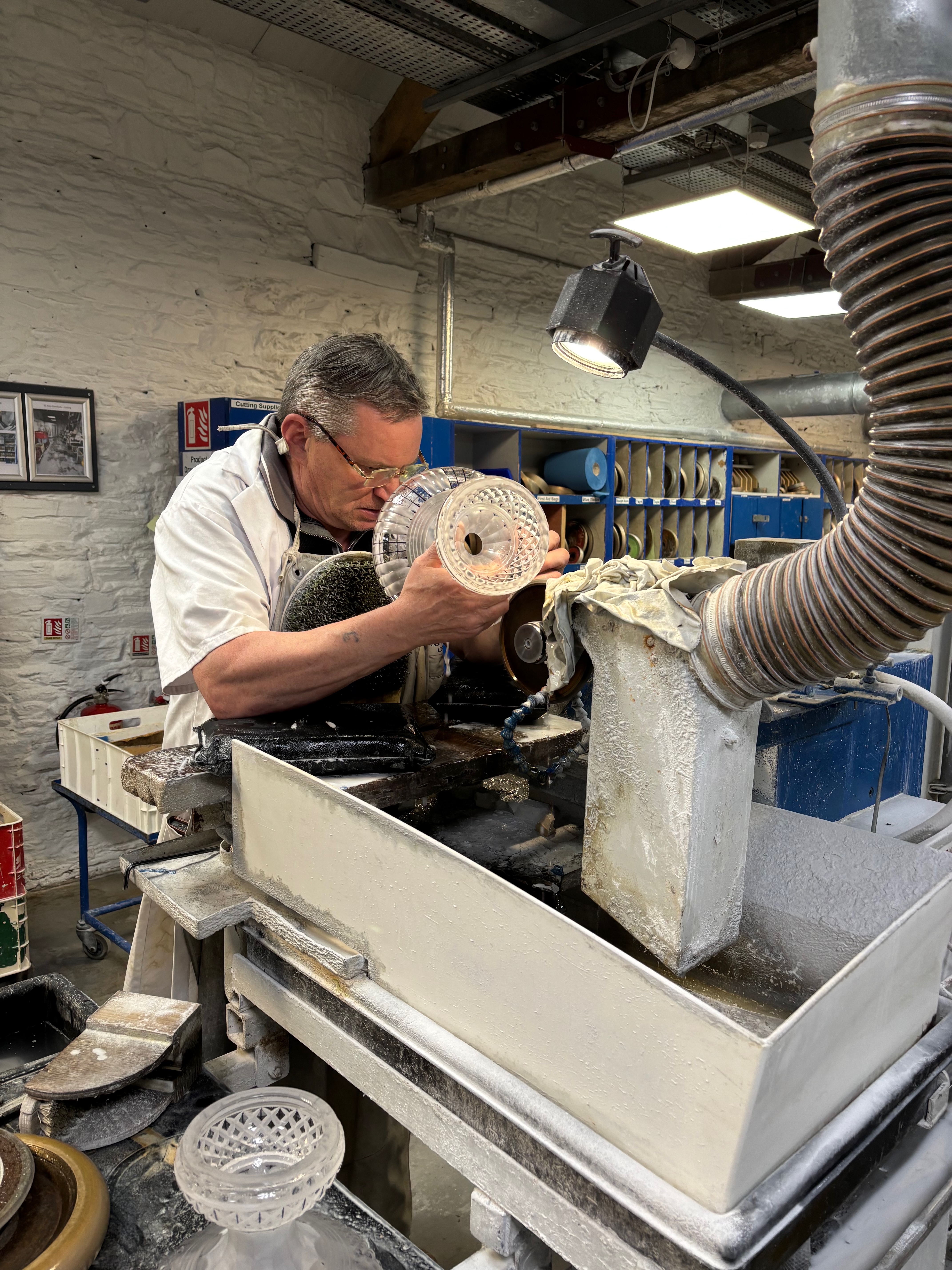
The next station, the blowing platform, is where the skilled Master Blowers transform glowing balls of crystal into their intended shape before placing them through a1400-degree furnace. After inspection, the piece moves on to the marking department where it is temporarily marked with the pattern that will then be cut, by memory, by the Master Cutter. Each of these cutters has served an eight-year apprenticeship and each pattern, no matter how detailed, must be learned and memorized by the cutter during his training years.
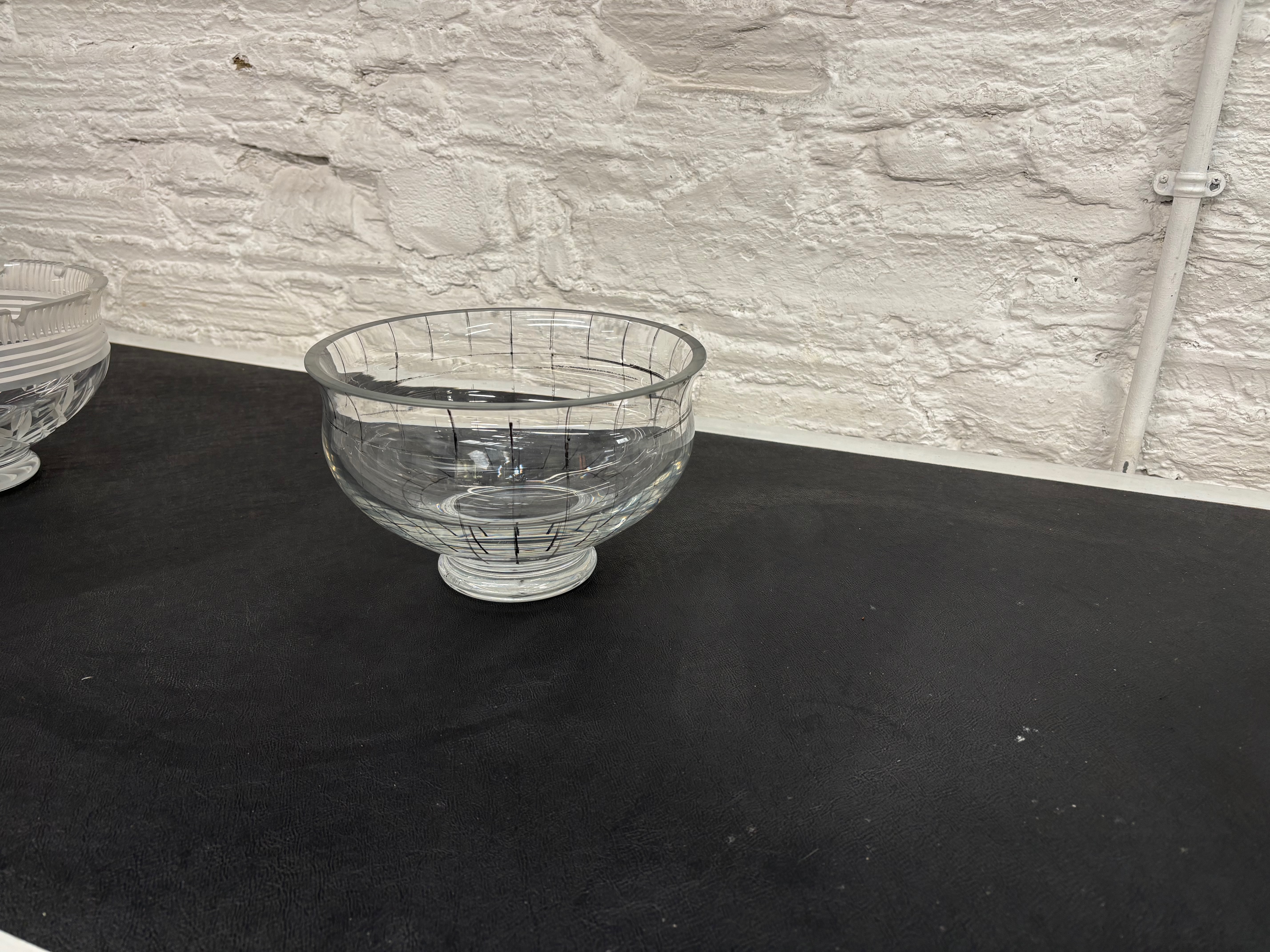
Further on were stations where sculpting, turning blocks of crystal into elegant shapes and figures, and engraving intricate designs onto trophies and limited-edition pieces take place. This brought us to the end of the tour and entering the showroom we perused the shelves, eventually deciding to purchase a set of goblets for ourselves and a set of tumblers for Jessica and Kris. These would eventually arrive safely at our house and are now used with great satisfaction.
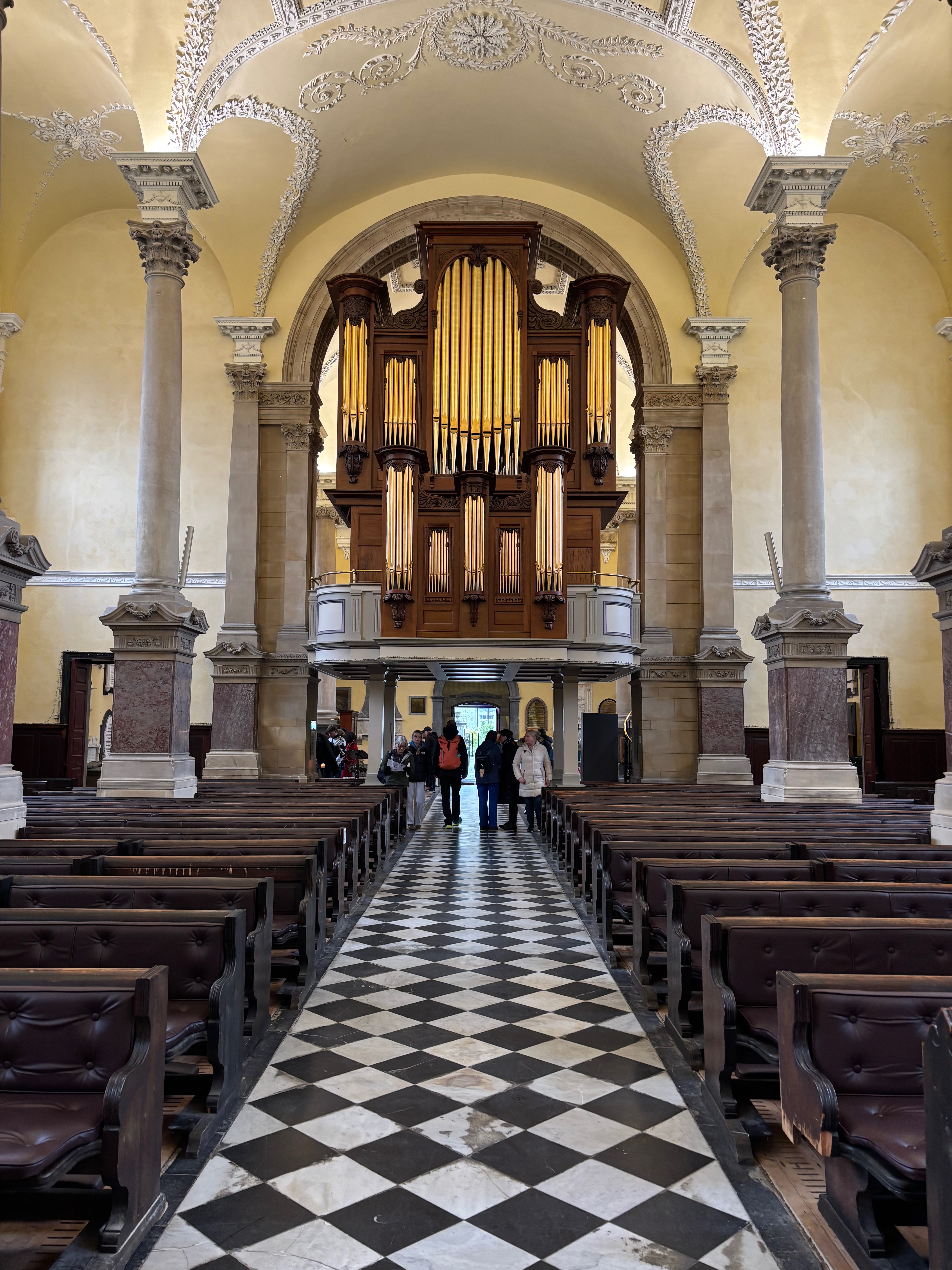
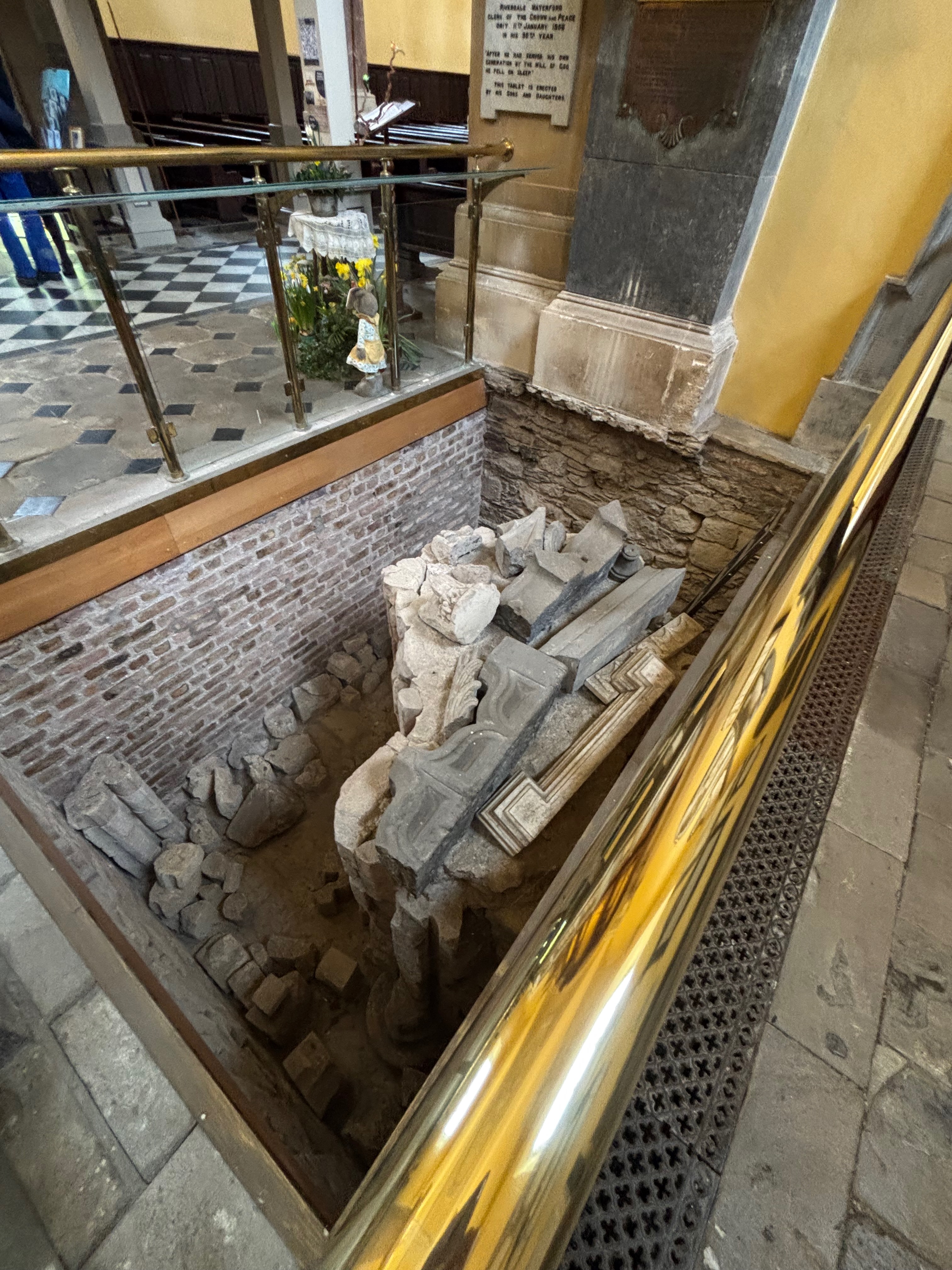
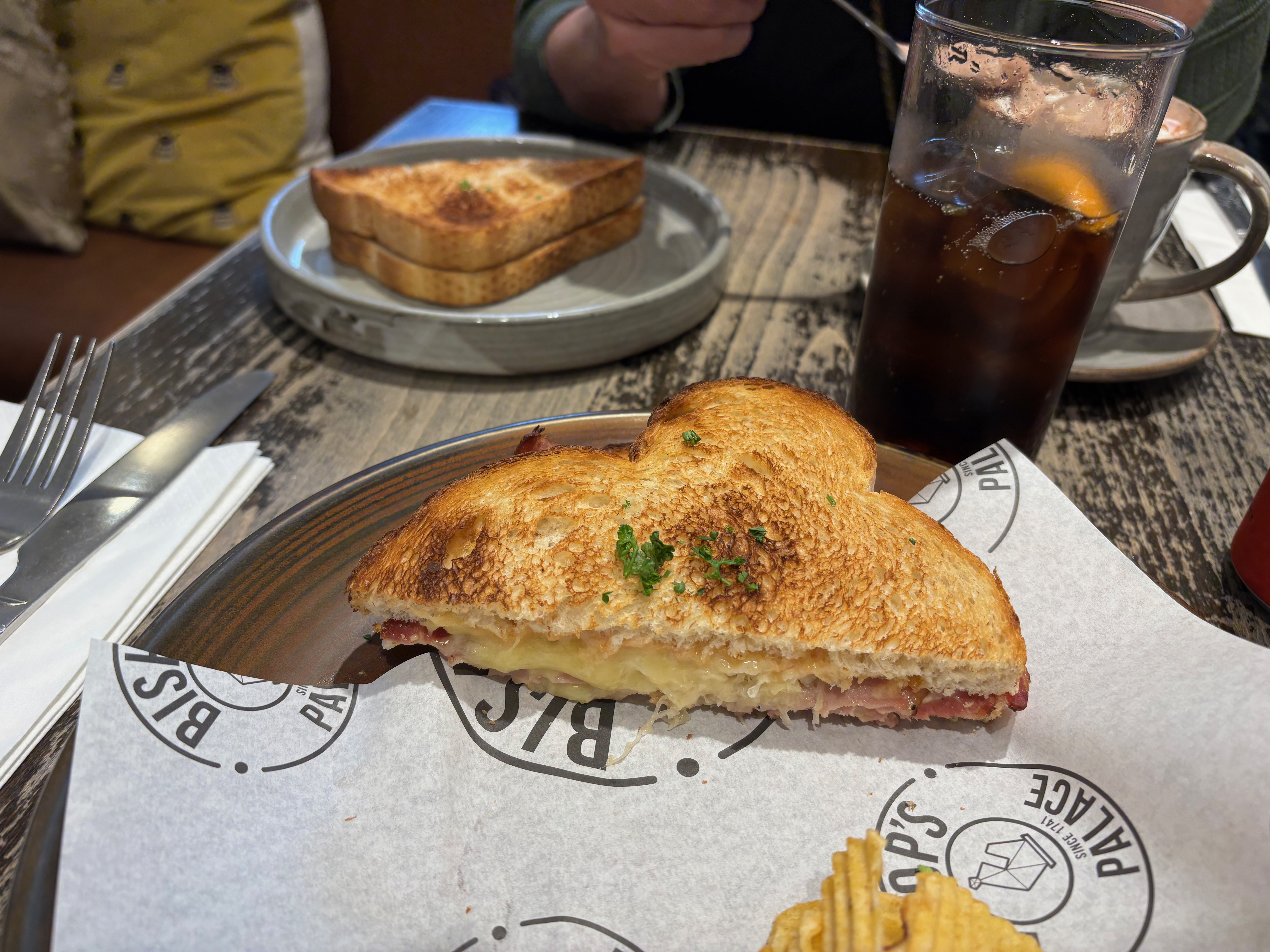
Finished with the tour we walked across the street and stopped in at Christ Church Cathedral, where a church has occupied this site since the 11th century. The current building was completed in 1792 and has been described as the finest 18th century ecclesiastical building in Ireland. By now our earlier snack had worn off and so we ducked into Bishop’s Palace Café where we split, and very much enjoyed, a multi cheese toastie that would hold us in good stead for the rest of the day.
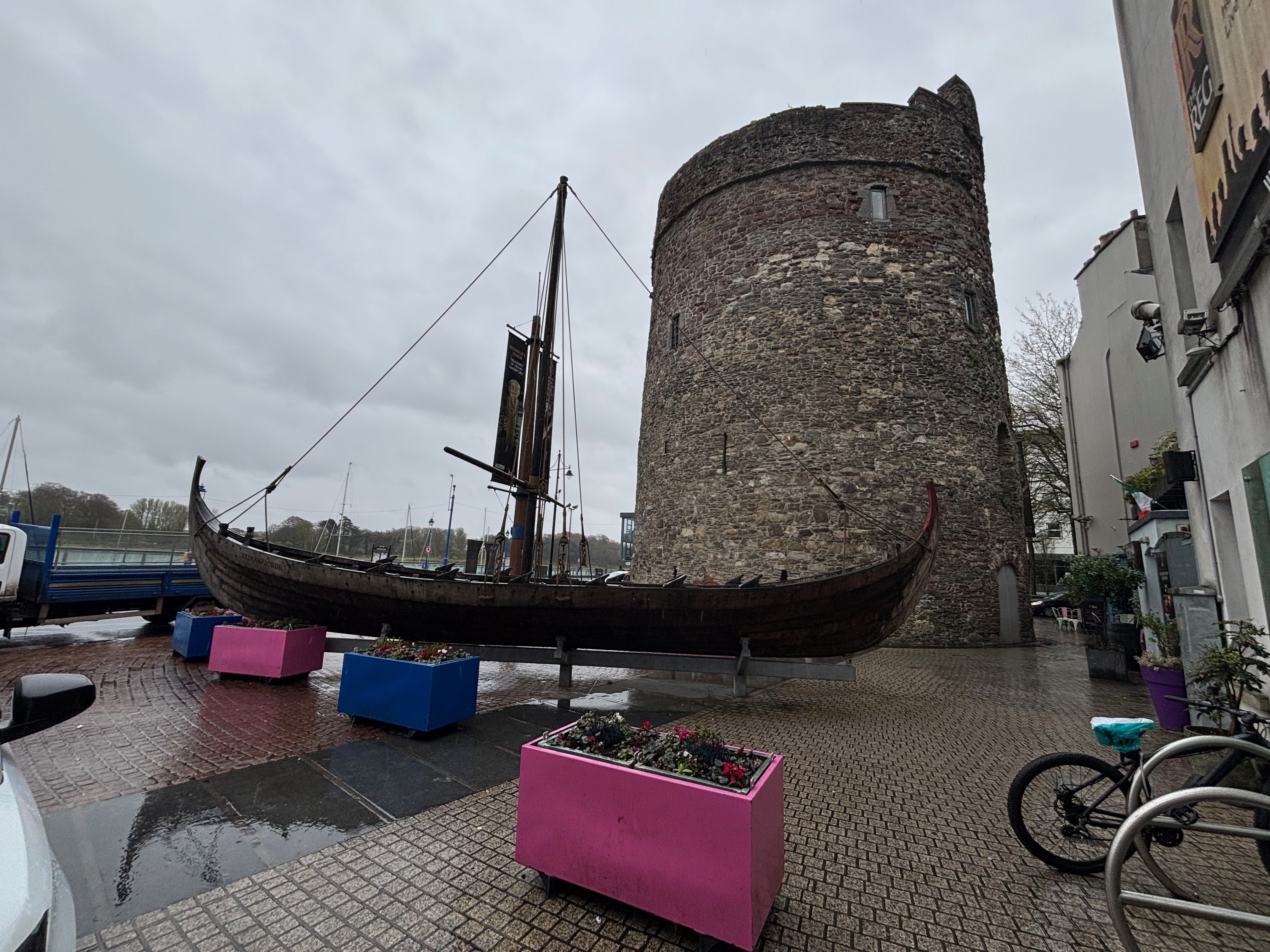
From there we wandered about a bit, stopping briefly to check out Reginald’s Tower, a stone Norman structure built around the late 1100’s,Ireland’s oldest intact building and the first made with mortar. Next to the tower is a replica of a 1050 Viking boat, christened Vandrafjord, which is what the Vikings called their original settlement here. We opted not to tour any of the other tourist sites (Bishop’s Palace, Medieval Museum, etc.) except for the Irish Wake Museum, but inexplicably it was closed and no one we asked seemed to know why. And so, dealing with a wet cold day, we returned to the car and set off for our next destination, the Hook Lighthouse.
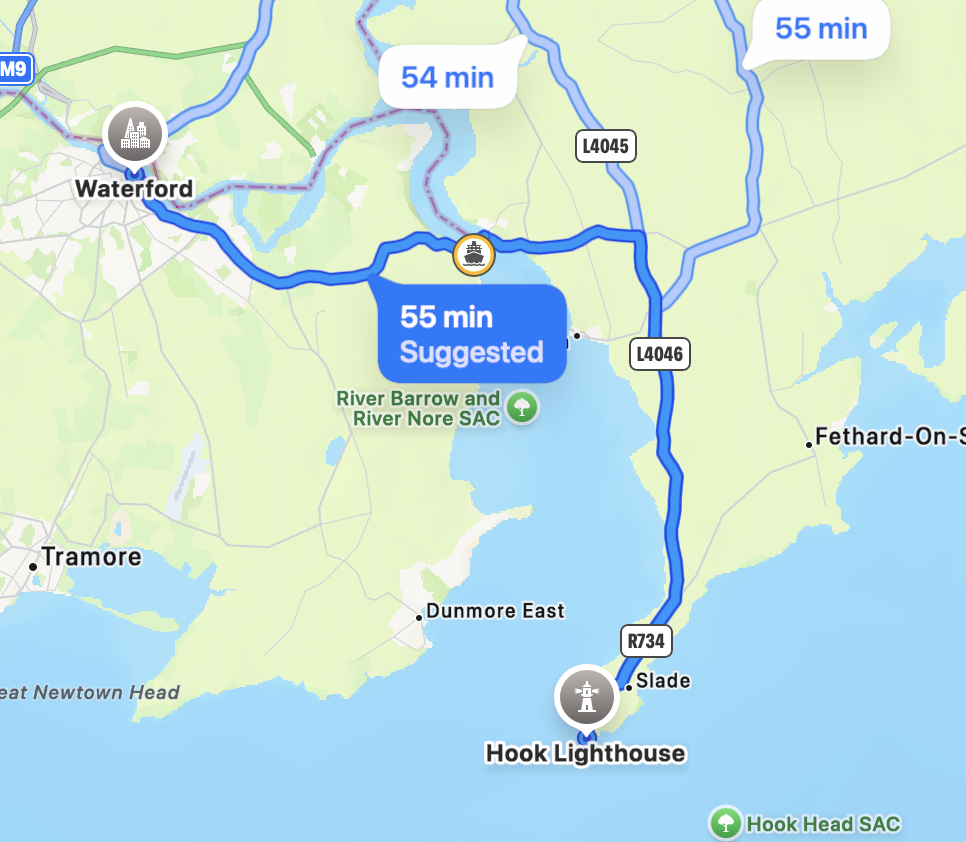
There are two ways to get there, one is inland retracing part of the route we took to get to Waterford and the other to take the ferry out of Passage East Ferry across the River Barrow, which we opted for. Once landing, a winding journey through sparsely populated farmland found us to the parking lot for the lighthouse. Situated on Hook Head at the tip of the Hook Peninsula, it is the second oldest operating lighthouse in the world, after the Tower of Hercules in Spain and operated by the Commissioners of Irish Lights, the Irish lighthouse authority.
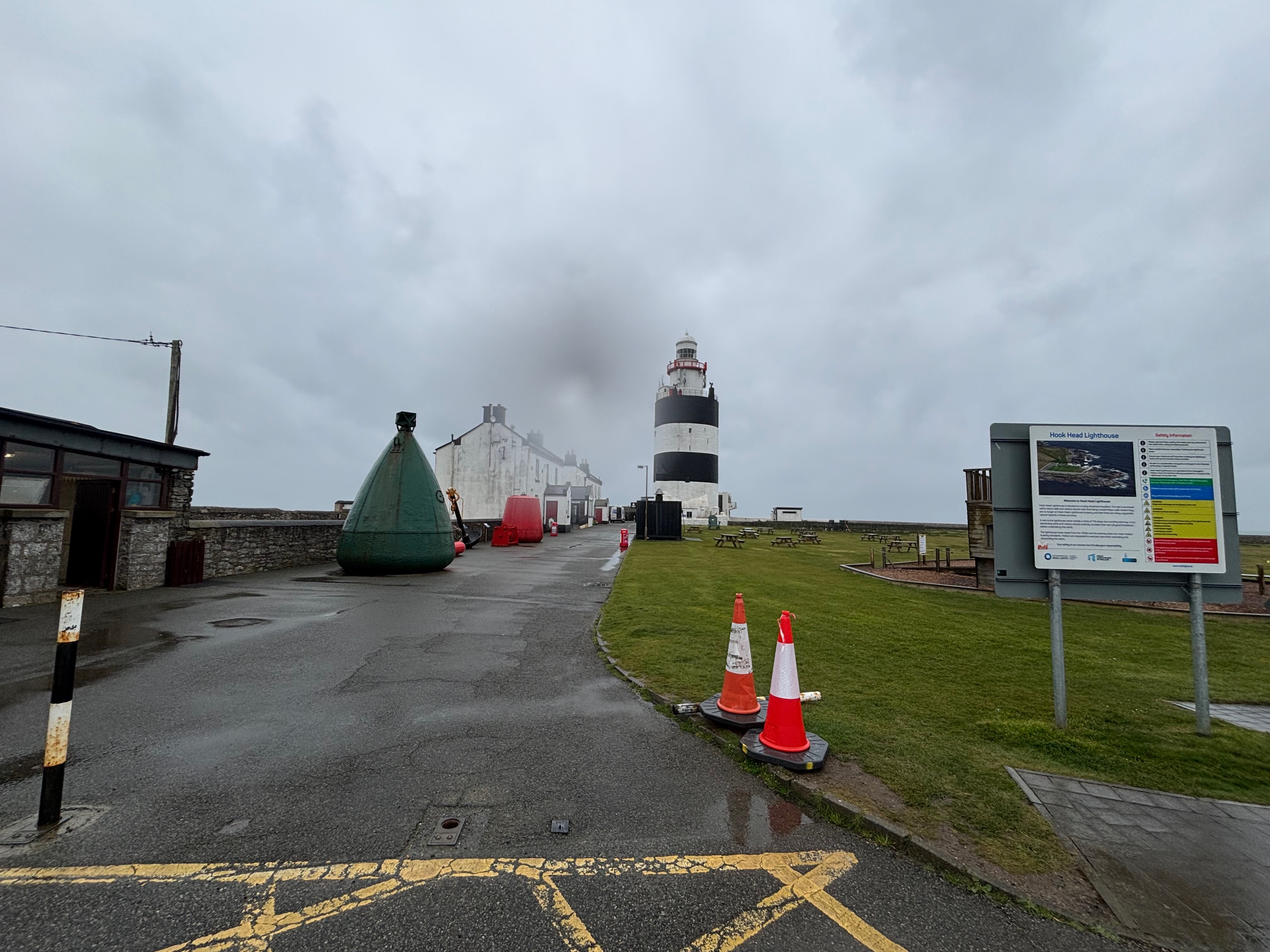
The existing tower dates from the 12th century, though tradition states that Dubhán, a missionary to the Wexford area, established a form of beacon as early as the 5th century. The headland is known in Irish as Rinn Dubháin, St. Dubhán’s Head. However, the similar-sounding Irish word ‘duán’ means a fishhook, hence the English name. It is known locally as “the Hook.” The first custodians of the light were a tiny group of monks whose small monastery was situated on the peninsula. It was the monks who, in the 13th century, became the first light-keepers. They are also thought to have helped in the construction of the tower.
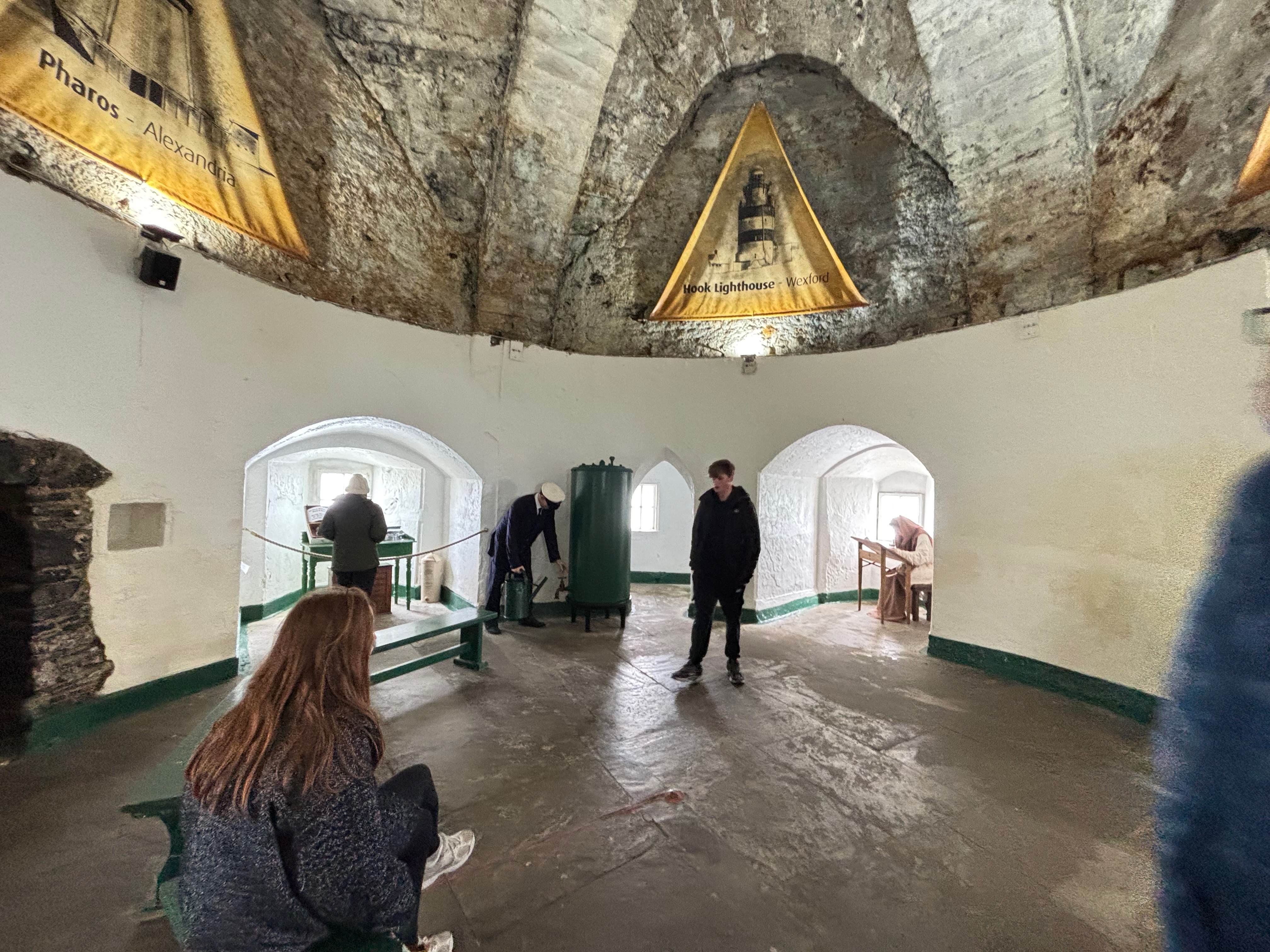
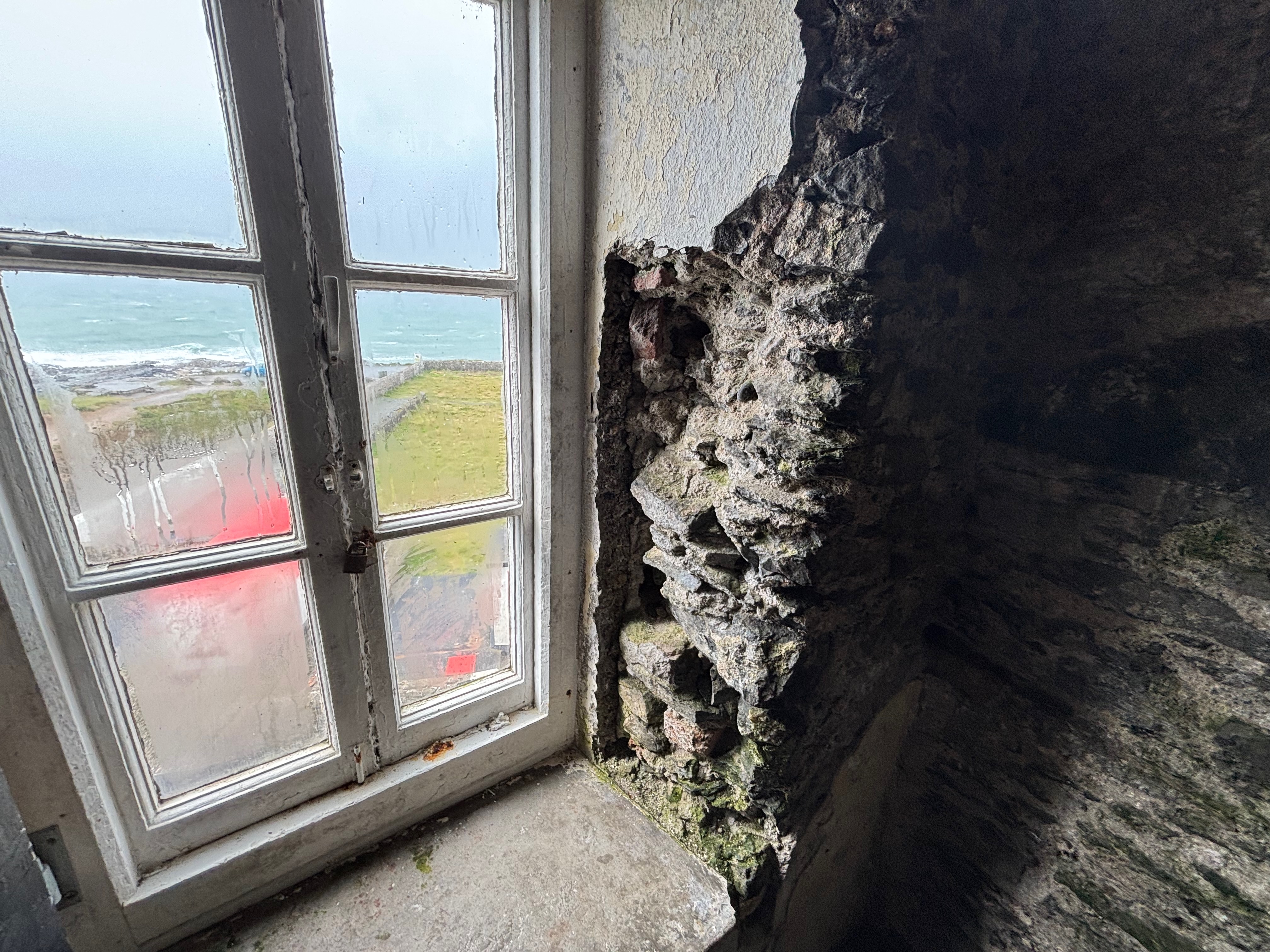
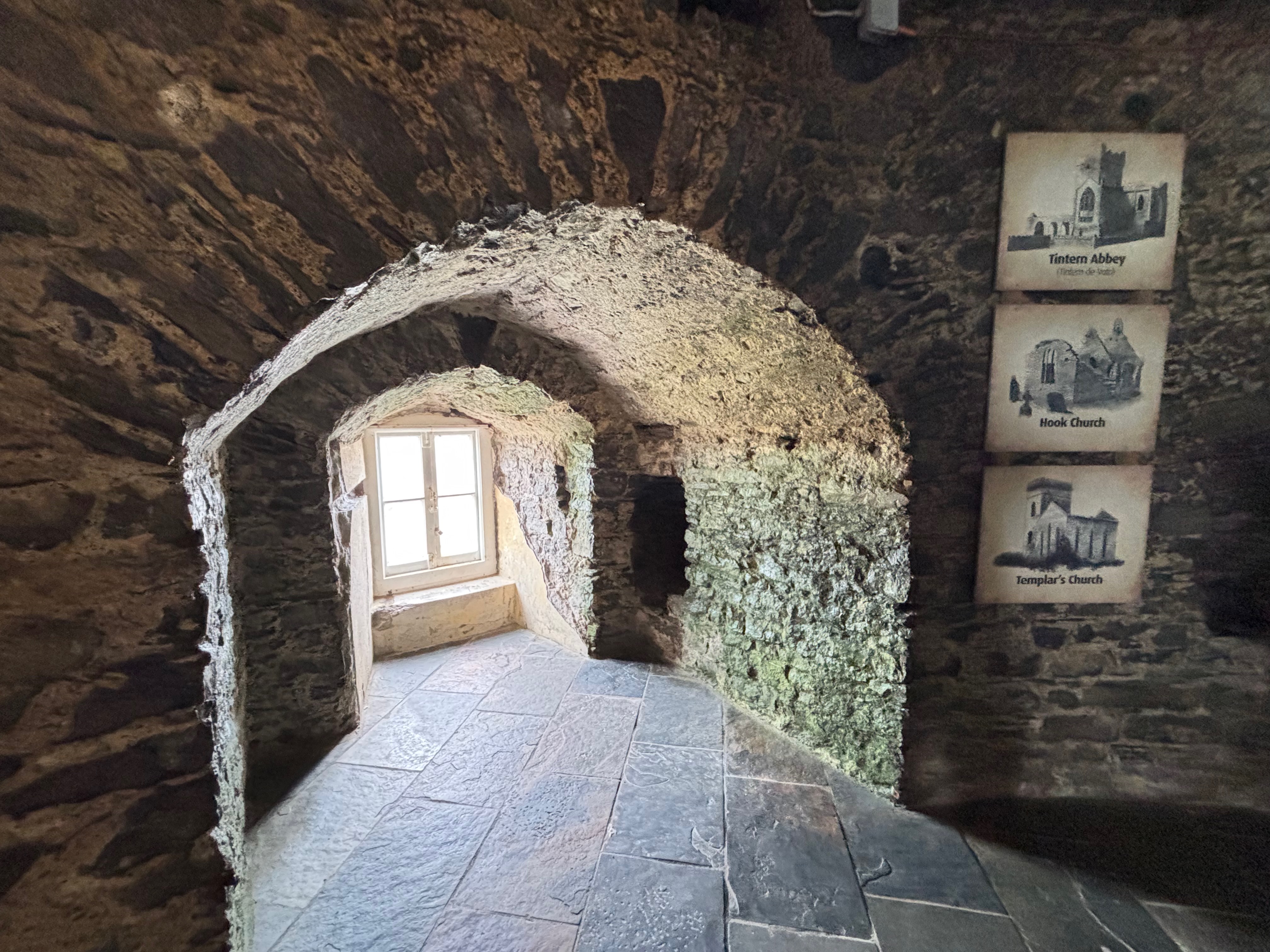
Hook Lighthouse is one of the most fascinating examples of medieval architecture in Ireland. The tower stands four stories high with walls up to 12 feet thick. The tower itself consists of three rib-vaulted chambers in the lower tier, while the upper, narrower section would have carried the warning beacon. These two tiers are connected by a mural (within the wall) stairway of 115 steps. The tower was constructed of local limestone, and the original building survives intact.
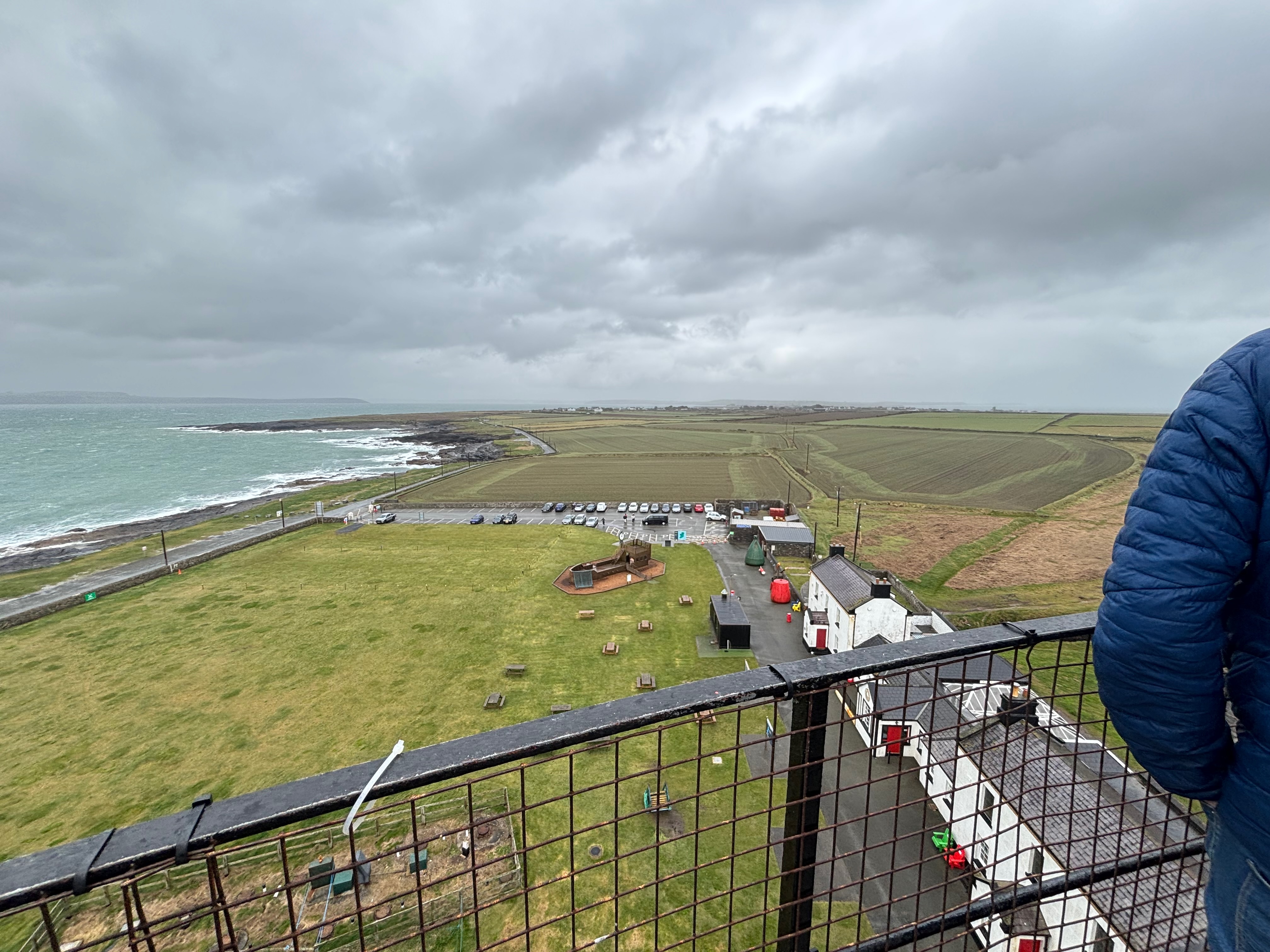
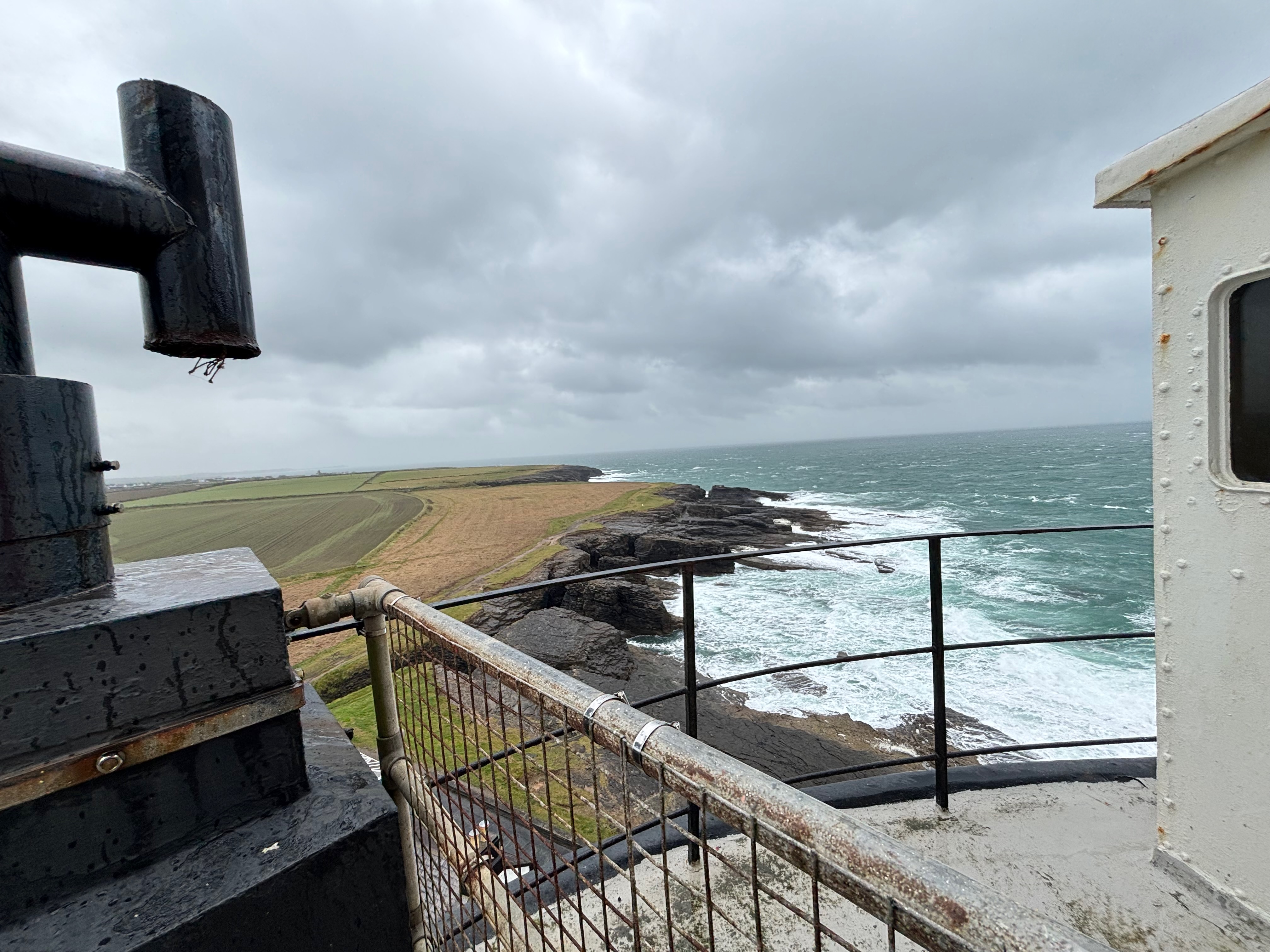
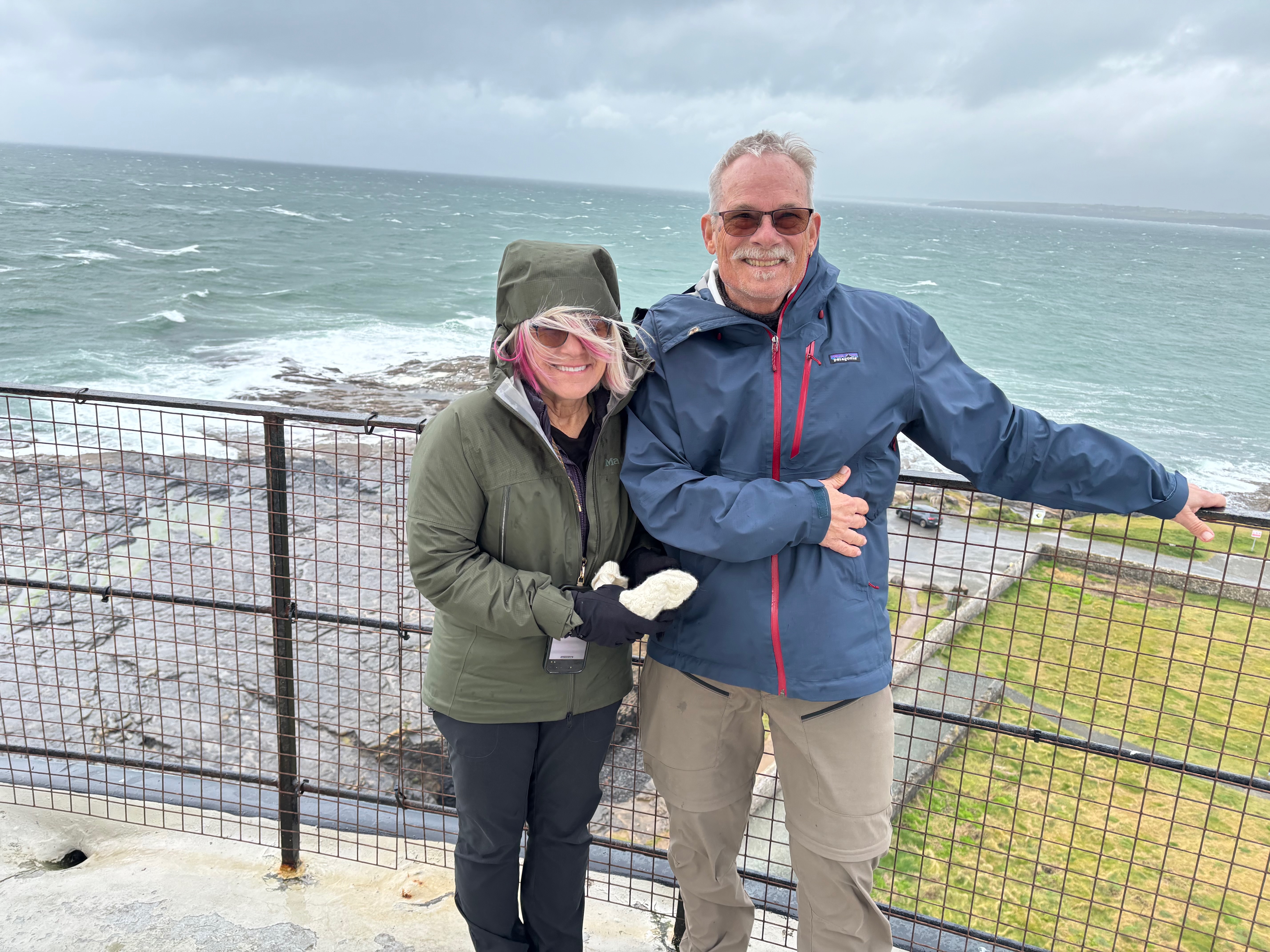
This was a very good tour, including the numerous amounts of narrow stairwells we needed to climb to finally get to the top. It was incredibly windy, and cold leading one to imagine how desolate the place must have seemed to the lightkeepers and the families who lived here many years ago. In 1972 electricity became the power source, and light-sensitive switches were installed to control the lantern. In March 1996, The Hook Lighthouse was converted to automatic operation, and the last light-keepers who had climbed the stairs and tended the light were permanently withdrawn from the station. The lighthouse is now remotely controlled from Dún Laoghaire by the Commissioners of Irish Lights.
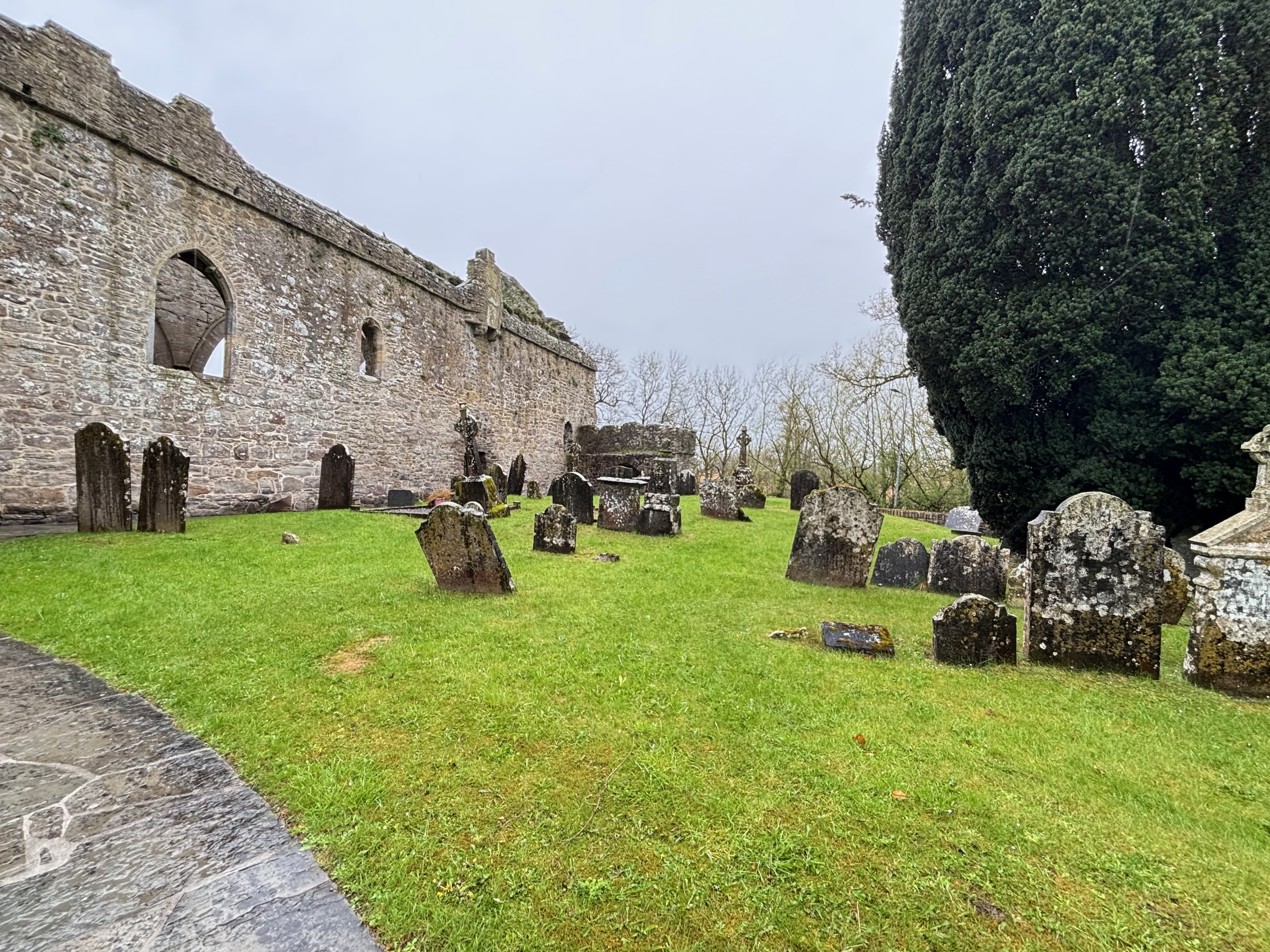
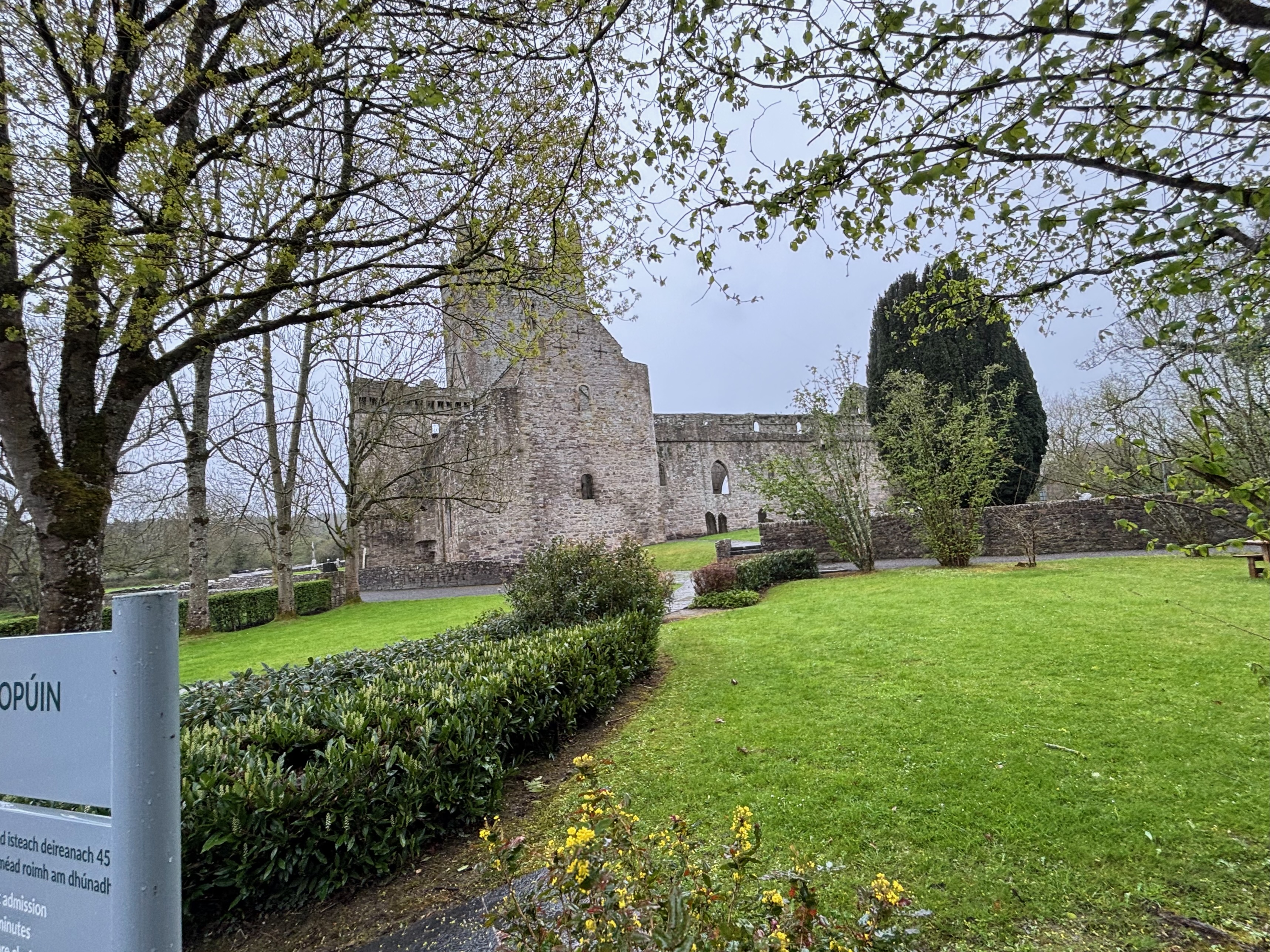
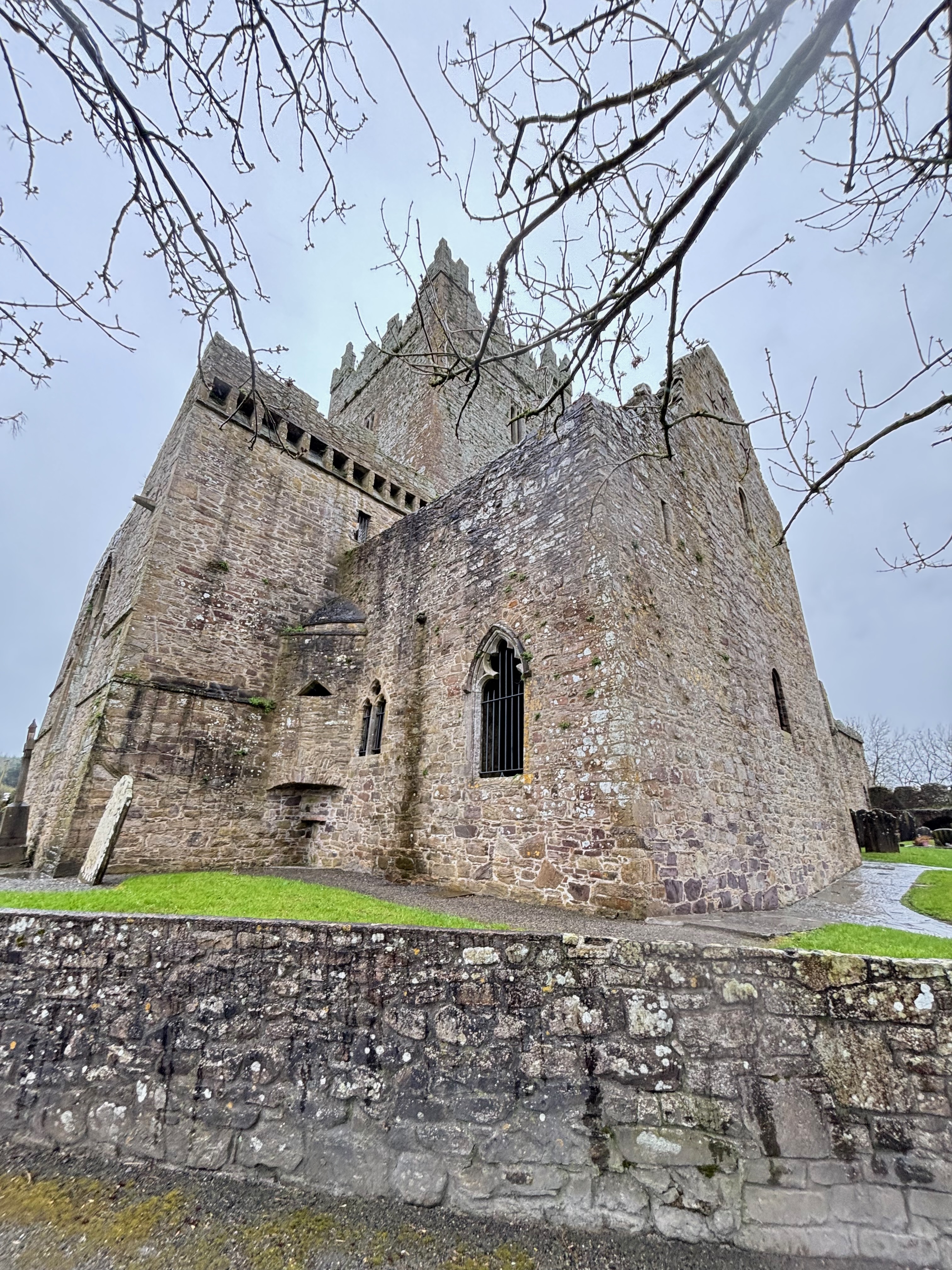
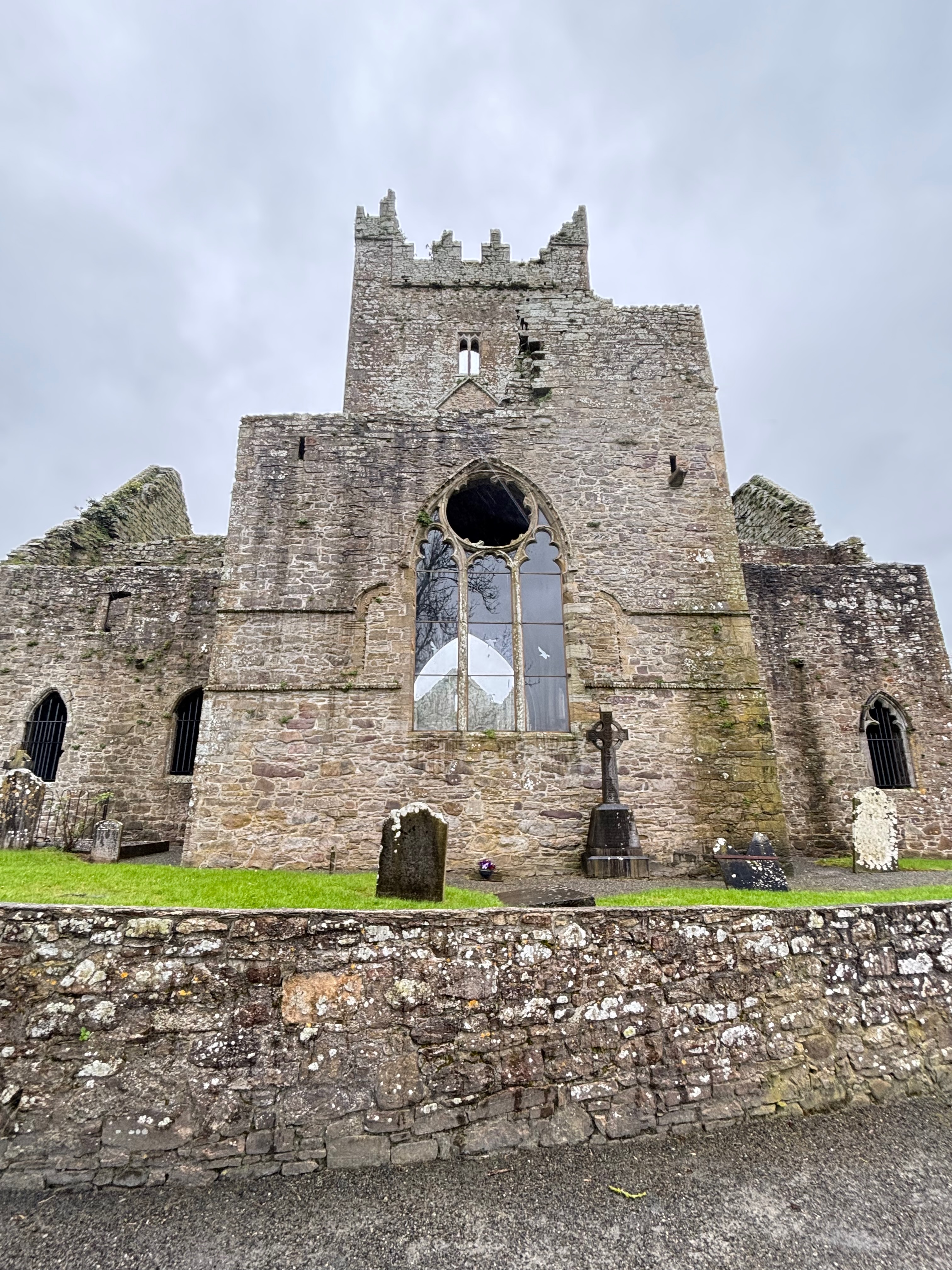
We drove back towards Kilkenny on the inland route, using the national road as we weren’t sure if the M Road would be open. Along the way we stopped at Jerpoint Abbey, a ruined Cistercian abbey, founded in the second half of the 12th century. It has been declared a national monument and has been in the care of the Office of Public Works since 1880. Scholars believe that Domnall Mac Gilla Pátraic, the son of Cerball Mac Gilla Pátraic was possibly the founder of the abbey. Unfortunately, we arrived just after the site closed for the day and so, in the windy rain, we walked its perimeter until it was time to get back in the car.
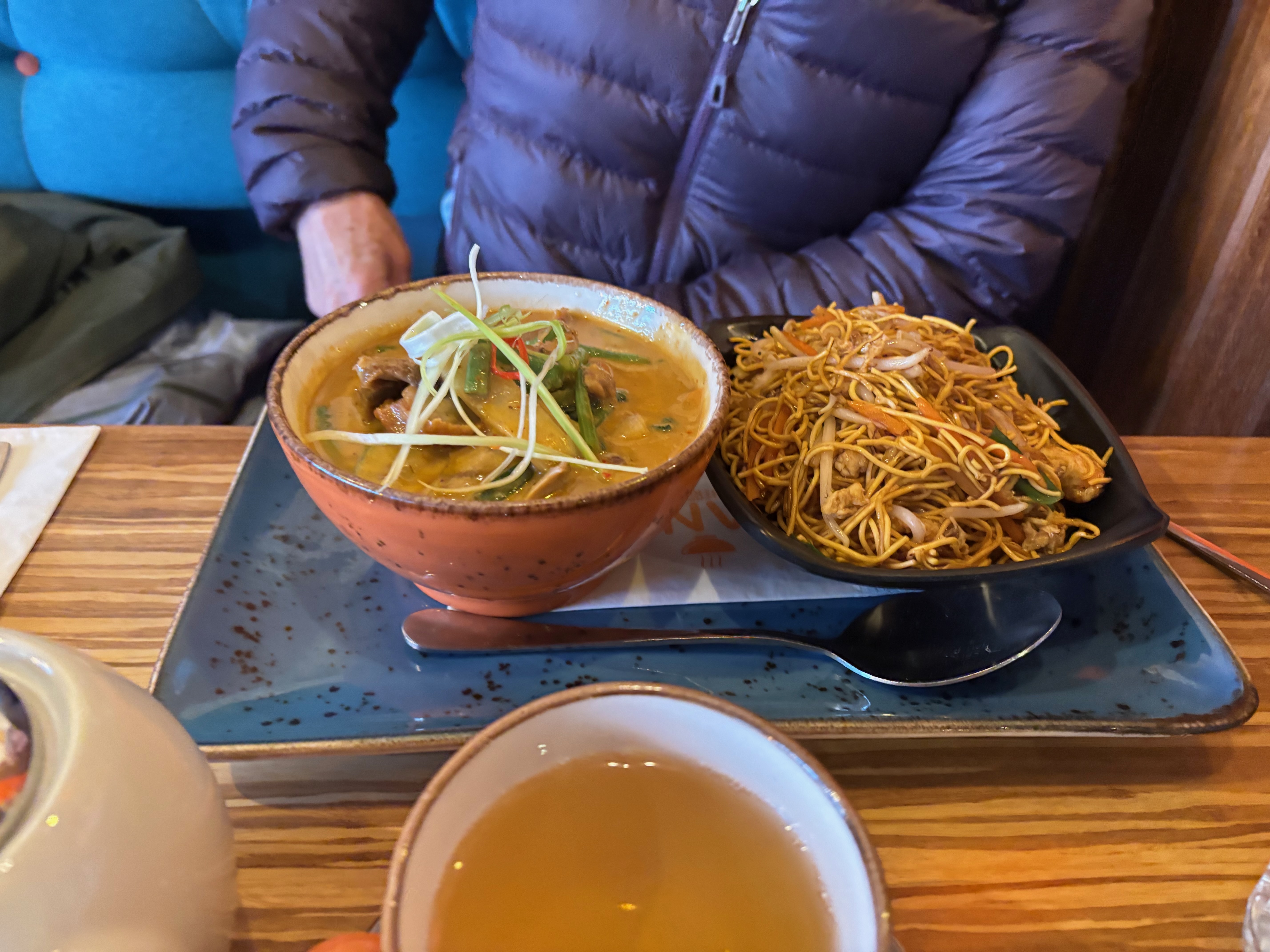
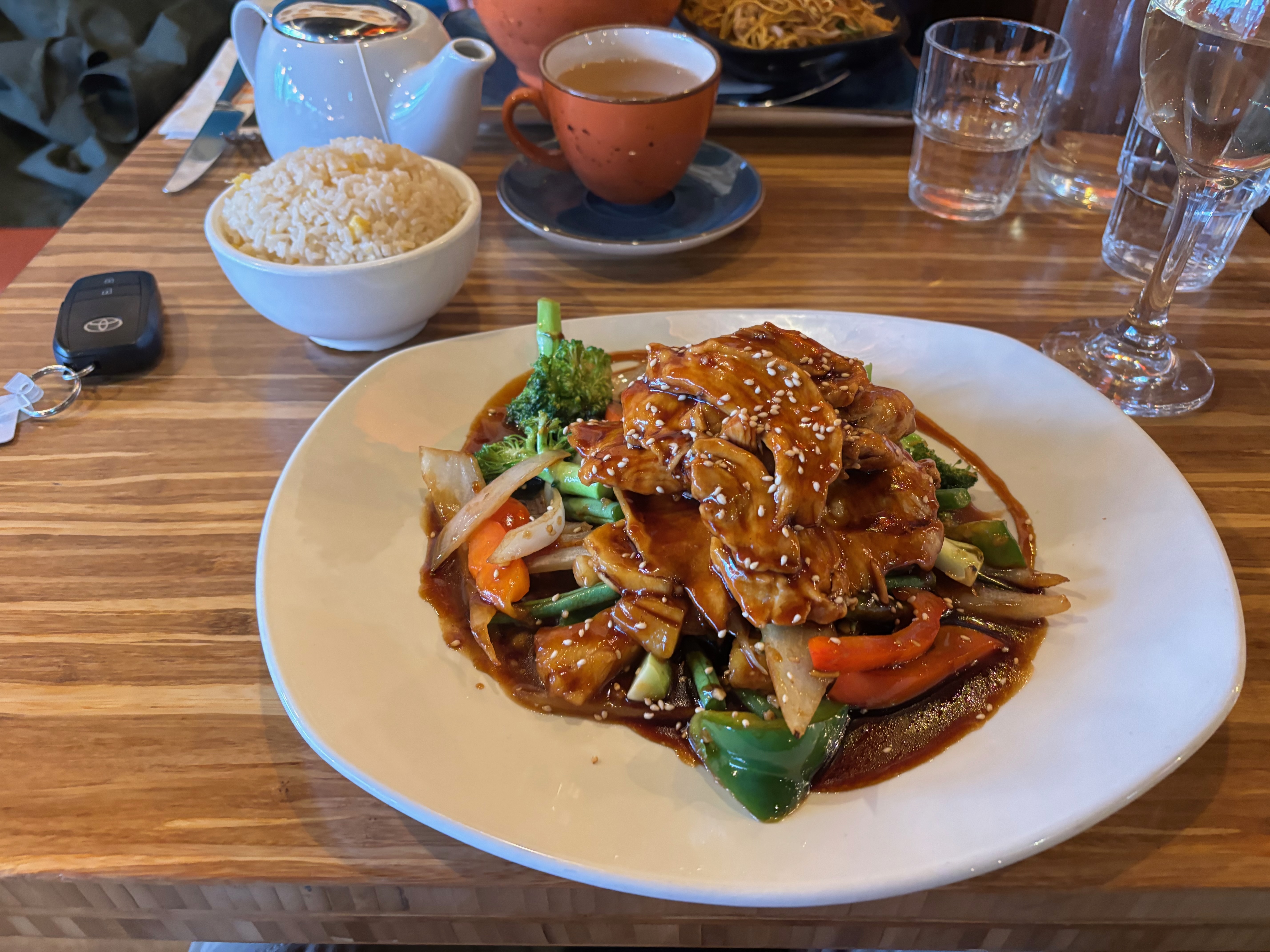
A bit tired from a long day out and also not inclined to search out a new place to eat, we opted to walk across the street again to Lana for another excellent meal. Joanna had a Jasmine Tea while I washed my food down with a glass of Sauvignon Blanc. She ordered the Thai Red Curry Duck with a side of noodles while I had the Japanese Teriyaki Chicken with a side of white rice. It was exactly what we needed after our full day, and we were equally happy with our final tab of 45.45 Euros ($53). This would finish up Kilkenny for us and leave us ready for the next stop in our journey, Kinsale.
Links
Christ Church Cathedral: https://www.christchurchwaterford.com/
Bishop’s Palace Café: https://waterfordtreasures.com/landing-bishops-palace-cafe/
Hook Lighthouse: https://hookheritage.ie/
Jerpoint Abbey: https://heritageireland.ie/places-to-visit/jerpoint-cistercian-abbey/
Lana Thai: https://lanathai.ie/
Discover more from 3jmann
Subscribe to get the latest posts sent to your email.


