April 8 – 10
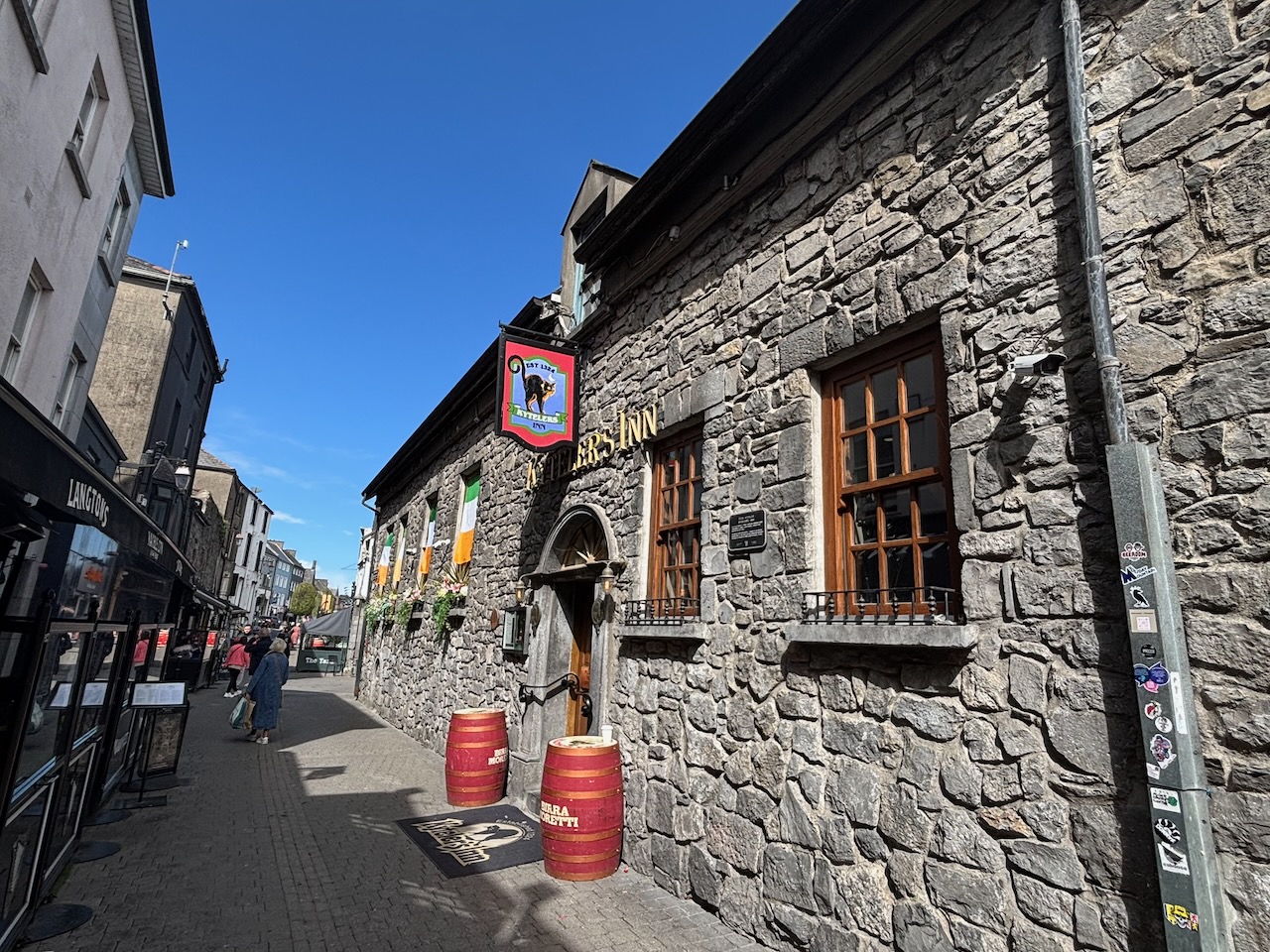
Continuing down St. Kiernan Street we came to Alice Kyteler’s pub, made famous by the following bit of Kilkenny history. Back at the corner with the Butter Slip stairs is the site of the first known witch burning in the British Isles, in 1324. The tale involves Alice Kyteler, a Flemish woman who married a series of rich men, each of whom died under mysterious circumstances (and always after she’d disinherited each spouse’s children). She drew the attention of the local bishop, who succeeded in having her convicted of witchcraft and sentenced to be burned at the stake. Except, it was not Alice who perished here as she had somehow escaped. (Exactly what became of her, nobody knows.)
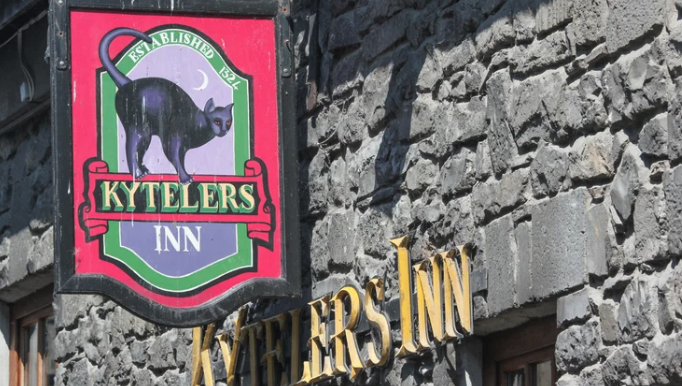
In order to feed the crowd’s bloodlust, the bishop arrested her loyal servant, Petronella de Meath, as an accomplice and so it was poor Petronella who died here on that November day. As for the pub, It made sense for a woman to run an inn, because in the Middle Ages, only monks and women could brew beer (which was considered “cooking” and therefore women’s work). Near the end of the pub building, there is a half-door burrowed into the ground—showing how the street level along here has risen several feet since Alice. Today this pub is owned not by the heirs of Alice Kyteler, but by direct descendants of Charles Dickens.
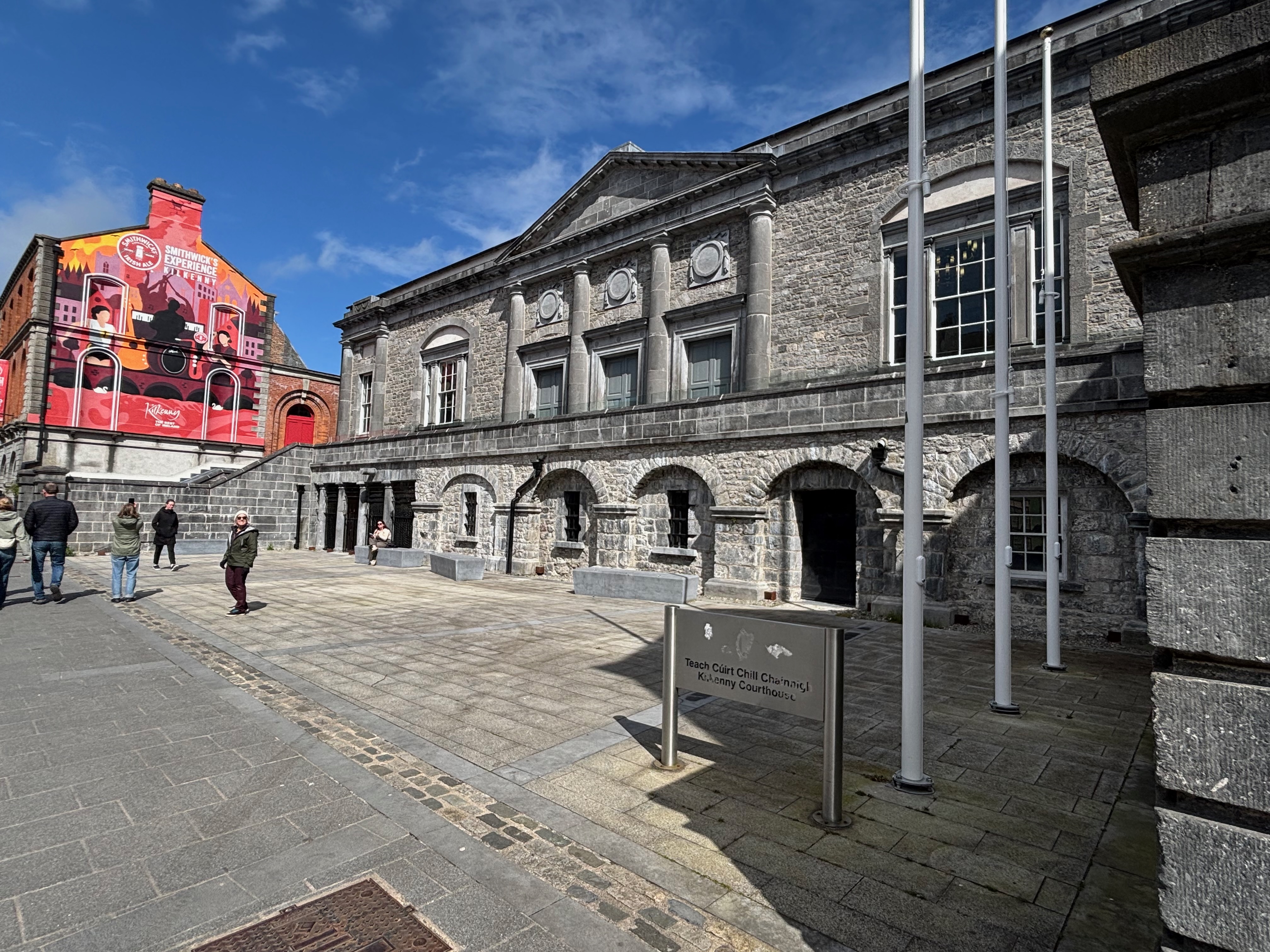
We continued walking down St Kiernan, pausing at the town’s courthouse, where criminals were punished in the square between the courthouse and the street. Its cell windows are also right at street level, as public humiliation was part of the punishment. The darkest times for this building—and for all of Kilkenny—came with Oliver Cromwell’s invasion in 1649. Here, Cromwell’s right-hand man Daniel Axtell, ruthlessly imposed a series of penal laws against local townspeople. Records show that during the Cromwell terror some 6,500 people were executed by hanging them above the building’s central door.
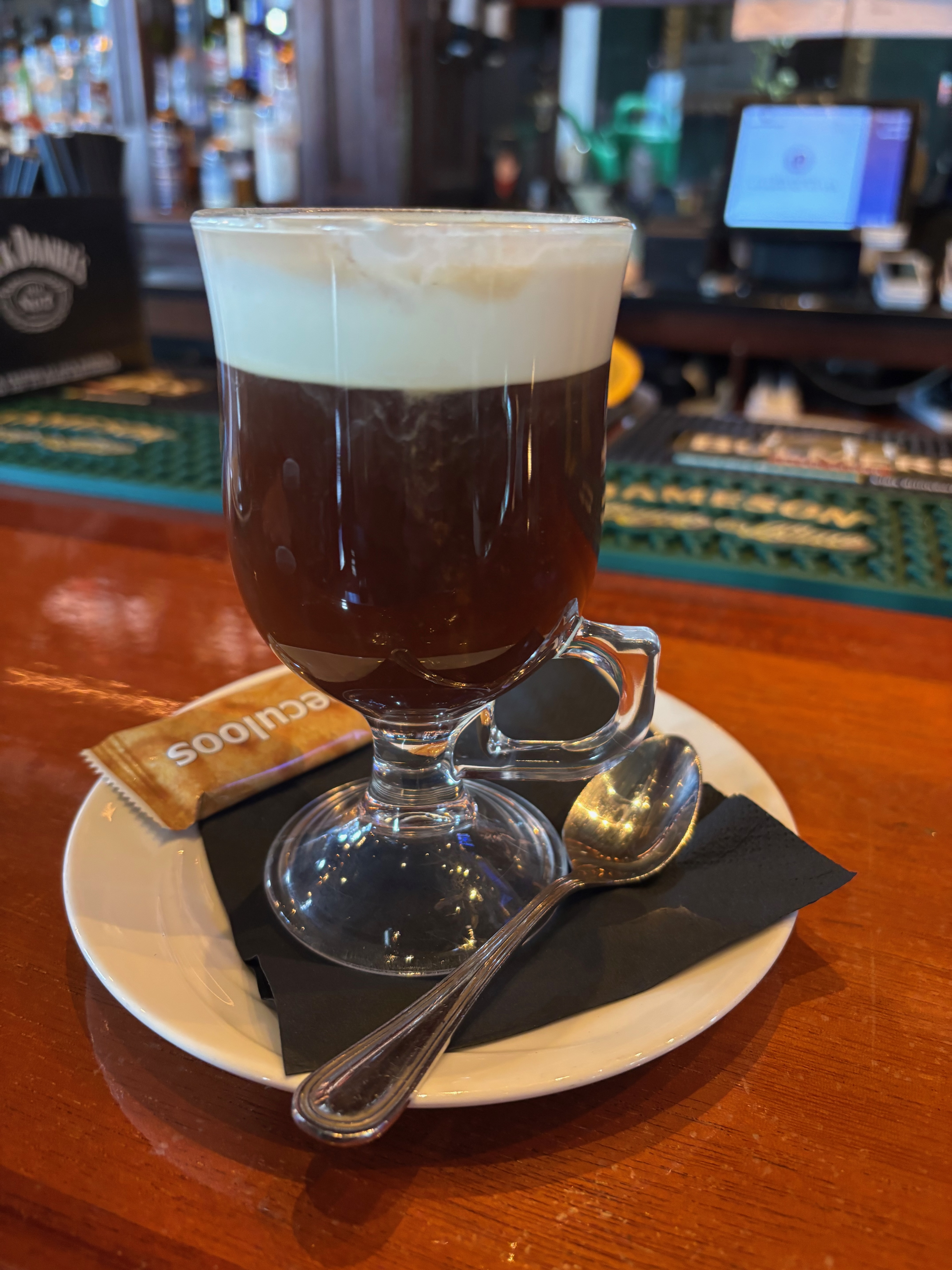
This pretty much was the end of the tour for us, as we opted to skip a few other sights (Smithwick’s Former Brewery Rothe House and Garden, and the Black Abbey) in order to start walking back to the Airbnb. As we rounded the corner for the straight stretch back, it seemed like the appropriate time for an afternoon pick-me-up, that is an Irish Coffee. We stopped in at the bar at the Hibernian Hotel for one of the best of the trip. In some places this is a simple production, but not here. Our bartender first heated the glasses and then proceeded through numerous steps to craft a libation worth a repeated visit.

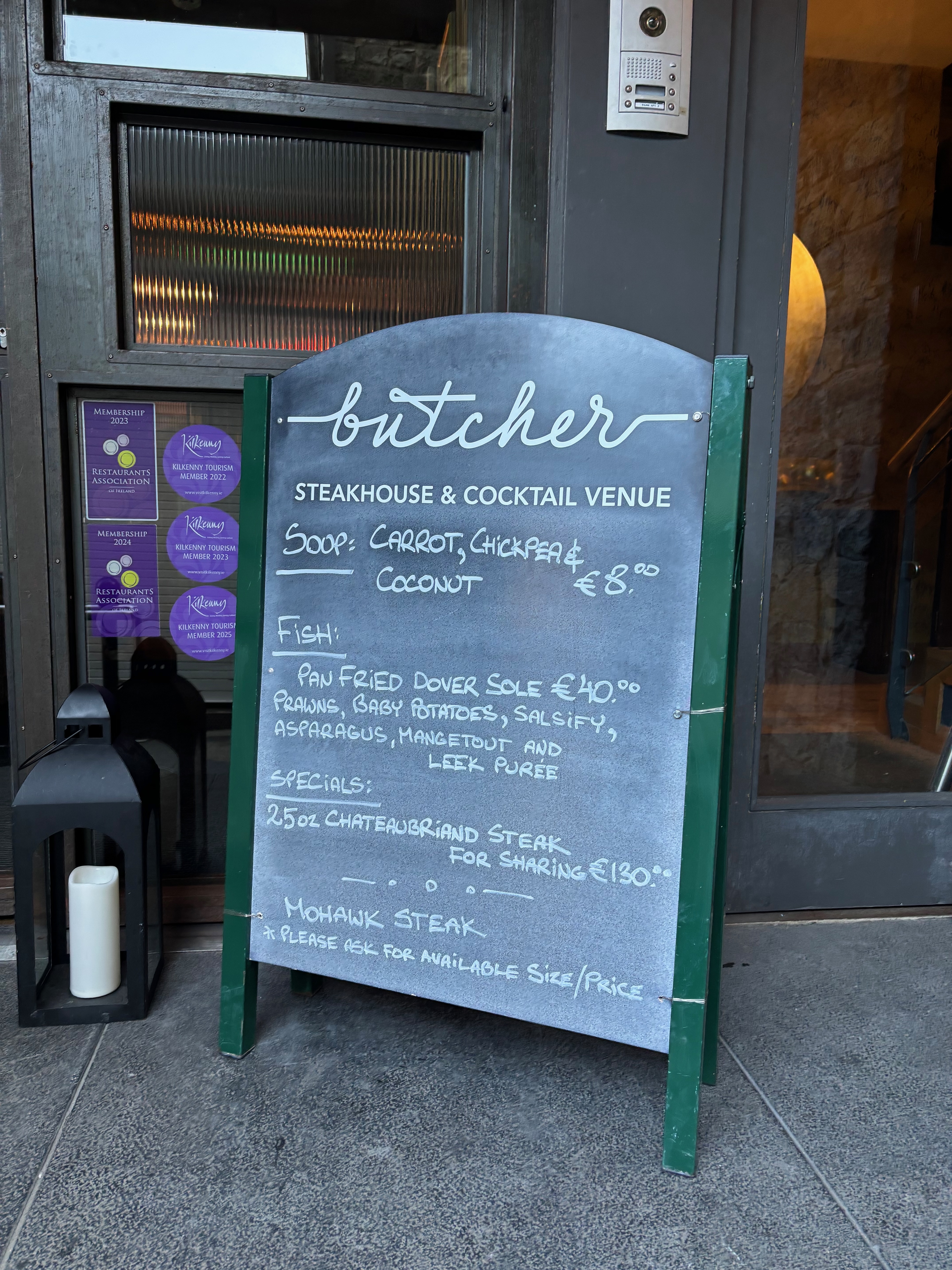
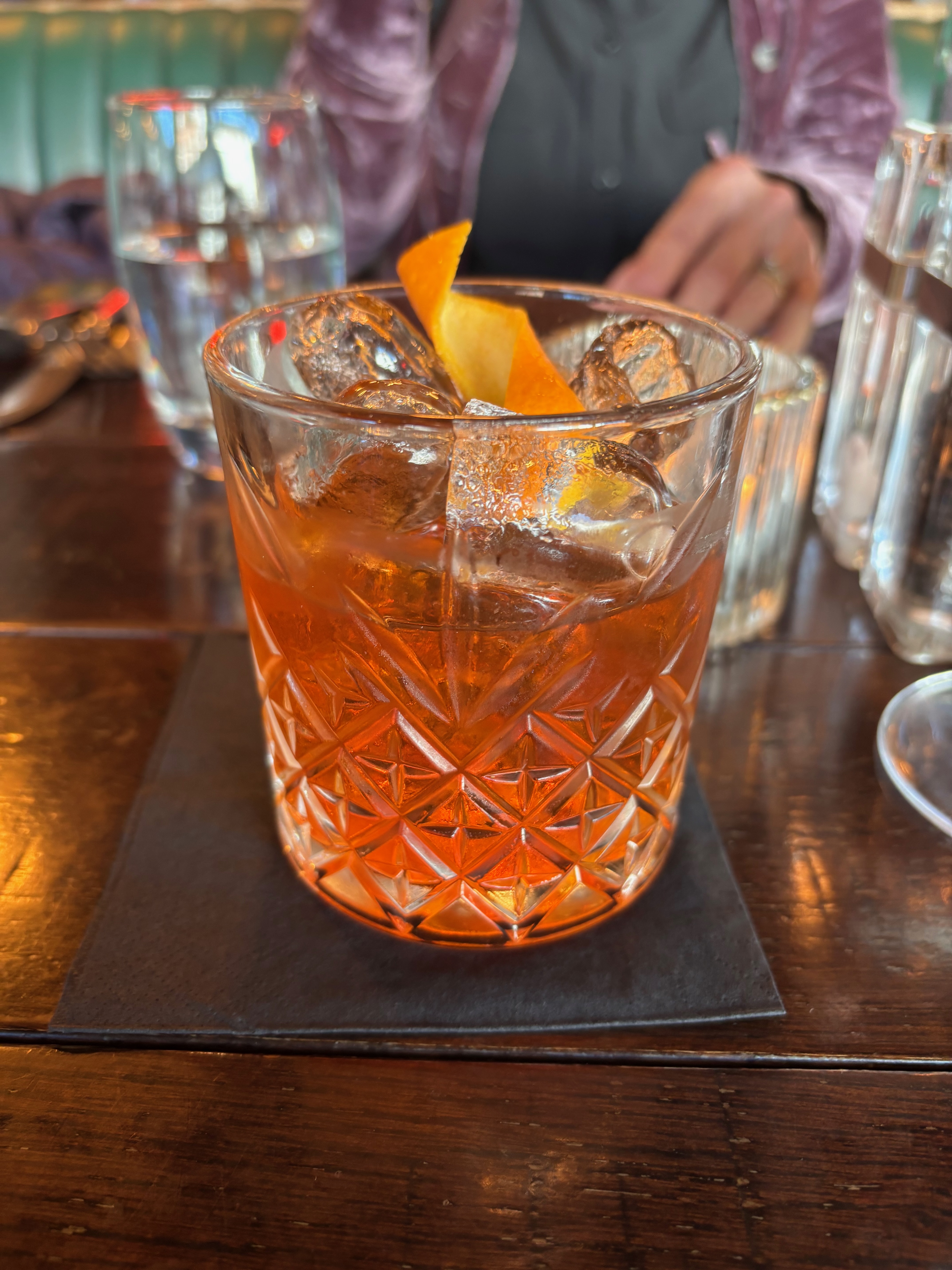
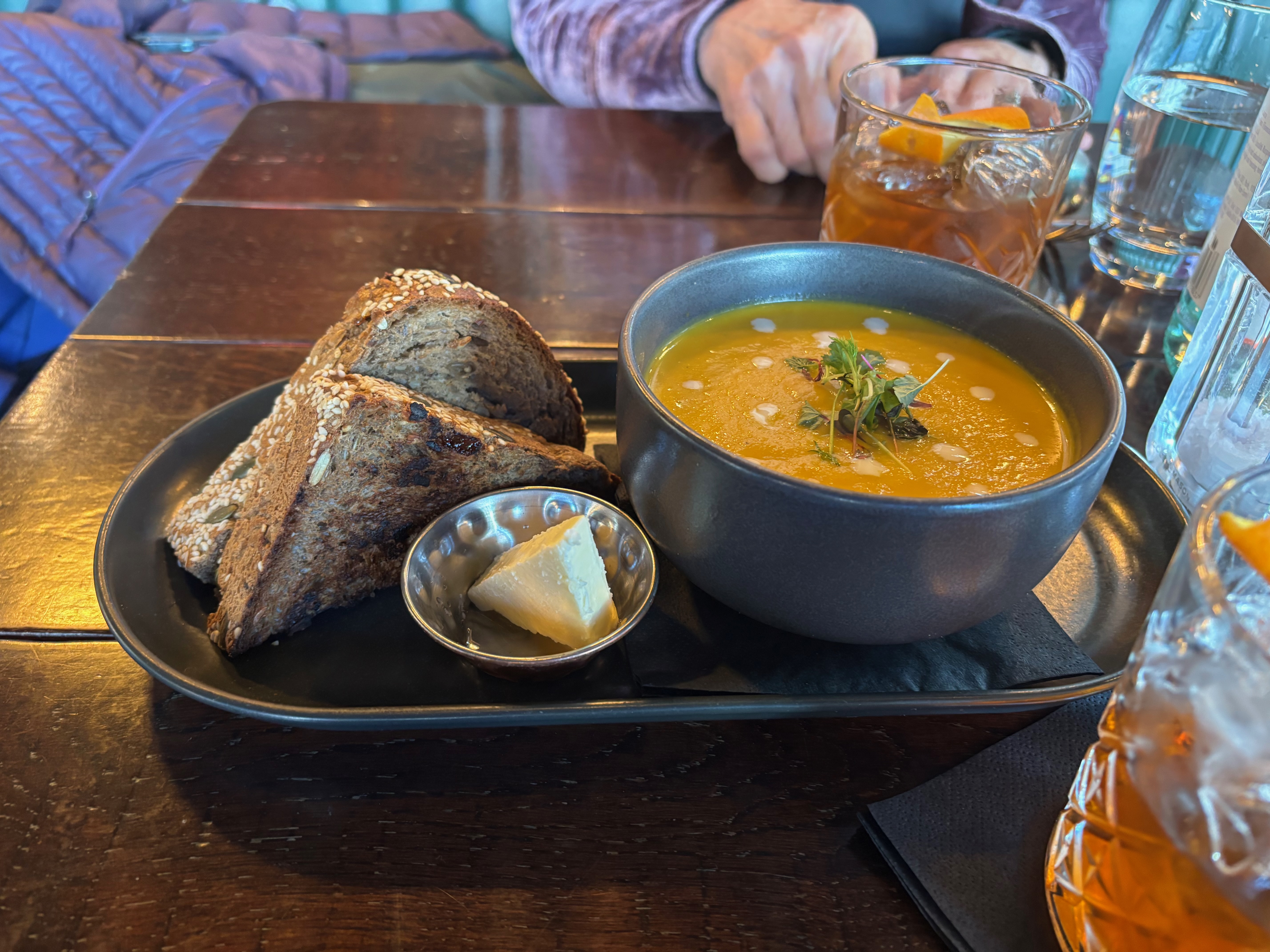
We were under a slight deadline as we needed to pick up laundry we’d dropped off near the house as we would find limited access to laundromats as we know them. We were charged 20 Euros for a sizeable bag, all folded and ready to wear. Later, we walked back to the Butter Slip for dinner at Butcher, owned by a local farmer, Mark Williams, as a showcase for his beef. Seated in the spacious dining room we each ordered a Serious Business (Powers Rye Whiskey, Buffalo Trace Bourbon and Remy Martin vsop with Angostura & Chocolate Bitters) to drink along with a bowl of the soup of the day, Carrot, Chickpea, and Coconut, odd sounding at first but really very good.
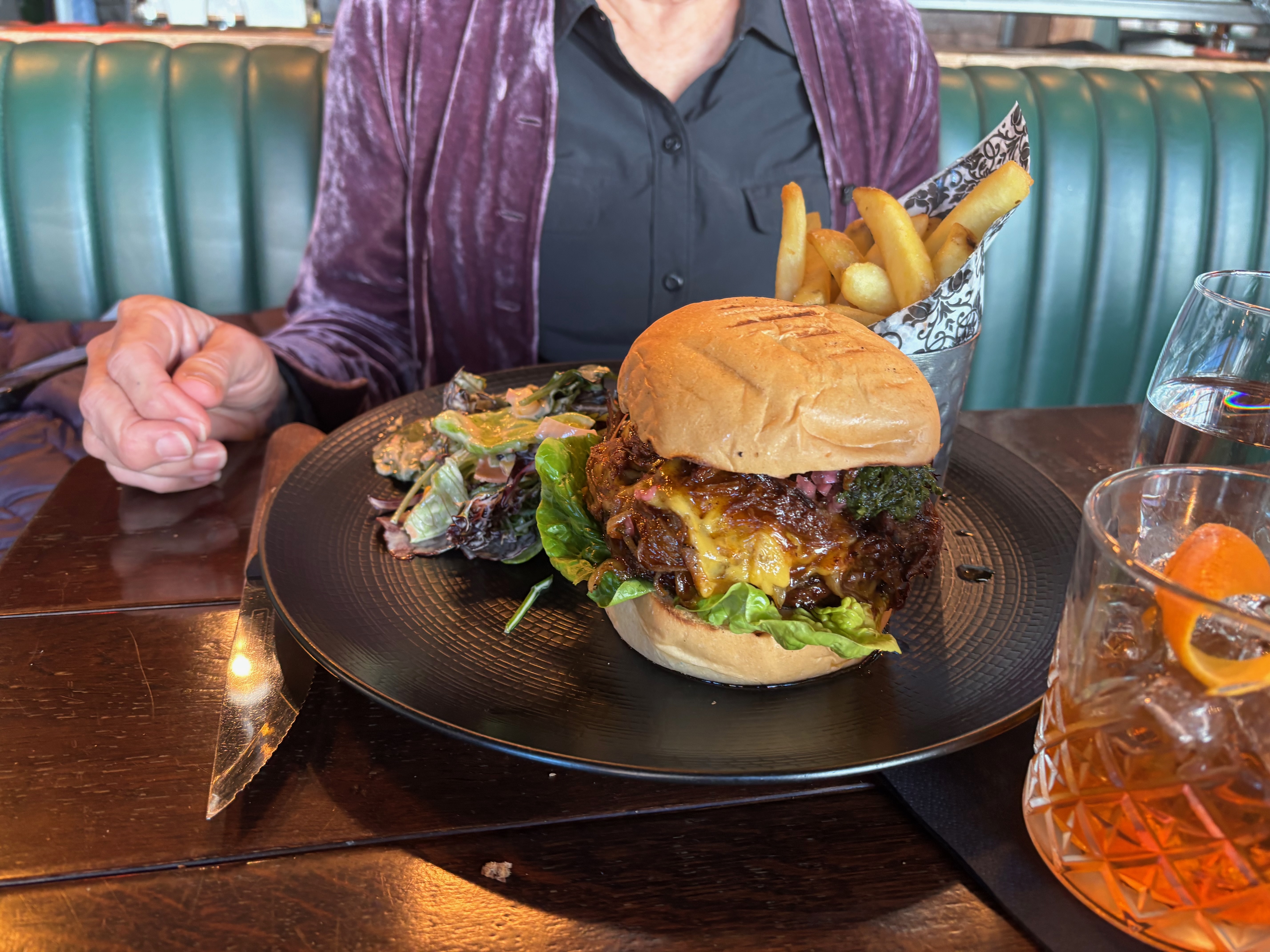
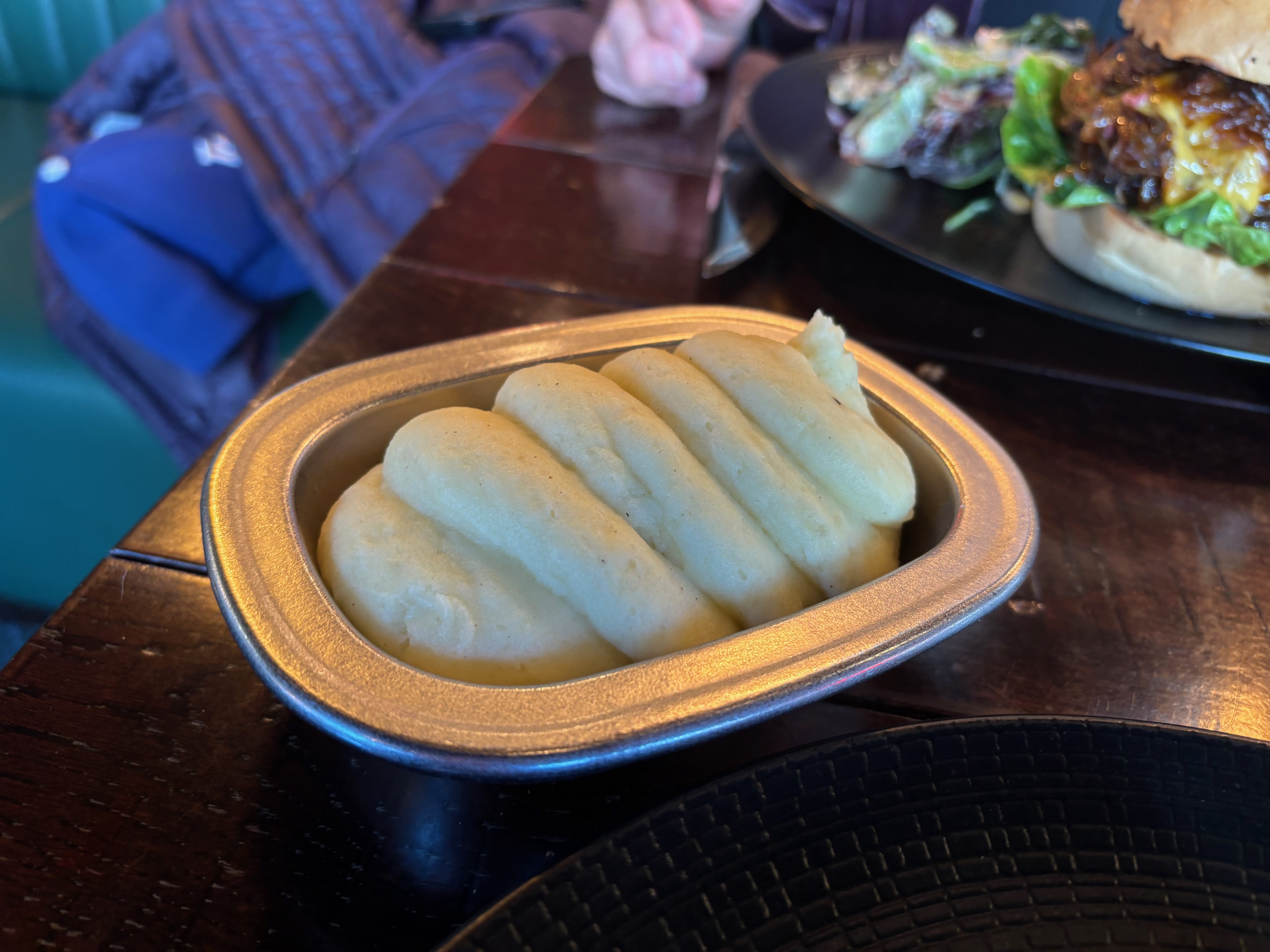
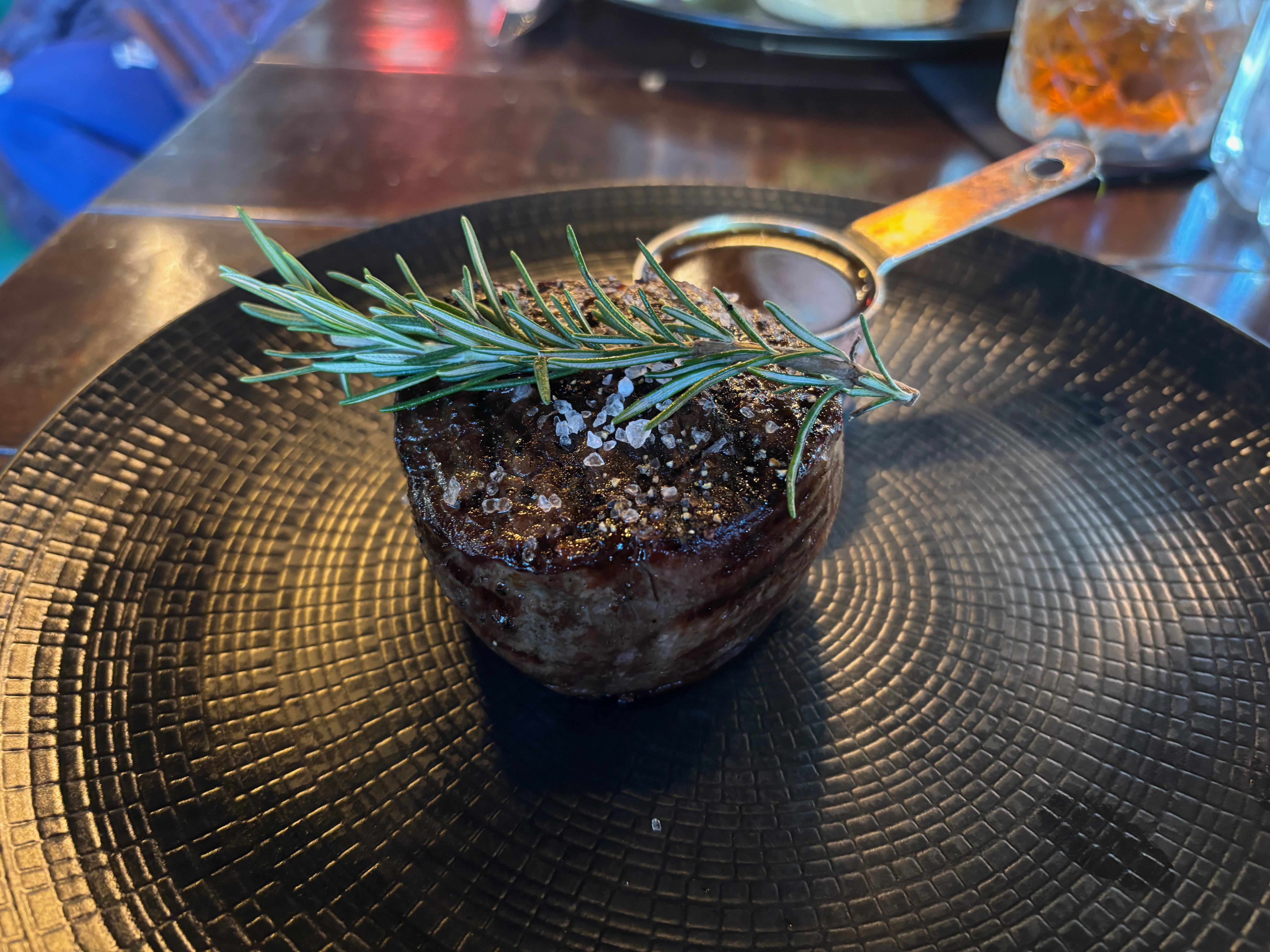
For our entrée’s Joanna got the Butcher Burger (Beef Patty, Pulled Beef Rib, Red Cheddar, Sautéed Onions, Red Onion Jalapeño Salsa, Lettuce, Chimichurri Sauce, and Chipotle Mayo) with Home Made Chips while ordered the Nine-Ounce Filet and a side of mashed potatoes. It was a very good meal from start to finish and including a glass of Rioja to go along with the steak, our tab came to 129 Euros ($149) including a tip, somewhat comparable to what we might pay at a fancier steak house here in the states.
The next morning, we took off for what would be a full day of sightseeing to the south, with our first stop at the House of Waterford Glass Factory in the town of the same name. The oldest city in Ireland, Waterford was once more important than Dublin, although, these days, most tourists associate the town with its famous crystal. With a tradition dating back to 1783 (absent about 100 years, from the late 1840s famine until the post-WWII boom), Waterford was once the largest, and is still among the most respected, glassworks in the world.

The economic downturn of 2008 shattered the market for luxury items like crystal, forcing the huge Waterford Crystal factory outside town to close. American investors bought the company and opened a new, scaled-down factory in the town center (and later sold it to a Finnish company for a handsome profit). While 70 percent of Waterford Crystal is now manufactured in Slovenia, several glass craftspeople still reside here and create custom pieces for special-order customers.
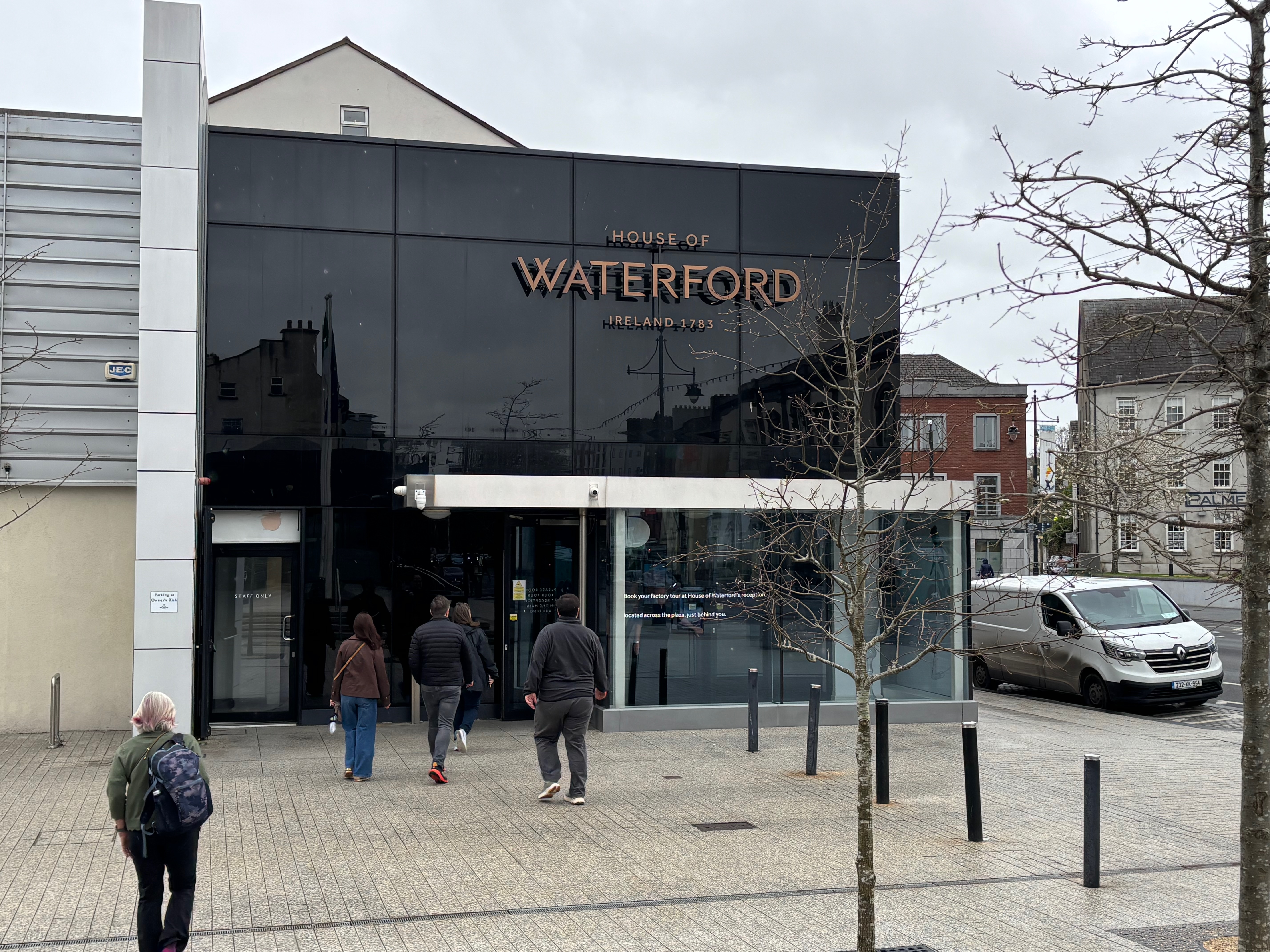
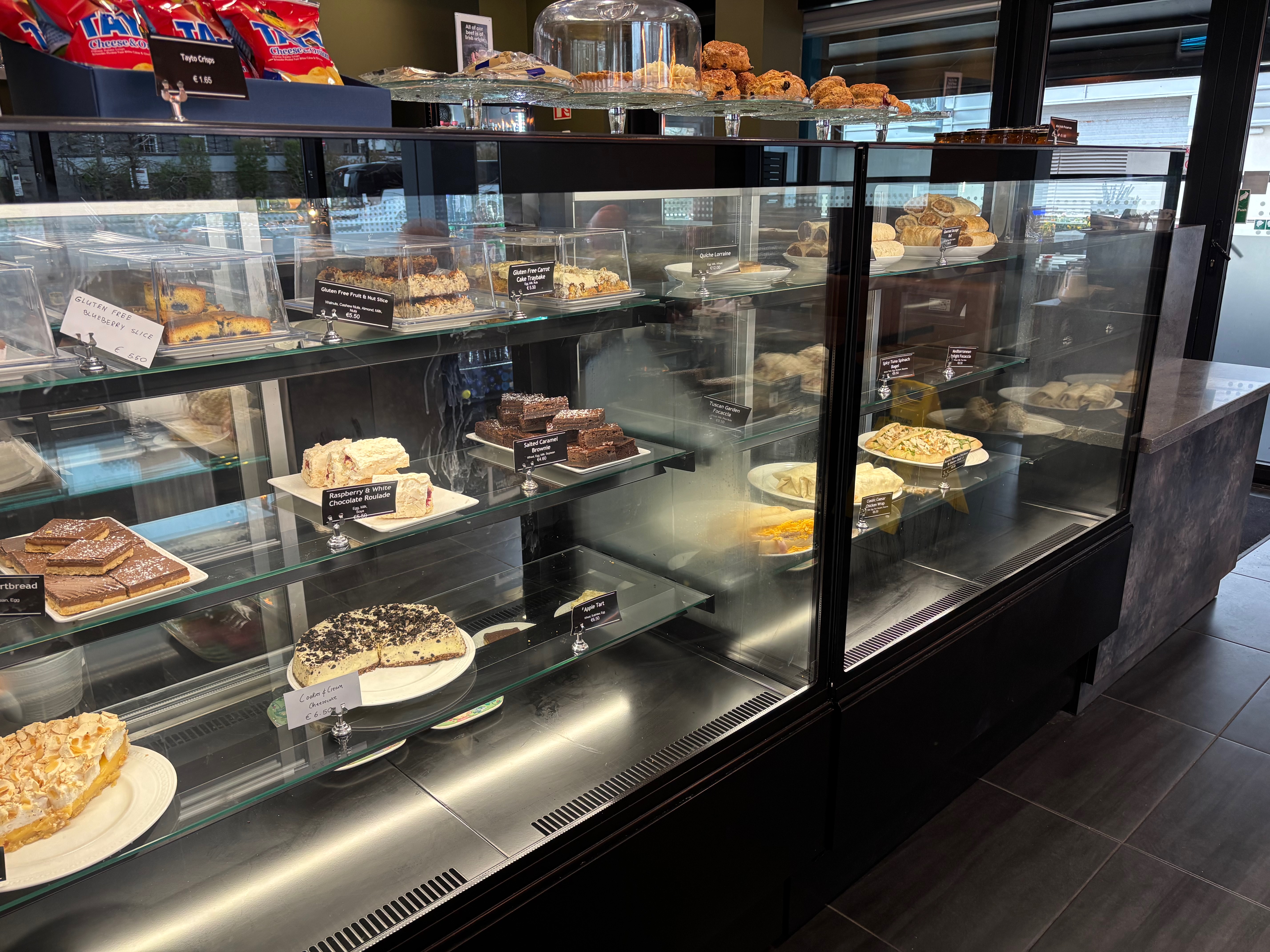
On the way down we encountered one instance of the motorway being blocked, but fortunately our phones quickly re-routed us on a National Highway and we soon arrived at the factory with a little time to kill before our tour, so knowing us, you will correctly guess that it was a good moment for a snack. Two coffees and a cake later, we met our guide for what would be a very good tour. As mentioned in the prior paragraph, this factory is not a main production unit and so it only handles special orders like trophies and other custom one-off types of work. We will cut this post short and finish our tour, and the rest of our stay in Kilkenny, in the next post.

Links
Hibernian Hotel: https://www.kilkennyhibernianhotel.com/?utm_source=mybusiness&utm_medium=organic
Butcher: https://www.butcherrestaurant.ie/
Waterford: https://www.houseofwaterford.com/
Discover more from 3jmann
Subscribe to get the latest posts sent to your email.


