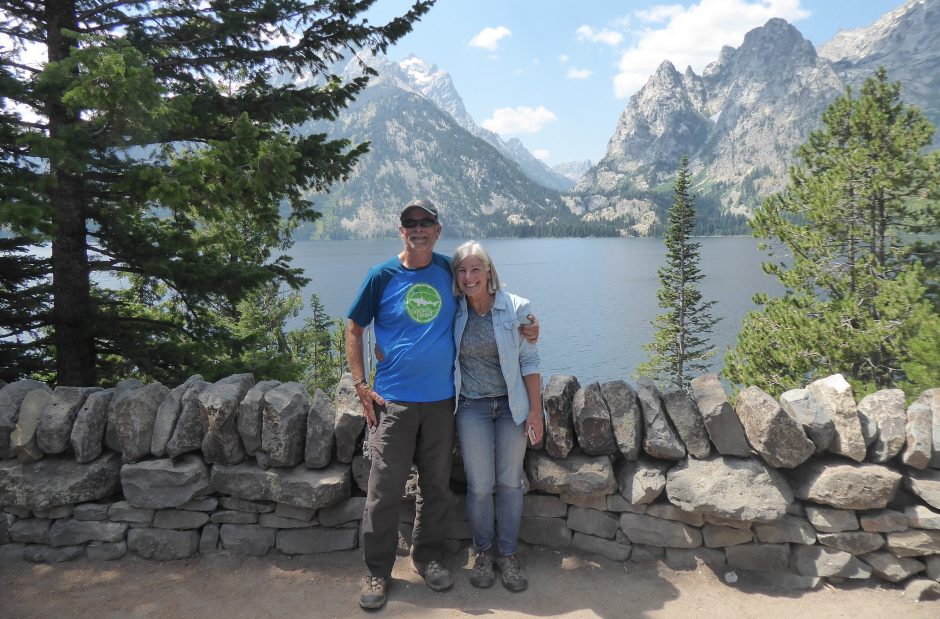
April 8 – 10
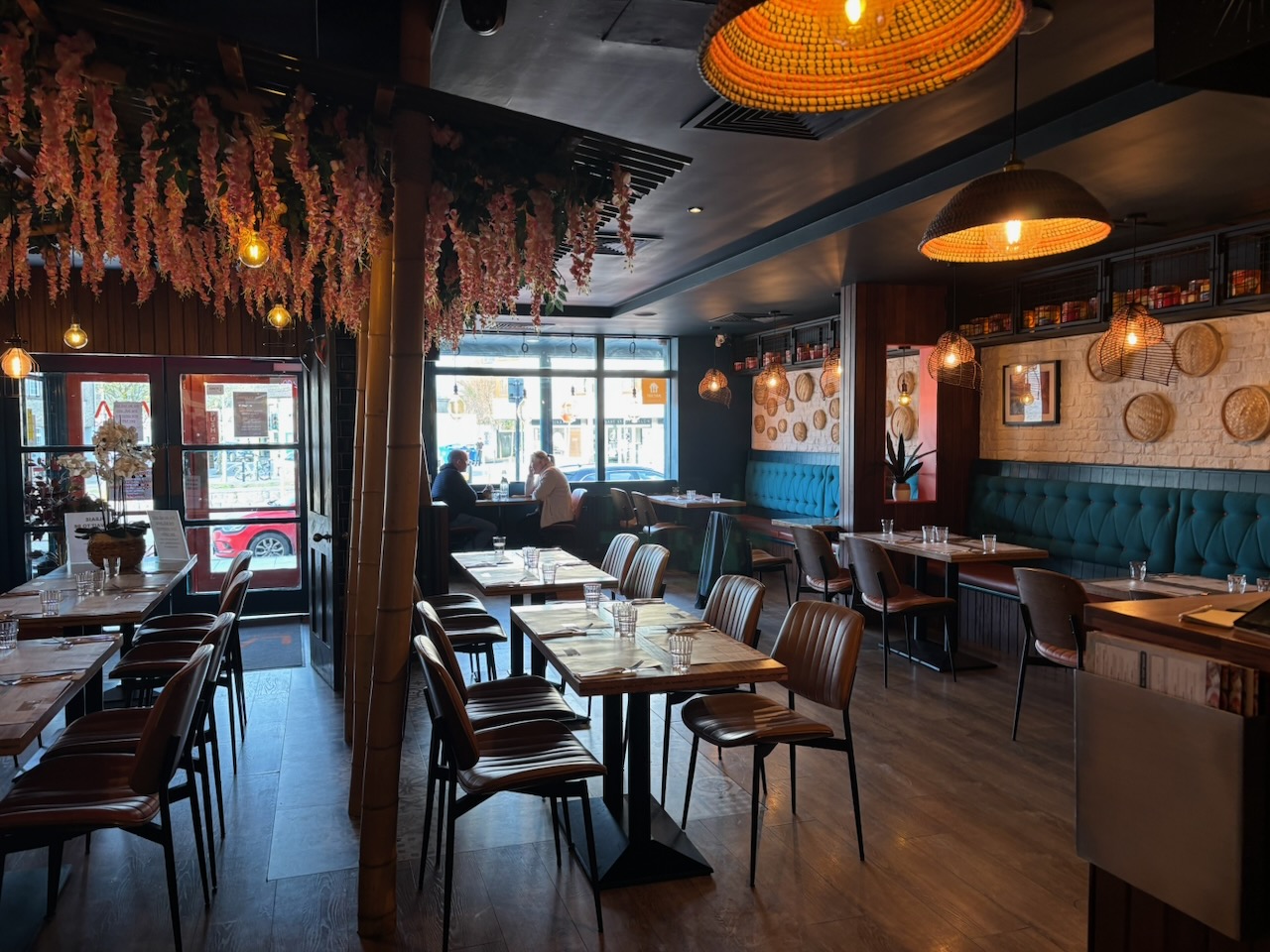
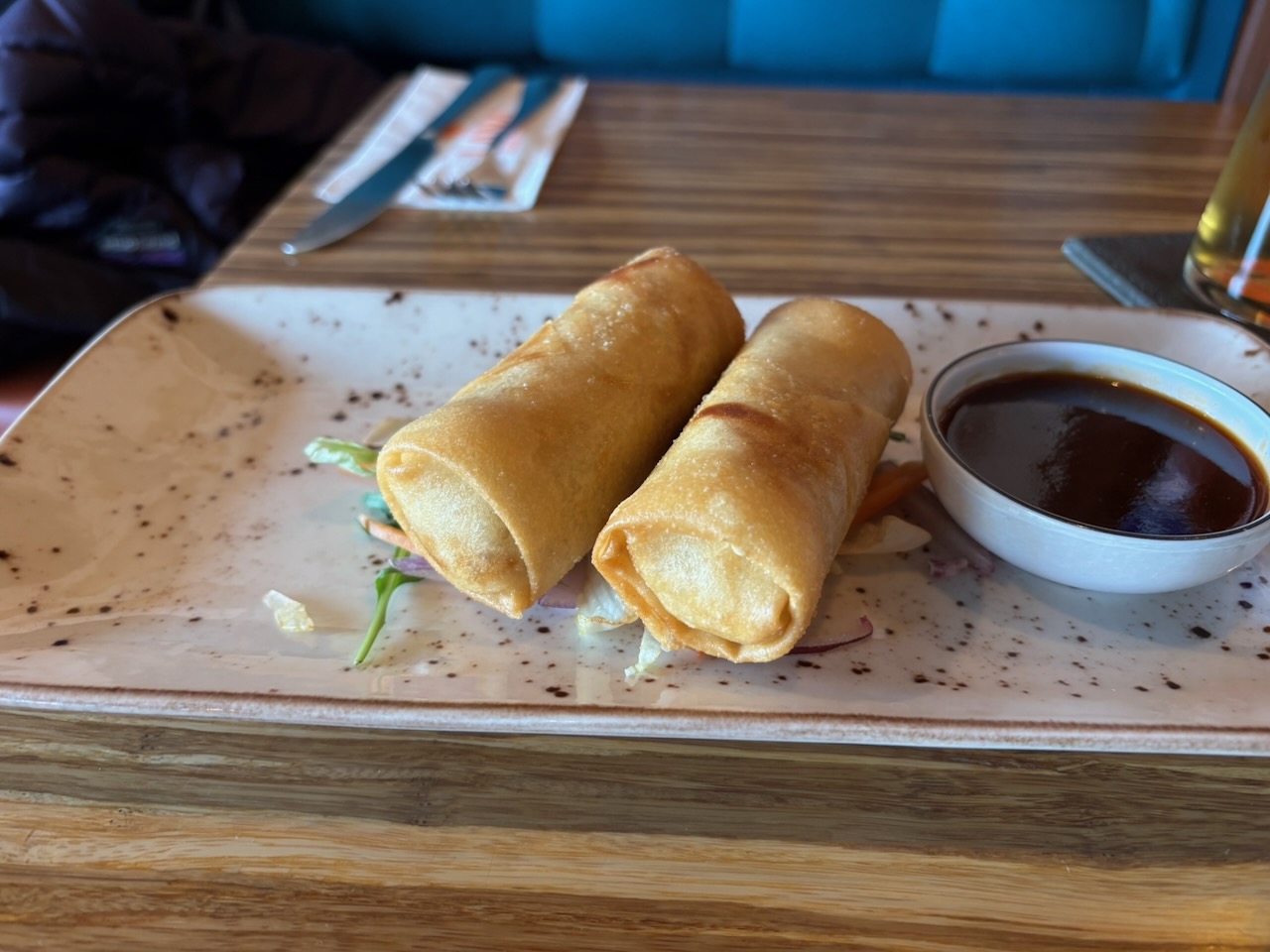
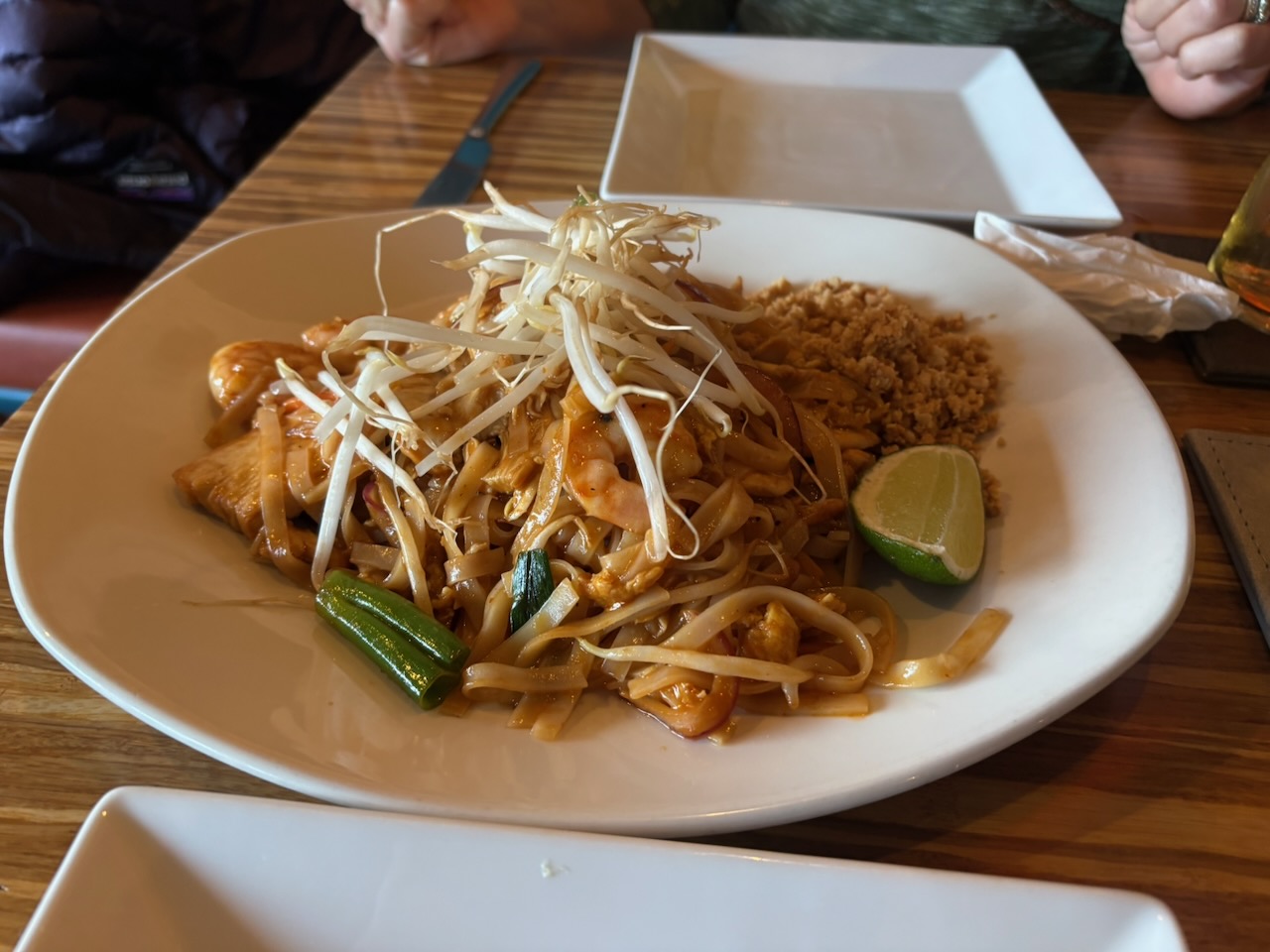
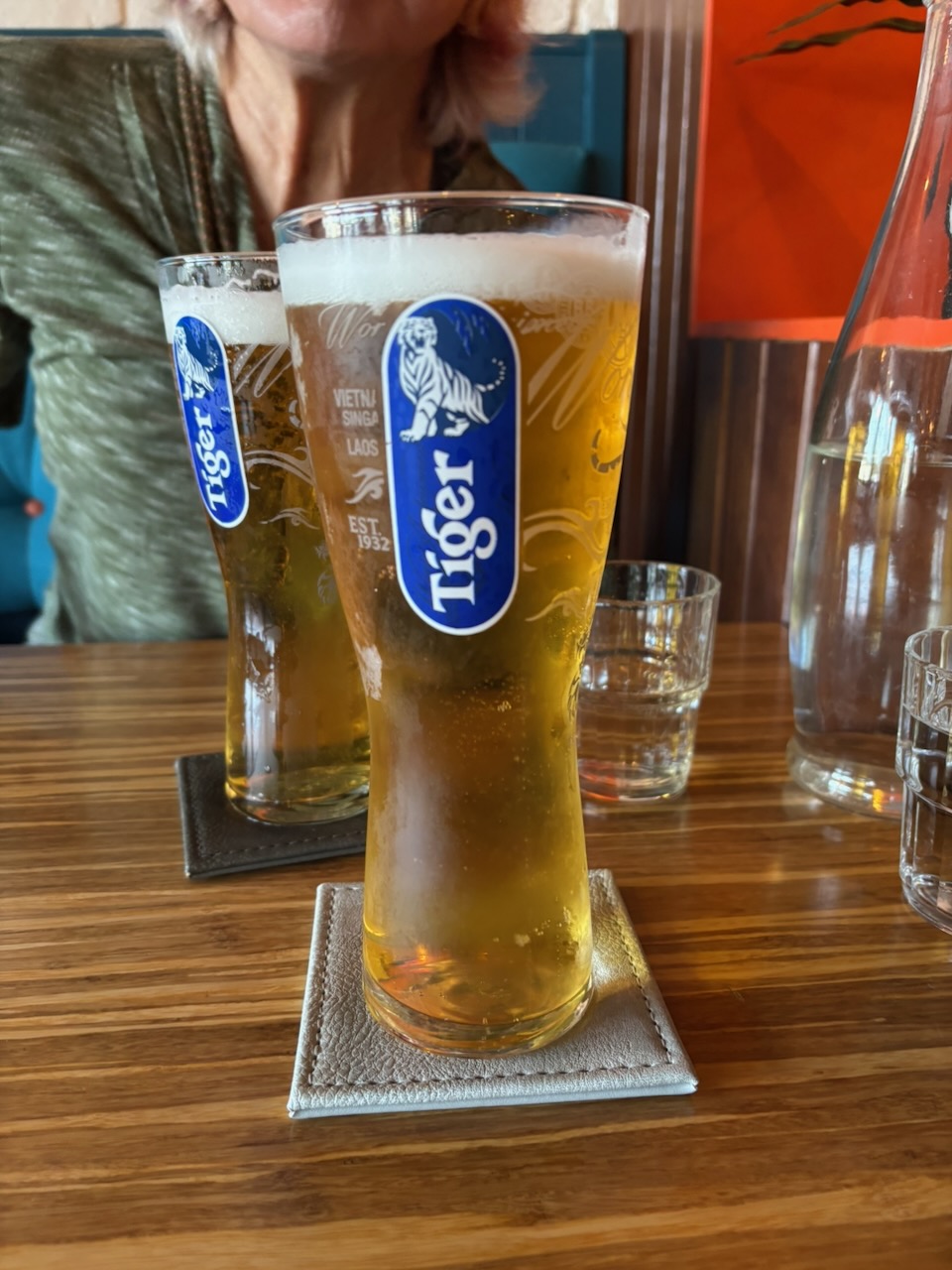
After unpacking and conversation with Nadia, we walked across the street for dinner at Lana Kilkenny Asian Street Food for what would be very good Thai influenced food. With nearly 20 locations in Ireland, it is a popular chain, and our meal led us to understand why. We each ordered a Tiger Lager while enjoying an order of Hoisin Duck Rolls. For the entrée, we split a large order of Chicken Pad Thai, which was quite satisfying, as was our total tab of 32-Euros ($37), plus a three Euro tip.
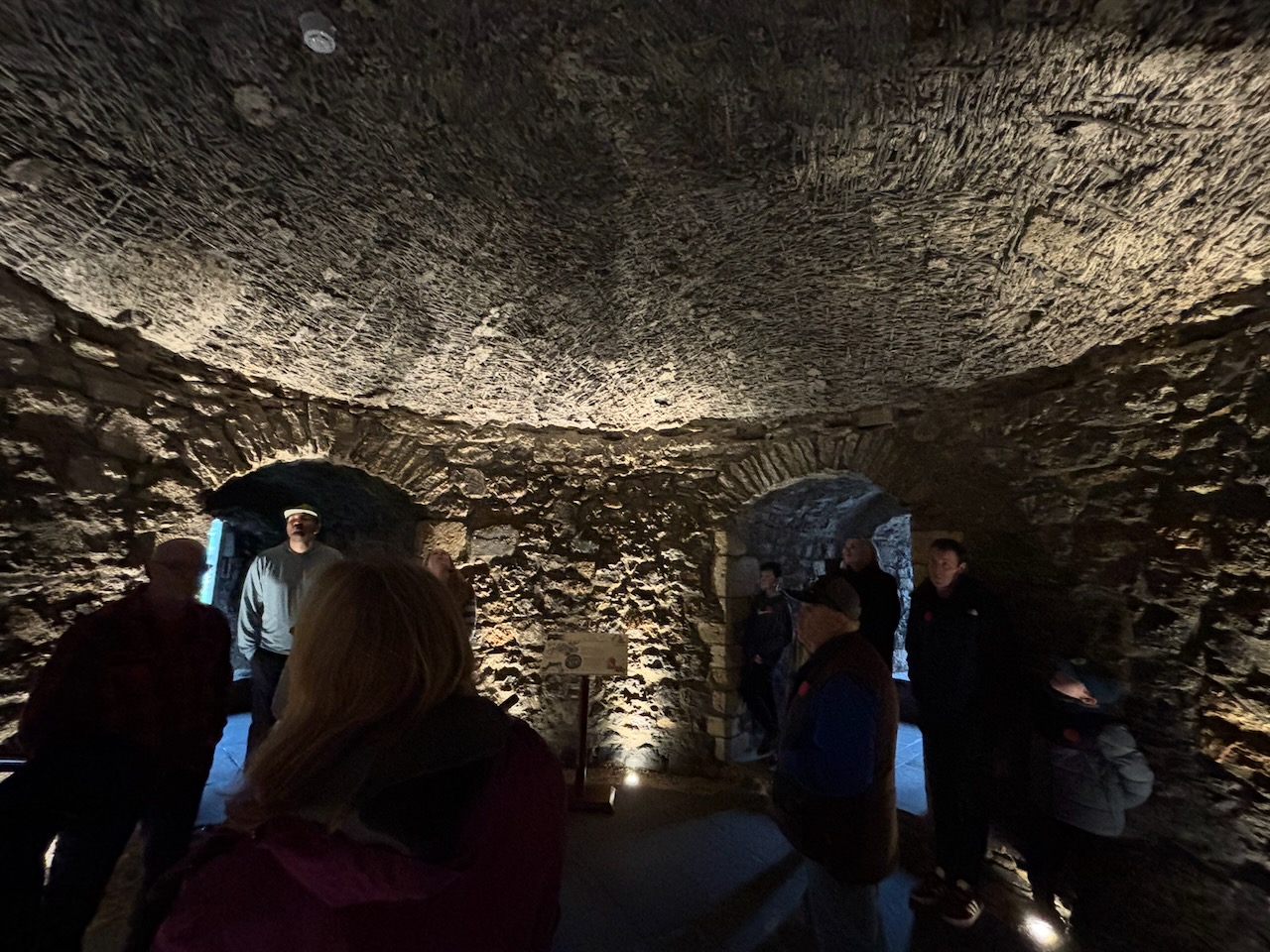
The next morning, we walked about ten minutes to Kilkenny Castle, our first stop of the day. We paid for our tour, 20 Euros ($23.45) for the two of us and with a bit of time to kill before the start, grabbed a quick snack at a tented kiosk just outside of one arm of the castle itself. Soon enough the tour started and we began at the level of the foundation and then worked our way upstairs.
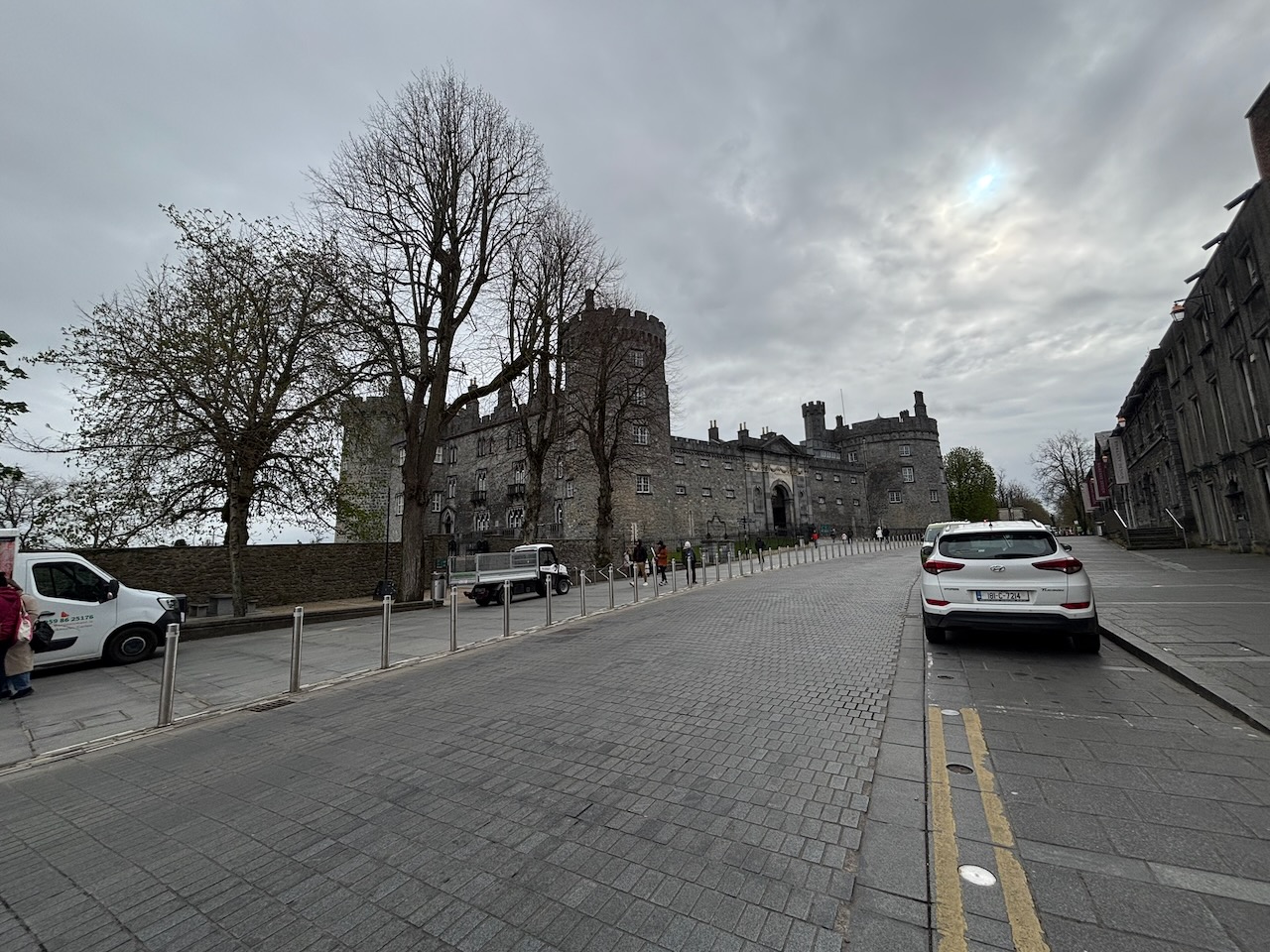
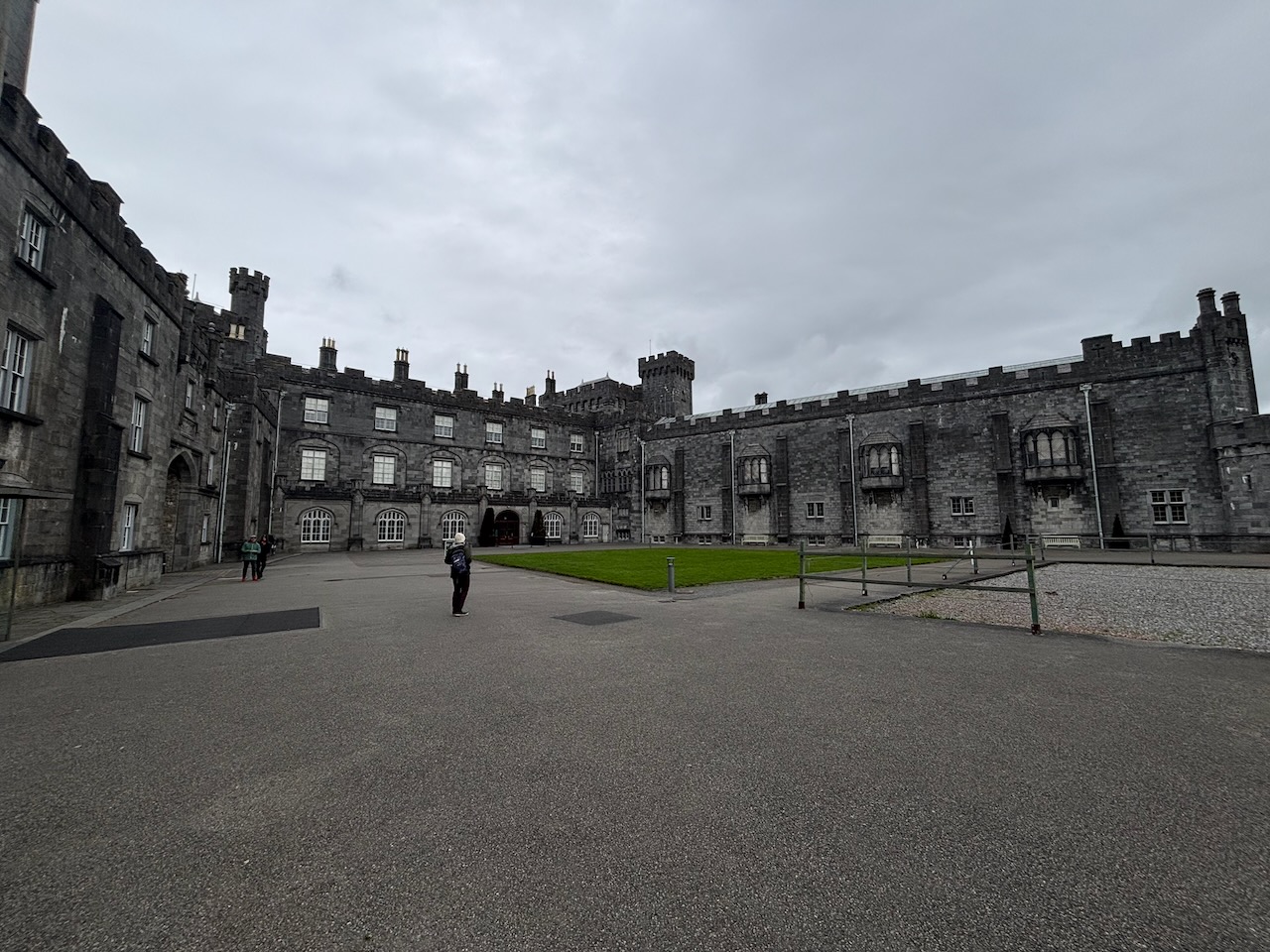
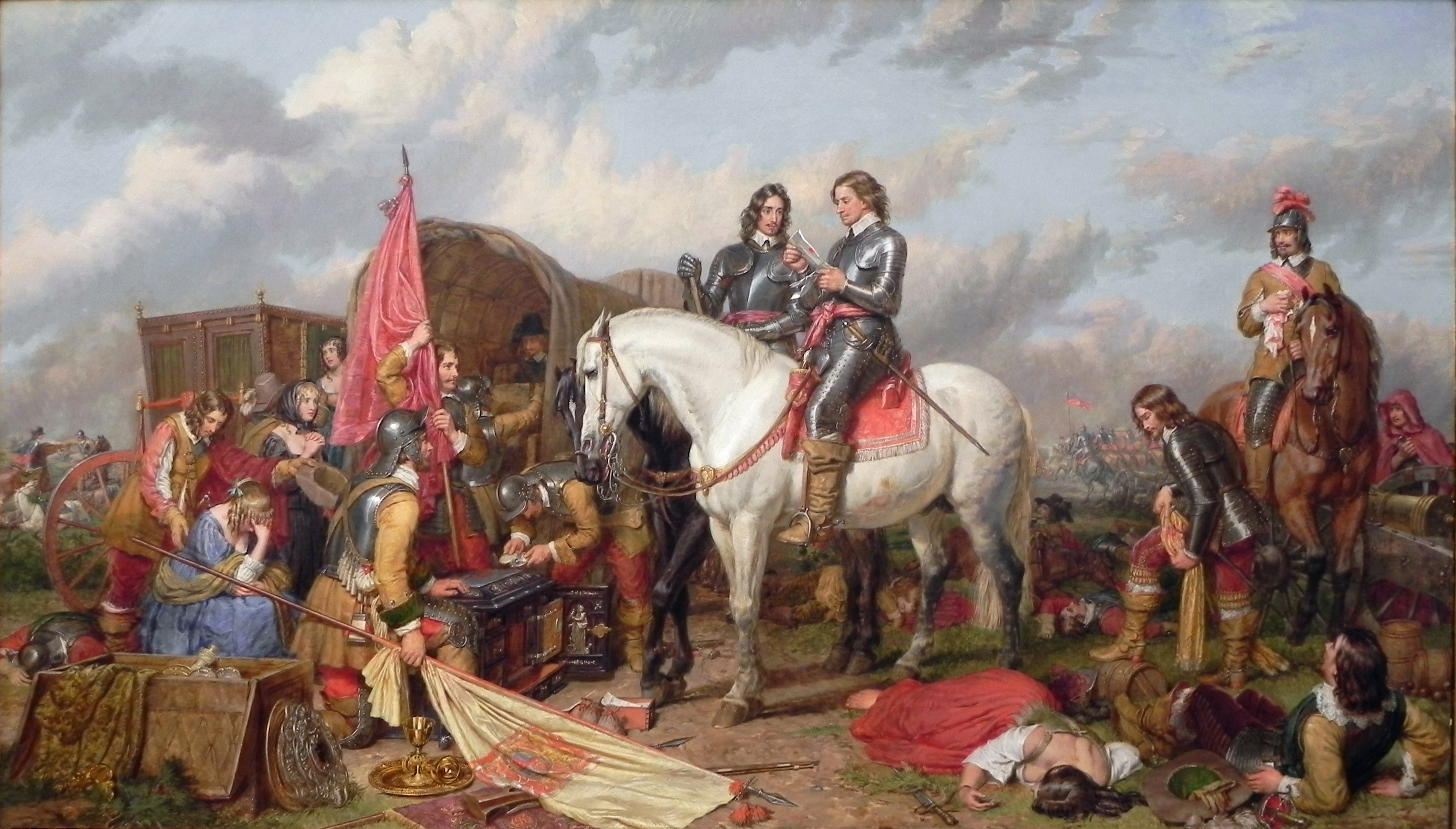
Kilkenny Castle is one of the oldest continuously occupied buildings in Ireland. Over about 800 years, it’s been built, rebuilt, and enlarged and what you see today is a Victorian-era remodel of a 13th-century fortress. The castle once had four sides, but Oliver Cromwell’s army knocked down one wall, leaving it in a roughly “U” shape. Regarding Cromwell, his attitude towards and treatment of the Irish explain much about why the Irish feel the way they do about England.
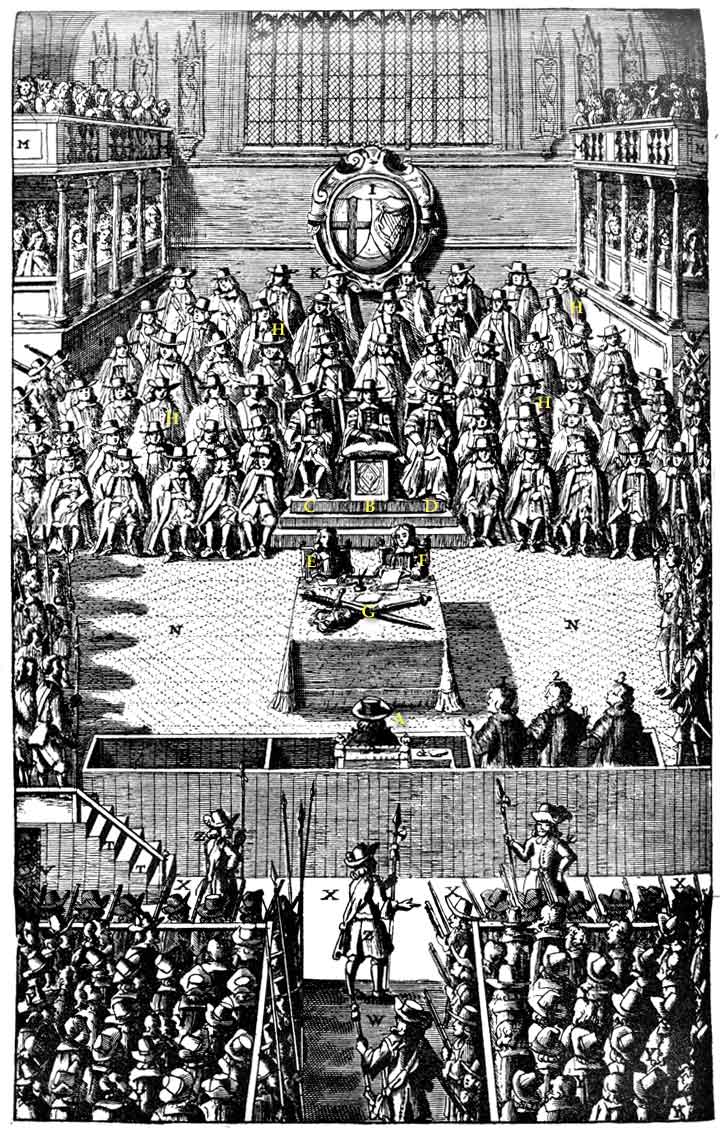
In 1649, he led Parliamentary forces to victory in the English Civil War and had King Charles I beheaded. Assuming the title of Lord Protector, he created a commonwealth, instead of a kingdom. He then turned his attention to Ireland, determined to root out the last royalists loyal to the English monarchy and to punish the Irish for the 1641 massacre of Protestant settlers. Cromwell was rabidly anti-Catholic and his army of 12,000 soldiers had God on their side and Ireland in their musket sights.
In August of 1649 Cromwell and his army landed in Dublin and marched north to Drogheda, where in a bloody three-day siege, his soldiers massacred almost all the town’s 3,000 people. His forces then turned south to Wexford, where they killed 3,000-some civilians and Irish troops. Few garrison towns resisted after that, and Cromwell brought most of Ireland under English control in less than a year. Catholic landowners were forced to give up their land or face execution, and about 11 million acres of productive land was handed over to Cromwell’s soldiers as payment for service.
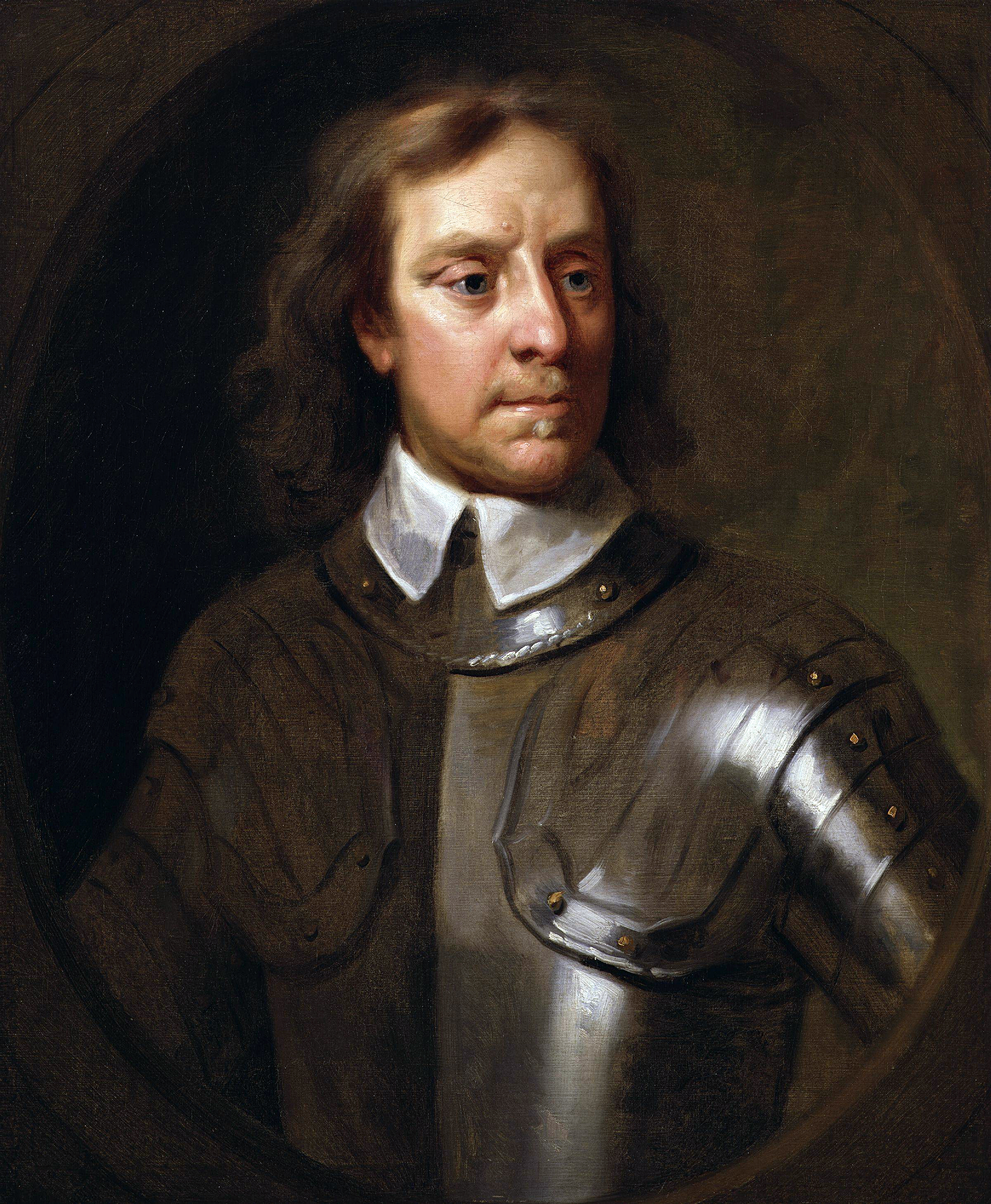
In “exchange,” these ousted Catholics got unfertile ground west of the River Shannon, initiating a forced mass migration that essentially destroyed Ireland’s Catholic landowning class. Some Catholics were allowed to stay on as tenants, providing labor for their new English masters. In Ireland, the legacy of Cromwell was devastating and long-lasting. Most Irish Catholics never regained their land and for the next 250 years Ireland struggled on—effectively powerless under English government.
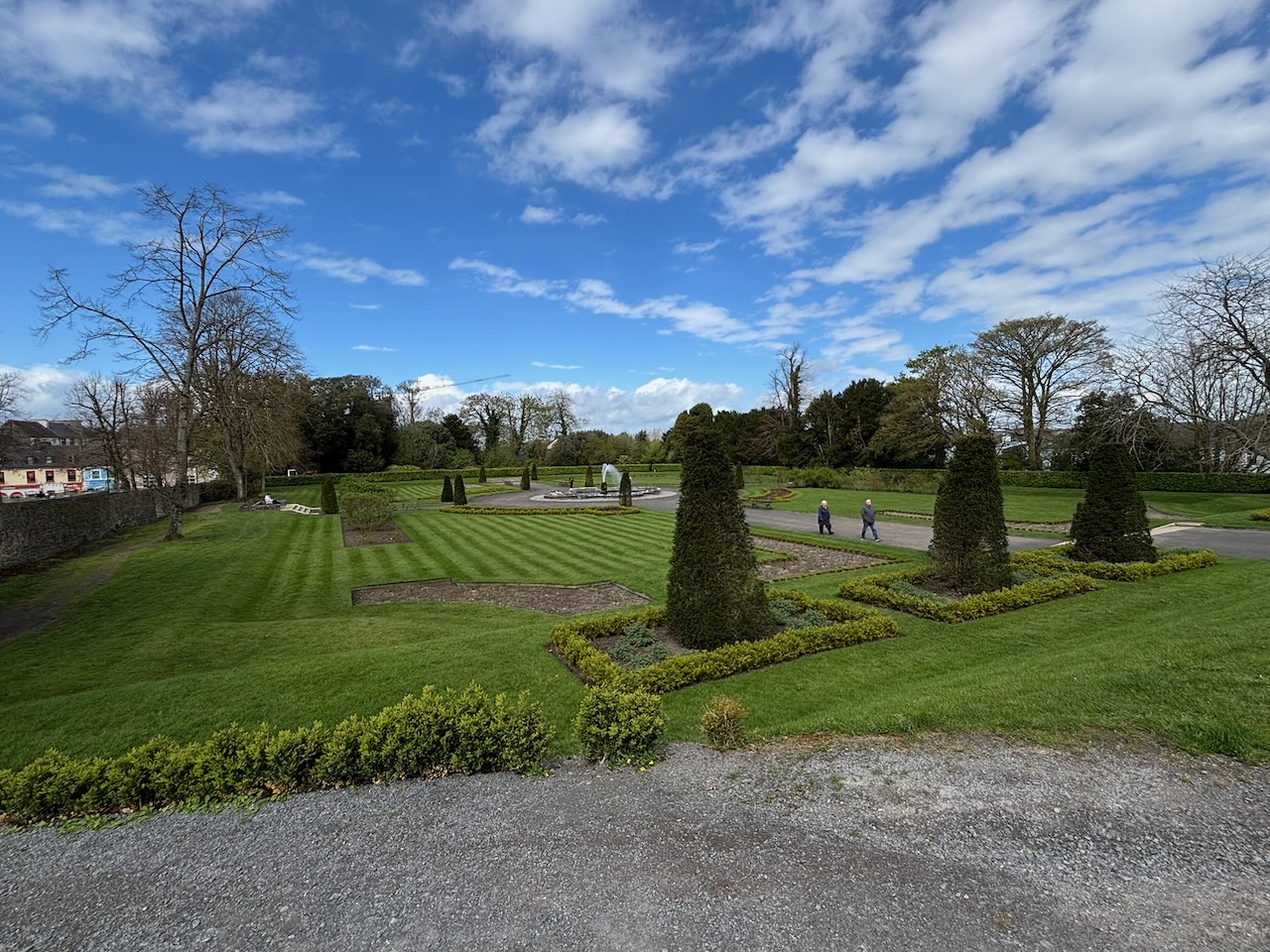
The castle was built in 1260 to control a fording-point of the River Nore and the junction of several routeways. It was a symbol of Norman occupation, and in its original 13th-century condition, it would have formed an important element of the town’s defenses with four large circular corner towers and a massive ditch, part of which can still be seen today on the Parade. In 1967, Arthur Butler, 6th Marquess of Ormonde, sold the castle for £50 to the Castle Restoration Committee for the people of Kilkenny. The castle and grounds are now managed by the Office of Public Works, and the gardens and parkland are open to the public.
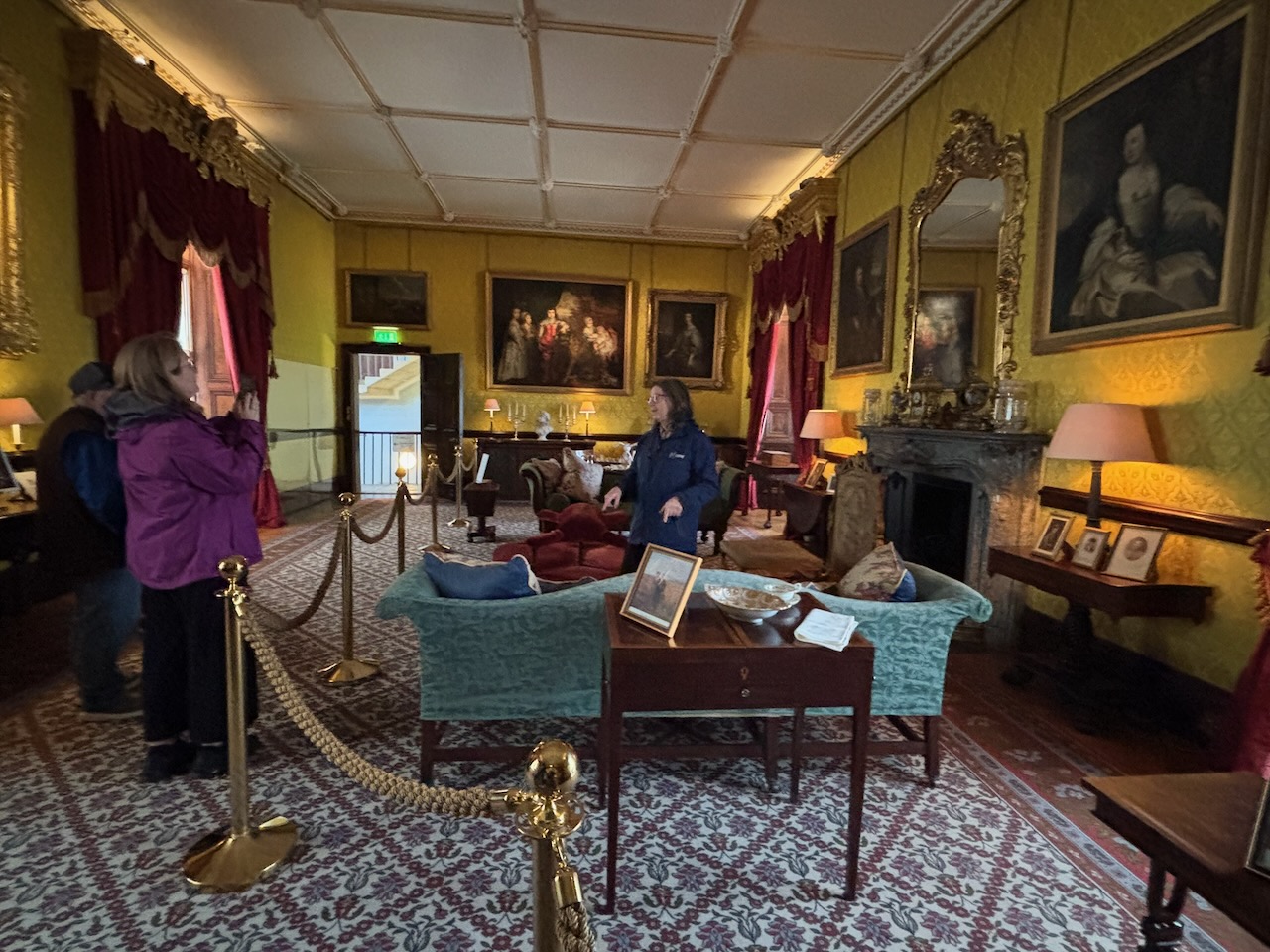
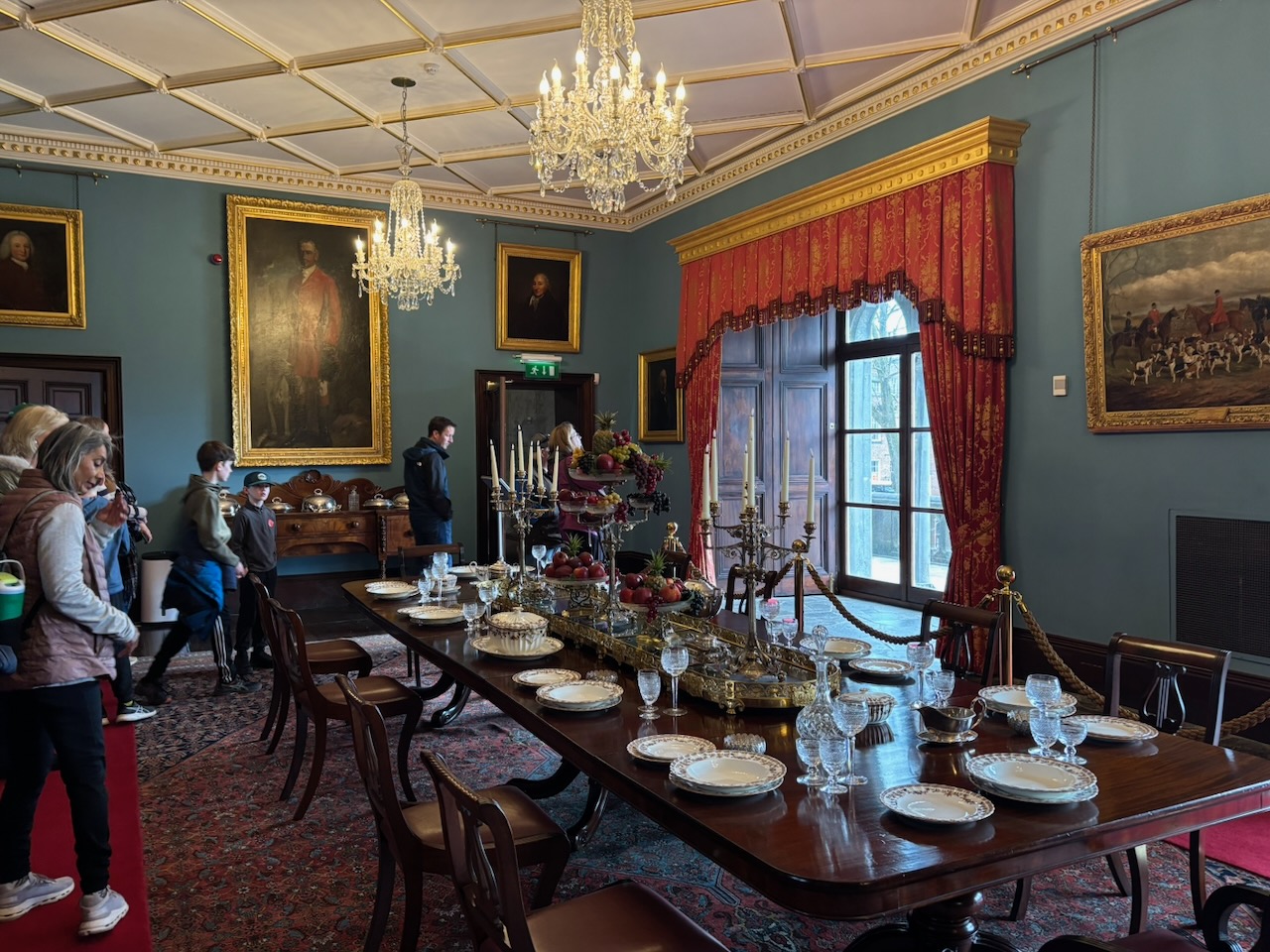
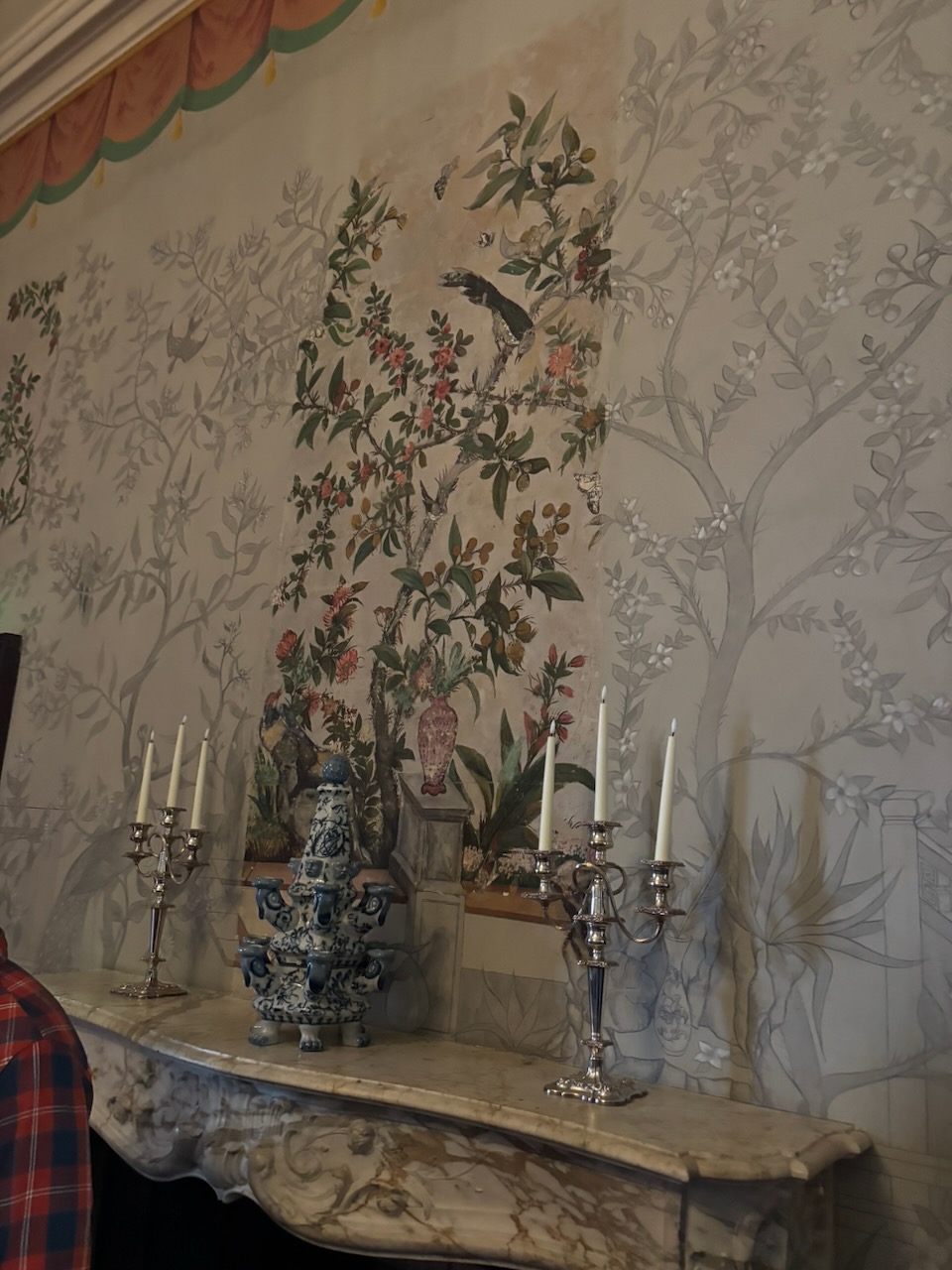
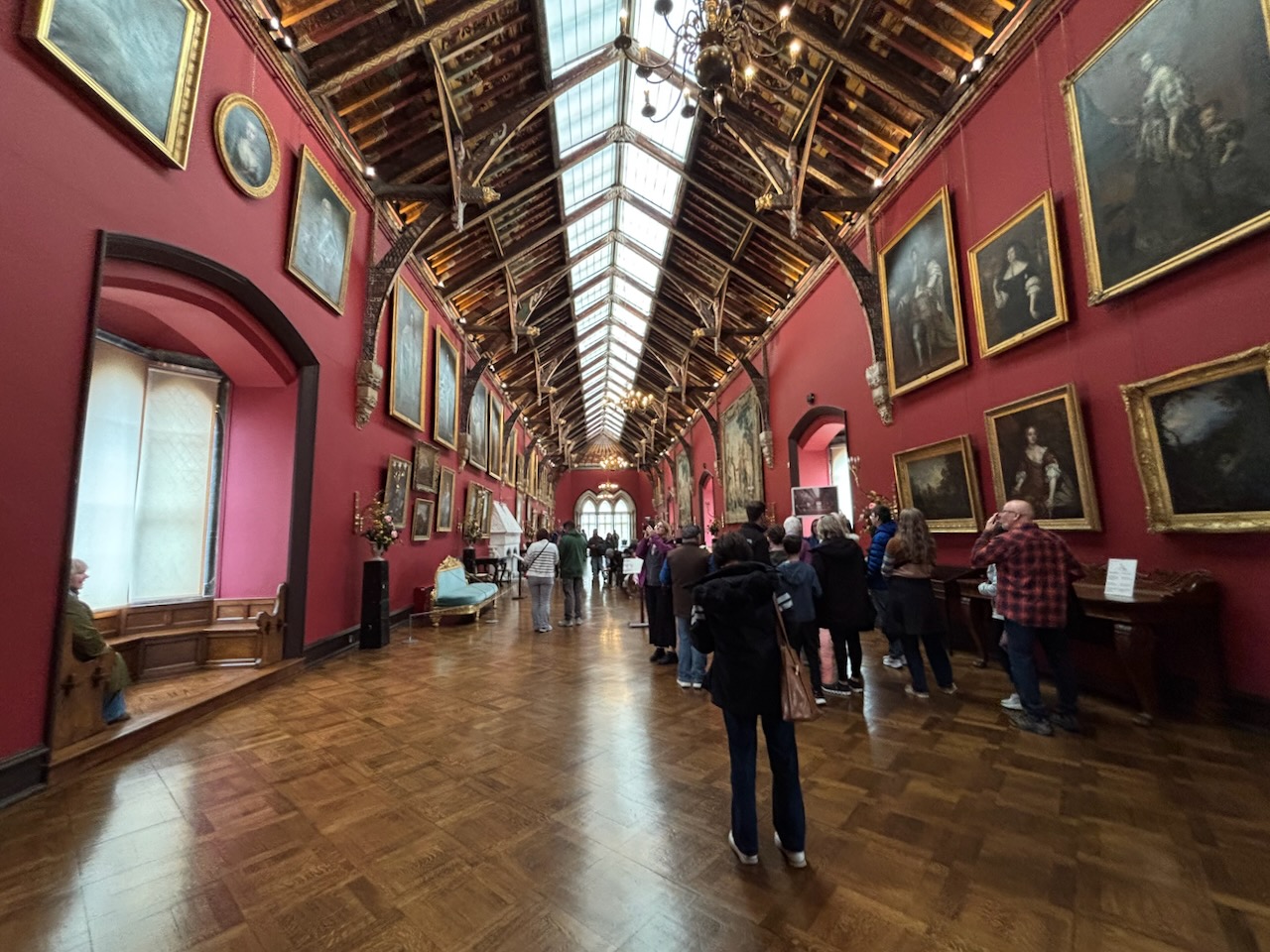
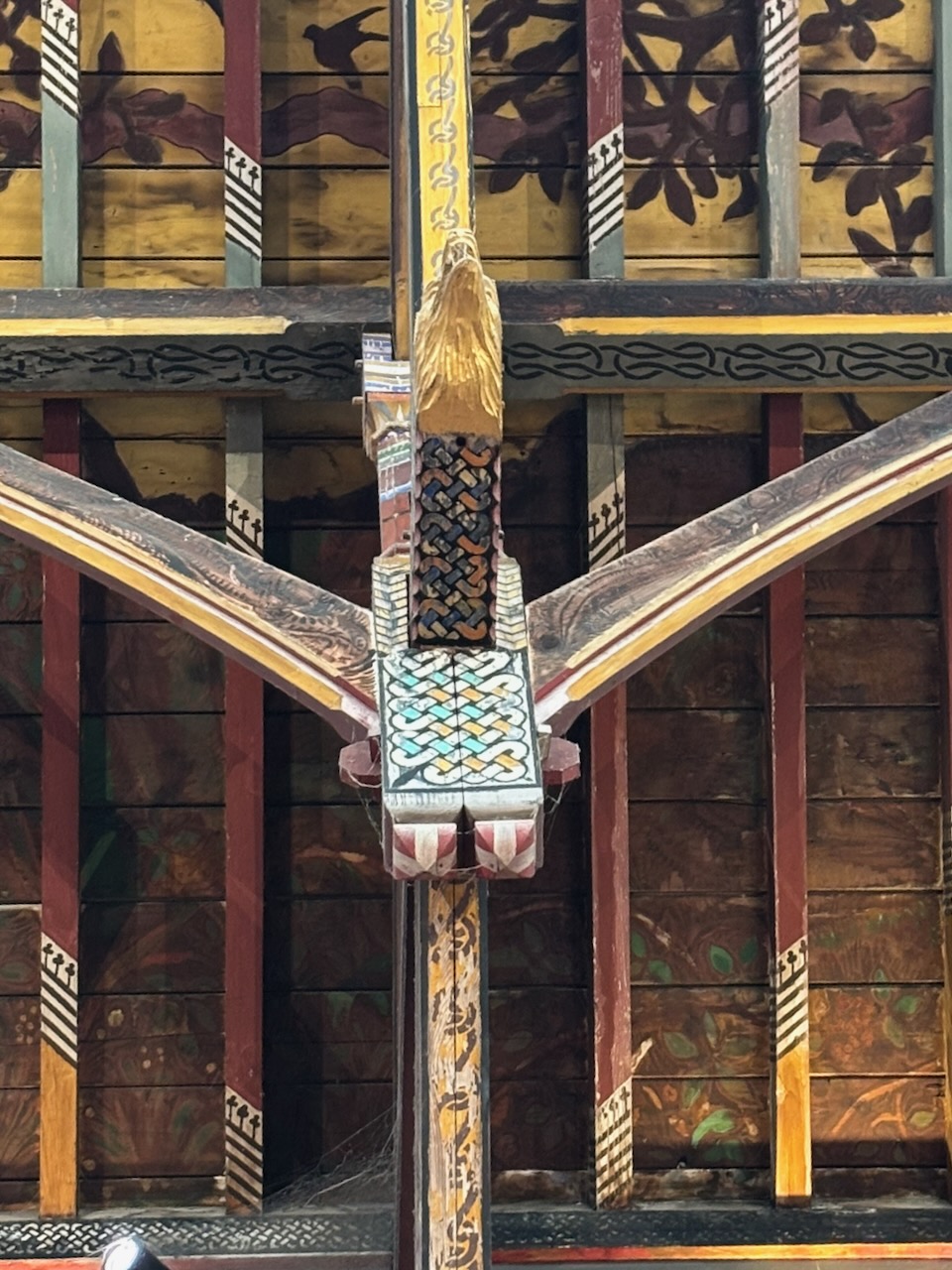
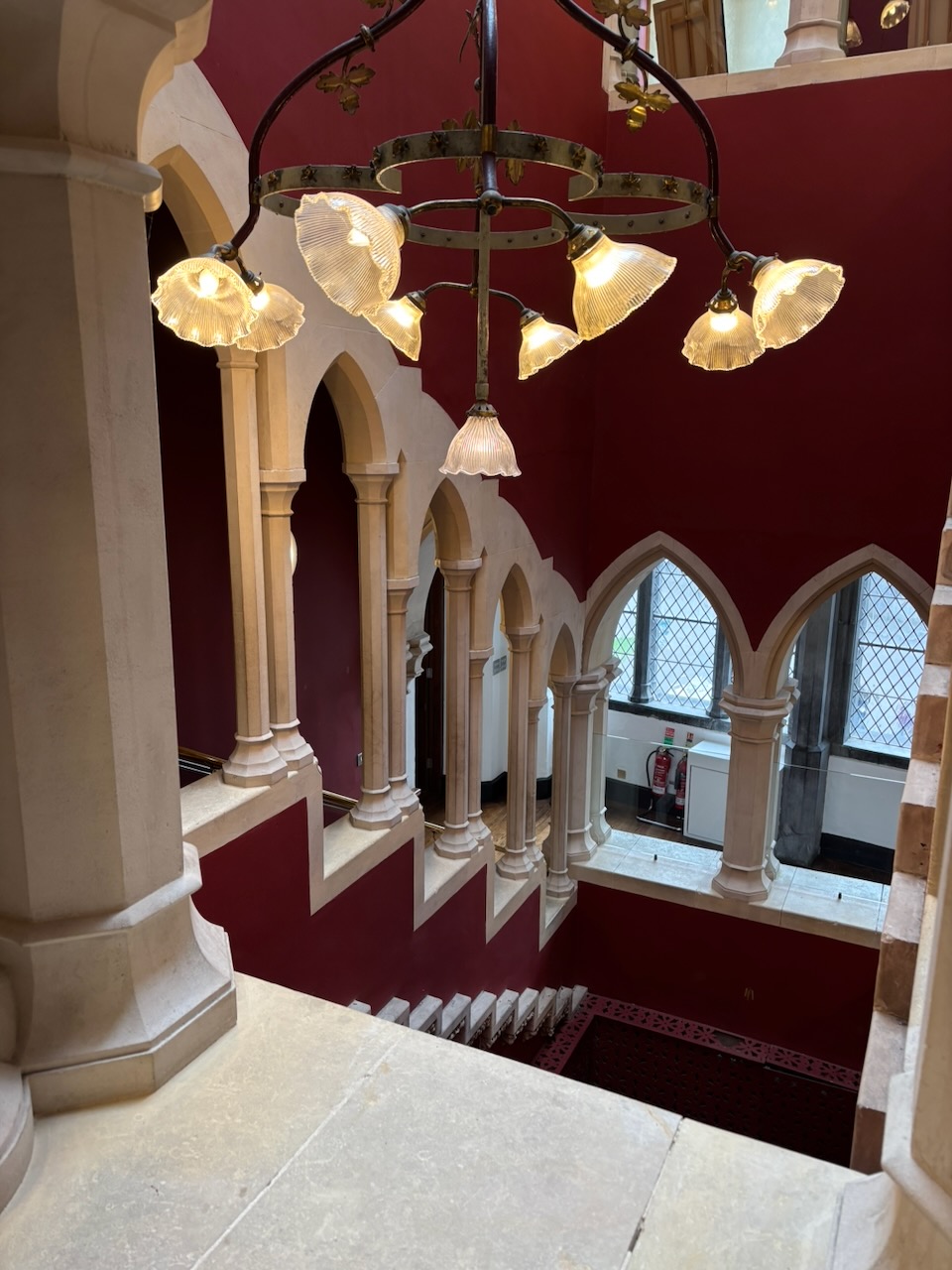
We wound through the castle, touring sitting rooms and the main dining hall, a library and any number of bedrooms upstairs before descending the Moorish Stairway to end our tour in the Picture Gallery, which features a French Gothic revival hammerbeam ceiling from the 1850s. Its rafters were hand-painted by a former clergyman turned artist, John Hungerford Pollen, with colorful pre-Raphaelite and quasi-medieval motifs. And, the walls are lined with portraits of the former owners, wealthy Butler family and their ghosts.
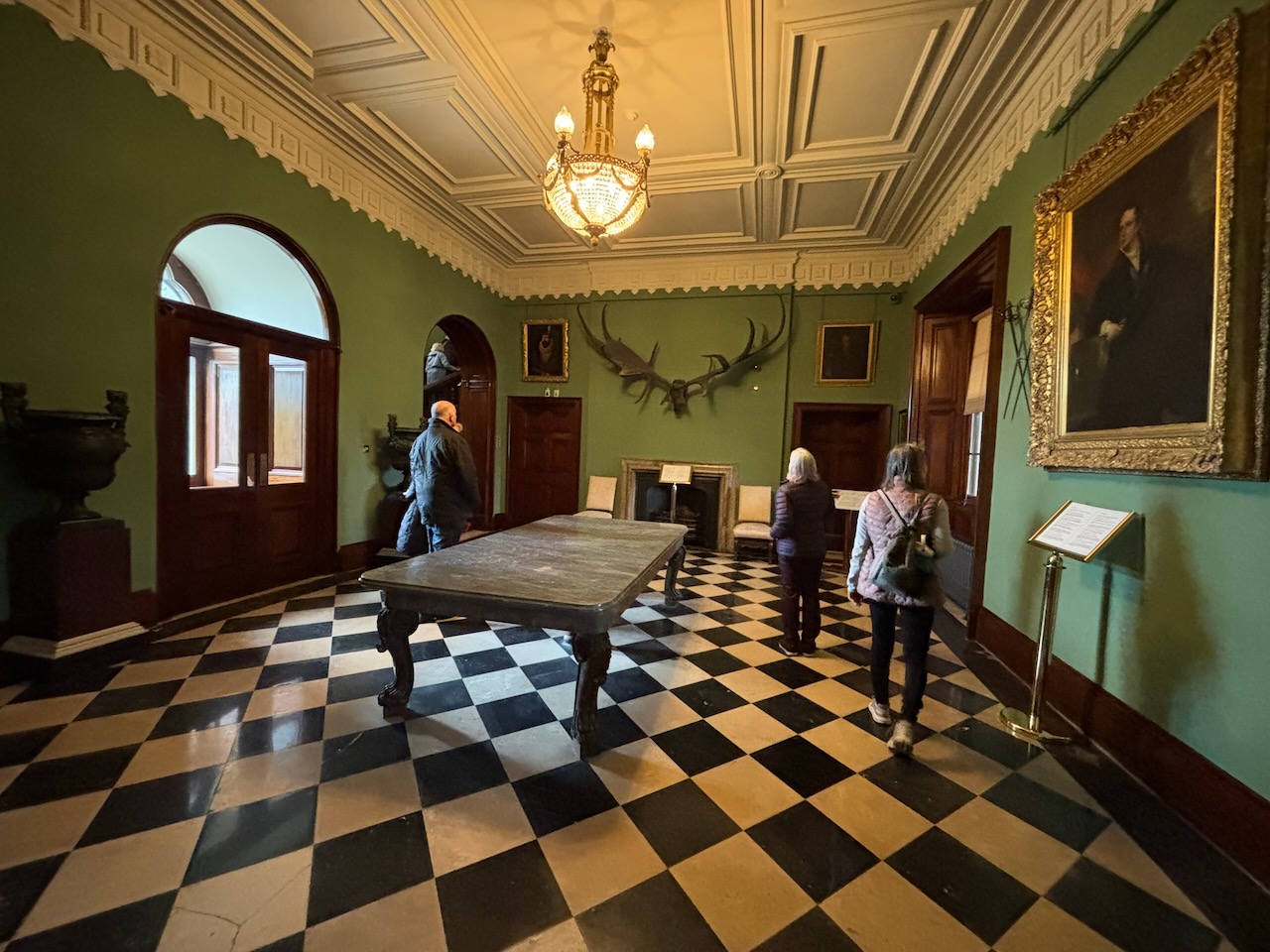
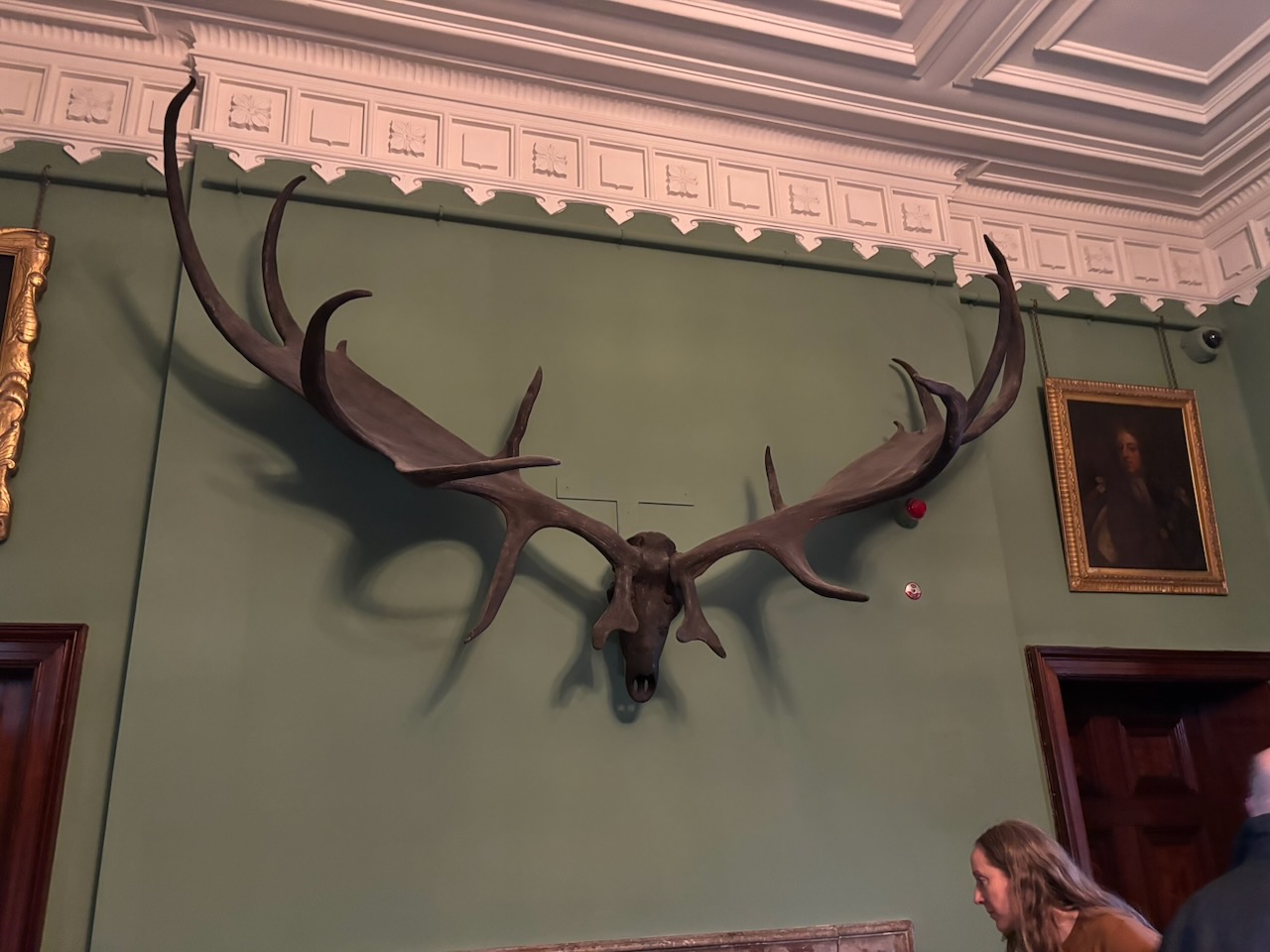
Finished with the tour, we walked across the street to look around at Kilkenny Design Center, full of Irish arts and crafts, with almost twenty outlets spread around the country. We would find this to be common, that is national chains (particularly Carrolls Irish Gifts) pedaling the same merchandise. It would be rarer to find unique local shops with much more local product. A little hungry by now, we stopped for a quick ham and cheese crepe from a stand outside the Castle garden and then started on the St. Steves tour of town.


We continued down the Parade (the street in front of the Castle) to High Street, the main road through old Kilkenny, lined with workaday shops, cafés, and pubs. While many of the storefronts look relatively modern, everything you see is grafted onto a medieval foundation of sturdy stone buildings that have lined this street at least since the 1400s. All along High Street, the narrow cross-streets on the left, going uphill to gates in the former town wall, are called “lanes,” while those on the right, stretching down to the river harbor, are “slips.” Horses would actually pull boats (on chains) up out of the water onto these narrow laneways.
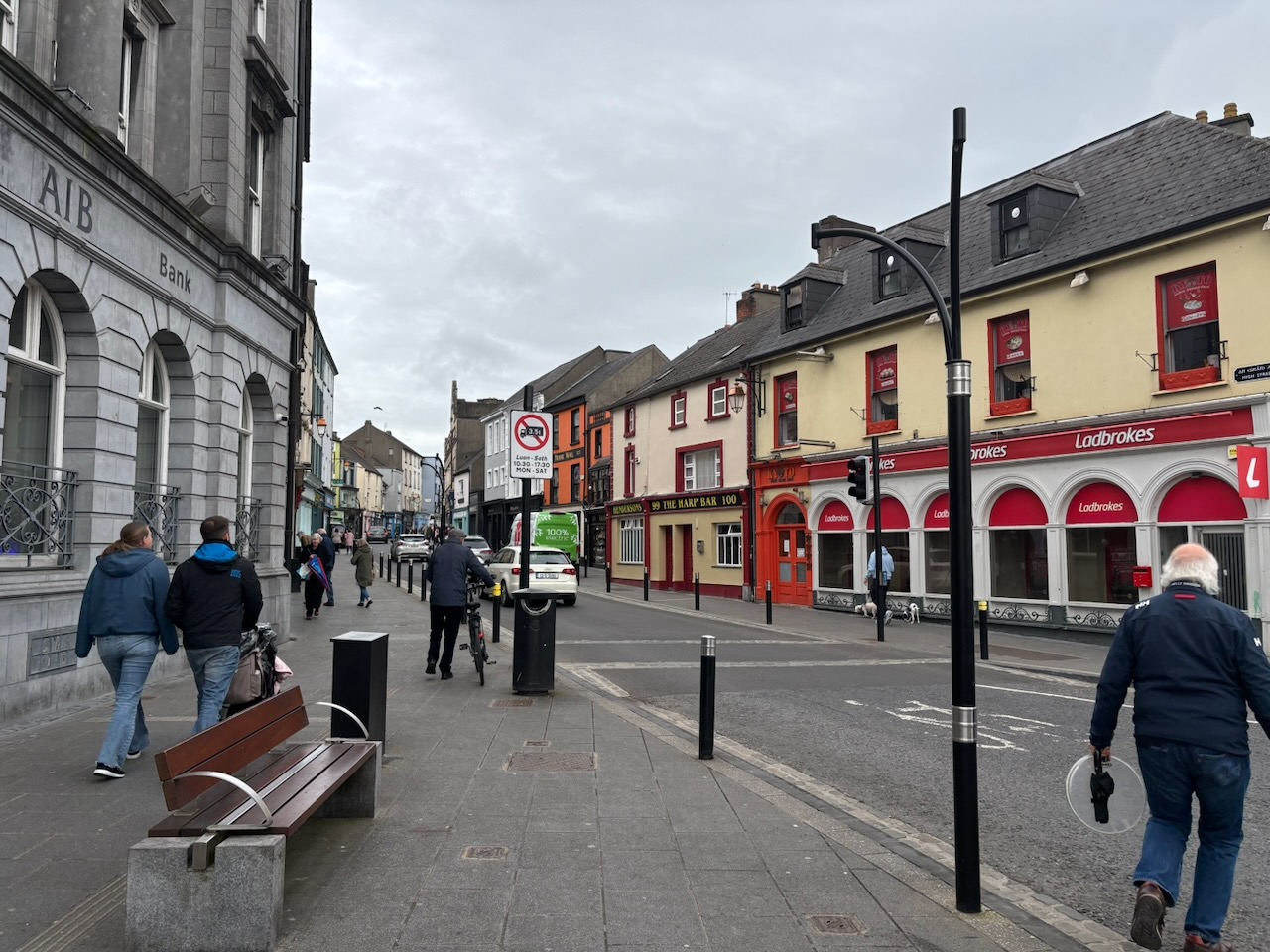
Passing Tholsel (Hall of Taxes) where, dating back to the 16th century, townspeople came to pay their taxes we turned right and proceeded down a narrow, covered lane marked Butter Slip. Designed to minimize sunlight, this passageway was the working street of butter makers—who preferred cooler temperatures. Nowadays atmospheric Butter Slip is filled with enticing shops and eateries, one of which, Butcher, we would have dinner at that night.
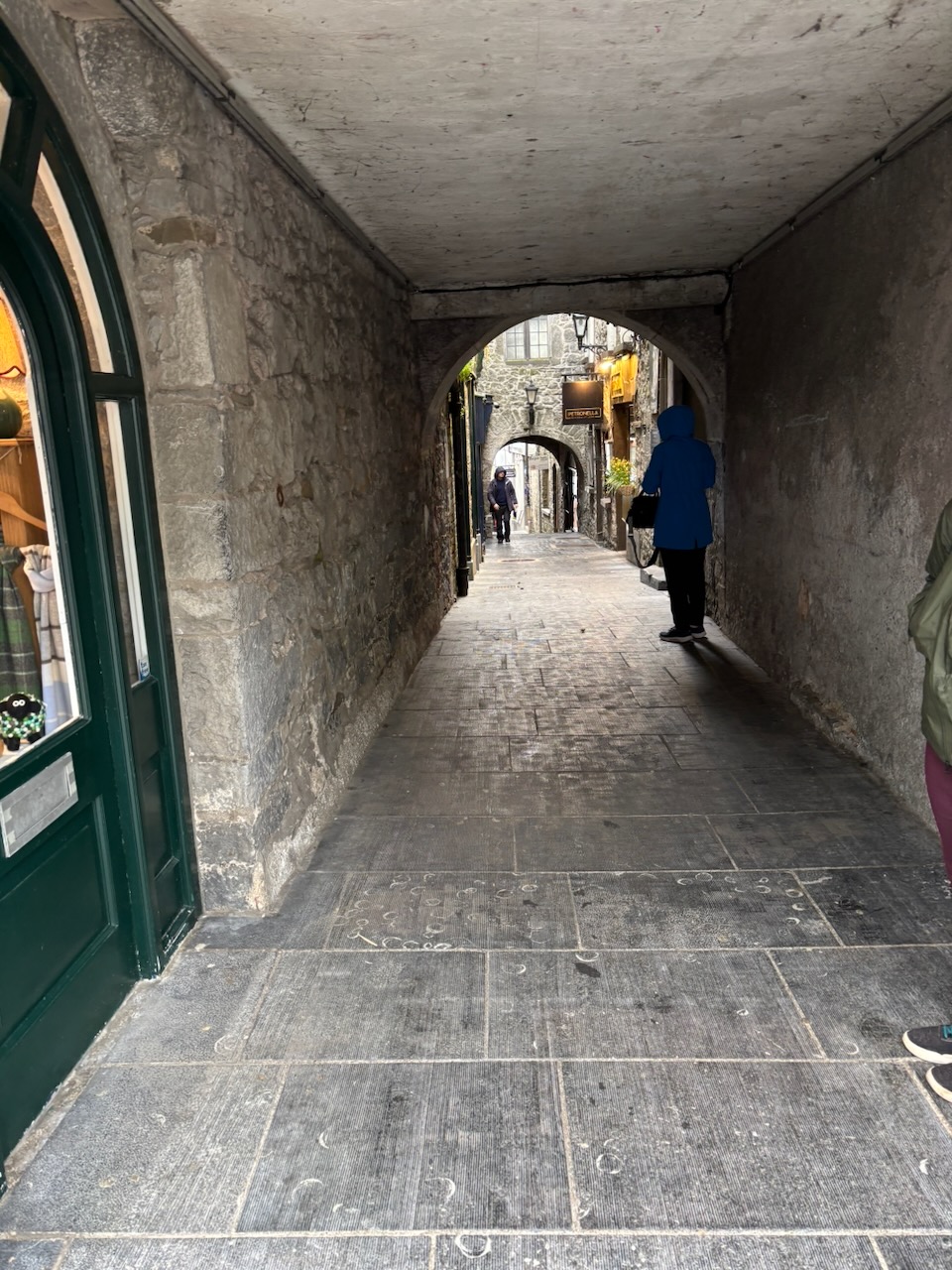
We came out on St. Kieran’s Street, likely built around the 1200s, just as Kilkenny was being established. This street was even closer to the river, and to this day, the businesses along here are funkier, a little cruder, and more characteristic than the ones up above on High Street. Offsetting this is a brand-new outlet of Dunnes Stores, an Irish multinational retail chain that primarily sells food, clothes and household wares, founded by Ben Dunne in 1944 and headquartered in London. Also, there was some street repair work occurring which subtracted a bit from the charm of the road, but not by much. We’ll continue our walking tour and more in the next post.

Links
Lana: https://lanathai.ie/
Kilkenny Castle: https://www.kilkennycastle.ie/
Dunnes Stores: https://www.dunnesstores.com/?srsltid=AfmBOoq3hcv68MBhzz24Brwv_7ocmPWD-IZOeTVlKx_8VsLsgIWezFqT
Discover more from 3jmann
Subscribe to get the latest posts sent to your email.


