April 19-20
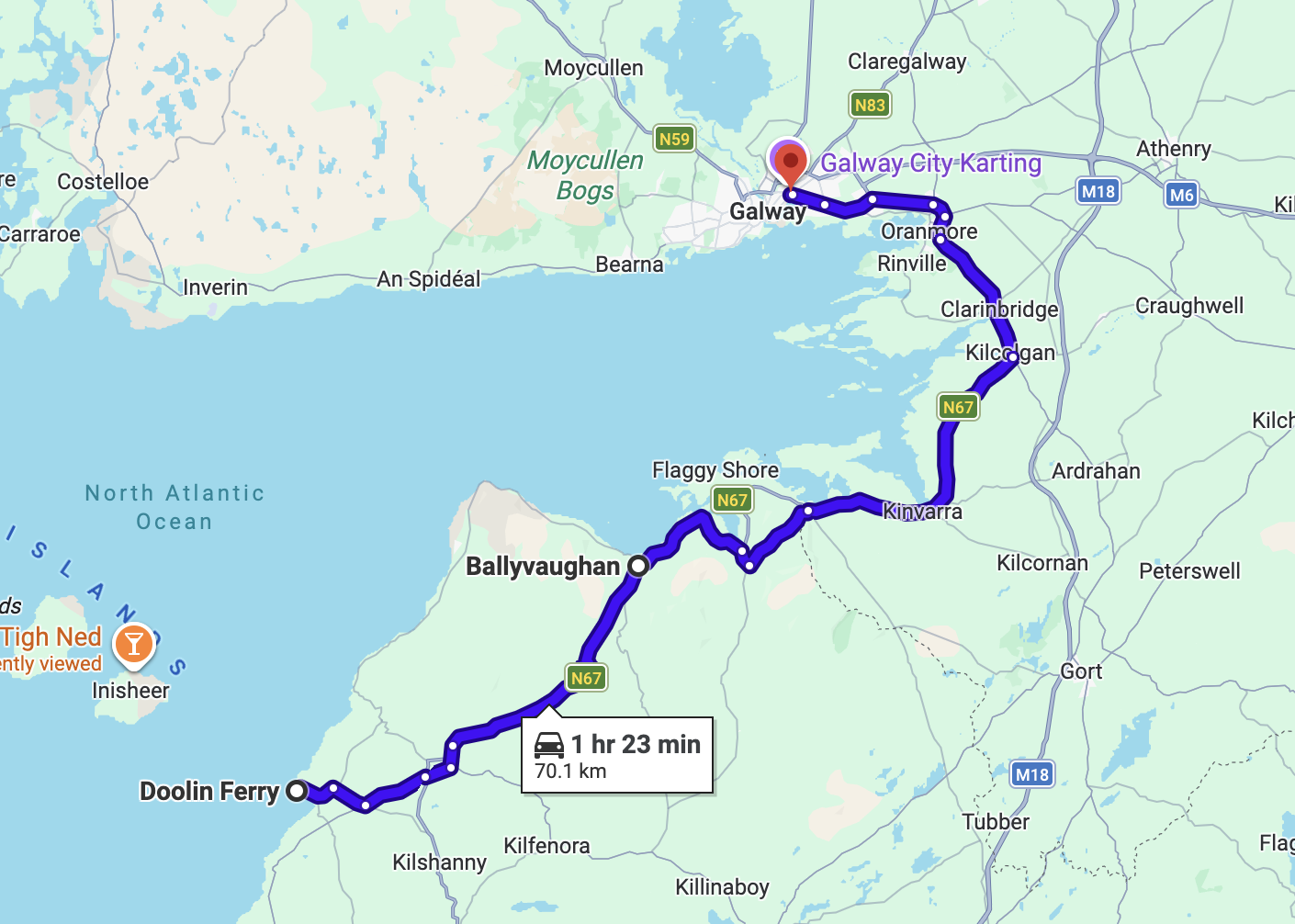
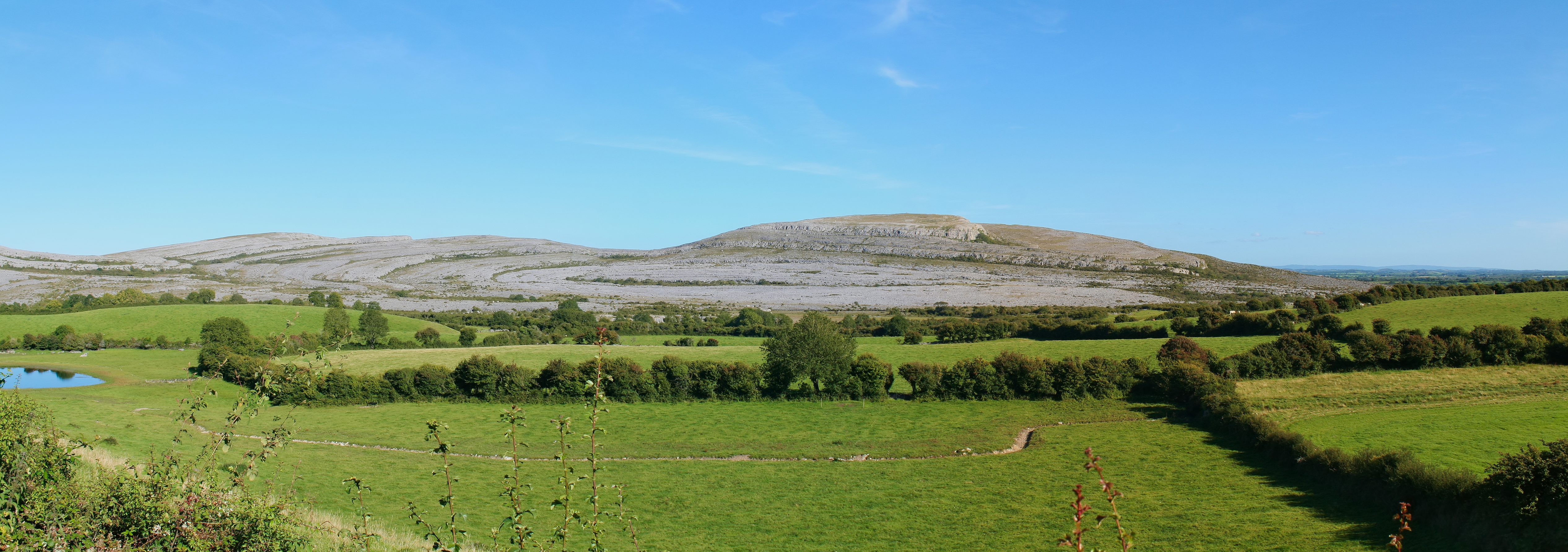
After leaving the ferry, we got into the car and took off for Galway, a drive through the Burren that should only have taken about 90 minutes but due to a couple of missed turns, became more of an adventure that we’d planned for. Motivated by its description in our St. Steves guidebook, this area, literally the “rocky place,” is a 140-square-mile limestone plateau, is so barren that a disappointed Cromwellian surveyor of the 1650s described it as “a savage land, yielding neither water enough to drown a man, nor a tree to hang him, nor soil enough to bury him.” But he wasn’t much of a botanist, because the Burren is in fact a unique ecosystem, with flora that has managed to adapt since the last Ice Age, 10,000 years ago.
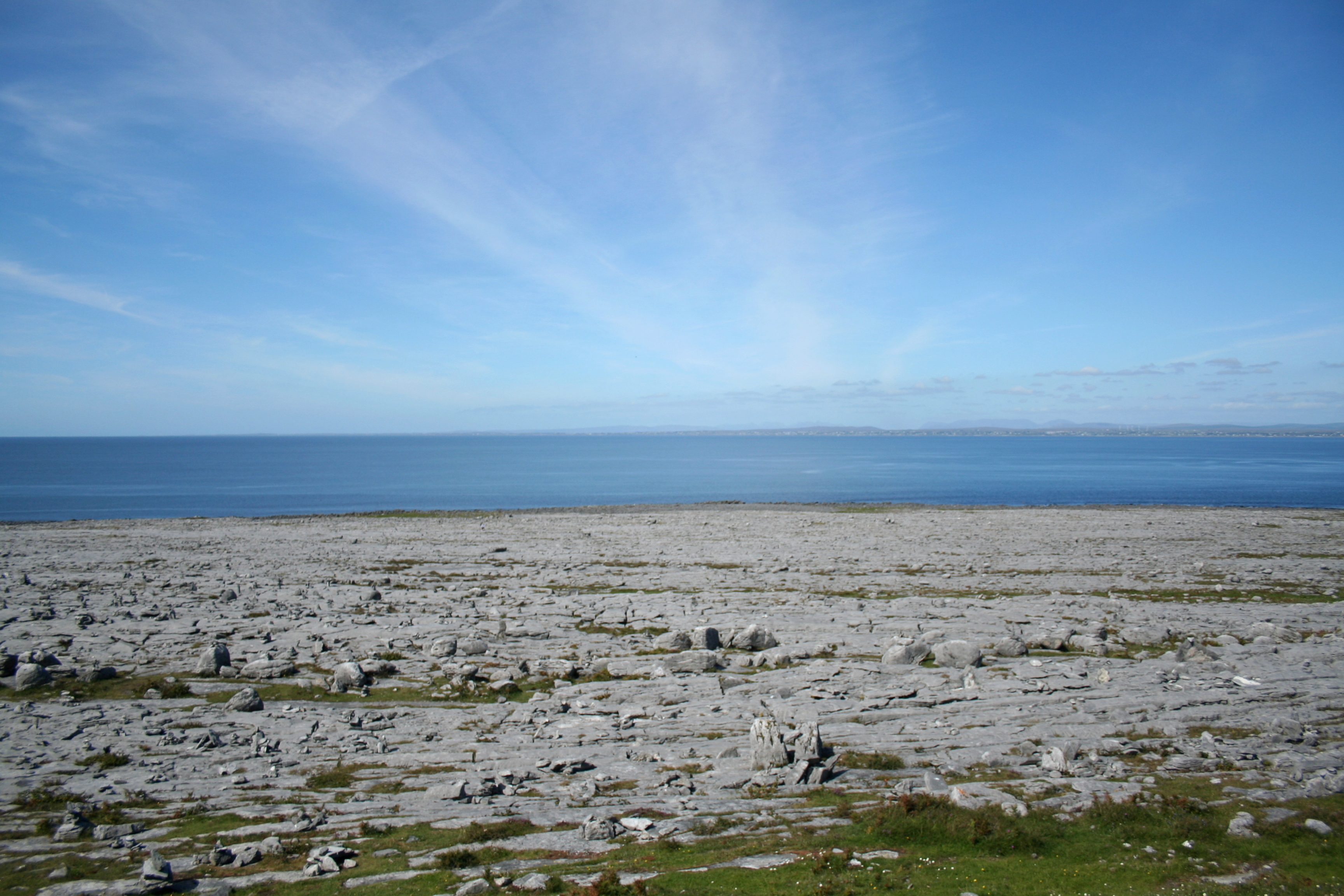
This limestone land is littered with hundreds of historic stone structures, including dozens of Iron Age stone forts. When the first human inhabitants of the Burren arrived some 6,000 years ago, they cut down its trees with shortsighted slash-and-burn methods, which accelerated erosion of the topsoil (already scoured to a thin layer by glaciers)—making those ancient people partially responsible for the stark landscape we see today.
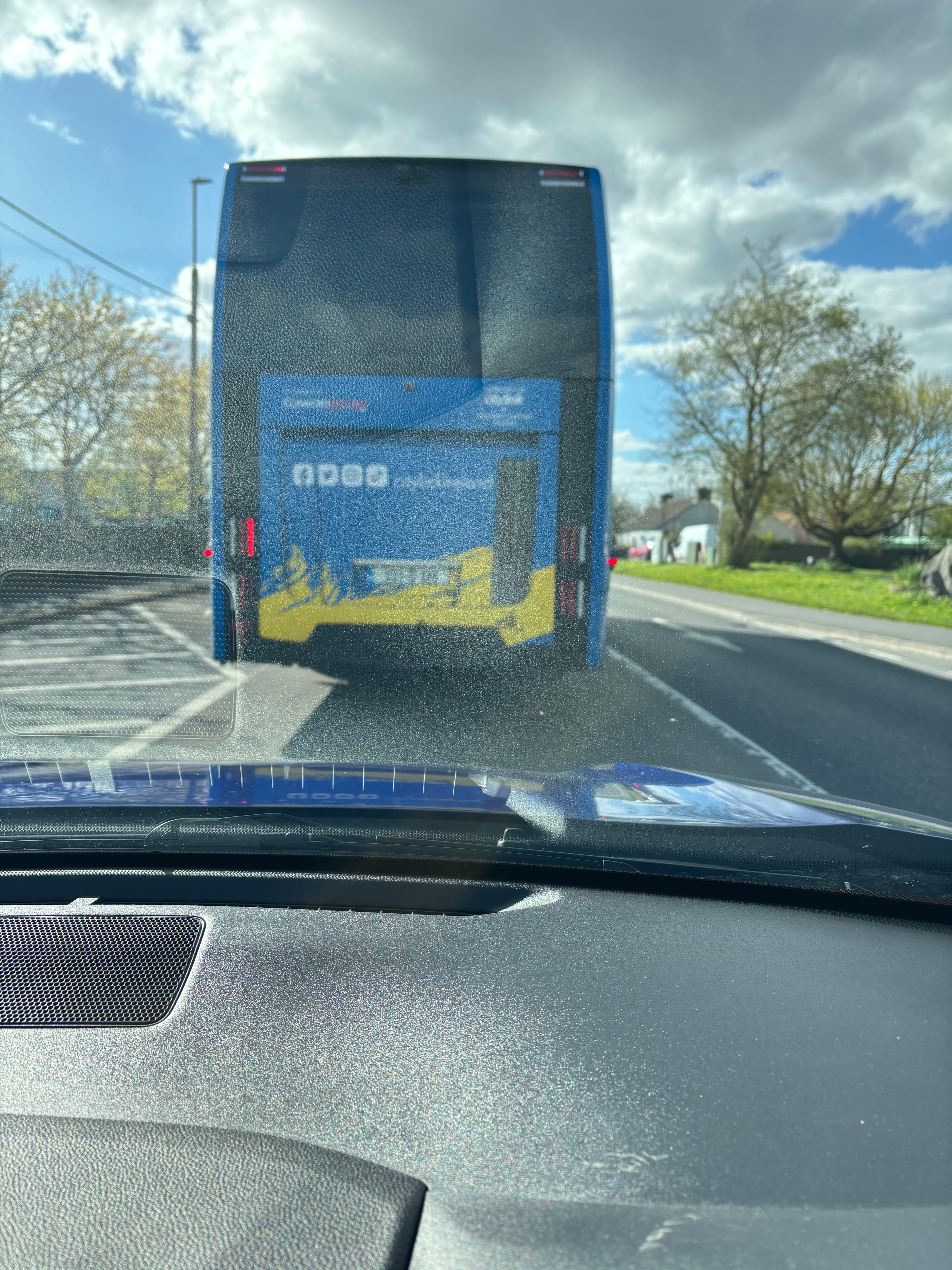
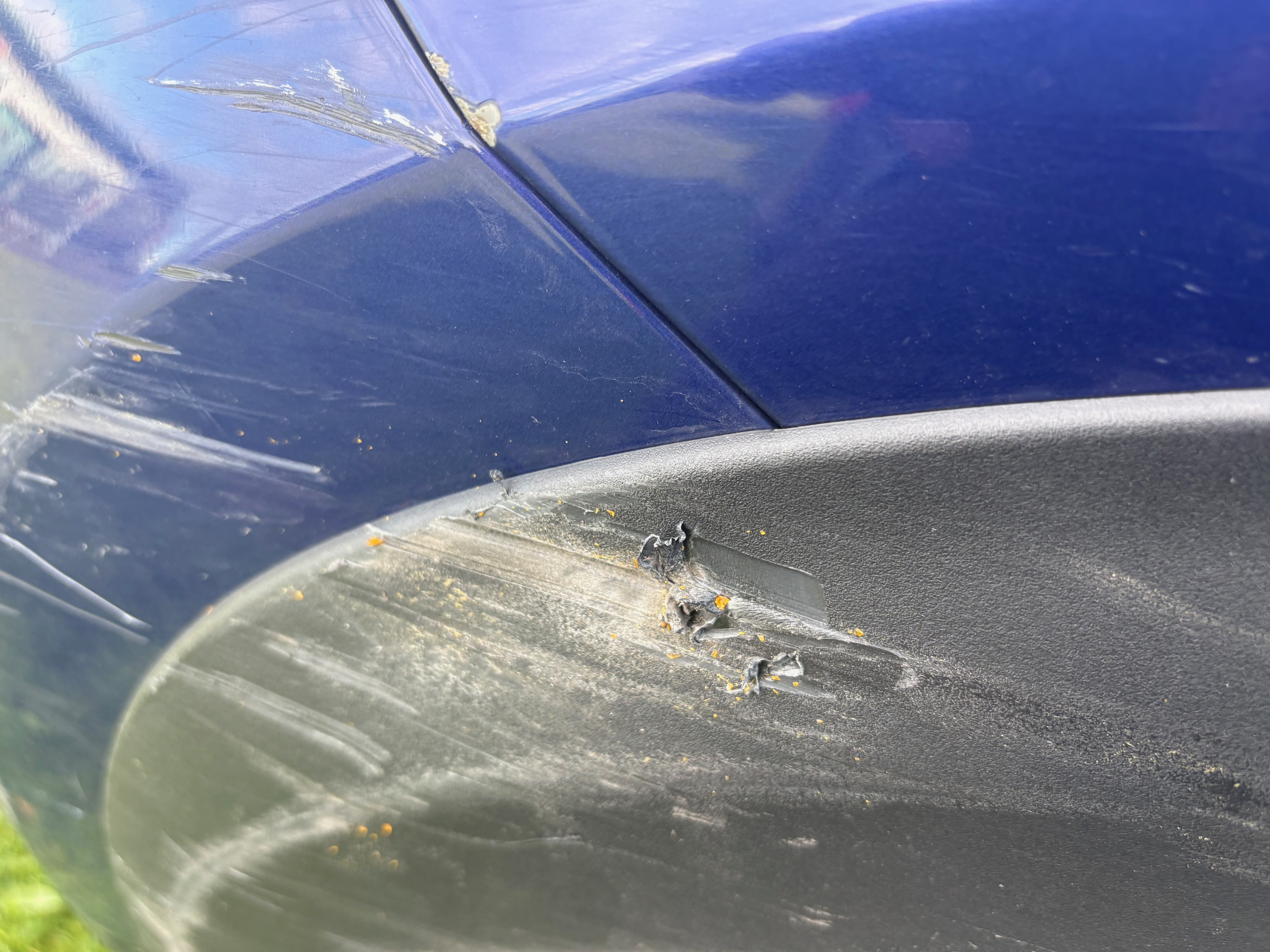
Relying on our GPS routing, we unfortunately blew by a critical turn and with shoddy cell phone reception short circuiting our ability to re-route, we blundered about the countryside until a reliable connection put us back on a correct path, although the time we lost meant we couldn’t stop at any of the sites mentioned in the guidebook. To further add to a trying day as we pulled into Galway and were just a few blocks away from our hotel, an inter-city bus, without signaling, merged into our lane and clipped the left front fender of the car. We followed them for a bit and eventually gave up thinking it might pull over, likely not realizing that they had dinged our car. So, as it turned out, being forced to buy the Hertz insurance meant we didn’t have to worry about the ding at all as it was fully covered.
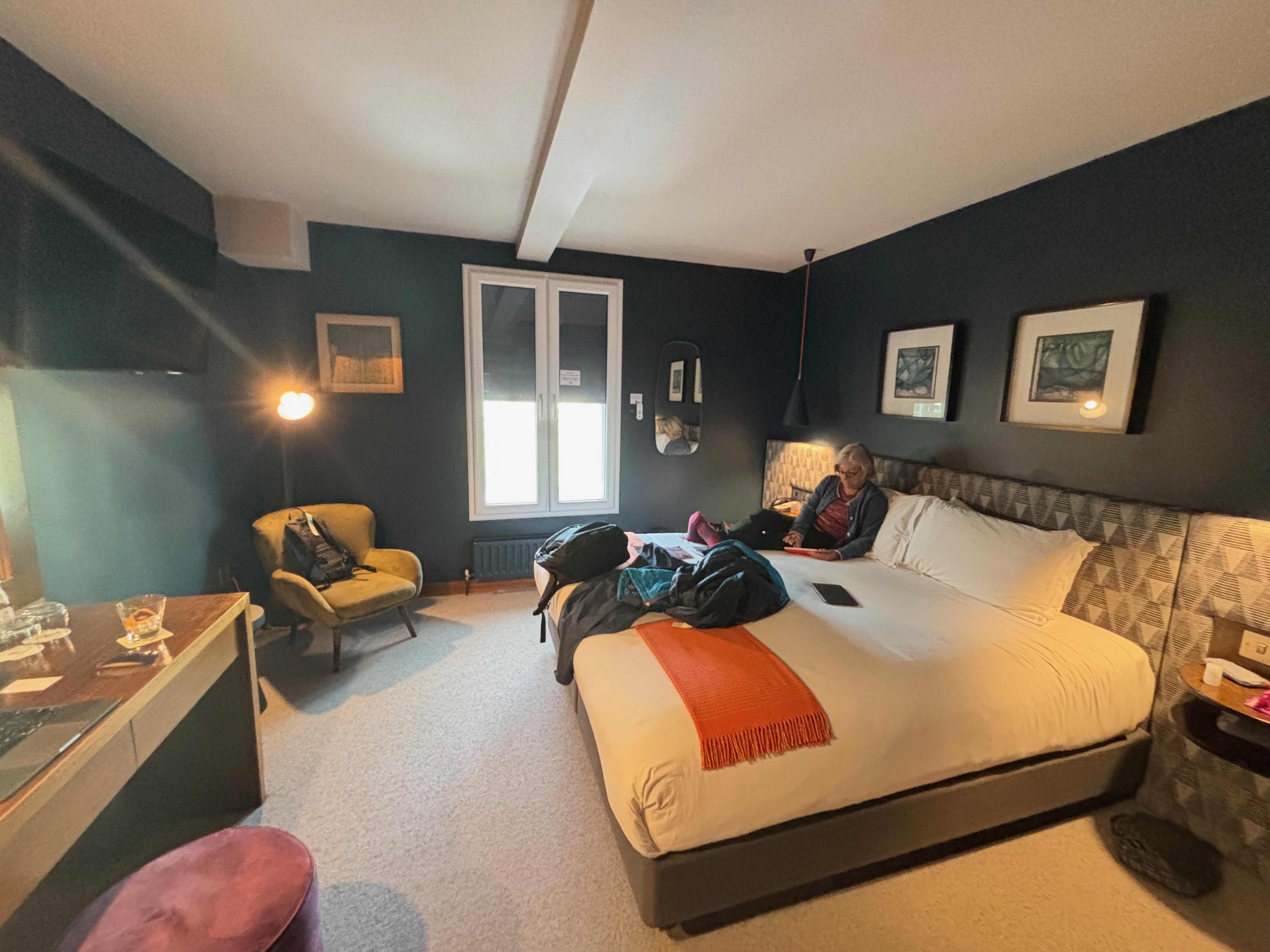
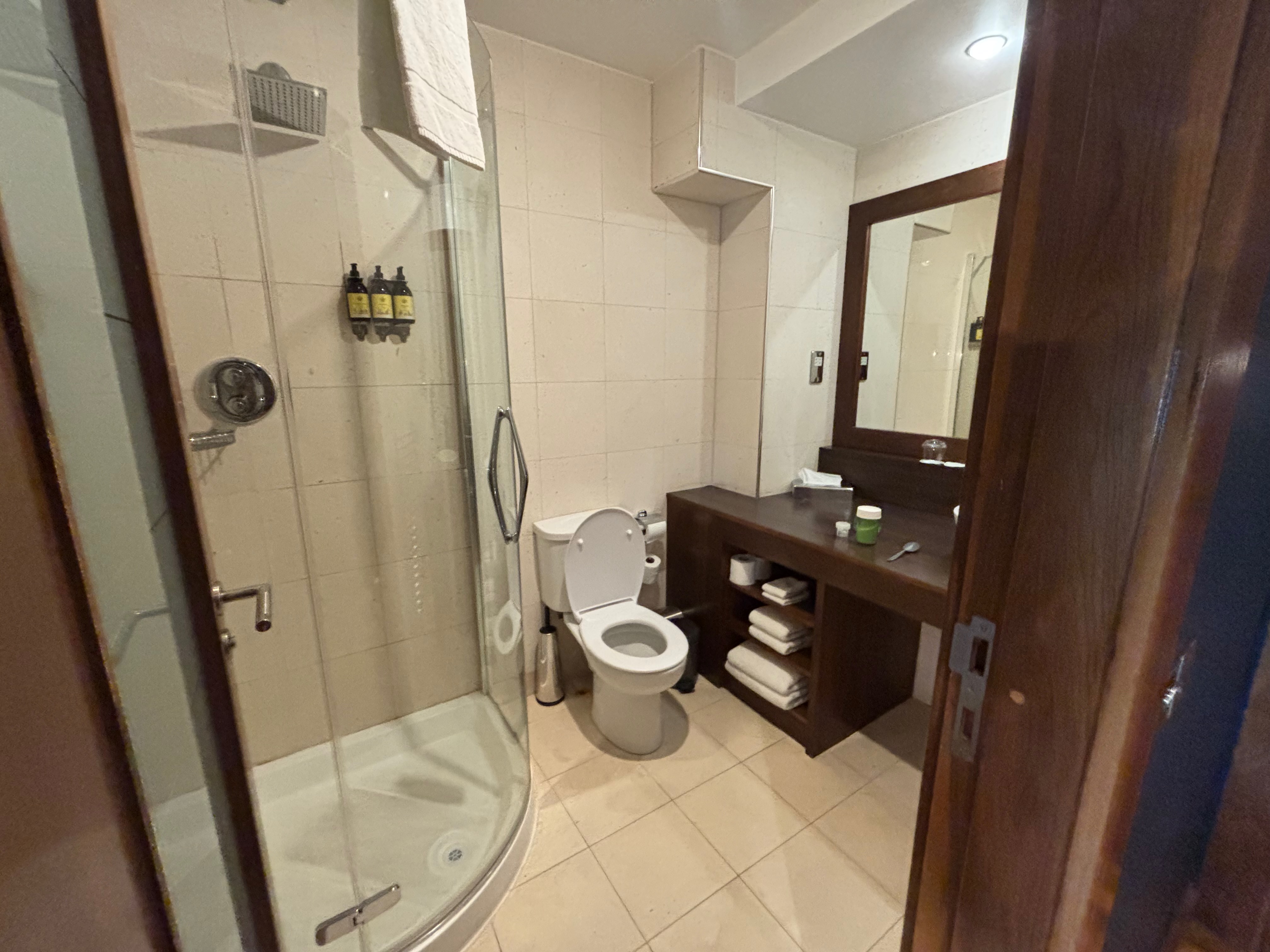
Not too shaken by the incident, we found parking in the lot of The Huntsman Inn, where our two-night stay would run us 260 Euros ($307), another nice choice of lodging. From our first interaction with the desk clerk to all of staff, it was a comfortable place to spend time. As Joanna settled in, I went downstairs to the large and crowded restaurant and bar to get us both a drink, a gin and tonic for her and a Carlberg Lager for me. Later, we would head back down for dinner and as it was a Sunday were advised that no tables were available (the restaurant was busy the whole time we were there) but we could eat at the bar.
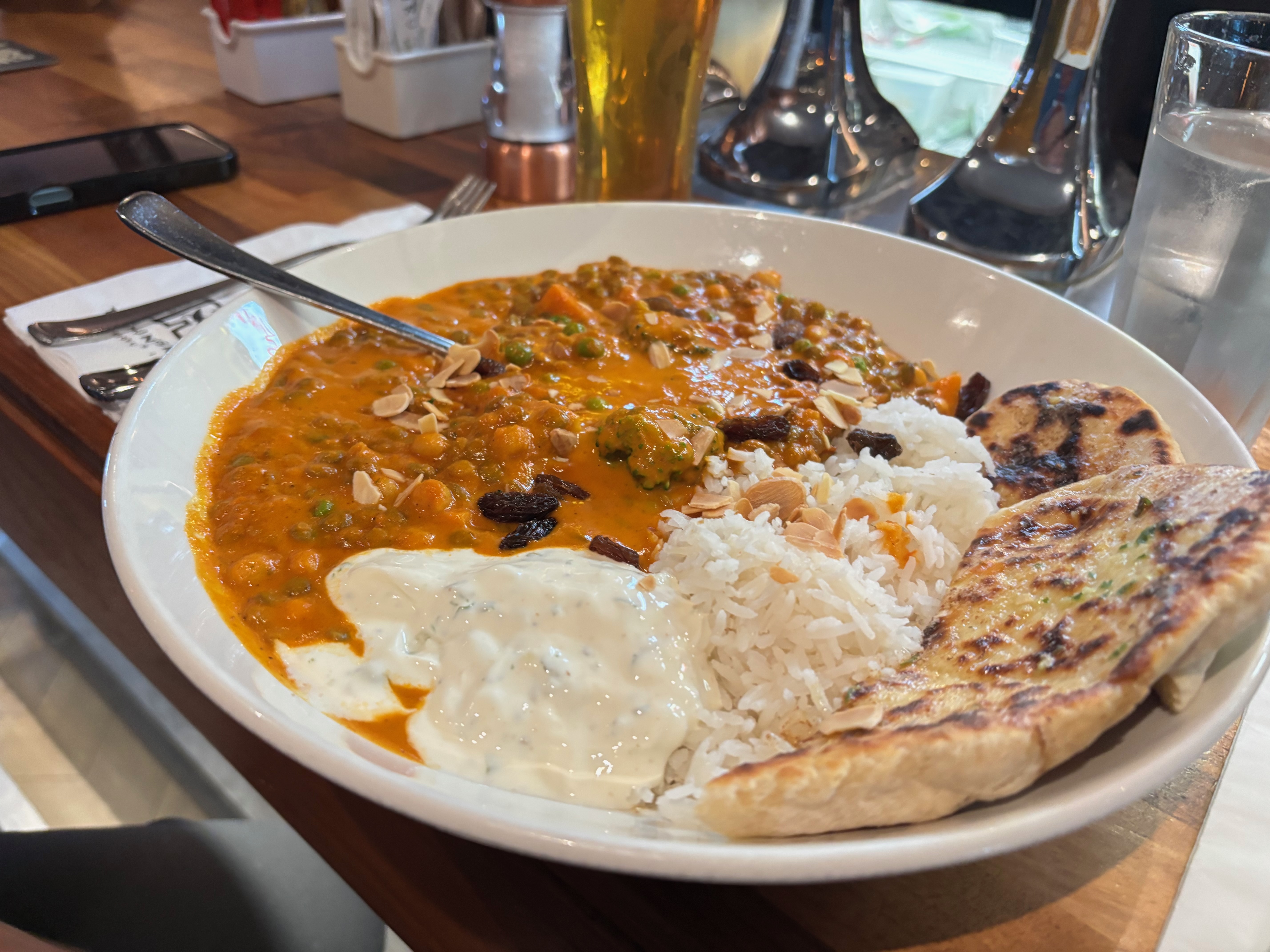
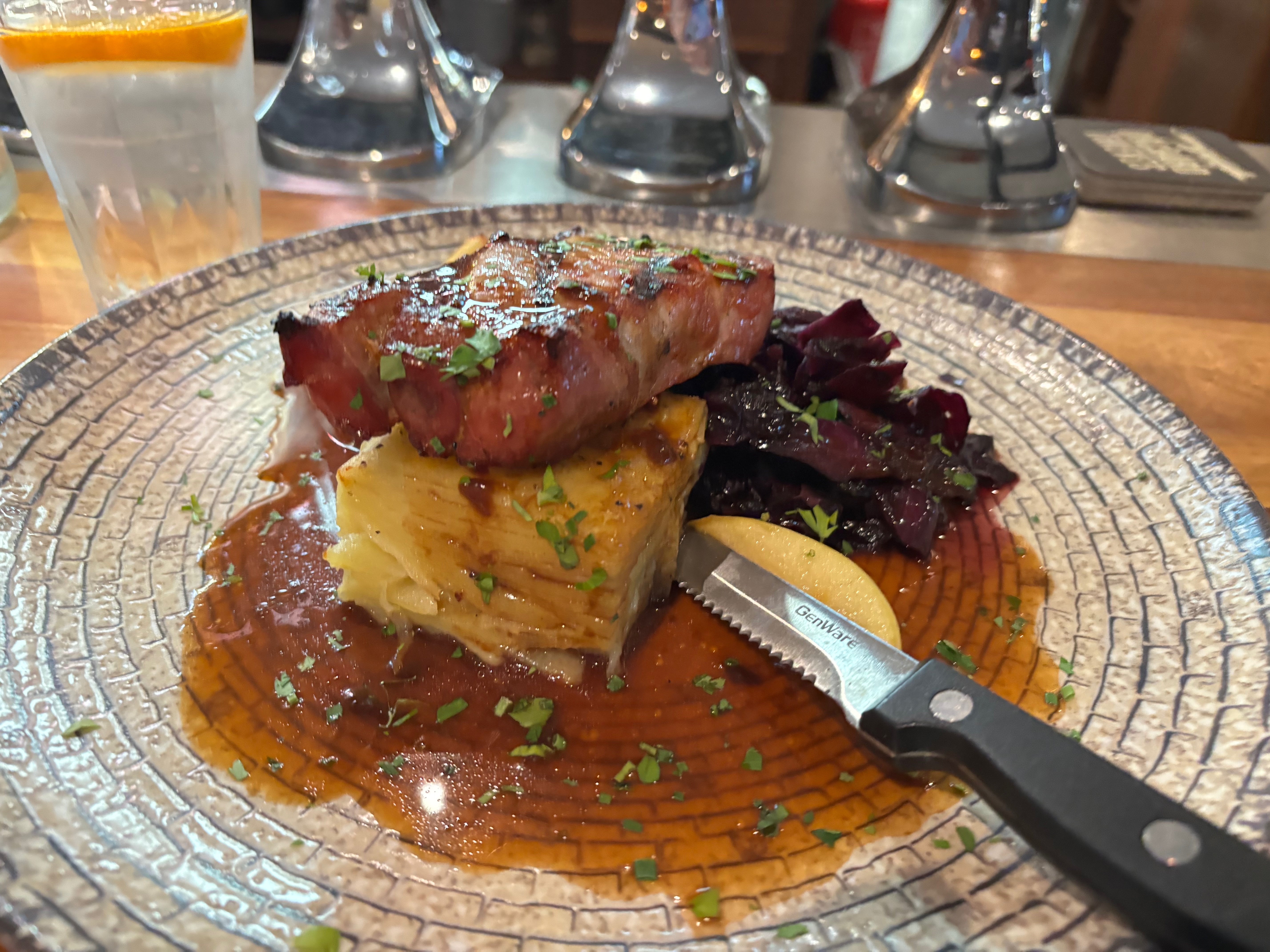
We would get served by the same charming female bartender who had I ordered our earlier drinks from, and we continued with a Hooker Pale Ale for Joanna and a Contrada del Falco Italian red for me. These would pair well with the Lentil Curry (Puy lentil, sweet potato, chickpeas, basmati rice, almond and sultana, with cucumber raita, peas and fresh naan) Joanna ordered and the luscious Grilled Pork Chop with confit red cabbage, apples, gratin potatoes, and cider jus for me. We paid our tab of 67.43 Euros ($79.75) including tip and turned in early, sleeping well after a long but good day.
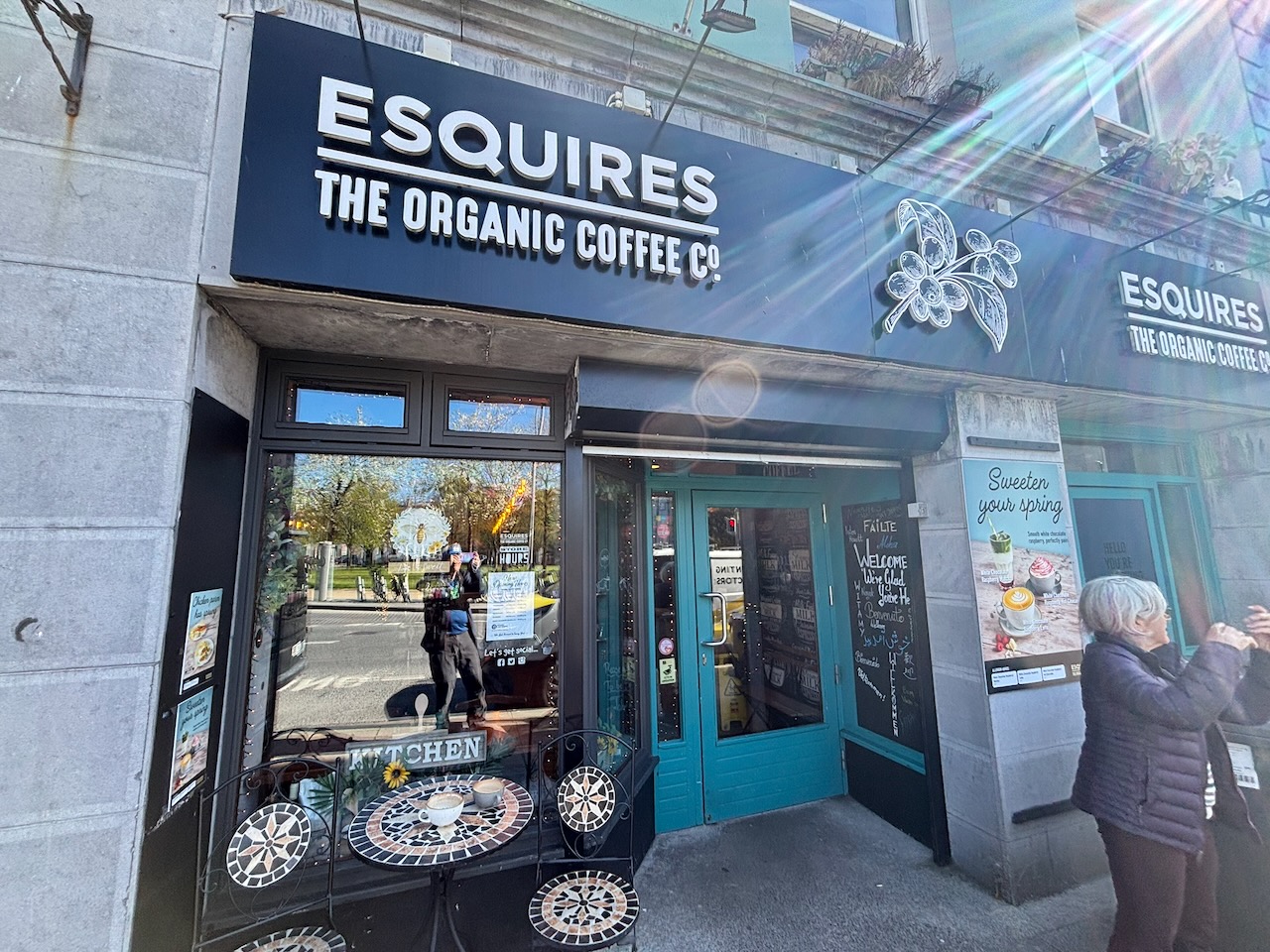
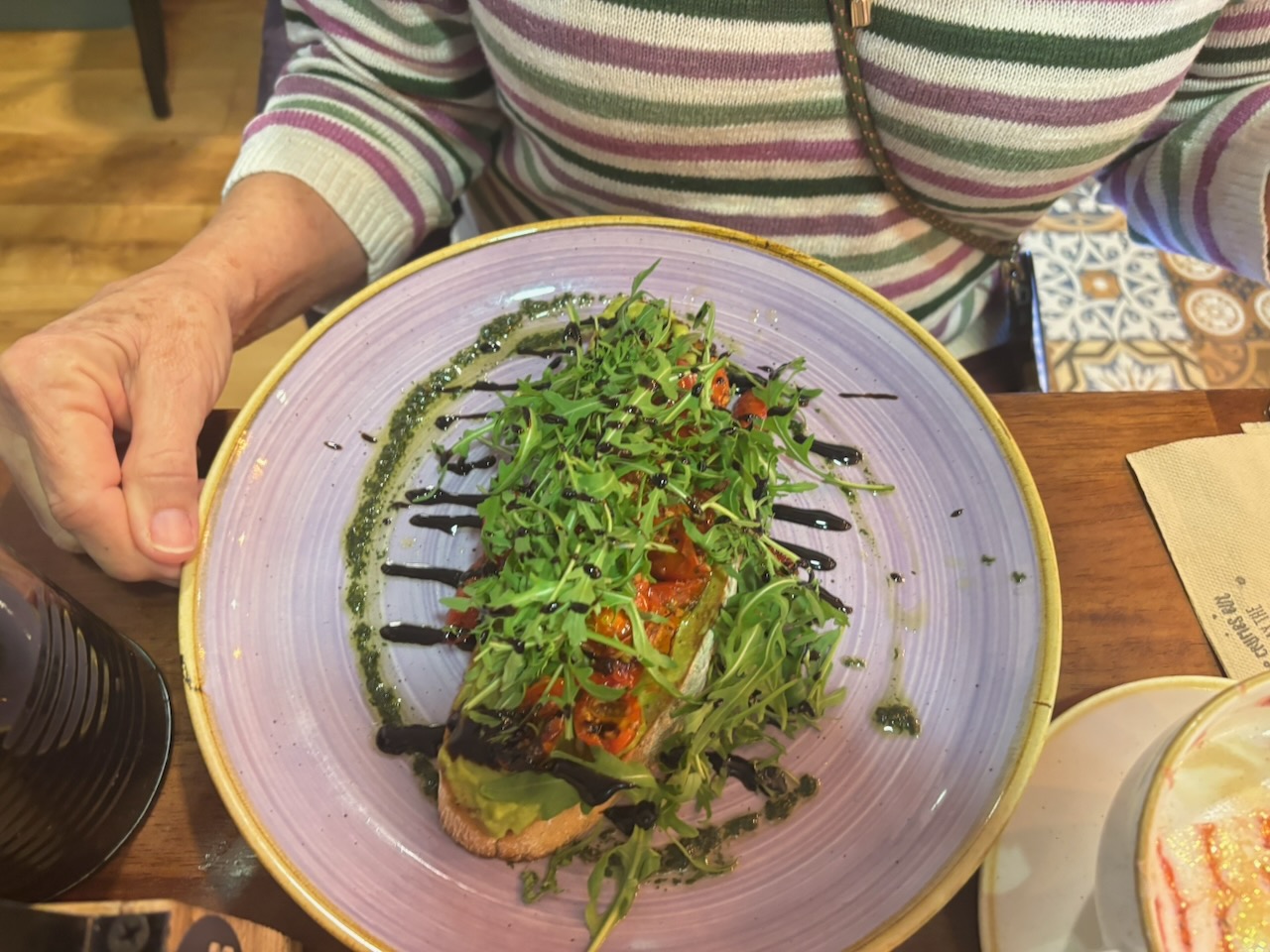
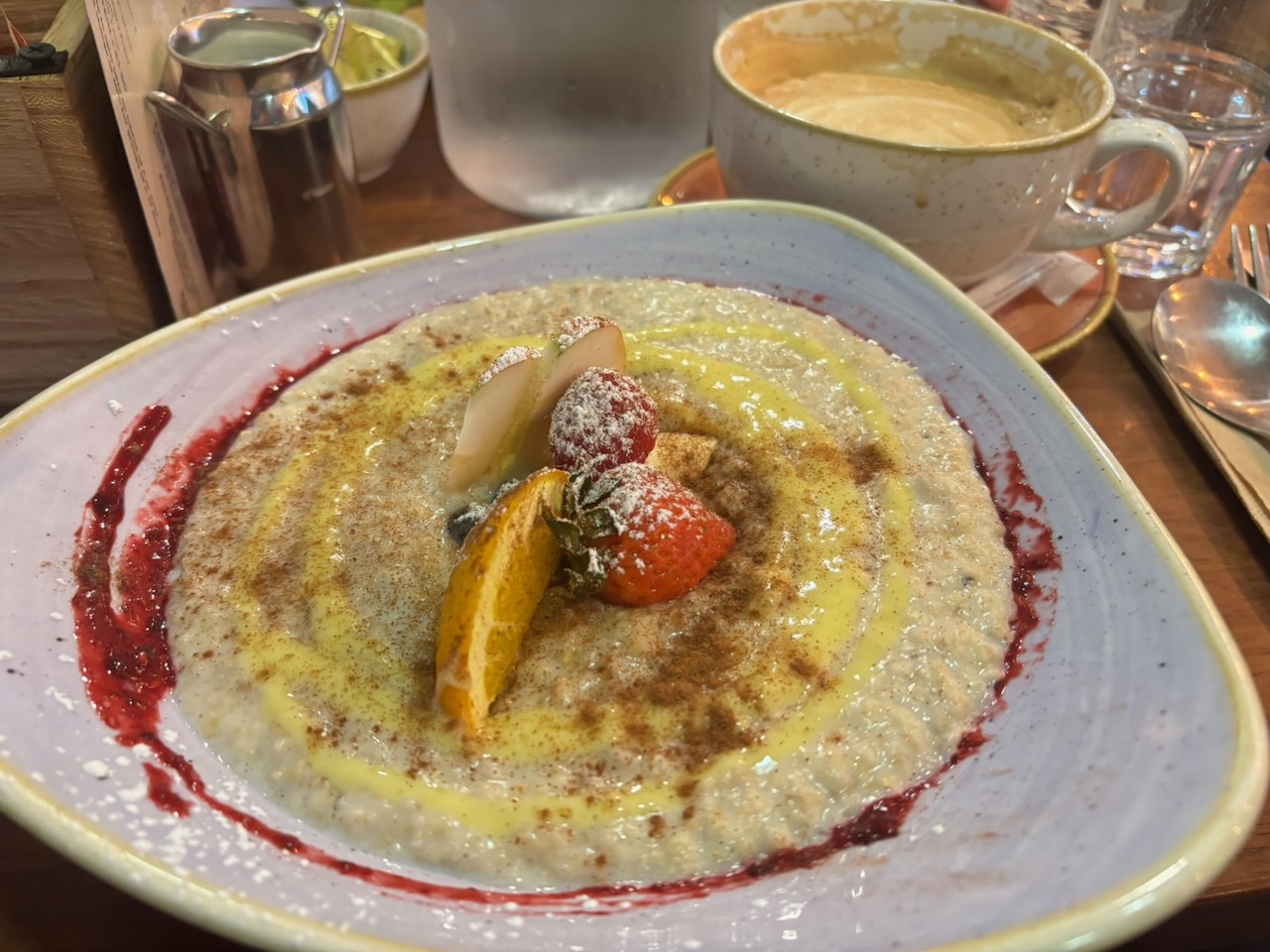
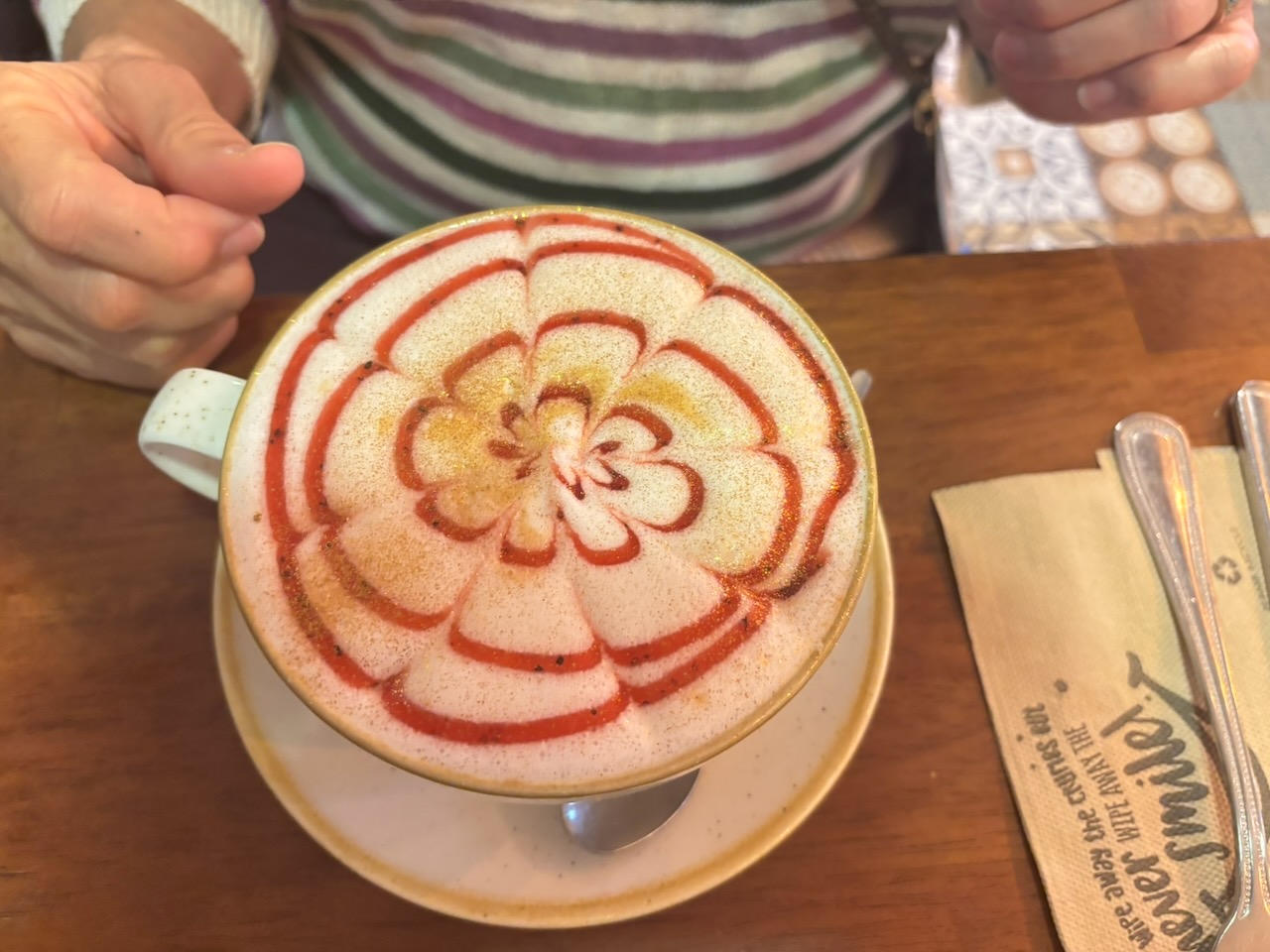
With one day on tap in Galway, we opted for a slower pace and not do much more than a St. Steves walking tour. As we were a little farther from its start than I felt comfortable walking, we hopped on a local bus for 1.90 Euros apiece and rode it Eyre Square, where we noted a modern looking café, Esquires, across the street and headed there as we’d not had breakfast at the hotel. An Ireland based chain with multiple locations, they had an interesting menu and we plunged in, ordering a very good avocado toast and White Chocolate Raspberry Latte for Joanna and a nicely adorned porridge and regular latte for me. Filling enough to last us the day and not dent our pocketbook too much at 33.25 Euros ($39.40).
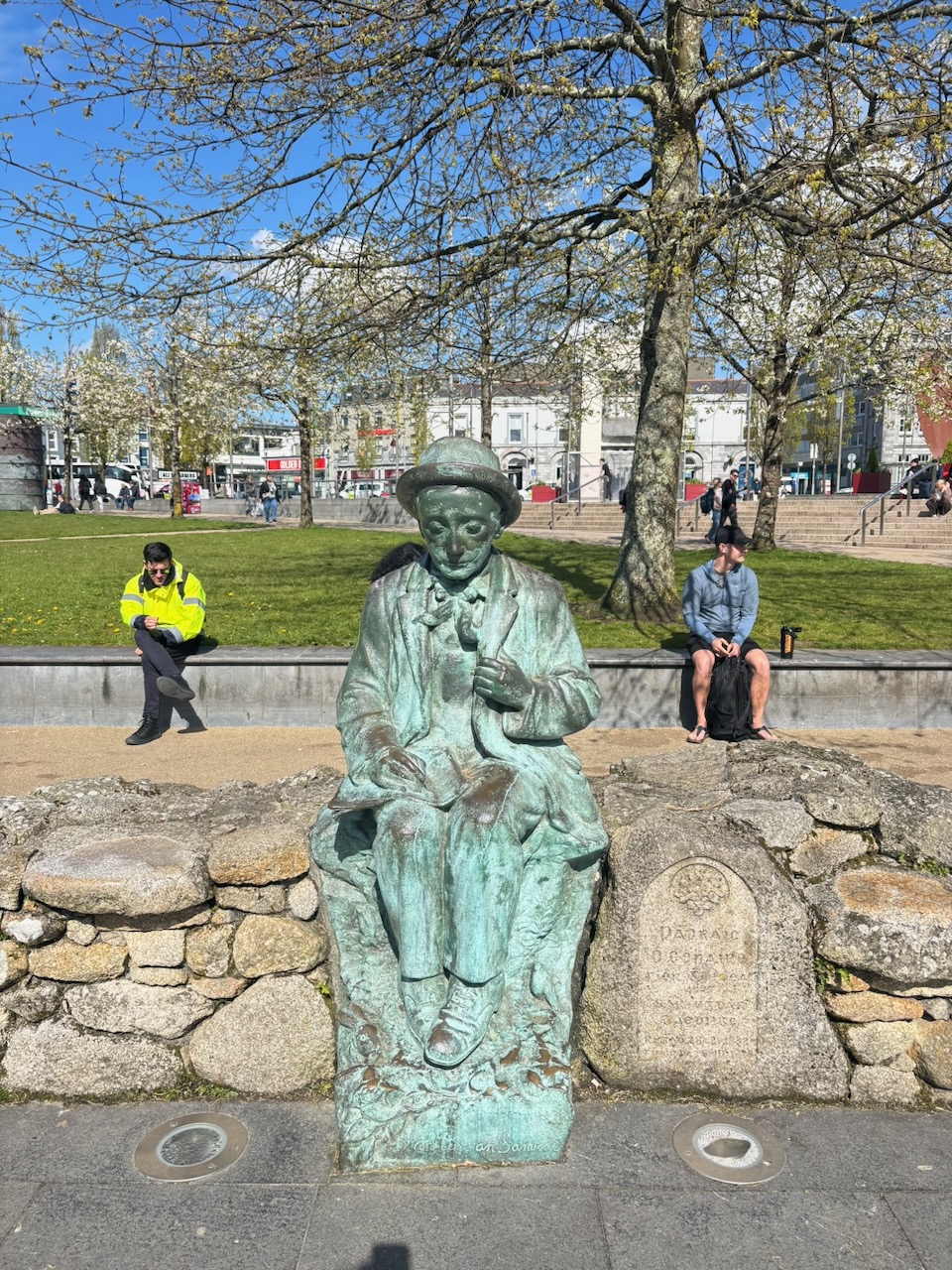
Finished, we crossed the street to Eyre Square, named for the mayor who gave the land to the city in 1710 and, in the Middle Ages, it was a field right outside the town wall. We walked through a nicely landscaped little garden area, called John F. Kennedy Park, established in memory of the Irish American president’s 1963 speech here a few months before he was assassinated. We stopped to view the statue of author Pádraic Ó Conaire (1882-1928), seated and taking notes on his lap. At a time when the long-suppressed Irish language was asserting its worthiness, Ó Conaire made it a point to write stories in Gaelic.
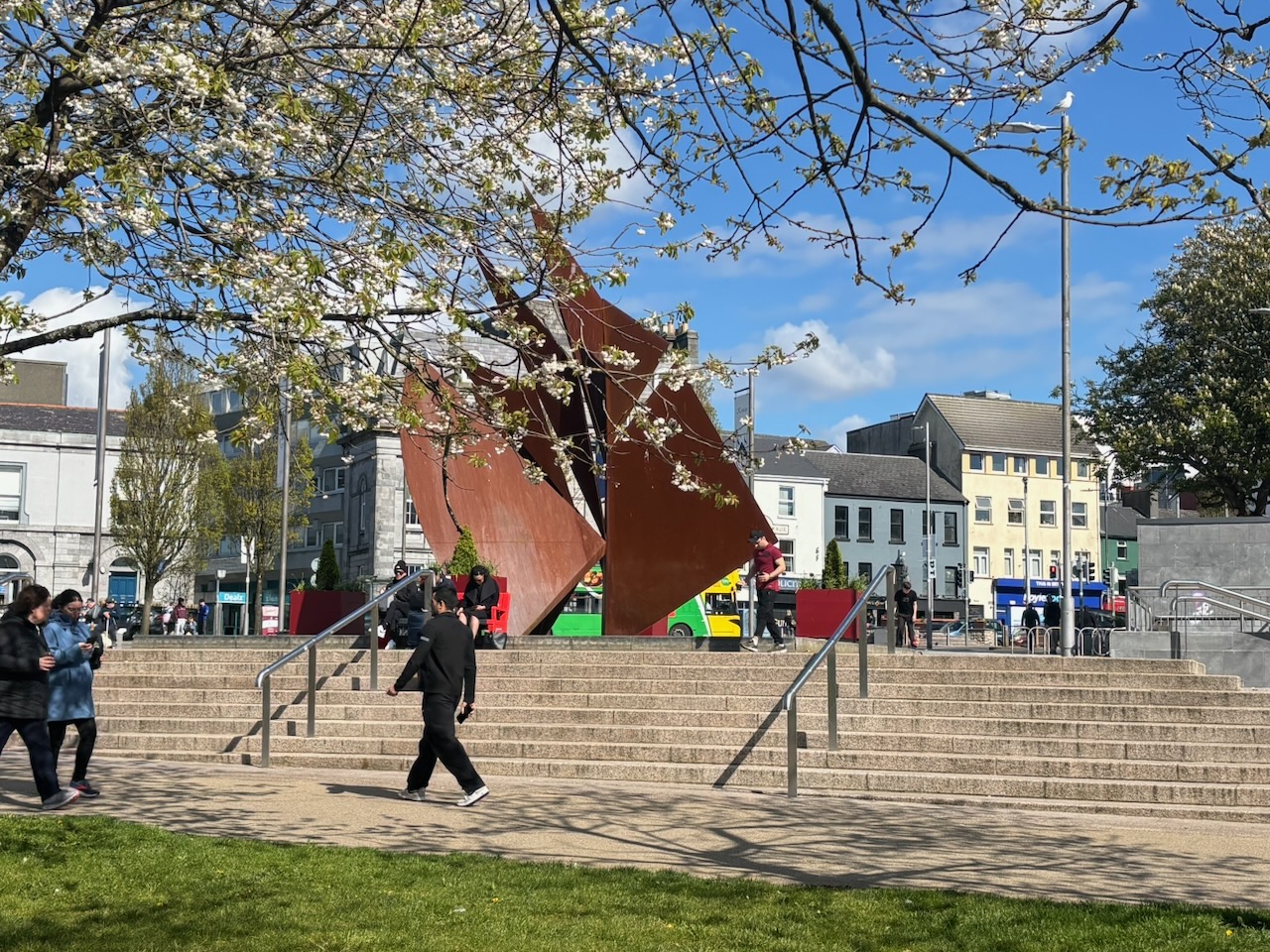
Nearby is the rust-colored “Hooker” sculpture, built in 1984 to celebrate the 500th anniversary of the incorporation of the city. The sails represent Galway’s square-rigged fishing ships (called “hookers”) and the vessels that made Galway a trading center so long ago. At the top of the park is the Browne Doorway, which is originally from a 1627 fortified townhouse, a reminder of the 14 “Tribes of Galway” that once ruled the town.
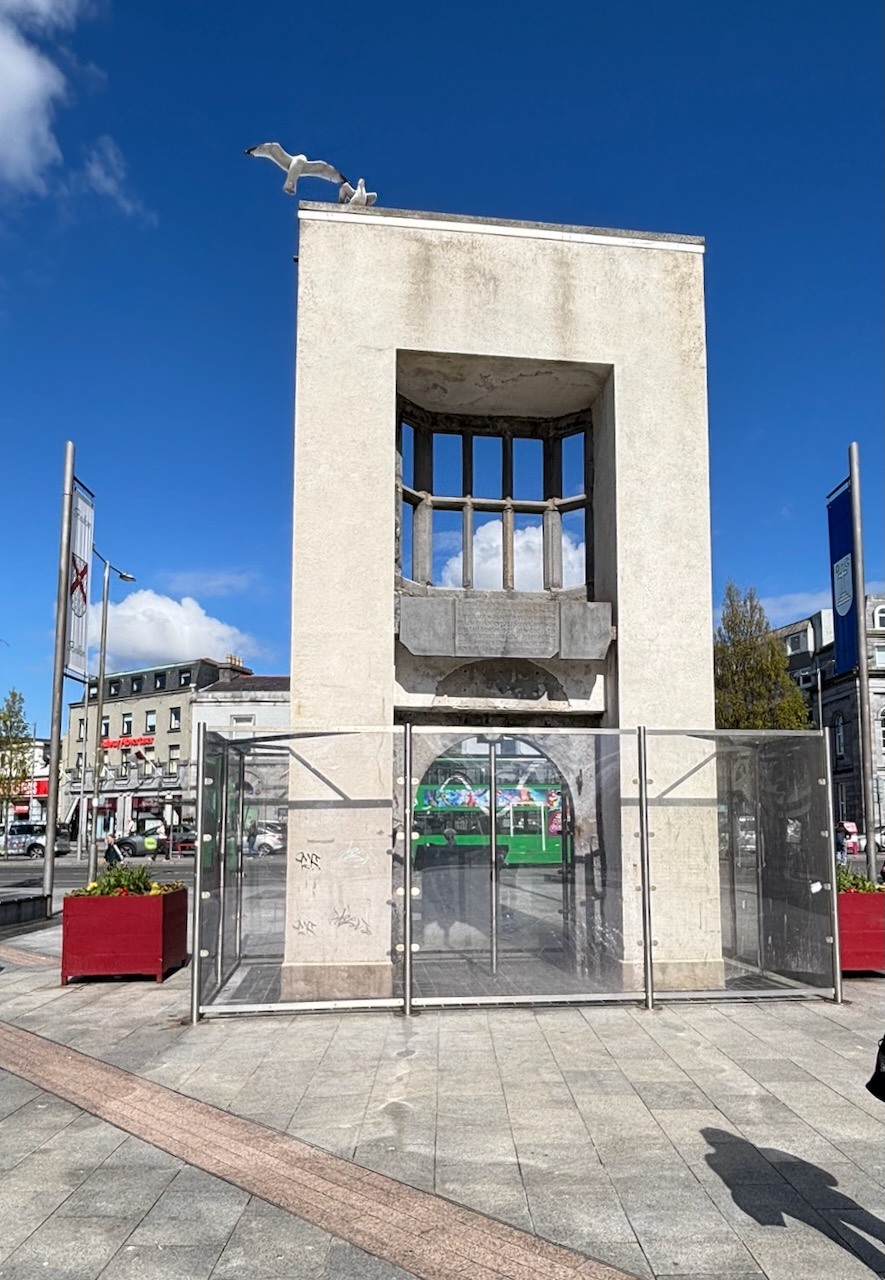
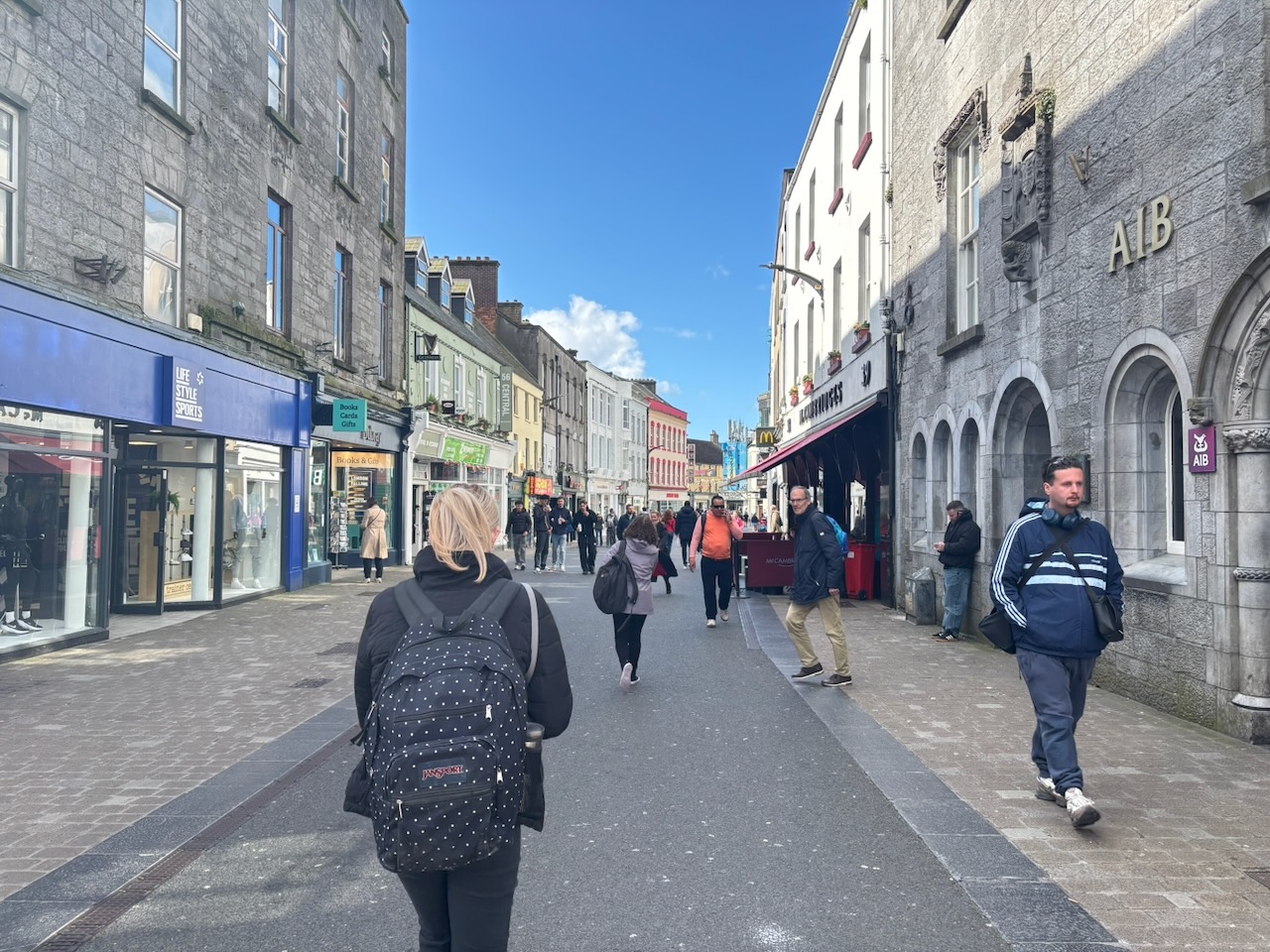
I do want to mention here that for the last few days, and for more to come the rain gave us a break and we were treated to many clear blue-sky days, although the constant wind kept the temperatures on the cool side. We left the square and within a block the busy street swung to the right and we entered the pedestrian zone, the main spine of medieval Galway, which changes names several times (to William, Shop, High, and Quay streets) as it leads downhill to the River Corrib. We’ll pick up the rest of our time in Galway in the next post.
Links
The Huntsman Inn: https://huntsmaninn.com/
Esquires: https://www.esquirescoffee.ie/our-locations/
Pádraic Ó Conaire: https://en.wikipedia.org/wiki/P%C3%A1draic_%C3%93_Conaire
Attributes
Discover more from 3jmann
Subscribe to get the latest posts sent to your email.


